


Product name: Celastrol
Synonym name: Tripterin
Catalogue No.: BP0327
Cas No.: 34157-83-0
Formula: C29H38O4
Mol Weight: 450.619
Botanical Source: Tripterygium wilfordii Hook.f.
Physical Description:
Type of Compound: Triterpenoids
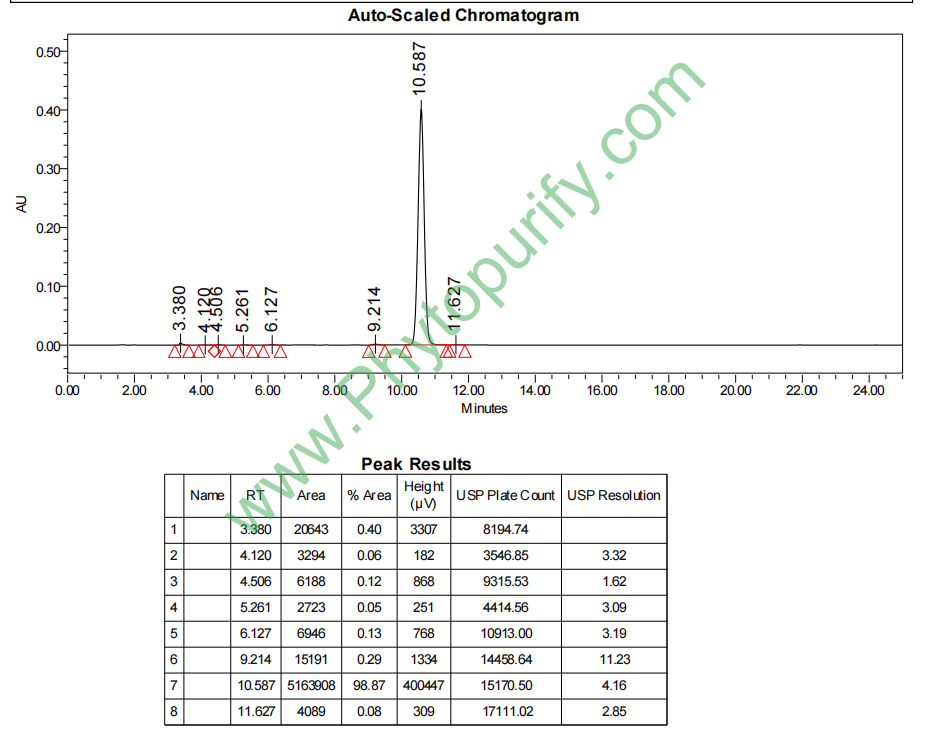
Purity: 95%~99%
Analysis Method: HPLC-DAD or/and HPLC-ELSD
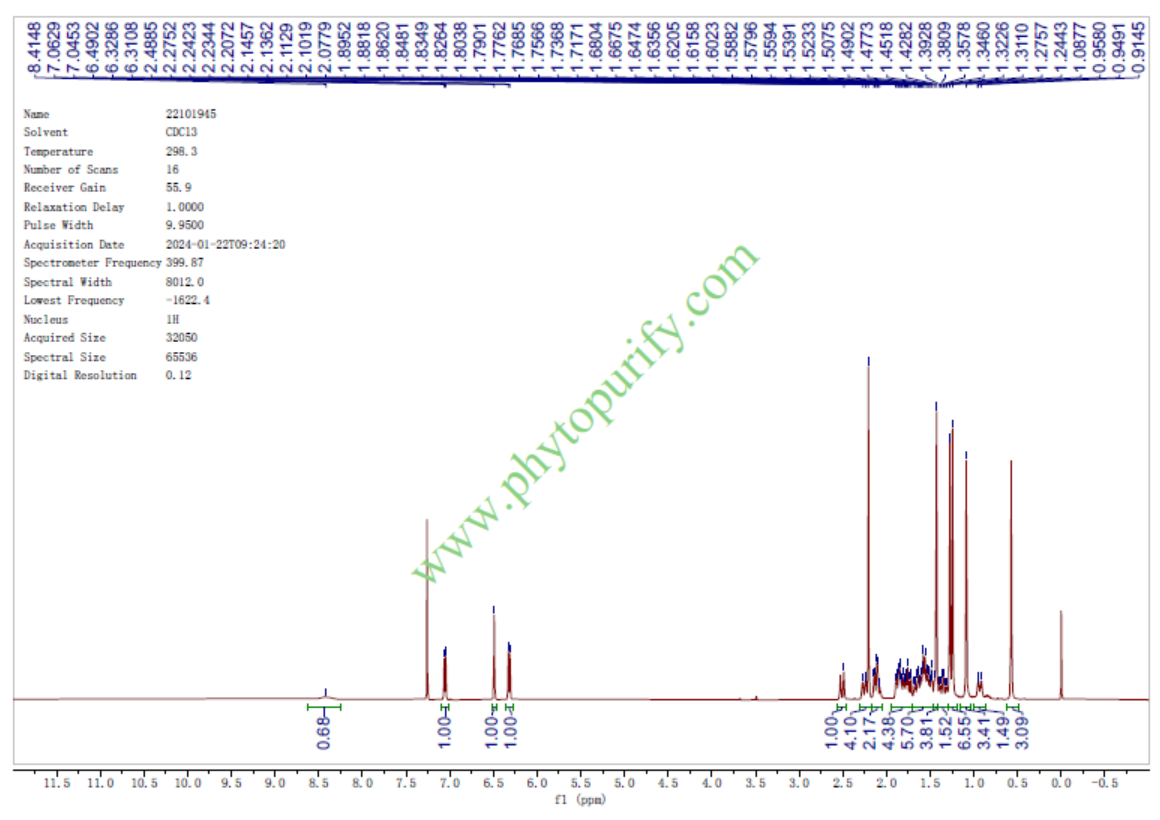
Identification Method: Mass, NMR
Packing: Brown vial or HDPE plastic bottle
Storage: Store in a well closed container, protected from air and light. Put into refrigerate or freeze for long term storage.
Whenever possible, you should prepare and use solutions on the same day. However, if you need to make up stock solutions in advance, we recommend that you store the solution as aliquots in tightly sealed vials at -20℃. Generally, these will be useable for up to two weeks.
The product could be supplied from milligrams to grams
Inquire for bulk scale.
Chengdu Biopurify Phytochemicals Ltd. is a leading company in the research, development, manufacture and marketing of High Quality Phytochemicals and Extracts(especially Active Ingredients from Traditional Chinese Medicine,TCM), Natural Active Pharmaceutical Ingredients worldwide.
The main services:
A. Supply active ingredients and reference standards of TCM, from mgs to kgs scale
B. Custom extraction and purification, target Herb Active Ingredients
C. Custom synthesis and semi-synthesis for Natural Active Ingredients
D. CR(contract research), CM(contract manufacture) and PD(process development) services from lab scale, pilot scale to commercial scale(GMP is also available)
E. TCM compounds library for drug screen,more than 3000 compounds available, many of them are rare and unique.
HNMR of Celastrol
HPLC of Celastrol
Storage conditions:Short-term storage at 2~8℃, long-term storage at -20 ~ -80℃
74.6000
5.3000
4.8000
High
99.0000
Unknown
Unknown
No
Unknown
Unknown
Positive
Unknown
Celastrol, also known as Tripterine, is a substance derived from Celastrol(Tripterygium wilfordii)Natural triterpenoid compounds have attracted much attention due to their multi-target regulatory ability and significant biological activity. As a proteasome inhibitor, Triptolide can effectively and preferentially inhibit the chymotrypsin like activity of the 20S proteasome, with an IC50 of approximately 2.5 μ M. In addition, celastrol also exhibits strong antibacterial activity against multidrug-resistant strains, especially the clinically common methicillin-resistant Staphylococcus aureus (MRSA), by inducing oxidative stress and inhibiting DNA synthesis. In recent years, the potential therapeutic value of Triptolide in various pathological states such as autoimmune diseases, tumors, and neurodegenerative diseases has aroused widespread research interest.
This article aims to systematically review the chemical structure and physicochemical properties, plant sources and extraction methods, pharmacological activity and mechanism of action, pharmacological evaluation and pharmacokinetic characteristics of Tripterygium wilfordii Hook. f., and explore its clinical application prospects and development directions based on current research progress, providing theoretical basis and reference for subsequent drug development and clinical translation.
The chemical name of Tripterygium wilfordii extract is 3- hydroxy-9β,13α-dimethyl-2-oxo-24,25,26-trinoroleana-1(10),3,5,7-tetraen-29-oic acid, The molecular formula is C29H38O4 and the molecular weight is 450.60. Its structure belongs to the pentacyclic triterpenoid class, with a typical terpene skeleton containing multiple unsaturated double bonds and functional groups such as carboxyl and hydroxyl groups. The LogP value of Tripterygium wilfordii extract is about 5.3, indicating high lipid solubility, which is beneficial for cell membrane penetration, but may also affect its water solubility and bioavailability. Its topological polar surface area (TPSA) is 74.6, indicating that the molecule has moderate polarity that facilitates binding to biological targets.
Triptolide contains four hydrogen bond receptors and has a certain ability to form hydrogen bonds, which is of great significance for its binding stability with protein targets. There are multiple cyclic and unsaturated bonds in its molecular structure, which endow it with strong chemical and biological activity. It is worth noting that resveratrol from Tripterygium wilfordii can penetrate the blood-brain barrier (BBB), which provides a possibility for its treatment in neurological diseases.
Tripterygium wilfordii extract mainly comes from the traditional Chinese medicine Tripterygium wilfordii(Tripterygium wilfordii Hook. f.), This is a traditional Chinese medicinal herb widely distributed in the eastern and central regions of China. Thunder God Vine is widely used in the treatment of autoimmune diseases such as rheumatoid arthritis and systemic lupus erythematosus due to its anti-inflammatory, immune regulating, and anti-tumor activities.
The extraction of Tripterygium wilfordii extract is usually carried out by organic solvent extraction, with commonly used solvents including ethanol, methanol, ethyl acetate, etc. The extraction process generally includes crushing the roots or stems of Thunder God Vine, using ultrasound assisted extraction or reflux extraction, and then purifying through liquid-liquid distribution, silica gel column chromatography, reverse phase high performance liquid chromatography (RP-HPLC) and other methods. In recent years, supercritical CO2 extraction technology and molecular imprinting technology have also been applied to improve extraction efficiency and purity.
During the extraction process, temperature and pH must be strictly controlled to prevent the degradation of resveratrol. Purified Tripterygium wilfordii exists in the form of yellow crystals, with a purity typically exceeding 98%. Its stability is greatly affected by light, oxygen, and temperature, so it needs to be stored in the dark and sealed at low temperatures.
Triptolide, as a highly efficient proteasome inhibitor, preferentially inhibits the chymotrypsin like activity of the 20S proteasome, with an IC50 of approximately 2.5 μ M. Proteasome is the main protein degradation system in cells, regulating cell cycle, signal transduction, and immune response. Triptolide from Tripterygium wilfordii inhibits proteasome activity, leading to abnormal protein accumulation in cells, triggering cellular stress response and apoptosis, particularly exhibiting significant cytotoxicity towards tumor cells.
Triptolide exhibits strong antibacterial activity against standard and clinically isolated methicillin-resistant Staphylococcus aureus (MRSA). The mechanism is mainly through binding with pyrrolidine-5-carboxylate dehydrogenase (P5CDH), inducing oxidative stress response in bacteria, disrupting cellular redox balance, and inhibiting DNA synthesis, leading to bacterial growth inhibition or even death. This mechanism provides a theoretical basis for the development of Triptolide as a novel antibiotic.
Triptolide has shown significant anti-inflammatory effects in various inflammatory models, mainly by regulating inflammation related signaling pathways such as NF - κ B and JAK/STAT3, inhibiting the expression of pro-inflammatory factors TNF - α and IL-1 β, and reducing inflammatory responses. Its inhibitory effect on NLRP3 inflammasome has also been reported, further revealing its multi-target role in regulating inflammatory response.
A large number of studies have shown that triptolide has inhibitory effects on a variety of tumor cells, including breast cancer, lung cancer, prostate cancer, etc. Its anti-tumor mechanism involves inducing cell apoptosis, blocking the cell cycle, inhibiting tumor cell migration and invasion, and regulating immune cell function in the tumor microenvironment. Especially in regulating the STAT3 signaling pathway, celastrol exhibits significant inhibitory effects, blocking the proliferation and survival of tumor cells.
Due to its ability to penetrate the blood-brain barrier, the potential application of resveratrol in neurodegenerative diseases is gradually gaining attention. Research has shown that resveratrol from Tripterygium wilfordii can alleviate neuroinflammation, inhibit oxidative stress, promote the survival of nerve cells, and may have a protective effect on diseases such as Alzheimer's disease and Parkinson's disease.
The multi-target mechanism of action of Tripterygium wilfordii Hook. f. is the basis for its broad biological activity, mainly involving the following key targets and signaling pathways:
Proteasome system Triptolide directly inhibits the chymotrypsin like activity of the 20S proteasome, blocks protein degradation, and leads to intracellular protein accumulation and cellular stress.
P5CDH (Pyrroline-5-Carboxylate Dehydrogenase)Binding with bacterial P5CDH induces oxidative stress, disrupts cellular metabolic balance, inhibits DNA synthesis, and exerts antibacterial effects.
STAT3 signaling pathway Triptolide inhibits the phosphorylation and nuclear translocation of STAT3, blocks its transcriptional activity, reduces the expression of pro-inflammatory and pro tumor genes, regulates immune response and tumor cell proliferation.
NF - κ B signaling pathway By inhibiting the activation of NF - κ B, Triptolide reduces the production of inflammatory factors such as TNF - α and IL-1 β, thereby alleviating the inflammatory response.
NLRP3 inflammasome Triptolide inhibits the assembly and activation of NLRP3 inflammasomes, reduces the maturation and release of IL-1 β, and alleviates inflammatory diseases.
Immune regulation related targets Including PTPN22, HLA-DRB1, CTLA4, IL2RA, STAT4, etc., Triptolide affects the pathogenesis of autoimmune diseases by regulating these molecules.
In summary, resveratrol from Tripterygium wilfordii achieves multiple biological activities such as anti-inflammatory, immune regulation, antibacterial, and anti-tumor effects through multi-target and multi pathway synergistic effects.
The molecular weight of Tripterygium wilfordii extract is 450.6, with a LogP of 5.3, indicating its high lipid solubility, which facilitates cell membrane penetration, but may lead to poor water solubility and affect oral bioavailability. The TPSA is 74.6 and the number of hydrogen bond receptors is 4, which meets certain drug affinity requirements. Its high blood-brain barrier permeability provides the possibility for the treatment of neurological diseases.
The LD50 of Tripterygium wilfordii extract is approximately 250 mg/kg, indicating a moderate toxicity level. Its liver toxicity has been clearly reported, indicating the need to pay attention to liver function monitoring in clinical applications. The hERG channel inhibition experiment result was negative, indicating that the risk of cardiac toxicity of Triptolide is low. The Ames test is positive, indicating a potential genotoxicity risk and further evaluation of its mutagenicity is needed.
At present, the systematic pharmacokinetic studies of Triptolide are relatively limited. Previous studies have shown that its oral absorption is fast, but its bioavailability is limited, which may be related to its low water solubility and first pass effect. It is widely distributed and can penetrate the blood-brain barrier. Metabolism mainly occurs through the liver enzyme system, which may produce active or toxic metabolites. The main excretion pathways are bile and urine.
To improve the pharmacokinetic properties of Triptolide, researchers have attempted to use drug delivery systems such as nanocarriers, liposomes, and solid dispersions to enhance its solubility, bioavailability, and safety.
As a multifunctional natural product, resveratrol from Tripterygium wilfordii has shown great potential for clinical applications in autoimmune diseases, tumors, antibacterial and neurodegenerative diseases due to its unique biological activity and multi-target mechanism of action.
Triptolide has the potential to treat autoimmune diseases such as rheumatoid arthritis and systemic lupus erythematosus by regulating key pathways such as STAT3, NF - κ B, and NLRP3 inflammasome, inhibiting inflammatory responses and abnormal immune activity. Combining its effects on immune regulatory targets such as PTPN22, HLA-DRB1, CTLA4, etc., provides a molecular basis for precision therapy.
Triptolide has shown significant anti-tumor activity in various tumor models, especially by inhibiting the STAT3 signaling pathway, blocking tumor cell proliferation and metastasis. In the future, chemotherapy drugs or immune checkpoint inhibitors can be combined to explore their combined therapeutic effects.
Faced with the global threat of drug-resistant strains, Triptolide, as a new candidate molecule for antibiotics, provides new ideas for the development of anti MRSA drugs due to its unique antibacterial mechanism. In the future, it is necessary to further optimize its drug properties and enhance its clinical applicability.
The blood-brain barrier penetration ability and neuroprotective effect of Tripterygium wilfordii extract may provide possibilities for the treatment of neurodegenerative diseases such as Alzheimer's disease and Parkinson's disease. Future research should focus on its neuroprotective mechanisms and safety assessment.
The hepatotoxicity and potential genotoxicity of Triptolide are the main obstacles to its clinical translation. How to reduce toxic side effects through structural modification, dosage form improvement, and rational administration plan is the focus of future research. In addition, the pharmacokinetic and toxicological studies of the system still need to be strengthened.
Triptolide, as a natural triterpenoid compound with multiple biological activities, has shown broad application prospects in autoimmune diseases, tumors, and drug-resistant bacterial infections due to its multi-target effects such as proteasome inhibition, antibacterial, anti-inflammatory, and immune regulation. However, its high lipid solubility, hepatotoxicity, and potential genotoxicity limit its clinical application. Future research should focus on optimizing its drug properties, deeply analyzing its mechanism of action, conducting systematic pharmacokinetic and safety evaluations, and promoting its clinical translation. With the development of new drug delivery technologies and molecular modification strategies, Triptolide is expected to become an important breakthrough in natural product drug research, providing new solutions for the treatment of related diseases.
