
| Catalog No | Package | Original Price | Price | Inventory | Quantity | Operating |
|---|---|---|---|---|---|---|
| BP0213-20mg | 20mg | $36.00 | Sign in |
|


Product name: Astragaloside IV
Synonym name: Astrasieversianin XIV; Cyclosieversioside F; Cyclosiversioside F; Astramembrannin I; Astragaloside A
Catalogue No.: BP0213
Cas No.: 84687-43-4
Formula: C41H68O14
Mol Weight: 784.981
Botanical Source: Astragalus membranaceus, Astragalus sieversianus and Astragalus pterocephalus
Physical Description: White powder
Type of Compound: Triterpenoids
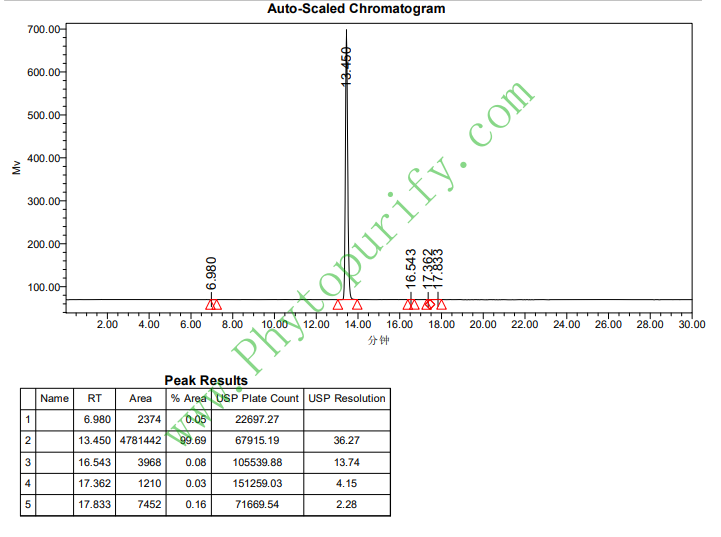
Purity: 95%~99%
Analysis Method: HPLC-DAD or/and HPLC-ELSD
Identification Method: Mass, NMR
Packing: Brown vial or HDPE plastic bottle
Storage: Store in a well closed container, protected from air and light. Put into refrigerate or freeze for long term storage.
Whenever possible, you should prepare and use solutions on the same day. However, if you need to make up stock solutions in advance, we recommend that you store the solution as aliquots in tightly sealed vials at -20℃. Generally, these will be useable for up to two weeks.
The product could be supplied from milligrams to grams, up to kilograms
Inquire for bulk scale.
Descriptions:
Astragaloside IV, a saponin isolated from Astragalus membranaceus, has been shown to protect the myocardium against ischemia/reperfusion injury, it also has beneficial effect in H/R-induced injury may be related to normalization of SR Ca2+ pump expression and, thus, it may prevent the depression in SR Ca2+ handling.[1]
Astragaloside IV synergizes with ferulic acid to inhibit renal tubulointerstitial fibrosis in rats with obstructive nephropathy.[2]
Astragaloside IV attenuates glycated albumin-induced epithelial-to-mesenchymal transition by inhibiting oxidative stress in renal proximal tubular cells.[3]
Astragaloside IV can reduce phosphorylation of JNK and ERK1/2 induced by complement membranous attack complex, the mechanism of Astragalus membranaceus in the treatment of membranous nephropathy (MN) may be related to its attenuation of podocyte injury through regulation of cytoskeleton and mitogen activated protein kinase. [4]
Astragaloside IV can reduce blood pressure and triglyceride levels in fructose-fed rats and high dose of astragaloside IV also improves glucose tolerance and endothelium-dependent vasorelaxation, the mechanism is associated with increased levels of aortic NOx and cGMP and is abrogated by blockade of nitric oxide synthase with NG-nitro-l-arginine methyl ester (l-NAME), suggests that astragaloside IV may be useful in ameliorating food-induced metabolic syndrome.[5]
Astragaloside IV attenuates inflammatory cytokines by inhibiting TLR4/NF-кB signaling pathway in isoproterenol-induced myocardial hypertrophy, and attenuates Toll-like receptor 4 expression via NF-κB pathway under high glucose condition in mesenchymal stem cells.[6,7]
Astragaloside IV can inhibit adenovirus replication and apoptosis in A549 cells in vitro.[8]
Astragaloside IV can inhibit doxorubicin-induced cardiomyocyte apoptosis mediated by mitochondrial apoptotic pathway via activating the PI3K/Akt pathway.[9]
References:
[1] Xu X L, Chen X J, Ji H, et al. Pharmacology, 2008, 81(4):325-32.
[2] Meng L, Tang J, Wang Y, et al. Brit J Pharmacol, 2011, 162(8):1805-18.
[3] Qi W, Niu J, Qin Q, et al. Cell Stress & Chaperon, 2014, 19(1):105-14.
[4] Rong Z, Deng Y, Chen Y, et al. Phytother Res, 2012, 26(6):892-8.
[5] Zhang N, Wang X H, Mao S L. Molecules, 2011, 16(5):3896-907.
[6] Yang J, Wang H X, Zhang Y J, et al. J Ethnopharmacol, 2013, 150(3):1062–70.
[7] Li M, Yu L, She T, et al. Eur J Pharmacol, 2012, 696(1-3):203-9.
[8] Shang L, Qu Z, Sun L, et al. J Pharm Pharmacol, 2011, 63(5):688-94.
[9] Jia Y, Zuo D, Li Z, et al. Chem Pharm Bull, 2014, 62(1):45-53.
[10] Liu Q, Zhongdong L I, Liu J, et al. Chinese Journal of Modern Applied Pharmacy, 2010(04):355-8.
HPLC of Astragaloside IV
Storage conditions:Short-term storage at 2~8℃, long-term storage at -20 ~ -80℃
228.2200
2.2563
2.2564
.0458
.5696
.6109
Low
70.3114
6.8168
No
No
No
No
No
No
0.0
Yes
No
No
No
Astragaloside IV (AS-IV) is a traditional Chinese medicine called Huangqi(Astragalus membranaceus A representative iridoid saponin isolated from Fisch Bunge, with CAS number 84687-43-4. As one of the core active ingredients of Huangqi, which plays a role in "tonifying qi, stabilizing the surface, promoting diuresis and reducing swelling", Huangqi IV has long been widely studied by pharmacological researchers. Modern pharmacological studies have shown that Astragaloside IV exhibits a wide range of complex biological activities, including anti-inflammatory, antioxidant, immune regulatory, anti fibrotic, cardioprotective, neuroprotective, and anti-tumor effects. In recent years, with the deepening application of molecular biology technology, its mechanism of action has been continuously elucidated. For example, studies have confirmed that it can inhibit the activation of ERK1/2 and JNK, and then down regulate the expression of matrix metalloproteinase-2 and MMP-9 in breast cancer cell MDA-MB-231, which suggests that it has potential value in inhibiting tumor invasion and metastasis. At the same time, the mechanism of action of Astragaloside IV in the prevention and treatment of metabolic diseases, especially hyperglycemia and its complications, is increasingly being studied, involving multiple key targets such as EHMT2, AMPK, SGLT2, etc. This article aims to systematically review the chemical properties, pharmacological activities, molecular mechanisms of action, pharmacological characteristics, and clinical application prospects of Astragaloside IV, in order to provide comprehensive scientific references for the deep development and clinical application of this natural product.
The molecular formula of Astragaloside IV is C41H68O14, with a molecular weight of 784.9810. Its chemical structure consists of Cycloastragenol as the aglycone, with a sugar chain connected at positions C-3 and C-6, respectively. Specifically, the C-3 position is connected to a disaccharide chain composed of xylose (Xyl) and glucose (Glc), while the C-6 position is connected to a single glucose molecule. This unique tetracyclic triterpenoid saponin structure is the material basis for its biological activity.
From the analysis of parameters related to drug properties, the lipid water partition coefficient (LogP) of Astragaloside IV is 2.2563, indicating that it has a certain degree of lipophilicity, but not high lipid solubility. Its topological polar surface area (TPSA) is as high as 228.2200 Å ², which is mainly attributed to the abundant hydroxyl and sugar structures in the molecule, leading to its high polarity. This characteristic also directly affects its solubility, with a low water solubility value (about 0.0458 mg/mL), making it a poorly soluble compound, which poses challenges for its oral absorption and formulation development. In terms of predicting the properties of absorption, distribution, metabolism, and excretion (ADME), its blood-brain barrier permeability was evaluated as "low", indicating that it may be difficult for it to enter the central nervous system as a prototype drug. The safety related parameters show that the hERG channel inhibition risk is "no", and the Ames test result is 0.0 (negative), indicating that its cardiotoxicity and genotoxicity risks are relatively low, and it has good safety potential. However, these theoretical parameters need to be further validated through systematic in vitro and in vivo experiments.
Astragaloside IV is mainly derived from the leguminous plant Astragalus membranaceus(Astragalus membranaceus var. mongholicus (Bunge) P.K. Hsiao or Membranous Astragalus membranaceus(Astragalus membranaceus Dry roots of Fisch Bunge. Huangqi, as a commonly used traditional Chinese medicine, is often evaluated for its quality based on the content of Huangqi IV glycoside and Mao Rui isoflavone glucoside as the main indicators.
Extracting and isolating astragaloside IV from Huangqi medicinal herbs is a multi-step process. The conventional process begins with solvent extraction, often using methanol, ethanol, or their aqueous solutions for reflux extraction or ultrasound assisted extraction to extract saponin components from plant cells. Subsequently, the extract was concentrated and purified using macroporous adsorption resins (such as D101, AB-8, etc.). Impurities were removed by water washing, and then eluted with different concentrations of ethanol solution gradient to collect the fraction rich in astragaloside IV. Further purification relies on chromatographic techniques, including silica gel column chromatography, reverse phase silica gel column chromatography (such as ODS-C18), and high-performance liquid chromatography (HPLC) preparative chromatography. In recent years, some new extraction techniques such as supercritical fluid extraction and microwave-assisted extraction have also been explored to improve extraction efficiency and selectivity. The optimization goal of the extraction process is to improve the yield and purity of Astragaloside IV while maintaining its biological activity, in order to meet the needs of pharmacological research and drug development.
A large number of preclinical studies have revealed the pharmacological activities of Astragaloside IV in various aspects, and its effects cover almost multiple major disease fields.
1. Cardiovascular protective effect: Huangqi Glycoside IV is a key component of Huangqi that plays a role in nourishing qi and promoting blood circulation. Research has shown that it can significantly improve myocardial ischemia/reperfusion injury, reduce myocardial infarction area, and its mechanism is related to inhibiting oxidative stress, reducing inflammatory response, regulating autophagy, and inhibiting myocardial cell apoptosis. In addition, it has a protective effect on vascular endothelial function, can resist atherosclerosis, and improve the heart function of heart failure models.
2. Antitumor and anti metastatic effects: As mentioned in the introduction, Astragaloside IV has the effects of inhibiting proliferation, inducing apoptosis, and inhibiting invasion and metastasis of various tumor cells. In breast cancer MDA-MB-231 cells, it inhibits the ERK/JNK signaling pathway and down regulates the expression of MMP-2 and MMP-9, thereby weakening the migration and invasion of tumor cells. Similar mechanisms have also been observed in models such as liver cancer, lung cancer, and colon cancer.
3. Hypoglycemic and anti diabetes complications: Huangqi IV glycoside has shown a clear improvement effect on hyperglycemia and its complications. In the animal model of diabetes, it can reduce fasting blood glucose, improve insulin resistance, and protect the function of pancreatic islet β cells. More importantly, it has significant preventive and therapeutic effects on diabetes nephropathy, diabetes cardiomyopathy, diabetes peripheral neuropathy and other complications, which is closely related to its antioxidant, anti-inflammatory and anti fibrosis properties.
4. Neuroprotective effect: Although its blood-brain barrier permeability is low, studies have shown that astragaloside IV has a protective effect on neurological disease models such as Alzheimer's disease, Parkinson's disease, and cerebral ischemic injury. This may be achieved through its metabolites, or indirectly affecting the central nervous system by regulating peripheral inflammation, as well as improving the integrity of the blood-brain barrier.
5. Immune regulation and anti-inflammatory effects: Astragaloside IV can bidirectionally regulate immune function, enhancing immunity in immunocompromised states and exerting anti-inflammatory effects in excessive inflammatory reactions. It can regulate the balance of T lymphocyte subsets, inhibit macrophage overactivation, and release pro-inflammatory factors (such as TNF - α, IL-1 β, IL-6).
6. Anti organ fibrosis effect: Astragaloside IV has inhibitory effects on liver fibrosis, pulmonary fibrosis, and renal fibrosis, with its core mechanism being the inhibition of the transforming growth factor - β 1 (TGF - β 1)/Smad signaling pathway, reducing excessive deposition of extracellular matrix.
The multiple pharmacological effects of Astragaloside IV stem from its precise regulation of multiple signaling pathways within cells. Its mechanism of action is complex, and the following will focus on anti-tumor and hypoglycemic aspects, combined with the provided target information.
1. Mechanisms of anti-tumor and anti metastasis:
In breast cancer MDA-MB-231 cells, the anti metastasis effect of astragaloside A is closely related to the mitogen activated protein kinase (MAPK) signaling pathway. ERK1/2 and JNK are important members of the MAPK family, involved in the regulation of cell proliferation, survival, stress response, apoptosis, and migration, respectively. Huangqi IV glycoside can effectively inhibit the phosphorylation (activation) of ERK1/2 and JNK, thereby blocking their downstream signal transduction. The direct consequence of this inhibition is the downregulation of gene expression and protein activity of MMP-2 and MMP-9. MMP-2 and MMP-9 are key enzymes that degrade extracellular matrix and basement membrane, and their high activity is a core step in tumor cell invasion and distant metastasis. Therefore, through the ERK/JNK MMPs axis, astragaloside IV effectively suppressed the invasive phenotype of tumor cells.
2. Mechanisms for reducing blood sugar and preventing its complications:
Regarding hyperglycemia, the action of Astragaloside IV involves multiple targets and pathways:
* AMPK signaling pathway AMP activated protein kinase (AMPK) is a core regulator of cellular energy metabolism. Huangqi IV glycoside has been confirmed to be an activator of AMPK. Activation of AMPK can promote glucose uptake and utilization in skeletal muscle and liver, inhibit hepatic gluconeogenesis, and directly lower blood glucose levels. At the same time, the activation of AMPK can also inhibit inflammation and oxidative stress, which is crucial for the prevention and treatment of complications of diabetes.
* SGLT2 and GCK Sodium glucose cotransporter 2 (SGLT2) is a key protein for renal reabsorption of glucose. Inhibiting SGLT2 can increase urinary glucose excretion and achieve hypoglycemic effects. Glucokinase (GCK) is the rate limiting enzyme in liver glucose metabolism. Huangqi IV glycoside may exert its effects by regulating these targets directly related to glucose metabolism, but the specific mode of action (activation or inhibition) needs further confirmation.
* EHMT2 and Epigenetic Regulation Histone lysine methyltransferase 2 (EHMT2/G9a) is an epigenetic modifying enzyme. In a high sugar environment, EHMT2 may be involved in regulating the expression of pro-inflammatory and pro fibrotic genes. Huangqi IV glycoside may reverse the adverse epigenetic changes caused by high glucose by inhibiting EHMT2.
* PAI-1 and fibrosis Plasminogen activator inhibitor-1 (PAI-1) is a key promoter of the fibrosis process and is highly expressed in complications such as diabetes nephropathy. The downregulation of PAI-1 by Astragaloside IV is directly related to its anti renal fibrosis and endothelial protective effects.
* APP/ACE1 and neurological complications: β - amyloid precursor protein (APP) and β - site APP lyase 1 (BACE1) are key molecules in the formation of amyloid plaques in Alzheimer's disease, and are also related to cognitive dysfunction in diabetes. Astragaloside IV may exert neuroprotective effects by intervening in the APP/ACE1 pathway, reducing the production of β - amyloid protein.
* Other targets Protein tyrosine phosphatase 1B (PTPN1) is a negative regulator of the insulin signaling pathway, carboxylesterase 1 (CES1) is involved in lipid metabolism, and the regulatory effect of astragaloside IV on these targets together constitutes its network for improving insulin resistance and metabolic disorders.
Although Astragaloside IV has a wide range of pharmacological activities, its medicinal properties face certain challenges, mainly due to its poor solubility and low bioavailability.
Pharmacokinetic characteristics Animal pharmacokinetic studies have shown that oral absorption of Astragaloside IV is slow and incomplete, with low absolute bioavailability (usually<10%). It is widely distributed in the body, but as predicted, the amount entering brain tissue is limited. Huangqi IV glycoside undergoes hydrolysis (deglycosylation) metabolism in the body, generating secondary aglycones such as cycloastragaloside. These metabolites often have biological activity and may even be the ultimate executors of some of its pharmacological effects. Huangqi IV glycoside and its metabolites are mainly excreted through bile and feces, with less excretion in the kidneys.
Challenges and Strategies in Drug Development:
1. Solubility and permeability Low water solubility and moderate permeability make it a Class IV drug in the Biopharmaceutical Classification System (BCS), with oral absorption being the main limiting step.
2. Formulation strategy To improve its bioavailability, researchers have developed various novel drug delivery systems, including:nano-formulation(such as liposomes, nanoparticles, micelles)Solid dispersion、Phospholipid complex、Cyclodextrin inclusion complex Wait. These technologies can effectively increase drug solubility, promote intestinal absorption, improve stability, and potentially achieve targeted delivery.
3. Structural modification Chemical structural modification of Astragaloside IV (such as synthetic prodrug) to improve its lipid solubility or water solubility is another research direction for enhancing drug properties.
4. safety Existing toxicology studies (including acute and long-term toxicity) generally show that astragaloside IV has low toxicity and a wide safety window, which provides a favorable basis for its clinical development. The negative hERG inhibition and Ames test further support its safety.
The clinical application prospects of Astragaloside IV are broad, but solid work is still needed for its transformation.
Current application and development status At present, astragalus extract or compound traditional Chinese medicine preparations containing astragaloside A have been widely used in clinic to assist in the treatment of cardiovascular and cerebrovascular diseases, diabetes nephropathy, chronic hepatitis, etc., but as a single chemical drug, it is still in the development stage. Some injections (such as those used for myocardial ischemia) and oral preparations mainly composed of astragaloside IV have entered clinical trial research.
Future development direction:
1. Indication focus Given its multi-target nature, priority should be given to areas with relatively clear mechanisms and urgent clinical needs.diabetic nephropathy and Diabetes cardiomyopathy It is a highly promising direction, as its mechanism of action covers multiple aspects such as AMPK activation, anti-inflammatory, and anti fibrotic effects (inhibition of PAI-1, etc.).neoadjuvant therapy Especially in inhibiting tumor metastasis and sensitizing chemotherapy, they are also important directions.
2. Overcoming the bottleneck of traditional Chinese medicine Continuing to optimize the new drug delivery system and conducting systematic studies on the relationship between formulation, pharmacokinetics, and pharmacodynamics is the key to achieving clinical translation.
3. In depth mechanism exploration By utilizing omics technologies (proteomics, metabolomics) and gene editing techniques, we can more comprehensively reveal its functional network and discover new biomarkers and combination therapy targets.
4. Combination therapy research Exploring the combined use of Astragaloside IV and existing standard treatment drugs (such as SGLT2 inhibitors, metformin, chemotherapy drugs) may produce synergistic effects, reduce side effects, and improve efficacy.
5. Accumulation of clinical evidence Designing and implementing rigorous randomized controlled clinical trials to obtain high-level evidence-based medicine is the ultimate step in moving from "potential drugs" to "clinical drugs".
Huangqi glycoside IV, as the star active ingredient of traditional Chinese medicine Huangqi, has been extensively studied from early activity screening to systematic molecular mechanism interpretation and drug development. It exhibits multidimensional and multi-target pharmacological properties in anti-tumor, hypoglycemic, and organ protection by regulating multiple signaling pathways such as ERK/JNK and AMPK. Despite challenges in terms of solubility and bioavailability, these obstacles are gradually being overcome through modern pharmaceutical and medicinal chemistry methods. In the future, with the continuous deepening of basic research and the acceleration of clinical translation, Astragaloside IV is expected to develop from an excellent natural product molecule into an innovative drug or key component for the treatment of metabolic diseases, chronic inflammatory diseases, and tumor adjuvant therapy, contributing to human health with the wisdom of traditional medicine and the power of modern technology.
