


Synonym name: 4-Hydroxy-L-isoleucine; (2S,3R,4S)-4-Hydroxyisoleucine, Cas No. 55399-93-4
Catalogue No.: BP0077
Cas No.: 781658-23-9
Formula: C6H13NO3
Mol Weight: 147.174
Botanical Source:
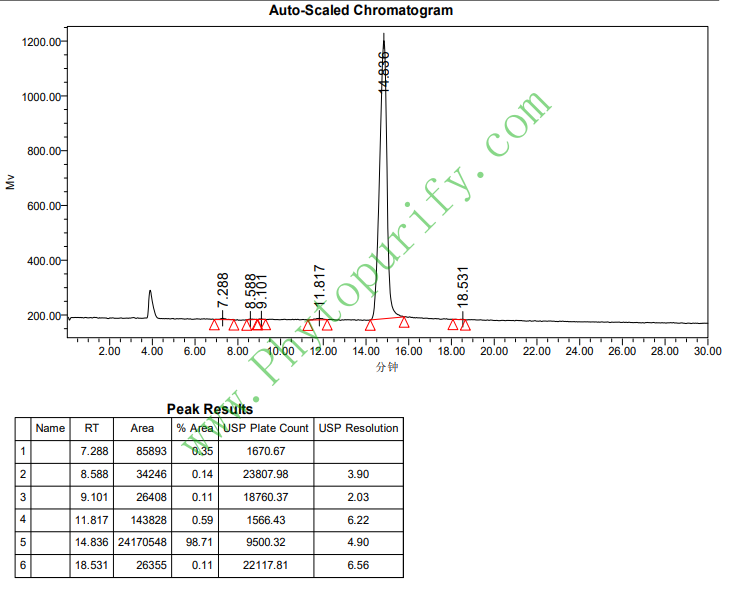
Purity: 95%~99%
Analysis Method: HPLC-DAD or/and HPLC-ELSD
Identification Method: Mass, NMR
Packing: Brown vial or HDPE plastic bottle
Can be supplied from milligrams to grams, up to kilograms.
The price is very competitive, please contact for detail.
The 4-hydroxyisoleucine can be supplied in kilograms scale for API, Nutrition and Dietary Supplement, except supplied for R&D.
4-hydroxyisoleucine is an amino acid derivative that assists the pancreas in production of insulin. Studies have shown that adding fenugreek to your diet reduces fasting blood sugars and improves after-meal glucose tolerance significantly. 4-hydroxyisoleucine works by two separate mechanisms: It has a direct, stimulating effect on insulin production for those who wish to increase their glucose metabolism and helps to reduce glucose resistance and the uptake of glucose, thereby reducing overall blood glucose levels. Several studies with animals and with human cell cultures demonstrate this extract’s positive effect on reducing postmeal glucose levels—with little or no increase in blood insulin concentrations— a clear indictor of improved insulin sensitivity.
Several studies show that the free amino acid 4-hydroxyisoleucine plays a valuable role in insulin-promotion and glucose regulation. 4-hydroxyisoleucine stimulates insulin secretion, thereby limiting the extent to which blood glucose (the glycemic index) is elevated. Elevated blood glucose after meals leads to increased production of body fat. 4 hydroxyisoleucine promotes insulin secretion and inhibits the rise of blood glucose, thus helping to reduce body fat production. 4-hydroxyisoleucine exhibits a specific effect on the islets of Langerhans in the pancreas. These cells are directly responsible for insulin production. Most significantly, the effect of 4-hydroxyisoleucine is glucose dependent. The higher the level of blood glucose, the greater the insulin-promoting response elicited by 4 hydroxyisoleucine. Thus 4-hydroxyisoleucine exhibits a significant regulating effect, which corresponds with the insulin needs of the body at any given time. This makes this compound “adaptogenic,” responding to the particular needs of the body at any given time.
1. 4-Hydroxyisoleucine: a novel amino acid potentiator of insulin secretion
Diabetes, Vol 47, Issue 2 206-210,1998
2. 4-Hydroxyisoleucine: experimental evidence of its insulinotropic and antidiabetic properties.
Am J Physiol. 1999 Oct;277(4 Pt 1):E617-23.
HPLC of 4-Hydroxyisoleucine
Storage conditions:Short-term storage at 2~8℃, long-term storage at -20 ~ -80℃
83.5500
-.8519
-.8555
103.8891
.3506
2.0454
Low
21.9943
3.5891
Yes
No
No
No
No
No
0.0
No
No
No
No
In the vast field of natural product chemistry and pharmacology research, amino acids and their derivatives have attracted much attention due to their special status as the basic units of life and extensive biological activities. 4-Hydroxyisoleucine (4-HIL), as a non protein derived isoleucine derivative with a chiral center, has gradually become a research hotspot due to its unique pharmacological effects, especially in metabolic and neurological diseases, since its discovery. Its CAS number is 781658-23-9.
Hydroxyisoleucine was originally derived from the traditional medicinal plant fenugreek(Trigonella foenum-graecum L. Separated from the seeds. Fenugreek has been used in many traditional medical systems for a long time to treat diabetes, hyperlipidemia, dyspepsia and other diseases, which provides an important ethnic pharmacological clue for the study of biological activity of 4-HIL. Modern pharmacological studies have confirmed that 4-HIL not only inherits the "anti diabetes" tradition of fenugreek, but also shows significant effects in promoting insulin secretion, improving insulin resistance, regulating lipid metabolism, etc. Its scope of action has also expanded to the central nervous system fields such as antidepressant and anti anxiety, suggesting that it has the characteristics of multi target and multi pathway action.
With the increasing burden of chronic diseases such as diabetes, metabolic syndrome and depression worldwide, it is urgent to develop efficient and safe new therapeutic drugs. 4-HIL, as a naturally occurring, orally active, and safe small molecule compound, provides an attractive lead structure for the development of related drugs. This article aims to systematically review the chemical structure, plant origin, pharmacological activity, mechanism of action, medicinal properties, and clinical application prospects of hydroxyisoleucine, in order to provide comprehensive scientific references for the in-depth research and development of this compound.
The chemical name of hydroxyisoleucine (4-HIL) is (2S, 3R, 4S) -4-hydroxyisoleucine, with a molecular formula of C6H13NO3 and a molecular weight of 147.1740 g/mol. The core of its structure is the introduction of a hydroxyl group on the β - carbon atom of isoleucine, forming a unique stereochemical configuration containing two chiral centers (C-2 and C-4). The main stereoisomers isolated from fenugreek in nature are those with absolute configurations of (2S, 3R, 4S), which are crucial for their biological activity. The activity of other stereoisomers is usually significantly reduced or eliminated.
From the analysis of physical and chemical properties, 4-HIL exhibits typical polar amino acid characteristics. The calculated lipid water partition coefficient (LogP) is -0.8519, indicating strong hydrophilicity and weak hydrophobicity. The topologically polar surface area (TPSA) is 83.55 Å ², which reflects the presence of polar groups such as amino, carboxyl, and hydroxyl groups in the molecule, indicating good water solubility and weak membrane permeability. The experimental data also confirms this, with a water solubility of up to 103.8891 mg/mL, which is beneficial for its formulation in aqueous formulations and dissolution absorption after oral administration. However, the higher polarity and TPSA also lead to a predicted "low" blood-brain barrier (BBB) permeability, which may pose a certain challenge to its direct pharmacological effects on the central nervous system, but it does not rule out the possibility that it indirectly affects central function through peripheral effects.
In the preliminary screening of drug properties, 4-HIL showed good safety potential. The risk of hERG inhibition is' no ', which means that the risk of inducing QT interval prolongation and apical torsion type ventricular tachycardia is low, which is an important indicator of drug cardiovascular safety. In addition, the actual Ames test result was 0.0, indicating no mutagenicity and low genetic toxicity risk under the testing conditions. These excellent preliminary safety parameters lay the foundation for further drug development.
The main natural source of hydroxyisoleucine is the leguminous plant fenugreek(Trigonella foenum-graecum L. Dry and mature seeds. Fenugreek is widely cultivated worldwide and serves as both a spice and an important traditional medicinal herb. The content of 4-HIL in fenugreek seeds is relatively abundant, accounting for about 0.1% -0.9% of the dry weight of the seeds. Its content is influenced by factors such as variety, origin, climate, and storage conditions.
Extracting and purifying 4-HIL from fenugreek seeds typically involves the following steps:
1. Pre treatment and degreasing After crushing the seeds of fenugreek, non-polar solvents such as petroleum ether or n-hexane are usually used for Soxhlet extraction or cold soaking to remove a large amount of oil from the seeds and reduce subsequent purification interference.
2. Extraction of active ingredients The defatted seed powder is extracted using polar solvents. Common methods include:
* Water extraction method Utilizing the good water solubility of 4-HIL, extraction is carried out using hot water or acid/alkali aqueous solutions. This method has low cost, but the extract components are complex.
* Alcohol extraction method Use methanol, ethanol, or ethanol water mixed solution for reflux extraction or ultrasound assisted extraction. Ethanol extraction has high efficiency and is easy to recover, making it a commonly used method in laboratories and industry.
3. Separation and Purification After filtration and concentration, the crude extract needs to be further separated and purified to obtain high-purity 4-HIL.
* Ion exchange chromatography The use of the zwitterionic properties of 4-HIL for separation through cation or anion exchange resins is a classic and effective purification method.
* Preparation type high-performance liquid chromatography method The preparation of high-purity 4-HIL can be achieved by using a reverse phase C18 chromatography column with water methanol or water acetonitrile (usually supplemented with trifluoroacetic acid plasma as the reagent) as the mobile phase for elution.
* Crystallization method Under specific conditions (such as adjusting the pH to near its isoelectric point), 4-HIL can crystallize and precipitate from water or alcohol water solutions, which is a possible method for industrial scale production.
In addition to extracting from natural plants, chemical synthesis and biosynthetic pathways are also being explored. Chemical synthesis can selectively prepare specific stereoisomers of 4-HIL, but the steps may be cumbersome. Biological synthesis (such as microbial fermentation) has the potential for green and sustainable development, and is an important research direction for future large-scale production.
A large number of preclinical studies have revealed the extensive and significant pharmacological activities of hydroxyisoleucine, mainly focusing on metabolic regulation and neuropsychiatric protection.
1. Anti diabetes and regulation of metabolic activity
This is the most in-depth and well supported area of 4-HIL research.
* Promote insulin secretion 4-HIL can dose dependently stimulate glucose induced insulin secretion in isolated pancreatic islets, insulinoma cell lines, and animal models. Its function does not depend on classical sulfonylurea receptors, indicating a unique mechanism.
* Improving insulin resistance: In the type 2 diabetes rat model induced by high fructose diet combined with streptozotocin, 4-HIL treatment can significantly improve glucose tolerance, reduce fasting glucose and insulin levels, and increase insulin sensitivity index. Its mechanism is related to promoting glucose uptake and utilization in peripheral tissues such as skeletal muscle and liver.
* Regulating lipid metabolism: 4-HIL can effectively reduce the levels of total cholesterol, triglycerides and low-density lipoprotein cholesterol in the serum of diabetes or hyperlipidemia model animals, while increasing high-density lipoprotein cholesterol, showing a comprehensive role in regulating blood lipids.
* Anti low-grade inflammation Metabolic diseases are often accompanied by chronic low-grade inflammation. Research has shown that 4-HIL can inhibit the expression of pro-inflammatory factors such as tumor necrosis factor - α and interleukin-6, alleviate inflammation in adipose tissue and liver, and help improve insulin resistance and metabolic disorders.
2. Antidepressant and anti anxiety activity
In recent years, the role of 4-HIL in the central nervous system has received attention.
* Antidepressant effect In classic behavioral despair models such as forced swimming and tail suspension experiments in mice, administration of 4-HIL can significantly shorten the immobility time of animals, exhibiting similar effects to the classic antidepressant fluoxetine. It has also been observed in the chronic unpredictable mild stress model that it can improve depressive like behavior.
* Anti anxiety effect In the elevated cross maze and open box experiments, 4-HIL can increase the open arm exploration time and open box dwell time of animals, indicating its anti anxiety activity. The potential target network for its anti anxiety effect is relatively complex (see next chapter).
3. Other activities
The study also suggests that 4-HIL may have auxiliary activities such as antioxidant activity, protection of pancreatic beta cells, and promotion of osteoblast differentiation, which complement its core metabolic and neuroprotective effects.
The multiple pharmacological effects of hydroxyisoleucine stem from its multi-target properties. Its mechanism of action can be analyzed from two main dimensions: metabolism and neural network.
1. The core mechanism of improving insulin resistance and metabolic disorders
* Activate AMPK pathway Adenosine activated protein kinase is a core regulatory factor in cellular energy metabolism. 4-HIL can be proven to be an activator of AMPK. Activated AMPK promotes fatty acid oxidation and glucose transport in skeletal muscle and liver, inhibits gluconeogenesis and lipid synthesis, thereby comprehensively improving energy metabolism homeostasis.
* Promote mitochondrial biosynthesis: In the diabetes rat model, 4-HIL can up regulate the expression of key factors such as peroxisome proliferator activated receptor γ coactivator 1 α, nuclear respiratory factor 1, promote the regeneration and functional recovery of mitochondria, and enhance the energy metabolism of cells, which is an important cellular basis for reversing insulin resistance.
* Regulating the insulin signaling pathway 4-HIL can enhance tyrosine phosphorylation of insulin receptor substrate 1, activate downstream phosphatidylinositol 3-kinase/protein kinase B signaling pathway, thereby improving tissue sensitivity to insulin.
2. Potential neural mechanisms of antidepressant and anti anxiety
Its neuropsychiatric activity involves a complex target system that is highly correlated with the target group you provided:
* Regulating monoamine energy system Although not directly targeting monoamine transporters, it may indirectly affect the function of neurotransmitters such as serotonin and norepinephrine through downstream signals.
* Affects neurotransmitter receptors and signals:
* Nicotinic acetylcholine receptor alpha 7 subtype CHRNA7 is a key receptor for rapid neurotransmission and anti-inflammatory pathways, and its function is related to cognitive and emotional regulation.
* Metabolic glutamate receptor 2 GRM2 is an inhibitory G protein coupled receptor, and its agonists have anti anxiety and anti depression potential.
* σ -1 receptor SIGMAR1 is a molecular chaperone on the endoplasmic reticulum, involved in cellular stress response, neuroplasticity, and neuroprotection, and is an important target of antidepressant drugs.
* Opioid receptor delta subtype and adenosine A3 receptor The regulation of OPRD1 and ADORA3 is also involved in emotion and pain modulation.
* Intervention in neuroinflammation and blood-brain barrier:
* Endothelin receptor The antagonistic effects of EDNRA and EDNRB may improve cerebrovascular function and indirectly affect the central environment.
* P-glycoprotein ABCB1 is an important efflux pump on the blood-brain barrier. The interaction between 4-HIL and ABCB1 (possibly through inhibition or substrate competition) may regulate the distribution of its own or other neuroactive substances in the central nervous system. Although its BBB permeability is low, this effect cannot be ignored.
* Other potential targets Examples such as acetylcholinesterase and topoisomerase I may affect neuronal function and survival through a wider range of cellular processes.
In summary, 4-HIL may exert its effects through a "peripheral central" linkage: in the periphery, it strongly improves metabolic and inflammatory states through targets such as AMPK; In the central nervous system, although the direct concentration may be limited, it may exert antidepressant and anti anxiety effects by regulating blood-brain barrier function (such as ABCB1) and affecting specific neural receptor networks (such as CHRNA7, SIGMAR1, GRM2).
It is crucial to conduct a systematic pharmacological evaluation of 4-HIL based on its excellent natural properties and preliminary activity.
Pharmacokinetic characteristics(Based on existing animal research):
* absorb 4-HIL is rapidly absorbed orally. In the rat model, the peak blood drug concentration was reached about 1 hour after oral administration, indicating good gastrointestinal absorption characteristics, which is consistent with its high water solubility and small molecular weight.
* distribution Manifesting as characteristics of a two room model. Its apparent distribution volume is relatively small, indicating that it is mainly distributed in tissues with abundant body fluids and blood flow. As mentioned earlier, its blood-brain barrier permeability is low and its central distribution is limited.
* Metabolism Current research indicates that 4-HIL has a low degree of metabolism in the body and mainly exists in its prototype form. This is related to its stable structure and difficulty in being rapidly metabolized by common metabolic enzymes such as cytochrome P450 enzymes.
* excretion The prototype drug is mainly rapidly excreted through the kidneys and urine. The elimination half-life in rat experiments is relatively short, about 1-2 hours, indicating that multiple daily doses or the use of sustained-release formulations may be necessary to maintain effective blood drug concentrations.
Advantages and challenges of pharmaceutical properties:
* Advantage:
1. High security Natural source, long-term consumption history of fenugreek suggests its good safety; Preclinical toxicology studies (such as Ames test negative, no hERG inhibition) further support its low toxicity characteristics.
2. Good oral activity Oral absorption is fast and sufficient, suitable for development as an oral preparation.
3. Multi target effect It has the potential for comprehensive treatment of comorbidities of metabolic syndrome and emotional disorders.
4. Suitable physical and chemical properties Good water solubility, conducive to formulation development.
* challenge:
1. Low blood-brain barrier permeability This may limit its direct impact on central targets. The strategy includes: developing prodrugs to improve lipid solubility; By utilizing its potent effects on peripheral targets such as AMPK, it indirectly exerts central benefits through the gut brain axis or by improving systemic metabolic/inflammatory status; Or investigate the possibility of regulating BBB efflux pumps (such as ABCB1) to alter the central microenvironment.
2. Short half-life It is necessary to design a suitable dosing regimen or develop sustained-release formulations.
3. Stereoscopic configuration dependence Only specific configurations (2S, 3R, 4S) have high activity, which poses high requirements for synthesis processes or extraction purification.
The unique pharmacological spectrum of hydroxyisoleucine has brought broad application prospects in multiple clinical fields.
Potential clinical application directions:
1. Type 2 diabetes and early intervention As a single or adjuvant medication, it is used to improve insulin resistance, control blood sugar and blood lipids, especially for patients with obesity or dyslipidemia.
2. Comprehensive management of metabolic syndrome It has the functions of lowering blood sugar, regulating fat, and anti-inflammatory, making it an ideal candidate molecule for managing metabolic syndrome.
3. Treatment of depression/anxiety associated with diabetes The incidence rate of depression/anxiety in diabetes patients was significantly higher than that in the general population. 4-HIL simultaneously targets the core pathological processes of metabolic disorders and emotional disorders, providing a new strategy of "killing two birds with one stone" for the treatment of this comorbidity, which may be more advantageous than single drug therapy.
4. Adjuvant treatment for mild to moderate depression or anxiety As a natural product, its side effects may be less than traditional chemically synthesized drugs and are easily accepted by patients.
Future research prospects:
1. In depth mechanism exploration It is necessary to use techniques such as gene knockout and chemical biological probes to accurately verify its direct interactions and functional consequences with neural targets such as CHRNA7, SIGMAR1, and GRM2. Elucidate the specific molecular pathways of its "peripheral central" communication.
2. Structural optimization and formulation innovation By rational drug chemical modification, its pharmacokinetic properties can be improved while retaining its core pharmacophore, such as increasing BBB permeability and prolonging half-life. Develop new delivery systems such as sustained-release tablets, nanoparticles, liposomes, etc.
3. Strict clinical research Advancing standardized Phase I, II, and III clinical trials to clarify their effective dosage, safety, pharmacokinetic parameters, and precise therapeutic effects in the human body is a necessary path for them to enter the market.
4. Explore new indications Based on its AMPK activation, anti-inflammatory, and cell protective properties, its potential value in diseases such as non-alcoholic fatty liver disease and Alzheimer's disease (closely related to metabolism and inflammation) can be explored.
Hydroxyisoleucine, as an active natural product discovered from the traditional medicinal and edible plant fenugreek, reflects the successful transformation from traditional experience to modern science in its research process. It is not just a simple amino acid derivative, but also a versatile molecule that combines multiple activities such as promoting insulin secretion, improving insulin resistance, regulating lipid metabolism, anti-inflammatory, and anti depression and anxiety. Its mechanism of action involves a wide range of targets from the peripheral energy metabolism center AMPK to the central neurotransmitter receptor network, demonstrating the typical characteristics of multi-target and multi pathway synergistic effects of natural products.
Although it faces challenges in the permeability of blood brain barrier and half-life in vivo, its excellent oral activity, good safety and clear multi effect pharmacological effects have shown great development potential in the prevention and treatment of diabetes, metabolic syndrome and neuropsychiatric comorbidity. With further clarification of its molecular mechanism of action, optimization of medicinal chemistry, and in-depth clinical research, hydroxyisoleucine is expected to develop from a promising natural active molecule into an innovative drug or functional food ingredient with distinctive and competitive features, contributing its unique value to human health. Future research should continue to adhere to the concept of "originating from nature, surpassing nature", deeply explore its scientific connotation, and accelerate its transformation into clinical applications.
