


Synonym name:
Catalogue No.: BP1066
Cas No.: 20554-84-1
Formula: C15H20O3
Mol Weight: 248.322
Botanical Source: numerous plants including Chrysanthemum parthenium, Michelia champaca, Michelia nilagirica, Michelia compressa, Chrysanthemum parthenium, Ambrosia dymosa, Magnolia grandiflora, Artemisia spp., Tanacetum parthenianum, Paramichelia baillonii an
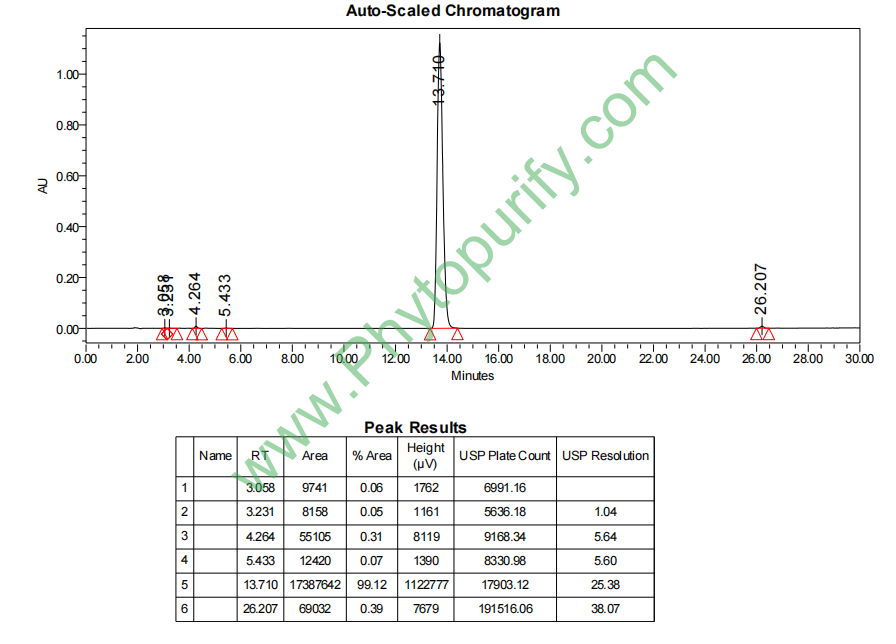
Purity: 95%~99%
Analysis Method: HPLC-DAD or/and HPLC-ELSD
Identification Method: Mass, NMR
Packing: Brown vial or HDPE plastic bottle
Can be supplied from milligrams to grams, up to kilograms.
Inquire for bulk scale.
Plant Compounds Show Effects Against Prostate Cancer Stem Cells
Center for Cancer Research
Scientists at NCI’s CCR are finding early evidence that some plant-based compounds (phytochemicals) – specifically parthenolide, from the Chinese herbal medicine feverfew and gossypol, a compound isolated from cotton-seed oil – can inhibit or eliminate cancer stem cells (CSCs). CSCs are increasingly viewed as the driving force behind relapse and chemotherapy resistance in prostate and other cancers.
A growing body of evidence has identified CSCs, also called tumor-initiating cells, as the major cause of tumor progression, explained William Farrar, Ph.D., head of CCR’s Cancer Stem Cell Section and an investigator for the phytochemical study on prostate cancer which is supported by OCCAM.*
Cancer stem cells are believed to be a small subpopulation of cells within a tumor that are able to self-renew as well as give rise to more differentiated tumor cells. It is thought that these stem cells survive initial therapies (such as chemotherapy and hormone therapy) and then generate new tumor cells that are resistant to standard treatments. If prostate cancer stem cells could be identified and characterized, it might be possible to design treatments that prevent resistance.
CSCs are distinct from the cancer “progeny cells,” which are created by CSCs and make up the bulk of most tumors. Current cancer treatments focus on destroying the progeny cells “but in many cases, even after the tumor is reduced or seemingly eliminated, it grows back and becomes resistant to further treatment,” Dr. Farrar added. Many researchers now believe that the CSCs often survive initial treatment and act like “evil seeds” that regrow new, more treatment-resistant progeny cells.
In the study of parthenolide,** the researchers found that the compound killed more than 90% of CSCs in several prostate cancer cell lines and in primary prostate cancer cells. These findings were validated in mice that were grafted (xenografts) with prostate CSCs and treated with parthenolide. Previous research showed the compound was also effective against CSCs for certain leukemias, which may be the focus of the first human clinical trial of parthenolide, Dr. Farrar noted.
In future studies, Dr. Farrar’s lab will expand its library of phytochemicals, including curcumin and quercetin, and isolate CSCs to determine the effectiveness of plant compounds for other cancers. “Besides just killing CSCs, we want to look at whether we can block their ability to metastasize,” he said. “We want to get particularly aggressive with researching CSCs’ impact on pancreatic cancers.”
*Project Number: Z01BC010794
**Kawasaki BT, Hurt EM, Kalathur M, Duhagon MA, Milner Ja, Kim YS, Farrar WL. Effects of the sesquiterpene lactone parthenolide on prostate tumor-initiating cells: An integrated molecular profiling approach. The Prostate, June 1, 2009; 69(8): 827-37.
HPLC of Parthenolide
Storage conditions:Short-term storage at 2~8℃, long-term storage at -20 ~ -80℃
38.8300
2.4704
2.4702
.4272
5.2970
5.6790
High
69.8716
4.7229
No
No
No
No
Yes
No
0.6
Yes
No
Yes
Yes
Migraine is a common chronic neurovascular disease characterized by recurrent moderate to severe pulsatile headaches, often accompanied by symptoms such as nausea, vomiting, photophobia, and fear of sound, which seriously affect the quality of life of patients. Although its pathophysiology has not been fully elucidated, the activation of the trigeminal neurovascular system, neurogenic inflammation, and the involvement of multiple neurotransmitters and modulators are considered key links. Although traditional therapeutic drugs such as triptans and nonsteroidal anti-inflammatory drugs are effective, they have limitations such as cardiovascular risks, drug-induced headaches, and poor response in some patients. Therefore, developing new, safe, and efficient anti migraine drugs is an important direction of current research. In this context, natural products derived from traditional medicinal plants have attracted much attention due to their multi-target effects and potential safety advantages. Xiaobaiju lactone, as a sesquiterpene lactone isolated from the traditional herb Platycodon grandiflorus, has been widely studied for its anti-inflammatory, analgesic, and neuromodulatory activities. In recent years, its anti migraine potential has become increasingly prominent, and its mechanism of action involves the regulation of multiple targets such as transient receptor potential channels, neurotransmitter transporters, ion channels, and key neuropeptides, demonstrating unique advantages beyond traditional single target drugs. This article aims to systematically review the chemical properties, plant sources, pharmacological activities related to migraine resistance, multi-target mechanisms of action, pharmacological characteristics, and clinical translation prospects of small white chrysanthemum lactone, in order to provide comprehensive scientific basis for the deep development and utilization of this natural product.
The chemical name of small white chrysanthemum lactone is 1,10-epoxy-4,7-dimethyl-11-methylene-3-oxaspiro [5.5] undec-8-en-2-one, and its CAS number is 20554-84-1. It is a sesquiterpene lactone with the characteristic structure of α - methylene - γ - lactone, with a molecular formula of C15H20O3 and a molecular weight of 248.3220. Its core structure consists of a ten membered ring fused with an alpha, beta unsaturated lactone ring, an epoxidation group, and an outer methylene group. This unique α - methylene - γ - lactone structure is the key pharmacophore for its Michael addition reaction with biomolecules such as thiol groups in proteins, and is the chemical basis for its various biological activities.
From the analysis of physical and chemical properties, the lipid water partition coefficient (LogP) of small white chrysanthemum lactone is 2.4704, indicating that it has moderate lipophilicity, which is beneficial for its penetration into cell membranes. Its topological polar surface area (TPSA) is 38.8300 Å ², which is relatively small, further indicating its good membrane permeability. The water solubility data (approximately 0.43 mg/mL) shows that it belongs to the category of slightly soluble to poorly soluble compounds, which to some extent limits its oral bioavailability and is a key issue that needs to be overcome in formulation development. It is worth noting that its blood-brain barrier permeability is predicted to be "high", which is crucial for its action on central nervous system targets to exert anti migraine effects. In the preliminary safety screening, it showed no significant inhibitory effect on hERG potassium channels (hERG inhibition: No), indicating a low potential risk of cardiac toxicity. The Ames test result was 0.6, indicating no significant mutagenicity in this testing system, providing preliminary safety support for its further development.
Xiaobai Chrysanthemum Lactone is mainly derived from the short tongued Chrysanthemum of the Asteraceae family, commonly known as Xiaobai Chrysanthemum. This plant has a history of hundreds of years in traditional European medicine and is commonly used to treat fever, arthritis, and headaches. Xiaobaiju lactone is one of its main active ingredients, with relatively high levels in leaves and inflorescences, but its content is significantly affected by factors such as plant variety, growth environment, harvest season, and location.
The extraction of small white chrysanthemum lactone from plant materials is usually carried out using organic solvent extraction method. Common solvents include dichloromethane, ethyl acetate, ethanol, or methanol. The classic process is to extract the dried and crushed aboveground parts of Chrysanthemum morifolium by cold soaking or hot reflux with an appropriate solvent, and then concentrate to obtain the crude extract. Subsequently, chromatographic techniques such as silica gel column chromatography and high-performance liquid chromatography were used for separation and purification to obtain high-purity small white chrysanthemum lactone. With the advancement of technology, green extraction methods such as supercritical CO2 extraction have also been applied. This method has the advantages of high selectivity, no solvent residue, and is conducive to protecting thermally unstable components. In order to ensure stable supply and controllable quality of raw materials, research on plant cell culture and chemical synthesis is also underway. Previous studies have explored the preparation of small white chrysanthemum lactone and its derivatives through total or semi synthetic pathways, aiming to solve the problems of limited natural sources and large fluctuations in content, and provide a material basis for structural modification to optimize its medicinal properties.
The pharmacological activity of small white chrysanthemum lactone has been extensively studied, and its core lies in its powerful anti-inflammatory and immune regulatory effects, which are closely related to the pathological process of neurogenic inflammation in migraine. In the field of anti migraine, its pharmacological activity is mainly reflected in the following aspects:
Analgesic and anti nociceptive effects Multiple preclinical studies have shown that resveratrol exhibits analgesic effects in various pain models. In a nitroglycerin induced migraine rat model, baicalin significantly reduced headache related behaviors such as scratching the head and decreased the expression of c-Fos protein (a neuronal activation marker) in the trigeminal cervical complex. Its analgesic effect does not depend on opioid receptors, indicating that it has different mechanisms of action.
Inhibit neurogenic inflammation Migraine attacks are closely related to the release of neuropeptides (such as calcitonin gene-related peptide and substance P) caused by activation of the trigeminal vascular system. These neuropeptides cause dural vasodilation and plasma protein extravasation, known as neurogenic inflammation. Xiaobaiju lactone can effectively inhibit the release of CGRP and P substances from sensory nerve endings caused by inflammatory or electrical stimulation, thereby reducing vascular dilation and plasma extravasation.
Regulating cerebral vascular function Xiaobaiju lactone has a dual regulatory effect on cerebral blood vessels. On the one hand, it can antagonize the effects of certain vasoconstrictors; On the other hand, more importantly, it can inhibit excessive vasodilation caused by CGRP and other factors, helping to maintain stable cerebral vascular tone, which is an important link in migraine pathology.
Central nervous system regulation Due to its excellent blood-brain barrier permeability, resveratrol can directly act on the central nervous system. Research has shown that it can affect the activity of pain modulation centers such as the raphe nucleus in the brainstem, regulate the descending inhibitory system, and thereby increase pain threshold.
These broad pharmacological activities together form the basis of the anti migraine effect of small white chrysanthemum lactone, and the molecular mechanism behind it involves precise regulation of multiple key targets.
The anti migraine effect of small white chrysanthemum lactone is not achieved through a single pathway, but through molecular targets that act on multiple links such as pain perception, neurotransmitter transmission, and neurogenic inflammation, forming a synergistic network pharmacological effect of multiple targets.
Regulation of Transient Receptor Potential Channels:
Regulation of neurotransmitter system:
Regulation of voltage-gated sodium channels:
Inhibition of key neuropeptides:
Inhibition of histone deacetylase:
In summary, small white chrysanthemum lactone intervenes in the pathological process of migraine from multiple levels, including peripheral and central levels, by antagonizing TRPV1/TRPA1 channels, inhibiting SERT, regulating sodium channel function, inhibiting NF - κ B-CGRP axis, and selectively inhibiting HDAC1. This demonstrates the unique charm of natural products with multi-target and multi pathway effects.
Although small white chrysanthemum lactone has shown great potential in pharmacological activity, its pharmacological properties, especially pharmacokinetic properties, are the main challenge for its conversion into clinical drugs.
Pharmacokinetic characteristics The oral bioavailability of small white chrysanthemum lactone is generally low, mainly due to its poor water solubility and first pass metabolism in the gastrointestinal tract and liver. Animal studies have shown that its absorption is rapid but incomplete after oral administration, with a high plasma protein binding rate and a large distribution volume. It can quickly distribute to various tissues, including crossing the blood-brain barrier and entering the central nervous system, which is consistent with its predicted high BBB permeability. Xiaobaiju lactone is rapidly metabolized in the body, mainly through the liver cytochrome P450 enzyme system (such as CYP3A4, CYP2C9, etc.) for oxidative metabolism. Its α - methylene - γ - lactone structure is also prone to undergo II binding reaction with glutathione. Its main metabolites are dehydroxylation, epoxide ring opening, and glutathione conjugates. The prototype drug and its metabolites are mainly excreted through the kidneys and bile, with a relatively short half-life.
Challenges and optimization strategies for drug development:
1. Solubility and bioavailability Low water solubility is the key factor limiting its oral absorption. The current research strategies include:Formulation technology(such as making nanocrystals, liposomes, micelles, cyclodextrin inclusion complexes, etc. to improve solubility and stability);Prodrug design(Introducing hydrophilic or enzymatically degradable groups through chemical modification to release the original drug in vivo);Structural modification(Synthesize derivatives or analogues with better water solubility or metabolic stability while retaining the pharmacophore).
2. Metabolic stability Due to its rapid metabolism, easy to metabolize sites can be blocked through structural modifications (such as modifying epoxides or double bonds), or co administered with CYP enzyme inhibitors, but the risk of drug interactions needs to be carefully evaluated.
3. Selective delivery Using a nano targeted delivery system to deliver drugs in a targeted manner to the site of inflammation or trigeminal ganglia can increase local drug concentration, enhance efficacy, and reduce potential side effects caused by systemic exposure.
At present, some derivatives of small white chrysanthemum lactone (such as dimethylaminosmall white chrysanthemum lactone) have entered the preclinical or early clinical research stage, showing certain progress in improving solubility and metabolic stability.
As a multi-target anti migraine lead compound, small white chrysanthemum lactone has broad clinical application prospects, but also faces many challenges.
Potential application directions:
1. Acute migraine treatment Based on its rapid inhibition of neuropeptide release and antagonism of nociceptive ion channels, the development of immediate release formulations for acute phase treatment may provide a new option for patients who are intolerant or ineffective to triptans.
2. Preventive treatment for migraine Its anti-inflammatory, neuroexcitatory, and epigenetic mechanisms make it more suitable for the prevention of migraine. Developing long-acting sustained-release formulations may help reduce the frequency and severity of seizures.
3. Chronic migraine and medication overdose headache Its multi-target effect may have unique benefits for complex chronic migraine and drug overdose headache, exerting therapeutic effects by regulating mechanisms such as central sensitization.
4. Treatment of comorbidities Migraine often coexists with anxiety and depression. The inhibition of SERT and potential neuroprotective effects by small white chrysanthemum lactone suggest that it may have an improving effect on migraine and its emotional comorbidities.
challenges faced:
1. Optimization of drug properties As mentioned earlier, improving oral bioavailability and metabolic stability is the primary technical challenge.
2. Clinical validation of efficacy and safety Rigorous randomized controlled clinical trials need to be designed to clarify their effective dosage, onset time, duration of efficacy, and long-term safety in humans.
3. Intellectual Property and Standardization As a natural product, its compound patents may face challenges. We need to establish quality control standards for the entire process from raw materials to finished products.
4. Deep analysis of the mechanism of action Further clarification is needed on the interaction network between its multiple targets and its exact dominant mechanism in human migraine pathology.
Future Prospects Future research will focus on: ① synthesizing and screening a series of small white chrysanthemum lactone derivatives systematically through rational medicinal chemistry strategies, in order to obtain candidate drugs with better drug properties; ② Utilizing modern pharmaceutical technology to develop new drug delivery systems and break through their physical and chemical property limitations; ③ Conduct translational research from preclinical to clinical, especially exploring its therapeutic biomarkers in different subtypes of migraine patients; ④ Expand its potential applications in other diseases of the central nervous system, such as neuropathic pain and neuroinflammatory disorders. The research paradigm of small white chrysanthemum lactone also provides a classic case for discovering modern drugs with multi-target therapeutic properties from traditional herbs.
Xiaobaiju lactone, a sesquiterpene lactone derived from the traditional herb Xiaobaiju, has demonstrated significant advantages and potential in the development of anti migraine drugs due to its unique chemical structure and multi-target pharmacological mechanism of action. It can not only effectively antagonize nociceptive channels such as TRPV1/TRPA1, inhibit SERT function, regulate neuronal excitability, but also inhibit the production of key pain mediators such as CGRP at the transcriptional and epigenetic levels by suppressing the NF - κ B pathway and selectively inhibiting HDAC1, thereby intervening in the complex pathological network of migraine at multiple levels in the peripheral and central nervous systems. Although its poor solubility and rapid in vivo metabolism are the main bottlenecks for its conversion into drugs, these challenges are gradually being overcome through continuous advancements in drug chemical modification, novel formulation technologies, and targeted delivery strategies. The research process of small white chrysanthemum lactone, from traditional experience to modern scientific verification, reflects the enduring vitality of natural products in innovative drug discovery. With a deeper understanding of its mechanism of action and continuous breakthroughs in drug development technology, small white chrysanthemum lactone and its optimized derivatives are expected to provide a new, multi effective, and safe treatment option for migraine patients, especially those who have poor response to existing therapies, in the future, and may open up new paths for the treatment of other neurovascular diseases and chronic pain.
