Introduction/Overview
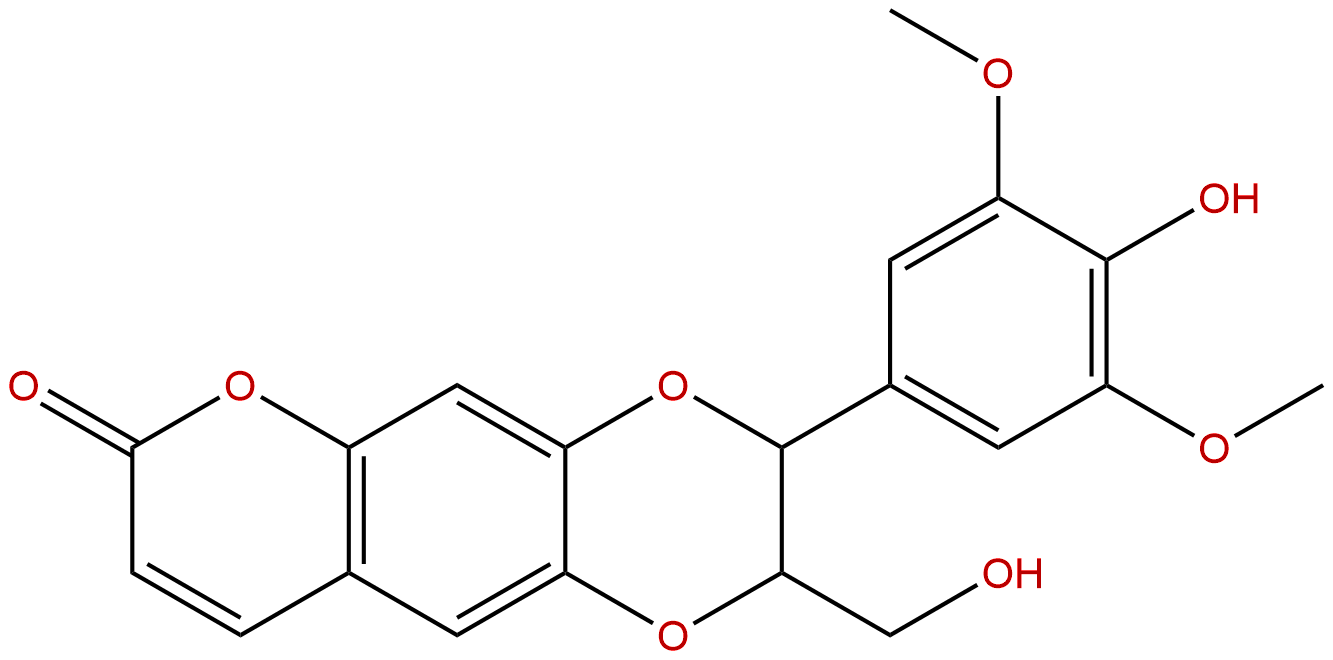
Natural products have always been an important source of innovative drug discovery, among which coumarin compounds have attracted much attention due to their extensive and significant biological activities. Moluccalin (CAS number: 116521-73-4), as a coumarin derivative isolated from Aleurites moluccana, has entered the research field in recent years due to its potential pharmacological activity in anti malaria and other fields. Malaria, especially malaria caused by Plasmodium falciparum, remains a major global public health challenge, and the emergence of drug resistance makes the development of new antimalarial drugs urgent. Moluccalin's preliminary research revealed that it not only has inhibitory effects on malaria parasites, but may also exert its effects through a multi-target mechanism involving multiple key targets such as protein kinase C alpha (PRKCA), topoisomerase (TOP1/TOP2A), and peroxisome proliferator activated receptor gamma (PPARG). This article aims to systematically review the chemical properties, plant sources, pharmacological activities, mechanisms of action, pharmacological evaluation, and clinical application prospects of Moluccalin, in order to provide comprehensive scientific references for the in-depth research and development of this compound.
Chemical structure and physicochemical properties
The molecular formula of Moluccanin is C20H18O8, with a molecular weight of 386.3560 g/mol. Its core structure is the coumarin nucleus, which belongs to the derivatives of furan coumarin or pyran coumarin. The specific structural characteristics are characterized by specific substituents attached to the coumarin ring, which have a decisive impact on its biological activity and physicochemical properties.
From the analysis of physical and chemical properties, the lipid water partition coefficient (LogP) of Moluccalin is 2.0638, indicating that the compound has moderate lipophilicity, which is beneficial for its penetration of cell membranes, but may also affect its water solubility and in vivo distribution. Its topological polar surface area (TPSA) is 107.5900 Å ², and the relatively large polar surface area suggests the presence of multiple hydrogen bond donors and acceptors in the molecule, which is usually related to intermolecular interactions and target recognition ability. The water solubility value is 0.0467 mg/mL, which is a poorly soluble compound and may be a potential limiting factor for its oral bioavailability. In the preliminary drug screening, Moluccalin showed low blood-brain barrier permeability, which means its application in central nervous system related diseases may be limited, but it may also reduce potential central nervous system side effects. The hERG channel inhibition test result is negative, indicating a low risk of causing QT interval prolongation in the heart. The Ames test result is 0.9 (usually expressed as mutation rate, close to 1 indicating a low risk of mutagenicity under the conditions of this experiment), providing preliminary favorable data for its genetic toxicity risk.
Plant sources and extraction methods
Moluccanin mainly comes from the Euphorbiaceae plant Aleurites moluccana (L.) Willd., also known as the macadamia fruit or candle fruit. The plant is widely distributed in tropical and subtropical regions. Its seeds, leaves, bark and other parts are commonly used in traditional medicine to treat inflammation, pain and infectious diseases. Coumarin compounds are one of the important active ingredients in the secondary metabolites of this plant.
The extraction and separation of Moluccalin from plant materials usually follow the conventional process of natural product chemistry. Firstly, dry plant tissues (such as leaves or seeds) are crushed and subjected to cold soaking or heating reflux extraction using organic solvents (such as methanol, ethanol, or acetone) to fully dissolve coumarin components. Subsequently, crude extract was obtained by vacuum concentration. Further separation and purification often use chromatographic techniques, including silica gel column chromatography, reverse phase column chromatography (such as C18 packing), and high performance liquid chromatography (HPLC). Solvent systems often use different ratios of petroleum ether ethyl acetate, chloroform methanol, or water methanol gradient elution. Through thin layer chromatography (TLC) or high-performance liquid chromatography monitoring, combined with spectroscopic methods such as nuclear magnetic resonance (NMR) and mass spectrometry (MS) for structural identification, high-purity Moluccalin monomer is finally obtained. Optimizing the extraction process, such as using ultrasound assisted extraction or microwave-assisted extraction, may help improve the yield.
Pharmacological activity research
The pharmacological activity research of Moluccalin is currently mainly focused on the field of anti malaria, and preliminary exploration has been conducted on its possible other biological activities.
-
Antimalarial activity This is the most highly anticipated activity of Moluccalin. In vitro studies have shown that Moluccalin exhibits significant inhibitory activity against both drug-resistant and sensitive strains of Plasmodium falciparum, with half maximal inhibitory concentration (IC50) values at the micromolar or even sub micromolar level, suggesting its potential as a novel antimalarial lead compound. Its activity may be partially attributed to interference with malaria specific targets such as PfCRT (Plasmodium chloroquine resistance transporter), PfMDR1 (Plasmodium multidrug-resistant protein), and PFDHFR (Plasmodium dihydrofolate reductase), which are closely related to classical antimalarial drug resistance mechanisms.
-
Potential anti-tumor activity Based on the analysis of its target spectrum, Moluccalin may have anti-tumor potential. Coumarin compounds themselves have been reported to have anti proliferative and pro apoptotic effects. The potential targets of Moluccalin, such as topoisomerases I and II (TOP1/TOP2A), are the targets of many chemotherapy drugs (such as irinotecan and etoposide) and are involved in DNA replication and repair; Protein kinase C alpha (PRKCA) is involved in cell signal transduction and proliferation regulation; And cysteine protease-3 (CASP3) is a key protease involved in the execution of cell apoptosis. Therefore, Moluccalin may inhibit tumor cell growth by inducing DNA damage, interfering with signaling pathways, and activating apoptotic pathways, but this requires further experimental verification.
-
Antioxidant and anti-inflammatory potential The target glutathione peroxidase 1 (GPX1) is an important antioxidant enzyme in cells. Peroxisome proliferator activated receptor gamma (PPARG) is a member of the nuclear receptor superfamily and plays a central role in regulating lipid metabolism, glucose homeostasis, and inflammatory response. It is a target of insulin sensitizer thiazolidinedione drugs. The potential interaction between Moluccalin and these targets suggests its potential activity in regulating oxidative stress and inflammatory response, which may be related to its traditional use in treating inflammatory diseases, or provide clues for its application in metabolic diseases.
Mechanism of action and molecular targets
The mechanism of action of Moluccalin is still in its early stages, but based on its known potential targets, a possible network of multi-target effects can be outlined:
-
Anti malaria mechanism:
- Directly acting on malaria parasite targets Moluccalin may interfere with the pyrimidine synthesis of malaria parasites by inhibiting their PfDHFR enzyme, similar to the action of ethambutol. Meanwhile, it may serve as a substrate or regulator for PfCRT or PfMDR1, reversing or evading drug efflux mediated by overexpression of these transporters, thereby combating resistance to drugs such as chloroquine.
- Interference with host parasite interaction By regulating signaling pathways within host cells (such as the PRKCA pathway) or antioxidant status (such as affecting GPX1), it may alter the environment of host red blood cells, which is not conducive to the survival and reproduction of malaria parasites.
-
Multi target regulatory network (potential anti-tumor/other disease mechanisms):
- DNA damage mechanism Combined with topoisomerase I/II (TOP1/TOP2A), the stable "DNA enzyme" can cleave the complex, prevent DNA reconnection, cause DNA double strand breaks, trigger cell cycle arrest and apoptosis.
- Signal transduction and apoptosis induction Inhibit or regulate the activity of protein kinase C alpha (PRKCA), affecting downstream signaling pathways involved in cell proliferation, differentiation, and survival (such as MAPK, NF - κ B). Meanwhile, it may directly or indirectly activate the apoptotic executor CASP3, leading to programmed cell death.
- Metabolism and inflammation regulation As a potential ligand for PPARG, Moluccalin may activate this receptor, thereby regulating the expression of a series of genes related to lipid metabolism, insulin sensitivity, and inflammation inhibition. Its association with GPX1 suggests the possibility of enhancing cellular antioxidant defense capabilities.
It should be emphasized that most of the above mechanisms are based on reverse inference of bioinformatics associations and target functions. The direct binding affinity, specificity, and functional validation of Moluccanin to these targets (PRKCA, TOP1, TOP2A, PPARG, CASP3, GPX1) in cell and animal models are key for future research.
Evaluation of drug properties and pharmacokinetics
Based on the provided pharmacological parameters, the preliminary pharmacological evaluation of Moluccalin is as follows:
- Absorption and permeability A moderate LogP value (2.06) indicates that it has good membrane permeability potential, which is beneficial for intestinal absorption. However, its lower water solubility (0.0467 mg/mL) may limit its dissolution in gastrointestinal fluids, thereby affecting oral bioavailability. Formulation strategies, such as making nanocrystals, solid dispersions, or using solubilizers, may be necessary means to address this issue.
- distribution Low blood-brain barrier permeability prediction means that its concentration in the central nervous system will be very low and not suitable for treating central nervous system diseases, but it may reduce the risk of central side effects. The distribution characteristics of its internal tissues need to be clarified through in vivo experiments.
- Metabolism and excretion Currently, there is a lack of specific data on the inhibition/induction of metabolic enzymes (such as CYP450 isoenzymes) and research on metabolites. Coumarin compounds typically undergo extensive liver metabolism, such as hydroxylation, glucuronidation, and sulfation. It is necessary to evaluate its metabolic stability, main metabolic pathways, and the presence of active metabolites.
- Preliminary Safety Assessment HERG inhibition negative is a positive signal that reduces the risk of cardiac toxicity. The preliminary results of the Ames test (0.9) suggest a low risk of mutagenicity, but more comprehensive genetic toxicity and long-term toxicology studies are needed to confirm its safety.
- Pharmacokinetics (PK)The complete PK parameters (such as oral bioavailability, half-life, clearance rate, distribution volume, etc.) are currently missing and need to be obtained through in vivo pharmacokinetic studies in animal models such as rats and mice. These data are crucial for determining the dosing regimen.
Overall, Moluccalin exhibits certain drug like properties, but poor water solubility is its primary physicochemical defect. Before advancing it as a drug candidate, systematic preclinical pharmacokinetic and toxicological studies must be conducted.
Clinical application prospects and prospects
The clinical application prospects of Moluccalin mainly depend on further validation and development of its antimalarial activity.
-
As a lead compound for novel antimalarial drugs Facing the emergence of resistance to artemisinin and its combination therapy in malaria parasites, Moluccalin has unique value due to its potential action on resistance related targets (PfCRT, PfMDR1). The future research focus should include: validating its in vitro activity on multiple drug-resistant strains; Establish animal models of malaria infection (such as mouse malaria models) to evaluate their in vivo efficacy; Thoroughly study the exact molecular mechanism of its anti malaria effect; And explore its combined efficacy with existing antimalarial drugs such as artemisinin and chloroquine, in order to develop new combination therapies.
-
Expand into other therapeutic areas If its anti-tumor, antioxidant or anti-inflammatory activities are confirmed in cell and animal models, Moluccanin's research scope can be extended to tumor adjuvant treatment, metabolic diseases (such as diabetes, atherosclerosis) or chronic inflammatory diseases. Especially its association with PPARG deserves further exploration of its role in metabolic syndrome.
-
Challenges and Future Directions Faced:
- Chemical optimization Based on its structure, reasonable medicinal chemical modifications are carried out to improve water solubility, metabolic stability, efficacy, and selectivity, while reducing potential toxicity. This is the core step in transforming it from a natural product into an ideal drug candidate.
- Comprehensive pharmacological and toxicological evaluation It is necessary to systematically evaluate its efficacy, pharmacokinetics, and toxicity at a wider range of disease models and deeper molecular, cellular, tissue, and overall animal levels.
- Explanation of the mechanism of action Chemical biological methods such as affinity fishing, proteomics, and gene knockout/knockdown techniques must be used to confirm their direct targets and create clear signaling pathway maps.
- Sustainable sources and synthesis Relying on plant extraction may face resource limitations and insufficient chemical diversity. Developing efficient and economical fully synthetic or semi synthetic routes is crucial for ensuring raw material supply and structural derivatization.
Conclusion
Moluccalin, as a coumarin derived natural product from chestnut, has become a drug lead compound worthy of further research due to its significant anti malarial activity and unique multi-target potential. Although current research is still in its early stages, its chemical structure, plant origin, and preliminary pharmacological data have laid a solid foundation for its subsequent development. However, to transform this natural gift into clinically available drugs, there are still many challenges such as poor water solubility, unclear mechanism of action, and lack of complete pharmacokinetic and toxicological data. Future research should focus on improving its drug properties through structural optimization, utilizing interdisciplinary techniques to elucidate its precise mechanism of action, and comprehensively evaluating its effectiveness and safety in standardized preclinical models. Only through systematic and in-depth research can the scientific value of Moluccanin be fully revealed, and its long and rigorous path from natural products to potential drugs be steadily advanced.