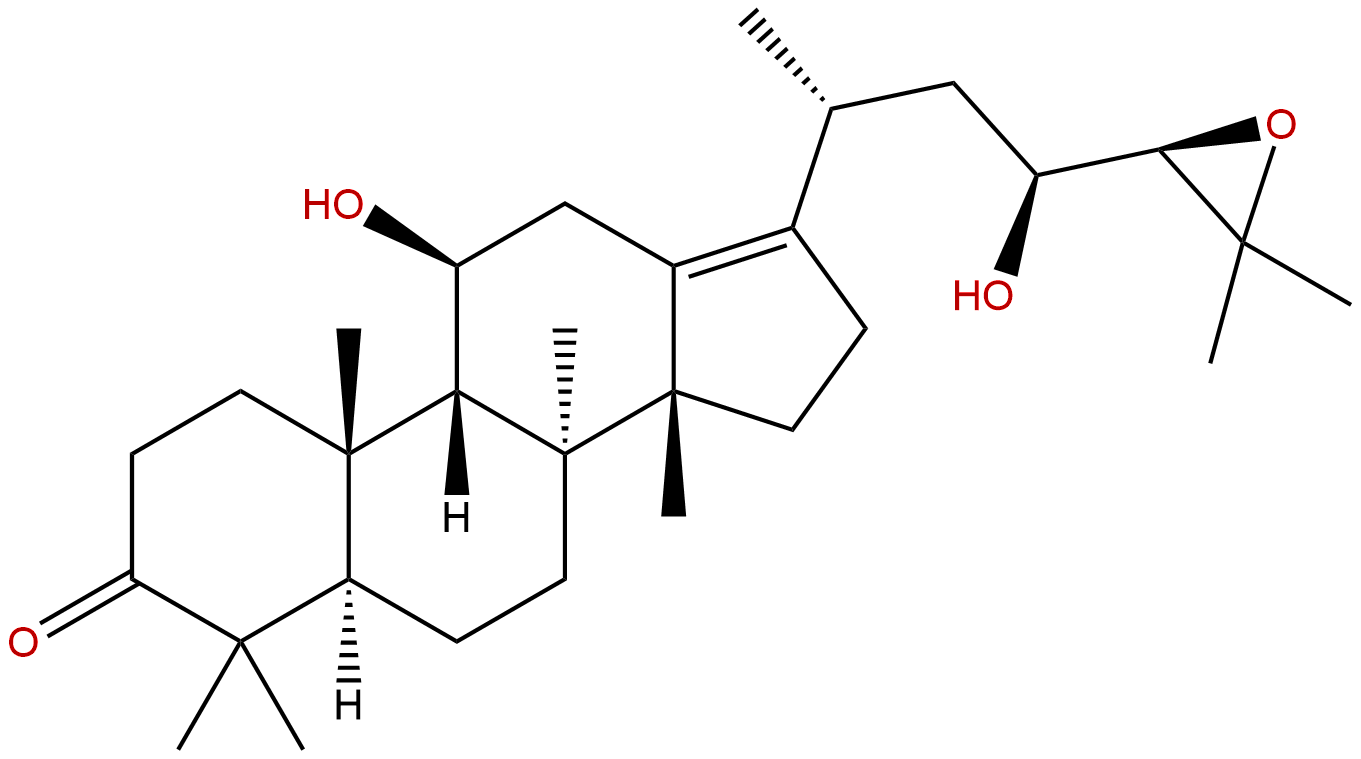


Product name: Alisol B
Synonym name:
Catalogue No.: BP3059
Cas No.: 18649-93-9
Formula: C30H48O4
Mol Weight: 472.71
Botanical Source:
Physical Description: Cryst.
Type of Compound: Triterpenoids
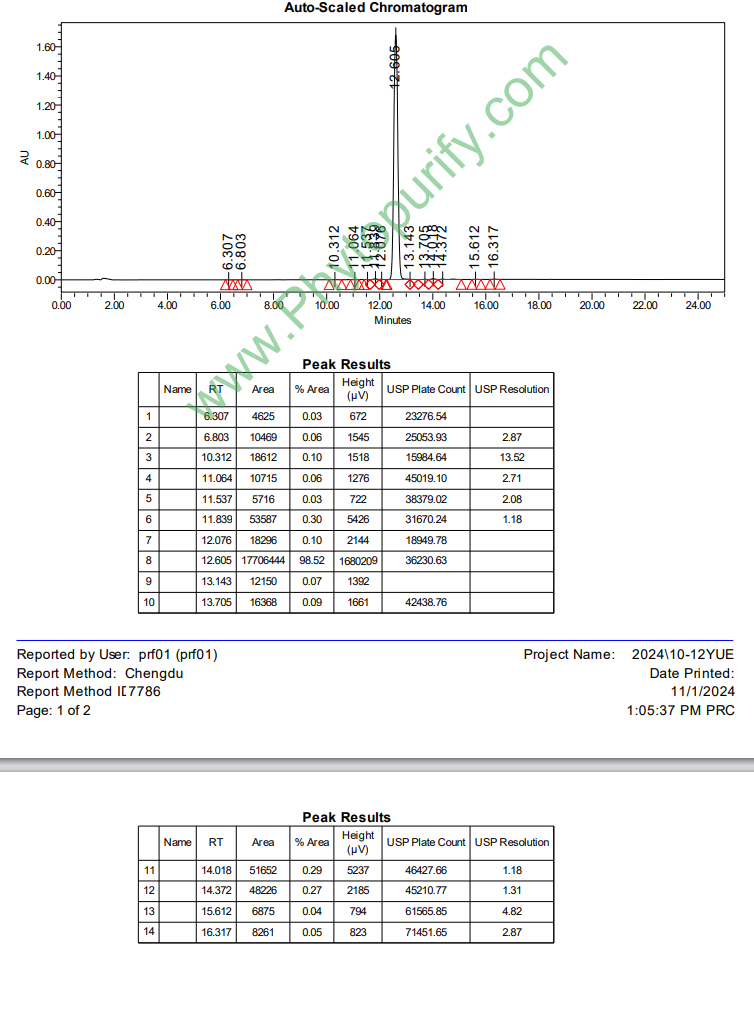
Purity: 95%~99%
Analysis Method: HPLC-DAD or/and HPLC-ELSD
Identification Method: Mass, NMR
Packing: Brown vial or HDPE plastic bottle
The product could be supplied from milligrams to grams. Inquire for bulk scale.
We provide solution to improve the water-solubility of compounds, thereby facilitating the variety of activity tests and clinic uses.
For Reference Standard and R&D, Not for Human Use Directly.
Description:
Alisol B, a novel inhibitor of the sarcoplasmic/endoplasmic reticulum Ca(2+) ATPase pump, induces autophagy, endoplasmic reticulum stress, and apoptosis.Alisol B may be a potential novel therapeutic molecule for bone disorders through targeting the differentiation of osteoclasts as well as their functions. Alisol B also inhibited RANKL-induced expression of NFATc1 and c-Fos, which are key transcription factors for osteoclastogenesis.
References:
Zhongguo Zhong Xi Yi Jie He Za Zhi. 2012 Oct;32(10):1407-12.
Alisol B inhibited complement 3a-induced human renal tubular epithelial to mesenchymal transition
To study whether Alisol B could inhibit complement 3a (C3a) induced renal tubular epithelial-mesenchymal transition (EMT).
METHODS AND RESULTS:
The in vitro cultured human renal tubular epithelial HK-2 cells were intervened with 5 ng/mL transforming growth factor-beta (TGF-beta), 0.1 micromol C3a, and 0.1 micromol C3a + 10 micromol Alisol B, respectively. The mRNA and protein expressions of alpha-SMA, E-cadherin, and C3 were detected using RT-PCR, Western blot, and immunofluorescence, respectively. The mRNA and protein expressions of C3 in HK-2 cells were up-regulated after intervention of C3a (P < 0.01), the mRNA and protein expressions of alpha-SMA in HK-2 cells were obviously enhanced (P < 0.01), the mRNA and protein expressions of E-cadherin obviously decreased (P < 0.01). When compared with the group intervened by exogenous C3a, after intervention of Alisol B, the mRNA and protein expressions of alpha-SMA in HK-2 cells were obviously reduced (P < 0.01), the mRNA and protein expressions of E-cadherin obviously increased (P < 0.05).
CONCLUSIONS:
Exogenous C3a could induce renal tubular EMT. Alisol B was capable of suppressing C3a induced EMT.
Biochem Pharmacol. 2010 Aug 1;80(3):352-61.
Alisol-B, a novel phyto-steroid, suppresses the RANKL-induced osteoclast formation and prevents bone loss in mice.
Osteoclasts, bone-resorbing multinucleated cells, are differentiated from hemopoietic progenitors of the monocyte/macrophage lineage. Bone resorption by osteoclasts is considered a potential therapeutic target to the treatment of erosive bone diseases, including osteoporosis, rheumatoid arthritis, and periodontitis.
METHODS AND RESULTS:
In the present study, we found that Alisol B, a phyto-steroid from Alisma orientale Juzepczuk, exhibited inhibitory effects on osteoclastogenesis both in vitro and in vivo. Although RT-PCR analysis showed that Alisol B did not affect the 1alpha,25(OH)(2)D(3)-induced expressions of RANKL, OPG and M-CSF mRNAs in osteoblasts, addition of Alisol B to co-cultures of mouse bone marrow cells and primary osteoblasts with 10(-8)M 1alpha,25(OH)(2)D(3) caused significant inhibition of osteoclastogenesis. We further examined the direct effects of Alisol B on osteoclast precursors. Alisol B strongly inhibited RANKL-induced osteoclast formation when added during the early stage of cultures, suggesting that Alisol B acts on osteoclast precursors to inhibit RANKL/RANK signaling. Among the RANK signaling pathways, Alisol B inhibited the phosphorylation of JNK, which are upregulated in response to RANKL in bone marrow macrophages, Alisol B also inhibited RANKL-induced expression of NFATc1 and c-Fos, which are key transcription factors for osteoclastogenesis. In addition, Alisol B suppressed the pit-forming activity and disrupted the actin ring formation of mature osteoclasts. In a hypercalcemic mouse model induced by 2-methylene-19-nor-(20S)-1alpha,25(OH)(2)D(3) (2MD), an analog of 1alpha,25(OH)(2)D(3), administration of Alisol Bsignificantly suppressed 2MD-induced hypercalcemia as resulting from the inhibition of osteoclastogenesis.
CONCLUSIONS:
Taken together, these findings suggest that Alisol B may be a potential novel therapeutic molecule for bone disorders by targeting the differentiation of osteoclasts as well as their functions.
HPLC of Alisol B
Storage conditions:Short-term storage at 2~8℃, long-term storage at -20 ~ -80℃
70.0600
5.6356
5.6356
.0028
4.1849
5.6556
High
84.9532
5.1723
No
No
No
No
No
No
0.0
No
No
No
No
As an important treasure trove for drug discovery, natural products continue to provide modern medicine with lead compounds with novel structures and diverse activities. Triterpenoids, as one of the major classes, have attracted much attention due to their wide range of biological activities and unique chemical structures. Alisol B, a traditional Chinese medicine derived from the herb Alisol(Alisma orientale The triterpenoids of the triterpenoid type isolated from (Sam.) Juzep. are one of the key pharmacological substances that enable Alisma to exert the effect of "promoting diuresis and moistening". With the deepening of modern pharmacological research, the biological activity of Alismatal B has far exceeded the scope of traditional diuresis and edema reduction, demonstrating potential in multiple aspects such as anti osteoporosis, anti-inflammatory, anti-tumor, and renal protection. Its mechanism of action involves the regulation of multiple key targets such as soluble epoxide hydrolase (sEH), sarcoplasmic/endoplasmic reticulum calcium ATPase (SERCA), and can activate complex cellular signaling pathways such as CaMKK AMPK mTOR, inducing autophagy and apoptosis. This article aims to systematically review the chemical properties, plant sources, pharmacological activities, molecular mechanisms of action, pharmacological evaluation, and clinical application prospects of Alismatal B, in order to provide comprehensive scientific references for the in-depth research and development of this compound.
The chemical name of Alismatal B is (24R) -11 β, 24-epoxy-25,26,27-trinor-alisol A 13,17; 16,17-dioxide, Its CAS number is 18649-93-9. The molecular formula is C30H48O4 and the molecular weight is 472.71. Structurally, Alismatal B belongs to the highly oxidized terpenoid tetracyclic triterpenes, with multiple chiral centers in its core skeleton and complex stereochemistry. The structural features include a typical tetracyclic system of terpenes (A/B/C/D rings), the formation of unique gamma lactone rings (13,17; 16,17-dioxygen bridges) at C-13 and C-17 positions, and the formation of a critical epoxyethane structure (11 β, 24 epoxide) between C-11 and C-24 positions. The absolute configuration of C-24 is R-type. These special oxygen-containing functional groups and three-dimensional structures are important material foundations for their biological activity.
According to the provided pharmacological parameters, the lipid water partition coefficient (LogP) of Alismatal B is 5.64, indicating its high lipophilicity. Its topological polar surface area (TPSA) is 70.06 Å ², which is relatively small. The extremely low predicted water solubility (0.0028 mg/mL) is consistent with a high LogP value, indicating poor solubility in water, which may affect its oral bioavailability. It is worth noting that its blood-brain barrier (BBB) permeability is predicted to be "high", indicating that the compound may have the potential to enter the central nervous system, providing structural basis for its potential applications in neurological related diseases such as regulating blood pressure or inflammation through central action. In addition, its hERG inhibition prediction is "no", and the Ames test prediction value is 0.0, indicating a low risk of cardiac toxicity and genetic toxicity, but experimental verification is needed.
Alismatal B is mainly derived from the plant Alismata in the Alismataceae family(Alisma orientale (Sam.) Juzep.), which has a long medicinal history in China, Japan, South Korea and other East Asian countries, is mainly used to treat edema, dysuria, hyperlipidemia and diabetes. In plants, Alismatal B often coexists with its structural analogues such as Alismatal A, C, G, etc., together forming the characteristic triterpenoid components of Alisma.
The extraction of Alismatal B is usually carried out using organic solvent extraction method. The classic process is as follows: the dried tubers of Alisma are crushed, first defatted with petroleum ether or n-hexane, and then subjected to reflux extraction or ultrasound assisted extraction using medium polarity solvents such as ethyl acetate, methanol, or ethanol. After vacuum concentration, the crude extract is separated and purified using a series of chromatographic techniques, including silica gel column chromatography (often using petroleum ether ethyl acetate or chloroform methanol gradient elution), reverse phase silica gel column chromatography (such as ODS, methanol water system), and high performance liquid chromatography (HPLC) preparation. Modern extraction techniques such as supercritical CO2 extraction have also been applied, with the advantages of high efficiency and minimal solvent residue. The optimization of extraction process usually focuses on factors such as solvent type, concentration, temperature, time, and solid-liquid ratio, aiming to improve the yield and purity of Alismatal B. Due to the relatively low content of Alismatal B, its total synthesis route is complex and the steps are lengthy. Currently, large-scale acquisition still mainly relies on plant extraction and semi synthetic modification.
A large number of in vitro and in vivo studies have shown that Alismatal B has a wide range of pharmacological activities, covering multiple therapeutic fields.
1. Diuretic and anti edema effects: This is the most classic effect of Alismatal B. Research has confirmed that Alismatal B can significantly increase urine output in normal rats and edema model animals, and promote the excretion of electrolytes such as Na+, K+, Cl -. Its anti edema mechanism is complex, involving regulation of the renin angiotensin aldosterone system (RAS), inhibition of vascular permeability factors (such as VEGFA), and possible effects on the function of renal aquaporins (such as AQP1) and ion transporters (such as SLC12A3). This is highly consistent with the traditional Chinese medicine theory that the efficacy of Alisma is to promote diuresis and promote diuresis.
2. Anti osteoporosis and bone protection effects: Zexiechun B can effectively inhibit osteoclastogenesis, differentiation, and bone resorption induced by receptor activator of nuclear factor kappa B ligand (RANKL). Specifically, it is manifested by inhibiting the phosphorylation of JNK in osteoclast precursor cells, downregulating the expression of key transcription factors NFATc1 and c-Fos, and disrupting the formation of mature osteoclast actin rings, thereby reducing the formation of bone pits. In a rat model of osteoporosis induced by ovariectomy (OVX), resveratrol B can increase bone density and improve bone microstructure, demonstrating potential for treating postmenopausal osteoporosis. In addition, it has also shown inhibitory effects on bone destruction in models of rheumatoid arthritis and periodontitis.
3. Antitumor effect: Alismatol B showed growth inhibition and apoptosis promoting activity on many cancer cell lines (such as breast cancer, liver cancer, colon cancer, lung cancer, etc.). Its anti-tumor mechanism is multifaceted: it can induce intracellular calcium ion (Ca2+) mobilization, activate the calmodulin dependent protein kinase kinase (CaMKK) - AMP activated protein kinase (AMPK) pathway, thereby inhibiting mammalian rapamycin target protein (mTOR) signaling and inducing protective autophagy; At the same time, it can also cause endoplasmic reticulum stress, activate unfolded protein response (UPR), and initiate apoptosis when stress exceeds compensatory capacity. In addition, Alismatal B can induce cancer cell cycle arrest in the G1 phase.
4. Renal protective effect: Research has shown that Alismatal B has a protective effect against acute kidney injury (AKI) induced by cisplatin, lipopolysaccharide, and other drugs. Its mechanism may be related to anti-inflammatory, antioxidant, inhibition of cell apoptosis, and regulation of autophagy. By reducing the damage and death of renal tubular epithelial cells, Alismatal B helps maintain renal function.
5. Other activities: Zexiechun B also has anti-inflammatory, lipid-lowering, and insulin resistance improving effects. Its anti-inflammatory effect is partially attributed to the regulation of the metabolism of epoxyeicosaenoic acid (EETs) (by inhibiting sEH), thereby increasing the levels of EETs with anti-inflammatory and organ protective effects.
The multiple pharmacological activities of Alismatal B stem from its precise intervention on multiple molecular targets and signaling pathways.
1. Core molecular targets:
* Soluble epoxide hydrolase (sEH): Alismatal B has been identified as a competitive inhibitor of sEH with a Ki value of 5.97 μ M. SEH is responsible for hydrolyzing EETs with anti-inflammatory, anti apoptotic, and vascular protective effects into DHETs with lower activity. Inhibiting sEH can increase the levels of EETs in the body, thereby exerting therapeutic effects in cardiovascular, metabolic, and inflammatory diseases. This is one of the key mechanisms underlying the anti-inflammatory, renal protective, and potential cardiovascular protective effects of Alismatal B.
* Sarcoplasmic/endoplasmic reticulum calcium ATPase (SERCA): Alismatal B can inhibit the activity of SERCA pumps. SERCA is responsible for pumping cytoplasmic Ca2+back into the endoplasmic reticulum (ER) for storage. Inhibition of SERCA can lead to depletion of Ca2+in the ER cavity and an increase in cytoplasmic Ca2+concentration. Elevated cytoplasmic Ca2+can activate the CaMKK-AMPK pathway, while ER calcium depletion triggers endoplasmic reticulum stress and UPR. These two pathways jointly mediate its induced autophagy, cell cycle arrest, and ultimate apoptosis effects, which are the core initiating links of its anti-tumor effect.
* Osteocyte differentiation signaling pathway: In bone metabolism, resveratrol B inhibits the differentiation and function of osteoclasts at the gene expression level by interfering with the MAPK pathway downstream of RANKL/RANK signaling, particularly by suppressing JNK phosphorylation, blocking the activation of key transcription factors NFATc1 and c-Fos.
2. Key signaling pathways:
* CaMKK AMPK mTOR pathway: The cytoplasmic calcium elevation caused by SERCA inhibition activates the upstream kinase CaMKK, which in turn phosphorylates and activates the energy receptor AMPK. Activated AMPK inhibits the activity of mTORC1, relieving its inhibitory effect on autophagy and inducing autophagosome formation.
* Endoplasmic reticulum stress and unfolded protein response (UPR): SERCA inhibition leads to disruption of ER calcium homeostasis and imbalance of protein folding load, activating the PERK, IRE1 α, and ATF6 UPR sensor pathways. Continuous or intense ER stress can prompt UPR to shift from adaptive response to pro apoptotic response, inducing cell apoptosis through pathways such as CHOP and caspase-12.
* Cell cycle regulation: Alismatal B upregulates cyclin dependent kinase inhibitors (CDKI) such as p21 and p27, downregulates cyclins such as D1, and inhibits the phosphorylation of retinoblastoma protein (Rb), leading to cell cycle arrest in the G1 phase.
Despite the significant pharmacological activity of Alismatal B, its pharmacological development still faces challenges, and related research is gradually deepening.
Absorption, distribution, metabolism, excretion (ADME):
* Absorption: Due to its high lipid solubility and low water solubility, the oral absorption of Alismatal B may be limited by solubility and first pass effects. Animal pharmacokinetic studies have shown that its oral bioavailability is usually low. Formulation strategies such as making nanocrystals, liposomes, solid dispersions, or cyclodextrin inclusion complexes are effective ways to improve their solubility and oral absorption.
* Distribution: The predicted high blood-brain barrier permeability suggests that it may have good tissue distribution, especially in lipid rich tissues. In animal models, resveratrol B can be detected in target organs such as the liver and kidneys.
* Metabolism: As a triterpenoid compound, Alismatal B mainly undergoes phase I metabolism (such as hydroxylation and dealkylation) and phase II binding reactions (such as glucuronidation and sulfation) in the body. The liver cytochrome P450 (CYP) enzyme system, especially CYP3A4, may be involved in its metabolism. Its epoxy and lactone structures may be metabolic modification sites.
* Excretion: The prototype drug and its metabolites may be mainly excreted through bile and feces, with some excreted through urine.
Optimization of drug properties:
In order to improve the pharmacological properties of Alismatal B, researchers are working on the following aspects:
1. Structural modification: Chemical modification of its parent nucleus, such as introducing hydrophilic groups, modifying lactone or epoxy structures, to improve its water solubility and pharmacokinetic properties, while exploring structure-activity relationships and searching for more active derivatives.
2. New drug delivery system: Develop delivery systems based on nanotechnology, such as polymer nanoparticles, mesoporous silica nanoparticles, extracellular vesicles, etc., to improve their targeting (such as tumor targeting, bone targeting), stability, and bioavailability, and reduce potential systemic toxicity.
3. Pre medication strategy: Design prodrugs that release active laxative B only at specific sites (such as in a tumor microenvironment or under the action of specific enzymes) to improve treatment selectivity.
The multi-target and multi pathway properties of Alismatal B provide broad application prospects in the treatment of various diseases.
1. Osteoporosis and related bone diseases: As a natural compound with the ability to inhibit osteoclast activity, Alismatal B is a promising candidate for developing novel anti osteoporosis drugs. Especially for chronic diseases that require long-term medication, the multi-component synergy and relatively mild properties of natural products may have advantages. Its bone protective effect in rheumatoid arthritis and periodontitis also deserves further preclinical and clinical exploration.
2. Tumor adjuvant therapy: Alismatal B induces cancer cell apoptosis and autophagy through a unique endoplasmic reticulum stress mechanism, which is different from the mechanism of action of conventional chemotherapy drugs and may help overcome certain drug resistance. Combining it with existing chemotherapy drugs or targeted drugs may produce synergistic effects and reduce the dosage and toxic side effects of chemotherapy drugs. Tumor treatment strategies targeting SERCA or sEH are also emerging, and Alismatal B provides a natural template for this.
3. Metabolic and inflammatory diseases: Based on its sEH inhibitory activity, alisol B has potential therapeutic value in hypertension, atherosclerosis, diabetes nephropathy and other diseases closely related to inflammation and metabolic disorders. SEH inhibitors have become an emerging field of drug development.
4. Acute kidney injury (AKI): Its clear renal protective effect provides a new intervention approach for clinical prevention and treatment of AKI caused by drugs such as cisplatin or infections.
Challenges and Future Directions Faced:
Although the prospects are promising, there are still many challenges for the clinical application of Alismatal B: ① Systematic preclinical pharmacokinetic and toxicological evaluation data are not yet complete; ② The physical and chemical defects such as poor water solubility and low oral bioavailability urgently need to be addressed; ③ The multi-target characteristic may bring unpredictable side effects, and it is necessary to clarify its therapeutic window and main target of action; ④ High quality clinical research evidence is needed to verify its effectiveness and safety.
Future research should focus on: deepening the elucidation of its most critical in vivo targets and pathways; Utilize modern pharmaceutical and medicinal chemistry methods to significantly improve its drug properties; Conduct standardized preclinical safety assessments (acute toxicity, chronic toxicity, reproductive toxicity, etc.); And ultimately design rigorous clinical trials to promote its transition from laboratory to clinical application.
As a natural triterpenoid compound derived from traditional Chinese medicine, Alismatal B has become a highlight in natural product pharmacology research due to its unique chemical structure and diverse biological activities. From traditional diuresis and anti edema to modern anti osteoporosis, anti-tumor, and renal protection, its pharmacological spectrum continues to expand. The study of its mechanism of action revealed the molecular essence of its regulation of multiple signaling networks, including Ca2+signaling, AMPK mTOR pathway, endoplasmic reticulum stress, and osteoclast differentiation, by inhibiting key targets such as sEH and SERCA. Despite challenges in solubility and bioavailability, these obstacles are gradually being overcome through modern technologies such as structural modifications and novel drug delivery systems. With the continuous deepening of research and the promotion of translational medicine, Alismatal B is expected to be developed into a new therapeutic drug or lead compound in fields such as osteoporosis, tumors, chronic inflammation, and metabolic diseases, fully reflecting the transformation value from traditional medical wisdom to modern innovative drugs.
