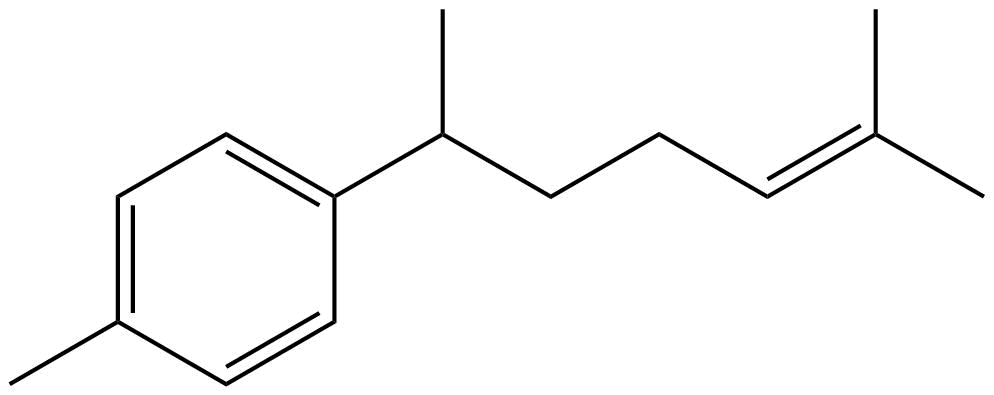


Product name: α-Curcumene
Synonym name: Curcumene;(±)-Curcumene; (±)-α-Curcumene
Catalogue No.: BP2287
Cas No.: 644-30-4
Formula: C15H22
Mol Weight: 202.341
Botanical Source: Zingiber officinale Rose
Type of Compound: Miscellaneous
Purity: 95%~99%
Analysis Method: HPLC-DAD or/and HPLC-ELSD
Identification Method: Mass, NMR
Packing: Brown vial or HDPE plastic bottle
Storage: Store in a well closed container, protected from air and light. Put into refrigerate or freeze for long term storage.
Whenever possible, you should prepare and use solutions on the same day. However, if you need to make up stock solutions in advance, we recommend that you store the solution as aliquots in tightly sealed vials at -20℃. Generally, these will be useable for up to two weeks.
The product could be supplied from milligrams to grams
Inquire for bulk scale.
For Reference Standard and R&D, Not for Human Use Directly.
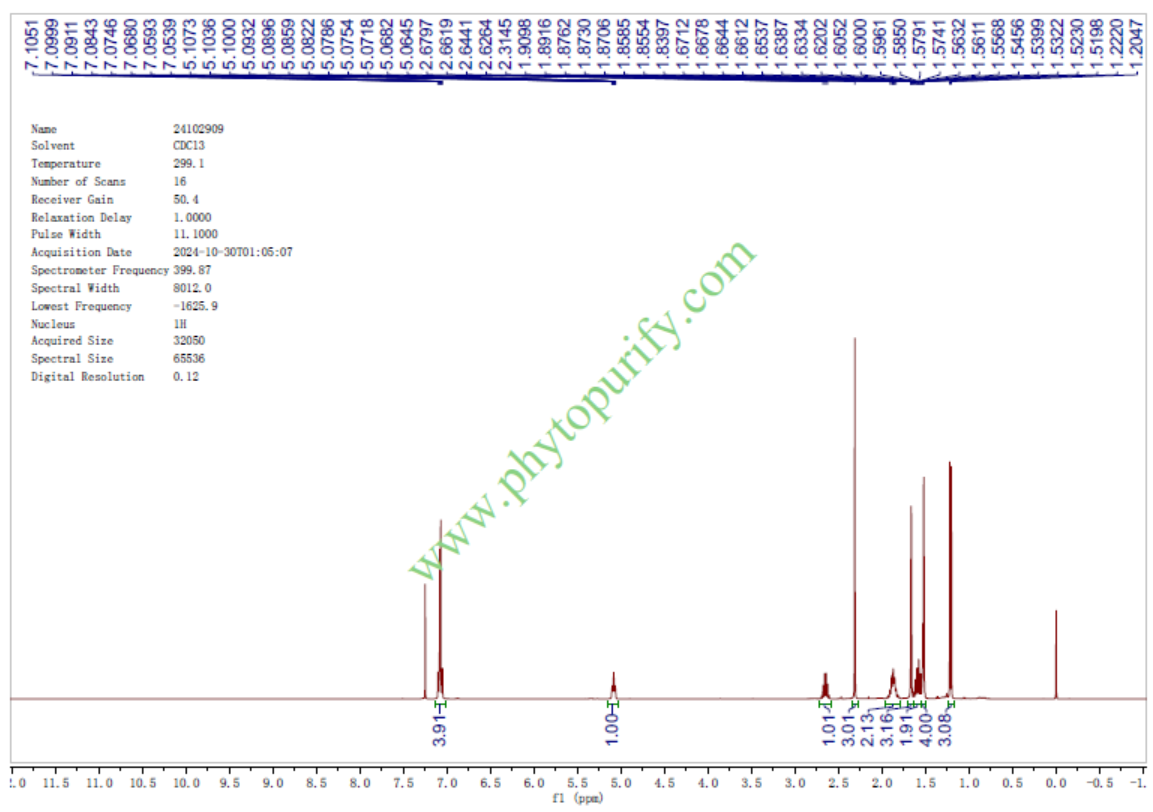
HNMR of α-Curcumene
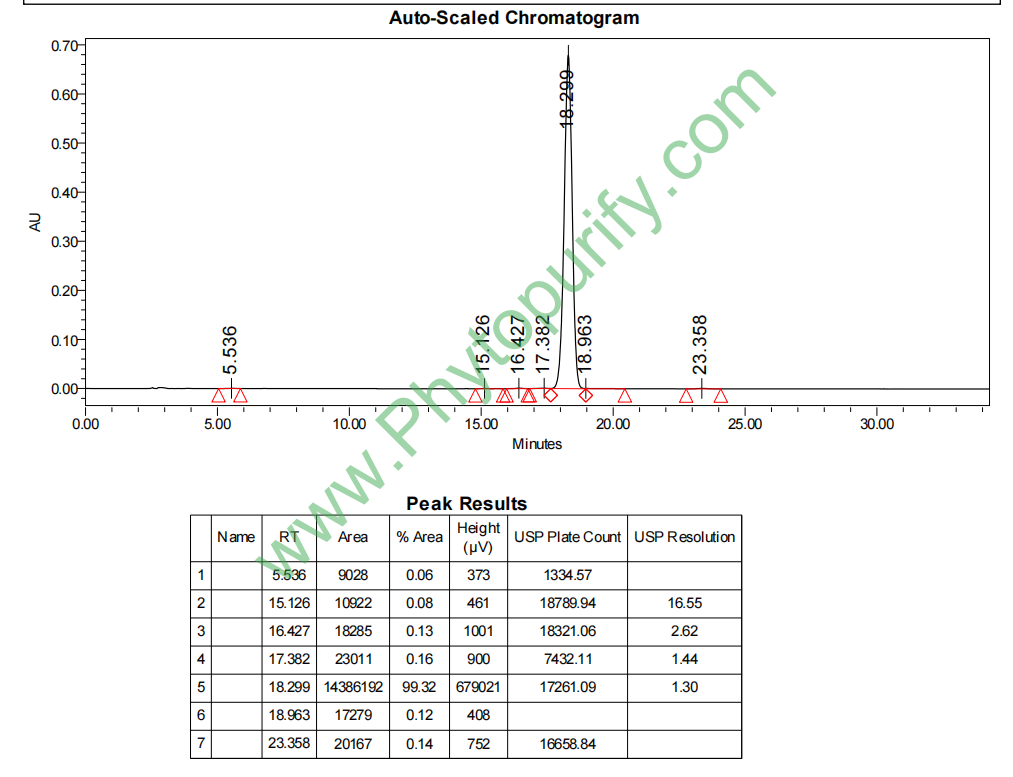
HPLC of α-Curcumene
Storage conditions:Short-term storage at 2~8℃, long-term storage at -20 ~ -80℃
.0000
6.2668
6.2662
.0013
11.3944
28.9262
High
93.8102
2.4349
Yes
Yes
No
No
No
Yes
0.0
No
Yes
No
No
Natural products, as an important source of new drug discovery, play an irreplaceable role in the long history of human struggle against diseases. Among them, curcumin compounds derived from Zingiberaceae plants have attracted much attention due to their extensive biological activities. However, turmeric(Curcuma longa L. The chemical components of curcumin and its related plants are far more than just curcumin, and the sesquiterpenes rich in its volatile essential oils also have important pharmacological value. α - Curcumene is one of the representative sesquiterpene compounds.
Alpha turmeric, also known as 2-methyl-6-p-tolyl-2-heptene, is a natural active ingredient found in various medicinal plant essential oils. Although its research popularity is not as high as curcumin, in recent years, with the deepening exploration of the chemical diversity and pharmacological mechanisms of natural products, the potential application value of alpha turmeric in multiple disease fields such as anti-inflammatory, anti-tumor, metabolic regulation, and neuroprotection has gradually emerged. Its unique chemical structure, especially its high lipophilicity (LogP up to 6.27) and extremely small polar surface area (TPSA of 0), determines its ability to easily penetrate biological membranes and cross the blood-brain barrier, providing a structural basis for its application in central nervous system diseases and intracellular target regulation.
This review aims to systematically summarize the chemical and biological characteristics of α - turmeric, and explore its pharmacological activity and molecular mechanism in the fields of colitis, metabolic syndrome, inflammatory diseases, cancer, and neurodegenerative diseases from the perspectives of chemical structure, plant sources, and extraction processes. The objective evaluation is based on its pharmacological parameters, in order to provide comprehensive reference for the subsequent research and development of this natural product.
Alpha turmeric belongs to the sesquiterpene class of compounds, and its basic skeleton is composed of 15 carbon atoms. Structurally, it can be regarded as a derivative of 2-methyl-2-heptene, where one hydrogen atom at position 6 is replaced by a p-toluene group (4-methylphenyl). This structural feature endows it with unique hydrophobicity. Its molecular formula is C ₁₅ H ₂ ₂, and its molecular weight is 202.34 g/mol. In nature, α - turmeric often coexists with its isomers β - turmeric, aromatic turmeric, etc., together forming the complex components of the volatile oil of Curcuma plants.
The key physicochemical property parameters are the basis for understanding its in vivo behavior. The lipid water partition coefficient (LogP) of α - curcumin is 6.2668, which is a very high value indicating its strong lipophilicity. This characteristic makes it highly soluble in organic solvents such as n-hexane, ether, and chloroform, while its solubility in water is extremely low (about 0.0013 mg/mL). High lipophilicity means that the compound can easily insert into the lipid bilayer of the cell membrane and may rapidly enter the cell interior through passive diffusion. Its topological polar surface area (TPSA) is 0.0000 Å ², which is an extreme value indicating that the molecule does not contain any polar groups (such as hydroxyl, carboxyl, amino, etc.), and the entire molecule is in a non-polar state. A TPSA value of 0 is a strong indicator for predicting that compounds can efficiently penetrate the blood-brain barrier (BBB), which is completely consistent with the conclusion of "high blood-brain barrier" in the parameter. In addition, the molecular weight of the compound is less than 500 daltons (meeting the molecular weight requirements in the Lipinski Five Rules), further supporting its good membrane permeability.
In terms of stability, as a terpene compound, α - turmeric is sensitive to light and heat, and is prone to oxidative degradation in air. Therefore, in the process of extraction, separation, storage, and biological activity testing, measures such as avoiding light, low temperature, nitrogen filling, or adding antioxidants are usually required to ensure its chemical integrity.
Alpha turmeric is not unique to any particular plant, but is widely distributed in various aromatic plants, especially abundant in Zingiberaceae plants. Its main sources include:
The conventional methods for extracting alpha turmeric are mainly based on its volatility and lipophilicity:
The extracted crude essential oil or crude extract needs to be separated and purified by column chromatography (such as silica gel column, alumina column) or high performance liquid chromatography (HPLC) to obtain high-purity alpha turmeric monomer for subsequent research. Its structural identification usually relies on nuclear magnetic resonance spectroscopy (NMR) and gas chromatography-mass spectrometry (GC-MS) techniques.
In recent years, significant progress has been made in the pharmacological activity research of α - curcumin, which has shown remarkable effects in multiple disease models.
1. Anti inflammatory and immune regulatory activity
Alpha curcumin exhibits strong anti-inflammatory effects in various inflammatory models. In the lipopolysaccharide (LPS) - induced macrophage inflammation model, α - curcumin can significantly inhibit the production of pro-inflammatory cytokines such as tumor necrosis factor - α (TNF - α), interleukin-6 (IL-6), and interleukin-1 β (IL-1 β). In a colitis model, oral administration of alpha turmeric can alleviate colitis induced by dextran sulfate sodium (DSS) or trinitrobenzenesulfonic acid (TNBS) in mice, manifested as a decrease in disease activity index (DAI), reduction in colon length, and improvement in histopathological damage. The mechanism is closely related to the inhibition of the nuclear factor kappa B (NF - κ B) signaling pathway and the activation of NLRP3 inflammasome.
2. Antitumor activity
Alpha turmeric has cytotoxic effects on various cancer cell lines. Studies have shown that it can inhibit the proliferation of human breast cancer (MCF-7, MDA-MB-231), lung cancer (A549), colon cancer (HCT-116), liver cancer (HepG2) and leukemia (HL-60) cells. Its anti-tumor mechanism involves multiple aspects: inducing cell cycle arrest (such as G0/G1 phase arrest), inducing apoptosis through the mitochondrial pathway (activating Caspase-3/9, upregulating Bax, downregulating Bcl-2), inhibiting tumor cell migration and invasion. In addition, α - curcumin has been found to reverse multidrug resistance in tumor cells, such as inhibiting the function of P-glycoprotein (ABCB1), thereby enhancing the sensitivity of chemotherapy drugs.
3. Metabolic regulatory activity
In research related to metabolic syndrome, alpha turmeric has shown potential to improve insulin resistance and regulate lipid metabolism. It can activate the AMP activated protein kinase (AMPK) signaling pathway, which is the core regulator of cellular energy metabolism. By activating AMPK, α - curcumin can promote glucose uptake, inhibit liver gluconeogenesis, and promote fatty acid oxidation. In obese mouse models, it can reduce body weight, improve lipid profile (lowering triglycerides and low-density lipoprotein cholesterol), and alleviate liver steatosis. In addition, its regulatory effect on adipocyte differentiation has also received much attention.
4. Neuroprotective activity
Given its high blood-brain barrier penetration, the application prospects of α - curcumin in the field of neurodegenerative diseases are particularly remarkable. In the Alzheimer's disease (AD) model, α - curcumin can inhibit the activity of β - secretase 1 (BACE1), thereby reducing the production and aggregation of β - amyloid protein (A β). It can also activate the Nrf2/ARE pathway, enhance the expression of antioxidant enzymes such as HO-1 and NQO1, and protect neurons from oxidative stress damage. In the Parkinson's disease (PD) model, it has shown potential to alleviate dopaminergic neuron damage and improve motor dysfunction. In addition, the inhibitory effect of α - curcumin on monoamine oxidase A (MAOA) suggests that it may have antidepressant potential.
The pharmacological activity of α - curcumin is not caused by a single mechanism, but by the synergistic effect of multiple targets and pathways. According to existing research, its core molecular mechanism can be summarized as follows:
1. Regulating oxidative stress and inflammatory signaling pathways
Alpha curcumin is an effective activator of the Nrf2 (NFE2L2) signaling pathway. Nrf2 is the main transcription factor for cells to cope with oxidative stress. After activation, it enters the nucleus and binds to antioxidant response elements (ARE), initiating the transcription of a series of downstream antioxidant and detoxifying enzymes (such as HO-1, NQO1, GST), thereby clearing reactive oxygen species (ROS) and protecting cells. Meanwhile, α - curcumin can strongly inhibit the TLR4/MyD88/NF - κ B (RELA) signaling axis. TLR4 is a key receptor for recognizing pathogen associated molecular patterns such as LPS, and its activation leads to the entry of NF - κ B into the nucleus, initiating the expression of a large number of pro-inflammatory genes (such as TNF - α, IL-6, iNOS, COX-2). Alpha curcumin inhibits the activation of TLR4 and NF - κ B, thereby suppressing the inflammatory cascade at its source. In addition, it can inhibit the activity of Caspase-1 (CASP1), thereby blocking the assembly of NLRP3 inflammasomes and the mature secretion of IL-1 β.
2. Regulating cell apoptosis and survival signals
In tumor cells, α - curcumin downregulates the expression of anti apoptotic proteins MCL1 and BCL2, while upregulating pro apoptotic protein Bax, disrupting mitochondrial membrane potential, leading to the release of cytochrome c, activating the Caspase cascade reaction, and ultimately inducing cell apoptosis. It can also inhibit the phosphorylation of STAT3. STAT3 is a key oncogenic transcription factor, and its sustained activation is closely related to tumor proliferation, survival, and angiogenesis. The inhibition of STAT3 by α - curcumin can weaken the survival signal of tumor cells. In addition, the regulation of the NOTCH1 signaling pathway is also involved in its anti-tumor effect.
3. Regulating energy metabolism and lipid homeostasis
Alpha turmeric is an agonist of AMPK (PRKAA1). AMPK is a cellular energy sensor that is activated during energy depletion, promoting catabolic metabolism (such as fatty acid oxidation and glucose uptake) and inhibiting synthetic metabolism (such as fat synthesis and protein synthesis). The core mechanism by which α - curcumin plays a role in metabolic syndrome is by activating AMPK, improving insulin sensitivity, and reducing blood glucose and lipid levels. At the same time, it can also inhibit key transcription factors during adipocyte differentiation, such as PPAR γ and C/EBP α, thereby reducing fat accumulation.
4. Regulating neurotransmitters and neuroinflammation
In the nervous system, the inhibitory effect of alpha turmeric on MAOA can reduce the degradation of monoamine neurotransmitters such as serotonin and norepinephrine, exerting potential antidepressant effects. Its inhibition of BACE1 directly reduces the production of A β, which is a key strategy for AD treatment. In addition, by activating Nrf2 and inhibiting the TLR4/NF - κ B pathway, alpha turmeric can effectively inhibit the excessive activation of microglia and astrocytes, alleviate neuroinflammation, and protect neurons.
5. Other targets
Alpha turmeric also has regulatory effects on various enzymes and receptors, including inhibiting lipoxygenase (ALOX5, ALOX15) and reducing the production of pro-inflammatory mediators such as leukotrienes; Regulating cannabinoid receptor 1 (CNR1) and transient receptor potential vanillic acid subtype 1 (TRPV1) may be involved in pain and appetite regulation; Inhibit protein tyrosine phosphatase 1B (PTPN1), enhance insulin and leptin signaling; Regulating sphingosine kinase 1 (SPHK1) and lysophosphatidic acid receptor 2 (LPAR2) to affect cell proliferation and migration; And as a regulator of the farnesol X receptor (NR1H4), it participates in bile acid and lipid metabolism.
Although α - curcumin exhibits rich pharmacological activity, its medicinal properties face significant challenges, mainly due to its extreme physicochemical properties.
1. Pharmaceutical advantages:
* High permeability membrane The extremely low TPSA (0) and moderate molecular weight (202) give it excellent passive diffusion ability, making it easy to penetrate cell membranes and blood-brain barriers, providing a natural advantage for targeting intracellular and central nervous system targets.
* No risk of hERG inhibition HERG (human Ether - à - go Related Gene) potassium channel inhibition is the main cause of prolonged QT interval and fatal arrhythmia in the heart. The parameters show that α - curcumin has no hERG inhibitory activity, which is an important safety advantage.
* No genetic toxicity The Ames test result was 0.0, indicating that it did not show mutagenicity in the bacterial recovery mutation test, and the genetic toxicity risk was preliminarily ruled out.
2. Challenges in drug development:
* Extremely poor water solubility The water solubility is only 0.0013 mg/mL, which is almost insoluble. Extremely low water solubility is the primary obstacle faced by oral administration, which can lead to extremely low drug dissolution in the gastrointestinal tract and poor bioavailability.
* Extremely high lipophilicity LogP is 6.27, far exceeding the limit of LogP<5 in Lipinski's Five Rules. Although high lipophilicity is beneficial for membrane permeability, it can also lead to low solubility of drugs in aqueous environments (such as blood and cytoplasm), high binding with plasma proteins, and a tendency to accumulate in adipose tissue, resulting in large distribution volume, long clearance half-life, and difficult prediction.
* Metabolic instability As a terpene compound, α - turmeric contains multiple double bonds and allyl carbons, which are easily oxidized and metabolized by cytochrome P450 enzymes (CYP450), leading to its rapid clearance in the body. Its high lipophilicity also makes it susceptible to modification by phase I and phase II metabolic enzymes in the liver.
3. Pharmacokinetic characteristics (prediction and preliminary study):
Based on its physical and chemical properties, it can be predicted that the oral bioavailability of α - curcumin is extremely low. Intravenous administration may be a necessary pathway for its systemic effects, but its high lipophilicity makes it difficult to prepare in aqueous injections. Once it enters the bloodstream, it may rapidly distribute to fat rich tissues such as the brain and adipose tissue, and highly bind to serum albumin and lipoproteins. Its metabolism is mainly oxidized by liver CYP450 enzymes, followed by glucuronidation or sulfation binding, and ultimately excreted through bile or urine. At present, there is still very limited in vivo research data on the detailed pharmacokinetic parameters (such as Tmax, Cmax, AUC, t1/2) of α - curcumin, which seriously restricts its clinical translation.
4. Improvement strategy:
In order to overcome the above-mentioned barriers to drug development, future research must focus on the development of drug delivery systems. For example:
* nano-formulation Encapsulating α - curcumin in liposomes, polymer nanoparticles, solid lipid nanoparticles, or nanoemulsions can significantly improve its water dispersibility, stability, and bioavailability.
* Cyclodextrin inclusion complex The use of β - cyclodextrin and its derivatives to encapsulate α - curcumin can increase its water solubility.
* Prodrug design Introducing polar groups (such as phosphate esters and amino acid esters) onto α - curcumin molecules to produce prodrugs, which are then released in vivo through enzymatic hydrolysis.
* Phospholipid complex Forming phospholipid complexes to improve their absorption in the gastrointestinal tract.
Despite facing challenges in drug development, the unique pharmacological activity and target distribution of α - curcumin still depict broad prospects for its clinical application.
1. Anti inflammatory and immune related diseases:
Given its potent inhibition of TLR4/NF - κ B and NLRP3 inflammasomes, as well as its ability to activate Nrf2, alpha turmeric has the potential to be developed as a novel candidate drug for the treatment of chronic inflammatory diseases such as inflammatory bowel disease, rheumatoid arthritis, and psoriasis. Especially its significant therapeutic effect in colitis models suggests that it may become a natural drug lead for the treatment of ulcerative colitis and Crohn's disease.
2. Metabolic disorders:
As an AMPK agonist, α - curcumene has great potential in the treatment of metabolic syndrome such as type 2 diabetes, non-alcoholic fatty liver disease (NAFLD) and obesity. It may become a multifunctional metabolic regulator by improving insulin resistance, regulating lipid metabolism, and inhibiting fat production.
3. Cancer treatment:
The multi-target anti-tumor properties of α - curcumin, especially its ability to induce apoptosis, inhibit STAT3, and reverse multidrug resistance, make it an attractive candidate molecule for anti-cancer. It can be used as a chemotherapy sensitizer in combination with existing chemotherapy drugs such as paclitaxel and doxorubicin to overcome drug resistance and reduce side effects. Developing nano formulations for the treatment of glioblastoma with high BBB penetration is also a highly promising direction.
4. Neurodegenerative diseases:
This is one of the most promising areas for the conversion of alpha turmeric. It has multiple neuroprotective mechanisms, such as inhibiting BACE1 (reducing A β production), activating Nrf2 (antioxidant), inhibiting TLR4/NF - κ B (anti neuroinflammation), and inhibiting MAOA (regulating neurotransmitters), making it a "multi-target" candidate drug for the treatment of Alzheimer's disease, Parkinson's disease, and even depression. Future research should focus on evaluating its cognitive improvement effects and long-term safety in animal models.
Future research directions:
1. In depth mechanism research Using gene knockout/knock in animal models and omics techniques (such as proteomics and metabolomics) to more accurately elucidate the direct targets and signaling networks of alpha turmeric in vivo.
2. Drug delivery system development This is the core bottleneck in achieving its clinical translation. It is necessary to systematically design and optimize nano delivery systems to address their water solubility and bioavailability issues, and achieve targeted delivery.
3. Structural modification and structure-activity relationship Using α - curcumin as a lead, a series of derivatives were synthesized through systematic chemical modification to explore their structure-activity relationship (SAR), in order to obtain candidate compounds with higher activity, better water solubility, and more stable metabolism.
4. Systematic pharmacokinetic and toxicological evaluation Conduct comprehensive in vivo pharmacokinetic (ADME) studies and long-term toxicological evaluations, particularly assessing the potential liver, kidney, and neurotoxicity at high doses.
5. Preclinical validity validation To validate its efficacy in complex disease models that are closer to clinical practice, such as humanized mouse models and organoid models, and provide solid data support for clinical trials.
Alpha turmeric, as a natural sesquiterpene derived from traditional medicinal plants, exhibits broad pharmacological activities across multiple disease fields due to its unique chemical structure. From anti-inflammatory and anti-tumor effects to metabolic regulation and neuroprotection, its mechanism of action involves precise regulation of multiple key signaling pathways and targets such as Nrf2, NF - κ B, AMPK, STAT3, etc. Its extremely high lipophilicity and blood-brain barrier penetration are both advantages for its central nervous system function and the biggest challenge for its drug development.
At present, the research on α - curcumin is still in the early stage of discovery, and there is still a considerable distance to clinical application. However, with the rapid development of modern medicinal chemistry, nanotechnology, and molecular pharmacology, it is entirely possible to transform this natural product from a "laboratory compound" into a "clinical candidate drug" through rational drug design (such as prodrugs, nano formulations) and in-depth mechanism research. Future research should focus on overcoming its pharmacokinetic deficiencies and utilizing its multi-target properties to develop innovative therapies for complex chronic diseases. The research process of alpha turmeric once again confirms the eternal value of natural products as a treasure trove of drug discovery, and reminds us that on the road to exploring the mysteries of nature, every molecule is worth exploring in depth.
