Introduction/Overview
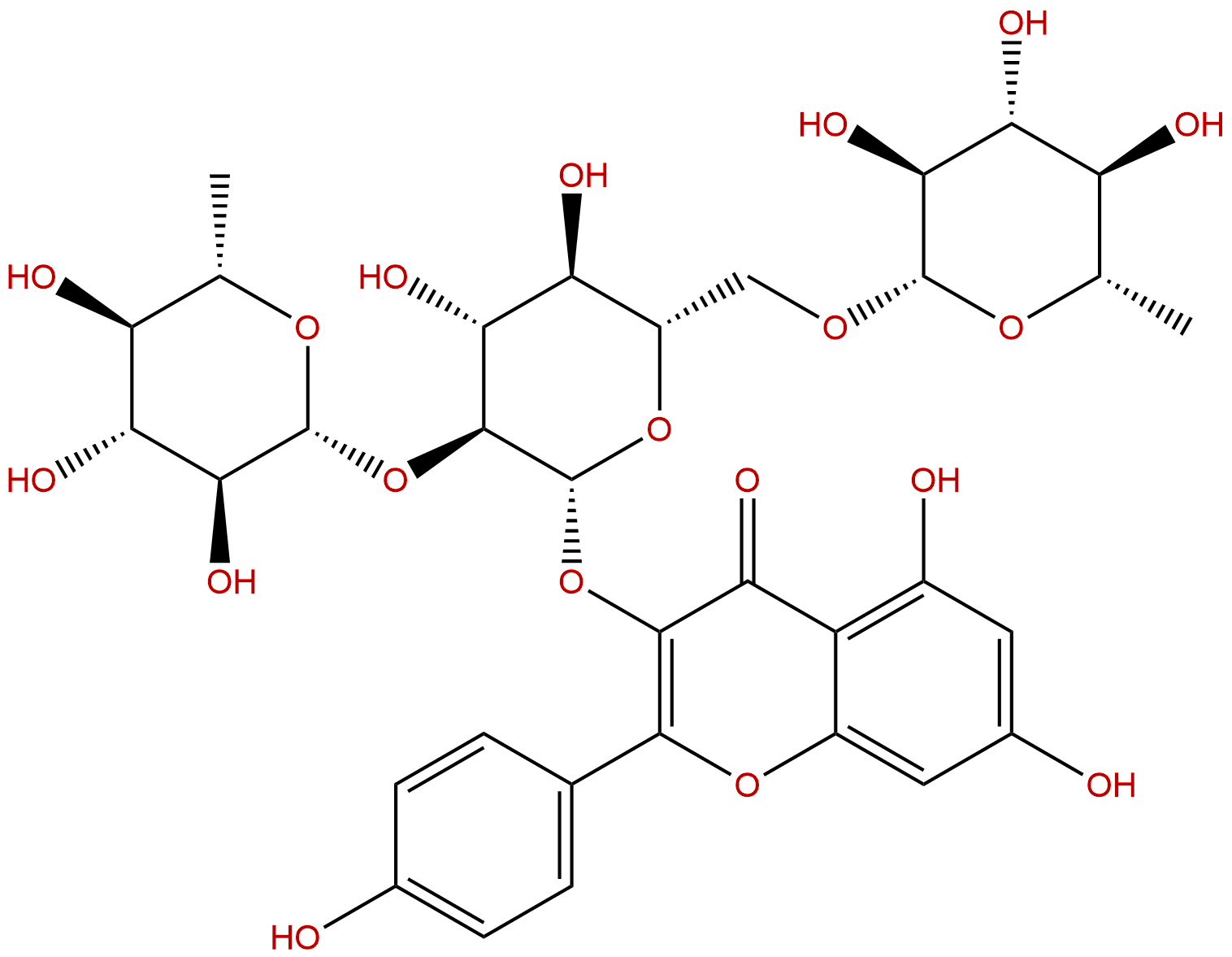
Flavonoids, as one of the most widely distributed plant secondary metabolites in nature, have always been a research hotspot in the fields of drug development and functional food development due to their structural diversity and extensive biological activity. Clitorin, also known as apigenin 7-O - β - D-glucopyranosyl - (1 → 2) - β - D-glucopyranoside, is a flavonoid carbon glycoside with significant biological activity. Its CAS number is 55804-74-5. It was initially discovered from plants of the butterfly bean genus, and subsequent studies have confirmed that it can also be isolated from economic crops such as papaya. In recent years, with the advancement of natural product separation and identification technology and the deepening of molecular pharmacology research, butterfly bean extract has attracted much attention due to its multi-target and multi pathway pharmacological characteristics.
Existing research has shown that butterfly bean extract not only exhibits significant in vitro antioxidant capacity and can effectively scavenge DPPH and ABTS free radicals, but has also been confirmed as a dual inhibitor of epidermal growth factor receptor (EGFR) and aromatase, suggesting its potential therapeutic value in the field of anti-tumor treatment, especially for tumor types that are hormone dependent and have abnormal activation of the EGFR signaling pathway. In addition, its role in regulating lipid metabolism (inhibiting fat production and promoting fatty acid oxidation) provides a new natural candidate molecule for intervention in non-alcoholic fatty liver disease (NAFLD). In particular, recent studies have revealed that sphenoid has a clear protective effect on retinal cells. Its mechanism involves the regulation of hypoxia inducible factor (HIF1A), nuclear factor E2 related factor 2 (NRF2), superoxide dismutase (SOD1), vascular endothelial growth factor (VEGF) and other key targets, which brings new hope for the prevention and treatment of age-related macular degeneration, diabetes retinopathy and other blinding eye diseases.
This article aims to provide a systematic review of the chemical structure, plant sources, extraction methods, pharmacological activities, mechanisms of action, pharmacological evaluation, and clinical application prospects of butterfly bean extract, in order to provide comprehensive scientific references for the in-depth research and development of this compound.
Chemical structure and physicochemical properties
Butterfly bean extract is a flavonol carbon glycoside compound with a molecular formula of C33H40O20 and a molecular weight of 740.6640. Its core structure is apigenin, which is directly connected to a disaccharide chain through a carbon carbon bond on the 7th carbon atom of the mother nucleus. The disaccharide chain is composed of two molecules of glucose, connected by β - D-glucopyranosyl - (1 → 2) - β - D-glucopyranosyl. This carbon glycosidic bond has stronger chemical and metabolic stability compared to common oxygen glycosidic bonds, and is not easily hydrolyzed by acid or intestinal microbiota enzymes. This may be an important structural basis for its ability to maintain oral activity.
From the analysis of physical and chemical properties, the lipid water partition coefficient (LogP) of butterfly bean extract is -0.4388, indicating that the compound has good hydrophilicity. Its topological polar surface area (TPSA) is as high as 308.1200 Å ², mainly attributed to the presence of multiple oxygen atoms on hydroxyl and sugar groups in the molecule, which serve as donors and acceptors for hydrogen bonds. The higher TPSA and hydrophilicity also determine its water solubility value of 3.7959 (usually expressed in log mol/L or similar units, where the value indicates moderate to high water solubility). These properties collectively affect its bioavailability and in vivo distribution. Its ability to cross the blood-brain barrier is predicted to be 'low', which is consistent with the characteristics of most highly polar, high molecular weight flavonoid glycosides. However, for its targeted eye tissues such as the retina, drugs can act through the blood-brain barrier or local administration route, and low blood-brain barrier penetration may actually reduce the risk of central nervous system side effects.
In terms of preliminary safety evaluation, the calculation prediction shows that dioscin has no inhibitory activity on hERG potassium channels (hERG inhibition: no), indicating a low risk of causing QT interval prolongation in the heart. The Ames test predicted a value of 0.0, indicating that it may not have direct genetic toxicity. These preliminary computer simulation data provide positive signals for further security evaluation.
Plant sources and extraction methods
Butterfly bean extract originated from leguminous plants of the butterfly bean genus, such as butterfly beans(Clitoria ternatea)It is separated from the flowers and leaves, which is also the origin of its name. Subsequent research has found that papaya(Carica papaya)The leaves of butterfly pea are another important source of zeaxanthin, and their content is relatively abundant, making it possible to use this widely cultivated economic crop byproduct for large-scale extraction. In addition, in various medicinal plants such as Houttuynia cordata(Bidens pilosa)It has also been detected.
Solvent extraction combined with modern separation and purification techniques is commonly used to extract genistein from plant materials. The standard procedure is as follows:
1. Preprocessing and Extraction: After the dried papaya leaves or butterfly tofu pudding are crushed, polar solvent is usually used for extraction. Methanol, ethanol, or ethanol water mixed solvents are widely used due to their good solubility in flavonoid glycosides. Extraction methods include immersion, reflux extraction, or ultrasound assisted extraction, the latter of which can improve extraction efficiency and shorten time.
2. Coarse separation The extract is concentrated under reduced pressure to obtain a paste. The extract can be subjected to gradient extraction using solvents such as petroleum ether and ethyl acetate to preliminarily remove lipophilic impurities and some moderately polar components. Butterfly bean extract is mainly enriched in the water layer or n-butanol extraction site due to its strong hydrophilicity.
3. Refined and purified Further chromatographic separation of the parts rich in butterfly bean extract. Large pore adsorption resin column chromatography (such as D101, AB-8) is commonly used to utilize its adsorption and molecular sieve properties for decolorization and preliminary enrichment. Subsequently, silica gel column chromatography, polyamide column chromatography, or reverse phase silica gel column chromatography (such as ODS-C18) were used for segmentation. High performance liquid chromatography (HPLC), especially preparative HPLC, is a key technology for obtaining high-purity butterfly bean extract monomers. By optimizing the mobile phase (commonly methanol water or acetonitrile water system, a small amount of formic acid or acetic acid can be added to adjust pH) and elution conditions, effective separation of butterfly bean extract from other structurally similar flavonoid glycosides can be achieved.
4. appraisal The purified compounds need to be structurally confirmed by various spectroscopic techniques such as ultraviolet spectroscopy (UV), infrared spectroscopy (IR), mass spectrometry (MS), nuclear magnetic resonance spectroscopy (NMR, including 1H-NMR and 13C-NMR), and compared with literature data or standard samples.
Pharmacological activity research
A large number of in vitro and in vivo pharmacological experiments have confirmed that butterfly bean extract has various biological activities, mainly covering areas such as antioxidant, anti-tumor, metabolic regulation, and retinal protection.
-
antioxidant activity Butterfly pea extract is a potent natural antioxidant. In classic free radical scavenging experiments, its half maximal inhibitory concentrations (IC50) for DPPH radicals and ABTS cationic radicals were 91.96 ppm and 250.45 ppm, respectively, demonstrating direct electron or hydrogen atom supply capability and effectively quenching free radicals. This antioxidant capacity is the common basis for many of its pharmacological effects, helping to alleviate oxidative stress damage to cells and tissues.
-
Antitumor activity Butterfly pea extract exerts anti-tumor potential through a dual inhibitory mechanism. On the one hand, it can effectively inhibit the activity of epidermal growth factor receptor tyrosine kinase (EGFR-TK) with an IC50 of 89.58 nM. Abnormal activation of the EGFR signaling pathway is closely related to the proliferation, invasion, and metastasis of various solid tumors, such as non-small cell lung cancer, colorectal cancer, and head and neck cancer. On the other hand, its inhibitory activity IC50 against aromatase (CYP19A1) is 77.41 nM. Aromatase is a key enzyme for estrogen biosynthesis, and its inhibitor is a first-line drug for the treatment of estrogen receptor positive breast cancer. Therefore, sphenoidin may have inhibitory effects on hormone dependent tumors (such as breast cancer) and EGFR driven tumors. Cell experiments have also confirmed that genistein can inhibit the proliferation of various cancer cells and induce their apoptosis.
-
Metabolic regulation and anti non-alcoholic fatty liver disease (NAFLD) activity The characteristic of NAFLD is excessive lipid deposition in liver cells. Research has shown that genistein can regulate liver lipid metabolism homeostasis. It is manifested by downregulating the expression of key transcription factors and enzymes related to fat production (such as SREBP-1c, FAS), while upregulating genes that promote fatty acid beta oxidation (such as PPAR α, CPT1A). This "open source and throttling" regulation helps reduce the synthesis and accumulation of liver triglycerides, improve liver steatosis and insulin resistance, and shows therapeutic potential in NAFLD animal models.
-
Retinal protective activity This is an emerging pharmacological field that has received much attention in recent years for butterfly bean extract. In models of retinal pigment epithelial (RPE) and photoreceptor cell damage induced by light damage, high glucose, or oxidative stress, apigenin exhibits significant cellular protective effects. It can alleviate cell apoptosis and maintain cell vitality. Its protective effect is closely related to reducing oxidative damage, inhibiting inflammatory response, and maintaining cellular function, laying a solid pharmacological foundation for further in-depth research on ophthalmic diseases.
Mechanism of action and molecular targets
The multiple pharmacological activities of butterfly bean extract stem from its precise regulation of multiple key signaling pathways and molecular targets within cells.
-
Mechanism of anti-tumor action:
- EGFR signaling pathway inhibition Butterfly pea protein directly binds to and inhibits the tyrosine kinase domain of EGFR, blocking its autophosphorylation and downstream activation of survival and proliferation signaling pathways such as RAS/RAF/MEK/ERK and PI3K/AKT/mTOR, thereby inhibiting the progression of tumor cell cycle and inducing apoptosis.
- Aromatase inhibition and estrogen signal interference: By competitively inhibiting aromatase, sphenoidin reduces the transformation of androgen to estrogen and the estrogen level in the tumor microenvironment, thus inhibiting the growth of estrogen dependent breast cancer cells.
-
Metabolic regulatory mechanism:
- Butterfly pea extract activates AMP activated protein kinase (AMPK), a cellular energy sensor. Activated AMPK phosphorylates and inhibits acetyl CoA carboxylase (ACC), reducing the production of acetyl CoA and relieving its inhibition of carnitine palmitoyltransferase 1 (CPT1A), thereby promoting the entry of fatty acids into mitochondria for beta oxidation. On the other hand, AMPK can inhibit the transcriptional activity of sterol regulatory element binding protein-1c (SREBP-1c) and the expression of downstream fat synthesis enzymes (such as FAS), reducing fat synthesis from the source.
-
Mechanism of Retinal Protection The protection of the retina by sphingolipids involves a complex network that is associated with multiple key targets
- Antioxidants and cellular defense Butterfly pea extract can activate the NRF2 signaling pathway. NRF2 is a core transcription factor for antioxidant response, which is activated and translocated to the nucleus, initiating the expression of a series of phase II detoxifying enzymes and antioxidant enzymes such as heme oxygenase-1 (HO-1), quinone oxidoreductase 1 (NQO1), and superoxide dismutase (SOD1), enhancing the ability of retinal cells to resist oxidative stress.
- Regulating hypoxia and angiogenesis In retinal lesions, HIF1A is a core factor that responds to hypoxia and regulates pathological angiogenesis. Butterfly pea extract may downregulate the expression of its target gene VEGF by inhibiting the stable or transcriptional activity of HIF1A. VEGF is a key factor to promote vascular leakage and neogenesis. Inhibiting its overexpression will help reduce retinal edema and neovascularization in diseases such as diabetes retinopathy.
- Visual cycle and photoreceptor function Research suggests that genistein may affect visual cycle related proteins (such as RPE65, involved in retinal regeneration) and photoreceptor specific proteins (such as cone cell pigments OPN1SW, OPN1MW, OPN1LW, and ABCA4 transporters). ABCA4 gene mutations are associated with retinal degenerative diseases such as Steger's disease. Whether sophocarpine maintains the health and function of photoreceptors by regulating the expression or function of these proteins is an important direction for future research.
Evaluation of drug properties and pharmacokinetics
Based on computational predictions and preliminary experimental data, a preliminary analysis of the pharmacological properties of butterfly bean extract is conducted
- Absorption and oral activity Despite its high molecular weight (740.6640) and strong hydrophilicity, existing research has identified it as a compound with oral activity. This is likely due to its stable carbon glycoside structure, which makes it less susceptible to hydrolysis in the gastrointestinal tract and can be absorbed in its original or partially metabolized form. Further pharmacokinetic studies are needed to clarify its specific oral bioavailability, absorption site, and mechanism (whether it involves intestinal transporters).
- distribution As mentioned earlier, its high TPSA and hydrophilicity result in low blood-brain barrier permeability. But its distribution in the liver (metabolic target organ) and eye tissue is worth paying attention to. Animal experiments are needed to study the concentration time curves of the drug in target tissues such as plasma, liver, and retina after administration.
- Metabolism and excretion The in vivo metabolism of flavonoid glycosides typically involves II combination reactions such as hydrolysis, glucuronidation, sulfation, and methylation. As a carbon glycoside, the hydrolysis of its glycosyl portion may be more difficult than that of oxyglycosides, and its main metabolic pathway may be the binding reaction of hydroxyl groups in the mother nucleus. It is necessary to identify its main metabolites and metabolic enzymes (such as UGTs, SULTs) using liver microsomes, recombinant enzymes, or in vivo experiments.
- Preliminary safety The calculation prediction does not support its risk of cardiac toxicity and genetic toxicity, but this requires strict in vitro and in vivo experimental verification. The toxicological evaluation of acute toxicity, long-term toxicity, and specific pharmacological effects (such as skin adverse reactions caused by EGFR inhibition) is an indispensable part of future preclinical research.
At present, there are insufficient public reports on the systematic pharmacokinetic studies of sophocarpine (such as absolute bioavailability, tissue distribution, major excretion pathways, etc.), which is a knowledge gap that must be filled to promote its progress towards drug development.
Clinical application prospects and prospects
Butterfly bean extract, as a multi-target natural active molecule, has shown broad potential in translational medicine in multiple disease fields.
- Tumor adjuvant therapy and chemoprevention As a natural dual inhibitor of EGFR and aromatase, dioscin is expected to be developed as an adjuvant therapy for cancer patients who develop resistance to existing targeted drugs or require combination therapy. Its antioxidant properties also help alleviate the side effects caused by radiotherapy and chemotherapy. In addition, it may also be valuable in the chemical prevention of high-risk groups such as breast cancer and prostate cancer.
- Treatment of metabolic diseases There are currently no approved specific drugs in the field of NAFLD/non-alcoholic steatohepatitis (NASH). The mechanism of butterfly bean extract regulating lipid metabolism through the AMPK pathway is clear, and it is expected to be developed as a new plant-based medicine or dietary supplement for the treatment of NAFLD/NASH. The combination application with existing drugs such as insulin sensitizers is also worth exploring.
- Ophthalmic drug development This is the most distinctive application direction. For age-related macular degeneration (AMD), diabetes retinopathy (DR) and other chronic and degenerative eye diseases, the existing treatment methods (such as anti VEGF injection) have problems such as frequent administration, high cost, and some patients do not respond. Butterfly pea extract exerts protective effects through multiple pathways such as NRF2 antioxidant and inhibition of HIF1A/VEGF pathway, which may provide a new strategy for oral or local administration of neuroprotection/vascular protection. It can be explored to make it into oral tablets, eye drops, or intraocular sustained-release formulations.
- Functional food and cosmetic ingredients Due to its potent antioxidant activity, butterfly bean extract can be added as a functional ingredient to health foods for anti-aging and enhancing the body's antioxidant defense. In the field of cosmetics, its antioxidant and potential anti-inflammatory properties can be used to develop skincare products with anti wrinkle, repairing, and soothing effects.
The challenges faced and future research directions include:
* In depth study on the mechanism of action Especially in terms of retinal protection, it is necessary to use molecular biology methods such as gene knockout/knockdown technology and chromatin immunoprecipitation to accurately verify their regulatory relationships and upstream and downstream networks on targets such as HIF1A and NRF2 in cell and animal models.
* Pharmacokinetic and Formulation Studies of Systems A complete preclinical ADME study must be conducted to clarify its in vivo processes. Given its strong water solubility but potentially limited membrane permeability, it is necessary to develop novel delivery systems such as nanocrystals, liposomes, cyclodextrin inclusion complexes, or prodrug strategies to enhance its oral bioavailability or ocular permeability.
* Preclinical safety and efficacy verification: It is necessary to evaluate the effectiveness of long-term administration and conduct a comprehensive toxicological study in animal models closer to human diseases (such as NASH animal models, laser induced CNV models, and diabetes retinopathy models) to provide data support for clinical trial applications.
* Sustainable sources and synthesis To ensure the supply of raw materials, it is necessary to optimize the large-scale extraction and purification process from agricultural by-products such as papaya leaves. In addition, exploring its chemical total synthesis or biosynthetic pathways is also an important direction for achieving sustainable production.
Conclusion
Butterfly bean extract is a natural flavonoid carbon glycoside with unique structure and diverse biological activities. From the initial discovery of phytochemistry to the continuous revelation of its pharmacological mechanisms in anti-tumor, metabolic regulation, and especially retinal protection fields, the research value of sophocarpine has become increasingly prominent. It is like a multi toothed key that can simultaneously act on key disease-related targets such as EGFR, aromatase, AMPK, NRF2, HIF1A, etc., demonstrating the potential for synergistic treatment through multiple pathways. Although there are still many challenges in its pharmacokinetics, delivery technology, and clinical translation, existing scientific evidence has outlined promising application prospects for it. With the continuous deepening of interdisciplinary research, butterfly bean extract is expected to gradually develop from an interesting phytochemical component into an innovative drug or functional product candidate for the treatment of major chronic diseases such as NAFLD and retinopathy, contributing naturally to human health. Future research should focus on in-depth exploration of mechanisms, optimization of drug properties, and preclinical translation, accelerating the transformation of the scientific value of this natural treasure into clinical application value.