Liriopesides C: Progress in Pharmacology Research and Prospects for Medicinal Properties of Natural Products
Introduction/Overview
Natural products, as an important source of drug discovery, play an irreplaceable role in the long history of human fight against diseases. In recent years, with the rapid development of modern separation technology and pharmacological screening methods, more and more natural compounds with significant biological activity have been discovered from traditional medicinal plants. Among them, steroidal saponins derived from plants of the Liliaceae family and the Ophiopogon genus have attracted much attention due to their diverse pharmacological activities. Liriopesides C, as a typical steroidal saponin, has become one of the hotspots in natural product pharmacology research due to its potential application value in anti-inflammatory, analgesic, and immune regulation since its isolation and identification.
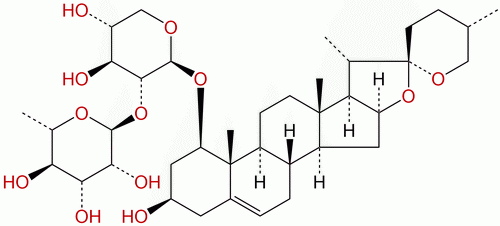
The chemical structure of Shanmaidong saponin C belongs to the spirostane type steroid saponin, and its unique sugar chain modification endows the molecule with abundant biological activity. Modern pharmacological studies have shown that saponins C from Ophiopogon japonicus can inhibit the expression of key pro-inflammatory factors by regulating multiple inflammatory signaling pathways, thus demonstrating therapeutic potential in various inflammation related disease models. Of particular importance is the regulatory effect of this compound on inflammatory core pathways such as IL-6/STAT3, NF - κ B, and CASP1, making it an ideal lead compound for the development of novel anti-inflammatory drugs.
However, natural products often face many challenges from discovery to clinical application, including limited sources, poor water solubility, and low bioavailability. Shanmaidong saponin C also faces these pharmaceutical bottlenecks. This article will provide a systematic review of the research progress of Shanmaidong saponin C from multiple dimensions, including chemical structure, plant origin, pharmacological activity, molecular mechanism, pharmacological evaluation, and clinical application prospects. The aim is to provide scientific basis for the in-depth development and translational application of this compound.
Chemical structure and physicochemical properties
Liriopesides C, CAS registration number 125225-63-0, molecular formula C ∝₈ H ₆₀ O ₁₂, molecular weight 708.8860 g/mol. From a chemical classification perspective, this compound belongs to the spirostane type of saponins in steroidal saponins. Its glycoside moiety is a typical spirostanol skeleton, with a unique six ring system connected by a spiroketide structure between the F and E rings. The sugar chain is usually composed of two or three monosaccharide units, which are connected to the C-3 hydroxyl group of the aglycone through β - glycosidic bonds. Common sugar groups include glucose, xylose, arabinose, etc. The composition and connection of sugar chains directly affect the water solubility, biological activity, and metabolic stability of the compound.
In terms of physicochemical properties, Shanmaidong saponin C exhibits typical characteristics of saponin compounds. Its lipid water partition coefficient (LogP) is 2.4505, indicating that the compound has a certain lipophilicity and can be moderately distributed in biological membranes, which is beneficial for its interaction with receptors or channel proteins on the cell membrane. The topological polar surface area (TPSA) is 176.7600 Å ², which is a relatively high value and reflects the presence of a large number of polar groups such as hydroxyl and ether bonds in the molecule. These groups are not only sites for hydrogen bonding, but also key structural units for binding to biological targets. The water solubility data is 0.0250 mg/mL, which belongs to poorly soluble compounds, which to some extent limits their oral bioavailability. It is worth noting that the blood-brain barrier permeability evaluation of this compound is "low", indicating that it may be limited in the treatment of central nervous system diseases, but it also means that the risk of central side effects after peripheral administration is low. In addition, the hERG inhibition evaluation was negative, indicating a low risk of cardiac toxicity; The Ames test result was 0.0, indicating that the compound did not exhibit significant genetic toxicity in the bacterial recovery mutation test.
Plant sources and extraction methods
Saponin C from Ophiopogon japonicus mainly comes from the Liliaceae family, Ophiopogon japonicus genus(Liriope)Plants, the most common source of which includes short stalked mountain Ophiopogon japonicus(Liriope muscari)Hubei Ophiopogon japonicus(Liriope spicata var. prolifera). These plants have a long medicinal history in East Asia, especially in China, Japan, and South Korea. They are traditionally used to treat symptoms such as cough, sore throat, restlessness, insomnia, and constipation. Ophiopogon japonicus medicinal herbs are also included in the Chinese Pharmacopoeia, and their main active ingredients are steroidal saponins. Epinepheline C from Ophiopogon japonicus is one of the important indicator components.
The extraction of saponins C from Ophiopogon japonicus from plants usually follows the classic natural product extraction process. Due to the solubility of saponin compounds in both water and alcohol, commonly used extraction solvents are methanol, ethanol, or their mixed aqueous solutions. Traditional extraction methods include cold soaking, percolation, and reflux extraction. Among them, the ethanol reflux extraction method is widely used due to its high efficiency and easy operation. Specifically, after crushing the dried roots and stems of Ophiopogon japonicus, they were refluxed and extracted 2-3 times with a 70% -80% ethanol aqueous solution at 60-80 ℃. The extracted solutions were combined and concentrated under reduced pressure to obtain the crude extract of total saponins.
Further separation and purification require the combination of multiple chromatographic techniques. Macroporous adsorption resin column chromatography (such as D101, AB-8 type) is the preferred method for removing impurities such as sugars and pigments and enriching total saponins. Different concentrations of ethanol aqueous solutions are usually used for gradient elution. Subsequently, fine separation was performed using silica gel column chromatography, ODS reverse phase column chromatography, and preparative high-performance liquid chromatography (Prep HPLC). Due to the structural similarity between Shanmaidong saponin C and its homologs (such as Shanmaidong saponins B, D, etc.), separation is difficult and often requires multiple chromatographic cycles to obtain high-purity monomeric compounds. In recent years, new separation methods such as high-speed countercurrent chromatography (HSCCC) and molecular imprinting technology have also been attempted to be applied to the separation of this compound, showing good application prospects.
It is worth noting that the content of saponin C in Ophiopogon japonicus is usually low in plants and is greatly influenced by factors such as origin, harvest season, and processing methods. Therefore, establishing an efficient, environmentally friendly, and scalable extraction and purification process is crucial for meeting the pharmacological research and potential industrial needs of this compound.
Pharmacological activity research
anti-inflammatory activity
Inflammation is a defensive response of the body to infection and tissue damage, but excessive or sustained inflammation can lead to the occurrence and development of various chronic diseases. The most noteworthy pharmacological activity of Shanmaidong saponin C is its significant anti-inflammatory effect. Numerous in vitro and in vivo studies have shown that this compound can effectively inhibit inflammatory responses in various inflammatory models.
At the cellular level, saponins C from Ophiopogon japonicus can significantly reduce the production of pro-inflammatory cytokines in macrophages (such as RAW264.7 cells) stimulated by lipopolysaccharide (LPS). Specifically, the compound can dose dependently inhibit the release of tumor necrosis factor - α (TNF - α), interleukin-6 (IL-6), and nitric oxide (NO). In addition, it also has a significant downregulation effect on the expression of cyclooxygenase-2 (COX-2) and inducible nitric oxide synthase (iNOS). These effects collectively constitute the cellular basis of its anti-inflammatory activity.
In animal models, saponin C from Ophiopogon japonicus also showed good anti-inflammatory effects. For example, in the carrageenan induced rat paw swelling model, intraperitoneal injection or oral administration of Sophora japonica saponin C can significantly reduce the degree of swelling, and its effect is comparable to the positive control drug indomethacin. In the acetic acid writhing test and formalin induced pain model, the compound also showed certain analgesic effects, which may be related to its inhibition of inflammatory mediator release and reduction of nociceptive receptor sensitivity.
Other pharmacological activities
In addition to anti-inflammatory effects, saponins C from Ophiopogon japonicus have been reported to have various other pharmacological activities. For example, studies have found that it has certain antioxidant activity, can clear free radicals, and alleviate oxidative stress damage to cells. In addition, in terms of cardiovascular system, saponins C from Ophiopogon japonicus may exert cardioprotective effects by regulating ion channels or affecting energy metabolism of myocardial cells. In terms of immune regulation, this compound can affect the proliferation and differentiation of T lymphocytes, suggesting its potential value in the treatment of autoimmune diseases. However, these studies are still in the preliminary stage, and their specific effects and mechanisms still need further validation.
Mechanism of action and molecular targets
The pharmacological activity of Shanmaidong saponin C, especially its anti-inflammatory effect, is achieved by regulating multiple complex signal transduction pathways and multiple molecular targets. Based on existing research, its core mechanism of action can be summarized as follows:
Regulation of IL-6/STAT3 signaling pathway
Interleukin-6 (IL-6) is a multifunctional cytokine that plays a critical role in inflammatory response, immune regulation, and tumorigenesis. After binding to the receptor, IL-6 can activate the downstream JAK/STAT3 signaling pathway. Phosphorylated STAT3 enters the nucleus and regulates the transcription of various pro-inflammatory and anti apoptotic genes. Research has shown that saponins C from Ophiopogon japonicus can significantly inhibit LPS or IL-6 induced STAT3 phosphorylation, thereby blocking the signaling pathway. By inhibiting the activation of STAT3, this compound can reduce the expression of IL-6 itself, form negative feedback regulation, and effectively suppress the cascade amplification effect of inflammation.
Intervention on NF - κ B signaling pathway
Nuclear factor kappa B (NF - κ B) is the core transcription factor in inflammatory response. In the resting state, NF - κ B binds to its inhibitory protein I κ B and exists in an inactive form in the cytoplasm. When stimulated by inflammation, I κ B kinase (IKK, such as IKBKB) is activated, phosphorylates and degrades I κ B, releasing NF - κ B (usually a p50/RELA heterodimer). Free NF - κ B enters the nucleus and initiates the transcription of a series of pro-inflammatory genes such as TNF - α, IL-6, COX-2, iNOS, etc. Shanmaidong saponin C has been shown to inhibit the activity of IKK, prevent the degradation of I κ B, and thus reduce the nuclear translocation and transcriptional activity of NF - κ B. This explains why it can simultaneously inhibit the expression of multiple pro-inflammatory factors.
Regulation of the CASP1/TRPV1/TRPA1 pathway
Cysteine aspartate protease 1 (CASP1) is a key effector molecule for inflammasome activation. After inflammasome activation, CASP1 is cleaved and activated, which then cleaves pro-IL-1 β and pro-IL-18, producing mature pro-inflammatory cytokines. In addition, excessive activation of CASP1 may also lead to pyroptosis. Shanmaidong saponin C may reduce the release of IL-1 β by inhibiting the assembly of NLRP3 inflammasomes or directly inhibiting the activity of CASP1. Meanwhile, transient receptor potential channels TRPV1 and TRPA1 are key ion channels on nociceptors, involved in the transmission of pain and neurogenic inflammation. Studies have shown that saponins C from Ophiopogon japonicus can antagonize the activation of TRPV1 and TRPA1, which may be one of the molecular basis for its analgesic effect.
Inhibition of NOS2/PTGS1
Inducible nitric oxide synthase (NOS2) and cyclooxygenase-1 (PTGS1) are key enzymes in the synthesis of inflammatory mediators. NOS2 catalyzes the production of a large amount of nitric oxide (NO), while PTGS1 (and its inducible PTGS2) catalyzes the synthesis of prostaglandins. Shanmaidong saponin C can downregulate the expression of NOS2, reduce the excessive production of NO, and thus alleviate oxidative nitrification stress damage. Although PTGS1 is generally considered constitutive expression, its expression can also be upregulated under certain inflammatory conditions. The inhibitory effect of this compound on PTGS1 may be related to its regulation of overall prostaglandin synthesis.
In summary, saponin C from Ophiopogon japonicus exerts anti-inflammatory effects through multiple targets and pathways. Its target network includes cytokines (IL-6, TNF), signal transduction proteins (STAT3, RELA, IKBKB), inflammasome associated protease (CASP1), ion channels (TRPV1, TRPA1), and metabolic enzymes (NOS2, PTGS1). This multi-target mode of action gives it unique advantages in treating complex inflammatory diseases, but it also increases the complexity of studying the mechanism of action.
Evaluation of drug properties and pharmacokinetics
The successful conversion of natural products into clinical drugs depends on their pharmacological properties, that is, whether the compound has good pharmacokinetic characteristics and safety. The pharmacological evaluation of Shanmaidong saponin C requires comprehensive consideration of its physicochemical properties, absorption, distribution, metabolism, excretion (ADME), and toxicological characteristics.
Physical and chemical properties and drug like properties
As mentioned earlier, the molecular weight of Shanmaidong saponin C is 708.89 Da, exceeding the traditional "Lipinski rule" limit of molecular weight less than 500. Its LogP is 2.45, which is within a reasonable range (-0.4 to 5.6), indicating moderate lipophilicity. However, its TPSA is as high as 176.76 Å ², far above the threshold of 140 Å ², which usually means that the oral absorption of the compound may be poor, as the high polarity surface area is not conducive to passive transmembrane transport. The water solubility (0.025 mg/mL) is also low, which further increases the difficulty of its formulation development. Overall, the pharmacological rating of Shanmaidong Saponin C is moderate and it belongs to a typical "difficult to absorb" natural product. It needs to be improved in terms of bioavailability through formulation methods such as nanoemulsions, liposomes, cyclodextrin inclusion complexes, etc.
Pharmacokinetic characteristics
At present, there is insufficient systematic research on the pharmacokinetics of saponins C from Ophiopogon japonicus in vivo, but based on literature reports of its structural analogues (such as dioscin and saponins D from Ophiopogon japonicus), its pharmacokinetic characteristics can be inferred. After oral administration, the absorption of saponin C from Ophiopogon japonicus in the gastrointestinal tract may be very limited, with a bioavailability typically below 5%. This is mainly due to its high molecular weight and polarity, making it difficult to pass through the lipid bilayer of small intestinal epithelial cells. In addition, efflux transporters such as P-glycoprotein (P-gp) may also pump it into the ileal lumen, further reducing absorption.
In terms of distribution, due to its low blood-brain barrier permeability, this compound is mainly distributed in peripheral tissues such as the liver, kidneys, and lungs. In terms of metabolism, saponin compounds mainly undergo deglycosylation and glucuronidation reactions in the body. The gut microbiota is crucial for the metabolism of saponins, as they can gradually hydrolyze sugar chains to produce secondary glycosides or aglycones, which may have different biological activities. The final metabolites of saponin C in Ophiopogon japonicus are mainly excreted through bile and urine.
safety evaluation
Safety is the key to whether candidate drugs can enter clinical practice. The preliminary toxicological evaluation results of Shanmaidong saponin C are relatively optimistic. A negative hERG inhibition test indicates a lower risk of causing QT interval prolongation in the heart. A negative Ames test indicates that it does not have direct mutagenicity. However, these are only preliminary safety indicators. A comprehensive toxicological evaluation also requires systematic studies on acute toxicity, subchronic toxicity, reproductive toxicity, and genetic toxicity. It is worth noting that saponin compounds usually have hemolytic effects, and whether saponin C from Ophiopogon japonicus can cause hemolytic reactions, especially when administered intravenously, is a safety indicator that needs to be carefully examined.
Clinical application prospects and prospects
Based on the unique pharmacological activity and preliminary safety data of Shanmaidong saponin C, its application prospects in multiple disease fields are worth looking forward to.
Inflammatory diseases
The most direct clinical application direction of Shanmaidong saponin C is to treat various acute and chronic inflammatory diseases. For example, in diseases such as rheumatoid arthritis, osteoarthritis, inflammatory bowel disease (such as Crohn's disease, ulcerative colitis), and dermatitis, it is expected to alleviate inflammation and symptoms by inhibiting the IL-6/STAT3 and NF - κ B pathways. Especially for patients who are resistant or intolerant to existing biologics such as anti TNF - α antibodies, the small molecule multi-target drug Shanmaidong Saponin C may provide a new treatment option.
pain management
Given its inhibitory effect on TRPV1 and TRPA1 channels, Shanmaidong saponin C has potential for development in the field of pain management. Chronic pain, especially neuropathic pain and inflammatory pain, is a difficult point in clinical treatment. Existing analgesics, such as opioids and nonsteroidal anti-inflammatory drugs, have side effects such as addiction and gastrointestinal damage. Shanmaidong saponin C, as a natural product, is expected to become a lead compound for new analgesic drugs if it can achieve a good balance between analgesic effect and safety.
cardiovascular disease
Traditional Chinese medicine theory holds that Ophiopogon japonicus has the effects of nourishing yin, generating fluids, moistening the lungs, and clearing the heart. Modern research has also found that its active ingredients have cardioprotective effects. Shanmaidong saponin C may exert therapeutic effects in cardiovascular diseases such as myocardial ischemia-reperfusion injury and heart failure through mechanisms such as anti-inflammatory, antioxidant, and regulation of myocardial cell calcium homeostasis.
Challenges and Solutions Faced
Despite its broad prospects, the clinical translation of Lonicera japonica saponins C still faces severe challenges. The primary issue is its extremely low oral bioavailability. Future research should focus on developing efficient drug delivery systems, such as phospholipid complexes, self microemulsifying drug delivery systems (SMEDS), or nanoparticles, to enhance their solubility and oral absorption. Secondly, although its mechanism of action is broad, its specificity is insufficient, which may lead to off target effects. By structural modification, such as simplifying sugar chains or introducing specific functional groups, it is expected to obtain derivatives with higher activity and better selectivity. In addition, establishing a more comprehensive pharmacokinetic pharmacodynamic (PK-PD) model in vivo to elucidate its active metabolites is crucial for guiding clinical medication regimens.
Conclusion
Shanmaidong saponin C, as a steroidal saponin active ingredient derived from traditional Chinese medicine Ophiopogon japonicus, has become a new star in the field of natural product pharmacology research due to its significant anti-inflammatory activity, multi-target mechanism of action, and initially demonstrated good safety. From a chemical structure perspective, the combination of its spirostane skeleton and specific sugar chains endows it with unique biological activity; From a pharmacological perspective, its regulation of multiple key inflammatory and pain targets such as IL-6/STAT3, NF - κ B, CASP1, and TRPV1/TRPA1 reveals its enormous potential as a novel anti-inflammatory and analgesic drug.
However, the road from laboratory discovery to clinical application remains long and challenging. Its poor solubility and oral bioavailability are currently the main bottlenecks restricting its development. Future research needs to focus on solving the problem of drug formation by thoroughly elucidating its pharmacokinetic characteristics and metabolic pathways in vivo, combined with modern pharmaceutical technology and medicinal chemistry methods. At the same time, utilizing systems pharmacology and network pharmacology methods, further revealing its complex molecular action network, and conducting more high-quality in vivo pharmacological and safety evaluation studies.
In summary, Shanmaidong saponin C is a highly valuable natural product lead compound for development. With the continuous deepening of related research and the advancement of technology, we have reason to believe that this ancient phytochemical component has the potential to shine with new vitality in future clinical practice, providing new effective strategies for the treatment of inflammatory diseases, pain, and related diseases.