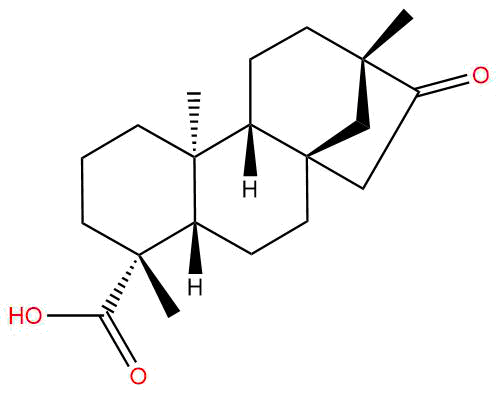


Synonym name:
Catalogue No.: BP0801
Cas No.: 27975-19-5
Formula: C20H30O3
Mol Weight: 318.457
Botanical Source: Acidic hydrol. prod. of JFC44
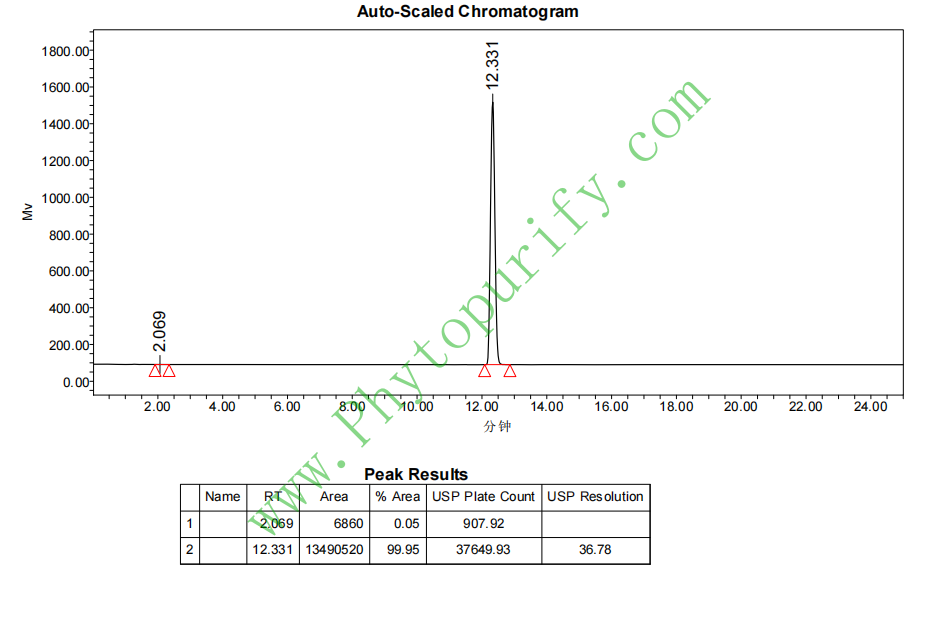
Purity: 95%~99%
Analysis Method: HPLC-DAD or/and HPLC-ELSD
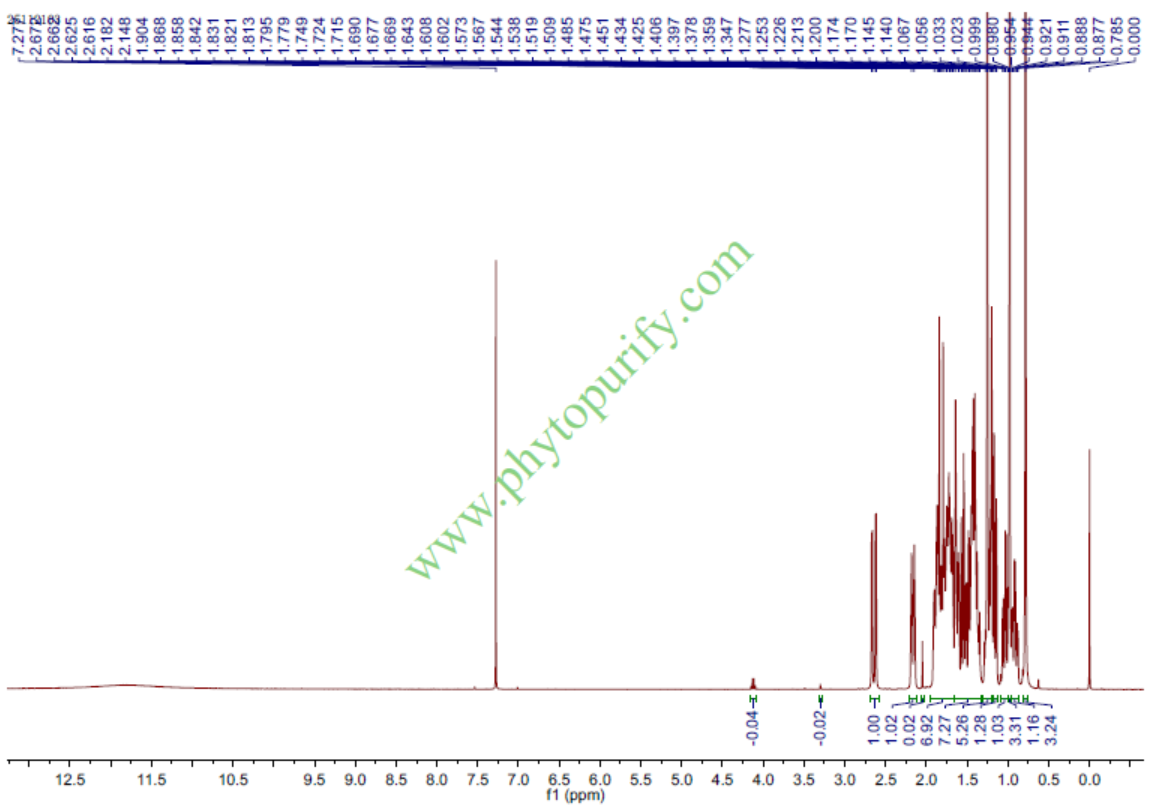
Identification Method: Mass, NMR
Packing: Brown vial or HDPE plastic bottle
Can be supplied from milligrams to grams.
For Reference Standard and R&D, Not for Human Use Directly.
Inquire for bulk scale.
HPLC of Isosteviol
HNMR of Isosteviol
Storage conditions:Short-term storage at 2~8℃, long-term storage at -20 ~ -80℃
54.3700
3.9644
2.1558
.0125
6.5676
18.3509
High
92.1574
5.5358
No
No
No
No
No
No
0.0
No
No
No
No
Natural products, as an important source of drug discovery, have long played an indispensable role in human health. Among numerous natural compounds with biological activity, Stevia rebaudiana from the Asteraceae plant(Stevia rebaudiana Bertoni's steviol glycosides and their derivatives have attracted widespread attention in recent years. Stevia, as a perennial herbaceous plant native to South America, contains various sweet components in its leaves, among which Stevioside and Rebaudioside have been widely used in the food industry as natural sweeteners. However, in the chemical transformation process of these sweet components, an important derivative - Isosteviol - gradually exhibits unique pharmacological value beyond its parent compound.
Isosteviol is a diterpenoid compound produced by the hydrolysis of steviol glycosides under acidic conditions. Its chemical structure belongs to the ent kaurane type skeleton. As early as the 1930s, scientists began studying the chemical composition of stevia, but it was not until nearly two decades that the pharmacological activity of isosteviol was systematically revealed. Research has shown that isosteviol has multiple biological functions, including inhibition of DNA polymerase and DNA topoisomerase activity, as well as significant antibacterial, anticancer, and anti tuberculosis effects. More importantly, isosteviol alcohol exhibits unique advantages in antioxidant damage, and can exert cell protective effects by regulating the NFE2L2/NRF2 signaling pathway and downstream target genes such as SOD1, CAT, GPX1, HMOX1, and SOD2.
With the deepening of modern medicinal chemistry and pharmacology research, the potential of isosteviol alcohol as a natural product with multi-target action characteristics is increasingly prominent in the field of drug development. This article will comprehensively review the research progress of isosteviol from the aspects of chemical structure, plant origin, pharmacological activity, mechanism of action, pharmacological evaluation, and clinical application prospects, in order to provide theoretical reference for the further development and application of this compound.
The chemical name of isosteviol alcohol is (-) - isosteviol alcohol, with a CAS number of 27975-19-5, a molecular formula of C ₂₀ H ∝₀ O ∝, and a molecular weight of 318.4570. From a structural classification perspective, isosteviol belongs to the tetracyclic diterpenoid class, with its parent nucleus being an ent kaurane skeleton. The skeleton consists of four rings: ring A is a hexagonal ring, ring B is a hexagonal ring, ring C is a hexagonal ring, and ring D is a pentagonal ring, forming a unique rigid four ring structure.
The chemical structural characteristics of isosteviol are mainly reflected in the following aspects: firstly, there is a carboxyl group (- COOH) at the C-16 position, which is one of the key differences between it and the parent compound steviol glycosides; Secondly, there is a methyl substituent at position C-13; In addition, there is a ketone (C=O) functional group at position C-15. The combination of these functional groups endows isosteviol with unique chemical reactivity and biological activity. It is worth noting that isosteviol alcohol has multiple chiral centers and its absolute configuration is (-) - type, which has a significant impact on its interaction with biological targets due to its stereochemical characteristics.
From the perspective of physicochemical properties, isosteviol exhibits typical characteristics of diterpenoid compounds. Its lipid water partition coefficient (LogP) is 3.9644, indicating that the compound has a moderate degree of lipophilicity, which is beneficial for its penetration into biofilm structures. The topological polar surface area (TPSA) is 54.3700 Å ², which is within the acceptable range for oral medication (usually requiring TPSA<140 Å ²), indicating good oral absorption potential.
In terms of water solubility, isosteviol has a water solubility of 0.0125 mg/mL and is classified as a poorly soluble compound. This characteristic may limit its bioavailability in vivo, but it also provides favorable conditions for its distribution in the lipid environment. It is worth noting that the blood-brain barrier penetration of isosteviol is evaluated as "high", which makes it potentially valuable for the treatment of central nervous system diseases. In addition, the hERG inhibition evaluation was negative, indicating a low risk of cardiac toxicity; The Ames test result is 0.0, indicating that it does not have significant mutagenicity.
Isosteviol is not a naturally occurring raw ingredient in plants, but rather an acid catalyzed hydrolysis product of steviol glycosides. Its precursor compounds mainly come from the Asteraceae plant Stevia(Stevia rebaudiana The leaves of Bertoni. Stevia is native to the border areas of Paraguay and Brazil, and is now widely cultivated in multiple countries and regions around the world, including China, Japan, South Korea, Malaysia, and India.
Stevia leaves are rich in various sweet terpenoid glycosides, among which Stevioside (about 4-20% of dry weight) and Rebaudioside A (about 2-4% of dry weight) have the highest content. These steviol glycosides are structurally composed of isosteviol alcohol as the aglycone, which connects different numbers of glucose groups through glycosidic bonds. Specifically, the glycoside of steviol glycosides is steviol, which is a stereoisomer of steviol. There are differences in the configuration of the C-16 position between the two.
The preparation of isosteviol alcohol usually adopts an acid catalyzed hydrolysis strategy, starting from stevia glycosides or stevia leaf extracts, and obtaining the target product by controlling the reaction conditions. The classic preparation process includes the following key steps:
Step 1: Extraction of Stevioside After crushing the dried stevia leaves, extract them using hot water or ethanol water mixed solvents. After filtration and concentration, the extract is purified using macroporous adsorption resin or ion exchange resin to obtain an extract rich in stevia glycosides. Common types of resins include macroporous adsorption resins such as D101 and AB-8, as well as combinations of cation exchange resins and anion exchange resins.
Step 2: Acid catalyzed hydrolysis Dissolve purified stevia glycosides in acidic aqueous or alcoholic solutions, commonly used acids include hydrochloric acid, sulfuric acid, phosphoric acid, etc. The hydrolysis reaction is usually carried out under heating conditions, with the reaction temperature controlled at 80-100 ° C. The reaction time varies depending on the acid concentration and temperature conditions, generally ranging from 2-8 hours. During the acid catalyzed hydrolysis process, the glycosidic bonds of steviol glycosides are broken, releasing the glycosidic moiety and undergoing conformational transformation at the C-16 position, resulting in the formation of isosteviol alcohol.
Step 3: Product Separation and Purification After the hydrolysis reaction is completed, the product is precipitated by adjusting the pH value, or the target product is separated by organic solvent extraction (such as ethyl acetate, chloroform, etc.). The crude product is further purified by silica gel column chromatography, recrystallization, or preparative high-performance liquid chromatography (HPLC) to obtain high-purity isosteviol alcohol.
In recent years, in order to improve yield and purity, researchers have also developed various improvement methods, including microwave-assisted hydrolysis, ultrasound assisted hydrolysis, enzymatic hydrolysis, and green extraction technologies such as supercritical fluid extraction. These methods demonstrate advantages in shortening reaction time, reducing energy consumption, and minimizing the use of organic solvents.
The antibacterial activity of isosteviol is one of its earliest discovered pharmacological effects. Research has shown that isosteviol has inhibitory effects on various pathogenic bacteria, including Gram positive and Gram negative bacteria. Targeting Staphylococcus aureus(Staphylococcus aureus)Staphylococcus epidermidis(Staphylococcus epidermidis)And Bacillus subtilis(Bacillus subtilis)In the experiment, isosteviol showed moderate antibacterial activity, with a minimum inhibitory concentration (MIC) in the range of 50-200 μ g/mL.
It is worth noting that isosteviol has an effect on Mycobacterium tuberculosis(Mycobacterium tuberculosis)Has a significant inhibitory effect. As a global infectious disease, tuberculosis treatment is facing increasingly serious challenges of drug resistance. Research has found that isosteviol can inhibit the growth of Mycobacterium tuberculosis, with a MIC value of about 25-50 μ g/mL, and there is no cross resistance with first-line anti tuberculosis drugs such as isoniazid and rifampicin. This discovery provides candidate compounds for the development of new anti tuberculosis drugs.
The anticancer activity of isosteviol has been a hot research topic in recent years. In vitro experiments showed that isometamol had cytotoxic effects on a variety of cancer cell lines, including hepatoma cells (HepG2), breast cancer cells (MCF-7), lung cancer cells (A549), colon cancer cells (HT-29) and cervical cancer cells (HeLa).
In terms of its mechanism of action, isosteviol exerts anticancer effects through multiple pathways. Firstly, isosteviol can inhibit the activity of DNA polymerase and DNA topoisomerase, thereby interfering with the DNA replication and transcription processes of cancer cells. DNA topoisomerases play a crucial role in DNA replication, transcription, and chromosome separation, and their inhibitors have become important targets for anticancer drugs in clinical practice. Secondly, isosteviol can induce apoptosis in cancer cells by activating caspase-3 and caspase-9, upregulating Bax protein expression, and downregulating Bcl-2 protein expression, thereby initiating the mitochondrial mediated endogenous apoptosis pathway. In addition, isosteviol can also inhibit the migration and invasion ability of cancer cells, which may be related to the inhibition of matrix metalloproteinases (MMPs) expression.
In addition to its direct inhibitory effect on Mycobacterium tuberculosis, isosteviol also exhibits synergistic effects with existing anti tuberculosis drugs. Research has found that the combination of isosteviol with isoniazid or rifampicin can significantly reduce the effective concentration of these drugs, suggesting that it may enhance the anti tuberculosis effect through different mechanisms of action. In addition, Isosteviol is also effective against drug-resistant strains of Mycobacterium tuberculosis, which provides a basis for its application in the treatment of drug-resistant tuberculosis.
The role of isosteviol in antioxidant damage is one of its important pharmacological activities. Oxidative stress is the common pathological mechanism of many diseases, including cardiovascular diseases, neurodegenerative diseases, diabetes and its complications. Research has shown that isosteviol can enhance the antioxidant defense ability of cells by activating the NRF2 (nuclear factor E2 related factor 2) signaling pathway, upregulating the expression of a series of antioxidant enzymes.
Specifically, treatment with isosteviol can significantly increase the activity or expression levels of intracellular superoxide dismutase (SOD1 and SOD2), catalase (CAT), glutathione peroxidase 1 (GPX1), and heme oxygenase 1 (HMOX1). These enzymes play a crucial role in clearing reactive oxygen species (ROS) and maintaining cellular redox balance. In the oxidative damage model induced by hydrogen peroxide (H ₂ O ₂), pretreatment with isosteviol significantly reduced intracellular ROS levels, decreased the production of lipid peroxidation product malondialdehyde (MDA), and improved cell survival rate.
In addition to the main activities mentioned above, isosteviol also exhibits various pharmacological effects such as anti-inflammatory, antiviral, hypoglycemic, and cardiovascular protection. In terms of anti-inflammatory effects, isosteviol can inhibit lipopolysaccharide (LPS) - induced macrophage inflammatory response and reduce the expression of pro-inflammatory factors such as tumor necrosis factor - α (TNF - α), interleukin-6 (IL-6), and interleukin-1 β (IL-1 β). In terms of lowering blood sugar, isosteviol can promote insulin secretion, improve insulin resistance, and lower blood sugar levels. In terms of cardiovascular protection, isosteviol can inhibit myocardial cell hypertrophy and fibrosis, and improve heart function.
The core mechanism of the antioxidant damage effect of isosteviol is the activation of the NRF2/ARE (antioxidant response element) signaling pathway. NRF2 (encoded by NFE2L2 gene) is an alkaline leucine zipper (bZIP) transcription factor that binds to the cytoplasmic inhibitory protein Keap1 under normal physiological conditions and is in an inactive state. When cells are stimulated by oxidative stress or electrophilic agents, NRF2 dissociates from Keap1, translocates into the nucleus, forms heterodimers with small Maf proteins, recognizes and binds to the ARE sequence in the promoter region of target genes, and initiates the expression of a series of antioxidant and detoxifying enzymes.
Isosteviol can promote nuclear translocation of NRF2 and enhance its transcriptional activity. Research has shown that treatment with isosteviol can cause conformational changes or modifications in Keap1, leading to the release of NRF2. Activated NRF2 further upregulates the expression of various downstream target genes, including:
SOD1 (Cu/Zn SOD) and SOD2 (Mn SOD)These two types of superoxide dismutase are located in the cytoplasm and mitochondria, catalyzing the dismutation of superoxide anions (O ₂⁻) into hydrogen peroxide (H ₂ O ₂) and oxygen (O ₂), serving as the first line of defense for cellular antioxidant defense.
CAT (catalase)Catalyze the decomposition of H ₂ O ₂ into water and oxygen, and work synergistically with SOD to remove H ₂ O ₂ from cells.
GPX1 (Glutathione Peroxidase 1)Using reduced glutathione (GSH) as a reducing agent, H ₂ O ₂ and organic peroxides are reduced to water and corresponding alcohols to maintain intracellular redox balance.
HMOX1 (Heme Oxygenase 1)Catalytic degradation of heme into biliverdin, carbon monoxide (CO), and free iron, among which biliverdin and CO have antioxidant and anti-inflammatory effects and are important components of cellular adaptive protective response.
The inhibitory effect of isosteviol on DNA polymerase and DNA topoisomerase is an important molecular basis for its anticancer activity. DNA polymerase is a key enzyme in the process of DNA replication, responsible for catalyzing the extension of DNA strands. Isosteviol can bind to the active site of DNA polymerase, competitively inhibiting its catalytic activity, thereby blocking the DNA replication process of cancer cells.
DNA topoisomerases play a crucial role in regulating DNA topology, with topoisomerases I and II alleviating DNA supercoil tension by cutting and reconnecting single or double strands of DNA, respectively. Isosteviol can inhibit the activity of topoisomerases, leading to DNA breakage and replication fork arrest, thereby triggering cell cycle arrest and apoptosis. Compared with commonly used topoisomerase inhibitors in clinical practice, such as camptothecin and etoposide, the mechanism of action of isosteviol may be different, which provides the possibility for it to overcome drug resistance.
The mechanism by which isosteviol induces apoptosis in cancer cells involves the activation of the mitochondrial apoptotic pathway. Mitochondria play a central role in regulating apoptosis, and changes in their outer membrane permeability lead to the release of cytochrome c into the cytoplasm, which in turn activates the caspase cascade reaction. Treatment with isosteviol can upregulate the expression of pro apoptotic protein Bax and downregulate the expression of anti apoptotic protein Bcl-2, leading to an increase in the Bax/Bcl-2 ratio. This change promotes an increase in mitochondrial outer membrane permeability, releasing cytochrome c and apoptosis inducing factor (AIF). Cytochrome c forms apoptotic bodies with Apaf-1 and procaspase-9, activating caspase-9 and subsequently activating downstream effector caspases such as caspase-3 and caspase-7, ultimately leading to cell apoptosis.
Based on existing research, the mechanism of action of isosteviol alcohol exhibits typical multi-target characteristics. In addition to the main targets mentioned above, isosteviol may also exert pharmacological effects through the following pathways:
Inhibition of NF - κ B signaling pathway Isosteviol can inhibit the phosphorylation and degradation of I κ B α, block the nuclear translocation of NF - κ B, thereby suppressing inflammation and cancer cell survival.
Regulation of PI3K/Akt/mTOR pathway Isosteviol can inhibit the activity of the PI3K/Akt signaling pathway, reduce the phosphorylation level of mTOR, thereby inhibiting cancer cell proliferation and promoting autophagy.
The impact of MAPK signaling pathway Isosteviol can regulate the phosphorylation levels of ERK, JNK, and p38 MAPK, which play important roles in cell proliferation, differentiation, and apoptosis.
Based on the principles of medicinal chemistry, the overall performance of the pharmacological parameters of isosteviol alcohol is good. Its molecular weight (318.4570) conforms to Lipinski's five rules (molecular weight<500), LogP value (3.9644) is within the ideal range (-0.4 to 5.6), and TPSA (54.3700 Å ²) is below 140 Å ². These parameters suggest that it has good oral absorption potential. In addition, the number of hydrogen bond donors and acceptors of isosteviol alcohol also meets the basic requirements for oral medication.
In terms of safety, the hERG inhibition evaluation is negative, indicating a low risk of causing QT interval prolongation in the heart. The Ames test result is 0.0, indicating that it does not have significant genetic toxicity. These safety data provide favorable conditions for the further development of isosteviol.
However, the water solubility of isosteviol is poor (0.0125 mg/mL), which may limit its oral bioavailability. In addition, its blood-brain barrier penetration is high, which may provide possibilities for the treatment of central nervous system diseases, but may also increase the risk of central nervous system side effects.
At present, there is insufficient systematic research on the pharmacokinetics of isosteviol, but there are some preliminary data available for reference. In terms of absorption, due to the strong lipid solubility of isosteviol, its oral absorption may be limited by the dissolution rate. Research has shown that the use of solid dispersions, liposomes, or cyclodextrin inclusion complexes can improve their solubility and oral bioavailability.
In terms of distribution, isosteviol has high blood-brain barrier penetration, indicating its ability to enter the central nervous system. In addition, its higher LogP value also indicates that it tends to be distributed in lipid rich tissues. In terms of metabolism, isosteviol may be mainly metabolized through the cytochrome P450 enzyme system in the liver, but the specific metabolic pathways and metabolites still need further research.
In terms of excretion, isosteviol and its metabolites may be mainly excreted through bile and urine. Due to the presence of carboxyl functional groups in isosteviol alcohol, it may undergo glucuronic acid binding reaction in vivo, forming a more water-soluble complex that promotes its excretion.
In order to improve the pharmacokinetic properties of isosteviol and enhance its pharmacological activity, researchers have conducted extensive structural modification work. Common modification strategies include:
Esterification of carboxyl groups Esterifying the carboxyl group at position C-16 can increase the lipophilicity of the compound and improve its membrane permeability. Research has shown that certain derivatives of isosteviol esters have better anti-cancer activity than their parent compounds.
Introduction or modification of hydroxyl groups Introducing hydroxyl groups into molecules or modifying existing hydroxyl groups through acylation, etherification, etc. can regulate the polarity and activity of compounds.
Reduction or substitution of ketone groups Reducing the ketone group at C-15 position to a hydroxyl group or introducing other functional groups may alter the biological activity of the compound.
Skeleton modification By modifying the framework of kaempferol, such as ring opening, ring expansion, or introducing heteroatoms, novel and active derivatives can be produced.
Based on the multi-target pharmacological activity of isosteviol, it has potential clinical application prospects in the following disease fields:
1. Tumor treatment Isosteviol exerts anticancer effects through various mechanisms such as inhibiting DNA topoisomerase, inducing apoptosis, and inhibiting metastasis, and can be used as a chemotherapy sensitizer or adjuvant therapy drug. Especially for drug-resistant tumors, isosteviol may provide a new treatment option.
2. tuberculosis treatment The direct inhibitory effect of isosteviol on Mycobacterium tuberculosis and its synergistic effect with existing anti tuberculosis drugs make it a candidate compound for developing new anti tuberculosis drugs. Isosteviol has unique advantages in the treatment of drug-resistant tuberculosis.
3. Oxidative stress-related diseases: By activating NRF2 signaling pathway, isosteviol has potential application value in the treatment of oxidative stress related diseases such as cardiovascular diseases, neurodegenerative diseases (such as Alzheimer's disease, Parkinson's disease), and diabetes complications.
4. Inflammatory diseases The anti-inflammatory activity of isosteviol alcohol makes it promising for the treatment of chronic inflammatory diseases such as rheumatoid arthritis and inflammatory bowel disease.
Although isosteviol has multiple pharmacological activities and a good pharmacological basis, its clinical translation still faces some challenges:
1. Poor water solubility The low water solubility of isosteviol limits its oral bioavailability. The solution strategy includes developing new drug delivery systems (such as liposomes, nanoparticles, solid dispersions), designing prodrugs (such as phosphate ester prodrugs, amino acid ester prodrugs), and structural modifications (such as introducing polar groups).
2. Unclear pharmacokinetic characteristics Currently, there is limited understanding of the absorption, distribution, metabolism, and excretion processes of isosteviol in the body. Systematic pharmacokinetic studies are needed, including animal experiments and in vitro metabolic experiments, to clarify the metabolic pathways and metabolites.
3. The mechanism of action needs to be further elucidated Although multiple targets of action of isosteviol have been identified, further research is needed on its specific binding mode, binding affinity, and precise regulatory mechanism of signaling pathways with these targets.
4. Incomplete toxicological evaluation Although the preliminary safety evaluation results are good, there is still a lack of toxicological data on long-term toxicity, reproductive toxicity, immunotoxicity, etc., and systematic toxicological studies need to be conducted in accordance with drug development standards.
Looking ahead to the future, research on isosteviol can be further explored in the following directions:
1. Study on structure-activity relationship Systematically synthesize a series of derivatives of isosteviol, and combine molecular docking and quantitative structure-activity relationship (QSAR) analysis to elucidate their key pharmacophores and structure-activity relationships, providing guidance for rational drug design.
2. Target validation and mechanism research Using techniques such as gene knockout, RNA interference, proteomics, and chemical biology, we aim to validate the key targets of isosteviol and elucidate the molecular mechanisms underlying its multi-target effects.
3. Development of a new drug delivery system To address the issue of poor water solubility of isosteviol, a new drug delivery system based on nanotechnology has been developed, such as polymer micelles, lipid nanoparticles, mesoporous silica nanoparticles, etc., to improve its bioavailability and targeting.
4. Combination therapy research Explore the synergistic effect of isosteviol and commonly used clinical drugs, optimize the combination therapy plan, improve treatment efficacy and reduce low toxicity.
5. Preclinical research Conduct systematic pharmacological, pharmacokinetic, and toxicological studies in accordance with new drug development standards to lay the foundation for clinical trial application.
As an acid catalyzed hydrolysis product of steviol glycosides, isosteviol alcohol has gradually developed from a chemical intermediate to a natural product candidate drug with multi-target pharmacological activity. Its unique ent kaempferol skeleton structure endows it with rich biological functions, including antibacterial, anticancer, anti tuberculosis, and antioxidant damage effects. Especially by activating the NRF2 signaling pathway to regulate the expression of antioxidant enzymes such as SOD1, CAT, GPX1, HMOX1, and SOD2, isosteviol alcohol exhibits unique advantages in the treatment of oxidative stress-related diseases.
From the perspective of medicinal properties, isosteviol alcohol has favorable characteristics such as moderate molecular weight, good lipid solubility, no hERG inhibition, and Ames mutagenicity. However, its poor water solubility and unclear pharmacokinetic properties still need to be addressed. Through structural modification, development of new drug delivery systems and systematic preclinical research, it is expected that steviol will play an important role in the treatment of cancer, tuberculosis and oxidative stress related diseases.
With the continuous deepening of research on natural products and the advancement of medicinal chemistry technology, the prospects for drug development of isosteviol and its derivatives are worth looking forward to. In the future, through interdisciplinary collaboration and integration of research methods such as medicinal chemistry, pharmacology, pharmacy, and toxicology, isosteviol, a compound derived from natural sweeteners, is expected to make new contributions to human health.
