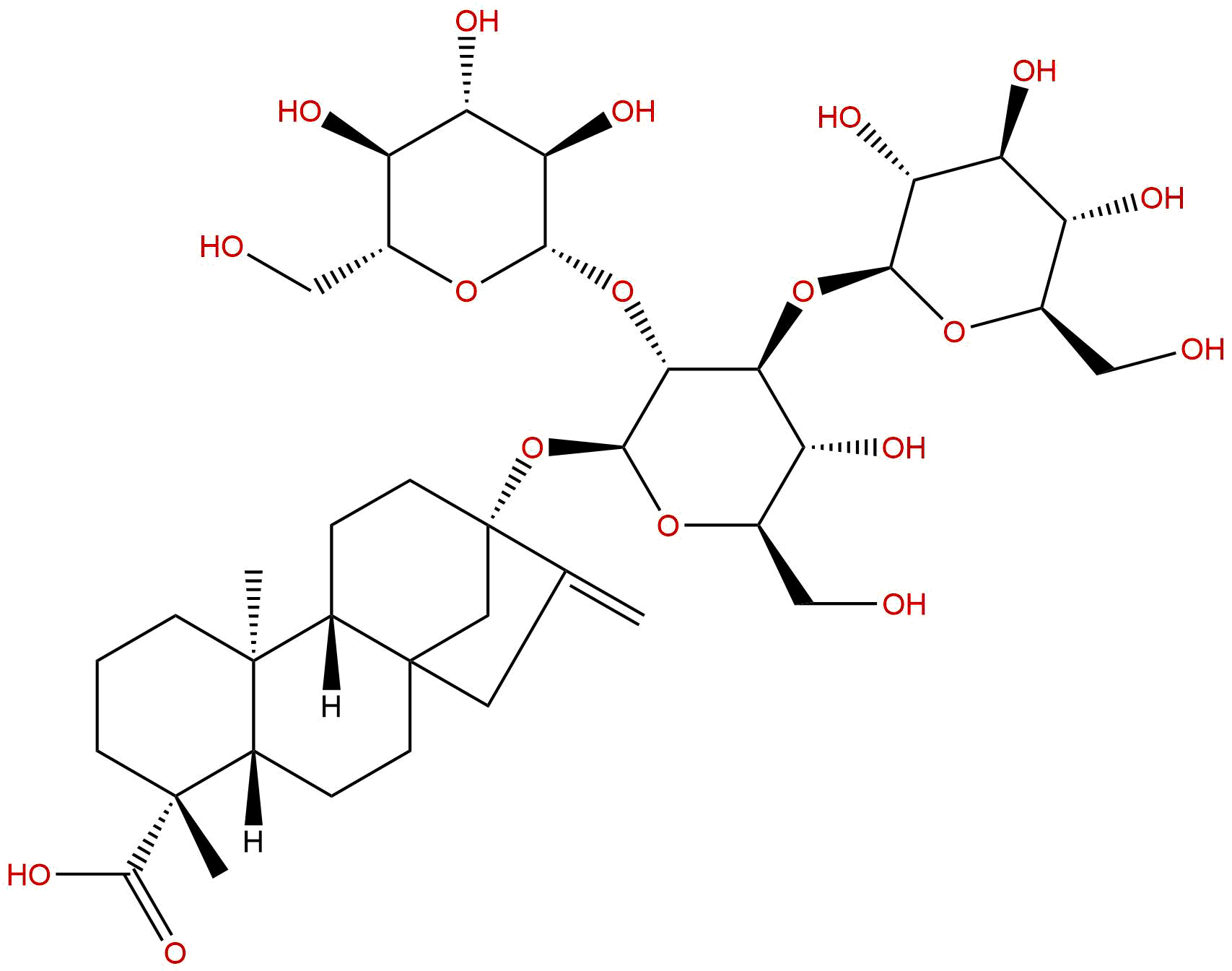


Product name: Rebaudioside B
Synonym name:
Catalogue No.: BPF0470
Cas No.: 58543-17-2
Formula: C38H60O18
Mol Weight: 804.88
Botanical Source: Stevia rebaudiana (Bertoni) Hemsl.
Physical Description:
Type of Compound: Diterpenoids
Purity: 95%~99%
Analysis Method: HPLC-DAD or/and HPLC-ELSD
Identification Method: Mass, NMR
Packing: Brown vial or HDPE plastic bottle
Storage: Store in a well closed container, protected from air and light. Put into refrigerate or freeze for long term storage.
Whenever possible, you should prepare and use solutions on the same day. However, if you need to make up stock solutions in advance, we recommend that you store the solution as aliquots in tightly sealed vials at -20℃. Generally, these will be useable for up to two weeks.
The product could be supplied from milligrams to grams
Inquire for bulk scale.
For Reference Standard and R&D, Not for Human Use Directly.
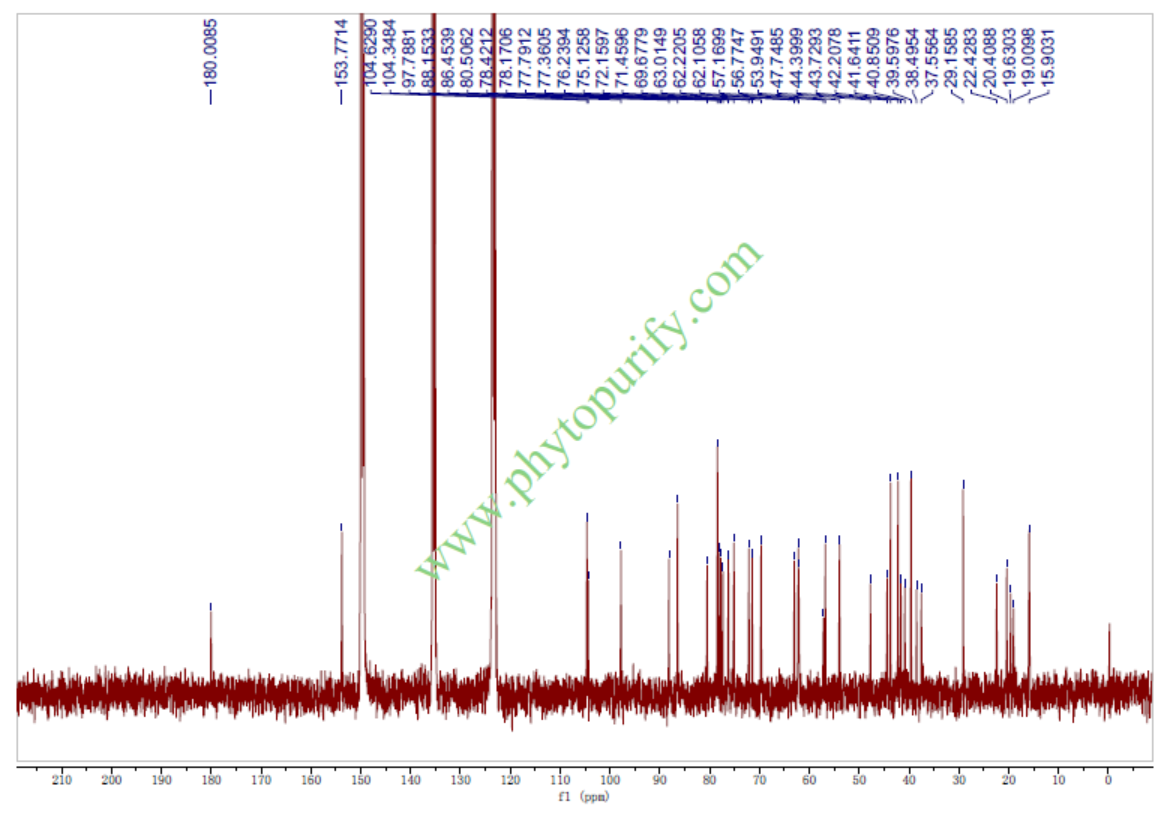
NMR of Rebaudioside B
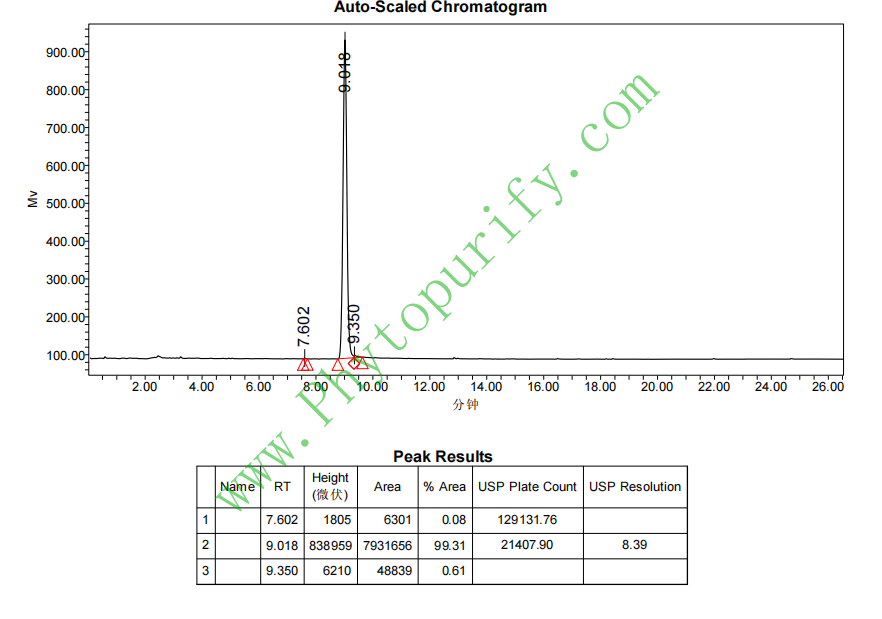
HPLC of Rebaudioside B
Storage conditions:Short-term storage at 2~8℃, long-term storage at -20 ~ -80℃
294.9800
-.2868
-2.0589
1.7520
.4136
.3071
Low
68.4020
7.1159
No
No
No
No
No
No
0.0
Yes
No
No
No
Natural products, as an important source of drug discovery, play an irreplaceable role in the history of human struggle against diseases. In the field of treatment of metabolic diseases, especially Type 2 diabetes Mellitus (T2DM) and its complications, it has always been a research hotspot to find efficient and low toxic active molecules from nature. Stevia rebaudiana(Stevia rebaudiana Bertoni, as a plant of the Asteraceae family native to South America, is renowned for its high sweetness and low calorie Steviol Glycosides (SGs) in its leaves. Among them, Rebaudioside A (RA) and Stevioside (STV) are the most abundant and extensively studied ingredients, and have been widely used as food additives and dietary supplements.
However, the chemical composition of stevia is far more than that. Rebaudioside B (RB), as a minor diterpenoid glycoside in Stevia leaves, is gradually attracting attention from the pharmacological community due to its unique chemical structure and potential biological activity, despite its relatively low content. The sweetness of Ribadine B is about 150 times that of sucrose, giving it the potential to be used as a natural sweetener. More importantly, it can hydrolyze to produce Steviol, which is a key core structure for various steviol glycosides to exert pharmacological activity in vivo. In recent years, more and more studies have revealed the potential value of rebaudioside B in anti diabetes, anti-inflammatory, antioxidant and other aspects. Its mechanism involves AMP activated protein kinase (AMPK), sodium glucose cotransporter 2 (SGLT2), peroxisome proliferator activated receptor γ (PPARG) and other key targets closely related to glucose and lipid metabolism.
The purpose of this paper is to make a systematic professional review of Rabadioside B, from its chemical structure and physical and chemical properties, to thoroughly explore its plant origin and extraction process, to comprehensively sort out its pharmacological activities in the fields of anti diabetes, and to elaborate its mechanism of action and molecular targets. At the same time, based on the pharmacological parameters and pharmacokinetic characteristics, the clinical application prospects of ribavirin B as a lead compound or functional food ingredient are discussed, in order to provide theoretical basis and reference for the in-depth research and development of ribavirin B.
Rebaudioside B (RB) is a tetracyclic diterpenoid compound with a chemical structure belonging to steviol alcohol(ent-Glycoside derivatives of kaur-16-en-19-oic acid (13-hydroxy). Its core skeleton is ent-Epinepheline type diterpenes have a complex polycyclic system. Compared with Stevioside and Rebaudioside A, the structural characteristics of Rebaudioside B are different in the composition and quantity of sugar groups connected at positions C-13 and C-19. Specifically, there is a Sophorosyl side chain connected by a β - D-glucose group (1 → 2) at the C-13 position of rebaudin B, consisting of two glucose molecules; And its C-19 position is connected to a separate β - D-glucose group. Therefore, the complete chemical name of rebaudin B is 13- [(2-O - β - D-glucopyranosyl - β - D-glucopyranosyl) oxy]-ent-kaur-16-en-19-oic acid β-D-glucopyranosyl ester。 Its molecular formula is C ∝₈ H ₆₀ O ₁₈, and its molecular weight is 804.8800 g/mol.
From the perspective of physical and chemical properties, rebaudin B exhibits typical strong polar glycoside characteristics. The calculated lipid water partition coefficient (LogP) is -0.2868, indicating that its hydrophilicity is much stronger than its lipophilicity, and it has good solubility in water (water solubility parameter is 1.7520). This property determines its good dispersibility in aqueous systems, but also limits its ability to passively diffuse through biofilms. Its topological polar surface area (TPSA) is as high as 294.9800 Å ², mainly attributed to the abundant hydroxyl (- OH) and ether bond (C-O-C) structures in the molecule. High TPSA values are usually associated with low oral bioavailability and poor transmembrane transport capacity, suggesting that rebaudin B may be mainly absorbed through intestinal transporters (such as sodium glucose cotransporter SGLT1) or cellular pathways, or may need to be hydrolyzed into aglycones (steviol) under the action of intestinal microbiota before it can be effectively absorbed. In addition, the sweet taste characteristic of rebaudin B is an important sensory attribute, with a sweetness about 150 times that of sucrose, and a cool and refreshing aftertaste without obvious bitterness or metallic taste. This makes it a significant advantage as a natural high magnification sweetener in the food industry. Its chemical stability is good, relatively stable under acidic or neutral conditions, but it can undergo hydrolysis under strong alkaline or specific enzyme action (such as β - glucosidase), remove glycosides, and ultimately generate the glycoside - steviol alcohol.
Ruibaodi glycoside B is mainly derived from Stevia rebaudiana(Stevia rebaudiana The leaves of Bertoni. Stevia is native to the subtropical regions of Paraguay and Brazil, and has been widely introduced and cultivated in many countries and regions around the world, including China, Japan, Southeast Asia, South America, etc. In the leaves of stevia, the total content of steviol glycosides usually ranges from 4% to 20% of dry weight, with the main components being steviol glycosides (STV) and rebaudin A (RA), which together can account for over 80% of the total glycoside content. In contrast, rebaudin B is a minor component, with its content usually much lower than RA and STV, and its proportion in total glycosides is generally less than 5%, or even lower. Its content is influenced by various factors such as variety, growth environment, harvesting time, and processing method. It is worth noting that studies have shown that during extraction or processing, rebaudin A (RA) may undergo a deglycosylation reaction under specific conditions (such as high temperature, strong alkalinity, or enzymatic hydrolysis), partially converting to rebaudin B. Therefore, there may be differences in the true RB content in natural leaves and the RB content in processed products.
For the extraction and purification of rebaudin B, the general process of steviol glycoside extraction is usually followed, and optimization is carried out on this basis to achieve efficient separation of RB. The main steps include:
Although Rabadioside B is a secondary component in Stevia rebaudiana, its pharmacological activity research is gradually deepening, especially in the fields of anti diabetes, anti-inflammatory, antioxidant and anti-tumor.
1. Anti diabetes activity
This is the pharmacological activity of ribavirin B that has received the most attention. Multiple in vitro and in vivo studies have shown that RB and its metabolite steviol have significant hypoglycemic effects.
* Promote insulin secretion Research has shown that rebaudin B and its glycoside steviol can directly act on pancreatic beta cells, promoting glucose stimulated insulin secretion by activating transient receptor potential channels (such as TRPM5) or affecting ATP sensitive potassium channels (KATPP). This effect is glucose dependent, meaning it does not stimulate insulin secretion in a hypoglycemic state, thereby reducing the risk of triggering hypoglycemia.
* Improving insulin resistance In cell models of insulin resistance, such as 3T3-L1 adipocytes and HepG2 liver cells, RB has been found to activate the AMPK signaling pathway, promote the translocation and expression of glucose transporter 4 (GLUT4, encoded by the SLC2A4 gene), and enhance peripheral tissue uptake and utilization of glucose. Meanwhile, RB can upregulate the phosphorylation level of insulin receptor substrate 1 (IRS1), improve insulin signaling, and alleviate insulin resistance.
* Inhibit glucose reabsorption The structure of Rabeprizin B is similar to that of Phlorizin, which is a classic SGLT2 inhibitor. Research suggests that RB or its metabolites may reduce glucose reabsorption and promote urinary glucose excretion by inhibiting sodium glucose cotransporter 2 (SGLT2) in the proximal tubules of the kidney, thereby lowering blood glucose levels. This mechanism is consistent with the target of novel hypoglycemic drugs SGLT2 inhibitors, such as dapagliflozin and empagliflozin.
* Regulating sugar metabolism enzymes RB may enhance liver phosphorylation of glucose and promote hepatic glycogen synthesis by activating glucokinase (GCK); At the same time, it can also inhibit the activity of alpha glucosidase and alpha amylase, delay the digestion and absorption of intestinal carbohydrates, and reduce postprandial blood glucose peak.
2. Anti inflammatory and antioxidant activity
Chronic low-grade inflammation and oxidative stress are the core pathological mechanism of diabetes and its complications (such as kidney disease, neuropathy, cardiovascular disease). Ruibaodi glycoside B exhibits certain anti-inflammatory and antioxidant potential.
* anti-inflammatory effect In a macrophage model stimulated by lipopolysaccharide (LPS), RB can inhibit the activation of nuclear factor kappa B (NF - κ B) and reduce the expression of pro-inflammatory cytokines such as tumor necrosis factor alpha (TNF - α), interleukin-6 (IL-6), and inducible nitric oxide synthase (iNOS). This anti-inflammatory effect may be partially achieved by activating AMPK or peroxisome proliferator activated receptor gamma (PPARG).
* Antioxidant effect The molecular structure of RB contains multiple hydroxyl groups, which endow it with certain free radical scavenging ability. Research has shown that RB can reduce intracellular reactive oxygen species (ROS) levels and increase the activity of antioxidant enzymes such as superoxide dismutase (SOD) and glutathione peroxidase (GSH Px), thereby reducing oxidative stress damage to cells.
3. Other pharmacological activities
* Antitumor activity Preliminary studies have found that Rabadioside B and its derivatives can inhibit the proliferation of some cancer cell lines (such as liver cancer, lung cancer, breast cancer cells). The mechanism may be related to inducing cell apoptosis and blocking the cell cycle, but related research is not yet in-depth.
* Cardiovascular protective effect RB may indirectly exert cardiovascular protective effects by improving blood glucose and lipid metabolism, as well as anti-inflammatory and antioxidant effects. In addition, studies have suggested that steviol glycosides have slight vasodilatory and antihypertensive effects, but the specific contribution of RB still needs to be clarified.
The pharmacological activity of rebaudioside B, especially its anti diabetes effect, is achieved through multiple targets and multiple pathways. Based on existing research, its core mechanism of action and molecular targets can be summarized as follows:
1. AMPK signaling pathway (PRKAA1/AMPK)
AMPK is the core sensor for cellular energy homeostasis. Ruibaodi glycoside B has been confirmed to be an indirect activator of AMPK. It may activate AMPK by increasing the intracellular AMP/ATP ratio or by phosphorylating upstream kinases such as LKB1 and CaMKK β. Activated AMPK subsequently phosphorylates multiple downstream target proteins, producing a series of beneficial metabolic effects:
* Promote glucose uptake Phosphorylation and activation of TBC1D1/TBC1D4 promote the translocation of GLUT4 (SLC2A4) to the cell membrane and increase glucose uptake in skeletal muscle and adipocytes.
* Inhibit gluconeogenesis Phosphorylation and inhibition of transcription factors CRTC2 and FOXO1 downregulate the expression of key gluconeogenic enzymes such as phosphoenolpyruvate carboxykinase (PEPCK) and glucose-6-phosphatase (G6Pase) in the liver, reducing liver glucose output.
* Improve insulin sensitivity By inhibiting mTORC1 signaling and reducing serine phosphorylation of IRS1 (a negative feedback inhibition), insulin signaling is enhanced.
2. SGLT2 target (SGLT2)
The molecular structure of rebaudin B, especially its glycosyl portion, enables it to bind to the SGLT2 transporter protein highly expressed in the S1 segment of the proximal tubules of the kidney. As a competitive inhibitor, RB or its metabolite Steviol glucuronide can block SGLT2's active reabsorption of glucose in the lumen, leading to the excretion of glucose in urine (urinary glucose excretion). This mechanism is independent of insulin, providing a new pathway for lowering blood sugar and bringing additional benefits such as weight loss and blood pressure reduction.
3. PPARG targets (PPARG)
PPARG is a key nuclear receptor that regulates adipocyte differentiation, lipid metabolism, and insulin sensitivity. Ruibaodi glycoside B may act as a weak or partial agonist of PPARG. Activating PPARG can:
* Improving insulin resistance Promote lipid storage in adipocytes, reduce circulating free fatty acid (FFA) levels, thereby alleviating the lipotoxic effects of FFA on the liver and muscles, and improving insulin sensitivity.
* Regulating the secretion of adipokines Upregulate the expression of beneficial adipokines such as adiponectin and downregulate the expression of harmful factors such as resistin.
4. Insulin signaling pathway (AKT1, IRS1, PIK3R1)
Ribadine B can enhance the classical insulin signaling pathway. It upregulates the tyrosine phosphorylation level of IRS1, enhances its binding to the regulatory subunit PIK3R1 of PI3K, and thereby activates the downstream PI3K/AKT signaling cascade. Activated AKT1 (protein kinase B) is the core kinase involved in insulin metabolism, capable of:
* Promote GLUT4 translocation Promote the movement of GLUT4 vesicles towards the cell membrane by phosphorylating AS160.
* Promote glycogen synthesis Phosphorylation and inhibition of glycogen synthase kinase 3 (GSK3) activate glycogen synthase.
* Inhibit gluconeogenesis Phosphorylation of FOXO1 leads to its nuclear inactivation.
5. DPP4 target (DPP4)
Dipeptidyl peptidase-4 (DPP4) is a key enzyme for degrading enteropancreatin (such as GLP-1, GIP). Inhibiting DPP4 activity can prolong the half-life of endogenous GLP-1, thereby promoting insulin secretion and inhibiting glucagon release. Preliminary research suggests that rebaudin B may have weak DPP4 inhibitory activity, providing another potential pathway for its hypoglycemic mechanism.
6. GCK target (GCK)
Glucokinase (GCK) is a glucose sensor in liver and pancreatic beta cells. Ruibaodi glycoside B may enhance the liver's ability to phosphorylate glucose, promote hepatic glycogen synthesis, and increase the sensitivity of beta cells to glucose stimulation by activating GCK, thereby synergistically regulating blood glucose homeostasis.
1. Evaluation of drug properties
Based on the "Lipinski Five Rules" and extended rules, the pharmacological characteristics of Ribadine B are distinct.
* molecular weight:804.88 Da, Far exceeding the threshold of 500 Da, it belongs to macromolecular compounds.
* fat-soluble LogP is -0.2868, much less than 5, with extremely strong hydrophilicity.
* Hydrogen bond donor/acceptor The molecule contains a large number of hydroxyl groups, and the number of hydrogen bond donors and acceptors far exceeds the regular limit (<5 and<10).
* TPSA 294.98 Å ², much higher than the threshold of 140 Å ².
Overall, Ribadine B seriously violates the Lipinski rule, indicating its poor efficacy as a traditional oral small molecule drug. Its high polarity and high molecular weight result in extremely low membrane permeability, and its oral bioavailability may be very limited. However, this does not mean that it has no development value. The evaluation of its pharmacological properties should be re examined in conjunction with its mechanism of action and administration route:
* Prodrug strategy Ruibaodi glycoside B itself may be a natural prodrug. It is hydrolyzed by microbial communities in the intestine into a glycoside called steviol alcohol, which has a molecular weight (318.45 Da) and LogP (approximately 3.0) that better comply with Lipinski's rules and has better membrane permeability. Therefore, the in vivo activity of RB is largely attributed to its metabolite steviol.
* Local intestinal effects For targets such as SGLT2 inhibition and DPP4 inhibition, drugs do not need to enter the systemic circulation and can exert their effects locally in the intestine or kidneys. The high water solubility and low permeability of RB allow it to stay in the intestine for a longer period of time, which is beneficial for exerting local effects.
* safety The Ames test result is 0.0, indicating that it has no mutagenicity. HERG inhibition prediction is' no ', indicating a low risk of cardiac toxicity. These are important safety advantages for its development as a food and drug.
2. Pharmacokinetic characteristics
The pharmacokinetic studies of rebaudin B are not yet sufficient, but inferences can be made based on the research of its structural analogues, such as rebaudin A and steviol glycosides.
* absorb After oral administration, rebaudin B is almost not absorbed in the stomach and upper small intestine. It mainly reaches the large intestine and is gradually hydrolyzed by β - glucosidase produced by the gut microbiota (especially Bacteroidetes, Clostridium, etc.). Firstly, glucose at position C-19 is removed to generate steviol monoglycosides, which are ultimately completely hydrolyzed into glycosides - steviol. Steviol is mainly absorbed into the portal vein circulation.
* distribution After absorption, steviol rapidly binds with glucuronic acid in the liver to form Steviol glucuronide, which is the main circulating form in the blood and urine. Due to the high polarity of steviol glucuronide glycosides, they are not easily able to penetrate the blood-brain barrier (RB itself has low blood-brain barrier permeability), resulting in extremely low central nervous system exposure.
* Metabolism The main metabolic pathways are hydrolysis of gut microbiota and phase II glucuronic acid binding reaction in the liver. CYP450 enzyme mediated phase I oxidative metabolism may not be its main metabolic pathway.
* excretion Steviol glucuronide is mainly excreted through urine and bile. Renal excretion is its main clearance pathway.
Ruibaodi glycoside B, as a natural, high sweetness, low calorie sweetener, has begun to take shape in the food industry. However, based on its multifaceted pharmacological activities, its application prospects in the fields of medicine and functional foods are even broader.
1. As an anti diabetes functional food or dietary supplement
In view of the comprehensive effects of Rabadioside B in promoting insulin secretion, improving insulin resistance, inhibiting SGLT2, anti-inflammatory and antioxidant, it is very suitable for developing as a dietary supplement for patients with pre diabetes and type 2 diabetes. Its high sweetness characteristic allows it to replace sucrose, meeting patients' demand for sweetness without increasing blood sugar burden. Meanwhile, its multi-target pharmacological activity is expected to provide health benefits beyond simple sweeteners, such as assisting in blood sugar control and improving metabolic syndrome. Developing stevia extracts or high-purity RB preparations rich in RB as "medicinal and edible" products has enormous market potential.
2. Modify the structure as a lead compound
The molecular skeleton of ribavirin B provides a good modification platform for medicinal chemists. By selectively modifying its sugar moiety (such as introducing different types of sugar groups, changing the length or connection mode of sugar chains), or structurally modifying the glycoside steviol alcohol, it is expected to obtain candidate compounds with stronger activity, higher selectivity, and better pharmacokinetic properties. For example, designing and synthesizing steviol derivatives with stronger SGLT2 inhibitory activity or better oral bioavailability is an important research direction in the future.
3. Combination therapy strategy
The mechanism of action of ribavirin B is synergistic or complementary to various existing hypoglycemic drugs, such as metformin, SGLT2 inhibitors, and DPP-4 inhibitors. Combining it with these drugs may achieve a synergistic and attenuated effect of "1+1>2". For example, the activation of AMPK by RB is similar to that of metformin, and the combination of the two may enhance the AMPK pathway effect; The SGLT2 inhibitory effect of RB can be combined with DPP-4 inhibitors or GLP-1 receptor agonists to achieve synergistic glucose control through different pathways.
4. Challenges and Future Directions Faced
Despite the bright prospects, the development of Rabeprizin B still faces significant challenges:
* Low content, difficult to purify As a secondary ingredient, obtaining high-purity RB from Stevia rebaudiana with high efficiency and low cost is a bottleneck for industrialization. In the future, there is a need to develop more efficient biosynthesis techniques (such as utilizing yeast cell factories) or enzymatic conversion technologies (such as converting abundant RA into RB).
* The mechanism of action needs to be further explored Currently, most research is focused on steviol alcohol or mixed glycosides, and the specific targets and signaling pathways of RB itself are not yet systematically studied. Modern technologies such as gene knockout, proteomics, and metabolomics are needed to more accurately elucidate its molecular mechanisms.
* Insufficient clinical evidence At present, the activity evidence of RB mainly comes from in vitro and animal experiments, and there is a lack of high-quality human clinical trials to verify its effectiveness and safety. In the future, a rigorous randomized controlled trial (RCT) needs to be designed to evaluate its hypoglycemic effect, dose effect relationship and long-term safety in diabetes patients.
* Pharmacokinetic optimization How to improve the bioavailability of RB or its active metabolite steviol is the key to drug development. New drug delivery systems such as nanomaterials, liposomes, and phospholipid complexes may provide ideas for solving this problem.
Ruibaodi glycoside B, as a long neglected "pearl" in the stevia family, is showing great potential beyond simple sweeteners with its unique chemical structure and multi-target biological activity. It plays a comprehensive pharmacological effect in anti diabetes, anti-inflammatory, antioxidant and other aspects by activating AMPK, inhibiting SGLT2, regulating PPARG, enhancing insulin signal and other ways. Although there are challenges in its medicinal properties as a traditional oral small molecule drug, its development value as a natural prodrug, intestinal local agent, and functional food ingredient should not be underestimated.
Future research should focus on: thoroughly elucidating its true active forms and functional networks in vivo; Develop efficient and green extraction or biosynthesis technologies to address source issues; And promote its transition from the laboratory to clinical practice, verifying its efficacy and safety through rigorous human trials. It can be predicted that with the deepening of research, Rabadioside B is expected to occupy a place in the development of functional foods, dietary supplements and even new anti diabetes drugs, and contribute to the prevention and treatment of increasingly severe metabolic diseases in the world. The exploration of rebaudin B is not only a vivid case study of the intersection of natural product chemistry and pharmacology, but also a manifestation of human wisdom in returning to nature and seeking health solutions.
