Research progress on ginger shaped Panax notoginseng saponins R1: from natural saponins to multi-target anti-tumor and anti-inflammatory lead compounds
Introduction/Overview
Natural products have always been an important source of drug discovery, especially in the fields of anti-tumor and anti-inflammatory. Plant derived active ingredients exhibit unique chemical diversity and biological activity. Sanqi genus(Panax)Plants, as an important component of traditional Chinese medicine, have long received widespread attention for their active ingredients - ginsenosides. However, compared to ginseng(Panax ginseng)And Sanqi(Panax notoginseng)Bamboo ginseng, a plant belonging to the same genus(Panax japonicus C. There is relatively little research on A. Meyer, but the oleanane type triterpenoid saponins abundant in its rhizomes exhibit unique pharmacological activities.
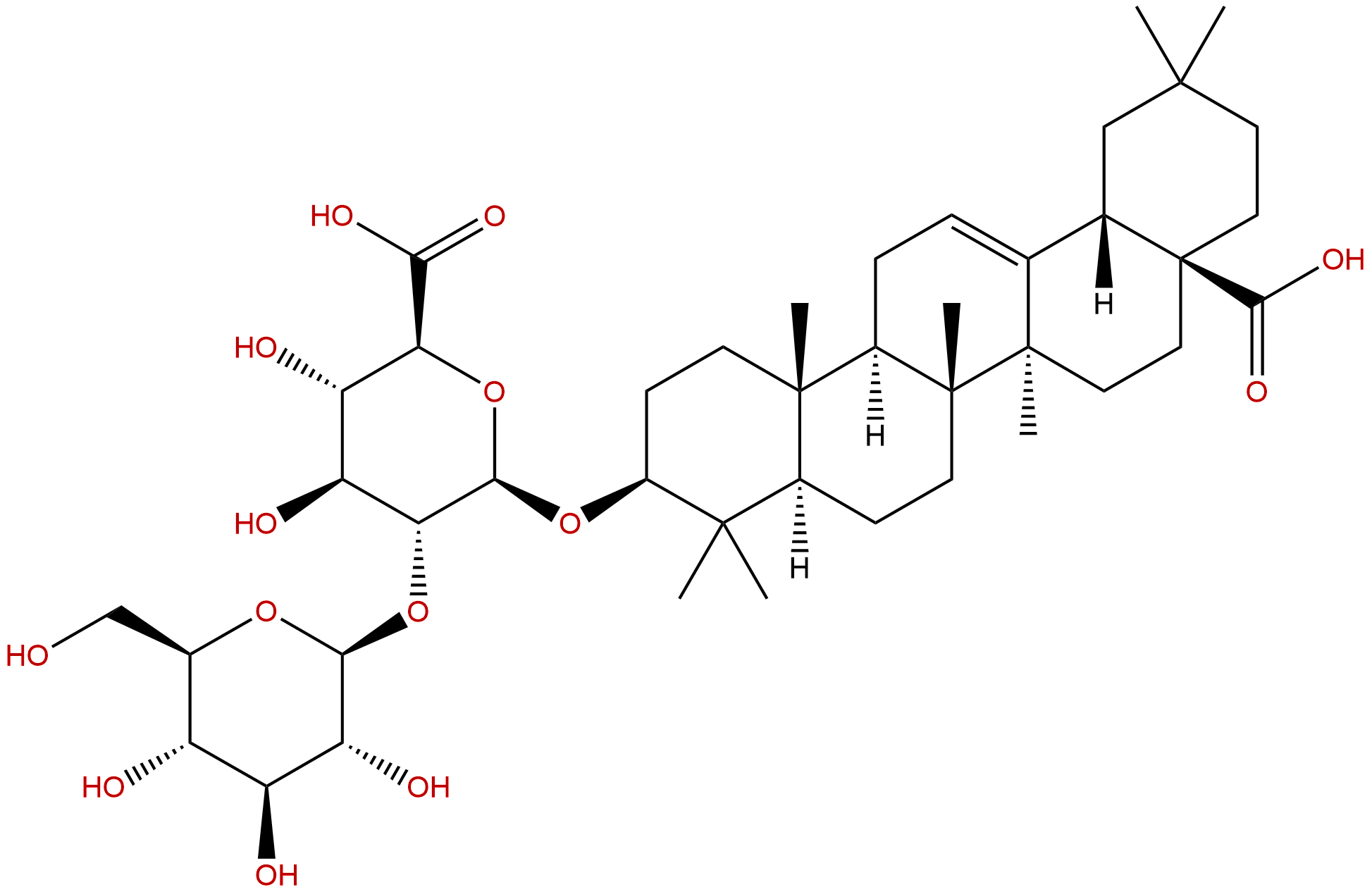
Zingibroside R1 (CAS number: 80930-74-1) is a triterpenoid saponin of oleanane type isolated from the root of Panax ginseng. Its chemical structure belongs to the glycoside derivative of 3 β - hydroxyolean-12-en-28-oic acid (oleanolic acid). Since its initial isolation and identification, this compound has gradually become a research hotspot in the field of natural product pharmacology due to its significant anti-tumor activity, anti angiogenic effect, and potential anti-HIV-1 activity. It is worth noting that ginger like Sanqi saponin R1 has an inhibitory effect on glucose uptake in Ehrlich ascites tumor (EAT) cells (IC50=91.3 μ M), suggesting that it may exert anti-tumor effects by interfering with the energy metabolism of tumor cells. In addition, recent studies have found that this compound has potential in anti-inflammatory rheumatic diseases, targeting key inflammatory signaling molecules such as IL-6, NF - κ B, COX-2, iNOS, and IL-1 β.
This article aims to systematically review the chemical structure characteristics, plant sources and extraction methods, pharmacological activity, mechanism of action, pharmacological evaluation, and clinical application prospects of ginger shaped Panax notoginseng saponin R1, in order to provide comprehensive academic references for the in-depth research and development of this natural product.
Chemical structure and physicochemical properties
Chemical structural characteristics
Ginger shaped Panax notoginseng saponin R1 belongs to the oleanane type pentacyclic triterpenoid saponin, and its glycoside is oleanolic acid. From the perspective of structural chemistry, this compound has the following characteristics: the parent nucleus is a oleagine-12-ene skeleton, the C-3 hydroxyl group forms a β - D-glycosidic bond with the sugar chain, and the C-28 carboxyl group connects to another sugar chain in the form of an ester bond, forming a disaccharide chain saponin structure. Specifically, its sugar chain composition is usually: C-3 linked to β - D-glucopyranosyl (1 → 2) - β - D-glucopyranosyl, C-28 linked to β - D-glucopyranosyl. This dual sugar chain structure endows ginger like Panax notoginseng saponin R1 with unique hydrophilic lipophilic amphiphilicity, which has important implications for its biological activity and pharmacokinetic behavior.
Physical and chemical property parameters
According to computational chemistry and experimental measurement data, the key physicochemical parameters of ginger like Panax notoginseng saponin R1 are as follows:
- molecular weight:794.9760 Da, Belonging to medium molecular weight natural products
- Lipid water partition coefficient (LogP)3.0261 indicates that the compound has moderate lipophilicity, which is beneficial for transmembrane transport
- Polarized surface area (TPSA)232.9000 Å ², the higher polar surface area is mainly due to the contributions of multiple sugar and carboxyl groups, indicating that this compound may be difficult to passively diffuse through biofilms
- Water solubility:0.0803 mg/mL, Poor water solubility may limit its oral bioavailability
- Blood-brain barrier permeability Low, due to its high molecular weight and polar surface area, this compound is not easily able to penetrate the blood-brain barrier, which to some extent reduces the risk of central nervous system toxicity
- HERG inhibition Negative, indicating a low risk of the compound causing QT interval prolongation in the heart
- Ames test: 0.0, indicating no significant genetic toxicity
These physicochemical properties provide important references for the drug development of ginger like Panax notoginseng saponin R1. Its moderate LogP value is beneficial for interacting with biofilms, but its poor water solubility and high TPSA suggest the need for appropriate formulation techniques (such as liposomes, nanoemulsions, etc.) to improve its bioavailability. Low blood-brain barrier permeability and no risk of hERG inhibition are favorable factors for this compound as a candidate drug.
Plant sources and extraction methods
Plant-based
Ginger shaped Panax Notoginseng Saponin R1 is mainly derived from the Araliaceae plant, Panax ginseng(Panax japonicus C. A. Meyer)。 Zhujie ginseng, also known as Zhujie Sanqi or soil ginseng, is mainly distributed in southwestern China (Yunnan, Sichuan, Guizhou), Japan, and the Korean Peninsula. Its rhizome is bamboo shaped and is a traditional folk medicine with the effects of promoting blood circulation, removing blood stasis, reducing swelling, and relieving pain. It is worth noting that the content of ginger like Panax notoginseng saponin R1 in bamboo ginseng varies depending on the place of origin, harvesting season, and processing method. Generally, the content in roots and rhizomes is higher than that in fibrous roots and stems and leaves.
In addition, ginger shaped Panax notoginseng saponin R1 has also been found in other plants of the same genus, such as ginger shaped Panax notoginseng(Panax zingiberensis)And bead ginseng(Panax japonicus var. major)But the content is usually lower than that of bamboo ginseng. This distribution characteristic suggests that the compound may serve as one of the important biomarkers for the chemical taxonomy of Panax plants.
Extraction and purification methods
The extraction of ginger shaped Panax notoginseng saponin R1 usually adopts the classic natural product extraction process, which mainly includes the following steps:
1. Raw material pretreatment Fresh or dry bamboo ginseng roots and stems are crushed and degreased with petroleum ether or n-hexane to remove fat soluble impurities.
2. Solvent extraction The commonly used extraction solvents are methanol, ethanol, or a methanol water mixture system. Research has shown that reflux extraction with 70% -80% ethanol aqueous solution can achieve a higher yield of saponins. The extraction temperature is controlled at 60-80 ℃, and the extraction time is 2-4 hours. Usually, the extraction is repeated 2-3 times to improve efficiency.
3. Preliminary separation After vacuum concentration, the extract was suspended in water and extracted sequentially with petroleum ether, ethyl acetate, and n-butanol. Ginger shaped Panax notoginseng saponins R1 are mainly enriched in the n-butanol extraction layer, which is rich in polar saponin components.
4. Chromatographic purification The n-butanol extract was systematically separated and purified by silica gel column chromatography (chloroform methanol water gradient elution), ODS reverse phase column chromatography (methanol water gradient elution), and preparative HPLC (acetonitrile water system). In recent years, high-speed countercurrent chromatography (HSCCC) has also been applied to the efficient separation of ginger like Panax notoginseng saponin R1, with the advantages of fast separation speed and high sample recovery rate.
5. Structural identification The purified compound was structurally confirmed by nuclear magnetic resonance spectroscopy (1H-NMR, 13C-NMR, 2D-NMR), mass spectrometry (HR-ESI-MS), and infrared spectroscopy.
It is worth noting that ginger shaped Panax notoginseng saponin R1 may undergo hydrolysis reactions during the extraction process, especially under acidic conditions, where the ester bond at C-28 position is easily broken to form secondary glycosides or aglycones. Therefore, strong acid conditions should be avoided during the extraction process, and temperature and time should be controlled to maintain the integrity of the compound.
Pharmacological activity research
Antitumor activity
The anti-tumor activity of ginger shaped Panax notoginseng saponin R1 is one of its most concerned pharmacological effects. In vitro studies showed that the compound showed significant inhibitory effects on the proliferation of a variety of tumor cell lines, including human liver cancer cells (HepG2), human breast cancer cells (MCF-7), human lung cancer cells (A549), human colon cancer cells (HT-29), and mouse Ehrlich ascites tumor (EAT) cells. Its mechanism of action involves multiple aspects:
Inhibit glucose uptake Ginger shaped Panax notoginseng saponin R1 has an inhibitory effect on 2-deoxy-D-glucose (2-DG) uptake in EAT cells, with an IC50 value of 91.3 μ M. This discovery is of great significance because tumor cells typically exhibit the Warburg effect, which relies on aerobic glycolysis to obtain energy. By inhibiting the function of glucose transporters (GLUTs), ginger like Panax notoginseng saponins R1 may cut off the energy supply to tumor cells, thereby inhibiting their proliferation.
Inducing cell apoptosis Research has found that ginger shaped Panax notoginseng saponin R1 can induce mitochondrial pathway apoptosis in tumor cells by activating caspase-3 and caspase-9, upregulating the Bax/Bcl-2 ratio. Meanwhile, the compound can also increase intracellular reactive oxygen species (ROS) levels, further promoting apoptotic signaling.
cell cycle arrest In some tumor cells, ginger shaped Panax notoginseng saponins R1 can block the cell cycle in G0/G1 or G2/M phases, which is related to the regulation of cyclin and cyclin dependent kinase (CDK) expression levels.
Anti angiogenic activity
Angiogenesis is a crucial process for tumor growth and metastasis. Ginger shaped Panax notoginseng saponin R1 exhibits significant anti angiogenic activity, mainly manifested as:
- Inhibition of proliferation, migration, and luminal formation of human umbilical vein endothelial cells (HUVEC)
- Reduce the expression of vascular endothelial growth factor (VEGF) and its receptor VEGFR2
- Inhibit the activity of matrix metalloproteinases (MMP-2 and MMP-9) and reduce extracellular matrix degradation
These effects collectively inhibit the formation of new blood vessels, thereby indirectly suppressing tumor growth and metastasis.
anti-inflammatory activity
In recent years, the potential application of ginger shaped Panax notoginseng saponin R1 in inflammatory diseases has received attention. Research has shown that this compound can inhibit the production of pro-inflammatory cytokines in macrophages stimulated by lipopolysaccharide (LPS), including tumor necrosis factor - α (TNF - α), interleukin-6 (IL-6), interleukin-1 β (IL-1 β), and nitric oxide (NO). In addition, ginger shaped Panax notoginseng saponins R1 can also inhibit the expression of cyclooxygenase-2 (COX-2) and inducible nitric oxide synthase (iNOS), which play a key role in inflammatory responses.
In the anti-inflammatory rheumatic disease model, ginger shaped Panax notoginseng saponins R1 alleviate joint inflammation and cartilage damage by regulating the NF - κ B signaling pathway, reducing the release of inflammatory mediators. This discovery provides new candidate compounds for the development of natural medicines for the treatment of inflammatory rheumatic diseases such as rheumatoid arthritis.
Antiviral activity
Ginger shaped Panax notoginseng saponins R1 also showed certain anti-HIV-1 activity. Preliminary studies have shown that the compound can inhibit the activity of HIV-1 reverse transcriptase and interfere with the fusion process between the virus and host cells. However, its antiviral potency is relatively low and its mechanism of action is not fully understood, requiring further structural optimization and mechanism research.
Other activities
In addition to the main activities mentioned above, ginger like Panax notoginseng saponins R1 also exhibit certain antioxidant, hepatoprotective, and immunomodulatory activities. These pleiotropic effects may be related to their regulation of multiple signaling pathways and provide a theoretical basis for their application in complex diseases.
Mechanism of action and molecular targets
Regulation of core signaling pathways
The pharmacological activity of ginger shaped Panax notoginseng saponin R1 is closely related to its regulation of multiple signaling pathways, among which the NF - κ B pathway is one of the most critical targets.
NF - κ B signaling pathway NF - κ B is a core transcription factor involved in inflammation and tumor development. Ginger shaped Panax notoginseng saponin R1 inhibits the phosphorylation and degradation of I κ B α, preventing the nuclear translocation of NF - κ B p65 subunit, thereby suppressing the transcription of downstream target genes such as IL-6, IL-1 β, COX-2, iNOS, VEGF, etc. This mechanism explains the dual effects of the compound in anti-inflammatory and anti-tumor aspects.
MAPK signaling pathway Ginger shaped Panax notoginseng saponins R1 can also regulate the mitogen activated protein kinase (MAPK) pathway, including ERK, JNK, and p38 MAPK. In different cell models, the regulation of the MAPK pathway by this compound exhibits cell type dependence, which may be related to its selective anti-tumor effect.
PI3K/Akt/mTOR pathway In tumor cells, ginger shaped Panax notoginseng saponins R1 can inhibit the activity of the PI3K/Akt/mTOR signaling pathway, thereby inhibiting cell proliferation and promoting apoptosis. This pathway plays a central role in cellular metabolism, growth, and survival, and its inhibition is closely related to reduced glucose uptake and energy metabolism disorders.
Molecular target recognition
Based on existing research, the molecular targets of ginger shaped Panax notoginseng saponin R1 can be summarized as follows:
1. Inflammatory related targets:
- IL-6 Ginger shaped Panax notoginseng saponins R1 can inhibit the transcription and secretion of IL-6, reducing the inflammatory cascade reaction
- NF-κB Inhibiting the degradation of I κ B α and blocking the activation of NF - κ B
- COX-2 Inhibition of COX-2 expression and reduction of prostaglandin E2 (PGE2) synthesis
- iNOS Inhibition of iNOS expression and reduction of NO production
- IL-1βInhibit the maturation and release of IL-1 β, alleviate inflammatory response
2. Tumor related targets:
- GLUTs Inhibition of glucose transporter function and interference with tumor cell glucose metabolism
- VEGF/VEGFR2 Inhibition of angiogenesis signals
- MMP-2/MMP-9 Inhibit extracellular matrix degradation, reduce tumor invasion and metastasis
- Bcl-2 family Regulating the expression of apoptosis related proteins
3. Other potential targets:
- hiv-1 rt Inhibition of virus replication
- antioxidant enzyme Regulating intracellular redox balance
Multi target synergistic effect
The pharmacological activity of ginger shaped Panax notoginseng saponin R1 reflects the characteristic of natural products with multiple targets and pathways. Its anti-tumor effect not only involves directly inhibiting tumor cell proliferation, but also includes anti angiogenesis and immune regulation; Its anti-inflammatory effect is achieved by inhibiting multiple pro-inflammatory factors and signaling pathways. This multi-target synergistic effect makes ginger like Panax notoginseng saponin R1 potentially advantageous in the treatment of complex diseases such as cancer and inflammatory rheumatism, but it also increases the complexity of mechanism research.
Evaluation of drug properties and pharmacokinetics
Drug Evaluation
Based on Lipinski's "Five Rules" and Veber's Rules, a systematic evaluation of the pharmacological properties of ginger shaped Panax notoginseng saponin R1 was conducted
Compliance with regulations:
-Molecular weight (794.98 Da)>500 Da, exceeding the five rule range
- LogP(3.03)< 5, meet the requirements
-The number of hydrogen bond donors (approximately 8-10) is greater than 5, exceeding the range
-The number of hydrogen bond acceptors (approximately 15-18) is greater than 10, exceeding the range
-TPSA (232.9 Å ²)>140 Å ², exceeding Veber's rule
From the above parameters, it can be seen that ginger shaped Panax notoginseng saponin R1 does not conform to the classical pharmacological rules, mainly due to its large molecular weight and abundant polar groups (sugar chains and carboxyl groups). However, it is worth noting that many successfully marketed triterpenoid saponin drugs (such as ginsenoside Rg3, ginsenoside R1, etc.) also do not comply with these rules, but can still be clinically applied through appropriate formulation techniques (such as liposomes, nanoparticles, phospholipid complexes, etc.). Therefore, the pharmacological evaluation of ginger shaped Panax notoginseng saponin R1 should be comprehensively judged based on its pharmacological activity and formulation feasibility.
Pharmacokinetic characteristics
At present, there is relatively limited systematic research on the pharmacokinetics of ginger shaped Panax notoginseng saponin R1, but based on studies of similar saponin compounds, its pharmacokinetic characteristics can be inferred
absorb After oral administration, the absorption of ginger shaped Panax notoginseng saponin R1 is poor, mainly due to its high polarity and large molecular weight limiting passive diffusion, and may also be affected by the efflux of P-glycoprotein (P-gp). The absolute bioavailability is usually less than 5%. However, the gastrointestinal microbiota may metabolize it into secondary glycosides or aglycones, which may have better absorption properties.
distribution After intravenous administration, ginger shaped Panax notoginseng saponins R1 are mainly distributed in tissues with abundant blood flow such as the liver, kidneys, and lungs. Due to its high plasma protein binding rate (estimated to be>90%), its distribution volume is relatively small. Low blood-brain barrier permeability limits the distribution of the central nervous system.
Metabolism The liver is the main metabolic organ. The metabolic pathways include: ① hydrolysis of ester bonds at C-28 to generate oleanolacid-3-O-glucoside (secondary glycoside); ② The C-3 sugar chain is gradually hydrolyzed to ultimately produce oleanolic acid; ③ Glucuronic acid binding reaction. The cytochrome P450 enzyme system may be involved in its oxidative metabolism, but its contribution is relatively small.
excretion The prototype drug and its metabolites are mainly excreted into the intestine through bile, and some are excreted from the body through feces. The lower renal excretion ratio may be related to high protein binding rate and molecular weight.
Formulation strategy
To improve the pharmacokinetic properties of ginger like Panax notoginseng saponin R1, the following formulation strategies can be considered:
- Phospholipid complex Improve lipid solubility and enhance membrane permeability
- liposome Improve water solubility, extend circulation time, and achieve targeted delivery
- Nanoemulsion/Self Microemulsification System Improve oral bioavailability
- Prodrug design Improving membrane permeability by introducing cleavable lipophilic groups
Clinical application prospects and prospects
Prospects of anti-tumor applications
Ginger shaped Panax notoginseng saponin R1 exerts anti-tumor effects through multiple mechanisms such as inhibiting glucose uptake, inducing apoptosis, and anti angiogenesis, making it uniquely advantageous in tumor treatment. Especially its interference with tumor cell glucose metabolism provides new ideas for developing anti-tumor strategies based on metabolic intervention. In the future, the following directions can be explored:
- combination therapy Combined use with chemotherapy drugs (such as cisplatin, paclitaxel) or targeted drugs may result in synergistic effects, reducing drug dosage and toxic side effects
- Tumor type specificity: Conduct in-depth research on tumor types with high expression of GLUTs (such as liver cancer, breast cancer, lung cancer)
- Anti metastatic effect Exploring the application of its anti angiogenesis and MMP inhibition properties in tumor metastasis prevention
Application prospects of anti-inflammatory rheumatic diseases
The regulatory effects of ginger shaped Panax notoginseng saponins R1 on multiple targets such as IL-6, NF - κ B, COX-2, iNOS, and IL-1 β make it potential for the treatment of inflammatory rheumatic diseases such as rheumatoid arthritis. Compared with existing therapeutic drugs such as nonsteroidal anti-inflammatory drugs, glucocorticoids, and biologics, ginger shaped Panax notoginseng saponins R1 may have the following advantages:
- Multi-target effect Simultaneously inhibiting multiple inflammatory pathways may result in a more comprehensive anti-inflammatory effect
- Lower gastrointestinal toxicity Unlike traditional NSAIDs, ginger shaped Panax notoginseng saponins R1 have lower selectivity for COX-1, which may reduce gastrointestinal adverse reactions
- Immune regulatory effect Possible improvement of autoimmune response by regulating Th17/Treg balance
Challenges and Prospects
Although ginger shaped Panax notoginseng saponin R1 exhibits various pharmacological activities, there are still many challenges from laboratory research to clinical application:
1. Pharmacokinetic issues Low oral bioavailability is the main bottleneck. Efficient drug delivery systems or prodrug strategies need to be developed to improve their in vivo exposure levels.
2. In depth analysis of the mechanism of action At present, the direct molecular targets of ginger shaped Panax notoginseng saponins R1 are not fully understood. Chemical biology methods (such as drug affinity reaction target stability technology, thermal proteomics analysis, etc.) need to be used to identify its direct binding proteins, providing a basis for structural optimization.
3. Study on structure-activity relationship By synthesizing a series of structurally similar compounds, systematically studying the effects of sugar chain composition, connection mode, and glycoside modification on activity, and searching for derivatives with stronger activity and better pharmacokinetic properties.
4. Toxicological evaluation Although the Ames test showed no genetic toxicity, systematic evaluation is still needed for long-term toxicity, reproductive toxicity, and immune toxicity.
5. Quality control standards Establish a content determination method and fingerprint spectrum based on high-performance liquid chromatography-mass spectrometry technology to ensure the quality consistency of medicinal materials and extracts.
Conclusion
Ginger shaped Panax notoginseng saponin R1, as a unique oleanane type triterpenoid saponin in bamboo ginseng, occupies an important position in the field of natural product research due to its unique chemical structure and multifaceted pharmacological activities. This compound acts on multiple molecular targets such as IL-6, COX-2, iNOS, GLUTs, and VEGF by regulating key signaling pathways such as NF - κ B, MAPK, and PI3K/Akt, exhibiting multiple effects including anti-tumor, anti angiogenic, anti-inflammatory, and antiviral effects. Its mechanism of inhibiting glucose uptake by tumor cells is particularly unique, providing a new chemical entity for the development of anti-tumor strategies based on metabolic intervention.
However, the clinical translation of ginger shaped Panax notoginseng saponin R1 still faces challenges such as poor pharmacokinetic properties and unclear mechanism of action. Future research should focus on: ① in-depth analysis of its direct molecular targets and binding modes; ② Conduct systematic structure-activity relationship research and design derivatives with better activity; ③ Develop efficient drug delivery systems to improve bioavailability; ④ Promote in vivo pharmacological and toxicological evaluations to lay the foundation for clinical trials.
As the active ingredient of traditional Chinese medicine Zhujie ginseng, the study of ginger like Sanqi saponin R1 not only helps to clarify the pharmacological basis of Zhujie ginseng, but also provides valuable lead compounds for the development of new anti-tumor and anti-inflammatory drugs. With the continuous development of modern medicinal chemistry and pharmacology technology, this natural product is expected to play a greater role in the era of precision medicine.