Pharmacological research progress and pharmacological evaluation of Notoginsenoside N
Introduction/Overview
Natural products, as an important source of drug discovery, play an irreplaceable role in the long history of human fight against diseases. Sanqi(Panax notoginseng As a precious traditional Chinese medicinal herb, Burk. F.H. Chen has the effects of "stopping bleeding, dispersing blood stasis, and relieving pain", and is widely used in the treatment of cardiovascular and cerebrovascular diseases, inflammation, and tumors. The main active ingredients of Panax notoginseng include ginsenosides and notoginsenosides, among which ginsenosides Rb1, Rg1, Re, etc. have been widely studied. Notoginsenoside N, as a new type of dammarane triterpenoid saponin isolated and identified from Panax notoginseng in recent years, has gradually attracted attention from the academic community.
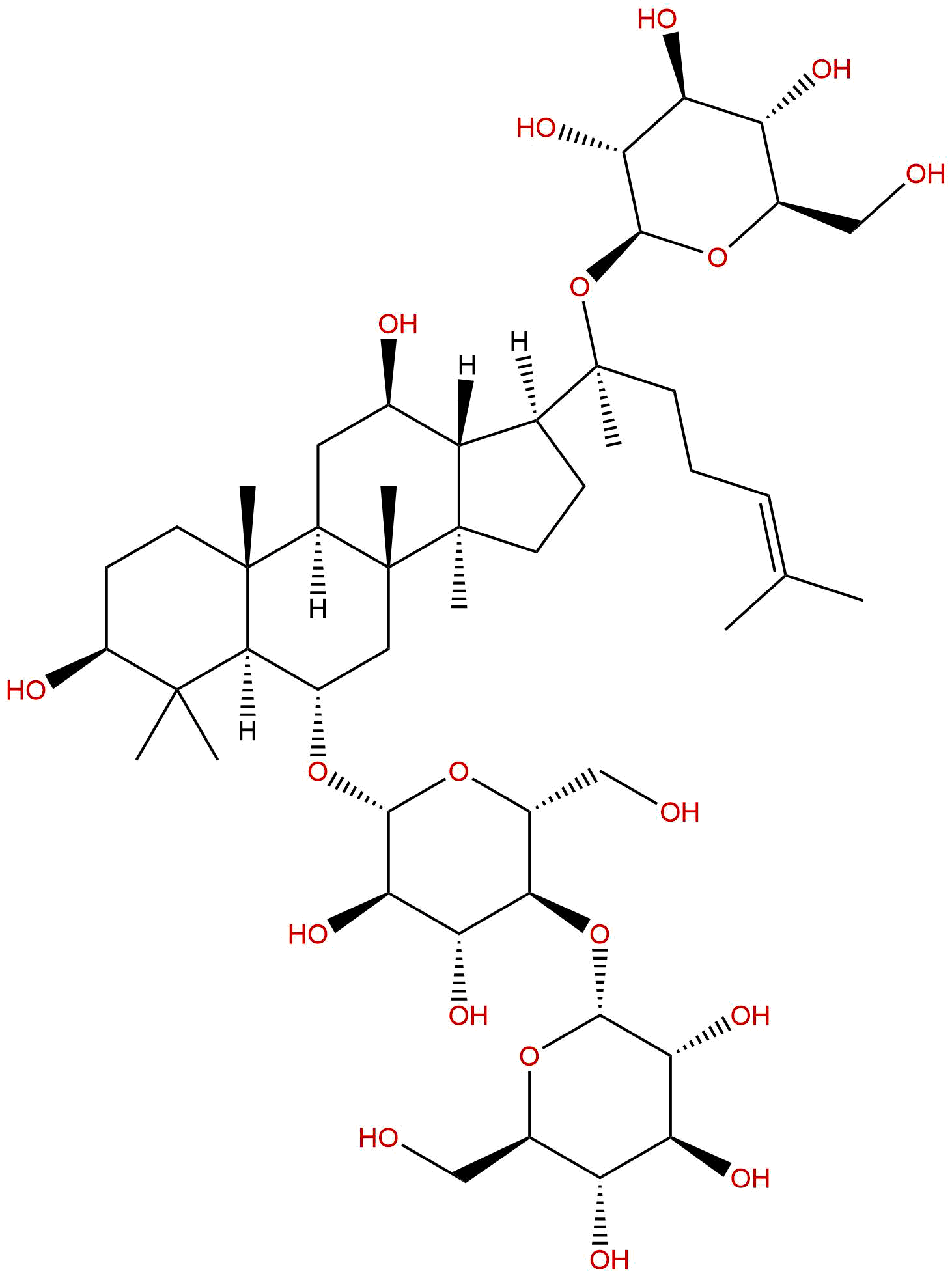
Sanqi saponin N (CAS number: 350586-56-0) is a natural product with unique structural characteristics, with a molecular formula of C ₄₈ H ₈₂ O ₁₉ and a molecular weight of 963.1650. This compound belongs to protopanaxadiol (PPD) saponins, and its sugar chain is composed of monosaccharides such as glucose and xylose. In recent years, with the advancement of separation and purification technology and the improvement of biological activity screening systems, the pharmacological activities of Panax notoginseng saponins N in anti-tumor, anti-inflammatory, antioxidant and other aspects have been gradually revealed, especially in the potential of multi-target regulation of tumor occurrence and development, which is remarkable.
This article will provide a systematic review of the research status of Panax notoginseng saponin N from the aspects of chemical structure, plant origin, pharmacological activity, molecular mechanism, medicinal evaluation, and clinical application prospects, in order to provide reference for the in-depth development and transformation of this natural product.
Chemical structure and physicochemical properties
Chemical structural characteristics
Panax notoginseng saponins N belong to the Damane type tetracyclic triterpenoid saponins, with a aglycone of 20 (S) - protopanaxadiol. Compared with the classic ginsenoside Rb1, there are differences in the sugar chain composition and connection mode of Sanqi saponin N. Specifically, its C-3 position is connected to a β - D-glucopyranose group (1 → 2) - β - D-glucopyranose group, while its C-20 position is connected to a β - D-xylopyranose group (1 → 6) - β - D-glucopyranose group. This unique sugar chain structure endows the molecule with physicochemical properties and biological activity that distinguish it from other Sanqi saponins.
From the perspective of stereochemistry, the C-20 position of Panax notoginseng saponins N is in the S configuration, which is a typical feature of protopanaxadiol type saponins. Its molecule contains multiple chiral centers, including C-3, C-12, C-17, C-20, etc. The configuration of these chiral centers is crucial for the interaction between the molecule and biological targets. In addition, the abundant hydroxyl (- OH) and glycosidic bonds in the molecule give it the potential to form hydrogen bonding networks, which is closely related to its water solubility and biological activity.
Physical and chemical property parameters
According to the results of computational chemistry and experimental measurements, the key physicochemical parameters of Panax notoginseng saponin N are as follows:
- molecular weight:963.1650 Da, Belonging to medium molecular weight natural products, it meets the threshold of molecular weight less than 500 for drug like properties (Lipinski rule), but as a saponin compound, its molecular weight is relatively high, which may affect oral absorption.
- Lipid water partition coefficient (LogP)1.9611 indicates that the compound has a certain degree of lipophilicity, but overall leans towards hydrophilicity. LogP values in the range of 1-3 are generally considered to have good membrane permeability, but the actual membrane permeability of saponin compounds is often reduced by the influence of sugar chains.
- Topological Polarity Surface Area (TPSA)318.3700 Å ², much higher than the recommended upper limit of 140 Å ² for oral medications. A high TPSA value means that the molecule contains a large number of polar groups (such as hydroxyl and ether oxygen), which is beneficial for water solubility but not conducive to passive diffusion through the cell membrane.
- Water solubility:0.1658 mg/mL, Belonging to low water solubility compounds. Saponins can usually form micelles or micro lotion in water, but the solubility of Panax notoginseng saponin N is still insufficient, which may limit its bioavailability in vivo.
- Blood-brain barrier penetrability: Low. The high TPSA and molecular weight make it difficult for the compound to pass through the blood-brain barrier, which to some extent limits its application in central nervous system diseases, but also reduces the risk of central toxicity.
- HERG inhibition: No. HERG potassium channel inhibition is an important indicator of drug cardiac toxicity, and Sanqi saponin N has no hERG inhibitory activity, indicating its good cardiac safety.
- Ames test: 0.0, indicating that the compound did not show mutagenicity in the bacterial recovery mutation test and has a low risk of genetic toxicity.
Overall, the physicochemical properties of Panax notoginseng saponins N exhibit typical saponin characteristics: high polarity, low membrane permeability, and good safety. These properties determine that its administration route may mainly be injection, and oral bioavailability needs to be improved through formulation technology.
Plant sources and extraction methods
Plant-based
Sanqi saponin N is mainly derived from Panax notoginseng, a plant in the Araliaceae family and Panax genus(Panax notoginseng). Sanqi is mainly distributed in regions such as Wenshan in Yunnan and Baise in Guangxi, China, and is a typical representative of authentic medicinal herbs. In addition to Sanqi, this compound may also exist in ginseng(Panax ginseng)Western ginseng(Panax quinquefolius)Among closely related plants, but the content is usually lower.
In Panax notoginseng plants, Panax notoginseng saponins N mainly exist in the main roots, fibrous roots, and rhizomes, with the main roots having a relatively high content. It is worth noting that the content of Panax notoginseng saponins N is influenced by various factors, including growth years, harvest seasons, soil conditions in the production area, and processing methods. Research has shown that the accumulation of saponins in three-year-old Panax notoginseng reaches its peak, and traditional steaming processing (i.e. "cooked Panax notoginseng") may cause structural transformation of some saponins, thereby affecting the content of Panax notoginseng saponin N.
Extraction and purification methods
1. Traditional solvent extraction method
The extraction of Panax notoginseng saponins N is usually carried out using an ethanol water mixed solvent system. The classic process is as follows: after crushing Sanqi medicinal materials, extract them 2-3 times with 70% -80% ethanol reflux, each time for 2 hours. Combine the extracts and concentrate them under reduced pressure to obtain crude total saponins extract. This method is easy to operate and cost-effective, but has poor selectivity and requires subsequent purification steps.
2. Modern extraction techniques
In recent years, various new extraction techniques have been developed to improve extraction efficiency and selectivity
- Ultrasound assisted extraction Using the cavitation effect of ultrasound to destroy cell walls and promote saponin dissolution. Under the conditions of 40-60 kHz and 50-60 ° C, the extraction time can be shortened to 30-60 minutes, and the extraction rate can be increased by 20% -30% compared to traditional methods.
- Microwave assisted extraction Microwave heating rapidly heats up polar solvents and accelerates the dissolution of target components. This method is suitable for small-scale extraction in the laboratory, but equipment cost and safety need to be considered for industrial scaling up.
- Enzyme assisted extraction The use of cellulase, pectinase, and other enzymes to degrade plant cell walls can significantly improve the extraction rate of saponins, especially suitable for parts with high fiber content such as the roots of Panax notoginseng.
3. Separation and purification
The separation of Panax notoginseng saponins N from total saponins requires multi-step chromatographic techniques:
- Macroporous adsorption resin Such as D101 and AB-8 resins, used for preliminary enrichment of saponin components. Usually, water ethanol gradient elution is used, and Sanqi saponin N is enriched in the 30% -50% ethanol elution site.
- Silica gel column chromatography Using chloroform methanol water (65:35:10, lower layer) as the mobile phase, saponin components of different polarities can be separated.
- Reversed phase high performance liquid chromatography (RP-HPLC)By using a C18 column and performing isocratic or gradient elution with acetonitrile water or methanol water systems, Sanqi saponin N monomer with a purity of>98% can be obtained.
- High Speed Counter Current Chromatography (HSCCC)Using the liquid-liquid distribution principle, suitable for large-scale preparation and separation, the solvent system commonly uses n-butanol ethyl acetate water (4:1:5, v/v/v).
At present, the laboratory preparation of Panax notoginseng saponins N is relatively mature, but industrial production still faces challenges such as high cost and low yield. In the future, combining biotransformation or synthetic biology techniques to produce this compound may be a potential way to solve the source problem.
Pharmacological activity research
Antitumor activity
The anti-tumor activity of Panax notoginseng saponins N is one of its most concerned pharmacological effects. In vitro experiments showed that the compound had a proliferation inhibitory effect on a variety of tumor cell lines, including liver cancer (HepG2, Huh7), breast cancer (MCF-7, MDA MB-231), lung cancer (A549, H1299), colorectal cancer (HCT116, SW480) and prostate cancer (PC3, DU145).
In liver cancer cells, Sanqi saponin N inhibits cell viability in a dose - and time-dependent manner, with IC ₅₀ values ranging from 10-30 μ M. It is worth noting that the toxicity of this compound to normal liver cells (such as LO2) is significantly lower than that to tumor cells, indicating its selective anti-tumor effect. Similar selectivity has also been verified in breast cancer and lung cancer cells.
Anti inflammatory and immune regulatory activity
In addition to its anti-tumor effect, Panax notoginseng saponins N also exhibit significant anti-inflammatory activity. In the macrophage RAW264.7 model stimulated by lipopolysaccharide (LPS), this compound can inhibit the production of nitric oxide (NO) and prostaglandin E2 (PGE2), and reduce the expression of pro-inflammatory cytokines such as tumor necrosis factor - α (TNF - α), interleukin-6 (IL-6), and interleukin-1 β (IL-1 β). Its anti-inflammatory mechanism is related to the inhibition of nuclear factor kappa B (NF - κ B) and mitogen activated protein kinase (MAPK) signaling pathways.
antioxidant activity
The antioxidant activity of Panax notoginseng saponins N is mainly achieved by scavenging free radicals and enhancing endogenous antioxidant enzyme activity. In the oxidative stress model induced by hydrogen peroxide (H ₂ O ₂), this compound can reduce intracellular reactive oxygen species (ROS) levels and increase the activity of superoxide dismutase (SOD), glutathione peroxidase (GPx), and catalase (CAT). In addition, Panax notoginseng saponins N can activate the nuclear factor E2 related factor 2 (Nrf2)/antioxidant response element (ARE) pathway, promoting the expression of downstream antioxidant enzyme genes.
Other pharmacological activities
Preliminary studies have also found that Panax notoginseng saponins N have anti platelet aggregation, improved microcirculation, and protective effects on myocardial cells. In the isoproterenol induced myocardial ischemia model, this compound can reduce the levels of myocardial enzymes (CK-MB, LDH) and alleviate myocardial tissue damage. These findings suggest that Sanqi Saponin N may have potential therapeutic value for cardiovascular and cerebrovascular diseases.
Mechanism of action and molecular targets
The pharmacological activity of Panax notoginseng saponins N involves multiple signaling pathways and molecular targets, reflecting the multi-target and multi pathway characteristics of natural products. The following focuses on elucidating its molecular mechanism in anti-tumor treatment.
Regulating apoptosis related proteins
Sanqi saponin N induces tumor cell apoptosis by regulating B-cell lymphoma 2 (BCL2) family proteins. Research has shown that this compound can downregulate the expression of anti apoptotic proteins MCL1 and BCL2, while upregulating the levels of pro apoptotic proteins BAX and BAK, leading to loss of mitochondrial membrane potential, release of cytochrome c, and activation of caspase-9 and caspase-3, initiating endogenous apoptotic pathways. It is worth noting that MCL1 and BCL2 are key anti apoptotic factors overexpressed in many tumors (such as leukemia, multiple myeloma, and breast cancer). The regulation of Panax notoginseng saponin N on these two targets has broad spectrum anti-tumor potential.
Inhibition of STAT3 signaling pathway
Signal transducer and activator of transcription factor 3 (STAT3) is continuously activated in various tumors, promoting cell proliferation, survival, and angiogenesis. Sanqi saponin N can inhibit the phosphorylation of STAT3 (Tyr705 site), block its nuclear translocation and transcriptional activity. Further research has found that the compound indirectly inhibits STAT3 signaling by inhibiting the activity of upstream kinases JAK2 and SRC. The expression of downstream target genes such as Cyclin D1, Survivor, VEGF, and MMP2 of STAT3 also decreases, thereby inhibiting tumor cell proliferation, inducing apoptosis, and suppressing metastasis.
Inhibition of Topoisomerase Activity
Topoisomerases (TOP1 and TOP2A) are key enzymes in DNA replication and transcription processes, and are also targets of various chemotherapy drugs such as camptothecin and etoposide. Molecular docking and enzyme activity assays showed that Panax notoginseng saponins N can bind to the active sites of TOP1 and TOP2A, inhibiting their catalytic activity. This inhibitory effect leads to the accumulation of DNA damage, ultimately triggering cell cycle arrest and apoptosis. This discovery provides direct evidence for the use of Sanqi saponin N as a topoisomerase inhibitor and explains some of the mechanisms underlying its anti-tumor activity.
Regulating hypoxia inducible factors and angiogenesis
Hypoxia inducible factor 1 alpha (HIF1A) is a key transcription factor for tumor adaptation to the hypoxic microenvironment, regulating the expression of genes related to angiogenesis, glycolysis, and metastasis. Sanqi saponin N can reduce the level of HIF1A protein, inhibit its formation of active dimers with HIF1B, thereby reducing the expression of downstream target genes such as vascular endothelial growth factor (VEGF) and matrix metalloproteinase 2 (MMP2). This effect helps to inhibit tumor angiogenesis and invasion and metastasis.
Affects the estrogen signaling pathway
In estrogen receptor positive (ER+) breast cancer cells, Panax notoginseng saponin N can down regulate the expression of estrogen receptor α (ESR1) and inhibit the binding of estrogen and receptor. Meanwhile, the compound can also inhibit the activity of aromatase (CYP19A1) and reduce the conversion of androgens to estrogens. This dual role makes it potentially valuable in the treatment of hormone dependent breast cancer.
Regulating the MAPK signaling pathway
Mitogen activated protein kinase 1 (MAPK1, ERK2) is a core member of the MAPK pathway, involved in cell proliferation, differentiation, and survival. Sanqi saponin N can inhibit the phosphorylation of MAPK1 and block the RAS-RAF-MEK-ERK signaling cascade. In addition, the compound can activate p38 MAPK and JNK, promote stress response and apoptosis. This differential regulatory effect reflects the fine regulation of signal networks by natural products.
Evaluation of drug properties and pharmacokinetics
Drugability assessment
Based on the physicochemical properties and preliminary pharmacological data of Sanqi Saponin N, its pharmacological evaluation is as follows:
Advantage:
1. Multi-target effect Simultaneously acting on multiple targets closely related to tumor occurrence and development, such as MCL1, BCL2, STAT3, TOP1, TOP2A, HIF1A, MMP2, MAPK1, ESR1, CYP19A1, etc., it has a synergistic anti-tumor effect and is not easily resistant to drug resistance.
2. Good security No hERG inhibitory activity, negative Ames test, low toxicity to normal cells, suggesting a potentially broad therapeutic window.
3. Clear natural sources As a component of traditional Chinese medicine Sanqi, it has a long history of human use and has a certain degree of safety guarantee.
challenge:
1. Low oral bioavailability The high molecular weight (963 Da), high TPSA (318 Å ²), and low water solubility (0.1658 mg/mL) result in poor oral absorption, and the bioavailability may be less than 5%.
2. Metabolic stability Saponins are easily hydrolyzed by acids and enzymes in the gastrointestinal tract, and their sugar chains may be metabolized by gut microbiota, leading to structural and activity changes.
3. Difficulty in formulation development Poor water solubility and low membrane permeability limit the development of conventional oral formulations, requiring the use of novel drug delivery systems such as liposomes, nanoparticles, and phospholipid complexes.
Pharmacokinetic characteristics
At present, there are few reports on the pharmacokinetics of Panax notoginseng saponins N in vivo, but data from similar saponins such as ginsenoside Rb1 and Rg1 can be used for speculation:
- absorb After oral administration, absorption is slow and incomplete, and the absolute bioavailability is usually less than 5%. The main absorption site is in the intestine, but it needs to be deglycosylated by the gut microbiota before it can be effectively absorbed.
- distribution After intravenous administration, the distribution volume is relatively large, indicating widespread tissue distribution. Due to the low permeability of the blood-brain barrier, the concentration in the brain is relatively low.
- Metabolism The main metabolic pathways include sugar chain hydrolysis (deglycosylation), hydroxylation, glucuronic acid binding, etc. The liver and gut microbiota are the main metabolic sites.
- excretion The prototype drug and its metabolites are mainly excreted into the intestine through bile and partially excreted through the kidneys. The half-life (t ₁/₂) may range from several hours to over ten hours.
Formulation strategy
To improve the bioavailability of Sanqi saponin N, the following formulation strategies can be considered:
1. Phospholipid complex Forming complexes with phospholipids to enhance lipid solubility and membrane permeability.
2. liposome Encapsulated in lipid bilayers to improve water solubility and achieve targeted delivery.
3. Nano emulsion/self microemulsion Forming O/W nanoemulsion to enhance oral absorption.
4. Prodrug design Introducing ester or phosphate groups on the sugar chain to increase membrane permeability and explain the release of active ingredients by enzymes in vivo.
Clinical application prospects and prospects
Antitumor therapy
The multi-target anti-tumor mechanism of Sanqi saponin N gives it unique advantages in tumor treatment. Given its simultaneous effects on multiple processes such as apoptosis, proliferation, angiogenesis, and metastasis, this compound is particularly suitable as an adjuvant drug for combination chemotherapy. For example, when used in combination with traditional chemotherapy drugs such as cisplatin and paclitaxel, it may enhance chemotherapy sensitivity and reduce drug resistance by inhibiting STAT3 and HIF1A signaling. In addition, for hormone dependent breast cancer, the dual inhibition of Panax notoginseng saponin N on ESR1 and CYP19A1 makes it possible to become an alternative or complementary drug for aromatase inhibitors (such as letrozole).
Reversal of tumor drug resistance
Tumor drug resistance is one of the main reasons for clinical treatment failure. Sanqi saponin N can reverse chemotherapy resistance caused by overexpression of anti apoptotic proteins such as MCL1 and BCL2 by inhibiting them. In blood tumor cells resistant to BCL2 inhibitor venetoclax, ginsenoside N may restore cell sensitivity to venetoclax by downregulating MCL1. This discovery provides a new strategy for overcoming tumor drug resistance.
Other disease areas
In addition to tumor, Panax notoginseng saponin N has potential application value in chronic inflammatory diseases (such as rheumatoid arthritis, ulcerative colitis) and oxidative stress related diseases (such as diabetes complications, neurodegenerative diseases) due to its anti-inflammatory and antioxidant activities. However, due to its low blood-brain barrier penetration, its application in neurodegenerative diseases may require the use of brain targeted drug delivery systems.
Future research directions
- structural optimization Structural modification of Panax notoginseng saponins N through semi synthesis or biotransformation, such as introducing methyl, acetyl, and other functional groups, to improve metabolic stability and oral bioavailability.
- Target validation Using gene knockout/knock in models, proteomics, and chemical biology techniques, further validate its key targets and clarify its mechanism of action.
- In vivo pharmacodynamics Establish multiple tumor xenograft models (PDX models) and systematically evaluate their in vivo anti-tumor activity, pharmacokinetic characteristics, and toxicity.
- Combination therapy plan Screening chemotherapy drugs or targeted drugs that have synergistic effects with Sanqi Saponin N, and optimizing the combination therapy regimen.
- Formulation development Develop novel drug delivery systems such as liposomes and nanoparticles to improve their bioavailability and tumor targeting.
Conclusion
Sanqi saponin N, as a novel dammarane type triterpenoid saponin with a unique structure in Sanqi, has gradually revealed its pharmacological activities in the fields of anti-tumor, anti-inflammatory, and antioxidant in recent years. It exerts multi pathway and multi-level anti-tumor effects by regulating multiple molecular targets such as MCL1, BCL2, STAT3, TOP1, TOP2A, HIF1A, MMP2, MAPK1, ESR1, CYP19A1, etc., demonstrating great potential for development. However, this compound also faces challenges in drug development such as low oral bioavailability and poor water solubility, which need to be overcome through structural modification and formulation techniques.
In the future, with a deeper understanding of the pharmacological mechanism of Panax notoginseng saponins N, the implementation of structural optimization strategies, and the development of new drug delivery systems, this natural product is expected to become an important lead compound in the research and development of anti-tumor drugs, providing new treatment options for cancer patients. At the same time, the study of Sanqi saponin N will also enrich our understanding of the pharmacological substance basis of Sanqi and promote the modernization and internationalization of traditional Chinese medicine.
The transformation of Panax notoginseng saponin N from natural products to innovative drugs still faces many challenges, but its unique chemical structure and multi-target pharmacological activity have laid a solid foundation for it. We have reason to believe that with the collaborative efforts of multiple disciplines such as pharmacology, medicinal chemistry, and pharmacy, Sanqi Saponin N will eventually move from the laboratory to clinical practice and play its due value in the field of human health.