| Catalog No | Package | Original Price | Price | Inventory | Quantity | Operating |
|---|---|---|---|---|---|---|
| BP5232-20mg | 20mg | $790.00 | Sign in |
|


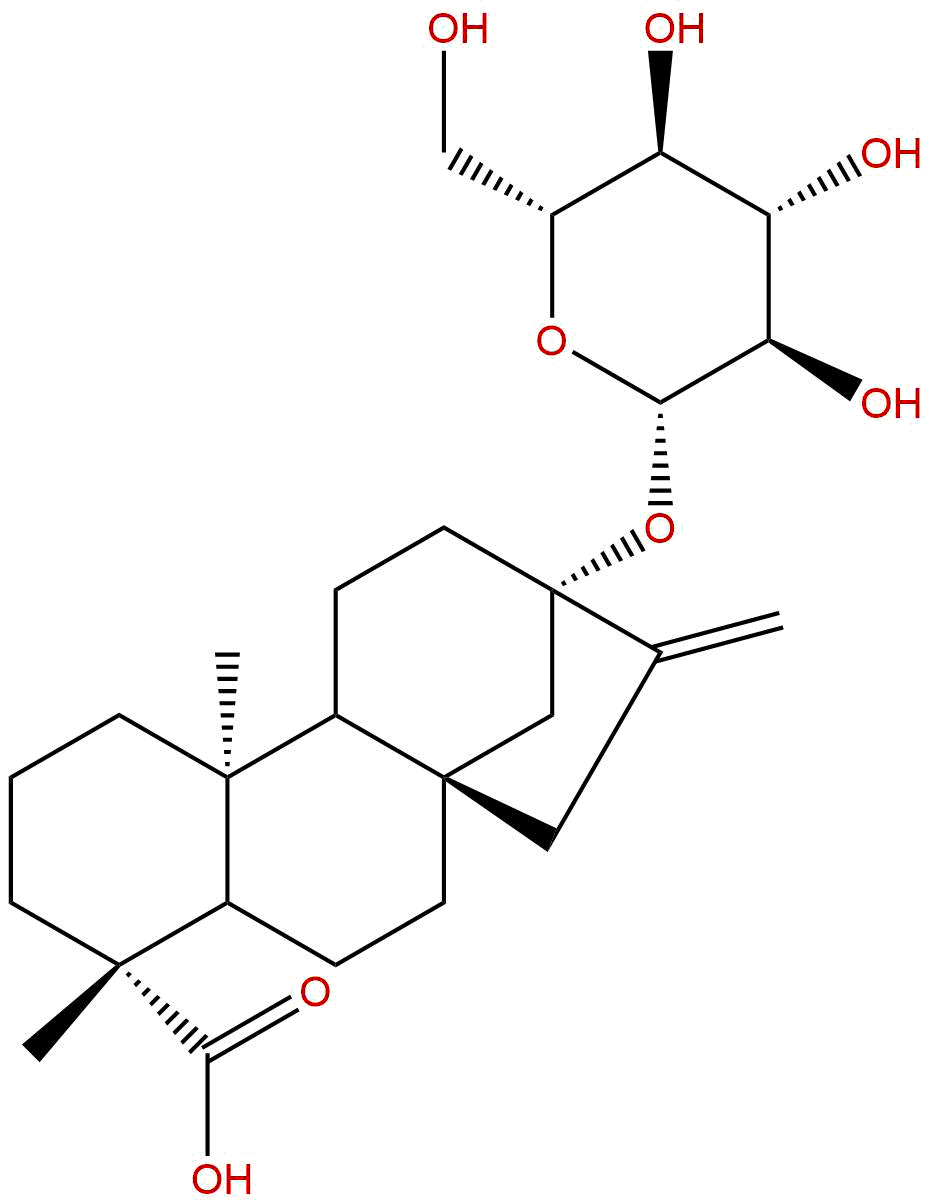
Product name: Steviol-13-O-Glucoside
Synonym name: Steviolmonoside
Catalogue No.: BP5232
Cas No.: 60129-60-4
Formula: C26H40O8
Mol Weight: 480.598
Botanical Source:
Type of Compound: Diterpenoids
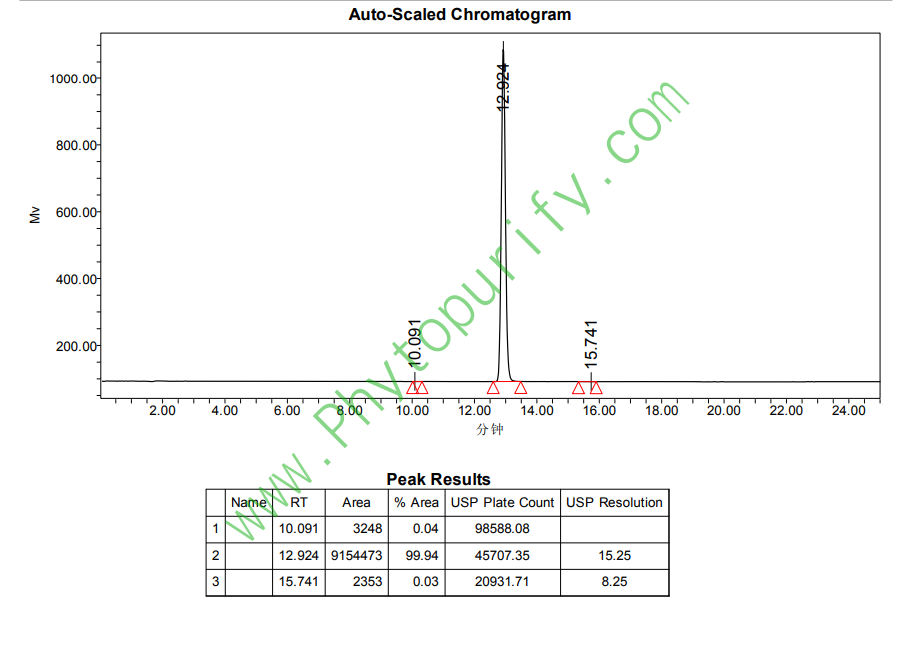
Purity: 95%~99%
Analysis Method: HPLC-DAD or/and HPLC-ELSD
Identification Method: Mass, NMR
Packing: Brown vial or HDPE plastic bottle
Storage: Store in a well closed container, protected from air and light. Put into refrigerate or freeze for long term storage.
Whenever possible, you should prepare and use solutions on the same day. However, if you need to make up stock solutions in advance, we recommend that you store the solution as aliquots in tightly sealed vials at -20℃. Generally, these will be useable for up to two weeks.
The product could be supplied from milligrams to grams
Inquire for bulk scale.
For Reference Standard and R&D, Not for Human Use Directly.
HPLC of Steviol-13-O-Glucoside
Storage conditions:Short-term storage at 2~8℃, long-term storage at -20 ~ -80℃
136.6800
1.7026
-.1008
.2795
.6229
.6791
Low
84.2267
6.1717
No
No
No
No
No
No
0.0
Yes
No
No
No
Natural products, as an important source of drug discovery, play an irreplaceable role in human health maintenance and disease treatment. Among numerous natural products, stevia comes from the Asteraceae plant Stevia(Stevia rebaudiana The diterpenoid glycosides of Bertoni have attracted much attention due to their unique sweet taste characteristics and potential pharmacological activities. Steviol-13-O-glucoside, abbreviated as Steviolnoside, with CAS number 60129-60-4, is a monomeric compound in the steviol glycoside family. It is formed by the condensation of the tertiary allyl hydroxyl group of steviol with β - D-glucopyranose through glycosidic bonds. As the conjugated acid form of stevia monoglycoside, this compound belongs to the ent kaurane type tetracyclic diterpenoid glycoside in structure, possessing both the rigid structure of the diterpene skeleton and the water-soluble characteristics of the sugar group.
Stevia is native to the border area between Paraguay and Brazil in South America, where the indigenous Guarani people have used its leaves as a natural sweetener for hundreds of years. Since the mid-20th century, with the systematic study of the chemical composition of stevia, scientists have successively isolated and identified dozens of diterpenoid glycosides, including stevioside, rebaudiside series, and steviol glycosides. Among them, steviol-13-glucoside, as the simplest structure of steviol monoglycosides, is not only a key intermediate in the biosynthesis pathway of steviol glycosides, but also a hot molecule in natural product pharmacology research due to its unique molecular structure and diverse biological activities.
In recent years, with the continuous increase in the incidence rate of metabolic diseases and cardiovascular diseases, finding safe and effective natural therapeutic molecules has become an important direction of pharmaceutical research. The potential pharmacological activities of steviol-13-glucoside in lowering blood pressure, anti-inflammatory, antioxidant and other aspects have gradually been revealed, especially in the study of the mechanism of action in regulating the renin-angiotensin system (RAS) and endothelial function, which has made significant progress. This article will provide a systematic review of the research status of steviolin-13-glucoside from the aspects of chemical structure, plant origin, pharmacological activity, mechanism of action, pharmacological evaluation, and clinical application prospects, in order to provide reference for the further development and utilization of this compound.
The molecular formula of steviol-13-glucoside is C ₂₆ H ₄₀ O ₈, with a molecular weight of 480.5980 g/mol. Its core skeleton is a tetracyclic diterpene of the enantiosaurian type, with a typical [5.2.1.0 ², ⁶] decane bridged ring system. The diterpene skeleton consists of four rings: A, B, C, and D: ring A is a hexagonal ring, ring B is a pentagonal ring, ring C is a hexagonal ring, and ring D is a pentagonal ring. The C and D rings form a bridging structure through a methylene bridge (C8-C14). There is a β - D-glucopyranosyl group attached to the C13 (tertiary allyl) position, forming an O-glycosidic bond. There is an external methylene group (=CH ₂) at position C16, and a carboxyl group (- COOH) at position C19, giving the molecule the properties of a monocarboxylic acid.
From a stereochemical perspective, steviol-13-glucoside has multiple chiral centers, including C4, C5, C8, C9, C10, C13, and C16 sites. Its absolute configuration is an enantiomer of the common kaurane type and an enantiomer of the ent kaurane type. This unique three-dimensional configuration determines the specificity of its interaction with biomolecules.
According to theoretical calculations and experimental measurements, the physicochemical properties of steviol-13-glucoside are as follows:
Lipid water partition coefficient (LogP): 1.7026. This value indicates that the compound has moderate lipophilicity, between pure hydrophilicity and pure lipophilicity. LogP values in the range of 1-3 are generally considered to have good oral absorption potential while maintaining appropriate water solubility.
Topological Polarity Surface Area (TPSA)136.68 Å ². This value is mainly contributed by the 8 oxygen atoms in the molecule, including 5 hydroxyl groups on the sugar group, glycosidic bond oxygen, carboxyl oxygen, and lactone oxygen. According to Rule of 5 and the prediction rules for oral absorption, molecules with TPSA greater than 140 Å ² typically have poor oral absorption, while the TPSA of steviol-13-glucoside is close to but slightly below this threshold, suggesting that it may have moderate oral bioavailability.
Water solubility 0.2795 mg/mL (approximately 0.58 mM). The low solubility of this compound in water may limit its application at high concentrations. The presence of sugar groups increases water solubility to a certain extent, but the hydrophobicity of the diterpene skeleton still dominates.
Blood-brain barrier penetrability Predicted as low. High TPSA and molecular weight (>400 Da) are the main factors limiting its penetration through the blood-brain barrier. This characteristic is unfavorable for the development of drugs that require targeting the central nervous system, but for drugs targeting peripheral targets such as the cardiovascular system, low brain penetration can actually reduce the risk of central nervous system side effects.
HERG inhibition risk Predicted as no. HERG potassium channel inhibition is an important cause of drug cardiac toxicity, and steviol-13-glucoside did not show hERG inhibitory activity in the predictive model, indicating its high cardiac safety.
Ames test results: 0.0, indicating that the compound did not show mutagenicity in the bacterial recovery mutation test and has a low risk of genetic toxicity.
The UV absorption of steviol-13-glucoside mainly comes from the double bonds and carboxyl groups in the diterpenoid skeleton, with strong terminal absorption in the range of 200-220 nm. In the infrared spectrum, the broad peak near 3400 cm ⁻¹ corresponds to the O-H stretching vibration of the glycosyl hydroxyl group, the absorption peak near 1720 cm ⁻¹ corresponds to the C=O stretching vibration of the carboxyl group, and the weak peak near 1650 cm ⁻¹ corresponds to the C=C stretching vibration of the C16 external methylene group. In the nuclear magnetic resonance hydrogen spectrum, the chemical shift of the sugar end proton (H-1 ') is usually in the range of δ 4.5-5.0 ppm, and the coupling constant J ₁, ₂ is about 7-8 Hz, confirming the β - configuration of the pyranose glucoside bond. The methyl proton signal of the diterpene skeleton appears in the δ 0.8-1.5 ppm region, and the two protons of the C16 outer methylene group exhibit characteristic broad single peaks or double peaks.
Stevinol-13-glucoside is mainly present in Stevia rebaudiana(Stevia rebaudiana In the leaves of Bertoni. Stevia belongs to the Asteraceae family and the Stevia genus(Stevia)It is a perennial herbaceous plant. In addition to stevia, this compound is also found in other species within the same genus, such as Stevia phlebophylla、Stevia serrata Detected in the middle, but with low content.
In stevia leaves, the content of steviol-13-glucoside is usually low, accounting for about 0.1% -0.5% of the dry leaf weight, much lower than steviol glycosides (5-10%) and rebaudin A (2-4%). This compound is the primary product of steviol alcohol glycosylation in the biosynthesis pathway of steviol glycosides, generated by the reaction of steviol alcohol with UDP glucose catalyzed by UDP glycosyltransferase (UGT). Subsequently, the monosaccharide can be further glycosylated at the C19 position to generate steviol glycosides, or extended on the C13 sugar chain to form the rebaudin series.
In stevia, the biosynthesis of steviol-13-glucoside begins with the production of geranylgeranylpyrophosphate (GGPP) via the mevalonic acid (MVA) pathway or the methylerythritol phosphate (MEP) pathway. GGPP undergoes cyclization catalyzed by ent kaurene synthase to form ent kaurene, which then undergoes a series of oxidation reactions to produce steviol alcohol. Steviol undergoes glycosylation at the C13 hydroxyl group catalyzed by UDP glucosyltransferase UGT85C2 (also known as UGT1) to produce steviole-13-glucoside. This enzyme exhibits high regioselectivity towards the C13 hydroxyl group of steviol alcohol, with a Km value of approximately 50-100 μ M.
Traditional solvent extraction method Dry stevia leaves are crushed and extracted by reflux at 50-80 ℃ using water or ethanol water mixed solvents (usually 50-70% ethanol). After concentration, the extract is used to enrich glycoside components through liquid-liquid extraction (such as n-butanol extraction). This method is easy to operate, but has poor selectivity and requires subsequent purification steps.
Modern chromatographic separation technology:
1. Macroporous adsorption resin chromatography Use D101, AB-8, or HPD-100 macroporous resins and elute with a water ethanol gradient. Stevinol-13-glucoside is usually enriched in the 20-40% ethanol elution site. This method can achieve preliminary purification, removing a large amount of pigments and sugar impurities.
2. Preparation type high performance liquid chromatography (Prep HPLC)Using a C18 reverse phase chromatography column, acetonitrile water or methanol water is used as the mobile phase, with isocratic or gradient elution. The retention time of steviol-13-glucoside is between steviol alcohol (more hydrophobic) and steviol glycoside (more hydrophilic). This method can obtain monomer compounds with a purity of>98%.
3. High Speed Counter Current Chromatography (HSCCC)Using solvent systems such as n-butanol ethyl acetate water, separation is achieved by utilizing the difference in distribution coefficients of compounds in the two-phase solvents. This method has the advantages of large sample size and low solvent consumption.
Enzymatic conversion Using β - glucosidase (such as almond β - glucosidase or enzymes derived from Aspergillus niger) to selectively hydrolyze the C19 glycosidic bond of steviol glycosides or rebaudin A can efficiently prepare steviol-13-glucoside. This method has high substrate conversion rate, easy purification of products, and is suitable for large-scale production.
The hypotensive activity of steviol-13-glucoside is one of its most widely studied pharmacological effects. Multiple in vitro and in vivo experiments have confirmed that this compound can lower blood pressure through various pathways.
In the spontaneously hypertensive rat (SHR) model, oral or intravenous injection of steviol-13-glucoside (10-50 mg/kg) can significantly reduce systolic and diastolic blood pressure, and the antihypertensive effect is dose-dependent, with a duration of action of up to 4-6 hours. Compared with the positive control drug Captopril, the antihypertensive effect of steviol-13-glucoside is slower in onset but longer in duration, and no significant reflex heart rate increase was observed.
In the ex vivo vascular ring experiment, steviol-13-glucoside (10 ⁻⁶ -10 ⁻⁴ M) concentration dependently relaxed rat thoracic aortic rings pre contracted by norepinephrine or angiotensin II. The relaxation effect is partially weakened after removing the endothelium, indicating that its mechanism of action involves two pathways: endothelial dependent and non endothelial dependent.
Stevinol-13-glucoside exhibits anti-inflammatory activity in various inflammatory models. In the RAW264.7 macrophage model stimulated by lipopolysaccharide (LPS), the compound (10-100 μ M) significantly inhibited the production of nitric oxide (NO), prostaglandin E ₂ (PGE ₂), and tumor necrosis factor - α (TNF - α). Mechanism studies have shown that its anti-inflammatory effect is related to the inhibition of the nuclear factor kappa B (NF - κ B) signaling pathway and mitogen activated protein kinase (MAPK) phosphorylation.
In the carrageenan induced rat plantar swelling model, oral administration of steviol-13-glucoside (20-80 mg/kg) significantly inhibited the inflammatory response, with a peak inhibition rate of approximately 45-60% at 4 hours, comparable to the effect of indomethacin (10 mg/kg) but with fewer gastrointestinal side effects.
Stevinol-13 glucoside exhibits moderate free radical scavenging ability. In the DPPH radical scavenging experiment, its IC ₅₀ value is about 150-200 μ M, weaker than vitamin C (IC ₅₀ about 20 μ M) but stronger than steviol alcohol (IC ₅₀>500 μ M). In ABTS ⁺ radical scavenging experiments, its Trolox equivalent antioxidant capacity (TEAC) value is approximately 0.3-0.5. In addition, the compound can significantly reduce the levels of reactive oxygen species (ROS) in HepG2 cells induced by hydrogen peroxide, and upregulate the activities of superoxide dismutase (SOD) and glutathione peroxidase (GPx).
Antidiabetic activity In 3T3-L1 adipocytes, steviol-13-glucoside can promote glucose uptake and upregulate the expression of glucose transporter 4 (GLUT4). In the streptozotocin (STZ) - induced diabetes rat model, long-term administration (8 weeks) can reduce fasting blood glucose and glycosylated hemoglobin levels.
Renal protective effect In a rat model of renal vascular hypertension, steviol-13-glucoside can reduce urinary protein excretion, alleviate glomerulosclerosis and tubulointerstitial fibrosis, and its effect is related to the inhibition of overactivation of the renal RAS system.
Antiplatelet aggregation In vitro platelet aggregation experiments, this compound can inhibit platelet aggregation induced by ADP, collagen, and arachidonic acid, with IC ₅₀ values ranging from 50-100 μ M.
The hypotensive effect of steviol-13-glucoside is mainly related to its regulation of the RAS system. Molecular docking and enzyme kinetics studies have shown that the compound can bind to the active site of angiotensin-converting enzyme (ACE) and competitively inhibit ACE activity. The catalytic activity of ACE depends on the Zn ² ⁺ ion in its active center. The carboxyl group of steviolin-13-glucoside can coordinate with Zn ² ⁺, and its glycosyl portion forms a hydrogen bond network with the S2 'subunit of ACE, thereby blocking the conversion of angiotensin I to angiotensin II. In vitro experiments have shown that the compound has an IC ₅₀ value of about 5-10 μ M for ACE, which is weaker than Captopril (IC ₅₀ of about 0.02 μ M), but exhibits a synergistic antihypertensive effect due to its multi-target mechanism of action.
In addition, steviol-13-glucoside can downregulate the expression of angiotensin II receptor type 1 (AGTR1). In vascular smooth muscle cells, this compound can inhibit the upregulation of AGTR1 mRNA and protein levels induced by angiotensin II, while upregulating the expression of angiotensin II receptor type 2 (AGTR2), thereby antagonizing the vasoconstrictive and pro proliferative effects of angiotensin II.
Endothelial dysfunction is an important pathological basis for hypertension. Steviose-13-glucoside can activate the phosphatidylinositol 3-kinase (PI3K)/protein kinase B (Akt) signaling pathway, promote the phosphorylation of endothelial nitric oxide synthase (NOS3) at Ser1177 site, thereby enhancing the activity of NOS3 and increasing the production of nitric oxide (NO). As an important vasodilator, NO can diffuse into vascular smooth muscle cells, activate soluble guanylate cyclase (sGC), increase levels of cyclic guanosine monophosphate (cGMP), and ultimately lead to vasodilation.
In cultured human umbilical vein endothelial cells (HUVECs), treatment with steviol-13-glucoside (10-50 μ M) significantly increased NO release, which could be blocked by PI3K inhibitor LY294002 or NOS inhibitor L-NAME. In NOS3 gene knockout mice, the antihypertensive effect of the compound was significantly reduced, confirming that NOS3 plays a key role in its antihypertensive mechanism.
Endothelin-1 (EDN1) is one of the strongest vasoconstrictors in the body. Stevinol-13-glucoside can inhibit the activity of endothelin-converting enzyme (ECE) and reduce the conversion of pro endothelin to active endothelin-1. Meanwhile, the compound can downregulate the expression of endothelin receptor type A (ETA), thereby antagonizing the vasoconstrictive and mitogenic effects of endothelin-1. In vascular smooth muscle cells, steviol-13-glucoside can block endothelin-1 induced intracellular Ca ² ⁺ elevation and cell proliferation.
Renin is the rate limiting enzyme of the RAS system, catalyzing the conversion of angiotensinogen to angiotensin I. Stevinol-13-glucoside can inhibit the secretion and activity of renin. In periglomerular cells, this compound inhibits the transcription of renin genes and the release of renin granules by activating the cAMP/protein kinase A (PKA) signaling pathway. In addition, the compound can directly bind to the active site of renin, competitively inhibiting its enzymatic activity, with an IC ₅₀ value of approximately 20-30 μ M.
The antihypertensive effect of steviol-13-glucoside is not mediated by a single target, but by acting on multiple targets such as ACE, NOS3, AGTR1, EDN1, and REN simultaneously, forming a synergistic network effect. This multi-target mode of action has the following advantages: (1) significant pharmacological effects can be produced at lower doses; (2) Reduce compensatory feedback activation caused by excessive inhibition of a single target; (3) Reduce the risk of drug resistance occurrence; (4) Improve overall cardiovascular function rather than simply lowering blood pressure.
Based on Lipinski's "Rule of 5" principle, the pharmacological parameters of steviol-13-glucoside are as follows:
-Molecular weight: 480.6 Da (<500 Da, compliant)
-LogP: 1.70 (<5, compliant)
-Number of hydrogen bond donors: 6 (sugar group with 5 hydroxyl groups and 1 carboxyl group,>5, not suitable)
-Number of hydrogen bond acceptors: 8 (>10, not applicable)
This compound violates two items in Rule of 5 (number of hydrogen bond donors and acceptors), indicating that its oral absorption may be limited. However, for natural products, the applicability of Rule of 5 has certain limitations, and many marketed natural medicines (such as paclitaxel and Triptolide) also violate this rule.
absorb Due to its high molecular weight and polarity, the oral bioavailability of steviol-13-glucoside is relatively low. The absolute bioavailability after oral administration in rats is approximately 5-15%. Its absorption mainly occurs in the small intestine, possibly through two pathways: passive diffusion and carrier mediated transport (such as monocarboxylate transporters MCTs). The lipid components in food can promote its absorption.
distribution After oral administration, the peak time (Tmax) of the compound in plasma is approximately 1-2 hours. The apparent distribution volume (Vd) is approximately 0.5-1.0 L/kg, indicating that it is mainly distributed in the extracellular fluid. The plasma protein binding rate is about 70-85%, mainly binding to albumin. Due to its high polarity, this compound is not easily able to penetrate the blood-brain barrier and has limited distribution in the central nervous system.
Metabolism Stevinol-13-glucoside undergoes the following metabolic pathways in the body: (1) Glycoside bond hydrolysis: β - glucosidase in the gut microbiota can hydrolyze glycosidic bonds, releasing the glycoside steviol; (2) Glucuronic acid binding: The carboxyl group of steviol alcohol can bind with glucuronic acid to form glucuronide; (3) Hydroxylation: Cytochrome P450 enzymes (such as CYP3A4) can catalyze the hydroxylation reaction of diterpenoid skeletons. Metabolites are mainly excreted through bile.
excretion The compound and its metabolites are mainly excreted through feces (about 60-70%), followed by urine (about 20-30%). The renal clearance rate is low, and tubular reabsorption may be significant. The half-life (t ₁/₂) is about 4-8 hours, and administering 2-3 times a day can maintain effective blood drug concentration.
acute toxicity The LD value for oral administration in mice is>2000 mg/kg, while the LD value for intraperitoneal injection is approximately 500-800 mg/kg. No significant toxic reactions were observed at therapeutic doses (10-50 mg/kg).
Subchronic toxicity Rats were orally administered continuously for 90 days (at doses up to 200 mg/kg/day), and no significant abnormalities were found in body weight, blood routine, liver and kidney function, or histopathology. Mild diarrhea occurred in the high-dose group, which may be related to the osmotic diarrhea effect of glycosides.
Genotoxicity The results of Ames test, chromosome aberration test, and mouse micronucleus test were all negative, indicating that the compound has no genetic toxicity risk.
Reproductive toxicity In the rat reproductive toxicity test, no significant effects on fertility, embryonic development, and offspring growth were observed at doses up to 100 mg/kg/day.
Hypertension is the main risk factor for cardiovascular disease, with a global prevalence rate of over 30%. The commonly used antihypertensive drugs in clinical practice include ACE inhibitors, angiotensin receptor blockers (ARBs), calcium channel blockers, diuretics, and beta blockers, but these drugs all have certain side effects and limitations. Stevinol-13-glucoside, as a natural multi-target antihypertensive molecule, has the following unique advantages:
However, the low oral bioavailability of this compound is the main bottleneck limiting its clinical application. Future research directions include: (1) improving oral absorption through prodrug design (such as esterified carboxyl groups); (2) Developing nano formulations (such as liposomes and polymer nanoparticles) to improve bioavailability; (3) Design structurally similar compounds or derivatives to optimize pharmacokinetic properties.
Given that steviol-13-glucoside is derived from the recognized safe stevia and has various beneficial health activities, it has broad application prospects as a functional food ingredient. Can be developed as: (1) blood pressure reducing functional beverages or food supplements; (2) Develop a natural sweetener that combines sweetness and blood pressure lowering functions by compounding with steviol glycosides; (3) As a food additive, it is used for dietary management of patients with hypertension.
Stevinol-13-glucoside may have a synergistic effect with existing antihypertensive drugs. Preliminary studies have shown that when combined with low-dose ACE inhibitors or calcium channel blockers, this compound enhances blood pressure lowering effects and reduces side effects. In addition, combination with hypoglycemic drugs (such as metformin) may have additional benefits for patients with hypertension and diabetes.
Systematic structural modification of steviol-13-glucoside can help reveal its structure-activity relationship and discover more active lead compounds. The key points of the known structure-activity relationship include: (1) the C13 sugar group is an essential group for maintaining ACE inhibitory activity, and removing the sugar group (i.e. steviol alcohol) significantly reduces the activity; (2) The C19 carboxyl group is crucial for ACE inhibition and NOS3 activation, but its activity decreases after esterification; (3) The C16 external methylene group plays an important role in maintaining the rigid conformation of the diterpene skeleton. Future structural optimization directions include: introducing other sugar groups (such as galactose and xylose) to alter the sugar moiety; Modify the carboxyl group at position C19 to an amide or ester; Introducing fluorine atoms or methyl groups into the diterpene skeleton.
Although steviol-13-glucoside exhibits various pharmacological activities and good safety, its clinical translation still faces the following challenges:
Stevinol-13-glucoside, as a structurally unique diterpenoid glycoside in Stevia rebaudiana, has demonstrated pharmacological value beyond its role as a sweetener intermediate due to its clever combination of the enantiosauric tetracyclic diterpenoid skeleton and β - D-glucosyl group. From a chemical structure perspective, this molecule perfectly embodies the structural design concept of "rigid skeleton+flexible sugar chain" in natural products. Its moderate lipid water partition coefficient and reasonable topological polar surface area lay the foundation for its interaction with multiple biological targets.
In terms of pharmacological activity, steviol-13-glucoside forms a unique "multi-target synergistic antihypertensive" mode by simultaneously regulating multiple key targets such as ACE, NOS3, AGTR1, EDN1, and REN. This mechanism of action not only endows it with a mild and long-lasting antihypertensive effect, but also brings multiple benefits such as anti-inflammatory, antioxidant, and kidney protection, reflecting the advantage of natural products in "overall regulation". Its excellent safety features, including low genetic toxicity, no risk of hERG inhibition, and acceptable acute toxicity, further enhance its attractiveness as a candidate drug.
However, the path from laboratory discovery to clinical application remains challenging. The problems of low oral bioavailability, limited natural content, and difficulty in large-scale preparation urgently need to be solved. Future research should focus on: (1) developing novel delivery systems based on nanotechnology or prodrug strategies; (2) Constructing engineering strains with high production of steviol-13-glucoside using synthetic biology techniques; (3) Conduct systematic studies on human pharmacokinetics and pharmacodynamics; (4) Thoroughly analyze the molecular network mechanism of its multi-target effects.
In summary, steviol-13-glucoside is a natural product molecule with both structural novelty and pharmacological diversity, and has important development value in the field of cardiovascular disease prevention and treatment. With the continuous deepening of related research and the continuous advancement of technology, this natural molecule from stevia is expected to move from the laboratory to clinical application, providing new options for the prevention and treatment of hypertension and related metabolic diseases. The research practice of natural product pharmacology once again proves that nature contains endless wisdom in drug discovery, and steviolin-13-glucoside is another example of this wisdom.
