Introduction/Overview
Diabetes and obesity have become major global public health challenges, and their incidence rate continues to rise, posing a heavy burden on the medical system and socio-economic. Although existing drugs such as metformin, insulin, SGLT2 inhibitors, etc. have been widely used in clinical practice, the side effects, drug resistance, and inability to completely reverse metabolic disorders caused by long-term use have prompted researchers to continuously explore candidate molecules with novel structures, unique mechanisms of action, and higher safety from natural products. Among the many plants with hypoglycemic potential, Gymnema sylvestris(Gymnema sylvestre (Retz.) R.Br. ex Sm. has attracted much attention for its long history of traditional applications and clear "sugar destroying" properties. The extract of the leaves of Gymnema sylvestris has long been used in folk medicine to treat "diabetes". Modern research has confirmed that it has multiple effects, such as inhibiting sweet taste perception, reducing sugar absorption, and regulating blood sugar.
Gymnemagenin, as a key triterpenoid glycoside isolated from Gymnema, is considered one of the substance bases for its core pharmacological activity. Compared to its glycoside form (such as syringol acid), the glycoside form often has better membrane permeability and potential bioavailability. In recent years, with the deepening understanding of the molecular mechanisms of metabolic diseases, the multi-target activities of new glycosides from Gymnotium sylvestris in regulating glucose homeostasis, improving insulin resistance, regulating lipid metabolism, and even antiviral effects have gradually been revealed, transforming it from a traditional herbal ingredient into a modern drug lead compound with clear molecular targets and pathways of action. This article aims to provide a systematic review of the chemical properties, plant sources, pharmacological activities, molecular mechanisms of action, pharmacological evaluation, and clinical application prospects of the new glycosides from Gymnotium sylvestris, in order to provide comprehensive academic references for the in-depth research and development of this natural product.
Chemical structure and physicochemical properties
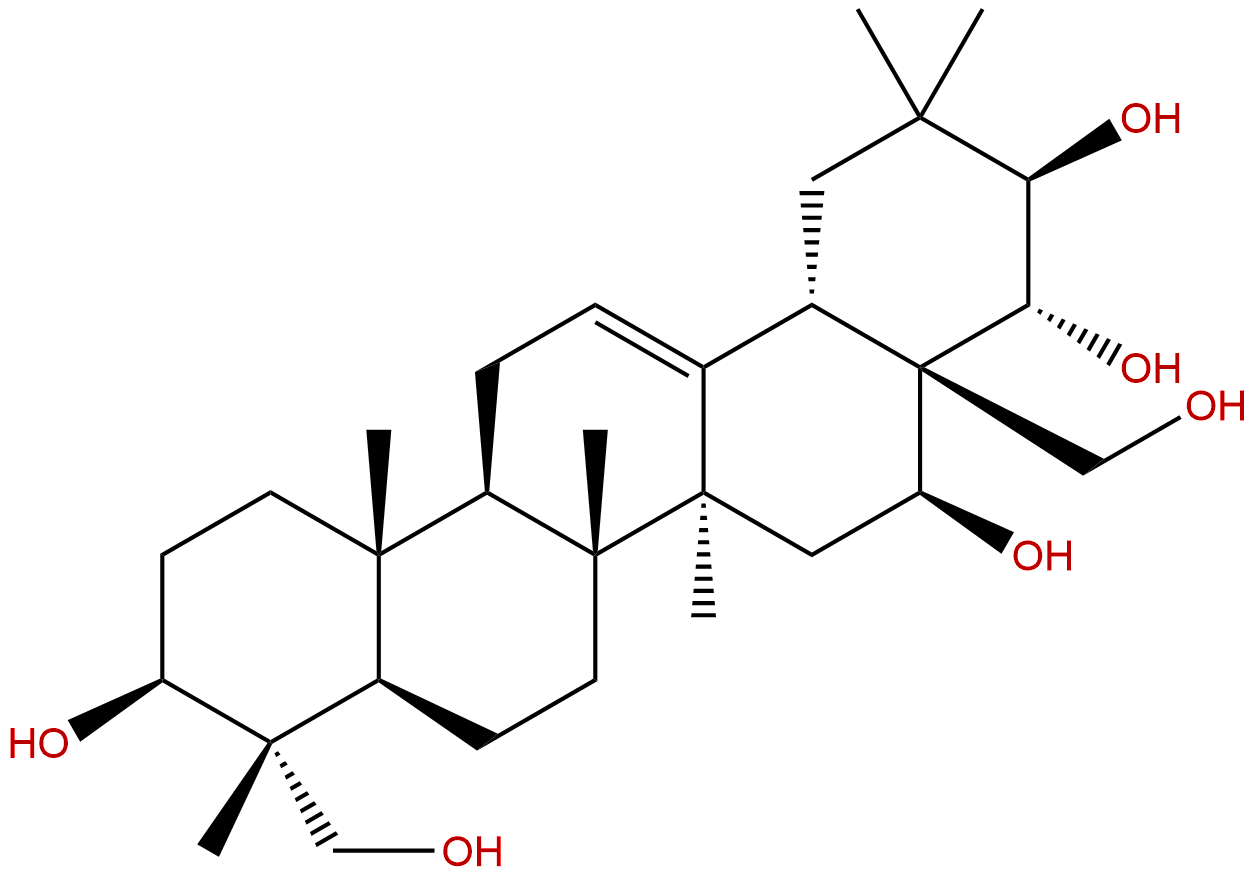
The new glycoside of Gymnostemma pentaphyllum, with the chemical name (3 β, 4 α, 16 β, 21 β, 22 α) -16,22,23,29-tetrahydroxyolean-12-en-3-yl β - D-glucopyranosyl - (1 → 6) - β - D-glucopyranoside, but its standard form usually refers to its free triterpenoid glycoside form. Its CAS number is 22467-07-8, molecular formula is C30H50O6, and molecular weight is 506.7240 g/mol.
Structurally speaking, the new glycoside of Gymnotium belongs to the oleanane type pentacyclic triterpenoid compounds. Its core skeleton consists of five rings (A/B/C/D/E rings) and exhibits typical characteristics of olean-12-ene. Its structural modification is mainly reflected in the hydroxylation of multiple positions, including C-3, C-16, C-21, C-22, C-23, and C-29. These abundant hydroxyl groups are the basis for its water solubility and hydrogen bonding interactions with various targets. Its glycoside form does not contain sugar chains, which is different from many natural triterpenoid saponins that require hydrolysis of glycosidic bonds to release active glycosides, but it often exists in its glycoside form in plants.
Based on the calculated parameters related to medicinal properties, the lipid water partition coefficient (LogP) of the new glycoside from Gymnema sylvestris is 2.9337, indicating its moderate lipophilicity and favorable transmembrane transport. The topological polar surface area (TPSA) is 121.3800 Å ², reflecting the polarity brought by its multiple hydroxyl groups. Its water solubility prediction value is 0.0091 mg/mL, which belongs to the category of slight solubility, which may affect its oral absorption and formulation development. In terms of key toxicity prediction, the risk of hERG inhibition is "no", indicating a low potential risk of causing QT interval prolongation in the heart; The Ames test predicted a value of 0.0, indicating that it may not be mutagenic and preliminarily demonstrating good safety characteristics. In addition, its blood-brain barrier permeability is predicted to be "low", indicating that its main effects may be concentrated in the peripheral system and the risk of central nervous system side effects is relatively low. These physicochemical and pharmacological parameters provide important basis for subsequent molecular optimization and formulation design.
Plant sources and extraction methods
The main source of new glycosides in Gymnotium is from the Apocynaceae family and the genus Gymnotium(Gymnema)Plants, among which the spoon vine is used(Gymnema sylvestre)The most famous and commonly used. This plant is widely distributed in tropical and subtropical forests of India, Southeast Asia, southern China, and Africa. Its leaves are known as "Gurmar" (meaning "sugar destroyer") in Ayurvedic medicine and have been in use for over two thousand years.
In the plant body, the new glycosides of Gymnotium are not present in large quantities in free form, but rather as part of the glycosides of various Gymnotium saponins, such as gymnemoides and gymnmic acids. These saponins are secondary metabolites of plants with complex sugar chain structures. Therefore, obtaining new glycosides from Gymnotium usually requires two main steps: extraction and hydrolysis.
- extraction process Organic solvents (such as methanol, ethanol, and aqueous ethanol) are usually used for reflux extraction or ultrasound assisted extraction of dried leaves of Gymnotium. Modern technologies such as supercritical CO2 extraction have also been applied to improve extraction efficiency and selectivity. The preliminary extraction yielded a crude extract rich in saponins from Gymnema sylvestris.
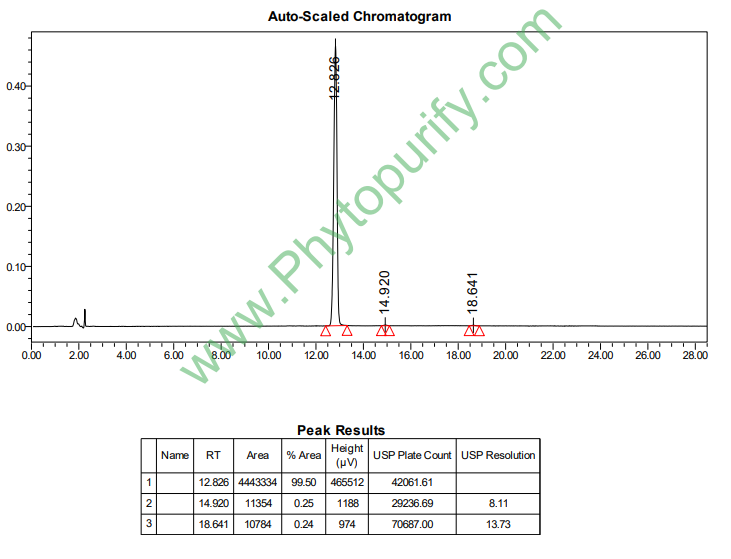
- Hydrolysis and Purification To obtain aglycones, acid hydrolysis or enzymatic hydrolysis of crude extracts or isolated saponins is required. Acid hydrolysis (commonly using hydrochloric acid or sulfuric acid) under intense conditions can completely break glycosidic bonds and release new glycosides from Gymnotium, but may cause side reactions such as dehydration or isomerization of the glycoside structure. Enzymatic hydrolysis (such as using cellulase and β - glucosidase) has mild conditions, high selectivity, and is more conducive to maintaining the original configuration of glycosides. The hydrolyzed mixture is extracted with organic solvents such as ethyl acetate and chloroform, and then repeatedly separated and purified by methods such as silica gel column chromatography, reverse phase high performance liquid chromatography (RP-HPLC), or preparative thin layer chromatography to obtain high-purity monomers of new glycosides from Gymnema sylvestris. The optimization of extraction processes, especially the development of green and efficient hydrolysis methods, is crucial for the large-scale acquisition of this active ingredient.
Pharmacological activity research
A large number of pharmacological studies in vitro and in vivo have confirmed that the new glycosides of Gymnotium have various biological activities, especially showing outstanding potential in the field of metabolic diseases.
- Antidiabetic activity This is the most essential pharmacological action of the new glycoside of Gymnotium sylvestris. In the model of streptozotocin (STZ) induced diabetes rats and the model of type 2 diabetes induced by high-fat diet combined with STZ, gymnepsin can significantly reduce fasting blood glucose and glycosylated hemoglobin (HbA1c) levels, and improve oral glucose tolerance (OGTT). Its strength of action is comparable to or has a synergistic effect with classic drugs metformin or glibenclamide. The study also found that it can promote the partial recovery of the damaged pancreatic islet beta cell function in the state of diabetes, and increase insulin secretion.
- Anti obesity and lipid-lowering activity In an animal model of obesity induced by a high-fat diet, the intervention of new glycosides from Gymnema sylvestris can effectively inhibit weight gain, reduce white adipose tissue accumulation, and improve blood lipid profile, including reducing serum total cholesterol, triglycerides, and low-density lipoprotein cholesterol (LDL-C) levels, while increasing high-density lipoprotein cholesterol (HDL-C). Its mechanism involves inhibiting fat production, promoting fatty acid oxidation, and energy expenditure.
- Antiviral activity Preliminary studies have shown that the new glycosides from Gymnema sylvestris have inhibitory effects on certain viruses. For example, there are reports that it has a certain antiviral effect on herpes simplex virus (HSV) and other viruses, which may be related to its interference with virus entry into cells or replication processes, but the specific mechanism still needs to be further elucidated. This activity provides a new perspective for it as a multifunctional natural product.
- Other activities In addition, research suggests that it may have anti-inflammatory and antioxidant effects. In diabetes and obesity, chronic low-grade inflammation and oxidative stress are key pathological links. The new aglycone of Gymnotium can reduce the levels of inflammatory factors such as TNF - α and IL-6, and enhance the activity of antioxidant enzymes such as superoxide dismutase (SOD) and glutathione peroxidase (GSH Px), thereby reducing tissue damage.
Mechanism of action and molecular targets
The pharmacological effects of the new glycosides in Gymnostemma pentaphyllum are not achieved through a single target, but through a synergistic network of multiple targets and pathways, which is consistent with its characteristics as a natural product. At present, its interaction with multiple key targets of diabetes and obesity has been revealed through molecular docking, gene knockdown/overexpression, Western blot and other technologies.
- Activate AMPK signaling pathway Adenosine activated protein kinase (AMPK) is a core sensor of cellular energy metabolism. It has been confirmed that the new glycoside of Gymnostemma pentaphyllum can directly or indirectly activate AMPK (target PRKAA1/AMPK). The activation of AMPK produces a series of downstream effects:a) Promote the translocation of glucose transporter 4 (GLUT4, encoded by SLC2A4 gene) to the cell membrane, and increase the uptake of glucose by skeletal muscle and adipocytes;b) Inhibit the expression of key enzymes involved in hepatic gluconeogenesis and reduce hepatic glucose output;c) Promote fatty acid oxidation, inhibit fat synthesis, thereby improving insulin resistance and lipid metabolism.
- Regulating the insulin signaling pathway The new glycoside of Gymnostemma pentaphyllum can enhance tyrosine phosphorylation of insulin receptor substrate 1 (IRS1) and activate the phosphatidylinositol 3-kinase (PI3K, whose regulatory subunit is PIK3R1) - protein kinase B (AKT1) signaling axis. Activated AKT1 further promotes membrane translocation of GLUT4 and regulates metabolic processes such as glycogen synthesis and protein synthesis, simulating and enhancing the action of insulin.
- Affects nuclear receptors and metabolic enzymes:a) Peroxisome proliferator activated receptor gamma (PPARG) is a key nuclear receptor for fat differentiation and insulin sensitization. The new glycosides of Gymnostemma pentaphyllum may act as partial agonists or modulators of PPARG, improving insulin sensitivity while avoiding side effects such as weight gain and edema caused by traditional thiazolidinedione drugs (potent PPARG agonists).b) Inhibiting sodium glucose cotransporter 2 (SGLT2) reduces renal reabsorption of glucose and increases urinary glucose excretion, a mechanism similar to clinical SGLT2 inhibitor drugs.c) Activate glucokinase (GCK), which is the rate limiting enzyme for glucose metabolism in liver and pancreatic beta cells. Its activation helps promote glucose utilization and perception, thereby stimulating insulin secretion.d) Inhibit dipeptidyl peptidase-4 (DPP4), increase the level of endogenous glucagon like peptide-1 (GLP-1), promote insulin secretion in a glucose dependent manner, and inhibit glucagon secretion.
- Integrated network effect In summary, the new glycoside of Gymnostemma pentaphyllum simultaneously acts on multiple pathways, including insulin secretion (via GCK, DPP4/GLP-1 pathway), insulin sensitivity (via AMPK, PI3K/AKT, PPARG pathway), peripheral glucose utilization (via AMPK/GLUT4), and renal glucose treatment (via SGLT2), forming a three-dimensional and synergistic blood glucose regulatory network. This multi target characteristic makes it possible to correct the complex metabolic defects of type 2 diabetes more comprehensively.
Evaluation of drug properties and pharmacokinetics
Despite the excellent pharmacological activity of the new glycosides from Gymnostemma pentaphyllum, their successful development as drugs depends on their pharmacological properties, including absorption, distribution, metabolism, excretion, and toxicity (ADMET) characteristics.
- Absorption and bioavailability As mentioned earlier, its water solubility is poor (0.0091 mg/mL), which may be the main limiting step for its oral absorption. As a glycoside, its lipophilicity is improved compared to the glycoside form (LogP~2.93), which is beneficial for passive diffusion, but the first pass effect may be significant. At present, the pharmacokinetic research data of publicly available systems are relatively limited. In the future, it may be necessary to use pharmaceutical methods such as making nanocrystals, liposomes, solid dispersions, cyclodextrin inclusion complexes, or prodrugs to improve their solubility and dissolution rate, thereby improving oral bioavailability.
- distribution Its moderate LogP value and low BBB permeability prediction suggest that it may be mainly distributed in peripheral tissues rich in blood, such as liver, muscle, fat, and kidney, which is consistent with its pharmacological target organs. Further in vivo distribution experiments are needed to clarify its tissue-specific accumulation.
- Metabolism and excretion As a triterpenoid compound, its metabolic pathway may involve oxidation, reduction, and binding reactions with glucuronic acid or sulfuric acid in the liver cytochrome P450 enzyme system. Clarifying its main metabolites, metabolic enzyme subtypes, and excretion pathways (bile or urine) is crucial for evaluating drug interactions and individual differences in risk.
- Safety evaluation (preclinical)The existing computational predictions (no hERG inhibition, no Ames mutagenicity) provide positive preliminary signals. However, a complete preclinical toxicology study is still needed, including acute toxicity, subchronic toxicity, reproductive toxicity, etc., to confirm its safety window. The long-term use history of traditional herbal medicine Gymnotium provides some evidence for its safety, but the long-term toxicity of high-purity aglycones still needs to be independently evaluated.
Clinical application prospects and prospects
From a traditional herbal active ingredient, the new glycoside of Gymnostemma pentaphyllum has developed into a lead compound with clear modern pharmacological basis. Its clinical application prospects are broad, but it also faces challenges.
- As a lead compound of new anti diabetes/anti obesity drugs Its unique multi-target mechanism of action makes it possible to develop it into a single component multi-target drug, or to be used in combination with existing drugs with different mechanisms of action (such as metformin, SGLT2 inhibitors) to achieve synergistic effects, reduce side effects, and dosage. The development of new drug delivery systems, such as oral nano formulations and transdermal patches, is key to enhancing their clinical translational value in response to their poor water solubility.
- Development of dietary supplements and functional foods Based on the current situation that extracts from Gymnema sylvestris have been used as dietary supplements for weight management and blood glucose control worldwide, high-purity new glycosides or standardized extracts from Gymnema sylvestris can serve as upgraded functional raw materials, providing more stable and efficient products. Strict quality standards (such as content determination and fingerprint analysis) need to be established to ensure product consistency and effectiveness.
- Structural modification and optimization Using the new glycosides of Gymnotiformes as the mother nucleus, reasonable structural modifications (such as esterification, etherification of hydroxyl groups, or introduction of other active groups) are expected to further optimize its pharmacological parameters (such as solubility, metabolic stability, target selectivity) while retaining its multi-target activity, thus discovering derivatives with stronger activity and better properties.
- Challenges and Future Research Directions:a) Deep exploration of the mechanism of action Currently, many evidence of target interaction comes from computational simulations and indirect experiments, which require more direct combination experiments (such as surface plasmon resonance, isothermal titration calorimetry) and cell function confirmation experiments to verify.b) Systematic pharmacokinetic study Comprehensive in vivo ADME research is urgently needed to provide a basis for dosage form design and administration regimens.c) High quality clinical research At present, the vast majority of research is still in the preclinical stage, and there is an urgent need to design rigorous randomized controlled clinical trials to evaluate their effectiveness, safety, and optimal dosage in humans.d) Explore new indications Its antiviral and anti-inflammatory activities deserve further exploration and may extend to the adjuvant treatment of metabolic disease related complications (such as non-alcoholic fatty liver disease, diabetes nephropathy) or other viral diseases.
Conclusion
As an active triterpene aglycone derived from the traditional medicinal plant Gymnema sylvestris, Gymnema sylvestris neoaglycone, with its ability to regulate multiple key diabetes and obesity related targets such as AMPK, PI3K/AKT, PPARG, SGLT2, DPP4, etc., has demonstrated excellent multi-target anti diabetes and anti obesity potential. Its mechanism of action covers a complete metabolic regulatory network from promoting insulin secretion and enhancing insulin sensitivity to directly promoting glucose utilization and excretion, which is in line with the modern concept of systemic treatment for complex metabolic diseases. Despite challenges in drug formulation, particularly in terms of water solubility and oral bioavailability, these obstacles are expected to be overcome through the intervention of modern medicinal chemistry, pharmacology, and pharmacokinetics. In the future, through in-depth mechanism of action research, systematic preclinical development and rigorous clinical verification, Gymnema sylvestris is expected to develop from a promising natural lead compound into a new drug or highly effective functional ingredient for the treatment of type 2 diabetes and obesity, providing a new choice of natural origin and comprehensive mechanism of action for patients with global metabolic diseases. The research process also fully reflects the successful paradigm of exploring the value of modern drugs from traditional medical wisdom.