Gangliu Oligosaccharides C: Exploration of an Immunomodulatory Oligosaccharide Derived from Xiangjiapi
1. Overview
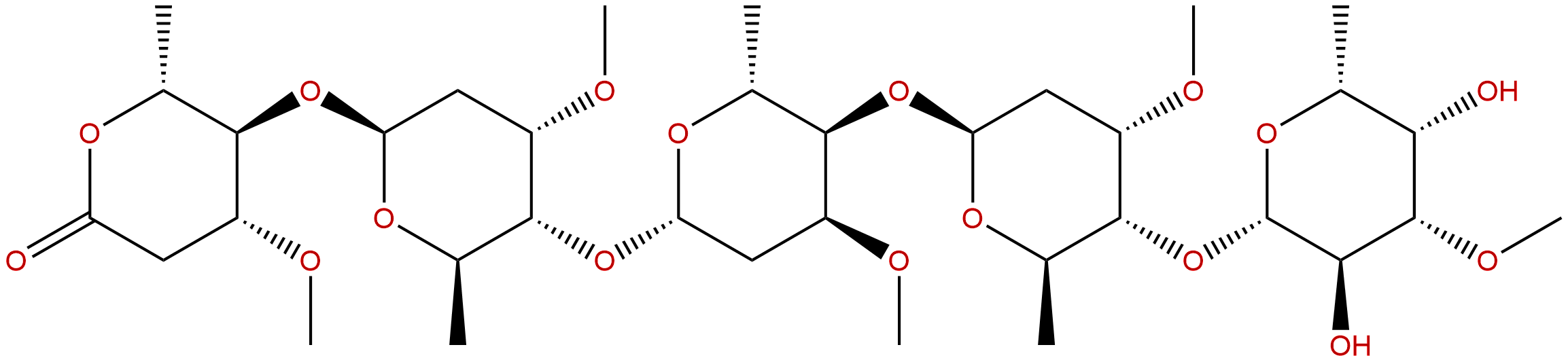
Perisesaccharide C is a traditional medicinal plant derived from Perisesaccharide C Xiangjiapi Natural oligosaccharides isolated from the roots of Periploca sepium. Its CAS number is 1311473-28-5, molecular formula is C35H60O17, and molecular weight is approximately 752.85 g/mol. As a class of structurally complex oligosaccharides, its research background is rooted in the modern exploration of active ingredients in traditional Chinese medicine. Xiangjiapi is commonly used in traditional Chinese medicine clinical practice to dispel rheumatism and strengthen muscles and bones. Modern pharmacological research has gradually revealed that its material basis for action may include various glycosides and oligosaccharides. The discovery of Lycium barbarum oligosaccharides C is an important achievement in this exploration process.
In recent years, with the development of glycobiology and immunopharmacology, naturally derived oligosaccharides have attracted much attention due to their unique biological activities. Unlike common monosaccharides or simple polysaccharides, Periphyllum oligosaccharides C have a specific and complex branching structure, which allows them to interact with proteins in the organism (such as cytokines, transcription factors, cell surface receptors) in a highly specific manner, thereby regulating key cellular signaling pathways. The existing data preliminarily indicate that the potential biological activity of Perilla frutescens oligosaccharides C is related to immunomodulation Closely related, its function involves multiple key immune related targets, including IL2, FOXP3, IFN γ, STAT1, and CD4. This suggests that the compound may have potential application value in the treatment of autoimmune diseases, inflammatory diseases, or immunosuppression. This article will provide a systematic professional popularization of this natural product from its chemical structure, plant origin, pharmacological mechanism, medicinal properties, and research prospects.
2. Chemical structure and physicochemical properties
The chemical structure of Lycium barbarum oligosaccharides C is precisely described by its SMILES string:CO[C@H]1[C@@H](O)[C@@H](C)O[C@@H](O[C@H]2[C@@H](OC)C[C@H](O[C@H]3[C@@H](OC)C[C@H](O[C@H]4[C@@H](OC)C[C@H](O[C@@H]5[C@@H](C)OC(=O)C[C@H]5OC)O[C@@H]4C)O[C@@H]3C)O[C@@H]2C)[C@@H]1OThis complex string reveals its essence as an oligosaccharide: it is composed of multiple monosaccharide units connected by glycosidic bonds, and its structure contains multiple methoxy (- OCH3) modifications and an ester bond (OC (=O)), indicating that it may be a partially methylated and acylated oligosaccharide. This modification is common in natural products and can significantly affect their solubility, stability, and biological activity.
Analyze its physicochemical properties based on the provided pharmacological parameters:
- Molecular weight (MW):752.85 g/mol, Slightly higher than the 500 Da threshold typically applicable for oral medications, this may pose certain challenges for its absorption as a drug lead compound.
- Lipid water partition coefficient (LogP/LogD)Approximately 1.02. This value is positive, indicating that the molecule as a whole exhibits weak lipophilicity, but the value is not high, suggesting a certain distribution equilibrium between the aqueous and lipid phases. This is consistent with its oligosaccharide structure, which is rich in hydrophilic hydroxyl and oxygen atoms.
- Topological Polarity Surface Area (TPSA)Up to 186.75 Å ². TPSA is a key parameter for predicting molecular permeability, and high TPSA values are typically associated with low intestinal absorption and low blood-brain barrier penetration. This value far exceeds the threshold of common high permeability compounds (about 140 Å ²), strongly indicating poor cell membrane permeability.
- Water solubility The value is 5.5872 (usually measured in mg/mL or log mol/L, which is not specified here but should be considered good in context), confirming its good hydrophilicity.
- Caco-2 permeability: 0.3045 (usually measured in units of × 10 ⁻⁶ cm/s), a relatively low value, further confirms the prediction of poor oral absorption.
- Blood-brain barrier (BBB) penetrability Clearly labeled as' low ', this is consistent with the prediction of high TPSA, indicating that it is unlikely to directly affect the central nervous system.
In summary, Periphyllum oligosaccharides C are a highly hydrophilic, polar, and high molecular weight oligosaccharide molecule. These physicochemical properties determine that its pharmacokinetic behavior may tend to remain in the extracellular fluid, exerting its function by acting on receptors or extracellular signaling molecules on the cell membrane surface, rather than entering the cell.
3. Plant sources and traditional applications
The plant source of Salix oligosaccharides C is Xiangjiapi The dried root bark of Periploca sepium Bunge, a plant in the family Apocynaceae. Xiangjiapi is a traditional Chinese medicinal herb with a long history of application.
In traditional Chinese medicine theory, Xiang Jia Pi has a pungent, bitter, and warm nature, and is associated with the liver, kidney, and heart meridians Dispelling wind and dampness, strengthening muscles and bones, promoting diuresis and reducing swelling The efficacy. It is commonly used in clinical practice to treat conditions such as rheumatoid arthritis, soreness and weakness of the waist and knees, palpitations and shortness of breath, and lower limb edema. Often used in combination with other anti wind and dampness strong muscle and bone medicines such as mulberry parasitic, Wujiapi, etc. It is worth noting that Xiangjiapi contains cardiac glycosides (such as paeoniflorin), which have certain toxicity and should be used under the guidance of a physician to control the dosage. This is related to its diuretic and cardiotonic effects.
Modern plant chemistry research has isolated and identified various types of chemical components from Xiangjiapi, including C21 steroidal glycosides, cardiac glycosides, oligosaccharides, phenolic acids, etc. Among them, C21 steroidal glycosides are considered as one of the main substance bases for their anti rheumatic activity. The discovery of Lycium barbarum oligosaccharides C as a type of oligosaccharide component has broadened people's understanding of the pharmacological substances of Fructus Xanthii. The traditional immunomodulatory effect of "strengthening the body and dispelling evil" may be related to these oligosaccharides that can finely regulate the function of immune cells. From the traditional use of traditional Chinese medicine to treat "Bi syndrome" (related to modern autoimmune diseases such as rheumatoid arthritis) to the immune regulatory targets revealed by modern research, it reflects the connection between traditional Chinese medicine wisdom and modern scientific discoveries.
4. Pharmacological activity and mechanism of action
According to the provided target information, the focus of action of Periphyllum oligosaccharides C is clearly directed towards Regulation of the immune system The five targets involved (IL2, FOXP3, IFN γ, STAT1, CD4) are core nodes in adaptive immunity, particularly in T cell-mediated immune responses. Below, we will analyze these targets one by one and speculate on the possible mechanism of action of Periphyllum oligosaccharides C.
1. Target analysis and immunological background:
- CD4 A glycoprotein expressed on the surface of helper T cells (Th cells), regulatory T cells (Treg cells), and other cells. It is a co receptor for T cell receptor (TCR) recognition of antigen MHC class II molecular complexes, which is crucial for T cell activation, differentiation, and function. Targeting CD4 may affect the initial activation of T cells.
- IL-2 (interleukin-2)Mainly produced by activated CD4+T cells, it is a key T cell growth factor. It promotes the proliferation and differentiation of activated T cells, while also playing an important role in the survival and functional maintenance of Treg cells. The IL-2 signal is the core of immune response amplification and immune homeostasis balance.
- IFN - γMainly produced by activated Th1 cells and natural killer (NK) cells, it is a classic pro-inflammatory cytokine. It activates macrophages, enhances antigen presentation, drives cellular immunity, and is closely related to autoimmune and chronic inflammatory diseases.
- STAT1 (Signal Transduction and Transcription Activation Factor 1)It is a key transcription factor downstream of cytokine signaling pathways such as IFN - γ. After binding to its receptor, IFN - γ activates the JAK-STAT pathway, leading to phosphorylation and dimerization of STAT1 and its translocation into the nucleus, initiating the expression of a series of inflammation related genes.
- FOXP3 (forkhead box protein P3)It is a regulatory T cell (Treg)Main transcription factors and marker proteins The expression and function of FOXP3 are crucial for the development, stability, and inhibitory function of Treg cells. Treg cells are a core subpopulation of cells that maintain immune tolerance, prevent autoimmunity, and prevent excessive inflammation.
2. Speculation on the mechanism of action:
Combining these targets, Periphyllum oligosaccharides C may regulate immune balance through multiple targets and pathways, and its mechanism may exhibit bidirectional regulation:
-
Potential anti-inflammatory and immunosuppressive directions Compounds may pass through Promote the expression or function of FOXP3 To enhance the generation or activity of Treg cells. Meanwhile, it may Inhibit excessive production or signal transduction of IL-2 Limit the excessive proliferation of effector T cells. In addition, directly or indirectly Inhibition of IFN - γ production or activation of STAT1 It can weaken Th1 type immune response and related inflammatory pathways. This synergistic effect may enable Periphyllum oligosaccharides C to exert therapeutic effects in Th1 cell-mediated autoimmune diseases (such as rheumatoid arthritis, multiple sclerosis) or organ transplant rejection reactions.
-
Consideration of functional form Given its high molecular weight and hydrophilic properties, it is highly likely that Periphyllum oligosaccharides C Not directly entering the cell To bind to nuclear proteins such as STAT1 or FOXP3. A more reasonable mechanism is that it acts as a "sugar ligand" and interacts with the surface of cells Pattern recognition receptors (such as C-type lectin receptors, Toll like receptors) or specific cytokine receptors combination. This binding can trigger intracellular signal transduction, ultimately leading to changes in the expression or activity of the target genes mentioned above. For example, certain plant oligosaccharides have been shown to affect the function of dendritic cells through TLR4 or Dectin-1 receptors, thereby regulating T cell differentiation (such as towards Treg direction).
3. Association with related diseases' immune regulation ':
Immune regulation "means restoring an imbalanced immune state to normal, which may suppress excessive immune responses (treating autoimmune diseases) or enhance weakened immune responses in specific situations. The target network associated with Periphyllum oligosaccharides C endows it with the potential for bidirectional regulation. The specific effects may depend on the dosage, timing, and immune microenvironment of administration. For example, in autoimmune models, it may exert therapeutic effects by enhancing Treg/inhibiting Th1; In immune deficiency or tumor microenvironment, regulating signals such as IL-2 may produce synergistic effects with other immunotherapies such as immune checkpoint inhibitors.
5. Evaluation of drug properties
Drug efficacy assessment aims to determine the likelihood of a compound developing into a clinical drug. We combined Lipinski's Rule of Five (RO5) with the provided specific parameters to analyze Periphyllum oligosaccharides C.
Lipinski's Five Rules Compliance Status:
1. Molecular weight<500 Da:not conform to(MW = 752.85 > 500)。
2. LogP < 5:Comply with(LogP ≈ 1.02 < 5)。
3. Hydrogen bond donor number (HBD)<5:May not comply Based on its molecular formula and structure, it can be inferred that despite being modified with methoxy and acyl groups, as an oligosaccharide, its remaining number of free hydroxyl groups (- OH) is likely to exceed 5, making it a strong hydrogen bond donor.
4. Number of hydrogen bond acceptors (HBA)<10:not conform to There are already 17 oxygen atoms in the molecular formula C35H60O17, all of which are potential hydrogen bond acceptors, far exceeding 10.
Salix oligosaccharides C significantly increased Violating at least three of Lipinski's rules(MW, HBD, HBA)。 RO5 is mainly based on statistical analysis of small molecule oral drug databases, and violating RO5 usually means Oral bioavailability is likely to be low This is completely consistent with our previous conclusions from TPSA (186.75) and Caco-2 permeability (0.3045).
Analysis of other key pharmacological parameters:
- Absorption and distribution Extremely low Caco-2 permeability and BBB permeability indicate poor oral absorption and difficulty in entering the brain. The plasma protein binding rate (PPB) is about 31.27%, which is a relatively low level, indicating a high proportion of free drugs in the blood, which is beneficial for binding to the target, but may also accelerate renal clearance.
- Metabolism and toxicity:
- Ames test The result is 0.9 (usually<1.0 is negative,>1.5 is positive), indicating no significant mutagenicity and a low risk of genetic toxicity.
- chromosome aberration Marked as' none ', further supports its genetic safety.
- HERG inhibition Annotated as' No 'indicates a low risk of causing QT interval prolongation in the heart, which is an important cardiac safety indicator.
- Hepatotoxicity indicators Serum alkaline phosphatase (Ser_LK) and aspartate aminotransferase (Ser_ST) are marked as "yes", indicating that elevated indicators related to liver cell injury or bile stasis may be observed under experimental conditions, and their potential hepatotoxicity needs to be closely monitored. However, the values of γ - glutamyltransferase (Ser_GGT) and alanine aminotransferase (Ser_LT) are 'no', and the results need to be interpreted comprehensively.
- Other toxicities Skin sensitization (Skid_Sens) is "no", but respiratory sensitization (Resp_Sens) is "yes", indicating a possible risk of inhalation sensitization. Photo_tox is rated as' none '.
Comprehensive Assessment:
Poplar oligosaccharides C as Drug lead compounds face significant challenges in developing drug properties The main bottleneck lies in Poor oral absorption and membrane permeability This is related to its molecular nature as a natural oligosaccharide. However, this does not mean that it has lost its development value:
1. route of administration: Explorable Non oral route For example, injection administration (intravenous, subcutaneous), local administration (intra-articular injection for treating arthritis), or inhalation administration (for respiratory immune diseases) to bypass absorption barriers.
2. Drug type: More suitable for development as Large molecule drugs similar to biologics or Vaccine adjuvant based on sugar structure Instead of traditional small molecule chemical drugs.
3. structural optimization Improve its pharmacokinetic properties through chemical modifications such as further lipidation and PEGylation, but caution should be taken to maintain its activity.
4. Security Fundamentals Its non mutagenic and non hERG inhibitory properties are important safety advantages, but liver toxicity signals need to be focused on in subsequent research.
6. Research Status and Application Prospects
Research Status:
At present, there is relatively limited public research literature on the oligosaccharides C of Perilla frutescens, and their data mostly comes from natural product chemical separation and identification, as well as preliminary bioinformatics or high-throughput screening results. It is known to be one of the series of oligosaccharide components isolated from Xiangjiapi. To determine its precise spatial structure (determined by nuclear magnetic resonance, crystallography), structure-activity relationship, and the immune regulatory activity speculated above In vitro and in vivo experimental verification This is a gap that needs to be filled in current research. The specific receptors and downstream signaling pathway details of its function need to be elucidated.
Application prospects:
Despite facing challenges in drug development, Periphyllum oligosaccharides C still show promising prospects in specific fields:
- New strategies for the treatment of immune related diseases As a multi-target immunomodulatory agent, it is Autoimmune diseases(such as rheumatoid arthritis, systemic lupus erythematosus, inflammatory bowel disease) and allergic diseases It has potential application value. In particular, it may enhance the function of Tregs, which is highly consistent with the current concept of attempting to "rebuild immune tolerance" in immunotherapy.
- As an immune adjuvant or regulator In tumor immunotherapy, it can be combined with existing therapies such as PD-1/PD-L1 inhibitors to improve the immunosuppressive microenvironment and enhance efficacy. It can also be used as a vaccine adjuvant to regulate the direction and intensity of immune response.
- Examples of Modernization Research on Traditional Chinese Medicine The in-depth study of Lycium barbarum oligosaccharides C is a path to discover modern innovative drugs with clear targets and mechanisms from traditional Chinese medicine formulas/herbs. It connects the traditional efficacy of Xiangjiapi with modern immunology, and is a typical case for interpreting the scientific connotation of traditional Chinese medicine.
- Molecular tools for glycobiology Its unique oligosaccharide structure can serve as a probe for studying the molecular mechanisms of interactions between sugars and the immune system, promoting the development of glycoimmunology.
Future research directions:
- In depth mechanism research Using techniques such as gene knockout, reporter genes, and co precipitation, identify the molecular targets (especially cell surface receptors) and detailed signaling networks directly involved.
- Activity validation and optimization Validate its efficacy in reliable animal models of diseases, such as collagen induced arthritis models, and conduct systematic structural modification studies to improve its pharmacological properties while maintaining activity.
- Exploration of New Delivery Systems Given its absorption difficulties, nanocarrier systems (such as liposomes and polymer nanoparticles) can be studied for encapsulation to improve its bioavailability or achieve targeted delivery.
- safety evaluation Conduct comprehensive preclinical toxicology studies, particularly evaluating liver toxicity and respiratory sensitization potential.
In summary, Periphyllum oligosaccharides C is a naturally occurring immunomodulatory agent with a unique structure and clear mechanism of action. Although its transition to traditional oral drugs is bumpy, it provides valuable lead structures and new ideas for the development of novel immunotherapy drugs. In the field of biomedicine, especially in the treatment of immune related diseases, it is still worth investing in in-depth research.