Introduction/Overview
Fungal skin infection is a highly prevalent infectious disease worldwide, affecting the skin, hair, and toenails, seriously affecting the quality of life of patients. Although existing antifungal drugs such as azoles, polyenes, and echinocandins are widely used in clinical practice, the increasing severity of drug resistance, drug toxicity and side effects, and the high cost of some drugs have prompted researchers to continuously search for lead compounds with novel structures, excellent activity, and high safety from natural products. Phenolic compounds, as important members of plant secondary metabolites, have always been a focus of drug development due to their wide range of biological activities, especially antibacterial and antioxidant properties.
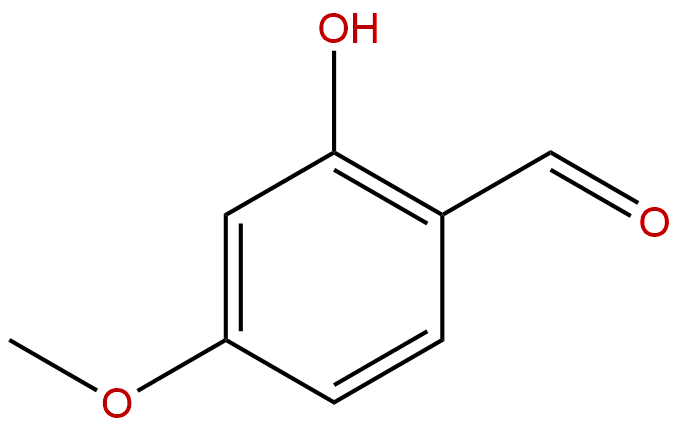
4-Methoxysalicylaldehyde, also known as 2-hydroxy-4-methoxybenzaldehyde, is a structurally simple phenolic natural product. It combines the ortho hydroxybenzaldehyde skeleton of salicylaldehyde with methoxy substitution, which gives it unique potential in chemical reactivity and biological activity. Early research focused on its use as an organic synthesis intermediate or flavoring ingredient. However, in recent years, its significant antifungal activity, especially its inhibitory effect on pathogenic fungi such as dermatophytes, has gradually attracted the attention of the pharmacology community. Its mechanism of action involves multiple key fungal survival targets, suggesting that it may exert antifungal effects through multiple pathways, providing new ideas for overcoming single target drug resistance.
This article aims to systematically review the chemical properties, natural sources, pharmacological activities, especially the mechanism of action and molecular targets of 4-methoxysalicylaldehyde against skin fungal infections, and provide a preliminary evaluation of its pharmacological properties. The development prospects of 4-methoxysalicylaldehyde as a lead compound for antifungal drugs are also discussed.
Chemical structure and physicochemical properties
The molecular formula of 4-methoxysalicylaldehyde is C8H8O3, and the CAS number is 673-22-3. The core of its structure is benzaldehyde, which has a hydroxyl group (- OH) at position 2 (ortho) of the benzene ring and a methoxy group (- OCH3) at position 4 (para). This ortho hydroxybenzaldehyde (salicylaldehyde) structure enables it to form intramolecular hydrogen bonds, while the electron donating effect of the methoxy group affects the electron cloud density and reactivity of the benzene ring.
The basic physicochemical properties and parameters related to drug formation are as follows:
- molecular weight:152.1490 g/mol, Belonging to small molecule compounds, it meets the basic requirements of the Rule of Five and has good membrane permeation potential.
- Lipid water partition coefficient (LogP)The calculated value is approximately 1.59. This value indicates that the compound has moderate lipophilicity, which can penetrate the lipid bilayer of fungal cell membranes while maintaining a certain degree of water solubility, which is beneficial for its distribution and absorption in organisms.
- Topological Polarity Surface Area (TPSA)46.53 Å ². This value is relatively low and mainly contributes to the oxygen atoms of aldehyde, hydroxyl, and methoxy groups. Lower TPSA is usually associated with good cell membrane permeability, which is consistent with its predicted "high" blood-brain barrier permeability.
- Water solubility The predicted value is approximately 2.23 mg/mL, belonging to the range of slightly soluble to soluble. This provides a foundation for the development of its formulations, such as topical solutions and creams.
- Preliminary Safety Prediction According to the existing calculation model, the risk of hERG inhibition is "no", indicating a low potential risk of arrhythmogenic cardiac toxicity. The predicted value of Ames test is 1.2 (usually threshold values such as>0.8 or>1.0 may indicate potential mutagenicity and require experimental verification), indicating the need for in-depth genetic toxicity experimental evaluation.
The phenolic hydroxyl group in this compound gives it a certain degree of acidity and antioxidant capacity, while the aldehyde group makes it prone to nucleophilic addition, condensation, and other reactions, which are closely related to its biological activity.
Plant sources and extraction methods
4-methoxysalicylaldehyde, as a secondary metabolite of plants, is widely present in various plants, especially in some traditional medicinal plants that have been identified.
1. Main plant sources:
* Asteraceae plants Various Artemisia plants, such as Artemisia argyi and Artemisia scoparia, often contain this ingredient in their volatile oils or ethanol extracts.
* Ginger family plants In the rhizomes of certain Curcuma or Alpinia plants.
* Magnoliaceae plants Like the fruit of Illicium verum.
* Other It has also been found in some mosses, lichens, and metabolites of microorganisms.
Its presence in plant bodies is often considered as one of the chemical defense substances for plants to resist pathogenic microorganisms (including fungi).
- Extraction and Separation Methods:
- Traditional extraction method Organic solvents such as methanol, ethanol, and ethyl acetate are commonly used for extraction, reflux, or ultrasound assisted extraction of plant materials. The crude extract was obtained by vacuum concentration.
- Separation and purification Crude extracts are usually separated by column chromatography, using silica gel as the stationary phase and gradient elution systems such as petroleum ether ethyl acetate or chloroform methanol for elution. Collect the fraction containing 4-methoxysalicylaldehyde through thin-layer chromatography (TLC) monitoring. Due to its aldehyde and phenolic hydroxyl groups, it can also be preliminarily enriched using its addition reaction characteristics with sodium bisulfite.
- appraisal The purified compound was structurally confirmed by nuclear magnetic resonance (NMR, including ¹ H and ¹ ³ C NMR), mass spectrometry (MS), infrared spectroscopy (IR), and melting point determination. High performance liquid chromatography (HPLC) can be used for content determination and purity analysis.
- modern technology Supercritical CO ₂ extraction technology can also be used to extract volatile and moderately polar components from plant materials, with the advantages of high efficiency and low solvent residue.
Pharmacological activity research
The pharmacological activity research of 4-methoxysalicylaldehyde is currently mainly focused on the field of antimicrobial activity, especially antifungal activity, with sporadic reports of other activities.
-
Antifungal activity (core activity):
Numerous in vitro studies have confirmed that 4-methoxysalicylaldehyde has significant inhibitory activity against the main pathogens causing skin fungal infections.
- Skin ringworm fungus The minimum inhibitory concentration (MIC) values for Trichophyton rubrum, Trichophyton mentagrophytes, Epidermophyton floccosum, and other fungi are usually in the range of tens of micrograms per milliliter (μ g/mL), and their activity is superior to or equivalent to some traditional antifungal drugs (such as clotrimazole). It has inhibitory effects on fungal hyphal growth and spore germination.
- Candida genus It also showed inhibitory activity against Candida albicans, C. glabrata, and other fungi, but the MIC value may be slightly higher than the activity against dermatophyton.
- Other fungi It also has a certain inhibitory effect on certain Aspergillus spp. and Cryptococcus neoformans.
-
Antibacterial activity:
It has a moderate inhibitory effect on some Gram positive bacteria (such as Staphylococcus aureus, Bacillus subtilis) and Gram negative bacteria (such as Escherichia coli, Pseudomonas aeruginosa), but its activity is usually weaker than its antifungal activity.
-
antioxidant activity:
Due to its phenolic hydroxyl structure, 4-methoxysalicylaldehyde has a certain ability to scavenge free radicals (such as DPPH radicals, ABTS ⁺ radicals) and reducing power. Although its individual antioxidant capacity may not be as strong as some polyphenolic compounds, it may play an auxiliary role in the antifungal process by reducing oxidative stress caused by fungal infections.
-
Other potential activities:
Preliminary studies suggest that it may have anti-inflammatory and tyrosinase inhibitory activities (related to pigmentation), but these studies are not yet in-depth and need further validation.
Mechanism of action and molecular targets
The antifungal effect of 4-methoxysalicylaldehyde is not achieved through a single pathway. Existing research suggests that it may disrupt the structural integrity and physiological functions of fungi through multi-target and multi pathway synergistic effects. Its mechanism of action mainly revolves around the following key targets:
-
Disrupting the structure and function of cell membranes:
- Interference with ergosterol biosynthesis Ergosterol is a key sterol component of fungal cell membranes, equivalent to cholesterol in mammalian cells. 4-methoxysalicylaldehyde has been predicted or preliminarily confirmed to potentially inhibit key enzymes in the ergosterol synthesis pathway, such as CYP51 (lanosterol 14 α - demethylase) and ERG6 (Δ ² ⁴ - sterol methyltransferase)Inhibition of these enzymes can lead to accumulation of toxic sterols and depletion of ergosterol, thereby increasing cell membrane fluidity and permeability, resulting in leakage of intracellular substances.
- Directly acting on the cell membrane Its moderate lipophilicity (LogP~1.59) allows it to insert into the lipid bilayer of fungal cell membranes, which may interfere with the ordered arrangement of membrane lipids and alter membrane fluidity. Some studies speculate that it may be related to Fungal cell membrane ergosterol synthase (ERG11 product is lanosterol, which is the substrate for subsequent steps) Or other sterol components on the membrane may interact with each other.
-
Inhibit cell wall synthesis:
The main components of fungal cell walls are chitin and β - glucan. Research has shown that 4-methoxysalicylaldehyde may affect Chitin synthase (such as CHS3) andβ-1, 3-glucan synthase (such as the catalytic subunit encoded by FKS1) The activity interferes with the synthesis and repair of the cell wall, leading to structural defects in the cell wall and easy cell lysis.
-
Inducing reactive oxygen species (ROS) burst and oxidative stress:
Compounds may interfere with fungal mitochondrial electron transport chains or inhibit antioxidant enzyme systems, leading to a sharp increase in intracellular ROS levels. Excessive ROS can attack proteins, lipids, and DNA, causing extensive oxidative damage and ultimately leading to cell apoptosis or necrosis.
-
Inhibiting virulence factors and adhesion:
For pathogenic fungi such as Candida, their virulence factors include Secretory Aspartate Proteases (SAPs) And adhesion proteins (such as ALS3)It is crucial for invading host organizations. 4-methoxysalicylaldehyde may weaken the invasive ability of fungi by inhibiting the expression or activity of these virulence factors.
-
Impact on efflux pumps and drug resistance:
One of the important mechanisms of fungal drug resistance is overexpression of efflux pump proteins (such as CDR1 The encoded ABC transporter protein pumps drugs out of the cell. Preliminary research suggests that 4-methoxysalicylaldehyde may have the potential to inhibit efflux pump function or be difficult to efflux itself, which helps it maintain activity in drug-resistant strains.
-
Other potential targets:
- Inhibit melanin synthesis By inhibiting Tyrosinase (TYR) Activity may interfere with the synthesis of protective melanin by certain fungi (such as Trichophyton rubrum), making them more susceptible to attacks from the host immune system and drugs.
- Interaction with Bacterial Lipopolysaccharide (LPS)Although it mainly targets fungi, its chemical structure may also interact with bacterial LPS, which may be part of its antibacterial activity.
In summary, 4-methoxysalicylaldehyde forms a multi pronged antifungal network by acting on multiple targets such as fungal cell membranes (CYP51, ERG6), cell walls (CHS3, FKS1), virulence factors (SAPs, ALS3), efflux pumps (CDR1), and antioxidant systems (inducing ROS), providing a unique molecular basis for overcoming the resistance problem of existing single target antifungal drugs.
Evaluation of drug properties and pharmacokinetics
Based on its physicochemical properties, preliminary activity, and safety prediction, a preliminary pharmacological evaluation of 4-methoxysalicylaldehyde was conducted.
-
drug-likeness:
Its molecular weight is small (152 Da), LogP is moderate (~1.59), TPSA is low (46.53 Å ²), and the number of hydrogen bond donors (1- OH) and acceptors (3 O atoms) conforms to the five rules of drug class, indicating that it has good oral or transdermal absorption potential. The predicted high blood-brain barrier permeability also suggests strong tissue permeability.
-
Pharmacokinetic (ADME) prediction:
- absorb Moderate lipid solubility and small molecule properties are beneficial for its absorption through passive diffusion through the gastrointestinal tract or skin.
- distribution Predict that it can be widely distributed to various tissues, including the possibility of penetrating the stratum corneum to reach the site of skin infection.
- Metabolism As phenolic compounds, their metabolic pathways may mainly include: 1) aldehyde groups are oxidized by aldehyde dehydrogenase (ALDH) or aldehyde oxidase (AOX) to the corresponding carboxylic acid (4-methoxysalicylic acid); 2) Phenolic hydroxyl glucuronic acid binding or sulfation binding; 3) O-demethylation reaction of methoxy group. These metabolic reactions may mainly occur in the liver.
- excretion Metabolites are mainly excreted through the kidneys and urine.
-
Preliminary Safety Assessment:
- acute toxicity Currently, there is a lack of systematic animal acute toxicity data. LD ₅₀ measurement is required.
- Genotoxicity The Ames test prediction value (1.2) suggests the need for experimental confirmation (such as Ames test, micronucleus test) to exclude potential mutagenic risks.
- cardiotoxicity The prediction of hERG inhibition risk as' no 'is a positive signal, but further experimental verification is needed.
- Localized irritation As a candidate external antifungal drug, skin irritation and allergy tests are required.
-
Considerations for formulation development:
Given its significant antifungal activity against skin fungi,The most direct and rapid transformation path is to develop it into topical preparations (such as cream, gel, tincture, spray)This can maximize its concentration at the site of infection while minimizing the potential risks associated with system exposure. Its certain water solubility is beneficial for preparing solutions. New delivery systems such as microspheres, liposomes, or nanoemulsions can also be considered to enhance their skin retention time, permeability, and stability.
Clinical application prospects and prospects
4-methoxysalicylaldehyde, as a naturally derived antifungal lead compound, has clear clinical application prospects, especially in the treatment of skin fungal infections.
-
Direct application prospects:
- New external antifungal drugs Can be used alone or in combination with existing antifungal drugs (such as azoles) to develop topical preparations for the treatment of tinea pedis, tinea pedis, tinea pedis, and onychomycosis (requiring the use of penetration enhancers). Its multi-target mechanism of action may be effective against drug-resistant strains.
- Medicinal cosmetics or functional toiletries: With its antifungal and mild antioxidant properties, it can be used to develop bath gel, shampoo, foot spray and other products to prevent beriberi and dandruff (related to Malassezia).
-
Structural optimization as a lead compound:
Its simple chemical structure provides convenience for systematic structure-activity relationship (SAR) studies and structural modifications. Optimization directions include:
- Enhance activity Modify aldehyde groups (such as converting to oxime, hydrazone, etc.), phenolic hydroxyl groups (etherification, esterification) or methoxy groups, or introduce other active groups to search for more active derivatives.
- Improve pharmacokinetics Improve its transdermal absorption or oral bioavailability through prodrug strategies such as esterified phenolic hydroxyl groups.
- Reduce potential toxicity By structural modification, further reduce the reactivity and related toxicity that aldehyde groups may cause.
-
Combination therapy strategy:
Given its multi-target nature, when used in combination with existing single target antifungal drugs such as fluconazole and terbinafine, it may produce synergistic or additive effects, reducing their respective dosages, minimizing side effects, and delaying or overcoming the development of drug resistance.
-
Challenges faced and future research directions:
- In depth study on the mechanism of action It is necessary to clarify its direct interaction and inhibition strength with the predicted targets (such as CYP51, FKS1) through molecular docking, enzyme activity inhibition experiments, gene knockout/overexpression strain validation, and other methods.
- Preclinical research of the system Complete standardized pharmacological (in vivo antifungal model, such as guinea pig skin ringworm infection model), pharmacokinetic (especially topical skin pharmacokinetics), and toxicological (acute, subchronic toxicity, genetic toxicity, reproductive toxicity, etc.) evaluations.
- Stability and formulation process Aldehyde groups may be unstable under light and air, and stabilization strategies in their formulations need to be studied.
- Expand the activity spectrum Explore its potential therapeutic value for other deep or systemic fungal infections, such as invasive candidiasis and aspergillosis.
Conclusion
4-methoxysalicylaldehyde, as a natural phenolic compound with a simple structure and wide sources, has become a promising lead molecule in the field of antifungal drug development due to its excellent in vitro antifungal activity and unique multi-target mechanism of action. Its mechanism of action involves disrupting the synthesis of ergosterol on fungal cell membranes, inhibiting cell wall construction, interfering with virulence factors, and possibly inhibiting efflux pumps, providing new ideas for addressing the increasingly severe problem of fungal drug resistance. Preliminary analysis of pharmacological parameters shows that it has good drug like properties and potential for development as a topical preparation.
However, pushing it from a lead compound to clinical applications still requires a lot of solid research work, including precise elucidation of its primary target and signaling pathways through modern biological techniques; Conduct in vivo efficacy, pharmacokinetics, and safety evaluations of the system; And optimize the structure through rational medicinal chemical methods to balance its activity, stability, and safety. With the in-depth exploration of these scientific issues, 4-methoxysalicylaldehyde and its derivatives are expected to develop into a new, efficient, and multi-target antifungal drug in the future, providing better treatment options for patients with skin fungal infections worldwide.