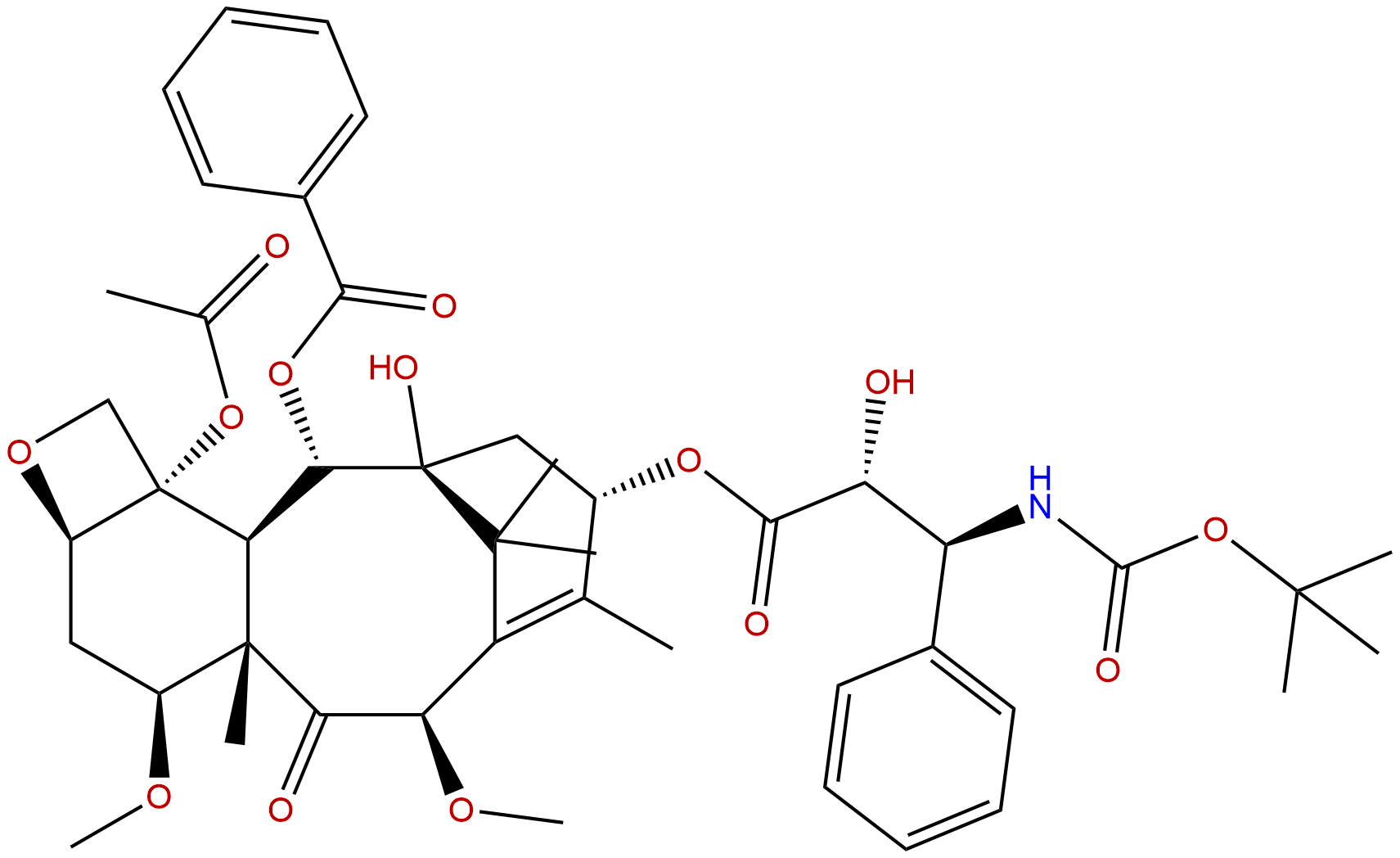
Kabatasai: An Anti Cancer Weapon Derived from Taxus chinensis - A Scientific Journey from Natural Products to Modern Medicines
1. Overview
Cabazitaxel, CAS number 183133-96-2, is a semi synthetic natural product derivative with significant anti-tumor activity. It belongs to the family of taxane compounds, and its parent nucleus structure is derived from the naturally occurring 10 deacetylbaccatin III, a tetracyclic diterpenoid compound isolated from Taxus plants. The research and development background of Kabatase is in line with that of Paclitaxel and Docetaxel, both aimed at addressing the increasingly severe issue of multidrug resistance in cancer treatment. As a microtubule stabilizer type anti-tumor drug, the unique feature of Kabataside lies in its chemical modification, which enables it to overcome multidrug resistance mediated by P-glycoprotein. This characteristic has shown breakthrough therapeutic effects in the treatment of prostate cancer that has developed resistance to traditional taxane drugs. In 2010, cabozantine was approved by the US Food and Drug Administration (FDA) to be used in combination with prednisone for the treatment of metastatic castration resistant prostate cancer (mCRPC) patients who had previously failed treatment with docetaxel containing regimens, marking an important milestone in the field of prostate cancer treatment. Its product code BP3646 is also commonly found in the catalog of research compounds, providing global researchers with in-depth pharmacological and mechanistic exploration.
2. Chemical structure and physicochemical properties
The molecular formula of Kabatasai is C45H57NO14, with a molecular weight of up to 835.9440 g/mol, making it a structurally complex macromolecule. The SMILES string accurately describes its stereochemical structure:CO[C@H]1C(=O)[C@]2(C)[C@@H](OC)C[C@H]3OC[C@@]3(OC(C)=O)[C@H]2[C@H](OC(=O)c2ccccc2)[C@]2(O)C[C@H](OC(=O)[C@H](O)[C@@H](NC(=O)OC(C)(C)C)c3ccccc3)C(C)=C1C2(C)CStructurally, it is introduced with methoxy groups (- OCH3) at positions C-7 and C-10 on the skeleton of 10 deacetylbaccatin III, and a complex O - (2R, 3S) -3- [(tert butoxycarbonyl) amino] -2-hydroxy-3-phenylpropionyl group is connected to the key C-13 side chain. These modifications, especially the methoxylation at C-7 and C-10 positions, are key to endowing it with the ability to overcome multidrug resistance.
From the analysis of drug parameters, its molecular weight (MW: 835.944) far exceeds the Lipinski five rule recommendation of "less than 500", indicating that its oral bioavailability may be low, and intravenous administration is indeed used in clinical practice. The logarithm of its lipid water partition coefficient (LogP: 3.8953, LogD: 3.8946) indicates that the compound has good lipophilicity, which is beneficial for its penetration of cell membranes and binding to intracellular target microtubule proteins, but may also lead to poor water solubility (water_stolubility: 0.0034 mg/mL). Its topologically polar surface area (TPSA: 202.45 Å ²) is relatively large, reflecting the presence of multiple hydrogen bond acceptors and donors (such as hydroxyl, carbonyl, carbamate, etc.) in the molecule, which further confirms the challenge of passive diffusion across membranes. The permeability (2.2834 × 10 ⁻⁶ cm/s) and effective permeability (Peff: 0.8929) data of Caco-2 cells are at a moderately low level, consistent with their high molecular weight and lipophilicity. The high plasma protein binding rate (PPB: 87.09%) means that most drugs in the blood bind to proteins, which may affect their free drug concentration and distribution volume. The blood-brain barrier (BBB) has low penetration, which may actually reduce the risk of central neurotoxicity for the main treatment of peripheral tumors such as prostate cancer.
3. Plant sources and traditional applications
The origin of Kabatasai can be traced back to ancient plants of the genus Taxus. Its direct precursor 10 deacetylated karting III is mainly derived from Taxus chinensis This is an evergreen tree belonging to the Taxaceae family, widely distributed in China. The medicinal history of Taxus chinensis has a long history. In traditional Chinese medicine, its bark, branches and leaves have been used to treat various diseases. However, the deep exploration of Taxus chinensis by modern pharmacology began with the large-scale plant screening program of the National Cancer Institute (NCI) in the 1960s, which ultimately isolated the epoch-making paclitaxel from the bark of Taxus brevifolia.
Due to the extremely low content of paclitaxel (about 0.01%) in the bark of Taxus chinensis, and the slow growth of Taxus chinensis, early extraction methods have put enormous pressure on the ecological environment. In order to solve the problem of drug sources, scientists have turned to studying more abundant precursors of taxanes. The needles of Taxus baccata in Europe are rich in 10 deacetylated Bacardin III, which provides a sustainable raw material basis for the industrial production of semi synthetic taxane drugs such as docetaxel and cabataside. Through chemical semi synthesis, starting from 10 deacetylated karting III, specific side chains were introduced and structural modifications were carried out. Scientists successfully "biomimetic" and optimized the activity of natural products, creating the new generation of drug Kabataside. Therefore, the birth of Kabatasa is a perfect combination of traditional medicinal plant wisdom and modern synthetic chemistry and drug design, which not only continues the structural essence of natural products, but also achieves a leap in performance through artificial modification.
4. Pharmacological activity and mechanism of action
The core pharmacological effect of Kabatasis is to act as Microtubule stabilizer and Antitumor agents Its mechanism of action is similar to paclitaxel, but it has unique advantages.
Main mechanism of action:
Kabatasis binds with high affinity to the N-terminal amino acid residues 217-231 of β - tubulin, promoting the heterodimer polymerization of tubulin into stable microtubules and abnormally stabilizing the formed microtubules, inhibiting their normal dynamic depolymerization process. This' stability 'actually disrupts the normal dynamic equilibrium of the microtubule network. During the mitotic phase of cells, microtubules in the spindle cannot recombine and shorten normally, leading to the inability of chromosomes to separate properly. The cell cycle is arrested in the G2/M phase, ultimately inducing tumor cell death by activating apoptotic signaling pathways such as the caspase cascade reaction. In addition, microtubule stabilization can interfere with intracellular material transport, organelle localization, and cell morphology maintenance, collectively inhibiting the proliferation and survival of tumor cells.
Overcoming multidrug resistance (MDR):
The methoxy substitution at positions C-7 and C-10 in the structure of Kabatasis is the key difference between it and paclitaxel and docetaxel. Many tumor cells develop resistance to paclitaxel, and one important mechanism is overexpression of P-glycoprotein (P-gp, an ATP binding cassette transporter). P-gp can actively pump drugs out of the cell and reduce intracellular drug concentration. The methoxy modification of Kabataside makes it a weak substrate for P-gp, allowing it to accumulate more effectively in drug-resistant tumor cells overexpressing P-gp and exert cytotoxic effects. This is one of the core mechanisms by which it can effectively treat metastatic castration resistant prostate cancer (mCRPC) even after failed treatment with docetaxel.
Correlation analysis between targets and related diseases:
The target information provided by the database (AR, PTEN, MYC, NKX3-1, CDKN1B) is not the direct molecular target of cabozantine (the direct target is microtubule protein), but rather a key signaling pathway node or biomarker affected by its upstream action (microtubule inhibition) or accompanying treatment response in the context of prostate cancer treatment. These targets collectively outline the complex pathological network of prostate cancer, particularly castration resistant prostate cancer (CRPC):
- AR (androgen receptor)It is the core driving factor for the occurrence and development of prostate cancer. Even after castration treatment, the AR signaling pathway can still be reactivated through various mechanisms such as AR amplification, mutation, splicing variant AR-V7, leading to CRPC. Chemotherapy drugs such as cabataside can indirectly inhibit cell populations with active AR signaling pathways by directly killing tumor cells.
- PTEN (phosphatase and tensin homolog)It is an important tumor suppressor gene. PTEN deficiency or inactivation is common in prostate cancer, leading to excessive activation of the PI3K/AKT/mTOR signaling pathway, promoting cell survival, proliferation, and metabolism, and is associated with poor prognosis. The efficacy of Kabatasis may be related to PTEN status to some extent.
- MYC (oncogene)It is a transcription factor that regulates various processes such as cell cycle, metabolism, and apoptosis. MYC overexpression is closely related to the progression and invasiveness of prostate cancer. Chemotherapy induced cell cycle arrest and apoptosis can inhibit the carcinogenic function of MYC.
- NKX3-1 (Prostate Specific Homobox Gene)It is a prostate specific tumor suppressor gene that plays a crucial role in maintaining the differentiation of prostate epithelial cells. Its expression deficiency is seen in the early stage of prostate cancer.
- CDKN1B(p27/Kip1)It is a cyclin dependent kinase inhibitor that negatively regulates the G1 phase progression of the cell cycle. Its downregulation or abnormal localization is associated with the progression and poor prognosis of prostate cancer.
Kabatasis disrupts the microtubule system, triggering widespread cellular stress and apoptosis, which can affect multiple signaling nodes mentioned above, thus enabling complex prostate cancer Play a therapeutic role in the disease network. Its clinical efficacy has confirmed that targeting the cytoskeleton, a fundamental life process, can effectively combat malignant tumors driven by multiple genetic variations.
5. Evaluation of drug properties
Based on the provided pharmacological parameters and classic rules of medicinal chemistry, a systematic evaluation of the pharmacological properties of Kabataside can be conducted
Lipinski's Rule of Five analysis:
This is an empirical rule for evaluating the oral absorption potential of small molecule drugs. Kabatasai clearly violates multiple of them:
1. Molecular weight (MW)>500 (actual 835.94):violate。
2. LogP>5 (actual 3.90):Comply with。
3. The number of hydrogen bond donors (HBDs) is greater than 5 (approximately 4-5 depending on the structure):Critical or compliant。
4. The number of hydrogen bond acceptors (HBAs) is greater than 10 (depending on the structure, the total number of oxygen and nitrogen atoms far exceeds 10):violate。
Due to its high molecular weight and numerous hydrogen bond receptors, Kabataside does not comply with the "five rules of drug class", which is completely consistent with its clinical administration route (intravenous injection), indicating extremely poor oral bioavailability.
Interpretation of other key parameters:
- Solubility and permeability The extremely low water solubility (0.0034 mg/mL) is the main challenge for its formulation. In clinical practice, special solvents (such as polysorbate 80 and ethanol) need to be used for solubilization and formulated as injections. Its Caco-2 permeability is still acceptable, thanks to the appropriate LogP value, which enables it to effectively distribute and enter tumor cells after overcoming formulation barriers and entering circulation.
- Distribution and Metabolism A high plasma protein binding rate (87%) indicates limited distribution volume and low free drug concentration, but may contribute to enhanced permeability and retention (EPR) effects or active targeted accumulation in tumor tissue. Its metabolism is mainly carried out through the liver CYP3A4 enzyme, so the dosage should be carefully adjusted when combined with strong CYP3A4 inhibitors or inducers.
- Safety (toxicity)Key toxicity data suggests that the Ames test (0.0) and chromosome aberration test (none) results are negative, indicating no direct genetic toxicity. The absence of hERG potassium channel inhibition reduces the risk of cardiac toxicity associated with apical torsion type ventricular tachycardia. No skin sensitization, respiratory sensitization, or phototoxicity. However, its serological markers suggest that it may cause liver injury (Ser_SST/ALT elevation), which is consistent with the clinically observed side effects of elevated liver enzymes. Bone marrow suppression (neutropenia) is its most severe and common dose limiting toxicity.
comprehensive evaluation:
Kabatasis is a typical drug molecule that goes beyond the rule of five (bRo5). It sacrifices the convenience of oral administration and bypasses absorption barriers through intravenous injection, successfully addressing unmet clinical needs (mCRPC treatment) with its unique and potent mechanism of action and ability to overcome drug resistance. The enlightenment of its pharmacological evaluation is that for anti-cancer drugs, especially those used to treat life-threatening diseases, efficacy and safety are the primary considerations. Even if their physical and chemical properties do not meet the "gold standard" of traditional oral drugs, as long as they can achieve treatment goals through appropriate administration routes and manage related toxicity (such as bone marrow suppression and liver injury), they have extremely high pharmacological value.
6. Research Status and Application Prospects
Since its approval in 2010, cabataside has become one of the standard second-line treatments for metastatic castration resistant prostate cancer (mCRPC). The current research mainly focuses on the following aspects:
- Optimize clinical medication strategies Explore the optimal dosage, dosing cycle (such as weekly versus three week regimen), and strategies for preventing and managing dose limiting toxicity (especially neutropenia) of Kabatasis, such as prophylactic use of granulocyte colony-stimulating factor (G-CSF).
- Exploration of Combination Therapy We are actively conducting clinical trials on the combination of Kabataside with other mechanism of action drugs, such as:
- Combined with new endocrine therapy drugs such as abiraterone and enzalutamide, in order to achieve more potent cell killing and signaling pathway inhibition in earlier stages of the disease.
- Combined with immune checkpoint inhibitors (such as PD-1/PD-L1 inhibitors), chemotherapy may induce immunogenic cell death, enhance tumor immunogenicity, and have a synergistic effect with immunotherapy.
- Used in combination with drugs targeting DNA repair pathways (such as PARP inhibitors) to treat prostate cancer patients with homologous recombination repair defects (such as BRCA mutations).
- Expand indications: To study the efficacy of cabataxel in other taxane sensitive or drug-resistant solid tumors, such as breast cancer, ovarian cancer, non-small cell lung cancer, pancreatic cancer, especially those with P-gp mediated drug resistance.
- Research and development of new formulations In order to improve its water solubility and reduce solvent related toxicity (such as allergic reactions), researchers are developing a novel delivery system for Kabatasis, including albumin bound nanoparticles, polymer micelles, liposomes, etc. These new formulations aim to improve drug targeting, reduce systemic toxicity, and potentially allow for more convenient administration methods.
- Biomarker research In depth exploration of biomarkers that can predict the efficacy or toxicity of cabozantine, such as AR-V7 status, PTEN deficiency, DNA damage repair gene mutations, etc., to achieve more precise personalized treatment.
Application Prospects:
Kabatasai represents a paradigm of successful transformation from natural products to modern anti-cancer drugs. Its future prospects lie not only in consolidating and expanding its position in mCRPC treatment, but also in serving as an effective weapon to overcome multidrug resistance, forming a "combination punch" with other therapies (targeted, immune), bringing hope to more advanced cancer patients. At the same time, further optimization of its structure and the application of new formulation technologies are expected to give birth to a new generation of derivatives with better efficacy and lower toxicity. The development story of Kabatasai continues to prove that deep exploration and rational transformation of natural products remain an inexhaustible source for discovering innovative therapies for major diseases.