Introduction/Overview
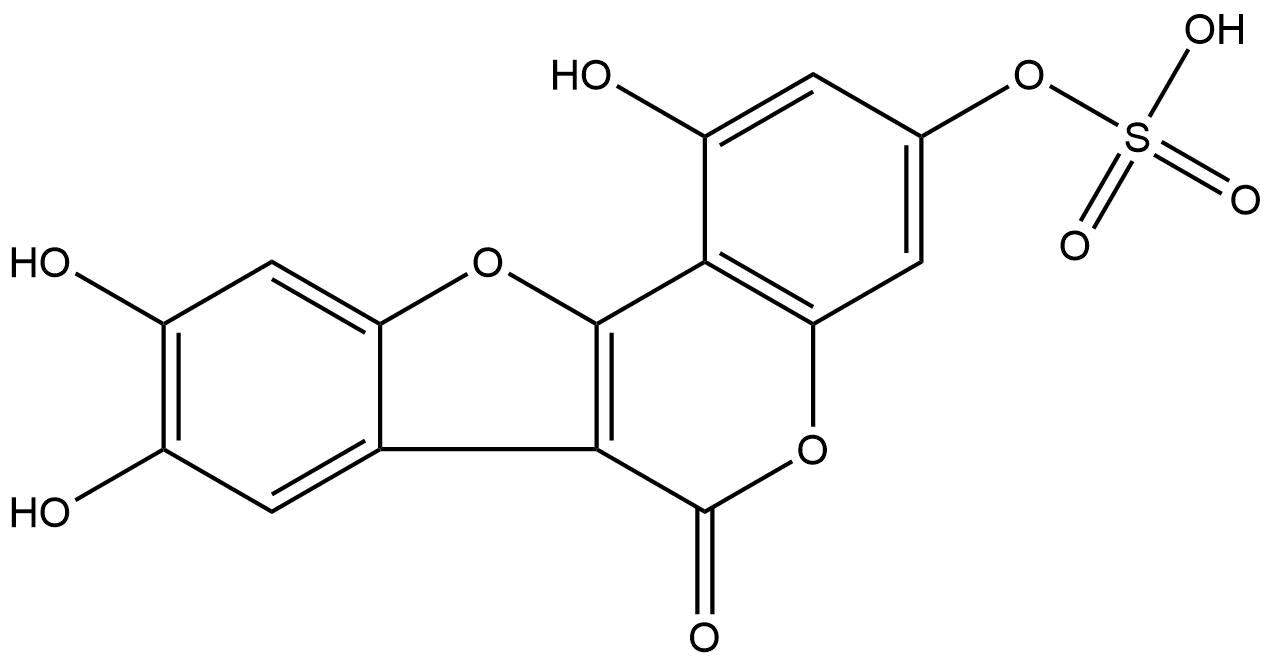
Demethylwedelolactone sulfate is a natural product of coumarins isolated from the traditional Chinese medicine plant Eclipta prostrata L. As one of the important active ingredients in Scutellaria baicalensis, demethylated Scutellaria baicalensis lactone-7-sulfate has received widespread attention in the field of natural product pharmacology in recent years due to its unique chemical structure and diverse biological activities. Especially in tumor biology, especially in the treatment of breast cancer, this compound shows significant pharmacological potential.
Breast cancer, as one of the most common malignant tumors for women in the world, has high heterogeneity and complex molecular mechanisms. Although traditional treatment methods such as surgery, radiotherapy, chemotherapy, and endocrine therapy have achieved certain therapeutic effects, they still face challenges such as drug resistance, toxic side effects, and recurrence and metastasis. Therefore, the development of anti breast cancer drugs with novel mechanisms and low toxicity has become the current research focus. Norfenapyr lactone-7-sulfate exhibits potential anti-tumor activity by regulating multiple key molecular targets, particularly in regulating the AMPK signaling pathway, inhibiting STAT3 activity, and affecting tumor cell apoptosis related proteins.
This article will systematically review the chemical structure and physicochemical properties, plant origin and extraction process, pharmacological activity and mechanism of action of wedeliferol-7-sulfate, and discuss its potential application value and future development direction in the treatment of breast cancer in combination with its pharmaceutical parameters and pharmacokinetic characteristics, in order to provide theoretical support and research reference for the development of natural product anticancer drugs.
Chemical structure and physicochemical properties
Norfuranoline-7-sulfate belongs to the coumarin class of compounds, and its basic skeleton is coumarin (1,2-benzopyran-2-one), which forms a sulfate structure at the 7th hydroxyl group on the basis of the Norfuranolide molecule. The introduction of this structure significantly affects the polarity and water solubility of the molecule, thereby affecting its biological activity and pharmacokinetic properties.
- Molecular formula:C17H18O10S
- molecular weight:380.2860
- LogP 1.1891 (indicating moderate fat solubility)
- Topological Polar Surface Area (TPSA)167.64 Å ² (higher polar surface area, indicating stronger hydrophilicity)
- Water solubility 0.0940 mg/mL (lower water solubility, but improved compared to general coumarin compounds)
- Blood-brain barrier permeability Low, indicating difficulty in penetrating the central nervous system barrier
- HERG channel inhibition No significant inhibitory effect, indicating a low risk of cardiac toxicity
- Ames mutagenicity test 0.6, indicating low risk of mutagenicity
Structurally, the introduction of sulfate ester groups not only increases the hydrophilicity of the molecule, but may also enhance its binding affinity with target proteins through electrostatic and hydrogen bonding interactions. In addition, the core structure of coumarin endows it with the biological activity basis of antioxidant, anti-inflammatory, and anti-tumor.
Plant sources and extraction methods
The main source of desmopyrolactone-7-sulfate is the Asteraceae plant Eclipta prolata L., which is widely distributed in tropical and subtropical regions of Asia, Africa, and the Americas. Scutellaria baicalensis is widely used in traditional Chinese medicine to treat liver disease, inflammation, and skin diseases. Its chemical composition is rich, including various coumarins, flavonoids, triterpenoids, and polysaccharides.
The extraction of pyrethroid lactone-7-sulfate is usually carried out using the following steps:
- Ingredient Preparation Collect fresh or dry whole grass of Scutellaria baicalensis, crush and set aside.
- Solvent extraction Methanol or ethanol aqueous solution (70% -95%) is commonly used for reflux extraction to improve the dissolution rate of polar components.
- Crude extract concentration Concentrate the extract under reduced pressure to obtain a concentrated extract.
- Separation and purification Separation and purification of target compounds using liquid-liquid partitioning, column chromatography (such as silica gel column, C18 reverse phase column), and high-performance liquid chromatography (HPLC) techniques.
- Structural Identification Confirm the structure of the compound through methods such as mass spectrometry (MS), nuclear magnetic resonance (NMR), and infrared spectroscopy (IR).
In recent years, with the advancement of separation technology, ultrasound assisted extraction, microwave-assisted extraction, and high-performance liquid chromatography-mass spectrometry techniques have been introduced, which have improved the extraction efficiency and purity of desmopyrolactone-7-sulfate, providing a stable material basis for its pharmacological research.
Pharmacological activity research
The pharmacological activity of wedeliferol-7-sulfate is mainly focused on its anti-tumor effect, especially its inhibitory effect on breast cancer cells. Multiple in vitro and in vivo studies have shown that this compound has significant anti proliferative, pro apoptotic, and anti metastatic activities.
-
Anti breast cancer cell proliferation
In vitro cell experiments showed that wedelide 7-sulfate could significantly inhibit the proliferation of many breast cancer cell lines (such as MCF-7, MDA-MB-231) in a dose-dependent manner. Its mechanism of action involves cell cycle arrest, mainly in the G1 phase, which inhibits the expression of cyclin D1.
-
Inducing cell apoptosis
This compound can activate the endogenous apoptotic pathway, regulate the expression of BCL2 family proteins, reduce the level of anti apoptotic protein BCL2, promote the release of apoptotic protein BAX, activate caspase-3, and induce programmed cell death in tumor cells.
-
Inhibit tumor metastasis and invasion
Deoxystrobin-7-sulfate can downregulate the expression of matrix metalloproteinase 2 (MMP2), inhibit the migration and invasion ability of tumor cells, and reduce the risk of tumor metastasis.
-
Anti multidrug resistance
The study found that this compound has inhibitory effect on ABCB1 and ABCG2, the common drug efflux pumps in breast cancer cells, which helps overcome the drug resistance of chemotherapy drugs and improve the drug efficacy.
-
Anti inflammatory and antioxidant effects
As a derivative of coumarin, desmopyrolactone-7-sulfate also exhibits certain anti-inflammatory and antioxidant activities, which help improve the tumor microenvironment and inhibit tumor associated inflammatory responses.
Mechanism of action and molecular targets
The anti breast cancer effect of wedeliferol-7-sulfate involves multiple signal pathways and key molecular targets, which reflects its pharmacological characteristics of multiple targets and mechanisms.
-
AMPK (PRKAA1) activation
AMP activated protein kinase (AMPK) is a key regulatory factor in cellular energy metabolism, and its activation can inhibit metabolic reprogramming and proliferation of tumor cells. Deoxystrobin-7-sulfate can activate AMPK, promote cellular energy homeostasis regulation, inhibit mTOR signaling pathway, and block tumor cell growth.
-
STAT3 signaling pathway inhibition
Signal transducer and activator of transcription factor 3 (STAT3) plays a crucial role in tumor cell proliferation, survival, and immune escape. This compound reduces the transcriptional activity of STAT3 by inhibiting its phosphorylation and nuclear translocation, thereby suppressing the expression of tumor related genes and promoting cell apoptosis.
-
Regulating estrogen receptor beta (ESR2)
ESR2, as an important nuclear receptor in breast cancer, regulates the proliferation and differentiation of tumor cells. Norfenapyr lactone-7-sulfate can regulate ESR2 expression and affect hormone dependent tumor growth.
-
Inhibit drug efflux pumps ABCB1 and ABCG2
This compound can inhibit the ABC transporter associated with multidrug resistance, increase intracellular drug concentration, reverse drug resistance phenotype, and enhance sensitivity to chemotherapy drugs.
-
Regulating protein kinase C alpha (PRKCA) and microtubule associated protein tau (MAPT)
By affecting PRKCA and MAPT signals, demethylated pyrethroid lactone-7-sulfate regulates the dynamics and balance of the cytoskeleton, inhibiting cell migration and invasion.
-
Inhibition of matrix metalloproteinase 2 (MMP2) expression
Reduce the degradation of matrix by tumor cells and inhibit the process of tumor metastasis.
-
Regulating lymphocyte kinase (LCK)
LCK plays an important role in immune cell signaling, and demethylated pyrethroid lactone-7-sulfate may affect the tumor immune microenvironment and enhance anti-tumor immune response by regulating LCK.
To sum up, wedelide 7-sulfate can interfere with key processes such as metabolism, proliferation, apoptosis and metastasis of tumor cells through multi target synergistic action, showing good potential for anti breast cancer.
Evaluation of drug properties and pharmacokinetics
The pharmacological evaluation of desmopyrolactone-7-sulfate based on its physicochemical properties, toxicological data, and pharmacokinetic characteristics shows promising potential for drug development.
- Physicochemical properties Moderate molecular weight (380.29 Da) and LogP (1.19) comply with Lipinski's rule, which is beneficial for oral absorption. A higher TPSA (167.64 Å ²) suggests a higher polarity, which may affect membrane permeability, but moderate water solubility (0.094 mg/mL) contributes to improved bioavailability.
- Blood-brain barrier permeability Low, reducing the risk of central nervous system toxicity, suitable for the treatment of non central target diseases.
- Cardiac toxicity risk No hERG channel inhibition, reducing the risk of arrhythmia.
- Genotoxicity The Ames test results showed low mutagenicity and high safety.
- pharmacokinetics At present, there is limited research on the in vivo pharmacokinetics of this compound, and it is speculated that its sulfate ester group may affect metabolic stability and excretion mode. In the future, further research is needed on its absorption, distribution, metabolism, and excretion (ADME) characteristics.
In addition, there is great potential for chemical modification of desmopyrolactone-7-sulfate, which can improve its membrane permeability and metabolic stability, enhance drug efficacy and bioavailability through structural optimization.
Clinical application prospects and prospects
Although wedelide 7-sulfate showed good anti breast cancer activity in vitro and in some vivo models, its clinical application is still in its early stage. Future research priorities should include:
-
Pharmacokinetic and toxicological studies of the system
Clarify its metabolic pathways, half-life, and potential toxicity in vivo, providing a basis for preclinical safety evaluation.
-
Drug formulation development
Improving its bioavailability and targeting through nanocarriers, liposomes, or other drug delivery systems to enhance therapeutic efficacy.
-
Combination therapy strategy
Explore synergistic effects with existing chemotherapy drugs, targeted drugs, or immunotherapy to overcome drug resistance and improve treatment response rates.
-
Preclinical animal model validation
The antitumor activity and safety of breast cancer xenotransplantation and transgenic animal models were systematically evaluated.
-
In depth analysis of molecular mechanisms
By utilizing modern technologies such as genomics and proteomics, we can further reveal its functional network and potential targets, and guide precision medication.
-
Expansion of indications for multiple diseases
Due to its anti-inflammatory, antioxidant, and immunomodulatory properties, the potential application of demethylated pyrethroid lactone-7-sulfate in other tumors and chronic inflammatory diseases is also worth paying attention to.
In conclusion, as a multi target anti breast cancer natural product, wedelide 7-sulfate has good prospects for drug development. Through continuous basic and translational research, it is expected to become an important candidate for novel anti-tumor drugs.
Conclusion
As an important coumarin component in wedelia chinensis, norwedelide 7-sulfate, with its unique chemical structure and significant anti breast cancer activity, shows great potential for pharmacological research of natural products. Its multi-target mechanism of action covers energy metabolism regulation, signal transduction inhibition, apoptosis induction, drug resistance reversal and other aspects, providing new ideas and strategies for comprehensive treatment of breast cancer.
Although its clinical application is still in the initial stage, with the progress of extraction and purification technology and the deepening of molecular mechanism research, wedelide demethyl-7-sulfate is expected to overcome the limitations of existing drugs and become a potential new drug in the field of breast cancer resistance through structural optimization and drug preparation improvement.
In the future, with the combination of modern drug research and development technology and interdisciplinary research, the development and application prospects of desmopyrolactone-7-sulfate ester are broad, and it is worth the continuous attention and investment of researchers and drug developers.