Introduction/Overview
Myocarditis is a inflammatory disease caused by various factors such as infection, autoimmunity, or toxins. Its pathological process is complex, involving a large number of inflammatory cell infiltration, myocardial cell damage and necrosis, which may ultimately lead to heart failure, arrhythmia, and even sudden cardiac death. Although modern medicine has made some progress in antiviral, immunosuppressive, and supportive treatments, specific therapeutic drugs targeting the core pathological process of myocarditis - excessive inflammatory response - are still relatively scarce, and long-term use of immunosuppressants such as glucocorticoids often accompanies significant side effects. Therefore, exploring lead compounds with clear anti-inflammatory activity from natural products has become one of the important directions for new drug development.
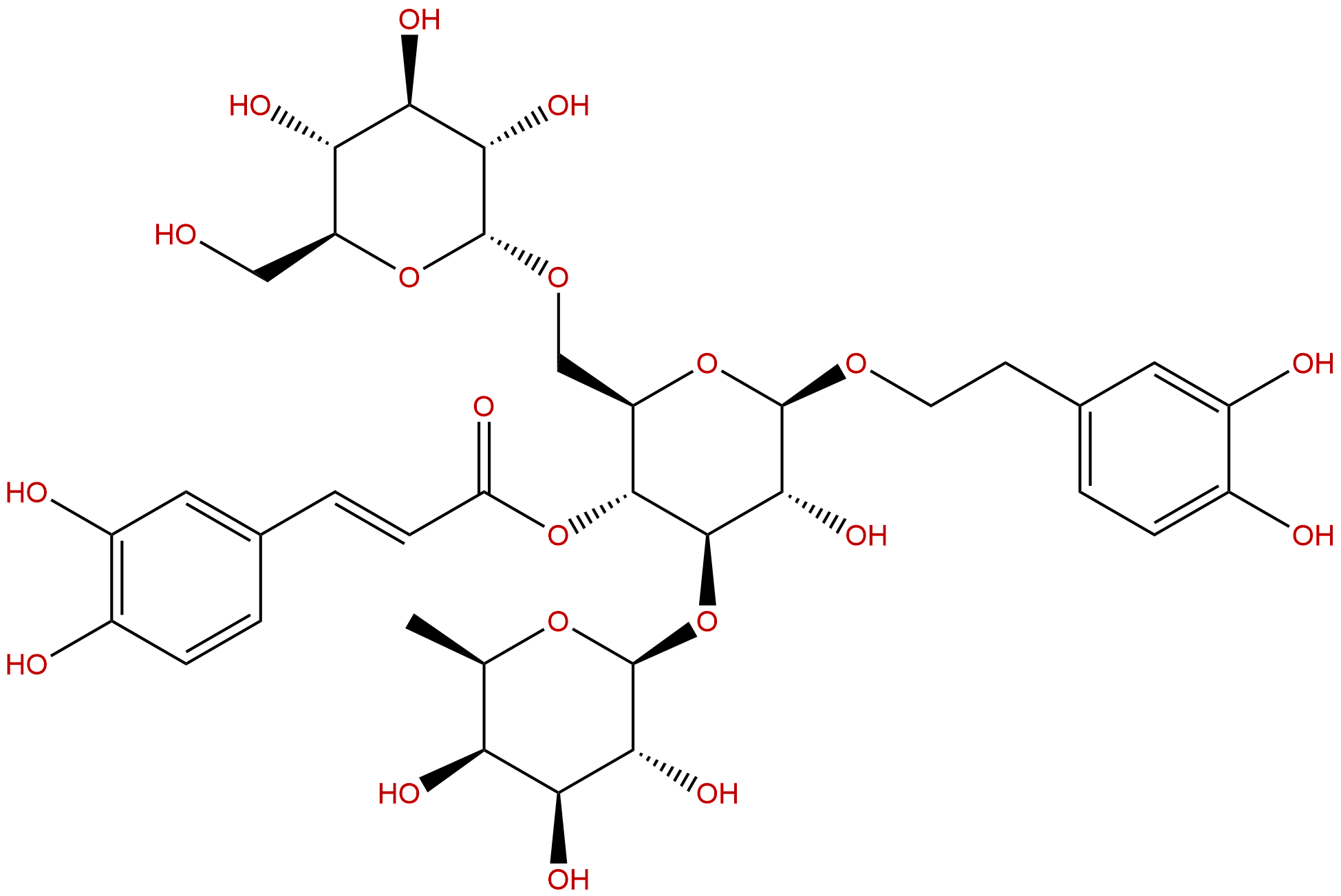
Purpuraside C (CAS number: 108648-07-3) is a phenolic glycoside compound isolated from traditional medicinal plants. In recent years, pharmacological research has revealed that it has a "significant pro-inflammatory effect", which is often considered an adverse effect in traditional cognition, but has unique value in specific pathological contexts, such as situations where immune responses need to be activated or as a tool molecule for studying inflammatory pathways. However, further research has found that such compounds may also exhibit complex immunomodulatory activities and even indirect anti-inflammatory potential by regulating dosage, microenvironment, or structural modifications. This article aims to systematically review the chemical properties, plant sources, pharmacological activities of digitalis glycoside C, especially its interactions with myocarditis related targets such as TNF, PTGS2, NF - κ B, IL-6, IL-1 β, and objectively evaluate and prospect its pharmacological properties and clinical application prospects.
Chemical structure and physicochemical properties
The chemical structure of digitalis glycoside C belongs to phenolic glycosides. Its molecular formula is C ∝₄ H ₄₂ O ₂ ₀, and its molecular weight is 786.7330 Da. The core structure of this compound is usually composed of one or more phenolic glycosides (such as phenylethanolic glycosides or similar polyphenol structures) connected to the sugar moiety through glycosidic bonds. The sugar moiety often contains glucose, rhamnose, etc., and the introduction of these hydrophilic sugar moieties significantly affects their physicochemical properties.
From the analysis of parameters related to drug properties, purple digoxin C exhibits typical polar molecular characteristics. The calculated lipid water partition coefficient (LogP) is -0.6710, indicating that the compound has strong hydrophilicity and tends to be distributed in the aqueous phase. The topologically polar surface area (TPSA) is as high as 324.4400 Å ², mainly attributed to the numerous hydroxyl groups, oxygen atoms on the sugar ring, and possible carboxyl groups in the molecule. High TPSA is a key factor limiting its passive transmembrane diffusion. Consistent with this, its theoretical water solubility value is 9.4127 (usually measured in mg/mL or log mol/L, indicating good water solubility). These properties collectively determine the distribution characteristics of digitalis glycoside C in organisms: it is difficult to penetrate the blood-brain barrier (predicted as low permeability), which reduces its potential risk of central neurotoxicity; Meanwhile, its high water solubility and polarity facilitate its distribution in the systemic circulation, but may limit its cell membrane permeability.
In terms of early safety indicators, existing data suggest that digitalis glycosides C did not exhibit significant hERG potassium channel inhibitory activity (predicted as' no '), indicating a lower risk of inducing QT interval prolongation and apical torsion type ventricular tachycardia in the heart. In addition, the Ames test predicted a value of 0.0, indicating no mutagenic signal in the preliminary assessment and a relatively good genotoxicity safety profile. These physicochemical and preliminary safety properties lay the foundation for further pharmacological research.
Plant sources and extraction methods
Purple Rehmannia glycoside C mainly comes from plants in the Scrophulariaceae family, particularly fresh or processed products of Rehmannia glutinosa. Dihuang is a classic Chinese medicine with the effects of clearing heat, cooling blood, nourishing yin, and generating fluids. It is commonly used to treat diseases such as fever causing damage to yin, rash, yin deficiency, and internal heat. Purple Rehmannia glycoside C is an important member of its active ingredient group, often coexisting with other iridoid glycosides and phenolic glycosides.
The extraction of digitalis glycosides C from plant materials usually involves solvent extraction combined with modern chromatographic separation techniques. The standard procedure is as follows:
1. Extract Crush the dried roots and stems of Rehmannia glutinosa, and first use low polarity solvents such as petroleum ether or ethyl acetate for degreasing treatment to remove impurities such as chlorophyll and oil. Subsequently, a solvent system with medium to high polarity is used for the main extraction, commonly using different concentrations of methanol or ethanol aqueous solutions (such as 70% -80% ethanol). The extraction methods can include hot reflux extraction, ultrasound assisted extraction, or microwave-assisted extraction to improve extraction efficiency and shorten time.
2. Enrichment and Separation After the crude extract is concentrated under reduced pressure, it is usually initially enriched by macroporous adsorption resin (such as D101, AB-8 type) column chromatography, followed by gradient elution with water and different concentrations of ethanol. Purple Rehmannia glycoside C is mostly concentrated in the 30% -70% ethanol elution site. Subsequently, silica gel column chromatography, reverse phase silica gel column chromatography (such as ODS-C18), dextran gel column chromatography (such as Sephadex LH-20) and high performance liquid chromatography (HPLC) preparation chromatography were further used for repeated separation and purification. Due to its high polarity, the reverse phase chromatography system (using methanol water or acetonitrile water as the mobile phase) is the key purification step.
3. appraisal The isolated pure compound needs to be structurally identified through various spectroscopic techniques, including mass spectrometry (MS) for determining molecular weight and fragment information, nuclear magnetic resonance hydrogen spectrum (¹ H NMR) and carbon spectrum (¹ C NMR) for determining the carbon hydrogen skeleton, sugar linkage position and configuration, as well as ultraviolet spectroscopy (UV), to ultimately confirm its identity as digoxin C.
Pharmacological activity research
Zidihuang glycoside C has been reported to have a "significant pro-inflammatory effect", mainly based on its ability to induce the expression of inflammatory mediators in in vitro cell models and some in vivo models. Research has shown that at specific concentrations, digoxin C can stimulate macrophages (such as RAW 264.7 cells), endothelial cells, or cardiomyocytes, leading to a significant increase in the expression and release of a range of pro-inflammatory factors and mediators.
In the pathological context of myocarditis, this pro-inflammatory activity has a dual significance. On the one hand, excessive and uncontrolled pro-inflammatory effects may exacerbate inflammatory damage to myocardial tissue, simulating or exacerbating the pathological process of myocarditis. This makes digoxin C a tool molecule for studying the pathogenesis of myocarditis and establishing cellular or animal inflammatory models. On the other hand, an increasing number of studies suggest that the activation of the immune system has complex spatiotemporal network regulatory characteristics. In some cases, moderate and controllable early inflammatory signals may be necessary to initiate subsequent repair responses. Therefore, if the "pro-inflammatory" properties of digitalis glycoside C can be precisely regulated, it may produce unexpected regulatory effects at specific stages (such as immune reconstitution after immunosuppression) or when combined with other anti-inflammatory drugs. However, there is currently limited research on its direct application in the treatment of myocarditis, with the main focus on its use as an inflammatory stimulant or reverse analysis of its mechanism of action.
Mechanism of action and molecular targets
The pro-inflammatory effect of digitalis glycoside C is closely related to its regulation of the core inflammatory signaling pathway in myocarditis. Current research suggests that its effect may be achieved by intervening in the following key molecular targets and pathways:
-
Nuclear factor kappa B signaling pathway NF - κ B is the core transcription factor of inflammatory response. Zidihuang glycoside C may activate upstream signals such as Toll like receptors or tumor necrosis factor receptors, promoting phosphorylation and degradation of NF - κ B inhibitory protein (I κ B), thereby releasing NF - κ B dimers (such as p50/p65, encoded by the NFKB1 gene) into the nucleus. NF - κ B entering the nucleus binds to the promoter regions of various pro-inflammatory genes, including TNF、IL6、IL1B Wait, drive their transcriptional expression. Therefore,NFKB1 It is a key hub target for the pro-inflammatory effect of digitalis glycoside C.
-
Pro-inflammatory cytokines:
- Tumor necrosis factor - αTNF is an early and key initiating factor in the inflammatory cascade. Zidihuang glycoside C can upregulate the expression and secretion of TNF, and further amplify inflammatory signals through autocrine or paracrine pathways, activate downstream NF - κ B and MAPK pathways, and promote the production of other cytokines such as IL-6 and IL-1 β.
- Interleukin-6 IL-6 is an important multifunctional cytokine that plays a central role in acute phase response, lymphocyte activation, and chronic inflammation. The IL-6 induced by digitalis glycosides C can promote Th17 cell differentiation and participate in the process of myocardial fibrosis in myocarditis.
- Interleukin-1 βIL-1 β is a potent pro-IL-1 β pro-inflammatory cytokine, produced by the activation of pro-IL-1 β precursor by inflammasomes. Purple Rehmannian Glycoside C may be upregulated IL1B Gene expression may indirectly activate NLRP3 inflammasome, leading to the release of mature IL-1 β, directly damaging myocardial cells and recruiting more inflammatory cells.
-
Cyclooxygenase-2 The COX-2 encoded by PTGS2 is an inducible rate limiting enzyme for prostaglandin synthesis, highly expressed at the site of inflammation. Purple Rehmannia glycoside C upregulates COX-2 expression by activating pathways such as NF - κ B, thereby promoting the synthesis of inflammatory mediators such as prostaglandin E2. These mediators can lead to vasodilation, increased permeability, pain sensitivity, and participate in fever response, collectively exacerbating the local inflammatory environment.
In summary, the pro-inflammatory effect of digitalis glycoside C is not achieved through a single target, but exhibits a multi-target and networked characteristic. It may start with one or more upstream signaling events, converge at the activation of the NF - κ B pathway, and then widely upregulate key inflammatory effector molecules including TNF, IL6, IL1B, PTGS2, forming a positive feedback loop, thereby "significantly" promoting the inflammatory process. In the myocarditis model, this extensive pro-inflammatory network activation precisely simulates the key pathological stages in the occurrence and development of the disease.
Evaluation of drug properties and pharmacokinetics
Based on its physicochemical properties and preliminary prediction data, a comprehensive evaluation of the pharmacological properties of digitalis glycoside C is conducted
Advantage aspects:
1. Good safety starting point Unpredictable hERG inhibition and Ames mutagenicity reduce the risk of cardiac and genetic toxicity, meeting the early safety requirements of lead compounds.
2. Good water solubility Good water solubility is beneficial for making formulations such as injections or oral liquids, and improving the solubility in bioavailability.
3. Natural product sources Originating from traditional medicinal plants with a certain background in traditional applications, it may reduce the unpredictable risks of early research and development.
Challenges and limitations:
1. Poor membrane permeability The extremely high TPSA and negative LogP values strongly suggest that its passive transmembrane transport ability is extremely weak. This may lead to low oral bioavailability, making it difficult to effectively enter the target cell and exert its effects (unless its target is a cell surface receptor). This is the biggest obstacle it faces in developing into an oral medication.
2. Metabolic stability unknown As a glycoside compound, purple digoxin C is easily hydrolyzed by glycosidases in the gastrointestinal tract and blood in the body. After losing its glycosylation, the properties of the aglycone (such as activity, toxicity, distribution) may undergo fundamental changes. The metabolic pathways, main metabolites, and activities in its body are not yet clear.
3. Poor prediction of pharmacokinetic properties In addition to absorption difficulties, high polarity may result in a small distribution volume, mainly limited to plasma and extracellular fluid; Meanwhile, it may be rapidly excreted through the kidneys or widely metabolized through the liver, and its half-life may be relatively short.
4. Clear pro-inflammatory activity As a therapeutic drug, especially when used for inflammatory diseases such as myocarditis, its inherent "pro-inflammatory effect" is the main contradiction in efficacy and safety risk point, unless it is converted into anti-inflammatory substances through structural modification or strictly limited for non inflammatory indications.
At present, there is a lack of detailed pharmacokinetic studies on the C system of digitalis glycosides (such as absorption, distribution, metabolism, and excretion parameters) in public literature, which is a data gap that must be filled for its development. Future research needs to focus on its in vivo metabolic fate, absolute bioavailability, and potential active metabolites.
Clinical application prospects and prospects
The clinical application prospects of digitalis glycoside C are currently unclear, and its development path may point towards the following directions:
-
As a tool compound and research probe This is its most direct application value. By utilizing its clear and multi-target pro-inflammatory properties, digoxin C can be used to establish stable and controllable inflammatory cell models or myocarditis animal models in vitro and in vivo, for screening anti-inflammatory drugs, studying the pathogenesis of myocarditis, and regulating the inflammatory signaling network.
-
Structural optimization and modification Chemical modification targeting its drug defects and active directions is the key to unlocking its therapeutic potential. For example:
- Improve permeability By preparing prodrugs (such as esterifying hydroxyl groups on sugar groups to increase lipid solubility and hydrolyze back to the original drug in vivo), or by appropriately modifying the glycoside moiety, the overall polarity can be reduced while maintaining activity.
- Reverse the direction of activity In depth research on the precise molecular mechanism of its pro-inflammatory effect, through structural modification, transforms it from an "activator" of the NF - κ B pathway to an "inhibitor", thus developing novel anti-inflammatory lead compounds for the treatment of inflammatory diseases such as myocarditis and arthritis.
- Explore other indications Its pro-inflammatory activity may be valuable in certain situations that require immune activation, such as as as vaccine adjuvants or anti-tumor immunomodulators, but this requires strict dose control and delivery system design to avoid systemic inflammatory storms.
-
Combination therapy strategy Based on a precise understanding of its spatiotemporal characteristics, explore its combination with classical anti-inflammatory drugs (such as COX-2 inhibitors, TNF antagonists) or immunosuppressants. In theory, low-dose, short-term stimulation of digitalis glycosides C within a specific time window may "awaken" or "reset" the immune system, followed by the use of potent anti-inflammatory drugs to control overreaction. However, this strategy carries extremely high risks and requires rigorous preclinical research.
-
The significance of traditional Chinese medicine formulas In Radix Rehmanniae and its compounds (such as Liuwei Radix Rehmanniae Pills), purple digoxin C coexists with other ingredients. Its role in the overall efficacy of the compound may be synergistic, antagonistic, or contributing to background regulation, rather than solely exerting pro-inflammatory effects. Clarifying its role in the complex system of traditional Chinese medicine can help to scientifically interpret the "bidirectional regulation" connotation of traditional Chinese medicine in treating inflammation related diseases.
Conclusion
Purple Rehmannia Glycoside C is a natural phenolic glycoside with distinct biological characteristics. Its significant pro-inflammatory effect and networked regulatory ability on key targets of myocarditis such as TNF, PTGS2, NF - κ B, IL-6, IL-1 β make it a valuable tool molecule for understanding inflammatory pathology, especially the inflammatory network of myocarditis. However, its inherent strong polarity leads to drug-induced defects (especially poor membrane permeability) and clear pro-inflammatory activity, severely limiting its potential as a direct therapeutic drug, especially in the development of anti myocarditis drugs.
The focus of future research should be on: firstly, conducting in-depth studies on its systemic pharmacokinetics and in vivo metabolism, and clarifying its biotransformation pathway; Secondly, rational structural modification using it as the mother nucleus aims to improve its pharmaceutical properties and potentially reverse or finely regulate its immune activity; Finally, expand its application as an inducer of inflammation models and a probe for studying immune mechanisms. The research process of digitalis glycoside C suggests that the evaluation of natural product activity needs to go beyond the simple binary of "beneficial" or "harmful", and deeply understand the contextual relevance of its mechanism of action in order to translate its potential biological value into real clinical applications or scientific advances.