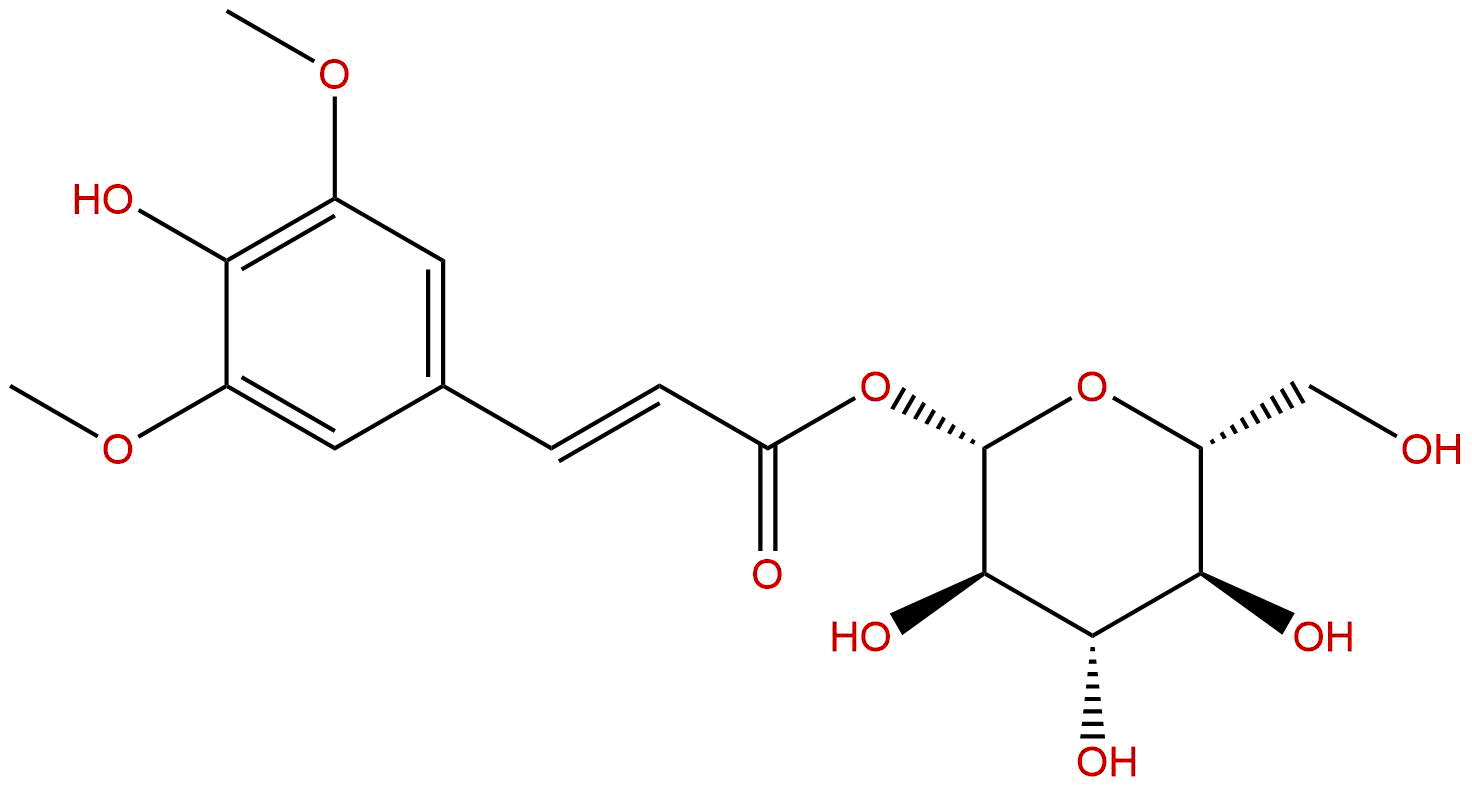


Product name: 1-O-sinapoyl-glucose
Synonym name: 1-O-sinapoyl-β-D-glucose;Sinapoylglucose;Raphanusol B
Catalogue No.: BP2436
Cas No.: 78185-48-5
Formula: C17H22O10
Mol Weight: 386.353
Botanical Source:
Type of Compound: Phenylpropanoids
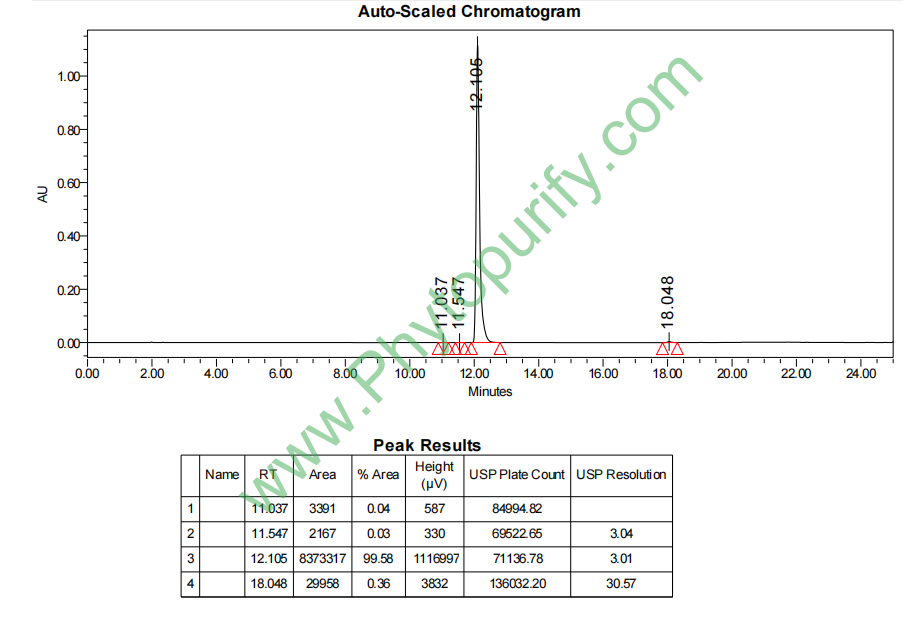
Purity: 95%~99%
Analysis Method: HPLC-DAD or/and HPLC-ELSD
Identification Method: Mass, NMR
Packing: Brown vial or HDPE plastic bottle
Storage: Store in a well closed container, protected from air and light. Put into refrigerate or freeze for long term storage.
Whenever possible, you should prepare and use solutions on the same day. However, if you need to make up stock solutions in advance, we recommend that you store the solution as aliquots in tightly sealed vials at -20℃. Generally, these will be useable for up to two weeks.
The product could be supplied from milligrams to grams
Inquire for bulk scale.
For Reference Standard and R&D, Not for Human Use Directly.
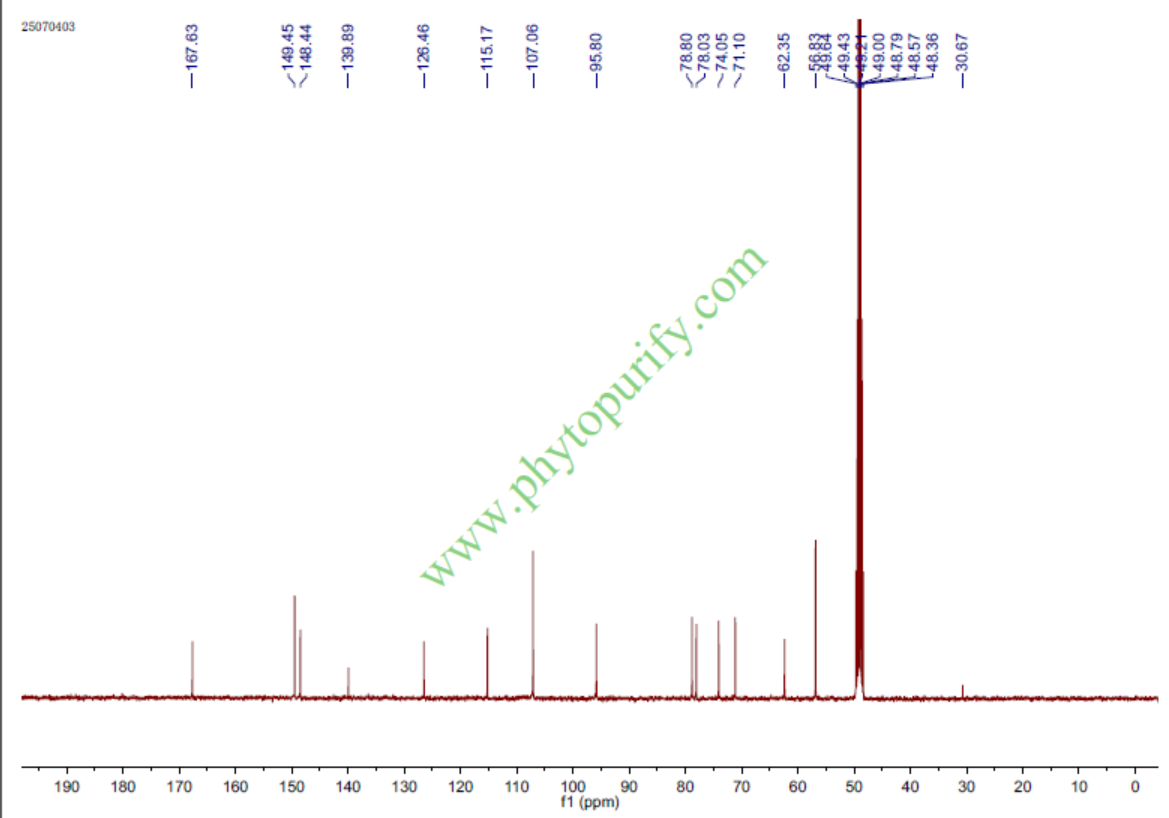
NMR of 1-O-sinapoyl-glucose
HPLC of 1-O-sinapoyl-glucose
Storage conditions:Short-term storage at 2~8℃, long-term storage at -20 ~ -80℃
180.5600
-2.5000
-2.5000
No
No
No
No
Unknown
No
Unknown
No
Natural products, as an important source of drug discovery, play an irreplaceable role in the history of human health maintenance and disease treatment. Plant secondary metabolites, especially phenolic compounds, have attracted much attention due to their wide range of biological activities. Among numerous phenolic acid compounds, hydroxycinnamic acid and its derivatives, such as caffeic acid, ferulic acid, sinapine, etc., have become a research hotspot due to their various pharmacological activities such as antioxidant, anti-inflammatory, and anti-tumor. 1-O-sinapyl-glucose, as a glucose based hydroxycinnamic acid, is a natural product formed by the ester bond between trans sinapyr and β - D-glucose. Its unique chemical structure combines the dual characteristics of phenolic acid and glycoside, endowing it with physicochemical properties and biological functions different from the parent mustard acid.
Mustard glycosides are widely present in cruciferous plants such as rapeseed, mustard greens, cabbage, and some medicinal plants. They are important intermediates in the phenylpropanoid metabolism pathway of plants. In plants, it is not only a storage and transportation form of sinapine, but also participates in physiological processes such as cell wall construction, resistance to pathogen invasion, and response to environmental stress. In recent years, with the in-depth study of natural products, the pharmacological activity of myrosioylglucoside has gradually been revealed, and its potential in antioxidant, anti-inflammatory, neuroprotective, anti diabetes and other aspects has aroused extensive interest of researchers.
However, similar to many other phenolic acid glycosides, research on glucosinolates is still in its infancy. Its complex biological activity network, clear molecular mechanism of action, in vivo pharmacokinetic behavior, and potential for drug development still require systematic and in-depth research. This review aims to comprehensively summarize the chemical structure, plant sources, extraction methods, pharmacological activities, mechanisms of action, pharmacological evaluation, and clinical application prospects of glucosinolates, in order to provide systematic reference and scientific basis for the subsequent research and development of this natural product.
Glucoside, also known as 1-O-sinapyl - β - D-glucose, has a core structure consisting of two parts: sinapine acid and β - D-glucose. Mustard acid is a hydroxycinnamic acid with two methoxy groups (- OCH ∝) and one hydroxyl group (- OH) on its benzene ring, located at positions 3, 5, and 4, respectively. The side chain is a trans acrylic acid structure. β - D-glucose undergoes esterification reaction with the carboxyl group of sinapine through the hydroxyl group on its heteroatom carbon (C1), forming stable ester bonds. This linking method makes glucosinolates belong to the cinnamate class of compounds and also a monosaccharide derivative.
From the perspective of physical and chemical properties, the molecular formula of glucosinolate is C ₁₇ H ₂₂ O ₁₀, with a molecular weight of 386.35 g/mol. Its structure contains multiple polar groups, including multiple hydroxyl groups on the glucose ring, phenolic hydroxyl groups on sinapine, and ester bonds, thus exhibiting strong hydrophilicity. The calculated lipid water partition coefficient (LogP) is -2.50, indicating that its solubility in water is much greater than its solubility in lipid soluble solvents, and it belongs to a highly polar compound. The topologically polar surface area (TPSA) is as high as 180.56 Å ², further confirming its strong polarity characteristics, which typically means it is difficult to passively diffuse through biofilms and may have low oral bioavailability. In addition, the molecule has 10 hydrogen bond acceptors, giving it the potential to form hydrogen bond networks, which is crucial for its interaction with biomolecules.
In terms of spectroscopic characteristics, glucosinolates of sinapyr exhibit characteristic absorption in the UV visible region, mainly attributed to the cinnamoyl conjugated system of sinapyr acid, typically with a maximum absorption peak around 320-330 nm. In its infrared spectrum, the stretching vibration peak of the ester carbonyl group (C=O) is around 1700 cm ⁻¹, while the broad peaks of the phenolic and sugar hydroxyl groups are in the 3200-3600 cm ⁻¹ region. Nuclear magnetic resonance spectroscopy (NMR) is a key means of identifying its structure, especially in the ¹ H-NMR and ¹ ³ C-NMR spectra, which can clearly distinguish the aromatic proton, methoxy proton, trans alkene proton of the sinapine moiety, and the anomeric proton signal of the glucose moiety. These structural features and physicochemical parameters lay the chemical foundation for their subsequent separation, identification, activity research, and drug development.
The distribution of glucosinolates in nature has obvious plant chemical taxonomic characteristics, mainly found in Brassicaceae plants, and is one of the common secondary metabolites in this type of plant. Common plants rich in glucosinolates include Brassica napus, Brassica juncea, Brassica oleracea, Raphanus sativus, and Arabidopsis thaliana. In these plants, glucosinolates are mainly present in tissues and organs such as seeds, seedlings, leaves, and roots. Their content and distribution are influenced by factors such as plant development stage, tissue type, and environmental stress (such as light, temperature, pests and diseases). In addition, there are also a few reports in some other families and genera of plants, such as Asteraceae and Fabaceae, but cruciferous plants are still the main source.
The extraction of glucosinolates from plants usually follows the general principle of natural product extraction, which is the principle of "similar solubility". Due to its strong hydrophilicity, the most commonly used extraction solvents are water or alcohol water mixed solvents in different proportions, such as methanol, ethanol, or acetone aqueous solutions. In order to improve extraction efficiency, techniques such as heating reflux, ultrasound assisted extraction, microwave-assisted extraction, or pressurized solvent extraction are often used. Among them, ultrasound assisted extraction is widely used due to its advantages of easy operation, high efficiency, and low solvent dosage. Before extraction, plant materials usually need to undergo pre-treatment steps such as drying and crushing to increase surface area, promote solvent penetration, and solute dissolution. After filtering and centrifuging the extract to remove solid residue, a crude extract containing glucosinolates was obtained.
Due to the complex composition of plant crude extracts, which contain a large amount of sugars, proteins, pigments, and other phenolic compounds, further separation and purification steps are required to obtain high-purity glucosinolates. Common purification methods include liquid-liquid extraction, column chromatography (such as silica gel column, macroporous adsorption resin column, polyamide column), and preparative high-performance liquid chromatography (pre HPLC). Macroporous adsorption resin is commonly used for preliminary enrichment and separation due to its advantages such as large adsorption capacity, good selectivity, and easy regeneration. Subsequently, using silica gel column chromatography or preparative HPLC, effective separation of glucosinolates from other analogues can be achieved based on the differences in compound polarity. Finally, the purified compound was structurally identified and its purity was confirmed through spectroscopic techniques such as NMR and mass spectrometry (MS). Although extraction and purification methods are relatively mature, how to achieve efficient, low-cost, and environmentally friendly large-scale preparation is still a direction that future research needs to focus on.
In recent years, the pharmacological activity research of glucosinolates has gradually increased, and their various biological activities have attracted widespread attention. The existing research shows that this compound shows potential in antioxidant, anti-inflammatory, neuroprotective, anti diabetes, anti-tumor and other aspects.
antioxidant activity As a phenolic acid glycoside, glucosinolate has significant antioxidant capacity. The phenolic hydroxyl groups in its molecules can effectively scavenge free radicals, such as DPPH free radicals, ABTS cationic free radicals, hydroxyl free radicals, and superoxide anion free radicals. Research has shown that its antioxidant activity is comparable to or even stronger than that of the parent mustard acid, which may be attributed to the introduction of the sugar moiety altering the solubility and membrane permeability of the molecule, thereby affecting its interaction with free radicals. In addition, it can chelate transition metal ions (such as Fe ² ⁺, Cu ² ⁺), inhibit metal ion catalyzed oxidation reactions, and thus exert indirect antioxidant effects. In cell models, glucosinolates can reduce the levels of oxidative stress markers such as reactive oxygen species (ROS) and malondialdehyde (MDA), and enhance the activity of endogenous antioxidant enzymes such as superoxide dismutase (SOD) and glutathione peroxidase (GPx).
anti-inflammatory activity Inflammation is the common pathological basis of many chronic diseases (such as cardiovascular diseases, diabetes, neurodegenerative diseases). Mustard glycosides have shown anti-inflammatory activity in both in vitro and in vivo models. In the macrophage model stimulated by lipopolysaccharide (LPS), it can significantly inhibit the production of pro-inflammatory cytokines (such as tumor necrosis factor - α TNF - α, interleukin-6 IL-6, interleukin-1 β IL-1 β) and nitric oxide (NO). The mechanism may be related to the inhibition of the activation of the nuclear factor kappa B (NF - κ B) signaling pathway, which is a key transcription factor regulating inflammatory responses. In addition, it may also exert anti-inflammatory effects by regulating the mitogen activated protein kinase (MAPK) pathway.
Neuroprotective activity Given the critical roles of oxidative stress and inflammation in neurodegenerative diseases such as Alzheimer's disease and Parkinson's disease, the antioxidant and anti-inflammatory properties of glucosinolates provide a theoretical basis for their neuroprotective potential. Research has found that glucosinolates can protect neurons from beta amyloid (A β) - induced toxicity, reduce A β aggregation, and inhibit acetylcholinesterase (AChE) activity. These effects are of great significance for the prevention and treatment of Alzheimer's disease. In addition, it can also improve learning and memory impairment induced by scopolamine in mice, suggesting its potential to improve cognitive function.
Antidiabetic activity Mustard glycosides have also shown activity in regulating sugar metabolism. Research has shown that it can inhibit the activity of alpha glucosidase and alpha amylase, which are key enzymes in carbohydrate digestion. Inhibiting them can delay glucose absorption and thus lower postprandial blood glucose levels. In addition, it can promote insulin secretion, improve insulin resistance, and may promote glucose uptake and utilization by activating the AMP activated protein kinase (AMPK) signaling pathway.
Other activities Preliminary studies also suggest that glucosinolates may have anti-tumor activity, such as inhibiting the proliferation of certain cancer cells and inducing apoptosis. In addition, it has been reported to have antibacterial, antiviral, and hepatoprotective effects. However, most of these studies are in vitro or preliminary animal experiments, and their in vivo efficacy and safety still require extensive research confirmation.
The pharmacological activity of glucosinolates derived from mustard is the result of the combined action of multiple targets and pathways. A deep understanding of its molecular mechanism is crucial for developing it as a candidate drug. The current research mainly reveals the following key mechanisms and potential targets.
Regulation of antioxidant defense system This is one of the core mechanisms of action of glucosinolates. On the one hand, as a direct free radical scavenger, it neutralizes reactive oxygen species (ROS) and reactive nitrogen species (RNS) directly by supplying hydrogen or electrons through phenolic hydroxyl groups, blocking free radical chain reactions. On the other hand, it can activate the nuclear factor E2 related factor 2 (Nrf2) signaling pathway. Nrf2 is the main regulator of cellular antioxidant defense, which binds to Keap1 and is anchored in the cytoplasm under normal physiological conditions. When cells are stimulated by oxidative stress or electrophilic agents, Nrf2 dissociates from Keap1 and transfers to the nucleus, where it binds to antioxidant response elements (ARE) and initiates gene expression of downstream antioxidant and detoxifying enzymes such as SOD, GPx, glutathione S-transferase GST, and heme oxygenase-1 HO-1. Mustard glycosides may enhance the overall antioxidant capacity of cells by modifying key cysteine residues on Keap1, promoting nuclear translocation of Nrf2.
Inhibition of inflammatory signaling pathway The anti-inflammatory effect of glucosinolates is mainly achieved by inhibiting key inflammatory signaling pathways. Among them, the NF - κ B pathway is the core target. In the resting state, NF - κ B binds to the inhibitory protein I κ B and exists in an inactive form in the cytoplasm. When stimulated by pro-inflammatory factors such as LPS and TNF - α, I κ B kinase (IKK) is activated, phosphorylating I κ B, leading to its ubiquitination degradation, releasing NF - κ B into the nucleus, and initiating the transcription of pro-inflammatory genes. Research has shown that glucosinolates can inhibit the activity of IKK, prevent the degradation of I κ B, thereby blocking the nuclear translocation of NF - κ B, and ultimately downregulating the expression of pro-inflammatory factors such as TNF - α, IL-6, iNOS (inducible nitric oxide synthase), and COX-2 (cyclooxygenase-2). In addition, it may further suppress inflammatory responses by inhibiting the phosphorylation of MAPK pathways such as p38, JNK, ERK.
Regulation of metabolic enzymes In terms of anti diabetes, the targets of myrosioylglucoside include α - glucosidase and α - amylase. It competitively inhibits the activity of these enzymes by binding to their active sites, thereby delaying the digestion and absorption of carbohydrates. In addition, it may also improve energy metabolism by activating the AMPK signaling pathway. AMPK is a cellular energy receptor that, when activated, promotes glucose uptake, fatty acid oxidation, mitochondrial biosynthesis, and inhibits gluconeogenesis and fat synthesis. Mustard glycosides may activate AMPK by affecting the AMP/ATP ratio or directly acting on upstream kinases (such as LKB1), thereby improving insulin resistance and lowering blood sugar levels.
Regulation of neurotransmitter system In terms of neuroprotection, glucosinolates have been found to be inhibitors of acetylcholinesterase (AChE). AChE is a key enzyme that hydrolyzes the neurotransmitter acetylcholine. Inhibiting its activity can increase the level of acetylcholine in synaptic cleft, thereby improving cholinergic nerve function, which is of great significance for the treatment of Alzheimer's disease. In addition, it may also alleviate the neurotoxicity of A β by inhibiting the activity of β - secretase 1 (BACE1), reducing the production of A β, or directly interfering with the aggregation process of A β.
In summary, glucosinolates exhibit a wide range of pharmacological activities by directly scavenging free radicals, activating the Nrf2 antioxidant pathway, inhibiting the NF - κ B and MAPK inflammatory pathways, regulating metabolic enzyme activity, and affecting the neurotransmitter system. However, most of these mechanisms are based on in vitro experiments, and their exact targets and signaling networks in vivo still need to be validated and elucidated through further research (such as knockout/knock in animal models, proteomics, metabolomics, etc.).
Developing natural products into clinical drugs requires a systematic evaluation of their pharmacological properties, including pharmacokinetic characteristics (ADME: absorption, distribution, metabolism, excretion) and safety. The pharmacological evaluation of glucosinolates is still in its early stages, but existing data provides some important clues.
absorb The LogP of glucosinolate is -2.50 and the TPSA is as high as 180.56 Å ², strongly indicating its extremely low oral bioavailability. High polarity and large polar surface area mean that it is difficult to passively diffuse through the lipid bilayer of intestinal epithelial cells. Therefore, after oral administration, its absorption may mainly rely on the active transport of intestinal transporters such as glucose transporters GLUTs or sodium glucose cotransporters SGLTs. In fact, some phenolic acid glycosides have been shown to be absorbed through SGLT1. However, its absorption efficiency is usually low. In addition, before entering the systemic circulation, it may be hydrolyzed by esterases in the gut microbiota or intestinal wall cells into sinapine and glucose. Therefore, the main metabolite detected in the blood after oral administration may be sinapine.
distribution Due to its strong hydrophilicity, the distribution of glucosinolates in vivo may be mainly limited to extracellular fluid and blood, making it difficult to penetrate cell membranes and enter tissue cells. Especially, its blood-brain barrier (BBB) penetration ability is predicted to be 'No', which limits its application in the treatment of central nervous system diseases. However, its hydrolysis product sinapine, due to its reduced polarity, may have better BBB penetration and indirectly exert neuroprotective effects.
Metabolism The metabolism of glucosinolates mainly involves two pathways: one is the hydrolysis of ester bonds to produce sinapine and glucose, which can be catalyzed by esterases in the intestine or liver; The second is the further metabolism of sinapine, such as methylation, sulfation, glucuronidation and other phase II metabolic reactions. These metabolites may have different biological activities. For example, sinapine itself also has antioxidant, anti-inflammatory and other activities. Therefore, the pharmacological effects of glucosinolates may be the result of the combined action of their prototype and metabolites.
excretion Due to its high water solubility, glucosinolates and their metabolites (such as the sulfuric acid/glucuronic acid complex of sinapine) are mainly excreted through the kidneys and urine. Some unabsorbed prototypes may also be excreted with feces.
safety evaluation According to the existing pharmacological parameters, glucosinolates of sinapyr exhibit a lower toxicity risk. The prediction results show that it has no hepatotoxicity or cardiotoxicity (hERG inhibition risk is No). The Ames test results are unknown, but given that it originates from commonly consumed cruciferous vegetables and sinapine and its derivatives are generally considered safe, its genetic toxicity risk may be low. However, these predicted results require rigorous toxicology experiments (such as acute toxicity, chronic toxicity, reproductive toxicity, carcinogenicity experiments) for verification.
Overall, the main challenges facing the pharmacological properties of glucosinolates are their extremely low oral bioavailability and poor BBB penetration. Future drug chemical modification strategies, such as prodrug design (to enhance lipophilicity), nanoparticle loading (such as liposomes, polymer nanoparticles), or combination with other absorption enhancers, may be effective ways to improve their pharmacokinetic properties. At the same time, in-depth research on its metabolic pathways and clarification of the specific molecular forms (prototypes or metabolites) that exert drug efficacy are crucial for guiding its development direction.
Although the research on glucosinolates is still in its basic stage, their multifaceted pharmacological activities indicate broad application prospects, especially in the fields of chronic disease prevention and functional food.
Functional foods and dietary supplements Given the widespread presence of glucosinolates in edible cruciferous vegetables and their significant antioxidant and anti-inflammatory activities, it is expected to be developed as a functional food ingredient or dietary supplement. It may help to prevent or delay diseases related to oxidative stress and chronic inflammation, such as cardiovascular disease, type 2 diabetes, obesity and some cancers, through daily diet intake or in the form of supplements. It has high safety and comes from natural food, giving it a natural advantage in the food industry. However, it is necessary to clarify its effective intake dose, bioavailability, and long-term safety for consumption.
Adjuvant therapy for neurodegenerative diseases Although glucosinolates themselves are difficult to pass through the BBB, their metabolite sinapine may have better brain penetration. Combined with its activity in inhibiting AChE, anti A β aggregation, and antioxidant stress, it or its prodrug may become a candidate adjuvant therapy for neurodegenerative diseases such as Alzheimer's disease. Future research directions can focus on developing novel delivery systems that can increase drug concentration in the brain, or directly studying the neuroprotective effects of its active metabolite sinapine.
Management of diabetes and its complications Mustard glycosides lower postprandial blood glucose by inhibiting alpha glucosidase and alpha amylase, a mechanism similar to the commonly used hypoglycemic drug acarbose in clinical practice. Therefore, it is expected to be developed as a natural α - glucosidase inhibitor with less side effects for blood glucose management in patients with pre diabetes or type 2 diabetes. In addition, its antioxidant and anti-inflammatory activities may also have a positive impact on the prevention and treatment of diabetes complications (such as nephropathy, retinopathy, neuropathy).
Lead compounds of anti-inflammatory drugs Its clear anti-inflammatory activity, especially inhibition of the NF - κ B pathway, makes it a lead compound for the development of novel anti-inflammatory drugs. By structural modification, such as introducing specific functional groups to enhance metabolic stability and targeting, it is possible to obtain anti-inflammatory candidate drugs with stronger activity and higher selectivity for the treatment of chronic inflammatory diseases such as rheumatoid arthritis and inflammatory bowel disease.
Future research directions In order to promote the clinical translation of glucosinolates, future research should focus on the following aspects: 1) In depth pharmacokinetic research Using radioactive labeling or LC-MS/MS technology, systematically study its absorption, distribution, metabolism, and excretion processes in animal bodies, clarify its absolute bioavailability, metabolite spectrum, and tissue distribution characteristics. 2) Explanation of the mechanism of action By utilizing advanced technologies such as gene knockout mice, proteomics, and metabolomics, we aim to uncover key molecular targets and signaling networks in vivo, particularly by identifying the contributions of prototype drugs and metabolites. 3) Pharmaceutical chemical modification Design and synthesize a series of derivatives or analogues of glucosinolates with glucosinolates, aimed at improving their oral bioavailability, metabolic stability, or targeting. 4) Pharmaceutical research Develop new drug delivery systems, such as nanoemulsions, liposomes, phospholipid complexes, etc., to improve their oral absorption and bioavailability. 5) Toxicological evaluation of the system Conduct comprehensive toxicology studies in accordance with Good Laboratory Practice (GLP) requirements, including acute toxicity, long-term toxicity, reproductive toxicity, and genetic toxicity, to provide solid data support for its safety.
As a natural glucosyl hydroxycinnamic acid derived from cruciferous plants, glucosinolates have shown significant research value in the field of natural product pharmacology due to their unique chemical structure and multifaceted biological activities. This article systematically reviews its chemical structure, physicochemical properties, plant origin, extraction methods, pharmacological activity, mechanism of action, evaluation of drug properties, and clinical application prospects. Current studies have shown that this compound has significant antioxidant, anti-inflammatory, neuroprotective and anti diabetes activities, and its mechanism of action involves direct scavenging of free radicals, regulation of key signaling pathways such as Nrf2 and NF - κ B, and inhibition of metabolic enzymes.
However, the research on glucosinolates with glucosinolates still faces many challenges. Its extremely low lipid solubility and high polarity result in poor oral bioavailability, as well as pharmacokinetic defects such as difficulty in penetrating the blood-brain barrier, which are the main bottlenecks in its drug development. In addition, key issues such as the precise molecular targets of its in vivo effects, the active contributions of metabolites, and the safety of long-term use still need to be clarified.
However, as a natural product derived from daily diet, glucosinolates have a good safety foundation and have the characteristics of multi-target and multi pathway effects, which is in line with the concept of "multi-target therapy" in modern drug development. By combining modern medicinal chemistry, pharmacy, pharmacology, toxicology and other interdisciplinary methods, in-depth research and rational development of it are expected to transform it into a health product with practical application value (such as functional food ingredients) or a candidate drug for treating chronic diseases. In the future, with the continuous deepening of research, the "pearl" of glucosinolates, a natural product treasure trove, will surely shine even brighter.
