Introduction/Overview
Natural products, as an important source of drug discovery, play an irreplaceable role in the long history of human struggle against diseases. From the practical experience of traditional medicine to the precise analysis of modern pharmacology, phytochemicals have always provided a continuous source of inspiration and leading structures for the development of innovative drugs. Among the many natural products with neural activity, it originates from the traditional Chinese medicine Acorus tatarinowii(Acorus tatarinowii Schott and its phenylpropanoid compound, gamma Asarone, which belongs to the same plant family, have attracted widespread attention from scholars at home and abroad in recent years due to their significant multiple pharmacological activities such as antiepileptic, antidepressant, neuroprotective, and cognitive improvement.
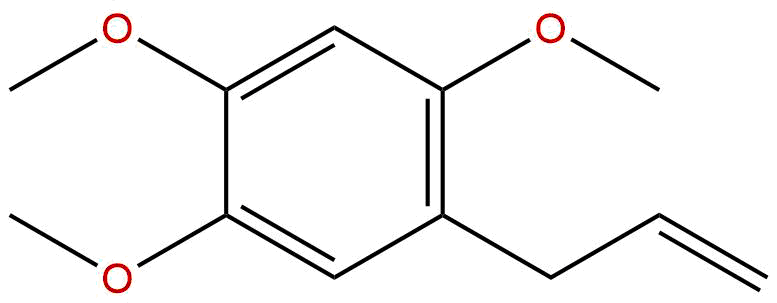
Gamma Asarone, also known as 2,4,5-trimethoxy-1-allyl benzene, is one of the main active ingredients in the volatile oil of Acorus tatarinowii. It is an isomer of α - Asarone and β - Asarone. Although Asarone compounds are highly similar in structure, they exhibit significant differences in pharmacological activity, toxicity, and metabolic characteristics. Among them, gamma Asarone is considered a highly promising candidate drug molecule for antiepileptic effects due to its relatively low toxicity and unique mechanism of anticonvulsant action. Epilepsy is a chronic neurological disease caused by abnormal synchronous discharge of brain neurons. There are approximately 50 million patients worldwide, of which about 30% are refractory epilepsy and have poor response to existing antiepileptic drugs (AEDs). Therefore, the development of novel antiepileptic drugs with novel mechanisms of action, high efficacy, and low toxicity has important clinical significance. Gamma Asarone regulates ion channels and neurotransmitter systems through multiple targets and pathways, exhibiting pharmacological characteristics different from traditional AEDs, providing new ideas for solving refractory epilepsy and drug tolerance problems.
This article aims to systematically review the chemical structure and physicochemical properties, plant sources and extraction methods, pharmacological activity, mechanism of action, pharmacological evaluation, and clinical application prospects of gamma Asarone, in order to provide a comprehensive literature basis and scientific basis for the in-depth research and development of this natural product.
Chemical structure and physicochemical properties
The chemical name of gamma Asarone is 1,2,4-trimethoxy-5- (2-propenyl) benzene, and its molecular formula is C ₁₂ H ₁₆ O3, with a molecular weight of 208.2570 g/mol. Structurally, gamma Asarone belongs to the phenylpropanoid class of compounds, with a core skeleton of a benzene ring containing three methoxy groups (- OCH ∝) at positions 2, 4, and 5, and an allyl group (- CH ₂ - CH=CH ₂) at position 1. This structural feature makes it highly lipophilic and easy to penetrate biological membranes.
Gamma Asarone exists in cis trans isomers, and the commonly referred gamma Asarone is in the trans configuration (E - γ - asarone), with the two hydrogen atoms on its double bond located in the trans position. Compared with α - Asarone (1,2,4-trimethoxy-5- (1-propenyl) benzene), the side chain of γ - Asarone is allyl (double bond at the end), while the side chain of α - Asarone is acrylic (double bond in the middle). This subtle structural difference leads to differences in their pharmacological activity and metabolic pathways. The CAS number of gamma Asarone is 5353-15-1. It is a colorless or pale yellow oily liquid at room temperature and has a special aromatic odor.
In terms of physicochemical properties, gamma Asarone exhibits typical lipophilic characteristics. Its oil-water partition coefficient (LogP) is 2.8880, indicating that its solubility in lipid environment is much higher than that in aqueous phase. This characteristic is closely related to its high blood-brain barrier (BBB) permeability. According to the calculation prediction, the blood-brain barrier penetration ability of gamma Asarone is "high", which means it can effectively cross the blood-brain barrier and enter the central nervous system (CNS) to exert pharmacological effects. Its topological polar surface area (TPSA) is only 27.6900 Å ², far below the recommended upper limit of 140 Å ² for oral drugs, further supporting its good membrane permeability and oral absorption potential. However, its low water solubility (0.1064 mg/mL) to some extent limits its bioavailability and formulation development. Therefore, how to improve its water solubility and bioavailability through formulation technologies such as nanoemulsions, liposomes, cyclodextrin inclusion complexes, etc., is one of the key issues that need to be addressed in future drug development.
Plant sources and extraction methods
Gamma Asarone mainly comes from the Acorus genus in the Araceae family(Acorus)Plants, including Acorus tatarinowii(Acorus tatarinowii Schott and Acorus calamus(Acorus calamus L. The content is the most abundant. As a traditional Chinese medicine, Acorus tatarinowii was first recorded in the "Shennong Bencao Jing". It has the effects of opening the orifices, relieving phlegm, awakening the mind, improving intelligence, and promoting dampness and appetite. It is commonly used to treat neurological diseases such as epilepsy, forgetfulness, and dizziness. Modern research has shown that the volatile oil of Acorus tatarinowii is the main material basis for its neuropharmacological activity, and γ - Asarone, β - Asarone, and α - Asarone are the three highest content phenylpropanoid compounds in the volatile oil.
There are significant differences in the content of gamma Asarone in Acorus plants from different origins, varieties, and harvesting periods. For example, the volatile oil of Acorus tatarinowii produced in China usually has a higher content of gamma Asarone, while water Acorus tatarinowii produced in Europe and North America mainly contains beta Asarone. In addition, the content in plant rhizomes is higher than that in leaves and stems. Therefore, selecting appropriate plant sources and harvesting times is a prerequisite for ensuring the yield of gamma Asarone.
The extraction method of gamma Asarone is mainly based on its volatility and lipid solubility. The traditional method is mainly steam distillation, which is easy to operate, cost-effective, and suitable for industrial production. After crushing the dried roots and stems of Acorus tatarinowii, steam distillation is used to obtain the volatile oil. The distillate is then condensed and separated from oil and water to obtain the volatile oil, which is purified by vacuum distillation or column chromatography to obtain gamma Asarone. However, steam distillation method has disadvantages such as high extraction temperature, long time, and easy decomposition of thermosensitive components.
In recent years, supercritical fluid extraction (SFE) technology, especially supercritical CO ₂ extraction, has been widely used for the extraction of gamma Asarone. This technology utilizes the properties of CO ₂, which combines gas and liquid properties in a supercritical state, to efficiently extract target components at lower temperatures, avoiding thermal degradation, and resulting in high product purity and no solvent residue. Research has shown that using supercritical CO ₂ extraction to extract Acorus tatarinowii can significantly increase the extraction rate of gamma Asarone compared to traditional steam distillation.
In addition, organic solvent extraction methods (such as ethanol, methanol, n-hexane, etc.) combined with Soxhlet extraction or ultrasound assisted extraction are also commonly used in laboratories. For the preparation of high-purity gamma Asarone, silica gel column chromatography, preparative high-performance liquid chromatography (Prep HPLC), or high-speed countercurrent chromatography (HSCCC) are commonly used for separation and purification. These methods can effectively remove structurally similar isomers and obtain standard gamma Asarone with a purity of over 98%.
Pharmacological activity research
The pharmacological activity research of gamma Asarone mainly focuses on the central nervous system, especially its antiepileptic, antidepressant, neuroprotective, and cognitive improvement effects.
1. Antiepileptic effect
The antiepileptic activity of gamma Asarone is the most widely studied pharmacological activity. Numerous in vitro and in vivo experiments have confirmed that gamma Asarone has significant anticonvulsant effects on various epilepsy models. In the classic mouse model of acute epilepsy induced by pentylenetetrazole (PTZ), gamma Asarone can dose dependently prolong the latency of epileptic seizures, reduce seizure severity and mortality. In the Maximum Electric Shock (MES) model, gamma Asarone also showed a protective effect, indicating its effectiveness in treating generalized tonic clonic seizures. More importantly, in chronic epilepsy models such as those induced by hyaluronic acid or lithium pilocarpine, gamma Asarone not only reduces the frequency and duration of spontaneous epileptic seizures, but also alleviates neuronal damage and cognitive dysfunction after status epilepticus (SE). These results suggest that gamma Asarone may have disease modifying effects, rather than just symptom control.
2. Antidepressant and anti anxiety effects
Gamma Asarone has also shown antidepressant and anti anxiety potential in behavioral experiments. In the forced swimming test (FST) and tail suspension test (TST) in mice, gamma Asarone can significantly shorten immobility time, and its effect is comparable to that of the positive drug fluoxetine. In the open field test (OFT) and elevated cross maze test (EPM), gamma Asarone increased the dwell time and entry frequency of mice in the open arm, exhibiting anti anxiety like effects. The mechanism may be related to regulating the levels of monoamine neurotransmitters (serotonin, norepinephrine, dopamine) and upregulating the expression of brain-derived neurotrophic factor (BDNF).
3. Neuroprotective effect
Gamma Asarone has a protective effect against various neurotoxic injuries. In vitro, gamma Asarone can alleviate neuronal apoptosis and oxidative stress induced by glutamate, hydrogen peroxide (H ₂ O ₂), or beta amyloid protein (A β). In vivo, gamma Asarone can reduce infarct volume and neurological deficits in models of cerebral ischemia-reperfusion injury. Its neuroprotective mechanism involves multiple aspects such as antioxidant, anti-inflammatory, anti apoptotic, and promoting the release of neurotrophic factors.
4. Cognitive improvement effect
Based on its traditional efficacy of "awakening the mind and enhancing intelligence", the impact of gamma Asarone on cognitive function has also received attention. In various cognitive impairment models, such as scopolamine, A β, or chronic stress-induced models, gamma Asarone can improve animal learning and memory abilities, manifested as shortened escape latency and prolonged target quadrant dwell time in the Morris water maze experiment. The mechanism may be related to enhancing cholinergic system function, promoting hippocampal synaptic plasticity, and inhibiting neuroinflammation.
Mechanism of action and molecular targets
The pharmacological activity of gamma Asarone originates from its regulation of multiple molecular targets, reflecting the characteristic of natural products with multiple targets and pathways. Especially in terms of antiepileptic effects, its mechanism of action differs significantly from existing antiepileptic drugs, providing a theoretical basis for its treatment of refractory epilepsy.
1. Regulation of ion channels
The occurrence of epilepsy is closely related to the imbalance between neuronal excitability and inhibition, and ion channels are the core components that regulate neuronal excitability. Gamma Asarone has a regulatory effect on various voltage-gated and ligand gated ion channels associated with epilepsy.
-
GABA_A receptors (GABRA1, GABRA2, GABRA3, GABRA5, GABRB2)Gamma Asarone can enhance GABA_A-receptor-mediated inhibitory synaptic transmission. Research has shown that gamma Asarone can positively conformationally regulate GABA_A receptors, increase chloride ion influx, and enhance the inhibitory effect of GABA. Unlike traditional benzodiazepines such as diazepam, gamma Asarone may act on different subunit binding sites of GABA_A receptors, which may explain its lower tolerance and dependency risk. Its targets include multiple alpha subunits such as GABRA1, GABRA2, GABRA3, GABRA5, as well as GABRB2 (β 2 subunit), indicating its broad-spectrum effect.
-
Voltage gated sodium channel (SCN1A)SCN1A encodes Nav1.1 sodium channels and is a key target for epilepsy. Gamma Asarone can inhibit the activity of voltage-gated sodium channels, reduce sodium ion influx, and thus lower the abnormal firing frequency of neurons. This effect is similar to classical sodium channel blockers such as carbamazepine and phenytoin sodium, but gamma Asarone may have higher selectivity or different binding modes in regulating SCN1A.
-
Voltage gated potassium channel (KCNQ2)KCNQ2 encodes Kv7.2 potassium channel, which mediates M current and is an important "braking" mechanism for regulating neuronal repetitive discharges. Gamma Asarone can activate KCNQ2 potassium channels, increase M current, hyperpolarize neuronal membrane potential, and suppress the burst of abnormal discharges. Retigabine is the first marketed KCNQ2/3 channel opener, and the similar mechanism of action of gamma Asarone makes it a lead compound for developing novel potassium channel openers.
-
Voltage gated calcium channel (CACNA1A)CACNA1A encodes Cav2.1 (P/Q type) calcium channels, which are involved in neurotransmitter release and synaptic plasticity. Gamma Asarone can inhibit the CACNA1A calcium channel, reduce calcium ion influx, and thus inhibit the excessive release of excitatory neurotransmitters such as glutamate, exerting neuroprotective effects.
-
Chloride ion channel (CLCN2)CLCN2 encodes the ClC-2 chloride channel, which is involved in regulating neuronal chloride ion homeostasis and GABA_A receptor function. The regulation of CLCN2 by gamma Asarone may indirectly affect GABAergic inhibitory transmission.
2. Regulation of the neurotransmitter system
In addition to ion channels, gamma Asarone can also regulate various neurotransmitter systems. It can increase the levels of GABA, serotonin, dopamine, and norepinephrine in the brain, while reducing the excessive release of glutamate. This bidirectional regulation of excitatory and inhibitory neurotransmitters helps restore the functional balance of neural networks.
3. Anti inflammatory and antioxidant mechanisms
Neuroinflammation and oxidative stress are important pathological mechanisms underlying the occurrence and progression of epilepsy. Gamma Asarone can inhibit the excessive activation of microglia and astrocytes, reduce the expression of pro-inflammatory cytokines (such as TNF - α, IL-1 β, IL-6), enhance the activity of antioxidant enzymes (such as SOD, GSH Px), clear free radicals, and thus alleviate neurological damage caused by epileptic seizures.
Evaluation of drug properties and pharmacokinetics
Translating natural products from the laboratory to clinical practice, drug evaluation is a crucial step. Based on computational predictions and preliminary experimental data, gamma Asarone has shown certain potential as a drug, but also faces some challenges.
1. Physical and chemical properties and drug like properties
The molecular weight of gamma Asarone (208.26 Da) is much lower than 500 Da, which meets the requirement of molecular weight less than 500 in the "Lipinski rule" for drugs. Its LogP is 2.888, which is within the ideal range (-0.4~5.6), indicating that it has good lipid solubility and is conducive to transmembrane absorption. The TPSA is 27.69 Å ², much lower than 140 Å ², indicating its good oral absorption and blood-brain barrier penetration ability. However, its poor water solubility (0.1064 mg/mL) may become the limiting step for oral bioavailability.
2. Safety evaluation
Safety is the primary prerequisite for drug development. The Ames test prediction results showed that the mutagenicity probability of gamma Asarone was 0.6, indicating that it may have a certain genetic toxicity risk and requires careful evaluation. It is worth noting that β - Asarone has been reported to have hepatotoxicity and carcinogenicity, while γ - Asarone has relatively low toxicity, but long-term toxicity data is still insufficient. The prediction of hERG inhibition is' no ', indicating a low risk of cardiac toxicity. However, in vitro and in vivo toxicology studies of the system (including acute toxicity, subchronic toxicity, reproductive toxicity, and neurotoxicity) are an indispensable part of advancing its preclinical research.
3. Pharmacokinetic characteristics
The pharmacokinetic study of gamma Asarone is still in its early stages. Preliminary studies have shown that gamma Asarone can be absorbed by the gastrointestinal tract after oral administration, but its absolute bioavailability may not be high due to first pass effects and low water solubility. Its high blood-brain barrier permeability allows it to quickly enter brain tissue, which is a key advantage in exerting central nervous system activity. In the body, gamma Asarone is mainly metabolized by the liver cytochrome P450 enzyme system (such as CYP1A2, CYP2D6, CYP3A4), and the main metabolic pathways include O-demethylation, side chain oxidation, and epoxidation. Metabolites may have different pharmacological activities or toxicity. Further research is needed on its half-life and clearance rate. In addition, the inhibitory or inducible effects of gamma Asarone on CYP450 enzymes also need to be evaluated to predict potential drug drug interactions.
Clinical application prospects and prospects
Gamma Asarone, as a natural product with multi-target action characteristics, has shown broad application prospects in the treatment of neurological diseases.
1. Treatment of refractory epilepsy
At present, the antiepileptic drugs used in clinical practice mainly target a single target (such as sodium channels, GABA_A receptors), while refractory epilepsy often involves abnormalities in multiple targets. Gamma Asarone simultaneously acts on GABA_A receptors, sodium channels, potassium channels, and calcium channels. This "multi-target synergistic" mechanism makes it effective in multiple epilepsy models, especially in refractory epilepsy patients who are insensitive to existing drugs. In addition, its disease modifying effects (reducing nerve damage and improving cognition) also distinguish it from traditional AEDs that only control symptoms.
2. Treatment for comorbidities of epilepsy
Epilepsy patients often have comorbidities such as depression, anxiety, and cognitive impairment, which seriously affect their quality of life. Gamma Asarone has the effects of antiepileptic, antidepressant, anti anxiety, and cognitive improvement, which can be treated with multiple drugs, simplify the medication plan, and avoid the side effects and drug interactions caused by the combination of multiple drugs.
3. Neurodegenerative diseases
Based on its neuroprotective, anti-inflammatory, and antioxidant effects, the potential application of gamma Asarone in neurodegenerative diseases such as Alzheimer's disease and Parkinson's disease is also worth exploring. Preliminary studies have shown that it can alleviate the toxicity of A β and improve cognitive function.
4. Challenges and Future Directions Faced
Despite the bright prospects, the clinical translation of gamma Asarone still faces many challenges. Firstly, the issues of poor water solubility and low oral bioavailability need to be addressed through formulation technologies such as nanocrystals, solid dispersions, and phospholipid complexes. Secondly, its potential genetic toxicity and long-term safety require rigorous toxicological evaluation. Thirdly, although its mechanism of action involves multiple targets, the specific binding sites and molecular interaction details still need to be further elucidated in order to optimize the structure and reduce off target effects. Fourthly, large-scale and standardized extraction and purification processes, as well as stable quality control standards, are the foundation of industrial production.
Future research directions should focus on: (1) using medicinal chemical methods to modify the structure of gamma Asarone and synthesize a series of derivatives, in order to obtain candidate compounds with higher activity, lower toxicity, and better pharmacokinetic properties; (2) Using modern molecular biology techniques such as optogenetics, chemogenetics, CRISPR-Cas9 to accurately identify its targets and signaling pathways in neural networks; (3) Conduct systematic preclinical pharmacological, pharmacokinetic, and toxicological studies to provide sufficient data for clinical trial application; (4) Explore the synergistic effects of gamma Asarone with other antiepileptic drugs or neuroprotective agents, and develop a combination therapy regimen.
Conclusion
As a natural phenylpropanoid compound derived from the traditional Chinese medicine Acorus tatarinowii, gamma Asarone has shown significant development potential in the fields of antiepileptic and neuroprotective effects due to its unique chemical structure and multi-target pharmacological activity. Its synergistic regulation of GABA_A receptors, voltage-gated sodium channels, potassium channels, and calcium channels, as well as its regulation of the neurotransmitter system and oxidative stress, constitute the multidimensional molecular basis of its antiepileptic effect. Despite facing challenges such as poor water solubility and potential toxicity in drug development, these obstacles are expected to be gradually overcome through modern drug chemical modifications, advanced formulation techniques, and rigorous toxicological evaluations. The research on gamma Asarone not only provides valuable lead compounds for the development of new antiepileptic drugs, but also once again confirms the core value of natural products in innovative drug discovery. In the future, with a deeper understanding of its mechanism of action and advances in drug development technology, gamma Asarone and its derivatives are expected to bring new breakthroughs in the treatment of epilepsy and other neurological diseases.