Introduction/Overview
Diabetes, especially type 2 diabetes (T2DM), has become a chronic metabolic disease that seriously threatens human health worldwide. Its core pathological characteristics include insulin resistance and progressive failure of pancreatic beta cell function. Although existing hypoglycemic drugs such as metformin, sulfonylureas, DPP-4 inhibitors, SGLT2 inhibitors, etc. have been widely used in clinical practice, there are still limitations such as insufficient efficacy, side effects (such as hypoglycemia, weight gain, cardiovascular risk), and inability to prevent disease progression. Therefore, it is always an important direction for drug research and development to explore new anti diabetes lead compounds with novel structure, unique mechanism and high safety from natural products.
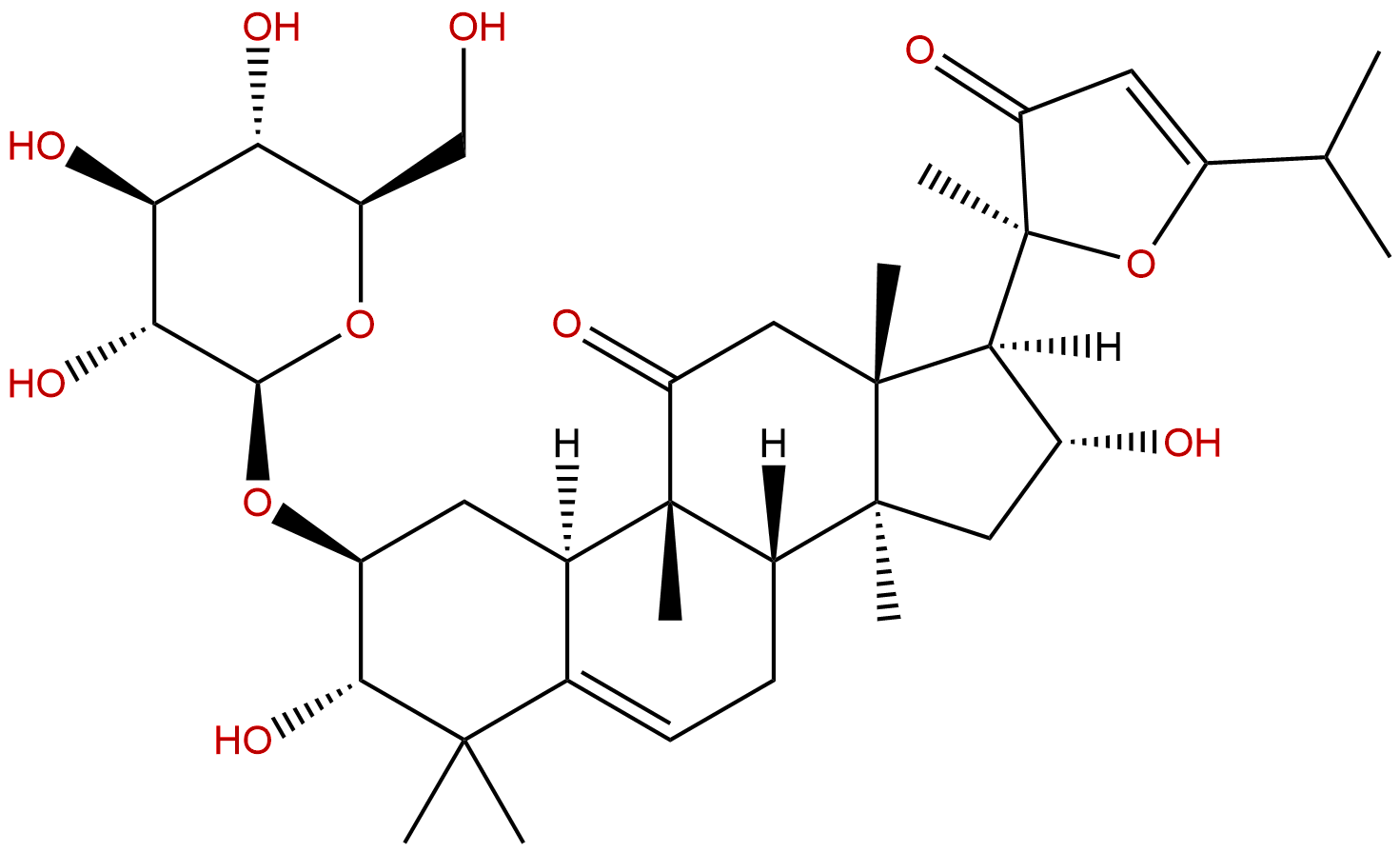
Picfeltarraenin X (CAS number: 1391826-61-1) is a triterpenoid saponin compound isolated from the traditional medicinal plant Picfeltarraenin in recent years. Early research focused on the anti-inflammatory, analgesic, and antibacterial activities of bitter ginseng and its components such as bitter ginseng glycosides IA and IB. With the progress of isolation and identification technology and the deepening of pharmacological research models, Scrophuloside X has attracted much attention due to its significant anti diabetes potential in vitro and in vivo models. Preliminary studies have shown that it can improve insulin sensitivity, promote glucose uptake and metabolism, and may have a protective effect on pancreatic islet cells through multi-target and multi pathway synergistic effects. The purpose of this paper is to systematically review the chemical structure, plant origin, pharmacological activity, mechanism of action, pharmaceutical properties of Scrophulariaside X and its development prospect as a candidate drug for anti diabetes, in order to provide a comprehensive academic reference for the in-depth research and transformation application of this compound.
Chemical structure and physicochemical properties
Ku Xuan Shen Glycoside X is a cucurbitane type triterpenoid saponin with a molecular formula of C~36~H~58~O~12~and a molecular weight of 662.8170. Its basic skeleton is the cucurbitane triterpenoid nucleus, which is usually connected to a glycosidic chain at the C-3 position, which is a key structural domain for its biological activity. Specifically, the sugar chain of bitter ginseng glycoside X may be composed of monosaccharides such as glucose and xylose, and its precise connection position and configuration need to be further confirmed by techniques such as nuclear magnetic resonance (NMR), mass spectrometry (MS), and X-ray single crystal diffraction. Cucurbitane triterpenoids, due to their unique tetracyclic triterpenoid structure, often exhibit a wide range of biological activities, while glycosylation modification significantly affects their water solubility, cell membrane permeability, and interaction with target proteins.
From the analysis of physicochemical parameters related to drug properties, the lipid water partition coefficient (LogP) of bitter ginseng glycoside X is 2.3518, indicating that it has moderate lipophilicity and is conducive to transmembrane absorption. Its topological polar surface area (TPSA) is as high as 183.2100 Å ², mainly attributed to multiple hydroxyl groups and oxygen atoms on the sugar ring in the molecule, indicating strong molecular polarity. The water solubility value is 0.0569 (usually measured in mg/mL or mol/L, here it is a relative value or calculated value under specific conditions), indicating that it is a slightly soluble or poorly soluble compound in water, which may be a potential limiting factor for its oral bioavailability. These physical and chemical properties collectively determine its absorption, distribution, metabolism, and excretion (ADME) characteristics in the body, which is a key direction to consider in subsequent dosage form improvements such as prodrugs and nanoformulations.
Plant sources and extraction methods
Ku Xuan Shen Glycoside X is mainly derived from Ku Xuan Shen, a plant of the genus Ku Xuan Shen in the family Scrophulariaceae(Picria fel-terrae Lour.)。 Ku Xuan Shen is a traditional herb that is distributed in Southeast Asia, Guangxi, Yunnan, and other parts of China. It is commonly used in folk medicine to treat fever, sore throat, dysentery, inflammation, and venomous snake bites. Its medicinal parts are mainly whole plants.
The extraction and separation of bitter ginseng glycoside X from bitter ginseng usually follow the conventional process of natural product chemistry. Firstly, methanol, ethanol, or ethanol water mixed solvents are used for reflux extraction or ultrasound assisted extraction of dried and crushed bitter ginseng medicinal materials to fully extract polar components including saponins. The crude extract obtained was concentrated under reduced pressure and subjected to gradient extraction using organic solvents such as petroleum ether, ethyl acetate, and n-butanol. Due to its strong polarity, bitter ginseng glycoside X was mainly enriched in the n-butanol extraction site.
Further purification relies on the combination of multiple chromatographic techniques. Silica gel column chromatography is commonly used for preliminary separation, with gradient elution using chloroform methanol or dichloromethane methanol systems in different ratios. Then, fine purification was carried out by combining reversed-phase silica gel (such as ODS-C18) column chromatography, dextran gel (such as Sephadex LH-20) column chromatography and high performance liquid chromatography (HPLC, preparative or semi preparative). HPLC often uses a C18 column with methanol water or acetonitrile water as the mobile phase, monitored by a UV detector (usually with end absorption around 200-210 nm) or an evaporative light scattering detector (ELSD). By comparing the physicochemical data and spectral information (MS,~1H-NMR,~13-C-NMR) with literature reports, the compound obtained can be ultimately identified as bitter ginseng glycoside X. Optimizing the extraction solvent, extraction method, and chromatographic separation conditions is the key to improving the yield and purity of bitter ginseng glycoside X.
Pharmacological activity research
At present, the pharmacological activity of Scrophulariaside X is mainly focused on its anti diabetes effect, and has been verified in several experimental models.
1. In vitro activity study:
At the cellular level, bitter ginseng glycoside X exhibits significant insulin sensitization and glucose uptake promoting activity. In HepG2 liver cells, 3T3-L1 adipocytes, or C2C12 myotube cell models with insulin resistance, treatment with bitter ginseng glycoside X can dose dependently enhance the uptake and consumption of glucose by cells, and its effect is comparable to that of positive drugs metformin or Rogoglitazone. In addition, the study also found that bitter ginseng glycoside X can promote the differentiation of 3T3-L1 preadipocytes and increase the utilization of glucose by adipocytes. In the high glucose induced pancreatic beta cell injury model (such as MIN6 or INS-1 cells), bitter ginseng glycoside X shows a certain protective effect, possibly by reducing oxidative stress and endoplasmic reticulum stress to maintain cell viability and insulin secretion function.
2. In vivo activity research:
In animal models, the anti diabetes effect of Scrophulariaside X has been further confirmed. In the model of type 1 diabetes mice induced by streptozotocin (STZ) or type 2 diabetes mice induced by high-fat diet combined with low-dose STZ, intraperitoneal injection or intragastric administration of picroside X can significantly reduce fasting blood glucose and postprandial blood glucose levels, and improve abnormal glucose tolerance. At the same time, it can improve the insulin sensitivity of diabetes animals, which is reflected in the improvement of insulin tolerance test (ITT) results. In ob/ob or db/db and other genetically obese diabetes mouse models, Scrophulariaside X also showed a good hypoglycemic effect, and could regulate lipid metabolism (reduce serum triglycerides and total cholesterol) to a certain extent, and reduce liver steatosis. It is worth noting that there have been no reports of significant hypoglycemia or abnormal weight gain caused by bitter ginseng glycoside X at effective doses, suggesting that it may have a good safety window.
In addition to the core anti diabetes activity, based on the commonness of cucurbitane triterpene mother nucleus, Scrophulariaside X may also have potential anti-inflammatory and antioxidant activities, and these effects can help alleviate the chronic inflammatory state and oxidative damage related to diabetes, and have synergistic significance in the prevention and treatment of diabetes and its complications (such as kidney disease, neuropathy), but more in-depth research is needed in this area.
Mechanism of action and molecular targets
The anti diabetes effect of Scrophulariaside X does not pass through a single target, but shows the characteristics of multi target and multi pathway coordinated regulation, which is consistent with its complex chemical structure. Existing research (including computational simulations and partial experimental validation) suggests that it may act on the following key targets and signaling pathways:
1. Activate the AMPK signaling pathway:
Adenosine activated protein kinase (AMPK) is a core regulator of cellular energy metabolism. Ku Xuan Shen glycoside X has been predicted and experimentally confirmed to activate AMPK (encoded by subunits such as PRKAA1). The activation of AMPK can promote fatty acid oxidation in skeletal muscle and liver, inhibit gluconeogenesis, enhance membrane translocation of glucose transporter 4 (GLUT4, encoded by SLC2A4), thereby overall improving glucose utilization and insulin sensitivity in the body.
2. Regulating the insulin signaling pathway:
Ku Xuan Shen glycoside X may enhance insulin signaling by acting on key nodes such as insulin receptor substrate 1 (IRS1), phosphatidylinositol 3-kinase regulatory subunit 1 (PIK3R1), and protein kinase B (AKT1, also known as PKB). It may promote tyrosine phosphorylation of IRS1, activate the PI3K/AKT pathway, thereby promoting GLUT4 transport to the cell membrane and accelerating peripheral tissue uptake of glucose. The activation of AKT can also inhibit glycogen synthase kinase-3 (GSK-3) and promote glycogen synthesis.
3. Regulating nuclear receptors and key enzymes involved in glucose metabolism:
Ku Xuan Shen glycoside X may act as a partial agonist or modulator of peroxisome proliferator activated receptor gamma (PPARG). PPARG is a target of insulin sensitizer thiazolidinedione drugs, and its activation can promote adipocyte differentiation, increase glucose uptake and lipid storage in adipose tissue, and improve systemic insulin resistance. In addition, it may regulate the activity of glucokinase (GCK), the rate limiting enzyme of liver glucose metabolism, affecting liver glucose perception and metabolism.
4. Inhibit related metabolic enzymes and transporters:
Computational docking studies suggest that bitter ginseng glycoside X may have a certain affinity with the active pockets of sodium glucose cotransporter 2 (SGLT2) and dipeptidyl peptidase-4 (DPP4). Inhibiting SGLT2 can reduce the reabsorption of glucose by the kidneys and promote urinary glucose excretion, which is an important mechanism of action for hypoglycemic drugs in recent years. Inhibiting DPP4 can prolong the activity of endogenous glucagon like peptide-1 (GLP-1), promote insulin secretion, and inhibit glucagon release.
In summary Ku Xuan Shen Glycoside X may pass through Activate AMPK、Enhance PI3K/AKT insulin signaling、Adjust PPARG function And may also be auxiliary Affects SGLT2 and DPP4 To form a networked mechanism of action, and play an anti diabetes role from multiple aspects such as increasing insulin sensitivity, promoting glucose utilization, protecting β cells, and regulating glucose and lipid metabolism. Of course, these target predictions and preliminary mechanisms require more direct biochemical and molecular biology experiments (such as kinase activity assays, surface plasmon resonance, gene knockout/knockout, etc.) to confirm and refine.
Evaluation of drug properties and pharmacokinetics
Based on the pharmacological parameters provided earlier and the common characteristics of existing natural triterpenoid saponins, a preliminary evaluation of the pharmacological potential of bitter ginseng glycoside X can be conducted.
Advantages:
1. High security potential: The Ames test result is 0.0, indicating that no mutagenicity was observed under the conditions of this experiment, and the risk of genetic toxicity is low. The inhibition of hERG is' no ', indicating a lower risk of potential cardiac toxicity (inducing long QT syndrome), which is an important safety advantage.
2. Low blood-brain barrier permeability: It is predicted that its ability to penetrate the blood-brain barrier is low, which is a favorable characteristic for anti diabetes drugs that mainly act on peripheral metabolic organs (liver, fat, muscle), and may reduce the side effects of the central nervous system.
3. Moderate LogP: The LogP value of 2.35 is within the ideal range (usually considered 1-3 to be optimal), balancing a certain degree of lipophilicity (favorable for transmembrane transport) and hydrophilicity.
Challenges and unknowns:
1. Water solubility and oral absorption: Low water solubility (0.0569) and high TPSA may severely limit its gastrointestinal solubility and passive diffusion absorption, leading to low oral bioavailability. This is a common bottleneck in the development of triterpenoid saponins.
2. Lack of pharmacokinetic (PK) data: Currently, there are few publicly available pharmacokinetic studies on the X system of bitter ginseng glycosides. Its absorption, distribution, metabolism, and excretion characteristics are unknown. Is it easily hydrolyzed (deglycosylated) by gut microbiota or intestinal epithelial cells? What are the differences in activity and pharmacokinetics between its aglycone and glycoside forms? Where are the main metabolic organs? What are the metabolites? How long is the half-life? These questions need to be answered through in vitro and in vivo ADME studies, such as Caco-2 cell models, liver microsomal metabolism, and rat or mouse PK experiments.
3. Protein binding and formulation requirements: There is currently no data on plasma protein binding rate. To overcome solubility and absorption issues, it may be necessary to develop advanced drug delivery systems such as nanocrystals, liposomes, solid dispersions, phospholipid complexes, or prodrug strategies.
Clinical application prospects and prospects
As a natural anti diabetes lead compound with novel structure and multi target mechanism, the clinical application prospect of Scrophuloside X is worth looking forward to, but the road is long and full of challenges.
Potential development direction:
1. New multi target anti diabetes drugs: Its characteristic of acting on multiple key nodes such as AMPK, insulin signaling pathway, and PPARG may make it more advantageous than single target drugs in improving insulin resistance, especially for T2DM patient populations characterized by severe insulin resistance.
2. Combination medication components: If its mechanism of action is complementary to existing drugs (such as in combination with insulin secretagogues, SGLT2 inhibitors, etc.), it may be developed into fixed dose combination formulations to achieve synergistic effects, reduce single drug doses and side effects.
3. Prevention and treatment of complications of diabetes: If its anti-inflammatory and antioxidant activities are confirmed, we can further explore its application value in the prevention and treatment of chronic complications such as diabetes nephropathy and diabetes neuropathy.
Future research focus and prospects:
1. In depth mechanism clarification: It is necessary to use chemical biology methods to clarify its direct target of action (is it a direct activator of AMPK? Or is it directly combined with PPARG? )Draw an accurate signal pathway map and verify whether its multi-target effects are synergistic or additive.
2. Comprehensive drug optimization: Systematically conduct preclinical pharmacokinetic and toxicological studies. Conduct systematic formulation studies to address the issue of poor water solubility. Improve its physicochemical properties and pharmacokinetic behavior through structural modifications such as glycosylation modification and preparation of prodrugs.
3. Validation of drug efficacy and safety: Long term pharmacological and toxicological evaluations are needed in large animal models that are closer to human diseases, such as miniature pigs and non-human primates, to confirm their efficacy and safety.
4. Exploring biosynthesis and sustainable sources: Studying its biosynthetic pathway in bitter ginseng is expected to achieve efficient and sustainable production in microorganisms or plant chassis cells through synthetic biology methods, solving the problem of limited natural sources.
Conclusion
Scrophulariaside X is a cucurbitane triterpene saponin with significant anti diabetes potential, which was excavated from the traditional Chinese medicine Scrophulariae. Its unique chemical structure endows it with the ability to regulate glucose and lipid metabolism through a multi-target network such as AMPK, PI3K/AKT, PPARG, etc., demonstrating excellent hypoglycemic and insulin sensitizing effects in cell and animal models. The preliminary pharmacological parameters suggest that it has a low risk of genetic toxicity and cardiac toxicity, but poor water solubility and poor oral absorption may be the main obstacles to its progress towards drug development. Future research needs to focus on the precise analysis of the mechanism of action, systematic pharmacokinetic evaluation, and improving its bioavailability through formulation or chemical modification strategies. Despite the challenges ahead, Scrophuloside X, as an excellent natural leading molecule, undoubtedly provides valuable candidate structures and innovative ideas for the development of a new generation of multi target, high safety anti diabetes drugs, reflecting the great value of exploring modern therapeutic drugs from the treasure house of traditional medicinal plants.