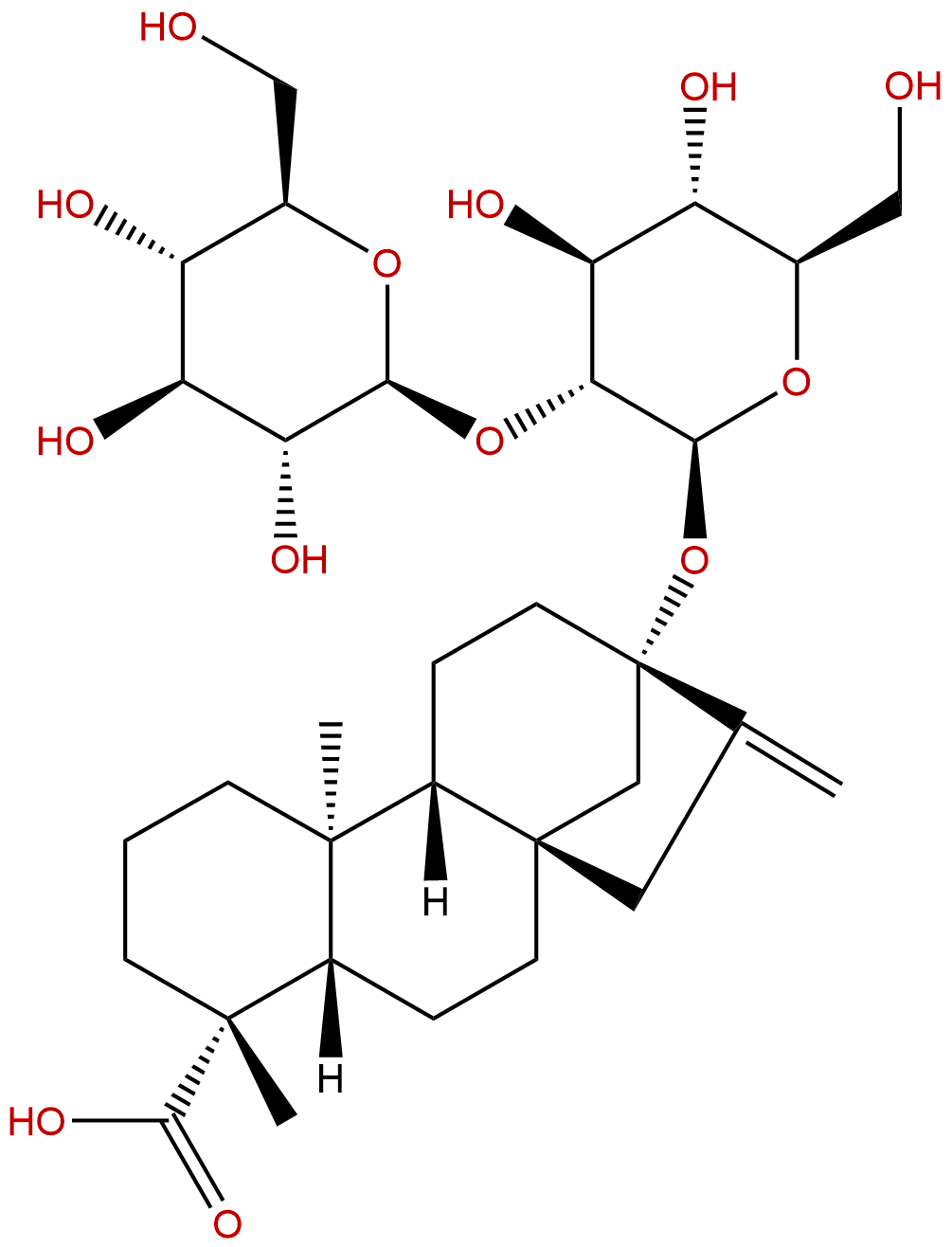


Product name: steviolbioside
Synonym name:
Catalogue No.: BP1501
Cas No.: 41093-60-1
Formula: C32H50O13
Mol Weight: 642.739
Botanical Source: Stevia rebaudiana (stevia)
Physical Description:
Type of Compound: Diterpenoids
Purity: 95%~99%
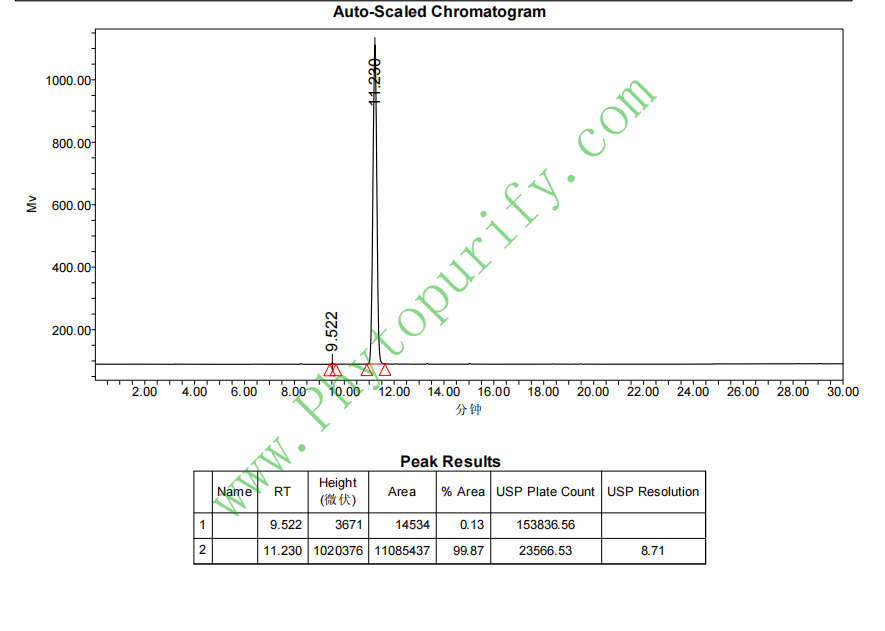
Analysis Method: HPLC-DAD or/and HPLC-ELSD
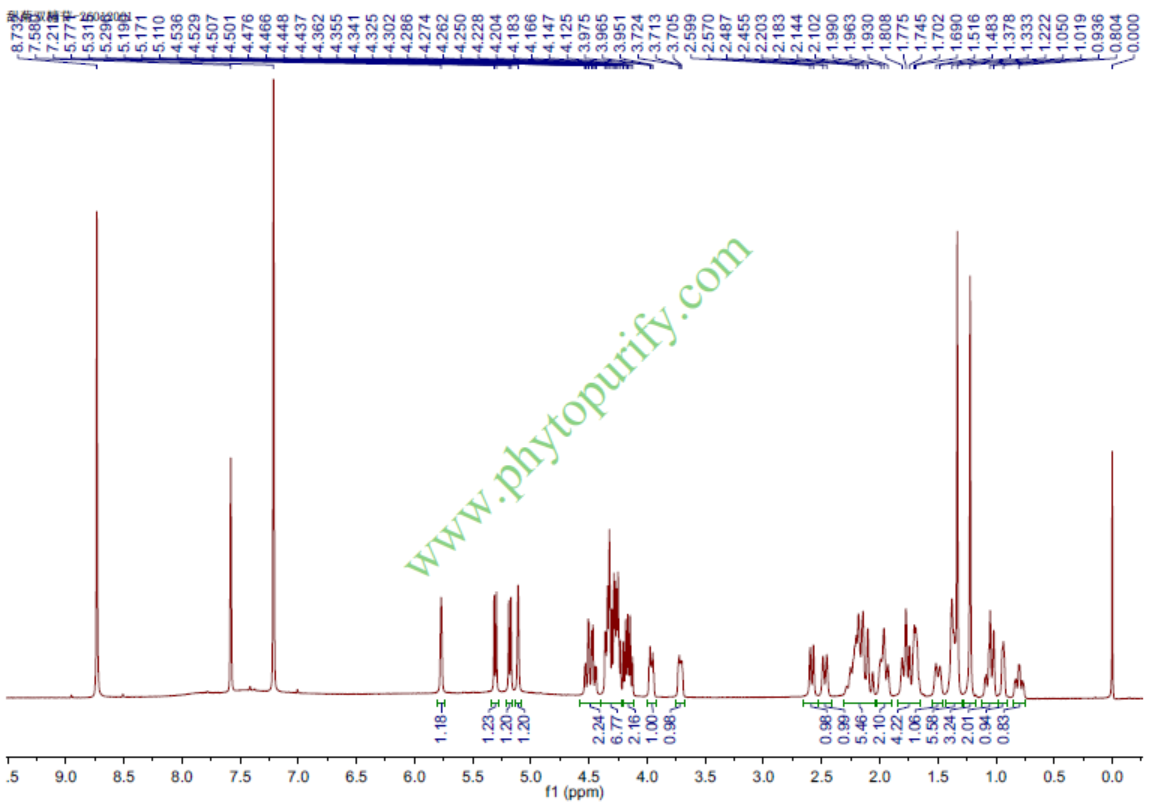
Identification Method: Mass, NMR
Packing: Brown vial or HDPE plastic bottle
The product could be supplied from milligrams to grams. Inquire for bulk scale.
We provide solution to improve the water-solubility of compounds, thereby facilitating the variety of activity tests and clinic uses.
For Reference Standard and R&D, Not for Human Use Directly.
Description:
Steviolbioside is a natural sweetener, it presents notable inhibition on human hepatocarcinoma cell Hep3B, human breast cancer cell MDA-MB-231 and human pancreatic cancer cell BxPC-3, thus, steviolbioside could be a potential remedy for human breast cancer. Steviolbioside also exhibits moderate antituberculosis activity against M. tuberculosis strain H37RV in vitro.
References:
Chemistry of Natural Compounds, 2011, 46(6):902-5.
Antituberculosis activity of glycosides from Stevia rebaudiana and hybrid compounds of steviolbioside and pyridinecarboxylic acid hydrazides
Stevioside and Steviolbioside, glycosides from Stevia rebaudiana Bertoni, in addition to hybrid compounds synthesized from Steviolbioside and the antituberculosis drug isoniazid and its isomer nicotinic acid hydrazide exhibited moderate antituberculosis activity against M. tuberculosis strain H37RV in vitro (MIC = 7.5, 3.75, 5, and 10 μg/mL, respectively).
Food Chem. 2016 Apr 1;196:155-60.
Production of a bioactive sweetener steviolbioside via specific hydrolyzing ester linkage of stevioside with a β-galactosidase.
METHODS AND RESULTS:
A β-galactosidase from Kluyveromyces lactis was found to specifically catalyze hydrolysis of the glycosyl ester linkage of stevioside to yield Steviolbioside, a rare sweetener that also exists in Stevia rebaudiana leaves. In a packed bed reactor, a reaction coupling separation was realized and a production yield of Steviolbioside reached 90% in 6 h. The hydrolysis product Steviolbiosidepresented higher cytoxicity on human normal cells (hepatocytes cell L02 and intestinal epithelial cell T84) than stevioside did. Comparing to the typical chemotherapy agent, 5-fluorouracil (5-FU), Steviolbioside presents much lower cytotoxicity on all assayed human normal cells; it presented notable inhibition on human hepatocarcinoma cell Hep3B, human breast cancer cell MDA-MB-231 and human pancreatic cancer cell BxPC-3.
CONCLUSIONS:
The remarkable inhibition on MDA-MB-231 cells makes Steviolbioside a potential remedy for human breast cancer, when Steviolbioside is served as a natural sweetener.
HPLC of steviolbioside
HNMR of steviolbioside
Storage conditions:Short-term storage at 2~8℃, long-term storage at -20 ~ -80℃
215.8300
.4749
-1.3298
1.1590
.4928
.3083
Low
77.2191
6.6405
No
No
No
No
No
No
0.0
Yes
No
No
No
Steviolbioside (CAS number: 41093-60-1) is derived from Stevia rebaudiana(Stevia rebaudiana Bertoni is a diterpenoid glycoside compound. For a long time, stevia and its main sweet components such as steviol glycosides and rebaudin A have been widely used as natural sweeteners in the food industry due to their high sweetness and low calorie properties. However, in recent years, with the deepening of research on natural products, the "secondary" component of stevia glycosides has gradually shown remarkable biological activity beyond its sweet taste attribute. Studies have shown that it is not only an important intermediate for drug synthesis, but also has potential application value in many pharmacological fields such as anti-tumor, antituberculosis, and anti diabetes. It targets various disease models, especially Mycobacterium tuberculosis(Mycobacterium tuberculosis)Its inhibitory activity and inhibitory effect on tumor cell proliferation have transformed it from a functional food additive to a candidate drug molecule with important research value. This article aims to systematically review the chemical properties, plant sources, pharmacological activities, mechanisms of action, medicinal properties, and clinical application prospects of stevia glycosides, in order to provide comprehensive scientific references for the deep development and utilization of this compound.
The chemical name of stevia glycosides is 13- [(2-O - β - D-glucopyranosyl - β - D-glucopyranosyl) oxy] kaempferol-16-en-19-ate β - D-glucopyranosyl ester, with a molecular formula of C32H50O13 and a molecular weight of 642.7390. The core of its structure is steviol, a tetracyclic diterpenoid. A disaccharide chain composed of two molecules of glucose (β - D-glucosyl - (1 → 2) - β - D-glucosyl) is connected to the C-13 hydroxyl group of steviol, and a single-molecule glucose is esterified to the C-19 carboxyl group. This unique glycosylation pattern is a key structural feature that distinguishes it from other steviol glycosides such as steviol glycosides (C-13 position is a triple sugar chain).
From the analysis of physical and chemical properties, the logarithmic partition coefficient (LogP) of stevia glycosides is 0.4749, indicating that they have a certain degree of lipophilicity, but overall they still tend to be hydrophilic. Its topological polar surface area (TPSA) is as high as 215.8300 Å ², mainly attributed to the abundant polar groups such as hydroxyl and ester bonds in the molecule, indicating its good water solubility. The calculated water solubility value is 1.1590, further confirming its excellent solubility characteristics in aqueous media. These properties have fundamental impacts on their absorption, distribution, and bioavailability within living organisms. As a comparison, its higher TPSA and moderate LogP values may give it better solubility and preliminary pharmacological basis compared to many high fat soluble natural products.
Stevia glycosides are mainly derived from the leaves of the Asteraceae plant Stevia. In stevia, the content of steviol glycosides is usually lower than that of major sweet components such as steviol glycosides and rebaudin A, and is considered a minor glycoside. Its biosynthetic pathway is consistent with other steviol glycosides, starting from the mevalonic acid (MVA) pathway in the plant body, forming diterpenoid precursors, which are catalyzed by steviol synthase and other enzymes to produce steviol alcohol. Then, through a series of position specific glycosyltransferases (UGTs), UDP Glc molecules are gradually added, ultimately forming various glycosides including steviol glycosides.
The extraction and separation of stevia glycosides from plant materials typically involves the following process: first, the dried stevia leaves are crushed. Subsequently, heating reflux or ultrasound assisted extraction is performed using water, methanol, ethanol or their aqueous solutions to extract glycosides from plant cells. After filtering and concentrating the crude extract, a paste rich in various steviol glycosides is obtained. Due to the similar physical and chemical properties of stevia glycosides to other glycosides, separation and purification are key and challenging steps. The conventional purification methods include initial enrichment using macroporous adsorption resin (such as AB-8, D101) column chromatography, followed by fine separation using techniques such as silica gel column chromatography, reverse phase silica gel (such as C18) column chromatography, and preparative high-performance liquid chromatography (HPLC). In recent years, liquid-liquid distribution chromatography techniques such as high-speed countercurrent chromatography (HSCCC) have shown unique advantages in the preparation of stevia glycoside monomers due to their high recovery rates and separation efficiencies. The separated compounds can be structurally identified using techniques such as nuclear magnetic resonance (NMR) and mass spectrometry (MS).
A large number of in vitro and in vivo studies have revealed the extensive and diverse pharmacological activities of stevia glycosides, making them one of the representatives of multi-target natural products.
1. Antitumor activity: Stevia glycosides have inhibitory effects on the proliferation of various tumor cells. Studies have reported that this compound can inhibit the growth of breast cancer, liver cancer, colon cancer and other cancer cells. Its function is not simply cytotoxicity, but more manifested as inducing cell cycle arrest, promoting apoptosis, and so on. For example, in the breast cancer cell model, stevioside showed a dose-dependent inhibitory effect on proliferation, suggesting its potential in tumor chemoprevention or adjuvant therapy.
2. Antimicrobial activity (anti tuberculosis): This is one of the most remarkable activities of stevia glycosides. The experimental data shows that its minimum inhibitory concentration (MIC) against the standard strain of Mycobacterium tuberculosis is 3.8 µ g/mL. This level of activity ranks it among natural products with significant anti tuberculosis potential. Tuberculosis is a major infectious disease in the world. the emergence of multidrug resistant and extensively drug-resistant strains makes it urgent to develop new anti tuberculosis drugs. stevia glycoside provides a new candidate molecule for this.
3. Anti diabetes activity: Stevia glycosides inherit the traditional metabolic regulation of stevia glycosides. Research has shown that it can improve insulin resistance and lower blood sugar levels. Its function is not limited to serving as a non calorie sweetener to replace sucrose and reduce sugar intake, but is more likely to exert therapeutic effects by directly regulating key enzymes and signaling pathways involved in sugar metabolism. Animal experimental models have confirmed its effectiveness in reducing fasting blood glucose and improving glucose tolerance.
4. Other potential activities: Based on the related research on the core structure of steviol alcohol derivatives, steviol glycosides may also have anti-inflammatory, antioxidant, and antihypertensive activities, but these aspects require more direct experimental evidence to support.
The multiple pharmacological activities of stevia glycosides are closely related to their effects on multiple molecular targets and signaling pathways. Based on existing research and related target predictions, its mechanism of action can be preliminarily summarized as follows:
1. Anti diabetes mechanism:
* AMPK pathway activation: AMP activated protein kinase (AMPK) is a core regulator of cellular energy metabolism. Stevia glycosides may exert hypoglycemic effects by activating AMPK (target PRKAA1/AMPK), promoting glucose uptake (such as increasing GLUT4 translocation), and inhibiting liver gluconeogenesis.
* Regulation of key enzymes in sugar metabolism: It may target glucokinase (GCK) and promote the liver's utilization of glucose; Or inhibit sodium glucose cotransporter 2 (SGLT2), reduce renal reabsorption of glucose, and increase urinary glucose excretion, which is similar to the mechanism of action of current SGLT2 inhibitor hypoglycemic drugs.
* Regulation of insulin signaling pathway: By inhibiting the activity of protein tyrosine phosphatase 1B (PTPN1), the phosphorylation level of insulin receptors can be enhanced, positively regulating insulin signaling and improving insulin resistance.
* Other related targets: The potential interaction with beta amyloid precursor (APP), monoamine oxidase A (MAOA) and estrogen receptor beta (ESR2) may indirectly affect the neuroendocrine regulation and inflammatory process related to diabetes.
2. Antitumor mechanism:
Although the specific mechanism has not been fully elucidated, it is speculated to be related to its induction of cellular stress and regulation of apoptosis related protein expression. Its structure may interfere with the energy metabolism of tumor cells (such as through AMPK), or affect signaling pathways related to proliferation. The potential effect on ESR2 may also affect hormone dependent tumors (such as some breast cancer).
3. Anti tuberculosis mechanism:
The precise molecular target of its anti tuberculosis effect on Mycobacterium tuberculosis is still unknown. Given its glycosidic structure, it may act on the synthesis or modification process of bacterial cell walls, or interfere with the unique metabolic pathways of mycobacteria (such as mycolic acid synthesis). Further chemical biology research is needed to reveal its specific target of action.
Based on the provided pharmacological parameters and existing knowledge, a preliminary evaluation of the pharmacological properties of stevia glycosides is conducted
1. Absorption, distribution, metabolism, and excretion (ADME) characteristics:
* Absorption: The molecular weight is relatively large (>500) and the TPSA is high, which may limit its ability to cross the intestinal epithelial cell membrane through passive diffusion, and the oral bioavailability may be low. It may need to rely on sugar transporters (such as SGLT1) in the gut for absorption.
* Distribution: The prediction of blood-brain barrier permeability is "low", which is consistent with the characteristics of high TPSA, meaning that it is not easy to enter the central nervous system, which is beneficial for reducing potential central side effects, but also limits its direct effect on central related targets.
* Metabolism: As a glycoside compound, stevia glycosides are likely to be hydrolyzed by glycosidases in gut microbiota or tissues in the body, gradually removing glycosides and producing steviol monoglycosides and even steviol alcohol. These metabolites may be the true active forms. The metabolic pathway and rate are the key factors determining the duration of its pharmacological effect.
* Excretion: Expected to be primarily excreted through the kidneys and bile.
2. Preliminary safety evaluation:
* Cardiac toxicity: The inhibitory prediction of hERG is' no ', indicating a low risk of inducing QT interval prolongation and apical torsion type ventricular tachycardia, which is a positive drug safety signal.
* Genetic toxicity: The Ames test result is 0.0, indicating that there is no mutagenicity in this testing system, but a more complete genetic toxicity test combination is needed to confirm.
* General toxicity: Stevia glycosides have a good overall safety record and have been approved by multiple international organizations as food additives. However, when used as a high-purity monomer for drug therapy, systematic acute, subacute, and chronic toxicity assessments are still necessary.
3. Challenges in drug development:
The main challenge lies in its large molecular weight and extremely high polarity, which may lead to poor oral absorption and low bioavailability. In the future, it may be necessary to overcome this bottleneck through structural modifications (such as preparing prodrugs), developing novel drug delivery systems (such as nano formulations), or searching for more absorbable active metabolites.
The diverse biological activities of stevia glycosides have brought broad application prospects in multiple therapeutic fields, but also face many challenges.
1. Potential application directions:
* Development of anti tuberculosis drugs: In view of its clear anti mycobacterium tuberculosis activity (MIC 3.8 µ g/mL), stevioside can be used as a lead compound for structural optimization to improve its potency, improve its pharmacokinetic properties, and explore its combination with existing anti tuberculosis drugs to deal with drug-resistant tuberculosis.
* Prevention and treatment of diabetes and its complications: As a compound with diverse hypoglycemic mechanisms and natural safety background, it is expected to be developed into a new type of anti diabetes drug or functional food. Specifically, its action on multiple targets such as AMPK and PTPN1 may have comprehensive benefits in improving insulin resistance and metabolic syndrome.
* Tumor adjuvant therapy: Its anti proliferative activity suggests that it has research value in tumor prevention or as a sensitizer for chemotherapy and radiotherapy. Especially for specific types of tumors such as breast cancer, it is worth further exploration.
* As a pharmaceutical intermediate: Its specific glycosylation structure can be used to synthesize other bioactive glycoside derivatives.
2. Future research focus and prospects:
* Deep analysis of mechanism: The key to promoting its drug development is to use chemical biology methods such as affinity fishing, molecular docking, and site directed mutagenesis verification to identify its direct molecular targets for anti tuberculosis and anti-tumor effects.
* Structural optimization: Based on the study of structure-activity relationships, modifications were made to the glycosyl portion or aglycone to enhance activity, improve metabolic stability, and improve oral absorption.
* Systematic pharmacodynamic and pharmacokinetic studies: It is necessary to comprehensively evaluate its therapeutic potency, dose effect relationship, long-term toxicity and ADME characteristics in animal models of diseases closer to human beings (such as chronic tuberculosis infection model, type 2 diabetes model).
* Pharmaceutical research: In view of its pharmaceutical shortcomings, develop appropriate drug delivery routes and preparation technologies, such as pulmonary drug delivery for tuberculosis, or use nano carriers to improve its targeting and bioavailability.
* Preclinical and clinical translation: After completing sufficient preclinical research, gradually advance clinical trials to verify its safety and effectiveness in humans.
Stevia glycoside, a natural diterpenoid glycoside derived from Stevia rebaudiana, is emerging from its traditional role as a sweetener and demonstrating great potential as a multi-target therapeutic drug. Its remarkable activities in anti tuberculosis, anti diabetes and anti-tumor, combined with preliminary good safety prediction, make it a very attractive drug lead compound. Despite challenges in terms of oral bioavailability, these obstacles are expected to be overcome through the intervention of modern medicinal chemistry, pharmacology, and pharmacology technologies. Future research should focus on elucidating its precise mechanism of action, rational structural optimization based on structure-activity relationships, and systematic preclinical development. The research history of stevia glycosides is a model for the deep excavation of the value of natural products from "edible" to "medicinal". Its follow-up development is expected to provide new candidate strategies and weapons for the treatment of global major diseases such as tuberculosis and diabetes.
