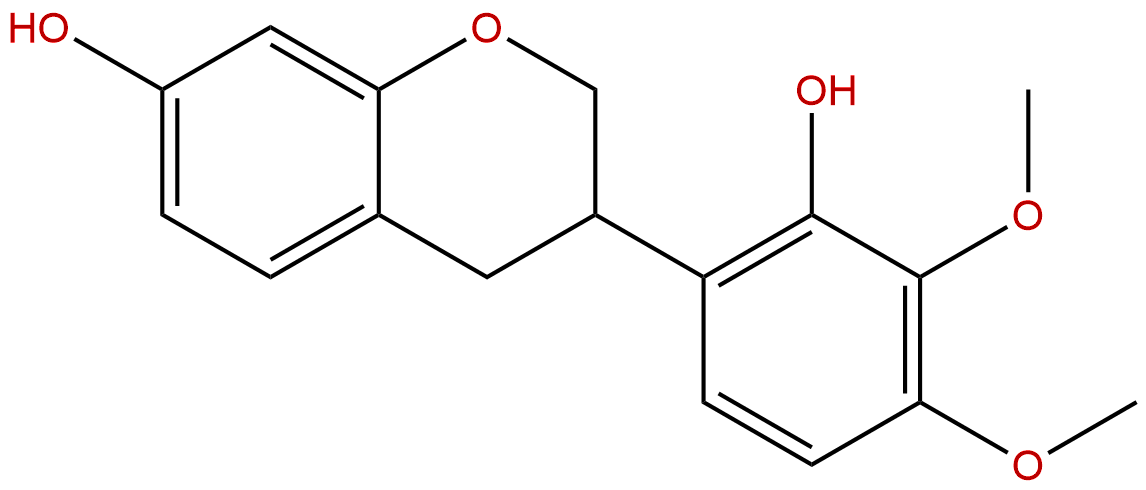


Synonym name: DL-Isomucronulatol; 7,2'-Dihydroxy-3',4'-dimethoxyisoflavan
Catalogue No.: BP0791
Cas No.: 52250-35-8
Formula: C17H18O5
Mol Weight: 302.326
Botanical Source:
Purity: 95%~99%
Analysis Method: HPLC-DAD or/and HPLC-ELSD
Identification Method: Mass, NMR
Packing: Brown vial or HDPE plastic bottle
Can be supplied from milligrams to grams.
For Reference Standard and R&D, Not for Human Use Directly.
Inquire for bulk scale.
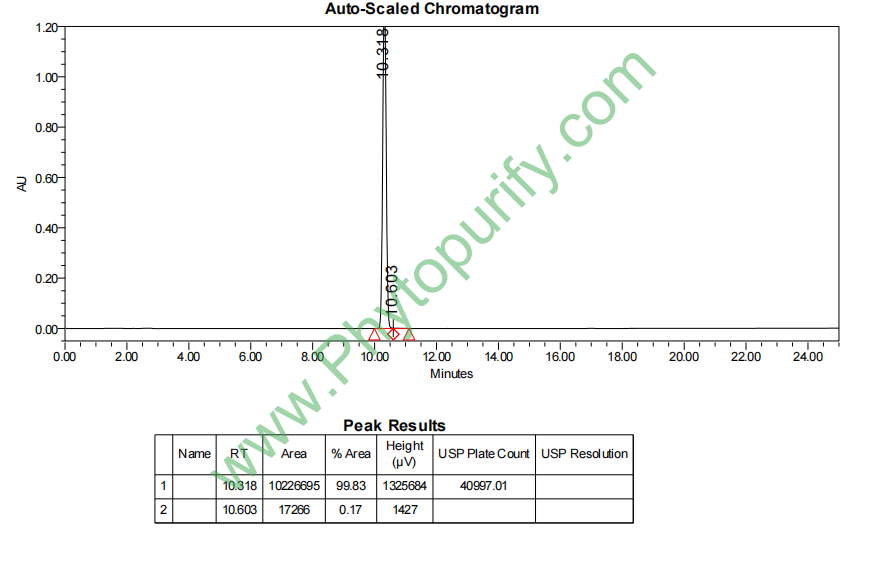
HPLC of Isomucronulatol
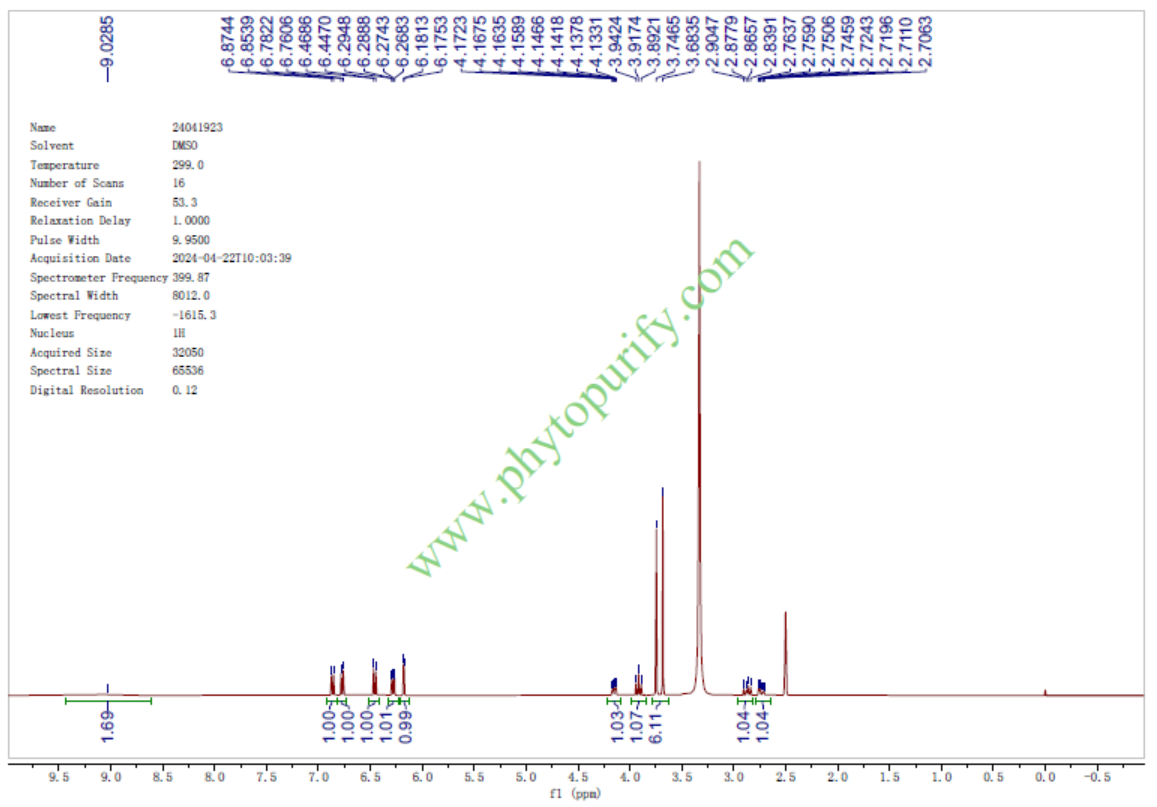
HNMR of Isomucronulatol
Storage conditions:Short-term storage at 2~8℃, long-term storage at -20 ~ -80℃
Astragalus membranaceus, as a traditional Chinese medicinal herb, is widely used in clinical and basic research due to its excellent immune regulation and anti-inflammatory effects. Isomucronulatol (CAS number: 52250-35-8) is a flavonoid natural product isolated from the root of Astragalus membranaceus. In recent years, it has attracted attention in the fields of pharmacology and natural product chemistry due to its unique biological activity. Research has shown that Huangqi isoflavones can significantly inhibit the expression of IL-12 p40 subunits induced by lipopolysaccharide (LPS) in vitro, demonstrating potential anti-inflammatory activity. In addition, it has regulatory effects on oxidative damage related targets such as NFE2L2 (NRF2), SOD1, CAT, GPX1, HMOX1, and SOD2, indicating its potential application in oxidative stress-related diseases. This article will provide a systematic review of the chemical structure, plant sources, extraction methods, pharmacological activity, mechanism of action, pharmacological evaluation, and clinical application prospects of Huangqi isoflavones, providing theoretical basis and research direction for the in-depth study and development of this compound.
Huangqi isoflavones belong to the flavonoid class, with a molecular formula of C18H18O5 and a molecular weight of 302.3260. Its structural features include a typical isoflavanol skeleton, with multiple hydroxyl groups and benzene rings, giving it a good basis for biological activity. In terms of physical and chemical properties, the LogP value of Huangqi isoflavones is 2.9183, indicating moderate lipid solubility, which is beneficial for cell membrane penetration and in vivo distribution. Its polar surface area (TPSA) is 68.15 Å ², indicating that the molecule has moderate polarity, which is conducive to binding with biomolecules. Low water solubility (0.1264 mg/mL) suggests limited solubility in aqueous phase, but it is suitable for improving bioavailability through techniques such as liposomes or nanocarriers. The high permeability of the blood-brain barrier suggests its potential role in the central nervous system. Importantly, Huangqi isoflavones did not exhibit hERG channel inhibition and the Ames mutagenicity test results were negative, demonstrating good safety and low toxicity risks.
Huangqi isoflavones mainly come from the roots of Astragalus membranaceus. Huangqi, as a leguminous plant, is rich in various flavonoids, saponins, and polysaccharides in its roots. The extraction of Huangqi isoflavones is usually carried out using organic solvent extraction combined with column chromatography separation technology. The specific methods include:
In recent years, green extraction techniques such as ultrasound assisted extraction (UAE) and supercritical fluid extraction (SFE) have also been attempted to be applied to the extraction of isoflavones from Astragalus membranaceus, significantly improving extraction efficiency and reducing the use of organic solvents, in line with the environmental trend of modern natural product extraction.
The pharmacological activity research of Huangqi isoflavones mainly focuses on their anti-inflammatory and antioxidant effects. In vitro experiments have shown that Huangqi isoflavones can effectively inhibit the expression of IL-12 p40 subunits in LPS induced macrophages. IL-12, as a pro-inflammatory cytokine, plays a key role in various inflammatory and immune diseases, and its inhibition helps alleviate inflammatory responses. In addition, Huangqi isoflavones have regulatory effects on the expression and activity of various oxidative stress-related enzymes, including superoxide dismutase (SOD1, SOD2), catalase (CAT), glutathione peroxidase (GPX1), and heme oxygenase-1 (HMOX1). These enzyme systems work together to maintain intracellular redox balance and prevent oxidative damage.
Animal model studies have shown that Huangqi isoflavones can alleviate tissue damage caused by oxidative stress, such as oxidative damage to the liver, heart, and nervous system, exhibiting significant protective effects. In addition, its activation of the NFE2L2 (NRF2) signaling pathway is considered to be the core of its antioxidant mechanism. NRF2, as the main antioxidant transcription factor in cells, regulates the expression of various antioxidant enzymes, thereby enhancing the cell's resistance to oxidative stress.
The mechanism of action of Huangqi isoflavones mainly involves two aspects: anti-inflammatory and antioxidant
Anti inflammatory mechanism
Huangqi isoflavones weaken the pro-inflammatory response of macrophages by inhibiting the expression of LPS induced inflammatory factor IL-12 p40. IL-12, as a key factor in Th1 cell differentiation, downregulation helps regulate immune balance and alleviate chronic inflammation. In addition, Huangqi isoflavones may exert anti-inflammatory effects by regulating the NF - κ B signaling pathway, inhibiting the production of inflammatory mediators.
Antioxidant mechanism
Huangqi isoflavones can activate the NFE2L2 (NRF2) signaling pathway, promote the translocation of NRF2 from the cytoplasm to the nucleus, bind to antioxidant response elements (ARE), induce the expression of downstream antioxidant enzymes such as SOD1, SOD2, CAT, GPX1, and HMOX1, enhance the antioxidant defense ability of cells, reduce the accumulation of reactive oxygen species (ROS) and free radicals, and protect cells from oxidative damage.
Other potential targets
Due to the structural characteristics of Huangqi isoflavones, they may bind to various enzymes and receptor proteins to regulate cellular signaling networks. Current research suggests that it may affect signaling pathways such as MAPK and PI3K/Akt, and participate in cell survival, apoptosis, and metabolic regulation. However, the specific targets and mechanisms still need further clarification.
The pharmacological evaluation of Huangqi Isoflavonol shows that it has good potential for drug development:
In terms of pharmacokinetics, although there is currently limited data on the in vivo absorption, distribution, metabolism, and excretion (ADME) of Huangqi isoflavones, their good lipid solubility and blood-brain barrier permeability suggest that they can be effectively absorbed and distributed to target tissues after oral administration. In the future, in vivo pharmacokinetic studies are needed to clarify its half-life, bioavailability, and metabolic pathways, providing a basis for clinical development.
Huangqi isoflavones, as a natural flavonoid compound, have shown broad application prospects in the prevention and treatment of various diseases due to their significant anti-inflammatory and antioxidant activities. Its potential indications include:
Future research should focus on:
In summary, Huangqi isoflavones, as a natural product with multi-target effects, have the potential to become a new type of anti-inflammatory and antioxidant drug, and are worthy of further in-depth research and development.
Huangqi Isoflavonol, as an important flavonoid active ingredient in Huangqi, exhibits significant anti-inflammatory and antioxidant activities due to its unique chemical structure and good physicochemical properties. It participates in regulating inflammatory response and oxidative stress by regulating IL-12 p40 expression and activating the NRF2 signaling pathway, and has broad pharmacological significance and clinical application potential. The drug evaluation shows that it has good safety and blood-brain barrier permeability, providing potential for the treatment of neurological diseases. In the future, by combining modern drug research and development technology, we will further elucidate its mechanism of action, optimize the formulation and pharmacokinetic characteristics, and lay a solid foundation for the clinical translation of Huangqi Isoflavonol, promoting it as a new highlight in the development of natural product drugs.
