


Product name: Zeaxanthin
Synonym name: Zeaxanthol;Zeaxanthin
Catalogue No.: BP4122
Cas No.: 144-68-3
Formula: C40H56O2
Mol Weight: 568.886
Botanical Source: Tagetes erecta L
Type of Compound: Terpenoids
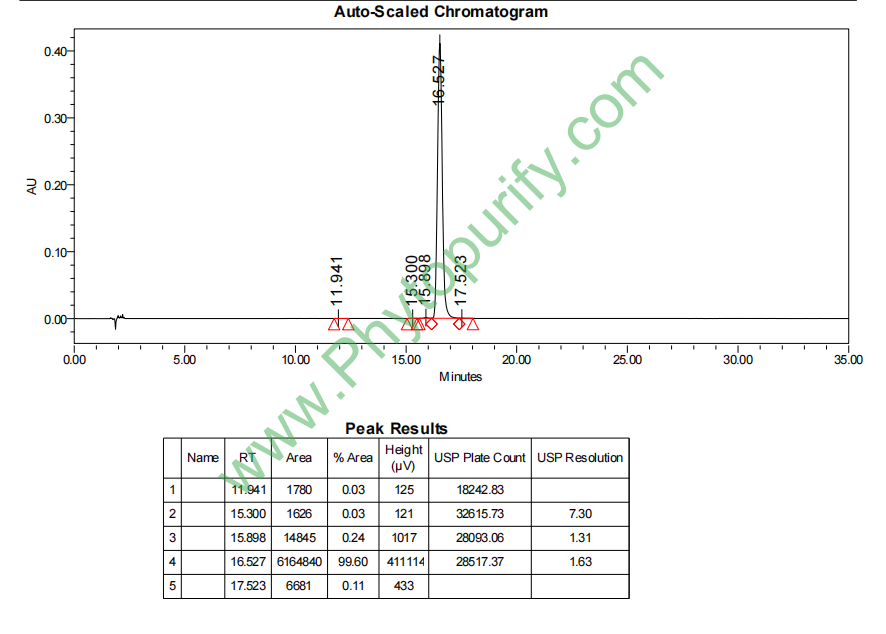
Purity: 95%~99%
Analysis Method: HPLC-DAD or/and HPLC-ELSD
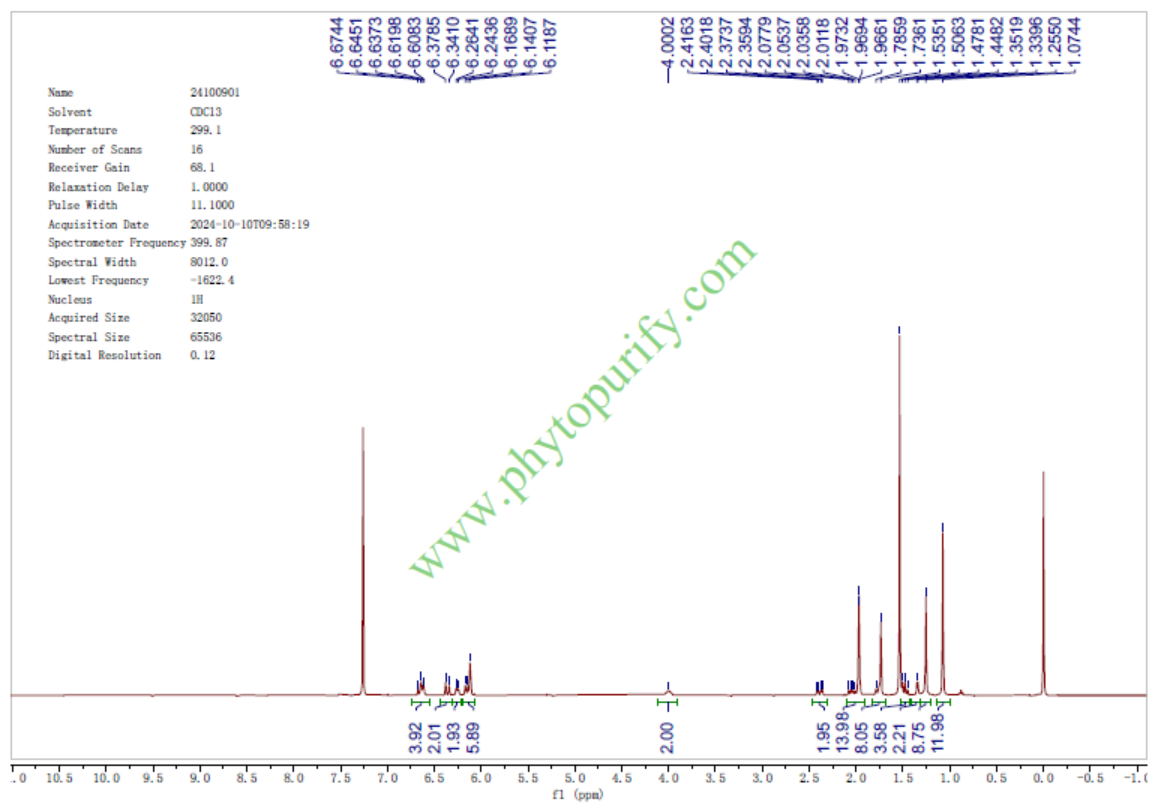
Identification Method: Mass, NMR
Packing: Brown vial or HDPE plastic bottle
Storage: Store in a well closed container, protected from air and light. Put into refrigerate or freeze for long term storage.
Whenever possible, you should prepare and use solutions on the same day. However, if you need to make up stock solutions in advance, we recommend that you store the solution as aliquots in tightly sealed vials at -20℃. Generally, these will be useable for up to two weeks.
The product could be supplied from milligrams to grams
Inquire for bulk scale.
Chengdu Biopurify Phytochemicals Ltd. is a leading company in the research, development, manufacture and marketing of High Quality Phytochemicals and Extracts(especially Active Ingredients from Traditional Chinese Medicine,TCM), Natural Active Pharmaceutical Ingredients worldwide.
The main services:
A. Supply active ingredients and reference standards of TCM, from mgs to kgs scale
B. Custom extraction and purification, target Herb Active Ingredients
C. Custom synthesis and semi-synthesis for Natural Active Ingredients
D. CR(contract research), CM(contract manufacture) and PD(process development) services from lab scale, pilot scale to commercial scale(GMP is also available)
E. TCM compounds library for drug screen,more than 3000 compounds available, many of them are rare and unique.
HPLC of Zeaxanthin
HNMR of Zeaxanthin
Storage conditions:Short-term storage at 2~8℃, long-term storage at -20 ~ -80℃
40.4600
10.1065
10.1065
.0000
4.8007
4.5601
High
95.5163
4.5770
No
Yes
Yes
No
No
No
0.0
No
Yes
Yes
Yes
In the precise construction of the human visual system, the macular region serves as the core of central vision, and its health directly determines visual quality. It is noteworthy that a type of fat soluble pigment called carotenoids in nature, especially zeaxanthin and its isomer lutein, are highly enriched in the macular region, forming the famous "macular pigment". This discovery closely links dietary nutrients with visual health, opening a new chapter in natural product pharmacology research.
Zeaxanthin (CAS number: 144-68-3) is a natural oxygen-containing carotenoid with the chemical name (3R, 3'R) - β, β - carotene -3,3 '- diol. As a geometric isomer of lutein, zeaxanthin is widely present in the plant kingdom, especially abundant in dark green leafy vegetables such as corn, spinach, kale, and egg yolks. Its unique molecular structure endows it with outstanding physical and chemical properties, enabling it to play multiple key roles in living organisms.
From a pharmacological perspective, the most notable characteristic of zeaxanthin is its strong antioxidant capacity. In the high oxygen consuming and high light exposed environment of the retina, zeaxanthin can effectively quench singlet oxygen and scavenge free radicals, thereby protecting photoreceptor cells and retinal pigment epithelial cells from oxidative damage. Epidemiological studies have shown that the intake of zeaxanthin and lutein in the diet is negatively correlated with the risk of age-related macular degeneration (AMD) and cataracts. In addition, increasing evidence suggests that zeaxanthin also exhibits potential therapeutic value in cardiovascular protection, neuroprotection, skin photoprotection, and anti-inflammatory response.
With the aging of the global population, the incidence rate of chronic diseases related to oxidative stress continues to rise. Zeaxanthin, as a safe and effective natural antioxidant, is receiving extensive attention from academia and industry. This article will provide a systematic review of the research progress of zeaxanthin from multiple dimensions, including chemical structure, plant origin, pharmacological activity, mechanism of action, medicinal evaluation, and clinical application prospects, in order to provide scientific basis for the in-depth development and transformation of this natural product.
The chemical structure of zeaxanthin determines its unique biological activity and physicochemical behavior. Its molecular formula is C ₄₀ H ₅₆ O ₂, and its molecular weight is 568.8860 g/mol. Structurally, zeaxanthin belongs to the class of dihydroxycarotenoids, with its core skeleton composed of conjugated polyene chains of 40 carbon atoms, each end connected to a ketone ring. The key difference between zeaxanthin and lutein lies in the position of the double bond: zeaxanthin has a hydroxyl group at positions 3 and 3 'of the ketone ring, and its conjugated double bond system is completely symmetrical, while lutein has an asymmetric ε - ring.
This symmetrical molecular configuration endows zeaxanthin with unique physicochemical properties. Its LogP value is 10.1065, indicating that the compound has extremely high lipid solubility, which is closely related to its localization and function in biofilms. High lipid solubility allows zeaxanthin to embed into the lipid bilayer of cell membranes, particularly enriched in the mitochondrial membrane and the outer membrane discs of retinal photoreceptor cells, thereby exerting a protective effect in the most active areas of oxidative stress.
It is worth noting that zeaxanthin has extremely low water solubility (0.0000 mg/mL), which poses significant challenges to its absorption, distribution, and bioavailability in vivo. Its topological polar surface area (TPSA) is 40.4600 Å ², which is relatively low and matches the equal degree of polarity, mainly due to the contribution of two hydroxyl groups. Low TPSA values are usually advantageous for molecules to penetrate biological membranes, including the blood-brain barrier. In fact, existing data indicates that zeaxanthin has high blood-brain barrier penetration ability, which provides a theoretical basis for its application in central nervous system diseases.
In terms of spectroscopic properties, zeaxanthin exhibits a strong absorption peak in the visible light region (around 450 nm), presenting a characteristic yellow to orange color. This optical property not only makes it a natural pigment, but also endows it with blue light filtering function - in the retina, zeaxanthin can selectively absorb high-energy blue light (400-500 nm), reducing photochemical damage. In addition, the length and configuration of its conjugated polyene chain determine its antioxidant activity, and a longer conjugated system is beneficial for electron delocalization and stabilization of free radicals.
In terms of stability, zeaxanthin is sensitive to light, heat, and oxygen, and is prone to isomerization and oxidative degradation. This instability imposes strict requirements on extraction, purification, formulation development, and storage conditions. Research has shown that the stability of zeaxanthin can be significantly improved under conditions of light avoidance, low temperature, and inert gas protection. In addition, binding with protein or lipid carriers can enhance their stability, which is also an important direction in current formulation research.
Corn lutein is widely distributed in nature, but its content varies depending on factors such as species, tissue location, and growth conditions. As an auxiliary pigment for photosynthesis, zeaxanthin is distributed in plant chloroplasts and chromoplasts, especially abundant in leaves, petals, and fruits of higher plants.
Among common dietary sources, dark green leafy vegetables are the main source of zeaxanthin. Kale(Brassica oleracea var. sabellica)It is considered one of the vegetables with the highest content of zeaxanthin, with a content of 10-20 milligrams per 100 grams of fresh weight. Spinach(Spinacia oleracea)It is also rich in zeaxanthin, with a content of about 5-10 milligrams per 100 grams. In addition, corn(Zea mays)As the origin of its name, corn kernels have a high content of zeaxanthin, especially in yellow varieties. It is worth noting that although the absolute content of zeaxanthin in egg yolks is not high, its bioavailability is relatively high due to its presence in a lipid environment.
Other important sources include: orange pepper(Capsicum annuum)Pumpkin(Cucurbita spp.)、 Mango(Mangifera indica)Goji berries(Lycium barbarum)And some algae such as microalgae(Chlorella spp.)。 Among medicinal plants, marigold(Tagetes erecta)The petals of corn are a rich source of zeaxanthin and lutein, and have become the main raw material for commercial extraction.
From the perspective of extraction methods, the extraction process of zeaxanthin has evolved from traditional solvent extraction to green extraction technology. Given the high lipid solubility of zeaxanthin, organic solvent extraction is the most classic method. Common solvents include n-hexane, acetone, ethanol, ethyl acetate, and their mixed solvents. Among them, ethanol is the most widely used in the food and health products industry due to its safety, edibility, and environmental friendliness. During the extraction process, pre-treatment of raw materials (such as drying, crushing, enzymatic hydrolysis) is crucial for improving extraction efficiency. For example, after drying and crushing marigold petals, the extraction rate of zeaxanthin can reach over 90% by using a mixture of ethanol and n-hexane (1:1) solvent at 50 ° C for 2 hours.
Supercritical fluid extraction (SFE), as a green extraction technology, has shown significant advantages in the extraction of zeaxanthin in recent years. Using carbon dioxide as the solvent, zeaxanthin can be efficiently extracted under pressure of 30-50 MPa and temperature of 40-60 ° C, and the product has no solvent residue. Research has shown that adding ethanol as a co solvent (5-10%) can significantly improve extraction efficiency. In addition, ultrasound assisted extraction (UAE) and microwave-assisted extraction (MAE) have become research hotspots by disrupting cell wall structure, shortening extraction time, and improving yield.
Purification after extraction is a key step in obtaining high-purity zeaxanthin. Column chromatography (such as silica gel column, alumina column) is a commonly used purification method in the laboratory, which can effectively separate coexisting pigments such as zeaxanthin, lutein, β - carotene, etc. High performance liquid chromatography (HPLC) is suitable for analytical grade purification. On an industrial scale, the combination of crystallization and saponification treatment is the main way to obtain high-purity zeaxanthin. The saponification process can remove chlorophyll and fatty acid esters, significantly improving product purity.
It is worth noting that zeaxanthin often exists in esterified form in plants (such as dipalmitate), which increases the complexity of extraction and purification. Saponification treatment can convert the esterified form of zeaxanthin into its free form, but it may also cause isomerization and degradation. Therefore, in process design, it is necessary to balance purity and yield, and take appropriate protective measures.
The pharmacological activity research of zeaxanthin mainly focuses on its antioxidant, anti-inflammatory, photoprotective, and cell protective functions, among which the research on ophthalmic protective effects is the most in-depth and extensive.
The core pharmacological activity of zeaxanthin is its strong antioxidant capacity. As a fat soluble antioxidant, zeaxanthin can directly quench singlet oxygen (¹ O ₂), and its quenching rate constant is close to the diffusion control limit. Research has shown that zeaxanthin has more than 10 times the ability to quench singlet oxygen compared to alpha tocopherol, attributed to its electron delocalization properties in conjugated polyene chains. In addition, zeaxanthin can effectively scavenge various free radicals, including hydroxyl radicals (· OH), superoxide anions (O ₂⁻ ·), peroxyl radicals (ROO ·), etc.
In cell models, pretreatment with zeaxanthin can significantly reduce oxidative stress-induced cell damage. For example, in human retinal pigment epithelial cells (ARPE-19), pretreatment with zeaxanthin (1-10 μ M) for 24 hours significantly reduced H ₂ O ₂ - induced cell apoptosis and lipid peroxidation. Similarly, in the blue light irradiation model, zeaxanthin can protect photoreceptor cells from photooxidative damage and reduce the production of reactive oxygen species (ROS).
Chronic inflammation is an important pathological mechanism in various degenerative diseases, and the anti-inflammatory role of zeaxanthin is increasingly being studied. Research has shown that zeaxanthin can inhibit lipopolysaccharide (LPS) - induced macrophage inflammation and reduce the expression of pro-inflammatory factors such as tumor necrosis factor - α (TNF - α), interleukin-1 β (IL-1 β), and interleukin-6 (IL-6). Its anti-inflammatory mechanism involves the inhibition of the nuclear factor kappa B (NF - κ B) signaling pathway. Zeaxanthin inhibits the nuclear translocation of NF - κ B by blocking the phosphorylation and degradation of I κ B α, thereby downregulating the transcription of inflammatory genes.
In ophthalmic disease models, the anti-inflammatory effect of zeaxanthin is particularly prominent. In an experimental autoimmune uveitis (EAU) model, oral administration of zeaxanthin can alleviate retinal inflammatory response, reduce inflammatory cell infiltration and cytokine levels. In addition, in the dry AMD model, zeaxanthin protects the integrity of retinal pigment epithelial cells by inhibiting excessive activation of the complement system and assembly of inflammasomes (NLRP3).
Continuous exposure of the retina to visible light, especially high-energy blue light, is an important source of photochemical damage. The high enrichment of zeaxanthin in the macular area of the retina makes it a natural photoprotective agent. Its photoprotective mechanism includes: firstly, physical filtering effect - zeaxanthin has strong absorption in the blue light region (400-500 nm), which can reduce the amount of light energy reaching photoreceptor cells; Secondly, antioxidant effect - blue light irradiation can induce photoreceptor cells to produce a large amount of ROS, and zeaxanthin reduces photooxidative damage by quenching ROS; Thirdly, membrane stabilization effect - after embedding zeaxanthin into the cell membrane, it can increase the mechanical strength and stability of the membrane, reducing light induced membrane damage.
Corn lutein can penetrate the blood-brain barrier, which provides the possibility for its application in central nervous system diseases. Research has shown that zeaxanthin exhibits neuroprotective effects in Alzheimer's disease (AD) models. In APP/PS1 transgenic mice, dietary supplementation with zeaxanthin can reduce the deposition of β - amyloid protein (A β) and improve cognitive function. Its mechanism involves antioxidant, anti-inflammatory, and regulation of autophagy pathways. In addition, in the model of cerebral ischemia-reperfusion injury, pretreatment with zeaxanthin can reduce infarct size and improve neurological function scores.
Epidemiological studies have shown that the intake of zeaxanthin in the diet is negatively correlated with the risk of cardiovascular disease. In the atherosclerosis model, zeaxanthin can inhibit the oxidative modification of low-density lipoprotein (LDL), reduce the formation of foam cells, and delay the progress of atherosclerotic plaque. In addition, zeaxanthin can improve endothelial function, increase the bioavailability of nitric oxide (NO), and lower blood pressure.
As the largest organ in the human body, the skin is continuously exposed to ultraviolet radiation and environmental pollution, and oxidative stress is the main driving factor for its aging and damage. The application of zeaxanthin in skin protection has received attention in recent years. Topical application of zeaxanthin can reduce UV induced skin erythema, sunburn cell formation, and expression of matrix metalloproteinases (MMPs), thereby delaying skin photoaging. Oral supplementation of zeaxanthin can also increase the content of carotenoids in the skin and enhance the skin's defense against ultraviolet radiation.
The pharmacological activity of zeaxanthin involves the regulation of multiple molecular targets and signaling pathways. Based on existing research, its core mechanism of action can be summarized as follows:
Corn lutein exerts antioxidant effects by directly clearing ROS and reactive nitrogen species (RNS), but more importantly, it can regulate the intracellular antioxidant defense system. Nuclear factor E2 related factor 2 (NFE2L2, also known as NRF2) is the main transcription factor for cellular antioxidant response. Research has shown that zeaxanthin can activate the NRF2 signaling pathway, promote nuclear translocation, and bind to antioxidant response elements (ARE), upregulating the expression of a series of antioxidant enzymes, including superoxide dismutase 1 (SOD1), superoxide dismutase 2 (SOD2), catalase (CAT), glutathione peroxidase 1 (GPX1), and heme oxygenase 1 (HMOX1). This mechanism enables zeaxanthin to enhance the overall antioxidant capacity of cells, rather than just directly clearing free radicals.
Matrix metalloproteinases (MMPs) are a class of zinc dependent endopeptidases that participate in the degradation and remodeling of the extracellular matrix. Overexpression of MMPs is an important mechanism of tissue damage in ophthalmic diseases and skin aging. Zeaxanthin can inhibit the expression and activity of MMP1 and MMP3. In retinal pigment epithelial cells, zeaxanthin protects the integrity of Bruch membrane and delays the progression of AMD by inhibiting the MAPK/AP-1 signaling pathway, reducing the transcription of MMP1 and MMP3. In skin fibroblasts, zeaxanthin can also inhibit UV induced MMP1 expression and reduce collagen degradation.
Tyrosinase (TYR) is a key rate limiting enzyme in melanin synthesis. The regulation of tyrosinase activity by zeaxanthin is bidirectional: under normal physiological conditions, zeaxanthin can moderately inhibit tyrosinase activity and reduce excessive melanin production, which is related to its application in skin whitening; However, in the retina, the effect of zeaxanthin on tyrosinase may be involved in regulating the metabolism of melanin in retinal pigment epithelial cells, maintaining normal retinal function.
The anti-inflammatory effect of zeaxanthin is mainly achieved by inhibiting the NF - κ B and MAPK signaling pathways. In LPS stimulated macrophages, zeaxanthin can inhibit the phosphorylation of I κ B α, prevent nuclear translocation of NF - κ B, and reduce the production of pro-inflammatory factors such as TNF - α, IL-1 β, and IL-6. In addition, zeaxanthin can activate the Nrf2/HO-1 pathway, and the products of HO-1 (such as CO and bilirubin) have anti-inflammatory and cell protective effects, forming a positive feedback regulation.
Under oxidative stress conditions, zeaxanthin can inhibit cell apoptosis by regulating mitochondrial function. Specifically, zeaxanthin can maintain mitochondrial membrane potential, reduce the release of cytochrome c, and inhibit the activation of caspase-3 and caspase-9. In addition, zeaxanthin can induce protective autophagy, promote the clearance of damaged organelles and proteins, and maintain cellular homeostasis.
As a natural product, the pharmacological evaluation of zeaxanthin involves multiple aspects such as physicochemical properties, pharmacokinetic characteristics, safety, and formulation development.
The molecular weight of zeaxanthin is 568.8860 g/mol, with a LogP of 10.1065 and a TPSA of 40.4600 Å ². According to the Lipinski Five Rules, zeaxanthin with a molecular weight exceeding 500 and a LogP greater than 5 does not meet the traditional standards for oral medication. However, as a dietary supplement and functional food ingredient, its application scenarios are different from chemical drugs. High lipid solubility results in extremely low water solubility (0.0000 mg/mL), which poses a major challenge to its oral absorption and bioavailability.
The pharmacokinetic study of zeaxanthin is mainly based on animal models and human experiments. After oral administration, the absorption of zeaxanthin in the gastrointestinal tract depends on the presence of dietary fat. In the intestine, zeaxanthin is integrated into mixed micelles and absorbed through passive diffusion via brushed edge membranes and possible transporter mediated absorption. The absorbed zeaxanthin mainly binds to chylomicrons and enters the bloodstream through the lymphatic system.
In plasma, zeaxanthin mainly binds to high-density lipoprotein (HDL) and low-density lipoprotein (LDL), with HDL being its main carrier. After oral supplementation of zeaxanthin in the human body, the plasma concentration reaches its peak within 24-48 hours, with a half-life of about 10-15 days, which is consistent with its slow turnover in tissues. The distribution of zeaxanthin in the body is highly selective, with the macular area of the retina being its main target tissue. In addition, it is also distributed in the liver, adipose tissue, skin, and brain.
It is worth noting that the accumulation of zeaxanthin in the retina is a slow process that requires weeks to months of continuous supplementation to reach steady-state levels. This is related to its high lipid solubility, low water solubility, and the presence of the blood retinal barrier. Research has shown that dietary supplementation of zeaxanthin (2-10 mg per day) can significantly increase macular pigment density, but there are significant individual differences, influenced by genetic factors, dietary habits, and gut microbiota.
The safety of zeaxanthin has been widely validated. The Ames test result is 0.0, indicating that it has no mutagenicity. The hERG inhibition test is negative, indicating a low risk of cardiac toxicity. In animal toxicology studies, the oral LDX of zeaxanthin in rats exceeds 2000 mg/kg, which is classified as practically non-toxic. In long-term toxicity studies, rats were continuously fed zeaxanthin (up to 500 mg/kg/day) for 6 months without significant toxic reactions. In human clinical trials, daily supplementation of zeaxanthin (2-20 mg) for 6-12 months showed good tolerability and no serious adverse events were observed. The only reported adverse reaction is pale yellow skin (carotenoids), but this phenomenon is reversible and harmless.
Multiple formulation technologies have been developed to address the challenges of low water solubility and low bioavailability of zeaxanthin. Liposomal encapsulation is an effective strategy for improving the bioavailability of zeaxanthin. Liposomes can simulate the structure of biological membranes and improve the dispersibility and stability of zeaxanthin. Research has shown that the oral bioavailability of zeaxanthin liposomes is 3-5 times higher than that of the free form.
Both nanoemulsions and microemulsions have shown promising application prospects. By dissolving zeaxanthin in the oil phase and using surfactants to form nano-sized droplets, its water dispersibility and intestinal absorption can be significantly improved. In addition, new delivery systems such as cyclodextrin inclusion complexes, solid lipid nanoparticles (SLN), and nanostructured lipid carriers (NLC) are also being studied.
In commercial applications, zeaxanthin is often combined with lutein in a specific ratio (usually 1:2 to 1:5) to simulate the composition of natural macular pigments. This combination not only has a synergistic effect, but also improves the stability of the formulation.
The clinical application of zeaxanthin is mainly focused on ophthalmic diseases, but in recent years its scope of application is expanding to other diseases.
AMD is the leading cause of vision loss in the elderly, with approximately 200 million patients worldwide. Reduced macular pigment density is an early sign of AMD. Multiple large-scale clinical trials, such as the AREDS2 study, have confirmed that supplementing with lutein and zeaxanthin (10 mg lutein+2 mg zeaxanthin daily) can reduce the risk of AMD progression, especially for patients with advanced AMD. Based on this evidence, the American Academy of Ophthalmology has recommended lutein and zeaxanthin as dietary supplements for AMD patients.
Cataract is the leading cause of blindness worldwide. Oxidative stress is an important mechanism in the occurrence of cataracts. Epidemiological studies have shown that the intake of zeaxanthin and lutein in the diet is negatively correlated with the risk of cataracts. Clinical trials have shown that supplementing with zeaxanthin can delay the progression of lens opacity, but its effect is not as clear as in the AMD field.
The protective effect of zeaxanthin on diabetes retinopathy, retinitis pigmentosa, glaucoma and other diseases is being studied. Preliminary results indicate that zeaxanthin can alleviate hyperglycemia induced oxidative stress and inflammatory response in the retina, and protect retinal microvessels.
Given that zeaxanthin can penetrate the blood-brain barrier, its potential applications in Alzheimer's disease and Parkinson's disease have attracted attention. At present, relevant research is still in the preclinical stage, but preliminary results are encouraging.
The application of zeaxanthin in skin photoprotection and anti-aging has entered the commercial stage. Oral supplementation of zeaxanthin can increase skin carotenoid levels and enhance the skin's defense against ultraviolet radiation. Local application formulations are also under development.
Despite significant progress in the study of zeaxanthin, there are still many challenges and unsolved mysteries. Firstly, the transport and accumulation mechanism of zeaxanthin in the retina is not fully understood, and identifying its specific transport proteins will help develop targeted delivery strategies. Secondly, further research is needed to determine whether the metabolites of zeaxanthin, such as 3-dehydrozeaxanthin, have biological activity and their metabolic pathways in vivo. Thirdly, the synergistic mechanism of zeaxanthin with other nutrients such as omega-3 fatty acids, vitamin C, and vitamin E deserves further exploration. Fourthly, the development of new formulations based on zeaxanthin, such as sustained-release and targeted formulations, will promote its clinical application.
In addition, the establishment of individualized supplementation strategies is an important direction for the future. Genetic factors, such as genetic polymorphism, affect the absorption, metabolism, and retinal accumulation of zeaxanthin. Individualized recommended doses based on genotype will improve supplementation effectiveness. Finally, the application of zeaxanthin in non ophthalmic fields such as cardiovascular disease, metabolic syndrome, and cancer prevention requires more high-quality clinical trial evidence.
As a natural carotenoid, zeaxanthin occupies an important position in the field of natural product pharmacology due to its unique chemical structure and excellent biological activity. The research process of zeaxanthin, from macular pigment to multifunctional protectant, demonstrates the complete path of natural products from discovery to application. Its powerful antioxidant, anti-inflammatory, and photoprotective effects, as well as its regulation of multiple molecular targets such as NRF2, MMPs, NF - κ B, provide a solid scientific foundation for its applications in ophthalmic diseases, neurodegenerative diseases, skin protection, and other fields.
Although zeaxanthin faces challenges of low water solubility and low bioavailability in drug development, advances in formulation technology are gradually overcoming these obstacles. The excellent performance in terms of safety makes it an ideal dietary supplement and functional food ingredient. With the aging of the global population and the increasing burden of chronic diseases, zeaxanthin, as a safe and effective natural protective agent, has promising clinical value and application prospects.
Future research should focus on elucidating the details of its molecular mechanisms, developing efficient delivery systems, conducting high-quality large-scale clinical trials, and exploring individualized supplementation strategies. The study of zeaxanthin not only deepens our understanding of pharmacology of natural products, but also provides new ideas and tools for the prevention and treatment of oxidative stress-related diseases. From laboratory to clinical, from dining table to pharmacy, zeaxanthin is completing a magnificent transformation from a natural pigment to a health guardian.
