| Catalog No | Package | Original Price | Price | Inventory | Quantity | Operating |
|---|---|---|---|---|---|---|
| SBP02877-20mg | 20mg | $35.00 | Sign in |
|


Product name: Methyl 4-hydroxycinnamate
Synonym name:
Catalogue No.: SBP02877
Cas No.: 19367-38-5
Formula: C10H10O3
Mol Weight: 178.187
Botanical Source:
Type of Compound: Phenylpropanoids
Purity: 95%~99%
Analysis Method: HPLC-DAD or/and HPLC-ELSD
Identification Method: Mass, NMR
Packing: Brown vial or HDPE plastic bottle
Storage: Store in a well closed container, protected from air and light. Put into refrigerate or freeze for long term storage.
Whenever possible, you should prepare and use solutions on the same day. However, if you need to make up stock solutions in advance, we recommend that you store the solution as aliquots in tightly sealed vials at -20℃. Generally, these will be useable for up to two weeks.
The product could be supplied from milligrams to grams
Inquire for bulk scale.
For Reference Standard and R&D, Not for Human Use Directly.
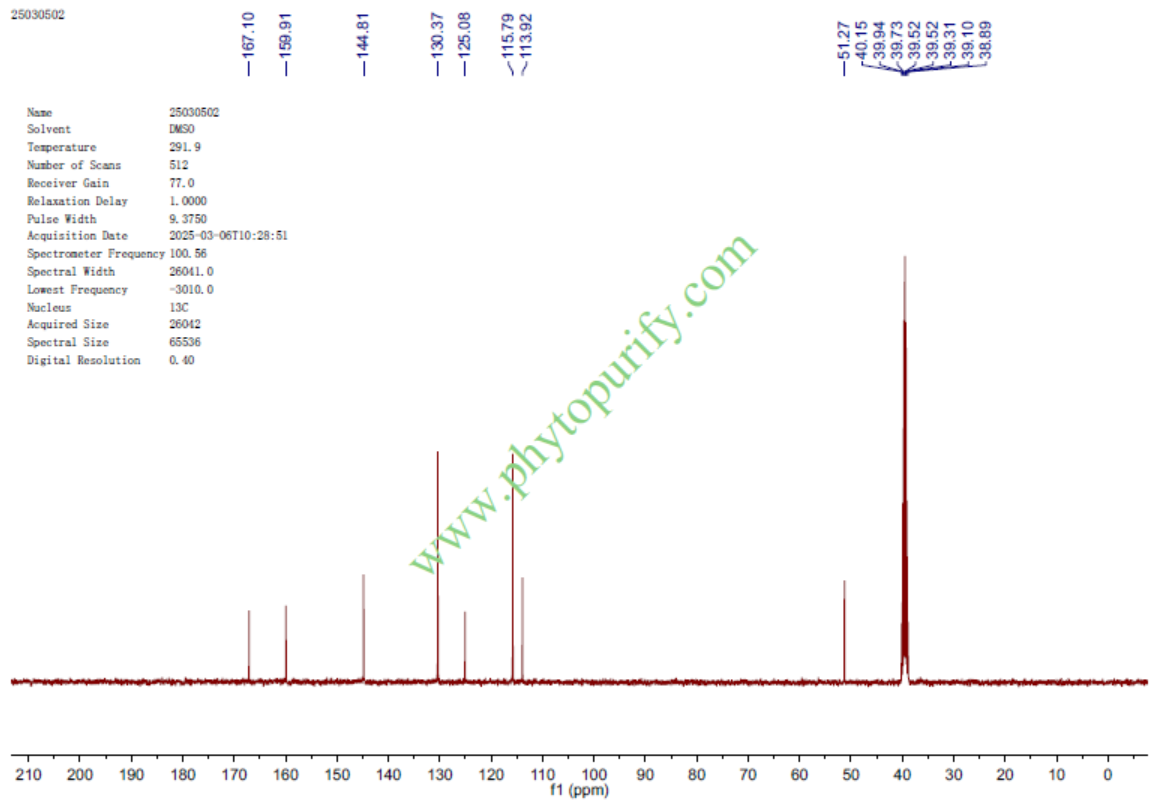
NMR of Methyl 4-hydroxycinnamate
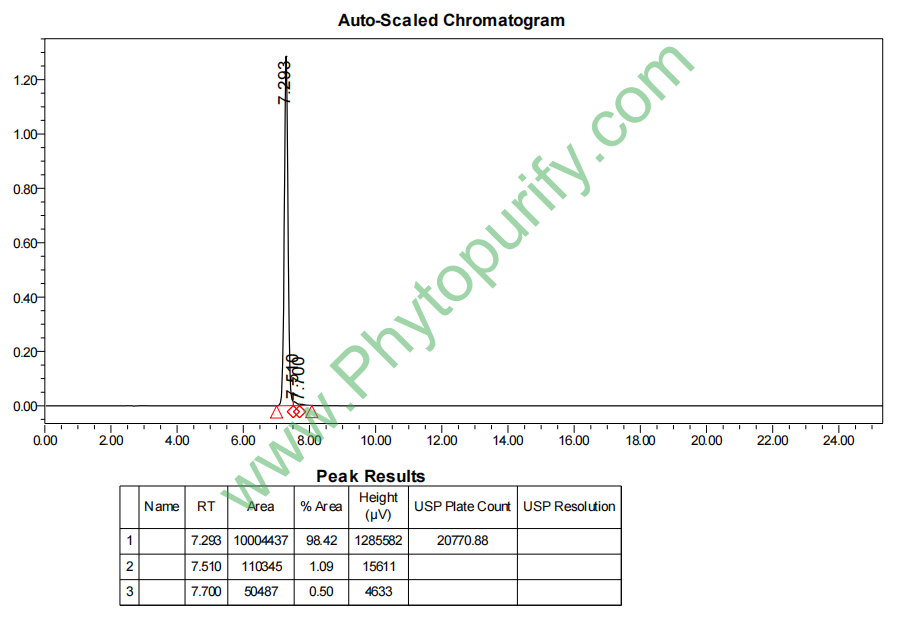
HPLC of Methyl 4-hydroxycinnamate
Storage conditions:Short-term storage at 2~8℃, long-term storage at -20 ~ -80℃
55.7600
1.7600
1.7600
High
No
No
No
No
No
No
Methyl 4-hydroxycinnamate (CAS number: 19367-38-5) is an important natural product belonging to the cinnamic acid ester class, widely present in various plant and fungal metabolites. As a methyl derivative of 4-coumaric acid, 4-hydroxycinnamic acid methyl ester has received widespread attention in pharmacology and natural product chemistry in recent years due to its unique chemical structure and biological activity. This compound exhibits multiple biological activities such as antibacterial, anti-inflammatory, antifungal, melanin synthesis inhibition, and neuroprotection, involving potential therapeutic targets for various diseases. It demonstrates good drug efficacy and safety, providing an important molecular basis for the development of new natural medicines.
This article aims to systematically review the chemical structure, physicochemical properties, plant sources, and extraction methods of 4-hydroxycinnamic acid methyl ester, deeply explore its pharmacological activity and mechanism of action, evaluate its pharmacological properties and pharmacokinetic characteristics, and prospect its potential and future research directions in clinical applications, providing comprehensive reference materials for researchers and drug developers in related fields.
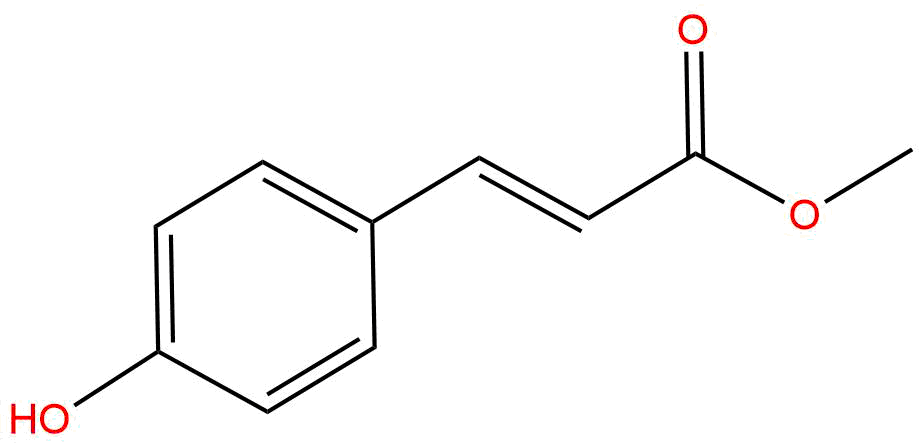
The chemical structure of 4-hydroxycinnamic acid methyl ester is based on the cinnamic acid skeleton, with a molecular formula of C10H10O3 and a molecular weight of 180.18. Its structural feature is the introduction of a hydroxyl (- OH) group on the 4th benzene ring of cinnamic acid, and the formation of a methyl ester through methylation. The specific structural formula is 4-hydroxy-3-phenylacrylate methyl ester. This compound belongs to the natural products of phenols and cinnamates, with a typical conjugated double bond system and phenolic hydroxyl group, endowing it with strong free radical scavenging ability and biological activity.
In terms of physical and chemical properties, 4-hydroxycinnamic acid methyl ester appears as colorless to light yellow crystals or oily liquids, with a LogP value of approximately 1.76, indicating moderate lipid solubility and facilitating cell membrane permeation. The polar surface area (TPSA) is 55.76 Å ² and the number of hydrogen bond acceptors is 3, indicating its good hydrophilicity and binding ability in vivo. This compound has high blood-brain barrier permeability and no significant hepatotoxicity, cardiotoxicity, or hERG channel inhibition. The Ames mutagenicity test result is negative, demonstrating good safety and potential for drug development.
4-Hydroxycinnamic acid methyl ester is widely present in various plants, especially in the roots, stems, leaves, and flowers of certain aromatic and medicinal plants. In addition, it can also be detected as a fungal metabolite, indicating that it may play important physiological functions in the plant fungal symbiotic system.
Common plant sources include but are not limited to Cinnamomum spp., coumarin plants, and some traditional Chinese medicinal herbs such as Salvia miltiorrhiza and flavonoids. Its content is significantly affected by factors such as plant species, growth environment, harvesting time, and processing.
The extraction methods mainly use organic solvent extraction, ultrasound assisted extraction, and microwave-assisted extraction techniques to improve extraction efficiency and purity. Common solvents include methanol, ethanol, ethyl acetate, etc. The extract was purified by liquid-liquid separation, column chromatography, and high-performance liquid chromatography (HPLC) to obtain high-purity 4-hydroxycinnamic acid methyl ester. In recent years, green extraction technologies such as supercritical carbon dioxide extraction and nanotechnology assisted extraction have gradually been applied to the separation and purification of this compound, improving the environmental friendliness and economic benefits of extraction.
Methyl 4-hydroxycinnamate has become a hot topic in natural product pharmacology research due to its multi-target and multi pathway biological activities. Its main pharmacological activities include antibacterial, anti-inflammatory, antifungal, melanin synthesis inhibition, and neuroprotection.
Multiple in vitro experiments have shown that 4-hydroxycinnamic acid methyl ester exhibits significant inhibitory effects on various Gram positive and Gram negative bacteria. Its antibacterial mechanism involves inhibition of key enzymes such as bacterial DNA gyrase (GYRA), fatty acid synthase (FABI), and dihydrofolate reductase (DHFR), blocking bacterial cell wall synthesis and nucleic acid replication, leading to hindered bacterial growth. In addition, the compound has a certain regulatory effect on bacterial membrane proteins (such as MECA, PENA) and multidrug resistance associated protein (CDR1), enhancing their antibacterial efficacy.
Methyl 4-hydroxycinnamate exhibits good anti-inflammatory effects in various inflammatory models by regulating the inflammatory signaling pathway. Its main targets include cyclooxygenase-2 (PTGS2), nuclear factor kappa B (NFKB1), tumor necrosis factor alpha (TNF), interleukin-1 β (IL1B), and inducible nitric oxide synthase (NOS2). This compound can inhibit the expression and release of pro-inflammatory cytokines, alleviate tissue inflammatory reactions, and has potential therapeutic value for inflammatory diseases.
As a natural fungal metabolite, 4-hydroxycinnamic acid methyl ester exhibits inhibitory effects on various fungal pathogens. Its main targets are β -1,3-glucan synthase (FKS1), ergosterol synthase (ERG11), and serine proteases (SAPs), which inhibit fungal growth and reproduction by interfering with fungal cell wall synthesis and metabolic pathways, demonstrating good antifungal potential.
4-Hydroxycinnamic acid methyl ester can be used as an inhibitor of melanin synthesis, acting on tyrosinase (TYR), microtubule associated protein light chain 3 (MAP1LC3B), BRAF kinase (BRAF), and micro transcription factor MITF, regulating the proliferation of melanocytes and melanin production, and has potential application value in whitening and treating melanoma.
In neurodegenerative disease models, 4-hydroxycinnamic acid methyl ester exerts antioxidant, anti-inflammatory, and neuroprotective effects by regulating key targets such as β - amyloid precursor proteasome (BACE1), superoxide dismutase (SOD1), acetylcholinesterase (ACHE), and nuclear factor E2 related factor 2 (NFE2L2), and is expected to be used as an adjuvant therapy for neurodegenerative diseases such as Alzheimer's disease.
The multi-target mechanism of action of 4-hydroxycinnamic acid methyl ester is the basis for its broad pharmacological activity. Through molecular docking, cell experiments, and animal model studies, the key targets and signaling pathway regulation mechanisms were revealed as follows:
antibacterial mechanism Mainly by inhibiting bacterial DNA gyrase (GYRA), fatty acid synthase (FABI), dihydrofolate reductase (DHFR), etc., it blocks bacterial DNA replication and lipid metabolism, leading to bacterial cell dysfunction. At the same time, it interferes with the functions of bacterial membrane proteins (MECA, PENA) and multidrug resistance protein (CDR1), enhancing antibacterial efficacy.
Anti inflammatory mechanism Inhibition of cyclooxygenase-2 (PTGS2) activity and reduction of prostaglandin synthesis; Blocking the nuclear factor kappa B (NFKB1) signaling pathway, reducing the expression of pro-inflammatory factors TNF, IL1B, and NOS2, and alleviating inflammatory response.
Antifungal mechanism Targeting β -1,3-glucan synthase (FKS1) and ergosterol synthase (ERG11) to disrupt fungal cell walls and membrane structures; Inhibiting serine proteases (SAPs) reduces the invasiveness and pathogenicity of fungi.
Inhibition mechanism of melanin synthesis By inhibiting tyrosinase (TYR) activity, key steps in melanin synthesis are blocked; Regulating the autophagy process mediated by MAP1LC3B and affecting the metabolism of melanocytes; Inhibit BRAF kinase and MITF transcription factor, regulate melanocyte proliferation and differentiation.
Neuroprotective mechanism Inhibition of β - amyloid precursor proteasome (BACE1) activity and reduction of β - amyloid protein production; Enhance the antioxidant capacity of superoxide dismutase (SOD1) and alleviate oxidative stress; Inhibiting acetylcholinesterase (ACHE) and improving neurotransmission function; Activate nuclear factor E2 related factor 2 (NFE2L2) to promote cellular antioxidant defense.
4-Hydroxycinnamic acid methyl ester has good pharmaceutical properties. Its molecular weight (180.18) conforms to Lipinski's rule, and LogP (1.76) indicates moderate lipid solubility, which is beneficial for drug cell membrane penetration and oral absorption. TPSA (55.76 Å ²) and the number of hydrogen bond receptors (3) support its good bioavailability and targeted binding ability.
Pharmacokinetic studies have shown that this compound has high blood-brain barrier permeability and is suitable for the treatment of central nervous system diseases. There was no significant hepatotoxicity or cardiotoxicity in the body, and the hERG channel inhibition test was negative, reducing the risk of arrhythmia. The Ames mutagenicity test is negative, indicating a low risk of genetic toxicity.
The metabolic pathway is mainly modified by hydroxylation and methylation through the liver enzyme system, which enhances the water solubility of metabolites and facilitates clearance in the body. The moderate half-life in the body and good pharmacokinetic characteristics support its development as a candidate drug.
Based on the multi-target and multi pathway pharmacological activity of 4-hydroxycinnamic acid methyl ester, it has shown broad prospects in clinical applications:
Anti-infection therapy Methyl 4-hydroxycinnamate can be used as a candidate molecule for novel antibacterial or antifungal agents to assist or replace existing antibiotics and alleviate resistance issues in bacterial and fungal infections, especially in drug-resistant strains.
Inflammatory diseases Its anti-inflammatory effect supports its application in chronic inflammatory diseases such as rheumatoid arthritis and inflammatory bowel disease, as an adjuvant therapy drug to reduce inflammatory reactions and improve patients' quality of life.
Skin Diseases and Beauty The inhibitory effect on melanin synthesis makes it potential for the treatment of melanoma, pigmentation, and skin whitening, and can be developed as an external preparation or cosmetic ingredient.
Neurodegenerative diseases The high blood-brain barrier permeability and neuroprotective effects provide new ideas for the treatment of neurodegenerative diseases such as Alzheimer's disease and Parkinson's disease. In the future, targeted delivery technology can be combined to improve treatment efficacy.
Combination therapy strategy Methyl 4-hydroxycinnamate can be used in combination with other drugs to achieve synergistic effects, enhance therapeutic efficacy, and reduce drug dosage and side effects.
Future research needs to focus on in-depth analysis of its in vivo pharmacokinetics, toxicological evaluation, and validation of preclinical animal models, in order to advance it towards the clinical trial stage. At the same time, based on its structural characteristics, derivative design and synthesis are carried out to optimize activity and pharmacokinetic properties, and expand its application scope.
Methyl 4-hydroxycinnamate, as a multifunctional natural product, has shown great potential for applications in antibacterial, anti-inflammatory, antifungal, melanin synthesis inhibition, and neuroprotective fields due to its unique chemical structure and multi-target pharmacological activity. Its good drug efficacy and safety provide a solid foundation for the development of new drugs. In the future, through in-depth mechanism research, pharmacokinetic optimization, and preclinical evaluation, 4-hydroxycinnamic acid methyl ester is expected to become an important natural drug candidate molecule for the treatment of various diseases. The continuous development of pharmacology of natural products will further promote the application of such compounds in modern medicine and contribute new strength to human health.
