


Synonym name: Sedanenolide; 3-Butyl-4,5-dihydrophthalide; Senkyunolide
Catalogue No.: BP1287
Cas No.: 63038-10-8
Formula: C12H16O2
Mol Weight: 192.258
Botanical Source: dried rhizome of Cnidium officinale, the crude drug senkyu and Apium graveolens (celery)
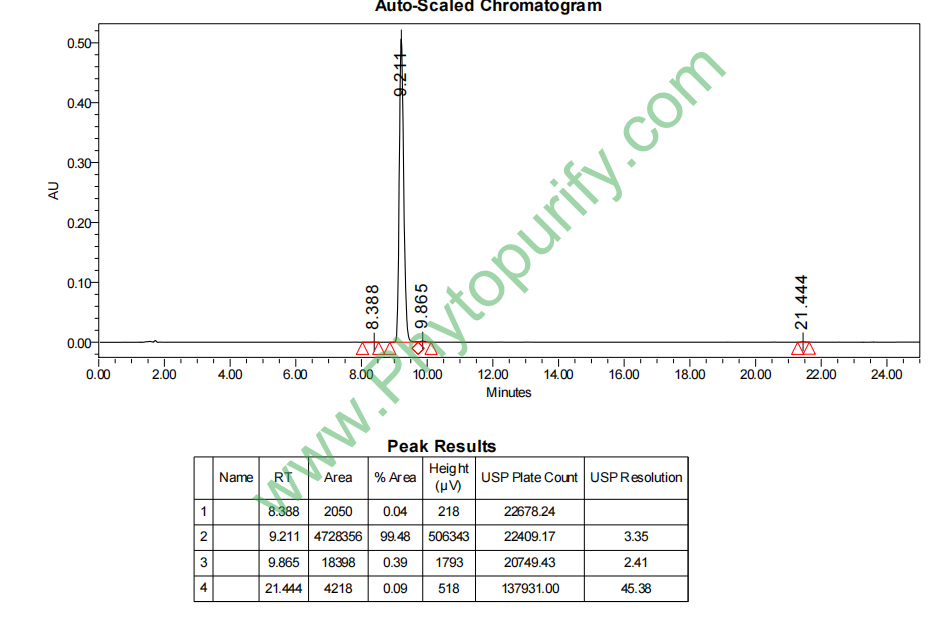
Purity: 95%~99%
Analysis Method: HPLC-DAD or/and HPLC-ELSD
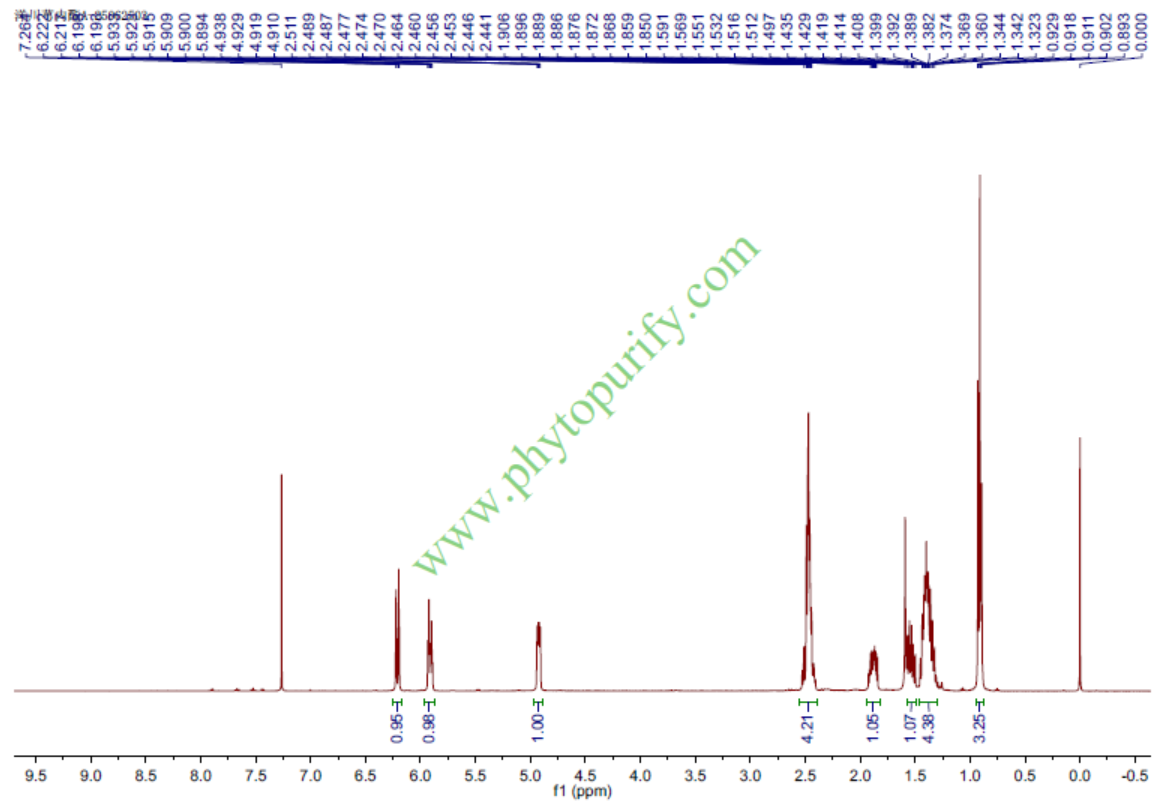
Identification Method: Mass, NMR
Packing: Brown vial or HDPE plastic bottle
Can be supplied from milligrams to grams.
For Reference Standard and R&D, Not for Human Use Directly.
Inquire for bulk scale.
Description:
Reference standards.
References:
Chinese Journal of Pharmaceutical Analysis, 2012, 32(9):1644-1647.
HPLC determination of equilibrium solubility and apparent oil/water partition coefficient of senkyunolide.
To determine the equilibrium solubility of senkyunoide and its partition coefficients for the n-octanol-water/buffer solution systems,so as to provide a basis for new formulations designing.
METHODS AND RESULTS:
A high performance liquid chromatography method was established to detect the concentration of Senkyunolide .The Megres ODS(5 μm,4.6 mm×100 mm)column was adopted,the mobile phase was acetonitrile-water(1:3, v/v)at a flow rate of 1.0 mL·min-1,and the detection wavelength was 278 nm.The concentration of Senkyunolide in different pH solutions and the partition coefficients for the n-octanol-water and n-octanol-buffer solution systems were detected. The equilibrium solubility reached a maximum of 34.31 mg·mL-1in water at 37°C.Senk yunolide was instable in solvent systems pH≥9.0.Partition coefficient of Senkyunolidewas 13.43(lg P app=1.13) in the n-octanol-water system;there was no significant effect of pH to partition coefficient of Senkyunolide .
CONCLUSIONS:
The study showed that Senkyunolide is soluble,the partition coefficient of Senkyunolide is moderate,and the relative molecular mass of Senkyunolide is small.Therefore,we can explain why Senkyunolide can quickly reach into blood and brain.Senkyunolide can be predicted with a good application value.
HPLC of Senkyunolide A
HNMR of Senkyunolide A
Storage conditions:Short-term storage at 2~8℃, long-term storage at -20 ~ -80℃
26.3000
3.4456
3.4456
.1342
6.6419
7.5580
High
84.1801
3.6767
No
Yes
No
No
No
Yes
0.0
No
Yes
Yes
Yes
Natural products, as an important source of drug discovery, play an irreplaceable role in the history of human disease prevention and treatment. Among them, phthalein compounds are increasingly becoming a hot topic in pharmacological research due to their structural diversity and wide range of biological activities. Senkyunolide A, as a representative natural small molecule of phthalein, has undergone a research process from initial plant chemical isolation and identification to gradually exploring complex pharmacological mechanisms involving multiple targets and pathways. Early research focused on its traditional effects such as spasmolysis and analgesia, while recent scientific discoveries have continuously revealed its enormous potential in neuroprotection, anti-tumor, anti-inflammatory, and cardiovascular disease intervention. In particular, its role in regulating key signaling pathways (such as NLRP3 inflammasome) and important functional proteins (such as PP2A, α - synuclein) has shown a unique application prospect in the prevention and treatment of major chronic diseases such as neurodegenerative diseases, osteoarthritis, atherosclerosis and tumors. This article aims to provide a systematic review of the chemical properties, plant sources, pharmacological activities, molecular mechanisms of action, pharmacological evaluation, and clinical application prospects of ligustilide A in order to provide comprehensive academic references for the in-depth research and development of this compound.
The chemical name of ligustilide A in Yangchuan is (3Z) -3-butenyl-1 (3H) - isobenzofuranone, with a CAS number of 63038-10-8. Its molecular formula is C12H12O2 and its molecular weight is 192.2580. Structurally, it is a typical derivative of phthalein (ortho hydroxymethylbenzoic acid lactone), with a core structure consisting of a benzene ring fused with a gamma lactone ring. Its key feature is the presence of a cis (Z-shaped) butenyl side chain connected to the C-3 position, which has a significant impact on its spatial conformation and biological activity due to its unsaturated side chain.
Based on its chemical structure, ligustilide A exhibits typical lipophilicity. The calculated lipid water partition coefficient (LogP) is 3.4456, indicating that the compound has good lipid solubility, which is consistent with its ability to easily penetrate cell membranes. Its topological polar surface area (TPSA) is relatively low, only 26.30 Å ², further supporting its excellent membrane permeability. The water solubility parameters show a solubility of approximately 0.1342 mg/mL, which belongs to the category of slightly soluble to poorly soluble. This suggests that solubilization strategies may need to be considered in formulation development. It is worth noting that its physicochemical properties predict that it has a high blood-brain barrier permeability, which lays an important material foundation for its direct action on the central nervous system and neuroprotective effects. In addition, preliminary pharmacological risk assessment showed a negative hERG inhibition risk and an Ames test result of 0.0, indicating a low potential risk of arrhythmia and genetic toxicity, and favorable safety characteristics.
Yangchuan ligustilide A mainly comes from the dried rhizomes of Ligusticum chuanxiong Hort., a plant in the family Apiaceae. Chuanxiong, as a traditional Chinese medicine, has the effects of promoting blood circulation, dispelling wind and relieving pain. It has been used for thousands of years in clinical Chinese medicine to treat cardiovascular and cerebrovascular diseases, headaches, and menstrual disorders. Yangchuan ligustilide A is one of the characteristic active ingredients in the volatile oil and lipid soluble parts of Ligusticum chuanxiong. Its content is significantly affected by the place of origin, cultivation conditions, harvest season, and processing methods. Usually, after drying and crushing, various methods can be used to extract ligustilide A from Ligusticum chuanxiong.
Traditional extraction methods include solvent extraction, which often involves refluxing or cold soaking with organic solvents such as petroleum ether, ethyl acetate, or ethanol. Modern extraction techniques have significantly improved extraction efficiency and selectivity, such as:
1. Supercritical CO2 fluid extraction method This method utilizes the strong permeability and solubility of supercritical CO2, and operates at lower temperatures to effectively extract thermally unstable ligustilide A without solvent residue, resulting in high product purity.
2. Ultrasonic assisted extraction method Utilizing the cavitation and mechanical effects of ultrasound to destroy plant cell walls, accelerate solvent penetration and component dissolution, has the advantages of short extraction time, high efficiency, and low energy consumption.
3. Microwave assisted extraction method By microwave heating, the temperature and pressure inside the cell rapidly increase, leading to cell rupture and rapid release of target components into the solvent.
The crude extract after extraction usually requires further separation and purification. Column chromatography technology is commonly used, with silica gel, reverse phase silica gel (such as ODS), or macroporous adsorption resin as the stationary phase, and gradient elution using solvent systems of different polarities. High performance liquid chromatography (HPLC), especially preparative HPLC, is a key technology for obtaining high-purity ligustilide A monomer. The chemical structure can be confirmed by nuclear magnetic resonance (NMR), mass spectrometry (MS), and comparison with reference standards.
A large number of pharmacological studies both in vitro and in vivo have shown that ligustilide A from ligusticum chuanxiong has various biological activities, and its effects go far beyond the traditional "promoting blood circulation and relieving pain" category of ligusticum chuanxiong.
1. Neuroprotective effect
This is one of the most in-depth areas of research on ligustilide A in Western Ligusticum chuanxiong. Research has shown that ligustilide A can effectively protect various types of nerve cells (such as PC12 cells, primary cortical neurons, etc.) from oxidative stress (such as H2O2), toxic substances (such as corticosterone), and β - amyloid protein induced apoptosis. In Parkinson's disease models, it has been shown to alleviate MPTP or 6-OHDA induced dopaminergic neuron damage and improve motor behavior deficits in animals. Its neuroprotective effect is closely related to inhibiting mitochondrial apoptosis pathway, reducing endoplasmic reticulum stress, enhancing cellular autophagy, and regulating the expression of neurotrophic factors.
2. Antitumor activity
Yangchuan ligustilide A exhibits anti proliferative activity against various tumor cell lines. Research shows that it can inhibit the growth of cancer cells such as liver cancer, gastric cancer, breast cancer, lung cancer and glioma, and induce their apoptosis and cell cycle arrest (such as arrest in G0/G1 phase or G2/M phase). Its anti-tumor mechanism involves activating the caspase cascade, downregulating the anti apoptotic protein Bcl-2, upregulating the pro apoptotic protein Bax, and inhibiting survival signaling pathways such as PI3K/Akt and MAPK/ERK. In addition, studies suggest that it may have the potential to inhibit tumor cell invasion and metastasis.
3. Anti inflammatory and immune regulatory effects
Yangchuan ligustilide A has significant anti-inflammatory effects. In the osteoarthritis model, it can alleviate joint cartilage destruction and synovial inflammation, and its core mechanism has been confirmed to be related to the inhibition of NLRP3 inflammasome activation. NLRP3 inflammasome is a key component of innate immunity, and its activation leads to cleavage of caspase-1 and maturation and release of potent pro-inflammatory factors such as interleukin-1 β (IL-1 β) and IL-18. Yangchuan ligustilide A inhibits the inflammatory cascade reaction upstream by intervening in this pathway. In the research of atherosclerosis, it can inhibit the expression of CD137 (an important biomarker and therapeutic target for atherosclerosis diagnosis), which may regulate T cell mediated vascular inflammation.
4. Protective effect on cardiovascular system
In addition to the anti atherosclerotic effect mentioned above, Yangchuanxiong lactone A shows multi target characteristics in anti platelet aggregation. Excessive platelet aggregation is a crucial step in the formation of blood clots. Yangchuan ligustilide A can exert antithrombotic effects by affecting multiple targets closely related to platelet activation and aggregation, including cyclooxygenase (PTGS1/COX-1, PTGS2/COX-2), platelet membrane glycoproteins (such as ITGA2B/ITGB3, GP1BA), purinergic receptors (P2RY12/P2Y12), thromboxane A2 receptors (TBXA2R), and phosphodiesterase (PDE3A). This provides a theoretical basis for its prevention and treatment of cardiovascular and cerebrovascular ischemic diseases.
5. Other activities
In addition, studies have reported that ligustilide A from Ligusticum chuanxiong has pharmacological effects such as spasmolysis, analgesia, improvement of microcirculation, and protection of vascular endothelial cells. These activities together explain the traditional efficacy of Ligusticum chuanxiong in promoting blood circulation, dispelling wind, and relieving pain.
The multiple pharmacological activities of ligustilide A in Yangchuan stem from its diverse regulation of cellular signaling networks. Its mechanism of action is not limited to a single target, but exhibits characteristics of multi-target and network regulation.
1. Regulating protein phosphatase PP2A and alpha synuclein
In the neuroprotective mechanism, the regulation of protein phosphatase 2A (PP2A) and alpha synuclein by ligustilide A is crucial. PP2A is the main serine/threonine phosphatase in the central nervous system, involved in regulating various processes such as tau protein phosphorylation, cell apoptosis, and autophagy. Yangchuan ligustilide A can upregulate or activate the activity of PP2A, which may correct the excessive phosphorylation of tau protein (associated with Alzheimer's disease). Meanwhile, it can reduce the abnormal aggregation and phosphorylation levels of alpha synuclein (a key pathological protein in Parkinson's disease). Especially in the cortical ketone induced neuronal apoptosis model, ligustilide A maintains neuronal phosphorylation homeostasis and inhibits the transmission of apoptotic signals through this regulatory axis.
2. Inhibit the NLRP3 inflammasome pathway
In the anti-inflammatory effect, NLRP3 inflammasome is a key node of action for ligustilide A. Research has shown that ligustilide A can inhibit the assembly of NLRP3, ASC, and pro-caspase-1 inflammasome complexes, or block their upstream activation signals (such as reactive oxygen species ROS and potassium ion efflux), thereby inhibiting the activation of caspase-1 and ultimately reducing the maturation and secretion of IL-1 β and IL-18. This mechanism is the core of its fight against chronic inflammatory diseases such as osteoarthritis and atherosclerosis.
3. Multi target intervention for platelet activation
In terms of antiplatelet aggregation, the mechanism network of action of ligustilide A is more complex. It may reduce the synthesis of thromboxane A2 (TXA2, a potent platelet aggregation agent) by inhibiting COX-1/2; By antagonizing the P2Y12 receptor (ADP receptor) and TXA2 receptor (TBXA2R), the enhanced signal of platelet activation is blocked; By affecting the conformational changes of integrin α IIb β 3 (ITGA2B/ITGB3), the binding of fibrinogen, the ultimate common pathway for platelet aggregation, is inhibited; It is also possible to inhibit platelet activation by suppressing PDE3A and increasing cAMP levels in platelets. This multi-target synergistic effect makes it possible to have broad-spectrum and efficient antiplatelet potential.
4. Regulating cell apoptosis and survival signaling pathways
In anti-tumor and cell protection, ligustilide A induces apoptosis or resists abnormal apoptosis by affecting the mitochondrial pathway (Bcl-2/Bax balance, cytochrome c release), death receptor pathway, and endoplasmic reticulum stress pathway. At the same time, its inhibition of key cell survival and proliferation signaling pathways such as PI3K/Akt, MAPK/ERK, NF - κ B, etc. is also an important molecular basis for its anti-cancer and anti-inflammatory effects.
Although ligustilide A has a wide range of pharmacological activities, its successful development as a drug depends on systematic pharmacological evaluation.
Pharmacokinetic properties Current pharmacokinetic studies are mainly based on animal experiments. After oral administration, ligustilide A is rapidly absorbed, but its absolute bioavailability may be affected by its lipid solubility and first pass effect. It is widely distributed in the body, thanks to its high lipid solubility and blood-brain barrier permeability, which can effectively distribute to brain tissue, which is extremely beneficial for its central nervous system protective effect. Metabolic studies have shown that ligustilide A is mainly metabolized in vivo through the liver cytochrome P450 enzyme system, which may undergo hydroxylation, dealkylation, and other reactions, and combine with glucuronic acid or sulfuric acid to form water-soluble complexes. It is mainly excreted through the kidneys and bile. Its pharmacokinetic behavior may exhibit nonlinear characteristics, and further research is needed on its absorption, distribution, metabolism, and excretion (ADME) processes at different doses.
Advantages and challenges of pharmaceutical properties:
* Advantage:
* Clear multiple pharmacological activities Has potential therapeutic value in multiple major disease areas.
* Good blood-brain barrier penetration ability Provided key advantages for the treatment of central nervous system diseases.
* Preliminary safety is good No obvious hERG inhibition or genotoxicity warning.
* Small molecular weight and clear structure Easy to chemically synthesize or structurally modify and optimize.
The diverse pharmacological activities of ligustilide A in Yangchuan have depicted broad prospects for its application in multiple clinical fields.
1. Neurodegenerative diseases As one of the few natural small molecules that can efficiently enter the brain, it has great potential in the prevention and treatment of diseases such as Alzheimer's disease, Parkinson's disease, and vascular dementia. It can be considered to be developed as a single drug or as a core ingredient in multi-target compound preparations, for delaying disease progression, improving cognition and motor function.
2. Osteoarthritis Regarding the emerging target of NLRP3 inflammasome, ligustilide A is expected to be developed as a novel disease modifying anti osteoarthritis drug, which not only relieves pain but also intervenes in the destruction of articular cartilage from a mechanistic perspective.
3. Cardiovascular and cerebrovascular diseases Its comprehensive effects of anti platelet aggregation, anti atherosclerosis, and protection of vascular endothelium make it unique in the prevention and treatment of ischemic stroke, myocardial infarction, and atherosclerotic peripheral vascular diseases. It can be explored for secondary prevention after acute phase or as an adjuvant therapy for antithrombotic therapy.
4. Tumor adjuvant therapy Given its anti-tumor activity and potential sensitizing effect, its combination with conventional chemotherapy, radiotherapy, or targeted therapy can be studied to reduce drug resistance, alleviate side effects, or improve efficacy.
Future research should focus on:
* In depth mechanism exploration Using chemical biology methods such as affinity fishing and molecular probes to discover its direct target, and drawing a more accurate signal regulation network diagram.
* Structural optimization and derivative development To address the shortcomings of its water solubility and stability, reasonable chemical structural modifications should be carried out to synthesize derivatives or prodrugs with higher activity and better drug properties.
* Research on Advanced Delivery Systems Develop targeted delivery systems based on nanotechnology to improve their bioavailability and achieve specific delivery to diseased tissues such as tumors and inflamed joints.
* Promote translational medicine research Conduct Good Laboratory Practice (GLP) toxicology evaluations that comply with regulations, and design rigorous clinical trials to gradually verify their safety and efficacy in humans.
Yangchuan ligustilide A, as a representative benzophenone compound discovered from the traditional Chinese medicine Ligusticum chuanxiong, has entered a multidimensional and in-depth exploration period of pharmacology and drug development from the stage of plant chemical identification. Based on its unique chemical structure, it exhibits remarkable biological activity in multiple important disease fields such as neuroprotection, anti-inflammatory, antithrombotic, and anti-tumor through complex mechanisms such as regulating PP2A/α - synuclein, inhibiting NLRP3 inflammasome, and multi-target intervention in platelet aggregation. Despite facing challenges such as water solubility and stability in drug development, its excellent blood-brain barrier permeability and preliminary safety characteristics provide favorable conditions for its translational application. With the deep integration of modern medicinal chemistry, pharmacy, and molecular biology technologies, through continuous in-depth research and systematic development of ligustilide A, it is expected to be successfully transformed from a potential natural active molecule into a new type of drug for the prevention and treatment of neurodegenerative diseases, chronic inflammatory diseases, and cardiovascular and cerebrovascular diseases, thus demonstrating the immortal value of natural products in modern medicine.
