

Product name: Butylphthalide
Synonym name:
Catalogue No.: BP3433
Cas No.: 6066-49-5
Formula: C12H14O2
Mol Weight: 190.242
Botanical Source:
Physical Description: Oil
Type of Compound: Miscellaneous
Purity: 95%~99%
Analysis Method: HPLC-DAD or/and HPLC-ELSD
Identification Method: Mass, NMR
Packing: Brown vial or HDPE plastic bottle
The product could be supplied from milligrams to grams. Inquire for bulk scale.
We provide solution to improve the water-solubility of compounds, thereby facilitating the variety of activity tests and clinic uses.
For Reference Standard and R&D, Not for Human Use Directly.
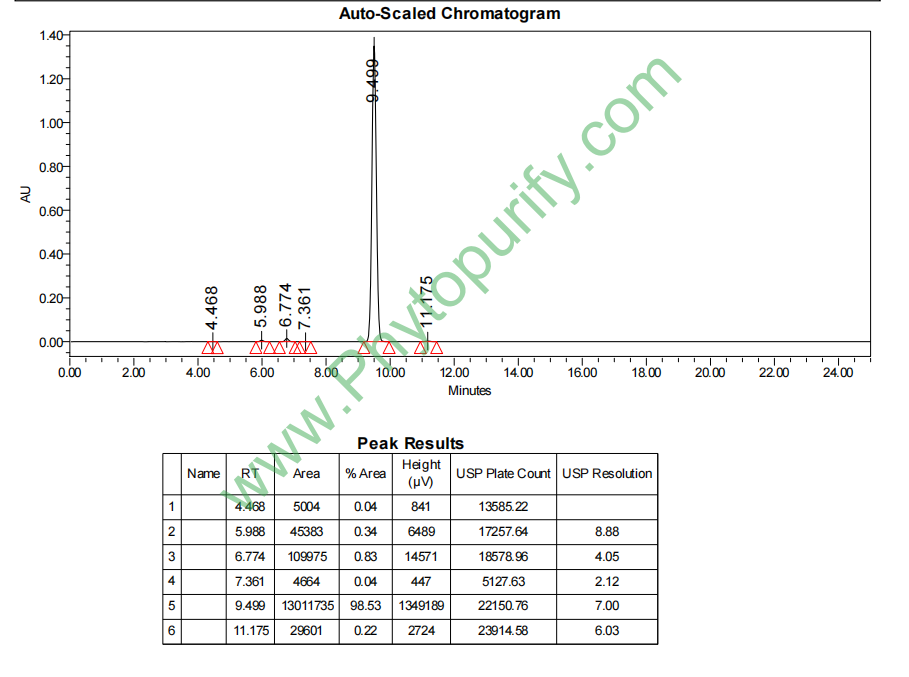
HPLC of Butylphthalide
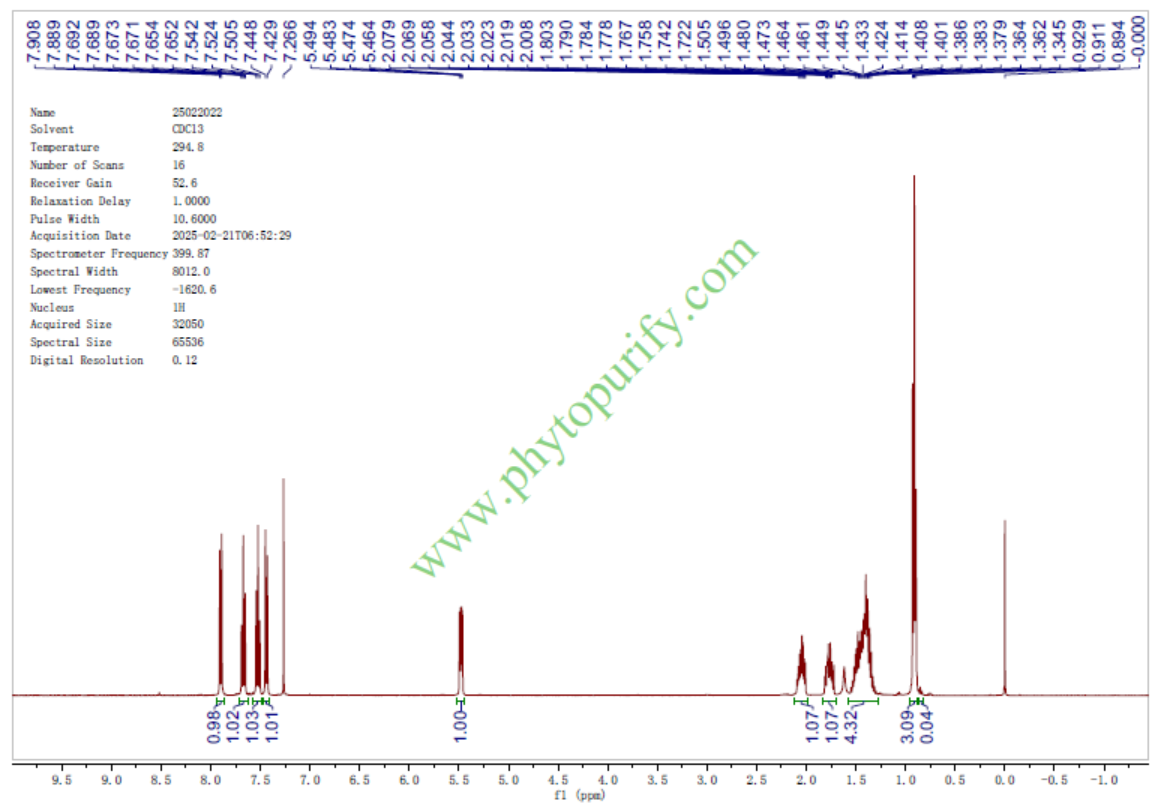
HNMR of Butylphthalide
Storage conditions:Short-term storage at 2~8℃, long-term storage at -20 ~ -80℃
26.3000
3.3608
3.3608
.0646
6.6645
21.7485
High
89.3450
2.5566
Yes
No
No
No
No
Yes
0.0
No
No
Yes
Yes
Cerebrovascular disease, especially ischemic stroke, is one of the leading causes of death and long-term disability worldwide. Its pathological and physiological processes are complex, involving multiple links such as energy depletion, excitotoxicity, oxidative stress, inflammatory response, and cell apoptosis, ultimately leading to irreversible damage to neurons. Although thrombolysis and thrombectomy are the core methods of acute reperfusion therapy, their strict time window and bleeding risk limit their widespread application. Therefore, the development of drugs with neuroprotective effects, the ability to prolong treatment time windows, or synergistic effects with reperfusion therapy has always been a research hotspot and difficulty in the fields of neuroscience and pharmacy.
In this context, natural products have become an important treasure trove for discovering new neuroprotective agents due to their structural diversity and multi-target effects. Butylphthalide (NBP), also known as 3-n-n-butylphthalide, is a type of phenolic compound isolated from celery seeds in the Umbelliferae family. Since its discovery, numerous preclinical studies have confirmed that NBP exhibits clear neuroprotective effects in various animal models of cerebral ischemia, significantly improving neurological deficits and reducing cerebral infarction volume. More importantly, drugs mainly composed of it (such as racemic dl NBP, trade name: Enbipol) have been approved in China for the treatment of ischemic stroke, becoming a model for the transition from traditional medicinal plants to modern clinical practice.
This article aims to provide a systematic review of n-butylphthalide, focusing on its chemical properties, plant sources, pharmacological activities, multi-target mechanisms of action, pharmacological characteristics, and clinical application prospects, in order to provide comprehensive academic references for further research and application in this field.
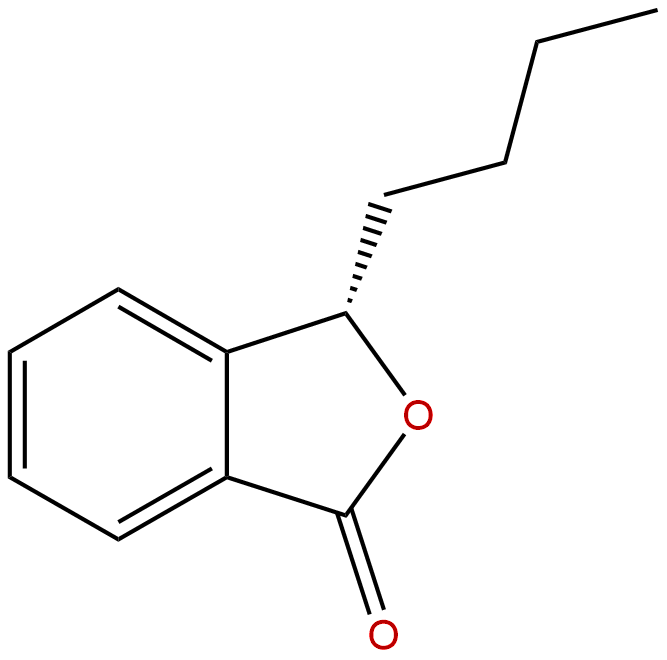
The chemical structure of n-butyl phthalein is based on the parent nucleus of phthalein (1 (3H) - isobenzofuranone), characterized by a linear n-butyl (- C ₄ H ₉) side chain attached to the 3rd carbon atom of the parent nucleus. Its molecular formula is C ₁₂ H ₁₄ O ₂, and its molecular weight is 190.2420. This structure endows it with typical lipid solubility characteristics, and the calculated lipid water partition coefficient (LogP) is 3.3608, indicating its high lipophilicity. Consistent with this, its theoretical polar surface area (TPSA) is relatively low, only 26.3000 Å ², which further explains its excellent membrane permeability. The water-soluble experimental data is about 0.0646 mg/mL, which belongs to insoluble compounds.
From a stereochemical perspective, the 3-carbon position serves as the chiral center, resulting in the existence of a pair of optical isomers, namely left-handed n-butylphthalide (l-NBP) and right-handed n-butylphthalide (d-NBP). Research has shown that l-NBP is the main pharmacologically active isomer. The synthetic drugs currently used in clinical practice are racemic (dl NBP), but in-depth research and development on single isomers, especially l-NBP, are still ongoing.
The prediction of key pharmacological parameters shows that NBP has a high blood-brain barrier (BBB) permeability, which is crucial for its central nervous system efficacy. In addition, its hERG inhibition risk prediction is negative, and preliminary Ames test results (0.0) also suggest that it may not be mutagenic, laying a certain foundation for its clinical safety.
N-Butylphthalide was originally derived from celery(Apium graveolens L. Separated and identified from the seeds. Celery, as a common vegetable and traditional herb, has a long history of application in folk culture. Modern plant chemistry research has shown that celery seeds are rich in various phthalates, among which NBP is one of the components with significant biological activity.
Early extraction methods mainly relied on organic solvent extraction. Usually, dried celery seeds are crushed and subjected to reflux extraction or cold soaking extraction using solvents such as petroleum ether, ethyl acetate, or ethanol. The crude extract was separated and purified using various chromatographic techniques such as silica gel column chromatography, preparative thin-layer chromatography, or high-performance liquid chromatography (HPLC) to obtain NBP monomer. However, extracting directly from plants has low yield, high cost, and is affected by factors such as plant variety, origin, and harvest season, making it difficult to meet the large-scale clinical drug demand.
Therefore, chemical synthesis has become the main way to obtain NBP. At present, there are multiple mature synthetic process routes, usually starting from phthalic anhydride or o-carboxybenzaldehyde, and constructing a phthalein ring through steps such as alkylation, reduction, and cyclization, and introducing a n-butyl side chain. Chemical synthesis can achieve large-scale and standardized production, ensuring stable supply of drugs and providing possibilities for structural modification and structure-activity relationship research.
Numerous preclinical studies, including in vitro cell models and in vivo animal models, have fully demonstrated the extensive and significant neuroprotective activity of NBP.
1. Anti cerebral ischemia/reperfusion injury: This is the core pharmacological action of NBP. In permanent middle cerebral artery occlusion (pMCAO) or transient middle cerebral artery occlusion (tMCAO) models in rats, mice, and other animals, administration of NBP can dose dependently significantly reduce cerebral infarction volume, alleviate brain edema, and improve neurobehavioral scores (such as Longa score and Bederson score). Its protective effect is not only reflected in preventive administration, but also remains effective when administered within a certain time window after ischemia (such as after reperfusion), indicating its therapeutic potential.
2. Improve cerebral microcirculation: NBP can dilate cerebral blood vessels and increase cerebral blood flow in ischemic areas. The mechanism may be related to inhibiting calcium influx into vascular smooth muscle cells, regulating prostaglandin metabolism, and reducing vascular resistance. Improving microcirculation can help provide collateral blood flow to the ischemic penumbra and rescue dying neurons.
3. Anti platelet aggregation and anti thrombosis: NBP can inhibit platelet aggregation induced by ADP, arachidonic acid, etc., affecting the balance between thromboxane A ₂ (TXA ₂) and prostacyclin (PGI ₂), thereby inhibiting thrombus formation and development. This role is of great significance for preventing stroke recurrence and improving prognosis.
4. Anti neuronal apoptosis: NBP can inhibit programmed cell death of neurons after ischemia. In cellular models, it can alleviate neuronal apoptosis induced by various damaging factors such as oxygen glucose deprivation/reoxygenation, glutamate excitotoxicity.
5. Antioxidant stress: The burst of reactive oxygen species (ROS) after cerebral ischemia leads to severe oxidative damage. NBP can increase the activity of endogenous antioxidant enzymes such as superoxide dismutase (SOD) and glutathione peroxidase (GSH Px), reduce the content of malondialdehyde (MDA), and alleviate oxidative stress damage.
6. Anti neuroinflammation: NBP can inhibit excessive activation of microglia, reduce the expression of pro-inflammatory factors such as tumor necrosis factor - α (TNF - α), interleukin-1 β (IL-1 β), and inducible nitric oxide synthase (iNOS), and alleviate neuroinflammatory response after ischemia.
7. Promote nerve regeneration and repair: Some studies suggest that NBP may promote the recovery and remodeling of neurological function after ischemia by promoting the expression of brain-derived neurotrophic factor (BDNF), nerve growth factor (NGF), and enhancing synaptic plasticity.
The neuroprotective effect of NBP is not achieved through a single target, but exhibits the characteristics of multi-target and multi pathway synergy, which is in line with its intervention needs for complex stroke pathological networks. Its mechanism of action involves the following key molecular targets and signaling pathways:
1. Regulating the apoptotic pathway:
* BCL2 family: NBP can upregulate the expression of anti apoptotic protein Bcl-2 and may downregulate the expression of pro apoptotic protein Bax, thereby inhibiting the activation of mitochondrial apoptosis pathway.
* CASP9 (cysteine protease-9): As a downstream key executor of the mitochondrial apoptosis pathway, activation of caspase-9 is inhibited by NBP.
* MAPK1 (ERK) pathway: NBP can activate the extracellular signal regulated kinase (ERK1/2) signaling pathway. The activation of the ERK pathway is usually associated with cell survival and proliferation, and antagonizes apoptotic signals.
2. Reduce oxidative stress damage:
* NFE2L2 (Nrf2) pathway: This is the core mechanism by which NBP exerts antioxidant effects. NBP can promote the translocation of Nrf2 from the cytoplasm to the nucleus, thereby activating downstream genes driven by a series of antioxidant response elements (ARE), including heme oxygenase-1 (HO-1), quinone oxidoreductase 1 (NQO1), etc., thereby enhancing the overall antioxidant defense ability of cells.
3. Inhibiting tau protein hyperphosphorylation and Alzheimer's disease related pathology:
* GSK3 β (glycogen synthase kinase-3 β): GSK3 β is one of the key kinases involved in tau protein hyperphosphorylation. NBP has been shown to inhibit the activity of GSK3 β, thereby reducing abnormal phosphorylation of tau protein, which may be beneficial for vascular dementia or cognitive impairment after stroke.
* MAPT (microtubule associated protein tau): As a downstream substrate of GSK3 β, its pathological phosphorylation is indirectly regulated by NBP.
* APP (amyloid precursor protein) and BACE1 (β - secretase): Some studies have shown that NBP may reduce the production of β - amyloid protein (A β) by affecting the metabolism of APP, which extends its neuroprotective effect to pathological processes related to Alzheimer's disease.
4. Regulating energy metabolism and cellular stress adaptation:
* SIRT1 (Silent Information Regulating Factor 1): SIRT1 is an NAD+- dependent deacetylase involved in regulating energy metabolism, oxidative stress, and inflammation. NBP may improve mitochondrial function and enhance cellular tolerance to ischemic stress by activating SIRT1, deacetylating and activating downstream targets such as PGC-1 α, FOXOs, etc.
5. Other potential targets: NBP may also reduce excitotoxicity by regulating NMDA receptor function and alleviate inflammatory response by inhibiting the NF - κ B pathway.
In summary, NBP forms a synergistic neuroprotective network by simultaneously acting on multiple key targets and pathways, including apoptosis (BCL2, CASP9), antioxidant (NFE2L2), tau pathology (GSK3B, MAPT), amyloid pathology (APP, BACE1), and cellular stress adaptation (SIRT1, MAPK1), to jointly combat multiple strikes of ischemic brain injury.
Based on its physical and chemical properties and functional characteristics, NBP exhibits good potential for medicinal properties.
Pharmacokinetic characteristics: Animal and human pharmacokinetic studies have shown that NBP is rapidly absorbed orally, but due to significant first pass effects, its absolute bioavailability is moderate. It is widely distributed in the body, thanks to its high lipid solubility and low TPSA, which can quickly cross the blood-brain barrier and have a high concentration in brain tissue, which is the key advantage for its central role. NBP is mainly metabolized in the body through the liver cytochrome P450 enzyme system (especially CYP3A4 and CYP2C19), with the main metabolic pathway being side chain ω -1 hydroxylation, followed by oxidation to acid or benzene ring hydroxylation. Metabolites are mainly excreted through urine. The elimination half-life of NBP is moderate, supporting multiple daily or sustained-release dosing regimens.
Formulation development: To solve the problem of poor water solubility, the current marketed formulation (Enbipol soft capsules) adopts an oily solution form to improve its oral absorption efficiency. In addition, researchers are also exploring its injectable form (such as Enbipol injection) for acute phase treatment to bypass first pass effects and achieve rapid onset. New delivery systems, such as liposomes, nanoemulsions, solid dispersions, etc., are also being studied to further improve their bioavailability and targeting.
Safety evaluation: Preclinical toxicology studies and extensive clinical applications have shown that NBP has good overall safety. Common adverse reactions are mild, including gastrointestinal discomfort (nausea, abdominal discomfort), mild elevation of transaminase, etc., and are usually tolerable. It has no significant risk of hERG channel inhibition, reducing potential concerns about cardiac toxicity. Long term clinical observation data provides strong support for its safety.
At present, dl NBP (Enbipol) has been approved for the treatment of acute ischemic stroke in China, accumulating rich clinical practice evidence. Multiple randomized controlled trials and meta-analyses have shown that adding NBP to conventional treatment can further improve patients' neurological deficit scores (such as NIHSS scores), enhance their daily living abilities (Barthel index), and have good safety.
Looking ahead, the research and application of NBP may be further expanded in the following directions:
1. Expansion of treatment time window and combination therapy: Further clarify the application value of NBP in the hyperacute phase (such as combined with thrombolysis and thrombectomy) and the recovery period after stroke, and explore its optimal synergistic scheme with existing therapies.
2. Expansion of indications: Its multi-target mechanism suggests that it may have potential therapeutic effects on other neurological diseases, such as vascular dementia, Alzheimer's disease, Parkinson's disease, traumatic brain injury, spinal cord injury, etc. The relevant basic and clinical explorations are currently underway.
3. Deep development of active isomers: As mentioned earlier, l-NBP is considered the main active substance. Developing single isomer drugs (such as l-NBP) may have potential advantages such as better efficacy, fewer side effects, and clearer metabolism, and is an important research and development direction in the future.
4. Structural modification and derivative development: Based on the parent nucleus structure of NBP, rational chemical modifications are carried out to enhance its activity, water solubility, metabolic stability, or targeting specificity, with the potential to discover more promising new generation candidate drugs.
5. Accurate analysis of the mechanism of action: By utilizing techniques such as chemical biology, proteomics, computational biology, etc., we aim to more accurately depict the direct interaction network between NBP and intracellular targets, discover its primary target of action, and provide theoretical basis for precision medicine.
N-Butylphthalide is a successful example derived from the traditional medicinal plant celery, perfectly embodying the classic pathway of discovering lead compounds from natural products and ultimately developing them into clinically effective drugs. It provides comprehensive protection against the complex pathological network of ischemic stroke through a unique mechanism of multi-target and multi pathway synergy, covering multiple aspects such as improving blood flow, protecting neurons, and resisting oxidative stress and inflammation. Good blood-brain barrier penetration ability and clinical safety are the key pharmacological characteristics for its successful transformation.
Despite significant achievements, the exploration of NBP is far from over. From racemates to single isomers, from stroke to a wider range of neurodegenerative diseases, from mechanism exploration to precise target discovery, there is still vast research space. Digging deeper into its scientific connotation and expanding its application boundaries will not only benefit more patients with neurological diseases, but also provide sustained motivation and inspiration for the development of innovative drugs based on natural products.
