


Synonym name: Ligusticum lactone
Catalogue No.: BP0061
Cas No.: 551-08-6
Formula: C12H12O2
Mol Weight: 188.226
Botanical Source:
Purity: 95%~99%
Analysis Method: HPLC-DAD or/and HPLC-ELSD
Identification Method: Mass, NMR
Packing: Brown vial or HDPE plastic bottle
Can be supplied from milligrams to grams.
For Reference Standard and R&D, Not for Human Use Directly.
Inquire for bulk scale.
HPLC of 3-Butylidenephthalide
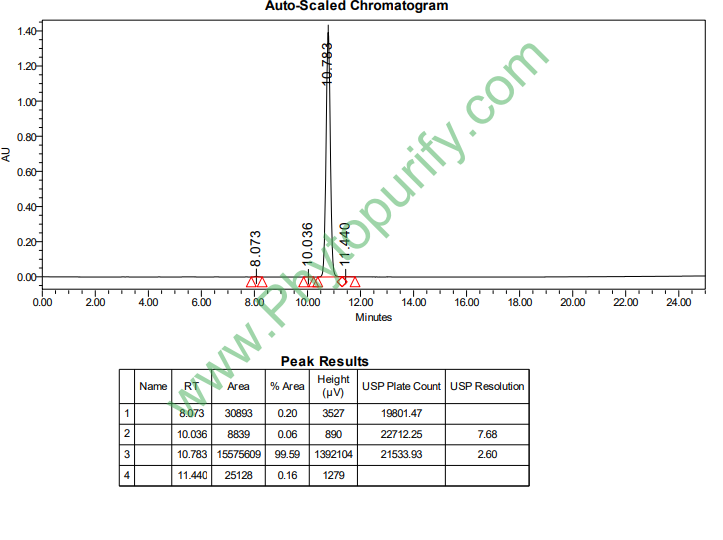
Storage conditions:Short-term storage at 2~8℃, long-term storage at -20 ~ -80℃
34.1400
2.8100
2.8100
High
No
No
No
No
3-Butylidenphthalide (CAS number: 551-08-6) is a natural product of isobenzofuranone with multiple biological activities. It was first isolated and identified from the traditional Chinese medicine Ligusticum chuanxiong. As a derivative of phthalic anhydride, butenyl phthalic anhydride has attracted widespread attention in the field of natural product pharmacology due to its significant anti hyperglycemic, analgesic, and insecticidal activities. In addition, the potential regulatory role of butenyl phthalide in viral disease-related targets also provides new directions for the study of its multi-target pharmacological mechanisms. This article will provide a systematic review of the chemical structure and physicochemical properties, plant sources and extraction methods, pharmacological activity and mechanism of action, pharmacological evaluation and pharmacokinetic characteristics of butenyl phthalein, and explore its clinical application prospects and future research directions, aiming to provide theoretical basis and practical guidance for the drug development and application of this compound.
The chemical structure of butenophthalide belongs to isobenzofuranone, with a molecular formula of C12H12O2 and a molecular weight of 188.22. The core of its structure is the furanone ring derived from phthalic anhydride, which is connected to the Butylidene side chain at position 3, endowing it with unique chemical properties. The LogP value of butylphthalein is 2.81, indicating moderate lipid solubility, which is beneficial for membrane penetration and in vivo distribution. The polar surface area (TPSA) is 34.14 and the number of hydrogen bond acceptors is 2, indicating that it has a certain affinity when bound to biomolecules. This compound can pass through the blood-brain barrier, indicating its potential application value in central nervous system diseases. In vitro safety evaluation showed that butenophthalide has no hepatotoxicity, cardiotoxicity, or hERG channel inhibition effect, and the Ames mutagenicity test was negative, indicating its high safety and good pharmacological basis.
Butylbenzene is mainly derived from Ligusticum chuanxiong Hort., a traditional medicinal plant widely used in traditional Chinese medicine. Chuanxiong rhizome contains abundant volatile oils and various bioactive components, among which butenyl phthalic anhydride, as one of the main phthalic anhydride components, has important pharmacological significance. The common methods for extracting butenyl phthalein include solvent extraction, ultrasound assisted extraction, and column chromatography separation technology. Generally, ethanol or methanol is used as the extraction solvent to obtain high-purity butenyl phthalein through a multi-step separation and purification process. In recent years, the application of supercritical fluid extraction and high-performance liquid chromatography (HPLC) technology has further improved the extraction efficiency and purity, providing technical support for the industrial production of butenyl phthalein.
Butylbenzene shows significant anti hyperglycemic activity, mainly achieved by inhibiting intestinal β - glucosidase. This enzyme catalyzes the cleavage of glycosidic bonds during carbohydrate digestion, inhibiting its activity can delay glucose absorption and reduce postprandial blood glucose peak. In vitro experiments have shown that butenophthalide inhibits yeast β - glucosidase in a non competitive manner, with an IC50 of 2.35 mM and an inhibition constant KI of 4.86 mM, demonstrating strong enzyme activity regulation ability. The mechanism of action is similar to the existing glycosidase inhibitors such as acarbose, but the natural source of butenylphthalide and the lower risk of side effects provide potential for it to be a new anti diabetes drug.
In animal models, butenyl phthalein exhibits dose-dependent analgesic effects. The hot plate test showed that the doses of 10 mg/kg and 31.6 mg/kg of butenophthalic acid significantly prolonged the latency period of the reaction in mice and alleviated the pain response caused by thermal stimulation. In addition, the compound also exhibited good analgesic activity in a pain model induced by chemical stimulation, suggesting that it may regulate pain signal transduction through multiple mechanisms. The specific molecular mechanism of analgesic effect still needs further research, but its good blood-brain barrier penetration provides the possibility for central analgesic effect.
Butylbenzene showed significant insecticidal activity against Spodoptera litura larvae, an agricultural pest, with an LC50 value of 1.56 mg/g. This activity makes it a potential natural insecticide with environmentally friendly and biodegradable advantages. The insecticidal mechanism may involve interference with the insect nervous system or metabolic pathways, and related research is being conducted in depth to develop butenyl phthalein as a green pesticide.
The multi-target mechanism of action of butylphthalein is the basis of its pharmacological activity. In addition to β - glucosidase, butenophthalide has potential interactions with various viral disease-related targets, including DNA repair enzyme BLM, anti apoptotic protein MCL1, immune regulatory enzyme IDO1, cell cycle regulatory enzyme CDC25A/B, DNA repair enzyme APEX1, telomerase WRN, deubiquitinase USP1, ion channel TRPA1, and chromatin protein CBX1. These targets involve key biological processes such as cell proliferation, apoptosis, DNA repair, immune regulation, and ion channel regulation, suggesting that butenyl phthalate may exert a wide range of biological effects by regulating multiple signaling pathways.
For example, IDO1, as a key enzyme in immune suppression, plays an important role in various viral infections and tumor immune escape. The regulation of IDO1 by butylphthalein may enhance antiviral immune response. TRPA1 ion channels are involved in the transmission of pain and inflammation, and the molecular basis of its analgesic effect is explained by the effect of butenyl phthalein on them. The regulation of DNA repair related enzymes such as BLM, APEX1, and WRN may be associated with their research on cellular stress response and anti-tumor potential.
The pharmacological parameters of butylphthalein show good performance. The molecular weight is 188.22, in accordance with Lipinski's rule, with a LogP of 2.81, indicating moderate lipid solubility, which is beneficial for oral absorption and cell membrane penetration. The TPSA is 34.14, and low polarity facilitates the passage of the blood-brain barrier, supporting its potential application in central nervous system diseases. In terms of in vivo safety, there is no hepatotoxicity, cardiotoxicity, or hERG channel inhibition, and the Ames test is negative, indicating a low risk of mutagenicity.
Pharmacokinetic studies are still in the preliminary stage, but its high blood-brain barrier permeability suggests that butenophthalide is widely distributed in the body, especially in the central nervous system. In the future, systematic ADME (absorption, distribution, metabolism, excretion) research needs to be conducted to clarify its bioavailability, metabolic pathways, and excretion modes, providing a basis for clinical dosage form design and dose optimization.
Butylphthalide, as a multifunctional natural product, has broad clinical application potential. Its anti hyperglycemic effect provides a new idea for the treatment of diabetes and its complications, especially through the intestinal enzyme inhibition mechanism, which may reduce the side effects of traditional glycosidase inhibitors. The analgesic effect makes it promising for the management of chronic pain and neuropathic pain. Combined with its good blood-brain barrier penetration, butenyl phthalate may become a candidate molecule for central analgesic drugs.
In addition, the regulation of viral disease-related targets by butenyl phthalide suggests its potential in the field of antiviral therapy. Combining its immunomodulatory effects, its application in viral infections and related immune diseases can be explored in the future. The insecticidal activity provides a natural and environmentally friendly alternative to insecticides in the agricultural field, which is in line with the development trend of green agriculture.
Future research should focus on in-depth analysis of the mechanism of action, structural optimization, and pharmacokinetic improvement of butenyl phthalide, combined with modern drug design techniques, to promote its clinical translation. Meanwhile, safety evaluation and preclinical research are key steps in its development process.
As an important active ingredient in Ligusticum chuanxiong, butylphthalein exhibits diverse pharmacological activities and good medicinal properties. Its anti hyperglycemic, analgesic, and insecticidal activities have been widely confirmed, and its potential role in viral disease-related targets provides a new direction for the development of multi-target drugs. Considering its chemical properties, biological activity, and safety, butenyl phthalein has the potential to become an important candidate molecule for novel natural medicines. In the future, through systematic pharmacological mechanism research, pharmacokinetic optimization and pre clinical evaluation, it is expected to promote the application of butenylphthalide in diabetes, pain management, anti-virus, agricultural insecticides and other fields, and promote the innovative development of natural product drugs.
