| Catalog No | Package | Original Price | Price | Inventory | Quantity | Operating |
|---|---|---|---|---|---|---|
| BP3410-20mg | 20mg | $96.00 | Sign in |
|


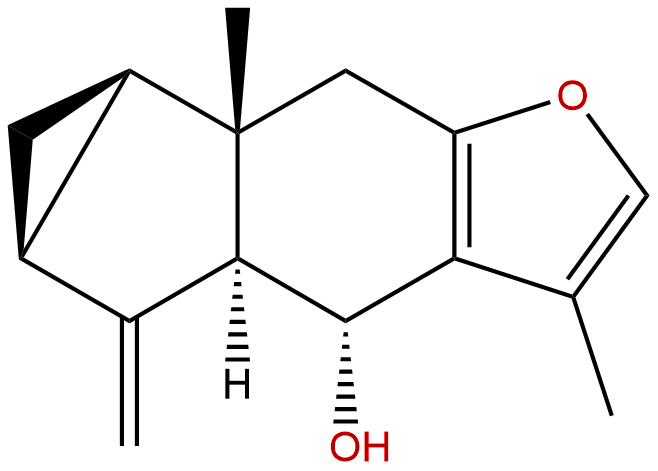
Product name: Lindenenol
Synonym name:
Catalogue No.: BP3410
Cas No.: 26146-27-0
Formula: C15H18O2
Mol Weight: 230.307
Botanical Source:
Physical Description: Powder
Type of Compound: Sesquiterpenoids
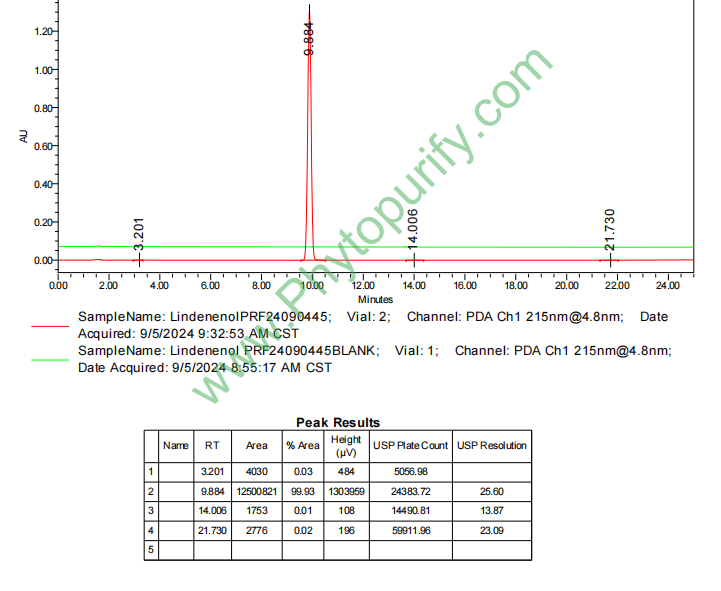
Purity: 95%~99%
Analysis Method: HPLC-DAD or/and HPLC-ELSD
Identification Method: Mass, NMR
Packing: Brown vial or HDPE plastic bottle
The product could be supplied from milligrams to grams. Inquire for bulk scale.
We provide solution to improve the water-solubility of compounds, thereby facilitating the variety of activity tests and clinic uses.
For Reference Standard and R&D, Not for Human Use Directly.
Description:
Linderene, linderalactone and isolinderalactone inhibit the enzymes from both origins to the same extent.
References:
Biol Pharm Bull. 2002 Aug;25(8):1049-52.
Prolyl endopeptidase inhibitors from the roots of Lindera strychnifolia F. Vill.
We studied the PEP inhibitory constituents of the roots of Lindera strychnifolia F. VILL and isolated two known tannins, epicatechin (1) and aesculitannin B (2), and four known sesquiterpenes, Linderene (3), Linderene acetate (4), linderalactone (5) and isolinderalactone (6) as inhibitors.
METHODS AND RESULTS:
On the inhibitory activities of six compounds against PEP from Flavobacterium meningosepticum and that from rat brain supernatant, compounds 1, 2 and Linderene acetate inhibited the enzyme from Flavobacterium more strongly than that from rat brain supernatant. However, Linderene, linderalactone and isolinderalactone inhibited the enzymes from both origins to the same extent and furthermore, compound 6 was the strongest natural inhibitor against PEP from rat brain supernatant.
CONCLUSIONS:
The kinetic study of these inhibitors indicated that compounds 1, 2 are noncompetitive inhibitors and compounds Linderene,linderalactone,isolinderalactone are competitive inhibitors.
HPLC of Lindenenol
Storage conditions:Short-term storage at 2~8℃, long-term storage at -20 ~ -80℃
33.3700
2.7815
2.7813
.0223
6.9264
18.3894
High
79.6883
4.9561
No
No
No
No
Yes
No
0.0
No
No
No
No
Natural products, as an important treasure trove for drug discovery and development, have always played a crucial role in the long history of human fight against diseases. Terpenes, as one of the major classes, have attracted much attention for their structural diversity and wide range of biological activities. Lindenol, a sesquiterpene compound, is one of the representative active ingredients isolated from traditional Chinese medicine Radix Linderae. Wuyao is the dried root of Lindera aggregata (Sims) Kosterm., a plant belonging to the Camphor family, which is warm in nature and pungent in taste. It has the effects of promoting qi circulation, relieving pain, warming the kidneys, and dispelling cold. It is commonly used clinically for chest and abdominal distension, shortness of breath, cold bladder deficiency, frequent enuresis, and other symptoms. Modern pharmacological research has gradually revealed that Wuyao alcohol is one of the important material foundations for Wuyao to exert various pharmacological effects, especially showing significant potential in anti-inflammatory, antioxidant, and antibacterial aspects. With the deepening understanding of the pathological mechanisms of inflammation related diseases such as arthritis, neuropathic pain, metabolic syndrome, etc., the search for highly effective and low toxicity new anti-inflammatory drugs has become a research hotspot. This article aims to systematically review the chemical structure, plant origin, pharmacological activity, molecular mechanism of action, pharmacological characteristics, and clinical application prospects of Wuyao alcohol, in order to provide comprehensive scientific references for the in-depth research and development of this compound.
Wuyao alcohol, with the chemical name (1R, 4S, 5S) -4-isopropenyl-1,8-dimethylspiro [4.5] dec-8-en-1-ol, has a CAS registration number of 26146-27-0. From a chemical structure perspective, Wuyao alcohol belongs to the class of spirosesquiterpenes, with a molecular formula of C15H24O and a molecular weight of 230.3070. Its core structure consists of a five membered ring and a six membered ring connected by a spiro carbon atom, and carries functional groups such as isopropyl and hydroxyl. This unique spiral ring structure is the foundation of its stereochemistry and biological activity.
In terms of physical and chemical properties, the calculated LogP of Wuyao alcohol is about 2.78, indicating its good lipophilicity, which is closely related to its ability to penetrate cell membranes and act on intracellular targets. Its topological polar surface area (TPSA) is 33.37 Å ², which is relatively small, further confirming its good membrane permeability. The predicted value of water solubility is relatively low, about 0.0223 mg/mL, which belongs to insoluble compounds, which is a key factor to consider in the development of their formulations. It is worth noting that based on its physicochemical parameters, Wuyao alcohol has a high blood-brain barrier permeability, which provides the possibility for its potential therapeutic application in central nervous system related diseases such as neuroinflammation and pain. The preliminary pharmacological risk assessment shows that the hERG inhibition risk is negative, and the Ames mutagenicity test prediction result is negative (0.0), indicating that it may have good cardiac safety and genetic toxicity safety profile, laying a preliminary safety foundation for subsequent development.
Wuyaochun mainly comes from the traditional Chinese medicine Wuyao, which is the dried root of Lindera aggregata, a plant in the Lauraceae family. Wuyao is mainly distributed in the southern region of the Yangtze River in China, and is also found in Japan, Vietnam, and other places. In addition to black medicine, this compound or its analogues may also exist in plants of the same genus or other closely related plants, but black medicine is still the main and stable plant source currently known.
The extraction and separation of wuyao alcohol from plant materials usually follow the conventional process of natural product chemistry. Firstly, it is necessary to crush the dried black medicine roots to increase the solvent contact area. The commonly used preliminary extraction methods include solvent immersion, reflux extraction, and ultrasound assisted extraction. Due to the hydrophobicity of Wuyao alcohol, medium polarity organic solvents such as ethanol, methanol, or ethyl acetate are often used for extraction. Among them, ethanol is widely used in laboratories and industrial production due to its low toxicity and good extraction efficiency. Ultrasound assisted extraction can significantly shorten extraction time and improve yield.
After obtaining the crude extract, it needs to be purified through a series of chromatographic separation techniques. The silica gel column chromatography method is commonly used for preliminary separation, with gradient elution using solvent systems such as petroleum ether ethyl acetate or cyclohexane ethyl acetate in different ratios to separate the components based on polarity differences. Subsequently, fraction monitoring was performed using thin-layer chromatography (TLC). The fractions containing the target compounds are further refined by preparative high performance liquid chromatography (HPLC), reverse phase chromatography or gel chromatography (such as Sephadex LH-20) to finally obtain high-purity myrrhol monomer. Structural identification involves the comprehensive use of spectroscopic methods such as nuclear magnetic resonance (NMR, including 1H-NMR, 13C-NMR, 2D-NMR), mass spectrometry (MS), infrared spectroscopy (IR), and specific rotation to confirm its planar structure and stereoconfiguration. Optimizing the extraction and separation process to improve the yield and purity of Wuyao alcohol is a prerequisite for ensuring its pharmacological research and subsequent development.
A large number of in vitro and in vivo pharmacological experiments have shown that Wuyao alcohol has various biological activities, among which anti-inflammatory, antioxidant, and antibacterial effects are the most prominent.
1. Anti inflammatory activity
The anti-inflammatory effect is the most concerned pharmacological activity of Wuyao alcohol. In various inflammatory cell models, such as lipopolysaccharide (LPS) - induced macrophage RAW264.7, Wuyao alcohol can dose dependently inhibit the production of key pro-inflammatory mediators such as nitric oxide (NO) and prostaglandin E2 (PGE2). At the same time, it can significantly downregulate the mRNA and protein expression levels of inflammatory cytokines such as tumor necrosis factor - α (TNF - α) and interleukin-6 (IL-6). In animal inflammation models, Wuyao alcohol has also shown good effects. For example, in the mouse ear xylene induced inflammation model, carrageenan induced paw swelling model, and cotton ball induced granuloma model, oral or local administration of Wuyao alcohol can effectively reduce tissue swelling and inflammatory exudation, and its effect is comparable to or more promising than some classic nonsteroidal anti-inflammatory drugs.
2. Antioxidant activity
Oxidative stress is closely related to inflammation, aging, and various chronic diseases. Wuyao alcohol exhibits the ability to scavenge free radicals due to its phenolic hydroxyl group in its structure (although its exact structure needs to be verified, some literature reports that it has antioxidant groups) or other active sites. In vitro antioxidant experiments, Wuyao alcohol showed certain scavenging activity against 1,1-diphenyl-2-trinitrophenylhydrazine (DPPH) free radicals and 2,2 \ '- diazo-bis-3-ethylbenzothiazoline-6-sulfonic acid (ABTS) cationic free radicals, and could inhibit lipid peroxidation. Its antioxidant effect is considered as one of its auxiliary mechanisms for anti-inflammatory and tissue damage protection.
3. Antibacterial activity
Preliminary studies have shown that Wuyao alcohol has certain inhibitory activity against certain Gram positive and Gram negative bacteria. This may be consistent with the traditional use of black medicine to treat qi stagnation and abdominal pain, and may be related to regulating gut microbiota or inhibiting pathogenic bacterial infections. However, its antibacterial spectrum and mechanism still require further systematic research.
In addition, there are sporadic studies exploring the activities of Wuyao alcohol in other areas, such as potential neuroprotection and analgesia, but these studies are still in their infancy and require more evidence to support them.
The anti-inflammatory effect of Wuyaochun is not achieved through a single pathway, but involves multidimensional regulation of multiple inflammation related signaling pathways and molecular targets. Current research suggests that its mechanism of action network mainly revolves around the following key targets and pathways:
1. Regulating the nuclear factor kappa B (NF - κ B) signaling pathway
NF - κ B is the core transcription factor of inflammatory response. Research has shown that Wuyao alcohol can inhibit LPS induced nuclear translocation of NF - κ B p65 subunit (RELA). Its upstream action point may involve inhibiting the activation of I κ B kinase (IKK, the catalytic subunit of IKK β encoded by IKBKB), thereby preventing the phosphorylation and degradation of I κ B α, causing NF - κ B dimer to remain in the cytoplasm and unable to enter the nucleus to initiate the transcription of inflammatory genes such as TNF - α, IL-6, and inducible nitric oxide synthase (iNOS, encoded by NOS2).
2. Inhibit the STAT3 signaling pathway
Signal transducer and activator of transcription factor 3 (STAT3) is another crucial node in the pro-inflammatory and pro survival signaling pathway. It is often continuously activated in chronic inflammation and cancer. Research has shown that Wuyao alcohol can inhibit the phosphorylation (activation) of STAT3 induced by cytokines such as IL-6, block its dimerization and nuclear translocation, and subsequently downregulate the expression of downstream genes related to cell proliferation, survival, and inflammation. There is a cross-talk between STAT3 and NF - κ B pathway, and the synergistic inhibition of both by Wuyao alcohol may enhance its anti-inflammatory efficacy.
3. Regulate inflammasome activity
The excessive activation of NLRP3 inflammasome is associated with various inflammatory diseases. Caspase-1 (CASP1) is a key effector protease for inflammasome activation, responsible for cleaving pro-IL-1 β and pro-IL-18 into active forms. There is evidence to suggest that Wuyao alcohol may decrease the release of mature IL-1 β by inhibiting the assembly or activation of NLRP3 inflammasomes, reducing the activation of Caspase-1.
4. Affects pain related ion channels
Transient receptor potential vanillic acid subtype 1 (TRPV1) and transient receptor potential anchor protein subtype 1 (TRPA1) are important peripheral sensors mediating inflammatory and neuropathic pain. Preliminary pharmacological studies suggest that Wuyao alcohol may act as a regulator to affect the activity of these channels, which may be related to its potential analgesic effect, but whether it is an excitatory or antagonistic effect needs further clarification.
5. Inhibit inflammation related enzymes
Wuyao alcohol has been found to inhibit the activity of cyclooxygenase-1 (COX-1, encoded by PTGS1). COX-1 is a constitutively expressed isoform responsible for maintaining the synthesis of physiological prostaglandins, and its inhibition is partially related to the gastrointestinal side effects of nonsteroidal anti-inflammatory drugs. Meanwhile, it also has an inhibitory effect on the expression and activity of inducible nitric oxide synthase (iNOS/NOS2), reducing the production of excessive NO.
In summary, Wuyaochun forms a multi-target and multi pathway anti-inflammatory network by acting on multiple targets such as IL-6, TNF, RELA (p65), IKBKB, STAT3, CASP1, PTGS1, NOS2, TRPV1, TRPA1, etc. This may be the molecular basis for its highly efficient anti-inflammatory effect and potential reduction of drug resistance.
Based on the physical and chemical parameters mentioned earlier, the preliminary evaluation of the pharmacological properties of Wuyao alcohol presents a situation of both advantages and challenges.
Advantages:
1. Moderate molecular weight(230.3), meets the requirements of the "Five Rules" for drug properties.
2. Good permeability Moderate LogP value (~2.78) and small TPSA predict good cell membrane permeability and oral absorption potential. The prediction of high blood-brain barrier permeability provides the possibility for its treatment of central nervous system inflammatory diseases.
3. Preliminary safety is good Predicting the absence of hERG inhibition and Ames mutagenicity risk reduces concerns about early development of cardiotoxicity and genotoxicity.
Challenge aspect:
1. Poor water solubility The extremely low water solubility (0.0223 mg/mL) is one of the main obstacles in its pharmaceutical process, which may lead to low oral bioavailability and difficulty in formulation. The solution strategy may include the production of nanocrystals, solid dispersions, cyclodextrin inclusion complexes, or prodrugs.
2. Metabolic stability unknown Terpenes are prone to undergo metabolic reactions such as oxidation, reduction, and binding in the body. The specific metabolic pathways, main metabolites, enzyme systems involved in metabolism (such as CYP450 isoenzymes), and metabolic stability of Wuyao alcohol are still unknown, and need to be systematically evaluated through in vitro liver microsomal experiments, liver cell experiments, etc.
3. Lack of pharmacokinetic data Currently, there are very few reports in the public literature on pharmacokinetic studies of the Wuyao alcohol system. Key pharmacokinetic parameters such as oral absorption rate and degree, plasma protein binding rate, tissue distribution characteristics (especially whether they can target inflammatory sites), elimination half-life, and main excretion pathways urgently need to be elucidated through animal experiments (rats, mice, etc.). These data are the basis for evaluating its dosing regimen, predicting human efficacy and safety.
4. Potential toxicity Although initially predicted to be safe, a comprehensive preclinical toxicology evaluation is needed, including acute toxicity, subchronic toxicity, reproductive toxicity, etc., to clarify its safety window.
Therefore, future research needs to focus on breaking through the solubility and bioavailability issues of Wuyao alcohol, and systematically carry out its ADME (absorption, distribution, metabolism, excretion) and toxicology studies, laying a solid pharmaceutical foundation for its clinical translation.
Wuyao alcohol, as a natural sesquiterpene with clear multi-target anti-inflammatory activity, has broad clinical application prospects, but also faces many areas that need to be explored.
Potential application directions:
1. Treatment of inflammatory diseases This is the most direct application direction. Based on its strong anti-inflammatory activity, Wuyaochun is expected to be developed for the treatment of local or systemic inflammatory diseases such as rheumatoid arthritis, osteoarthritis, inflammatory bowel disease (such as ulcerative colitis), chronic dermatitis, etc. Its multi-target mechanism of action may have unique advantages for complex and difficult to treat chronic inflammation.
2. pain management Based on its potential regulatory effect on TRPV1/TRPA1 channels and anti-inflammatory properties, Wuyao alcohol may be developed as a novel analgesic for the treatment of inflammatory and neuropathic pain, which may have better safety than traditional nonsteroidal anti-inflammatory drugs or opioid drugs.
3. Adjuvant therapy for neurodegenerative diseases Neuroinflammation is an important pathological link in neurodegenerative diseases such as Alzheimer's disease and Parkinson's disease. The high blood-brain barrier permeability potential of Wuyaochun makes it a candidate molecule for intervening in central nervous system inflammation and protecting neurons.
4. As a lead compound for structural optimization In response to its poor water solubility and potential metabolic instability, medicinal chemists can use it as the parent nucleus for reasonable structural modifications (such as introducing polar groups, preparing derivatives or prodrugs), while preserving or enhancing its activity, improving its pharmacokinetic properties.
Future research prospects:
1. Deep exploration of mechanisms Using chemical biology methods such as molecular probes and proteomics to discover their direct targets and draw more accurate interaction networks. Study its impact on the function of immune cells such as T cells, B cells, and neutrophils, and comprehensively evaluate its immune regulatory activity.
2. Disease animal model validation Systematically evaluate the therapeutic effect and dose-response relationship of Wuyao alcohol in animal models that are closer to human diseases, such as collagen induced arthritis mouse models, DSS induced colitis models, and neuropathic pain models.
3. Pharmaceutical research Vigorously develop new drug delivery systems suitable for Wuyao alcohol, such as oral nano formulations, transdermal drug delivery systems, or injectable liposomes, to overcome its solubility bottleneck and achieve targeted delivery.
4. Collaborative effect research Exploring the combined use of Wuyaochun and existing anti-inflammatory drugs may produce synergistic effects and reduce side effects, which is in line with the treatment concept of integrated traditional Chinese and Western medicine.
5. Preclinical and clinical research After completing the pharmacological, pharmacokinetic, and toxicological studies of the system, gradually advance clinical trials to verify its safety and efficacy in humans.
Wuyao alcohol is a spirocyclic sesquiterpene compound with significant anti-inflammatory, antioxidant, and antibacterial activities isolated from traditional Chinese medicine Wuyao. Its unique chemical structure endows it with the characteristic of multi-target action, which can inhibit the production of various pro-inflammatory mediators by regulating multiple key signaling pathways such as NF - κ B, STAT3, and inflammasomes, demonstrating good anti-inflammatory potential. Despite facing challenges such as poor water solubility in drug development, its moderate molecular weight, good membrane permeability, high blood-brain barrier permeability potential, and preliminary predicted safety provide a favorable basis for its further development. In the future, through in-depth molecular mechanism research, systematic pharmacokinetic and toxicological evaluation, and innovative formulation technology breakthroughs, Wuyaochun is expected to transform from a natural product with a long history of application into a modern drug candidate molecule for treating inflammation and related diseases, providing important scientific basis and material basis for inheriting and promoting the treasure trove of traditional Chinese medicine and developing new drugs with independent intellectual property rights. The research process has once again confirmed the feasibility and enormous value of searching for modern drug lead compounds from traditional medical experience.
