Laetanine: Research progress from natural demethylated porphyrin alkaloids to candidate antimalarial drugs
Introduction/Overview
Malaria, as a type of malaria caused by malaria parasites(Plasmodium Parasitic infectious diseases caused by spp. and transmitted through female mosquitoes have long been a major challenge in the global public health field. Although artemisinin based combination therapies (ACTs) have achieved significant results in malaria control, in recent years, malaria parasites, especially Plasmodium falciparum, have been affected(Plasmodium falciparum)The emergence and spread of resistance to artemisinin based drugs have made the development of antimalarial drugs with novel mechanisms of action particularly urgent. In this context, the search for novel antimalarial lead compounds from traditional medicinal plants has become one of the hot research directions in natural product pharmacology.
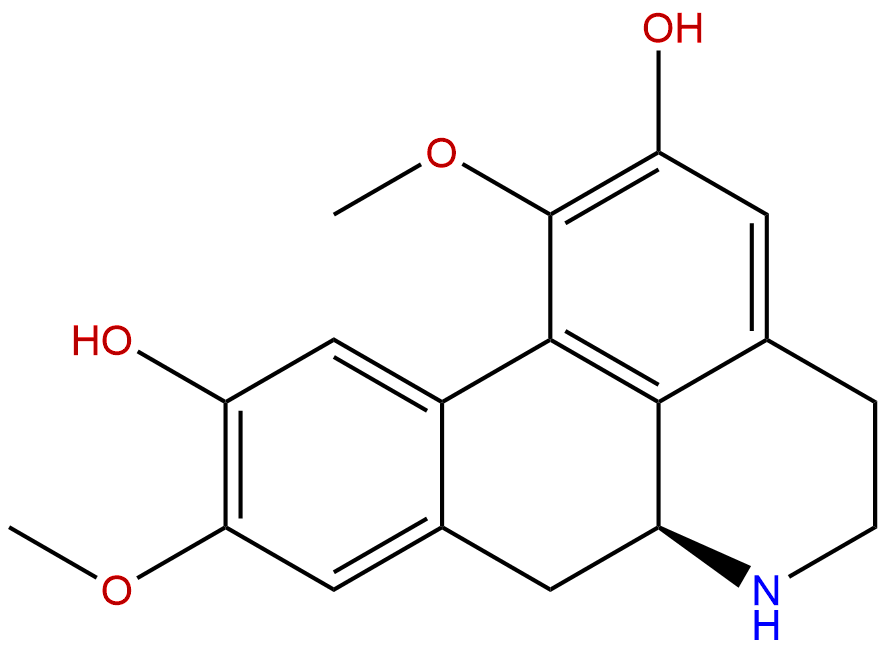
Laetanine, CAS number 72361-67-2, is a plant species from the genus Chili(Litsea laeta)Noraporphine alkaloid isolated from the middle. This compound initially attracted attention for its significance in plant chemical taxonomy, and subsequently its significant anti malaria activity was revealed, making it a promising natural product molecule in the field of antimalarial drug development. Retanin not only exists in the pepper genus plants, but also in the South American Melia(Phoebe tavoyana It was found in the leaf extract of Lauraceae, also known as Mycenae, suggesting that it may have a relatively wide distribution in Lauraceae plants. As a structurally unique quinoline alkaloid, the discovery and activity research of Retanin provide new chemical entities and pharmacological ideas for addressing the increasingly severe problem of malaria drug resistance.
Chemical structure and physicochemical properties
Retanin belongs to the family of demethylated porphyrin alkaloids, and its core skeleton is a tetracyclic isoquinoline structure, which is an aporphine type structure formed by intramolecular oxidative coupling of 1-benzylisoquinoline. Unlike typical aporphine alkaloids such as apomorphine, demethylated porphyrin alkaloids lack methyl substitution on the nitrogen atom, thus exhibiting the characteristic of "nor -". The molecular formula of Retanin is C ₁₈ H ₁₉ NO ₄, with a molecular weight of 313.3530 g/mol. Its structure contains multiple phenolic hydroxyl and methoxy substituents, and the presence of these functional groups not only endows the molecule with a certain polarity and hydrogen bond donor/acceptor ability, but also closely relates to its biological activity.
From the perspective of physical and chemical properties, the lipid water partition coefficient (LogP) of Retanin is 2.1896, indicating that the compound has moderate lipophilicity, which can maintain a certain solubility in aqueous environments and has the ability to penetrate biofilms. Its topological polar surface area (TPSA) is 70.9500 Å ², which is lower than the recommended upper limit of 140 Å ² for oral drugs, indicating its good oral absorption potential. In terms of water solubility, the water solubility parameter of Retanin is 0.4300 mg/mL, which belongs to the category of slight solubility. This characteristic is more common in natural products, but it also suggests that solubilization strategies may need to be considered in formulation development.
It is worth noting that the prediction of pharmacological parameters shows that Retanin has a high blood-brain barrier (BBB) penetration ability. This characteristic is advantageous for central nervous system targeted drugs, but for antimalarial drugs, it may pose potential neurotoxic risks that need to be addressed in subsequent research. In addition, the hERG inhibition prediction result was negative, indicating that the compound has a low risk of causing QT interval prolongation and arrhythmia in the heart; The predicted value of Ames test is 0.6, indicating that its genetic toxicity risk is at a moderate level and further in vitro and in vivo experiments are needed for verification. Overall, the physicochemical properties of Retanin conform to the basic characteristics of natural product lead compounds and have room for further pharmaceutical chemical optimization.
Plant sources and extraction methods
Leithanin was originally derived from the pepper plant genus Litsea laeta Separation and identification in the middle. Shanjiao genus(Litsea)Belonging to Lauraceae, this genus is widely distributed in tropical and subtropical regions of the world. Many species are used in traditional medicine to treat fever, pain and infectious diseases. In addition, Retanin also exists in South America(Phoebe tavoyana)Among the leaf extracts, South American Melia also belongs to the Lauraceae family and is mainly distributed in Southeast Asia. This cross genus distribution phenomenon suggests that Leithanin may be a characteristic secondary metabolite with chemical taxonomic significance in the Lauraceae family.
Regarding the extraction and separation of Retanin, classical plant chemistry research methods are usually used. Firstly, after crushing the dried plant material (usually leaves or stem bark), an acidic aqueous solution (such as 0.5-2% hydrochloric acid or sulfuric acid) is used for percolation or soaking extraction, utilizing the characteristic of alkaloids becoming salts under acidic conditions and dissolving in water to achieve preliminary enrichment. Subsequently, the acidic extract was adjusted to alkaline with alkaline solution (such as ammonia or sodium hydroxide), and then subjected to liquid-liquid extraction with organic solvents (such as chloroform, dichloromethane, or ethyl acetate) to obtain the crude extract of total alkaloids. Further separation and purification rely on the combination of various chromatographic techniques, including silica gel column chromatography, alumina column chromatography, preparative thin-layer chromatography, and high-performance liquid chromatography (HPLC). During the elution process, solvent systems such as chloroform methanol or n-hexane ethyl acetate are commonly used for gradient elution, combined with thin-layer chromatography (TLC) detection and biological activity tracking, to ultimately obtain high-purity Retanin monomer.
It is worth noting that due to the low content of Retanin in plants and the presence of multiple phenolic hydroxyl groups in its structure, it is prone to oxidation or degradation during the extraction process. Therefore, extraction operations usually need to be carried out under light avoidance, low temperature, and inert gas protection, and an appropriate amount of antioxidants (such as vitamin C or BHT) should be added to the extraction solvent to maintain the stability of the compound. In recent years, with the development of green extraction technologies such as supercritical fluid extraction (SFE) and high-speed countercurrent chromatography (HSCCC), the extraction efficiency and purity of Retanin are expected to be further improved.
Pharmacological activity research
Anti malaria activity
The most highly anticipated pharmacological activity of Retanin is its anti malaria effect. Research shows that Retanin has an effect on Plasmodium falciparum(P. falciparum)Multiple strains, including 3D7 strain sensitive to chloroquine and Dd2 or K1 strain resistant to chloroquine, exhibited significant inhibitory activity. Its half maximal inhibitory concentration (IC ₅₀) is usually in the micromolar range, and the specific value varies depending on the test strain and experimental conditions, but overall it shows comparable efficacy to the classical antimalarial drug chloroquine and is equally effective against resistant strains, suggesting that its mechanism of action may be different from chloroquine. This characteristic makes Ritalin of significant development value in addressing the increasingly serious issues of chloroquine and artemisinin resistance.
Cytotoxicity selectivity
As an anti infective drug, selective toxicity is a key indicator for evaluating its safety. At the concentration of antimalarial activity, Retanin exhibits relatively low cytotoxicity towards human derived normal cell lines such as fibroblasts, liver cells, or renal epithelial cells, demonstrating a certain therapeutic window. However, some studies have also shown that high concentrations of Retanin exhibit cytotoxicity towards certain tumor cell lines, suggesting that it may have a dual mechanism of action or exhibit different sensitivities in different cell types. Therefore, in the subsequent drug development, it is necessary to systematically evaluate its safety on normal human tissues, especially its potential impact on the central nervous system and cardiovascular system.
Other pharmacological activities
In addition to its antimalarial activity, Retanin has also been reported to have other biological activities. For example, some demethylated porphyrin alkaloids exhibit antioxidant, anti-inflammatory, or antibacterial activities, but research on these activities of Retanin itself is not yet sufficient. In addition, given the presence of multiple phenolic hydroxyl groups in its structure, Retanin may have the ability to scavenge free radicals, which may have a synergistic effect with its anti malarial activity, as malaria parasites generate a large amount of oxidative stress during their proliferation in red blood cells. However, these speculations still need to be validated through systematic in vitro and in vivo experiments.
Mechanism of action and molecular targets
Elucidating the mechanism of antimalarial action of Retanin is crucial for its subsequent structural optimization and clinical development. At present, research on the exact molecular targets of Retanin is still in the exploratory stage, but there are several hypotheses and preliminary evidence.
Inhibition of heme polymerization
The classic mechanism of action of 4-aminoquinoline antimalarial drugs such as chloroquine is to inhibit the aggregation of toxic heme IX produced during the digestion of hemoglobin by malaria parasites, allowing it to accumulate in free form, thereby disrupting the membrane structure and metabolism of malaria parasites. As a highly planar aromatic alkaloid, Retanin may interfere with its biomineralization process by binding to heme molecules through π - π stacking. However, unlike chloroquine, Retanin is equally effective against chloroquine resistant strains, suggesting that it may have a different binding mode or additional targets than chloroquine.
Interference with mitochondrial function
Some members of the demethylated porphyrin alkaloid family have been reported to affect the mitochondrial electron transport chain. The mitochondria of malaria parasites, although functionally simplified during the asexual erythroid phase, still participate in pyrimidine biosynthesis and electron transfer. Retanin may exert antimalarial effects by inhibiting the activity of Plasmodium mitochondrial complexes II or III, leading to loss of membrane potential and inhibition of ATP synthesis. This mechanism is completely different from the way artemisinin based drugs generate free radicals through activation, and therefore may be effective against artemisinin resistant strains.
Inhibit protein synthesis or nucleic acid metabolism
Partial isoquinoline alkaloids can interfere with the synthesis of nucleic acids and proteins by embedding into DNA double helix structures, inhibiting the activity of topoisomerases or RNA polymerases. The planar aromatic ring structure of Retanin gives it the potential to embed into DNA. Molecular docking and spectroscopic studies may reveal their interaction patterns with DNA or related enzymes, but this hypothesis still requires experimental evidence to support.
Multi target action characteristics
Given that natural products typically have the characteristics of "multi-target, weak interaction", the antimalarial activity of Retanin is likely the result of the synergistic effect of multiple mechanisms. The phenolic hydroxyl and methoxy groups in its structure may participate in the redox cycle, regulating oxidative stress levels within the malaria parasite; At the same time, its lipophilicity makes it easy to penetrate multiple membrane structures of malaria parasites, including food vacuoles, mitochondria, and cytoplasmic membranes, thereby exerting interference at multiple subcellular levels. In the future, by combining chemical proteomics, thermal stability analysis (CETSA), and gene knockout technology, it is expected to systematically identify the direct target of Retanin.
Evaluation of drug properties and pharmacokinetics
Analysis of drug properties parameters
Based on the predicted pharmacological parameters, Retanin exhibits certain drug like characteristics. Its molecular weight (313 Da) and LogP (2.19) both meet the requirements of the Lipinski Rule, which states that the molecular weight is less than 500, LogP is less than 5, hydrogen bond donors do not exceed 5, and hydrogen bond acceptors do not exceed 10. The TPSA is 70.95 Å ², indicating its good intestinal transmembrane absorption potential. However, its water solubility (0.43 mg/mL) is relatively low, which may limit its oral bioavailability and needs to be improved through techniques such as salt formation, prodrug preparation, or nanoformulation.
It is worth noting that high blood-brain barrier penetration is a double-edged sword. For antimalarial drugs, although the treatment of cerebral malaria requires the drug to be able to enter the central nervous system, high BBB penetration for non therapeutic purposes may lead to neurotoxicity. At present, there is no systematic research report on the neurotoxicity of remifentanil, but in animal experiments, it is necessary to focus on observing its behavior, neurotransmitter levels, and pathological changes in brain tissue.
Pharmacokinetic characteristics
As of now, there is extremely limited publicly available data on the pharmacokinetics (PK) of remifentanil in vivo. Based on its physicochemical properties, it is speculated that after oral administration, Retanin may be absorbed in the upper and middle digestive tracts. However, due to the presence of phenolic hydroxyl groups, it may undergo first pass metabolism, including glucuronidation and sulfation binding reactions, leading to a decrease in oral bioavailability. Its distribution volume may be large, and its binding rate with plasma proteins remains to be determined. In terms of metabolism, the cytochrome P450 enzyme system (especially CYP3A4 and CYP2D6) may be involved in its oxidative metabolism, generating demethylated or hydroxylated products. The main excretion pathways may be bile and kidneys.
Given the lack of PK data, it is recommended to conduct systematic preclinical PK experiments in subsequent studies, including oral and intravenous PK curves, tissue distribution, metabolite identification, and excretion pathway analysis in rats or mice. These data will provide key basis for determining dosing regimens, predicting drug interactions, and evaluating safety windows.
safety evaluation
In addition to the hERG inhibition and Ames test predictions mentioned earlier, the safety of Retanin also needs to be evaluated through in vivo acute toxicity (such as LD ₅₀ determination) and repeated administration toxicity experiments. Of particular concern is its potential toxicity to the liver, kidneys, and central nervous system. In addition, due to the fact that antimalarial treatment usually requires continuous administration for several days to weeks, the cumulative toxicity, reproductive toxicity, and genetic toxicity of remifentanil also need to be included in the evaluation scope.
Clinical application prospects and prospects
Development of antimalarial drugs
The most direct clinical application prospect of remifentanil lies in the development of new antimalarial drugs. Given its effectiveness against chloroquine and artemisinin resistant strains, the rapatine backbone can serve as a lead compound to obtain derivatives with better drug properties through medicinal chemical modifications, such as introducing hydrophilic groups to enhance water solubility, optimize metabolic stability, and reduce BBB penetration. For example, introducing methyl or hydroxyethyl groups on nitrogen atoms, or fluorine or amino groups on aromatic rings, may improve their pharmacokinetic properties and safety.
Potential of combination therapy
Based on the successful experience of artemisinin combination therapy (ACTs), remifentanil or its derivatives can be considered to form compound formulations with existing antimalarial drugs such as artemether, pyronaridine, or lumefantrine. Due to the potential difference in the mechanism of action of Retanin compared to existing drugs, combination therapy is expected to produce synergistic effects, delay the development of drug resistance, and reduce the dosage and toxicity of monotherapy.
Other potential applications
In addition to malaria, given the cytotoxicity of Retanin to certain tumor cells, its anti-tumor activity deserves further exploration. In particular, the reports on the induction of apoptosis and autophagy in tumor cells by demethylated porphyrin alkaloids provide direction for the "old drug new use" of ranitidine. In addition, its antioxidant and anti-inflammatory activities may also find applications in the treatment of chronic inflammatory or neurodegenerative diseases.
Challenges and Countermeasures
Despite its broad prospects, the clinical translation of Ritatin still faces multiple challenges. Firstly, the limited production of natural sources makes it difficult to meet the demands of large-scale drug development. The solutions include: establishing plant cell culture or hairy root culture systems; Developing fully synthetic or semi synthetic routes; Utilizing heterologous expression of biosynthetic gene clusters to achieve microbial fermentation production. Secondly, poor water solubility and potential neurotoxicity are the key bottlenecks that constrain its drug development. Through prodrug design (such as phosphate or amino acid ester prodrugs) or targeted delivery systems (such as liposomes or polymer nanoparticles), it is expected to improve their solubility and tissue distribution characteristics.
Future research directions
Future research on Retanin should focus on the following directions: firstly, accurately identifying its anti malarial molecular targets through multi omics techniques (transcriptomics, proteomics) and chemical biology methods; Secondly, conduct systematic structure-activity relationship (SAR) studies to clarify the effects of structural modifications on activity, selectivity, and PK properties; Thirdly, establish reliable animal models of malaria (such as P. berghei or P. yoelii Infected mouse model), evaluate its in vivo efficacy and safety; Fourthly, explore its synergistic effect with existing antimalarial drugs to provide a basis for compound development.
Conclusion
As a type of demethylated porphyrin alkaloid derived from the Lauraceae family, Retanin has gained a place in the field of natural product drug development due to its unique chemical structure and significant anti malaria activity. Its effectiveness against chloroquine and artemisinin resistant strains makes it a potential candidate molecule for addressing the global malaria resistance crisis. Although the current research on its mechanism of action, pharmacokinetics, and safety evaluation is not yet complete, the existing predictions of pharmacological parameters and preliminary activity data have laid a solid foundation for its subsequent development.
From the accidental discovery of plant chemical taxonomy, to the systematic validation of antimalarial activity, and to the preliminary exploration of drug efficacy evaluation, the research process of Retanin embodies the classic paradigm of natural product drug discovery. In the future, with the deep integration of synthetic chemistry, pharmacology, and medicinal chemistry, Retanin is expected to gradually move from natural product molecules in the laboratory to clinical applications through structural optimization and formulation innovation, contributing new strength to global malaria prevention and control. At the same time, this study will further enrich the pharmacological connotation of demethylated porphyrin alkaloids and provide useful references for exploring new anti infective drugs from traditional medicinal plants.