


Product name: Bufotalin
Synonym name: Bufotaline
Catalogue No.: BP0290
Cas No.: 471-95-4
Formula: C26H36O6
Mol Weight: 444.568
Botanical Source: Bufonis Venenum
Physical Description:
Type of Compound: Steroids
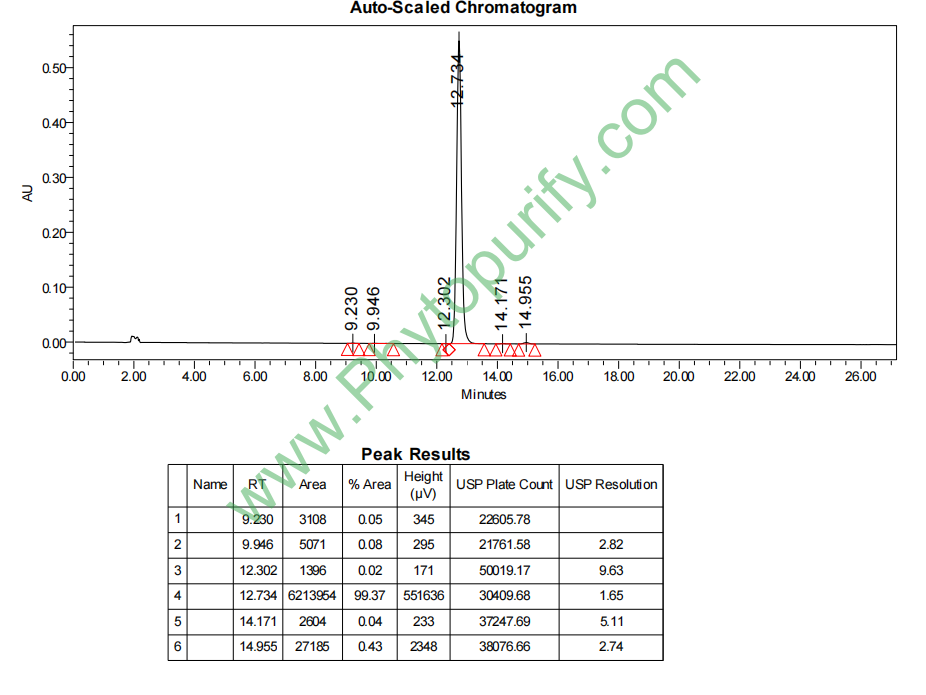
Purity: 95%~99%
Analysis Method: HPLC-DAD or/and HPLC-ELSD
Identification Method: Mass, NMR
Packing: Brown vial or HDPE plastic bottle
The product could be supplied from milligrams to grams
Inquire for bulk scale.
Description:
Bufotalin is a cardiotoxic bufanolide steroid, cardiac glycoside analogue. Bufotalin has anti-cancer activity, it can induce apoptosis in Hep 3B cells, and caspase-8 inhibitor (Z-IETD) or wide-ranging caspase inhibitor (Z-VAD) significantly suppresses the bufotalin-induced apoptosis. Bufotalin is a powerful sensitizer of death receptor-induced apoptosis in cancer cells, it promotes death receptor-mediated cell death, especially TRAIL-induced apoptosis, through activation of caspase-3 and PARP-1.
References:
J Agric Food Chem. 2009 Jan 14;57(1):55-61.
Involvement of caspases and apoptosis-inducing factor in bufotaline-induced apoptosis of Hep 3B cells.
Bufotaline is one of the bufadienolides isolated from Formosan Ch'an Su, which is made of the skin and parotid glands of toads. Ingestion of toad venom results in severe morbidity and high mortality. Although Ch'an Su is clinically toxic, it has been used as an important traditional Chinese medicine for heart failure and pains.
METHODS AND RESULTS:
In this study, Bufotaline-induced apoptosis in human hepatocellular carcinoma Hep 3B cells was investigated. The results indicate that externalization of phosphatidylserine, accumulation of sub-G(1) cells, fragmentation of DNA, and formation of apoptotic bodies were observed in bufotalin-treated Hep 3B cells. The signaling pathway might be via the activation of caspase-8, increase in mitochondrial tBid, disruption of mitochondrial membrane potential, and translocation of apoptosis-inducing factor (AIF). Active caspase-8 might activate caspase-9 and caspase-3 leading to the cleavage of nuclear PARP. Presence of AIF and cleaved PARP in the nuclei might lead to DNA fragmentation. Caspase-8 inhibitor (Z-IETD) or wide-ranging caspase inhibitor (Z-VAD) significantly suppressed the bufotalin-induced apoptosis, while the anti-Fas neutralization antibody had no effect.
CONCLUSIONS:
These data suggest that Bufotaline-induced apoptosis in Hep 3B cells might involve caspases and AIF.
Eur J Pharmacol. 2012 Oct 5;692(1-3):19-28.
Bufotaline from Venenum Bufonis inhibits growth of multidrug resistant HepG2 cells through G2/M cell cycle arrest and apoptosis.
Venenum Bufonis, a traditional Chinese medicine, is widely used in the treatment of liver cancer in modern Chinese medical practices.
METHODS AND RESULTS:
In our search for anti-hepatoma constituents in Venenum Bufonis, Bufotaline, bufalin, telocinobufagin and cinobufagin were obtained. Bufotaline was the most potent active compound among these four bufadienolides, and it exerted stronger inhibitory effect on the viability of doxorubicin-induced multidrug resistant liver cancer cells (R-HepG2) than that of their parent cells HepG2. Structure-activity relationship analysis indicated that the acetyl group linked to C-16 of bufadienolides might be useful for increasing anti-hepatoma activity. Further mechanistic studies revealed that Bufotaline treatment induced cell cycle arrest at G(2)/M phase through down-regulation of Aurora A, CDC25, CDK1, cyclin A and cyclin B1, as well as up-regulation of p53 and p21. Bufotalinetreatment also induced apoptosis which was accompanied by decrease in mitochondrial membrane potential, increases in intracellular calcium level and reactive oxygen species production, activations of caspase-9 and -3, cleavage of poly ADP-ribose polymerase (PARP) as well as changes in the expressions of bcl-2 and bax. It was also found that the inhibition of Akt expression and phosphorylation was involved in apoptosis induction, and specific Akt inhibitor LY294002 or siRNA targeting Akt can synergistically enhanced Bufotaline-induced apoptosis. In vivo study showed that Bufotaline significantly inhibited the growth of xenografted R-HepG2 cells, without body weight loss or marked toxicity towards the spleen.
CONCLUSIONS:
These results indicate that Bufotaline has a promising potential to become a novel anti-cancer agent for the treatment of liver cancer with multidrug resistance.
HPLC of Bufotalin
Storage conditions:Short-term storage at 2~8℃, long-term storage at -20 ~ -80℃
96.9700
2.8606
2.8608
.0156
2.8214
4.0777
High
86.8259
4.6007
No
No
No
No
No
No
0.0
Yes
No
No
Yes
Natural products play an irreplaceable role in the history of human drug discovery, providing valuable lead compounds for numerous difficult to treat diseases. Among numerous natural molecules with biological activity, Bufotalin (CAS number: 471-95-4), as a steroid lactone isolated from the traditional Chinese medicine Venenum Bufonis, has attracted much attention in recent years due to its excellent anti-tumor activity. As a typical representative of "fighting poison with poison", Chansu is used in traditional Chinese medicine clinical practice to treat diseases such as carbuncles, sores, sore throat, etc. Its modern pharmacological research has gradually revealed its multiple activities such as cardiotonic, anti-inflammatory, analgesic, and anti-tumor. Chandu Tailing is one of the key active ingredients in its anti-tumor activity.
Research shows that bufotalin can induce cancer cell death through a variety of ways, including but not limited to inducing cell apoptosis, inducing endoplasmic reticulum stress, inhibiting cell migration and invasion, etc., showing significant inhibitory effects on a variety of malignant tumors, especially breast cancer. Its function involves multiple key signaling pathways and molecular targets such as AMPK, STAT3, BCL2, etc., and the mechanism is complex and multidimensional. Although its strong cytotoxicity is the foundation of anti-tumor efficacy, it also poses challenges to its drug development, such as potential cardiac toxicity and poor solubility. Therefore, a systematic review of the chemical characteristics, pharmacological activity, mechanism of action, and pharmacological properties of bufotalin is of great scientific significance for a deeper understanding of its biological effects, evaluating its clinical translational potential, and developing safer and more effective derivatives through structural modification. This article aims to provide a comprehensive review of the current research status of bufotalin and provide prospects for its future development direction.
Chandu Tailing is a C24 steroid derivative belonging to the bufadienolide family. Its basic skeleton consists of a steroid mother nucleus and an α - pyranone lactone ring (hexagonal unsaturated lactone ring) located at position C17, which is the key pharmacophore for its cardiac and anti-tumor activity. Its molecular formula is C26H36O6 and its molecular weight is 444.5680. The polar groups such as hydroxyl and epoxy in the structure have a significant impact on its biological activity and physicochemical properties.
From the analysis of parameters related to drug properties, the lipid water partition coefficient (LogP) of bufotalin is 2.8606, indicating its moderate lipophilicity, which is beneficial for its penetration of cell membranes but may also affect its water solubility. Its topological polar surface area (TPSA) is 96.9700 Å ², which is relatively high, indicating the presence of multiple hydrogen bond donors and acceptors in the molecule. Correspondingly, its water solubility is poor, about 0.0156 mg/mL, which may be one of the main obstacles to its oral bioavailability and formulation development. It is worth noting that computational predictions show that bufotalin has a high blood-brain barrier permeability, which provides potential for its application in the treatment of central nervous system tumors. In early safety screening, the compound did not show significant hERG potassium channel inhibitory activity (predicted as' no '), reducing the risk of causing cardiac QT interval prolongation; The Ames test predicted a value of 0.0, indicating that it may not have direct genetic toxicity. These preliminary pharmacological parameters have laid a certain foundation for its subsequent development, but solubility and potential targeted toxicity still need to be further validated through experiments.
The main source of bufotalin comes from dried products of the ear and skin gland secretions of toads in the family Bufonidae, such as the Chinese giant toad (Bufo gargarizans) or the black eyed toad (Bufo melanostictus), known as traditional Chinese medicine bufotalin. Chansu is a complex mixture containing various bufadienolactones (such as bufalin, bufogenin, lipobufogenin, etc.), biogenic amines, sterols, and peptides.
The extraction and separation of bufotalin usually follow the conventional process of natural product chemistry. Firstly, the toad venom powder is subjected to cold soaking or reflux extraction using organic solvents such as methanol, ethanol, or chloroform to obtain the total extract. Subsequently, various chromatographic techniques were used for systematic separation and purification. Silica gel column chromatography is commonly used for preliminary separation, with different ratios of petroleum ether ethyl acetate or chloroform methanol gradient elution, and the components are subdivided according to polarity differences. Further refinement can be achieved through methods such as reverse phase silica gel (such as ODS) column chromatography, high performance liquid chromatography (HPLC), or preparative thin layer chromatography (PTLC). Modern analytical techniques such as liquid chromatography-mass spectrometry (LC-MS) and nuclear magnetic resonance (NMR) are used to track target components and ultimately confirm their structures. Due to the similar structure and low content of components in Chansu, obtaining high-purity bufotalin requires a sophisticated separation strategy. In addition, to protect wild toad resources and ensure stable raw material quality, the production of bufadienolactone compounds through cell culture or synthetic biology methods is also one of the current research directions.
The most remarkable pharmacological activity of bufotalin is its extensive anti-tumor effect, and its research in breast cancer is particularly in-depth.
1. Anti breast cancer activity:
A large number of in vitro studies have shown that bufotalin has strong proliferation inhibition and cytotoxicity effects on a variety of breast cancer cell lines (such as MCF-7, MDA-MB-231, T47D, etc.), and its half inhibitory concentration (IC50) is usually at the level of micromol or even nanomol. Its function is not limited to inducing cell cycle arrest (such as G2/M phase arrest), but more importantly, it can efficiently trigger cancer cell apoptosis. In addition, bufotalin can significantly inhibit the migration, invasion and metastasis related ability of breast cancer cells, which is closely related to its down-regulation of the expression of matrix metalloproteinases (such as MMP2).
2. Inducing endoplasmic reticulum stress and apoptosis:
Endoplasmic reticulum stress is one of the core mechanisms by which bufotalin induces cancer cell death. This compound can disrupt intracellular calcium homeostasis, leading to the accumulation of unfolded or misfolded proteins in the endoplasmic reticulum, thereby activating the unfolded protein response (UPR). When stress exceeds the compensatory capacity of cells, UPR will instead activate the apoptotic signaling pathway, ultimately leading to cell apoptosis by activating molecules such as C/EBP homologous protein (CHOP) and caspase-12.
3. Effects on other cancers:
In addition to breast cancer, bufotalin also showed anti-tumor activity against liver cancer, lung cancer, colon cancer, stomach cancer, leukemia and other malignant tumors. Its mechanism of action is common, but there are also tissue specific differences.
4. Other pharmacological activities:
In history, bufalin compounds were known for their cardiotonic effects, and bufalin can also inhibit Na+/K+- ATPase on the myocardial cell membrane, producing positive inotropic effects. However, this is also the root cause of its cardiotoxicity. In addition, there have been studies reporting its anti-inflammatory, analgesic, and immunomodulatory activities, but research in these areas is relatively scarce, and its association with anti-tumor activity deserves further exploration.
The anti-tumor effect of bufotalin is a complex process involving multiple targets and pathways. For breast cancer, its role involves the following key targets and pathways:
1. Energy metabolism and AMPK pathway:
Bufotalin can activate AMP activated protein kinase (AMPK, encoded by PRKAA1). AMPK is an energy receptor in cells, and its activation can inhibit synthetic metabolic pathways such as mammalian rapamycin target protein (mTOR), while promoting autophagy and catabolism, ultimately leading to cell growth inhibition and apoptosis.
2. Apoptosis regulation and BCL2 family:
Bufotalin can downregulate the expression of anti apoptotic protein BCL2 and may upregulate the expression of pro apoptotic proteins such as BAX, thereby reducing mitochondrial membrane potential, promoting cytochrome C release, activating caspase cascade reaction, and inducing intrinsic apoptosis pathway.
3. Signal transduction and transcription activator 3 (STAT3):
STAT3 is an important oncogenic transcription factor that is continuously activated in various cancers. Chandu Tailing can effectively inhibit the phosphorylation (activation) of STAT3 and the expression of downstream target genes (such as Cyclin D1, BCL2, MMP2), thereby suppressing cell proliferation, survival, and metastasis.
4. Estrogen receptor beta (ESR2):
In hormone receptor positive breast cancer, bufotalin may affect cell growth by regulating the signal transduction of estrogen receptor beta (ESR2). The specific mechanism needs to be elucidated, which may involve non genomic effects or interactions with ESR2.
5. Drug efflux pump:
Bufotalin has been proved to be the substrate and/or inhibitor of P-glycoprotein (ABCB1) and breast cancer resistant protein (ABCG2). This means that it may be affected by multidrug resistance (MDR), but at the same time, it may also reverse cancer cells' resistance to other chemotherapy drugs by inhibiting these efflux pumps.
6. Protein kinase C alpha (PRKCA) and microtubule associated protein tau (MAPT):
There are studies suggesting that bufotalin may affect the PKC α signaling pathway, which is involved in regulating cell proliferation, differentiation, and apoptosis. The impact on MAPT may be related to the rearrangement of the cytoskeleton and cell movement.
7. Tyrosinase (TYR) and Matrix Metalloprotease-2 (MMP2):
The inhibition of TYR may be more related to its regulation of melanin production, and in the context of anti-tumor, the inhibition of MMP2 is a direct manifestation of its anti invasion and anti metastasis activity.
To sum up, bufotalin simultaneously affects energy metabolism, apoptosis balance, survival signal and metastasis potential through an interwoven network, thus producing a strong synergistic killing effect on breast cancer cells.
Although toad venom has significant extracellular activity, its medicinal properties still face a series of challenges.
1. Pharmacokinetic characteristics:
At present, pharmacokinetic studies on the bufotalin system are relatively limited. Based on its structural characteristics and research on similar compounds, it can be inferred that its oral absorption may be limited due to first pass effects and poor solubility. Its distribution in the body may be widespread, supported by higher LogP values and predicted high blood-brain barrier permeability. The bufadienolide compounds are mainly metabolized in the liver and may involve redox reactions of CYP450 enzyme system and binding reactions with glucuronic acid or sulfuric acid, ultimately excreted through bile and kidneys. Clear metabolic profiles, half lives, absolute bioavailability, and other key parameters urgently need to be obtained through standardized in vivo experiments.
2. Safety evaluation:
Cardiotoxicity is the most concerning safety risk of bufadienolide compounds, due to their strong inhibition of Na+/K+- ATPase in cardiomyocytes. Although predicting no hERG inhibition, preclinical studies must thoroughly evaluate its impact on cardiac function (such as heart rate, contractility, electrocardiogram). Other potential toxicities, such as hepatotoxicity, nephrotoxicity, and gastrointestinal irritation, also need to be examined in acute and long-term toxicity experiments. The negative prediction of Ames test is a positive signal, but it still needs to be confirmed by a complete genotoxicity combination test.
3. Challenges in Pharmaceutical Science:
Low water solubility is the core challenge in the development of bufotalin preparations. Conventional oral preparations may not provide effective blood drug concentrations. For this, advanced drug delivery technologies are needed, such as making nanocrystals, liposomes, micelles, or solid dispersions to improve solubility and dissolution rate; Develop injectable emulsions or cyclodextrin inclusion complexes; Or designed as a prodrug to improve its physicochemical properties. Targeted delivery systems, such as antibody conjugated drugs and folate modified nanoparticles, are expected to increase local drug concentration in tumors while reducing toxicity to normal tissues, especially the heart.
As a highly active natural anti-tumor lead compound, bufotalin has broad prospects for clinical translation but a winding road ahead.
1. Combination therapy strategy:
Given its multi-target mechanism of action, the combination of bufotalin with existing standard chemotherapy drugs (such as paclitaxel and doxorubicin), targeted drugs, or immune checkpoint inhibitors may produce synergistic effects and reverse drug resistance. For example, its ability to inhibit STAT3 and drug efflux pump makes it a potential candidate drug to overcome drug resistance in breast cancer.
2. Structural modification and optimization:
The main direction to improve its medicinal properties is to modify the structure using bufotalin as the mother nucleus. By chemical synthesis or semi synthesis methods, the steroid nucleus, lactone ring, or hydroxyl group can be modified to improve water solubility, reduce cardiac toxicity, enhance tumor selectivity, or improve metabolic stability. Some studies have reported derivatives with equivalent or better activity and lower toxicity.
3. Precision drug delivery system:
Developing an intelligent nano delivery system is the key to achieving clinical application of bufotalin. The drug release system controlled by tumor microenvironment response (such as pH, enzymes, reducibility) or external stimuli (such as light, magnetic) can achieve tumor targeted aggregation and controlled release of drugs, maximizing the therapeutic index.
4. Expand the field of diseases:
In addition to breast cancer, its anti-tumor spectrum deserves further verification in other refractory cancers. In addition, its potential to induce endoplasmic reticulum stress and regulate immunity may also open up new research paths in fields such as neurodegenerative diseases and autoimmune diseases.
5. Preclinical and clinical studies:
Current research mostly remains at the stage of cell and animal experiments. It is urgent to conduct Good Laboratory Practice (GLP) toxicology studies that comply with regulations and in-depth pharmacokinetic/pharmacodynamic (PK/PD) studies to provide sufficient data for the application of clinical trials. Exploring suitable biomarkers for patient stratification and efficacy monitoring will also be an important aspect of future clinical research.
Bufotalin, as an active ingredient derived from the traditional Chinese medicine Bufonis, has become a highlight in the field of natural product anti-tumor research due to its powerful multi-target anti-tumor activity, especially its significant inhibitory effect on breast cancer. It works synergistically through multiple pathways such as inducing apoptosis, activating endoplasmic reticulum stress, and inhibiting STAT3, and its mechanism research is becoming increasingly in-depth. However, its inherent poor water solubility and potential cardiotoxicity as drug forming bottlenecks limit its direct conversion into clinical drugs. The focus of future research should be on modifying it through structural optimization and advanced delivery technologies, systematically evaluating its pharmacokinetics and safety, and actively exploring its combination therapy strategies. With the continuous deepening of interdisciplinary research, bufotalin is expected to transform from an efficient "natural toxin" into a new, safe, and effective anti-tumor weapon, bringing new hope to cancer patients.
