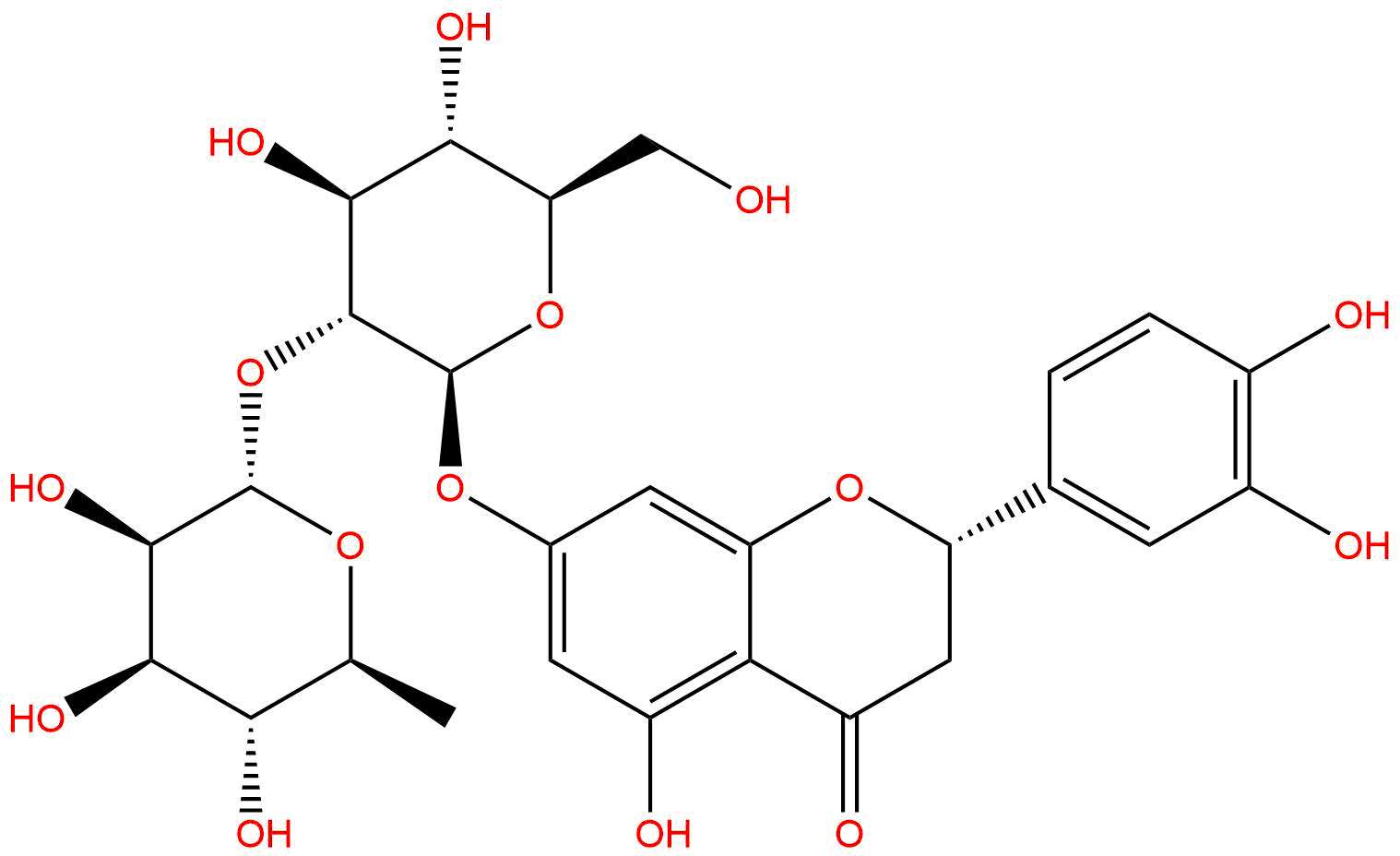


Product name: Neoeriocitrin
Synonym name:
Catalogue No.: BPF2304
Cas No.: 13241-32-2
Formula: C27H32O15
Mol Weight: 596.538
Botanical Source: Aurantii fructus immaturus
Physical Description:
Type of Compound: Flavonoids
Purity: 95%~99%
Analysis Method: HPLC-DAD or/and HPLC-ELSD
Identification Method: Mass, NMR
Packing: Brown vial or HDPE plastic bottle
Storage: Store in a well closed container, protected from air and light. Put into refrigerate or freeze for long term storage.
Whenever possible, you should prepare and use solutions on the same day. However, if you need to make up stock solutions in advance, we recommend that you store the solution as aliquots in tightly sealed vials at -20℃. Generally, these will be useable for up to two weeks.
The product could be supplied from milligrams to grams
Inquire for bulk scale.
For Reference Standard and R&D, Not for Human Use Directly.
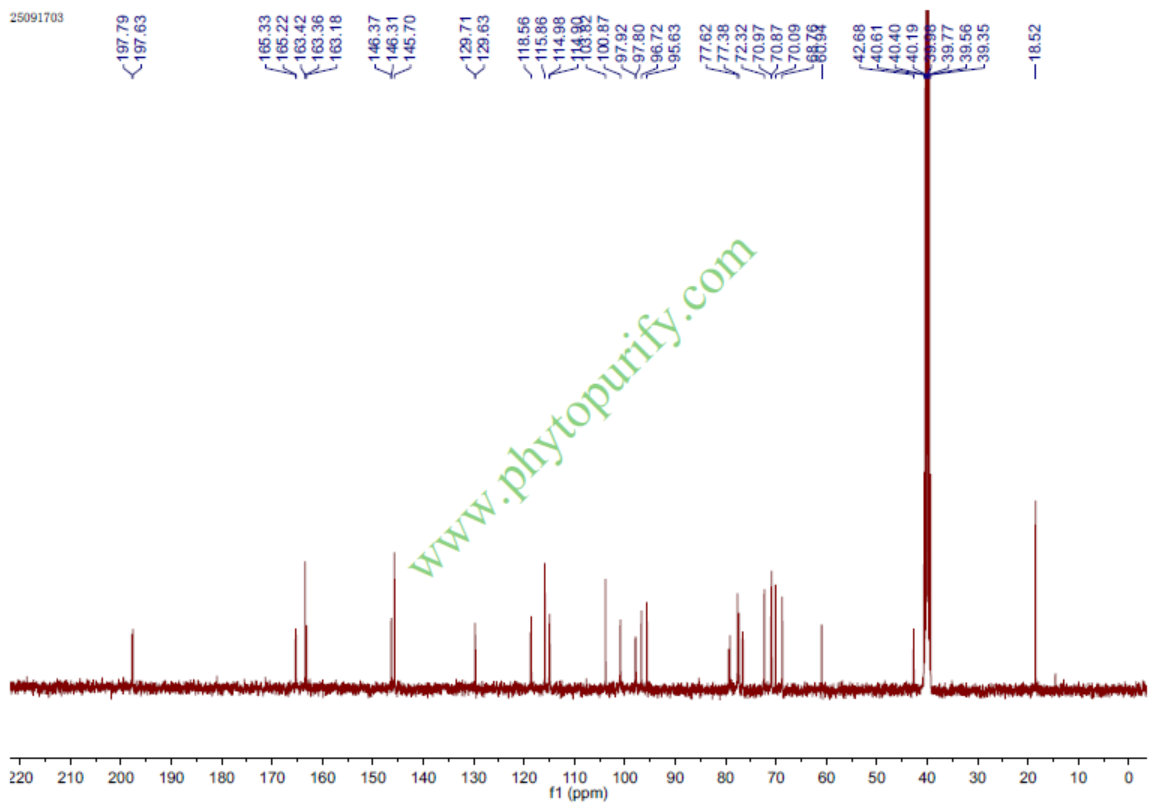
NMR of Neoeriocitrin
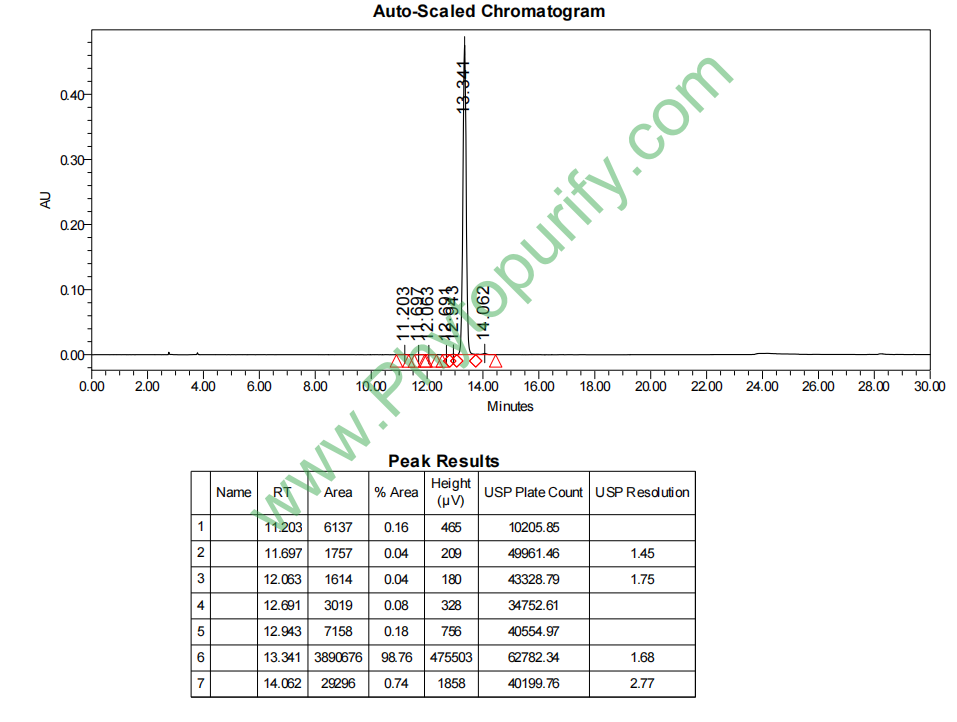
HPLC of Neoeriocitrin
Storage conditions:Short-term storage at 2~8℃, long-term storage at -20 ~ -80℃
245.2900
-.1965
-.2357
7.5162
.4977
.1043
Low
70.5580
4.8388
Yes
No
No
No
No
No
0.0
Yes
No
Yes
No
Natural products, as an important source of drug discovery, play an irreplaceable role in the history of human health maintenance and disease treatment. Flavonoids, as the most widely distributed class of secondary metabolites in nature, have attracted much attention due to their structural diversity and extensive biological activity. Among numerous flavonoids, dihydroflavonoid glycosides have become one of the hotspots in natural product chemistry and pharmacology research due to their unique chemical properties and significant pharmacological potential. Neoeriocitrin, as a typical dihydroflavonoid glycoside, has gradually entered the field of researchers in recent years due to its potential application value in bone health, neuroprotection, and anti-inflammatory.
Xin Sheng Cao Ci Glycoside, also known as Sheng Cao Fen-7-O-New Orange Peel Glycoside, has a CAS number of 13241-32-2. This compound was initially isolated from the traditional Chinese medicine Drynaria Rhizome, commonly known as "bone fragment supplement". Bone fragment repair has the effects of tonifying the kidneys, strengthening bones, and relieving pain in traditional Chinese medicine theory. It is commonly used to treat kidney deficiency, lower back pain, tinnitus, hearing loss, loose teeth, and falls, especially known for its role in promoting fracture healing. Modern pharmacological research has confirmed that Xinshengcao glycoside is one of the key components in bone fragment tonics that exert osteogenic activity. Research has shown that in the MC3T3-E1 mouse pre cranial osteoblast cell line, neonicotinoid glycoside can significantly promote cell proliferation and osteogenic differentiation, providing direct cytological evidence for its application in osteoporosis and fracture treatment.
What is even more remarkable is that Xin Sheng Cao Ci Yin has been found to be an effective acetylcholinesterase (AChE) inhibitor. Acetylcholinesterase is a key enzyme in the nervous system responsible for hydrolyzing the neurotransmitter acetylcholine, and its abnormally elevated activity is closely related to cognitive dysfunction in neurodegenerative diseases such as Alzheimer's disease (AD). Therefore, inhibiting AChE activity is currently one of the main strategies for treating AD. The discovery of Xinshengcao glycoside expands its application field from traditional bone health to neuroprotection, suggesting its potential for "bone brain co treatment".
In addition, inflammation is a common pathological basis for various chronic diseases, including osteoporosis, neurodegenerative diseases, and metabolic disorders. The existing research has preliminarily revealed the anti-inflammatory activity of Xinshengcao glycoside, which involves multiple key inflammatory signaling pathway nodes such as IL-6, STAT3, TNF, NF - κ B (RELA), etc. These findings further enrich the pharmacological connotation of Xinshengcao glycoside, suggesting that it may exert comprehensive pharmacological effects through multiple targets and pathways.
This article aims to systematically review the research progress of Xinshengcao glycoside, starting from its chemical structure and physicochemical properties, and deeply explore its plant origin, extraction process, pharmacological activity, mechanism of action, medicinal characteristics, and clinical application prospects, in order to provide comprehensive scientific basis for the in-depth development and transformation research of this natural product.
Xin Sheng Cao Ci glycoside belongs to the class of dihydroflavonoid glycosides, and its chemical structure consists of the glycoside element Eriodictyol and the sugar moiety. Shengcao phenol is a common dihydroflavonoid with a parent nucleus structure of 2-phenylchromanone, which is substituted with one hydroxyl group at the C-5 and C-7 positions of the A ring, as well as at the C-3 'and C-4' positions of the B ring. The sugar moiety of Neohesperidose is connected to the hydroxyl group at position C-7 of the glycoside, which is α - L-rhamnose - (1 → 2) - β - D-glucose, also known as neohesperidose. This specific glycosylation linkage (1 → 2 bond) distinguishes it from its isomer Eriocitrin, which is linked to rutin (α - L-rhamnose - (1 → 6) - β - D-glucose). This subtle structural difference often leads to significant differences in solubility, absorption, metabolism, and biological activity of compounds.
From the perspective of physicochemical properties, the molecular formula of Xinshengcao glycoside is C ₂₇ H ∝₂ O ₁₅, with a molecular weight of 596.5380 Da. Its lipid water partition coefficient LogP is -0.1965, indicating that the compound has good hydrophilicity, which is closely related to the presence of multiple phenolic hydroxyl and sugar groups in its molecular structure. High hydrophilicity usually means good solubility in aqueous phase, with a water solubility parameter of up to 7.5162, which provides favorable conditions for its transport and absorption in organisms, but may also limit its ability to penetrate cell membranes. The topological polar surface area (TPSA) is 245.2900 Å ², which is much higher than the recommended upper limit of 140 Å ² for oral medications, indicating that the compound may have difficulty penetrating the blood-brain barrier (BBB) through passive diffusion. The pharmacological parameters also clearly indicate that its blood-brain barrier penetration ability is "low", which is consistent with its high TPSA and low LogP values. Although this may limit its direct application in central nervous system diseases, there is still potential to improve its brain targeting through strategies such as prodrug design or nano delivery systems.
In terms of safety, preliminary drug efficacy evaluation shows that the inhibitory risk of neonicotinoid on hERG potassium channels is "no", which means its risk of inducing QT interval prolongation and fatal arrhythmias in the heart is low. At the same time, the Ames test result was 0.0, indicating that it did not show mutagenicity in bacterial reverse mutation testing, providing preliminary positive evidence for its safety as a candidate drug. Overall, Xinshengcao glycoside has good water solubility and preliminary safety characteristics, but its low BBB penetration is a key obstacle that needs to be overcome.
The main source of Xinshengcao glycoside is the water dragon orthopedic plant Quercus acutissima(Drynaria roosii Nakaike, Former name Drynaria fortunei The dried rhizome of Kunze J. Sm., also known as the traditional Chinese medicine bone fragment supplement. As a traditional kidney tonifying and bone strengthening medicine, bone broken tonics have a long history of medicinal use in East Asian countries such as China, Japan, and South Korea. In addition to plants in the genus Dryopteris, Xin Sheng Cao Ci Yin also exists in the citrus genus of the Rutaceae family(Citrus)In plants, such as lemons(Citrus limon)And grapefruit(Citrus paradisi)In the fruit and skin. In addition, plants in the family Lamiaceae such as rosemary(Rosmarinus officinalis)It has also been discovered. However, due to its clear "kidney tonifying and bone strengthening" effect in traditional medicine, and the relatively high content of Xinshengcao glycoside, it is considered to be the main medicinal plant source of this compound.
Extracting new sage glycoside from bone fragments usually follows the classic process of natural product chemistry. Firstly, crush the dried bone fragment rhizome and use solvent extraction method. Given the good water solubility of Xinshengcao glycoside, commonly used extraction solvents are ethanol water mixed solutions of different concentrations (such as 50% -80% ethanol), or directly boiled with water. Heating reflux extraction or ultrasound assisted extraction are commonly used methods to improve extraction efficiency. After filtration and vacuum concentration of the extract, crude extract is obtained.
Due to the complex composition of the crude extract, which contains a large amount of other flavonoids, phenolic acids, and polysaccharides, further separation and purification steps are required. Modern chromatographic technology is the core means to achieve this goal. Common methods include:
1. Macroporous adsorption resin column chromatography Preliminary separation of crude extracts using resins of different polarities (such as D101, AB-8, etc.), and enrichment of fractions rich in neonicotinoid glycosides can be achieved through ethanol water gradient elution at different concentrations.
2. Polyamide column chromatography Polyamide has a special adsorption effect on flavonoids, which can effectively separate flavonoid glycosides with different structures through hydrogen bonding adsorption and desorption.
3. Preparative High Performance Liquid Chromatography (HPLC)This is the most effective method to obtain high-purity New Holy Grass Glycoside. By using a reverse phase C18 chromatography column and acetonitrile water or methanol water (usually with a small amount of formic acid or acetic acid added to improve peak shape) as the mobile phase, equimolar or gradient elution can be performed to obtain compound monomers with a purity of over 98%.
During the extraction and purification process, special attention should be paid to controlling temperature, light, and pH values, as flavonoid glycosides may undergo degradation or structural transformation under high temperature, strong light, or alkaline conditions. In recent years, some green extraction techniques, such as microwave-assisted extraction, enzyme assisted extraction, and supercritical fluid extraction, have also been attempted for the extraction of neonicotinoid glycosides, aiming to improve efficiency, reduce costs, and minimize the use of organic solvents.
The pharmacological activity research of Xinshengcao glycoside mainly focuses on its traditional efficacy and modern pharmacological discoveries, focusing on three aspects: osteogenic differentiation, neuroprotection, and anti-inflammatory.
1. Promote osteogenic differentiation and anti osteoporosis activity
This is one of the most highly anticipated pharmacological activities of Xinshengcao glycoside, which is highly consistent with its traditional efficacy as a plant derived bone fragment supplement. In vitro cell experiments were conducted using MC3T3-E1 mouse anterior cranial bone cells as a model, and it was found that New Sage Grass Glycoside can significantly promote cell proliferation at non-toxic concentrations (usually 1-100 μ M). More importantly, it can enhance the activity of alkaline phosphatase (ALP), which is a hallmark enzyme for early differentiation of osteoblasts. At the same time, Xinshengcao glycoside can also upregulate the expression of osteogenic differentiation related genes, such as Runx2 (Runt related transcription factor 2) Osterix、 Osteopontin (OPN) and osteocalcin (OCN). Runx2 is the main transcription factor for osteogenic differentiation, and its upregulation is a key event for osteogenic initiation. In addition, it was confirmed through Alizarin Red staining experiments that Xinshengcao glycoside can significantly increase the formation of mineralized nodules, which is direct evidence of osteoblast terminal differentiation and bone formation.
In animal models, although in vivo studies directly targeting the monomers of Xinshengcao glycoside are not as abundant as its extracts, previous studies have shown that total flavonoids of bone fragment tonics (among which Xinshengcao glycoside is one of the main active ingredients) can effectively improve bone density and bone microstructure in ovariectomized rats (osteoporosis model). These studies collectively indicate that Xin Sheng Cao Ci glycoside has the potential to exert anti osteoporosis effects by promoting the proliferation, differentiation, and mineralization of osteoblasts, and is expected to become a candidate compound for treating osteoporosis and promoting fracture healing.
2. Acetylcholinesterase inhibition and neuroprotective activity
Xinshengcao glycoside has been found to be an effective acetylcholinesterase (AChE) inhibitor. AChE inhibitors improve the cognitive function of Alzheimer's disease patients by inhibiting the activity of AChE and reducing the hydrolysis of acetylcholine in synaptic cleft, thereby enhancing the function of the cholinergic nervous system. In vitro enzyme activity assays showed that Xinshengcao glycoside has a significant inhibitory effect on AChE, with an IC ₅₀ value at the micromolar level. Molecular docking studies suggest that Xinshengcao glycoside may form hydrogen bonds and π - π stacking interactions with key amino acid residues at the AChE active site (such as Trp86, Tyr337, etc.) through its phenolic hydroxyl group, thereby stably occupying the active site and preventing the entry of substrate acetylcholine.
In addition to direct enzyme inhibition, Xinshengcao glycoside may also indirectly exert neuroprotective effects through its antioxidant and anti-inflammatory activities. Oxidative stress and neuroinflammation are important links in the pathological process of AD. The polyphenolic structure of Xinshengcao glycoside endows it with the ability to scavenge free radicals and inhibit the excessive activation of microglia (immune cells in the brain), reducing the release of pro-inflammatory cytokines and protecting neurons from damage. This multi-target neuroprotective mechanism gives Xinshengcao glycoside a unique advantage in the treatment of AD.
3. Anti inflammatory activity
Inflammation is a common pathological basis for various diseases, including osteoporosis and AD. The anti-inflammatory activity of Xinshengcao glycoside has been confirmed in various cell and animal models. In a macrophage model stimulated by lipopolysaccharide (LPS), neonicotinoid glycoside can significantly inhibit the production of nitric oxide (NO) and prostaglandin E ₂ (PGE ₂), and downregulate the expression of inducible nitric oxide synthase (iNOS/NOS2) and cyclooxygenase-2 (COX-2/PTGS1). Meanwhile, it can also inhibit the production of various pro-inflammatory cytokines, such as tumor necrosis factor - α (TNF - α), interleukin-6 (IL-6), and interleukin-1 β (IL-1 β).
Its anti-inflammatory mechanism is closely related to the regulation of key signaling pathways, especially the inhibition of NF - κ B and STAT3 pathways. NF - κ B (composed of RELA and other subunits) is the core transcription factor in inflammatory response. Neosinomenin can inhibit the activity of I κ B kinase (IKBKB), prevent the phosphorylation and degradation of I κ B α, and thus block the nuclear translocation and transcriptional activity of NF - κ B. Meanwhile, it can also inhibit the phosphorylation of STAT3 and reduce its mediated expression of inflammatory genes. In addition, Xinshengcao glycoside may also participate in the regulation of pain and inflammation by modulating the activity of transient receptor potential channels such as TRPV1 and TRPA1. These multi-target anti-inflammatory effects have shown broad prospects in the treatment of chronic inflammatory diseases.
The pharmacological activity of Xinshengcao glycoside is the result of its interaction with multiple molecular targets, reflecting the multi-target and multi pathway characteristics of natural products. Its core mechanism of action can be summarized as follows:
1. Molecular mechanism promoting osteogenic differentiation
The mechanism by which Xinshengcao glycoside promotes osteogenic differentiation mainly involves the activation of key signaling pathways for bone formation.
- BMP/Smad signaling pathway Bone morphogenetic protein (BMP) is the most critical cytokine for inducing osteogenic differentiation. Xinshengcao glycoside may upregulate the expression of BMP-2, activate downstream Smad1/5/8 protein phosphorylation, and phosphorylated Smad protein forms a complex with Smad4 before entering the nucleus. It collaborates with transcription factors such as Runx2 to initiate transcription of osteogenic related genes.
- Wnt/β - catenin signaling pathway Wnt signaling is equally crucial in osteoblast differentiation and bone formation. Xinshengcao glycoside may stabilize β - catenin protein by inhibiting the activity of glycogen synthase kinase-3 β (GSK-3 β), allowing it to accumulate in the cytoplasm and be transferred to the nucleus, activating LEF/TCF transcription factors, and promoting the expression of Runx2 and Osterix.
- MAPK signaling pathway The mitogen activated protein kinase (MAPK) pathway, including ERK, JNK, and p38, is also involved in the regulation of osteogenic differentiation. Research has shown that New Sage Grass Glycoside can activate the ERK1/2 pathway, thereby promoting the proliferation and differentiation of MC3T3-E1 cells.
2. Molecular mechanisms of neuroprotection
The neuroprotective effect of Xinshengcao glycoside is mainly achieved through the following mechanisms:
- AChE inhibition As mentioned earlier, Xinshengcao glycoside directly binds to the active site of AChE, competitively inhibiting its enzymatic activity, increasing cholinergic neurotransmitter levels, and improving cognitive function. This is its most direct neuropharmacological effect.
- anti-oxidative stress The multiple phenolic hydroxyl groups of Xinshengcao glycoside are excellent hydrogen atom donors, which can directly eliminate reactive oxygen species (ROS) and reactive nitrogen species (RNS), and alleviate oxidative stress damage to neurons. It can also upregulate the expression of nuclear factor E2 related factor 2 (Nrf2), activate the transcription of downstream antioxidant enzymes (such as HO-1, SOD, CAT), and enhance the intracellular antioxidant defense ability.
- Anti neuroinflammation By inhibiting the excessive activation of microglia, neonicotinoid glycosides can reduce the release of pro-inflammatory factors such as TNF - α, IL-6, IL-1 β, and inhibit the expression of COX-2 and iNOS. The core mechanism is to inhibit the activation of NF - κ B and STAT3 signaling pathways, thereby blocking the inflammatory cascade and protecting neurons from the toxic effects of inflammatory mediators.
3. Molecular mechanism of anti-inflammatory effects
The anti-inflammatory mechanism of Xinshengcao glycoside is an important basis for its neuroprotective and osteogenic effects, and its core targets include:
- NF - κ B pathway This is the core of the anti-inflammatory effect of Xinshengcao glycoside. It inhibits the activity of IKBKB (I κ B kinase β), prevents the phosphorylation and degradation of I κ B α, and locks NF - κ B dimers (such as p50/RELA) in the cytoplasm, preventing them from entering the nucleus to initiate the transcription of pro-inflammatory genes (such as TNF, IL-6, NOS2, PTGS1).
- STAT3 pathway Xinshengcao glycoside can inhibit the phosphorylation of STAT3 at Tyr705 site mediated by Janus kinase (JAK), thereby preventing STAT3 dimerization and nuclear incorporation, and reducing the expression of its target genes (such as IL-6 and SOCS3).
- CASP1 and Jiao Sheng CASP1 (cysteine aspartate protease 1) is a key effector enzyme for inflammasome activation, mediating the maturation and secretion of IL-1 β and IL-18, and inducing cell pyroptosis. Xinshengcao glycoside may inhibit inflammation by suppressing the activity of CASP1 and reducing the production of IL-1 β.
- TRP channel TRPV1 and TRPA1 are ion channels on nociceptors involved in pain and neurogenic inflammation. Xinshengcao glycoside may act as a regulator of these channels, affecting calcium ion influx and exerting analgesic and anti-inflammatory effects.
In summary, Xinshengcao glycoside forms a complex regulatory network by acting on multiple key signaling nodes such as AChE, NF - κ B, STAT3, BMP, Wnt, etc., synergistically exerting its comprehensive pharmacological effects of promoting osteogenesis, neuroprotection, and anti-inflammatory.
To promote the clinical application of Xinshengcao glycoside from laboratory research, a systematic evaluation of its drug like and pharmacokinetic (ADME) properties is necessary. Based on existing data, its pharmacological characteristics present both opportunities and challenges.
1. Physical and chemical properties and drug like properties
According to the "Lipinski Five Rules", the molecular weight of New Sage Grass Glycoside (596.5 Da) exceeds 500 Da, and its number of hydrogen bond donors (hydroxyl groups on phenolic and sugar groups) and hydrogen bond acceptors (oxygen atoms) are also much higher than the upper limit of the rules (5 and 10, respectively). Its LogP is negative (-0.1965), indicating excessive hydrophilicity. These characteristics indicate that Xinshengcao glycoside does not fully meet the "drug like" criteria of traditional oral small molecule drugs. However, natural products often have chemical spaces beyond the "five rules", and many successful natural medicines (such as rapamycin and paclitaxel) have relatively high molecular weights. Therefore, its potential as a drug cannot be denied solely based on this rule, but attention should be paid to its absorption and permeability issues.
2. Absorption and metabolism
The high water solubility and low LogP value of Xinshengcao glycoside indicate good water solubility, which is beneficial for its dissolution in the gastrointestinal tract. However, its extremely low lipid solubility severely limits its passive diffusion through the intestinal epithelial cell membrane. Therefore, its oral bioavailability may be low. The absorption of flavonoid glycosides in the body usually depends on the action of gut microbiota. Xinshengcao glycoside may first be hydrolyzed by β - glucosidase and α - rhamnosidase secreted by bacteria in the intestine, removing the sugar group and generating the aglycone sage phenol. Shengcao phenol has a smaller molecular weight (288.25 Da), higher lipid solubility, and is more easily absorbed into the bloodstream. Therefore, Xinshengcao glycoside may act as a "prodrug" and be converted into a more active aglycone form in the body to exert its effects. Further research is needed on its specific metabolic pathways, including phase II metabolism in the liver such as glucuronidation and sulfation.
3. Distribution and clearance
Due to its high polarity and low BBB penetration, the distribution of neonicotinoid glycosides in the body may be mainly limited to blood and extracellular fluid, making it difficult to enter the brain parenchyma. This may not have a significant impact on the treatment of peripheral diseases such as osteoporosis, but it poses a major obstacle to its application as an AD treatment drug. Its clearance pathway may mainly be through bile excretion and renal excretion. Due to its large molecular weight and high polarity, bile excretion may be its main mode of clearance.
4. Safety evaluation
Preliminary pharmacological parameters show that there is no risk of hERG inhibition for Xin Sheng Cao Ci glycoside, and the Ames test is negative, indicating a low risk of cardiac and genetic toxicity. This provides a good foundation for its security. However, comprehensive toxicological evaluation, including acute toxicity, long-term toxicity, reproductive toxicity, etc., is currently a blank and a key link that must be supplemented in future research.
5. Strategies for improving drug properties
Given the shortcomings of Xinshengcao Ci glycoside in oral absorption and brain targeting, the following strategies can be considered for future drug development:
- Structural modification By designing prodrugs, lipophilic groups such as ester or phosphate groups are introduced onto phenolic hydroxyl groups to enhance their lipid solubility and membrane permeability. After entering the body, these functional groups are enzymatically hydrolyzed and released, restoring their activity.
- Nano delivery system Using carriers such as liposomes, polymer nanoparticles, or solid lipid nanoparticles to encapsulate neonicotinoid glycosides can significantly improve their oral bioavailability and achieve targeted delivery. For example, nanoparticles with surface modified transferrin or ApoE ligands can mediate their crossing of the BBB and achieve brain targeting.
- Formulation optimization Developed into non oral dosage forms such as sublingual tablets, oral instant films, or transdermal patches, which can bypass the first pass effect of the liver and gastrointestinal barrier and directly enter the systemic circulation.
The unique pharmacological activity spectrum of Xinshengcao glycoside has shown promising clinical application prospects in multiple disease fields.
1. Osteoporosis and fracture healing
This is the most direct application direction of Xinshengcao glycoside. Given its clear activity in promoting osteoblast proliferation, differentiation, and mineralization, as well as its good water solubility and preliminary safety, Xinshengcao glycoside or its bone fragment extract rich in this ingredient is expected to be developed into a new drug or health product for treating postmenopausal osteoporosis, senile osteoporosis, and promoting fracture healing. Compared with existing bisphosphonates, neonicotinoid glycosides, as a natural product, may have better long-term medication safety. Its anti-inflammatory activity also helps to improve the chronic low-grade inflammatory state associated with osteoporosis.
2. Alzheimer's disease and neurodegenerative diseases
The AChE inhibitory activity, antioxidant and anti-inflammatory effects of Xinshengcao glycoside make it a multifunctional candidate molecule for the treatment of AD. However, its low BBB penetration is the biggest bottleneck. If the problem of brain targeting can be successfully solved through prodrug design or nano delivery technology, Xinshengcao glycoside is expected to become an AD treatment drug that combines cognitive improvement and neuroprotective effects. In addition, its anti-inflammatory and antioxidant effects may also have potential therapeutic value for other neurodegenerative diseases such as Parkinson's disease and amyotrophic lateral sclerosis.
3. Chronic inflammatory diseases
The anti-inflammatory effect of Xin Sheng Cao Ci glycoside by inhibiting the NF - κ B and STAT3 pathways makes it potential for the treatment of chronic inflammatory diseases such as rheumatoid arthritis, inflammatory bowel disease, and chronic obstructive pulmonary disease. Its multi-target characteristics may have more comprehensive efficacy and lower side effects than single target anti-inflammatory drugs (such as COX-2 inhibitors).
Future research directions:
Despite its broad prospects, the research on New Sage Grass Glycosides is still in its early stages, and the following directions need to be focused on in the future:
1. In depth pharmacokinetic research The system elucidates the absorption, distribution, metabolism, and excretion processes of Xinshengcao glycoside in the body, especially its metabolic transformation pathways and identification of active metabolites after oral administration.
2. Comprehensive toxicological evaluation According to the requirements of new drug application, complete a comprehensive preclinical safety evaluation of acute toxicity, long-term toxicity, reproductive toxicity, and teratogenicity.
3. Deep analysis of the mechanism of action By utilizing techniques such as gene knockout, proteomics, and metabolomics, we can more accurately depict the molecular network that regulates osteogenesis, neuroprotection, and anti-inflammatory effects, and clarify the protein targets that directly affect them.
4. Development of drug delivery system Focus on overcoming the challenges of low oral bioavailability and poor BBB penetration, and develop efficient and safe nano delivery systems or prodrugs.
5. Study on Structure Activity Relationship By synthesizing a series of derivatives of new sage grass glycosides and studying the relationship between their different structural units (such as sugar type, connection mode, and glycoside hydroxyl substitution mode) and biological activity, guidance is provided for structural optimization.
Xin Sheng Cao Ci Gan, a dihydroflavonoid glycoside derived from traditional Chinese medicine bone broken tonics and citrus fruits, is moving from the ancient wisdom of traditional Chinese medicine to the stage of modern drug development with its unique chemical structure and multifaceted pharmacological activities. It not only carries the traditional function of "tonifying the kidney and strengthening bones", but also demonstrates great potential in anti osteoporosis by promoting osteogenic differentiation; Due to its effective acetylcholinesterase inhibitory activity and anti-inflammatory and antioxidant effects, it has opened up a new battlefield in the field of neuroprotection. Its good water solubility and preliminary safety characteristics are its advantages, while low oral bioavailability and low blood-brain barrier penetration are the main challenges facing its clinical translation.
The research process of Xinshengcao glycoside is a microcosm of modern research on natural products: from discovering active ingredients, elucidating pharmacological mechanisms, to evaluating drug properties, each step is full of opportunities and challenges. In the future, with the deepening of research on pharmacokinetics, toxicology, and drug delivery systems, especially through the optimization and modification of their structures using modern chemical and nanotechnology methods, the new Shengcao glycoside and its derivatives are expected to break through existing bottlenecks and ultimately be transformed into drugs that can benefit human health. In depth research on it will not only provide new candidate molecules for the treatment of major diseases such as osteoporosis and Alzheimer's disease, but also further reveal the scientific connotation of traditional Chinese medicine and provide valuable experience for finding new drug lead compounds from nature.
