


Product name: Narirutin
Synonym name: Naringenin-7-O-rutinoside; Isonaringin
Catalogue No.: BP0985
Cas No.: 14259-46-2
Formula: C27H32O14
Mol Weight: 580.539
Botanical Source: Obt. from Camellia sinensis (tea)
Physical Description: Powder
Type of Compound: Flavonoids
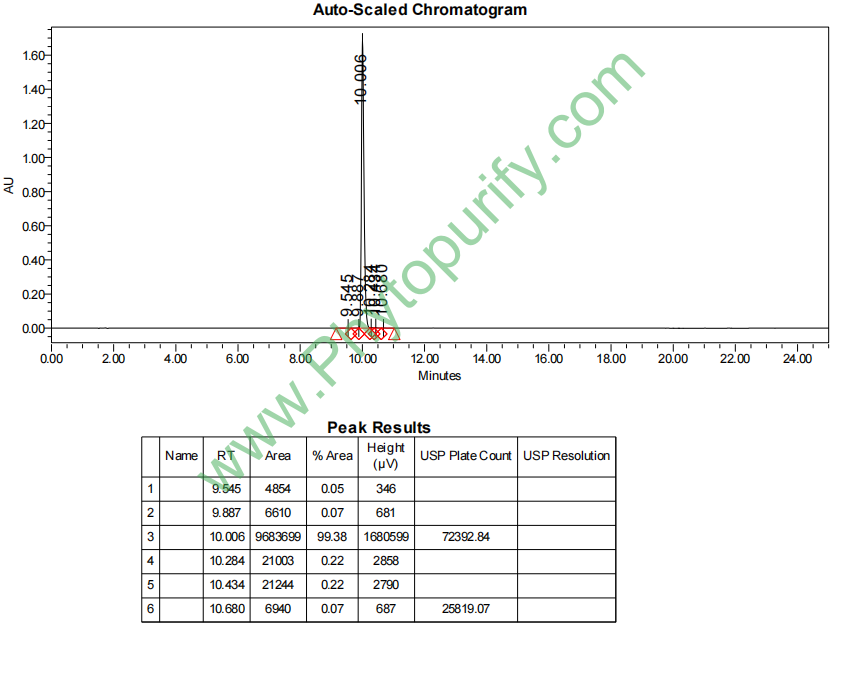
Purity: 95%~99%
Analysis Method: HPLC-DAD or/and HPLC-ELSD
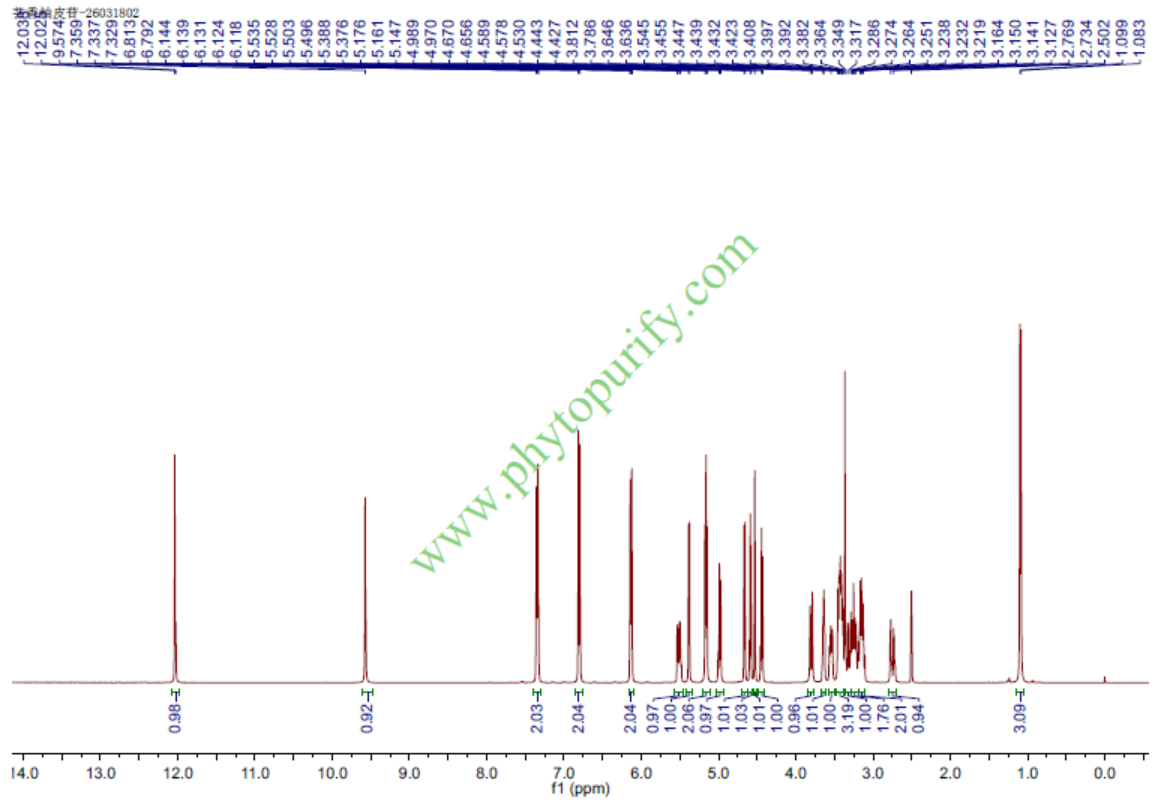
Identification Method: Mass, NMR
Packing: Brown vial or HDPE plastic bottle
Storage: Store in a well closed container, protected from air and light. Put into refrigerate or freeze for long term storage.
Whenever possible, you should prepare and use solutions on the same day. However, if you need to make up stock solutions in advance, we recommend that you store the solution as aliquots in tightly sealed vials at -20℃. Generally, these will be useable for up to two weeks.
The product could be supplied from milligrams to grams, up to kilograms
Inquire for bulk scale.
Descriptions:
Narirutin has anti-inflammatory effect in a murine model of allergic eosinophilic airway inflammation, the mechanism is likely to be associated with a reduction in the OVA-induced increases of IL-4 and IgE, suggests that narirutin may be an effective new tool in the treatment of bronchial asthma.[1]
Citrus narirutin fraction (CNF), contained 75% of narirutin, co-administration of CNF with alcohol can alleviate alcohol induced liver damage through preventing lipid formation, protecting antioxidant system and suppressing productions of pro-inflammatory cytokines.[2]
Narirutin has inhibition on cuprizone-induced apoptosis of oligodendrocyte.[3]
References:
[1] Funaguchi N, Ohno Y, Bu L B L, et al. Clin Exp Pharm P, 2007, 34(8):766-70.
[2] Park H Y, Sang K H, Eom H, et al. Food Chem Toxicol , 2013, 55(3):637-44.
[3] Zhan R, Watanabe K.. Neurosci Res, 2011, 71(3):e323.
[4] Lee S, Khoo C S, Pearson J L, et al. J Aoac Int, 2009, 92(3):789-96.
HPLC of Narirutin
HNMR of Narirutin
Storage conditions:Short-term storage at 2~8℃, long-term storage at -20 ~ -80℃
225.0600
-.0033
-.0309
4.1703
.4993
.2585
Low
70.9845
4.7444
No
No
No
No
No
No
0.0
Yes
No
Yes
No
Natural products, as an important source of drug discovery, play an irreplaceable role in the history of human fight against diseases. Citrus plants, as widely cultivated economic crops worldwide, not only provide abundant vitamins and dietary fiber for humans, but also the various flavonoids contained in their skin, flesh, and seeds are hot topics in natural medicinal chemistry research. Among these compounds, Narirutin, as a dihydroflavonoid glycoside with unique structural features and multiple biological activities, has attracted widespread attention in the pharmacological community in recent years.
Yunxiang pomelo peel glycoside, chemically known as (S) - naringin-7-O - β - D-glucosyl - (6 → 1) - α - L-rhamnoside, is one of the abundant flavonoids in citrus fruits. Compared with Naringin, which belongs to the same citrus flavonoid family, Yunxiang Naringin has subtle structural differences, which lead to significant differences in their biological activity profiles and pharmacokinetic properties. It is worth noting that Yunxiang pomelo peel glycoside not only exhibits typical antioxidant and anti-inflammatory activities, but also shows pharmacological potential in multiple aspects such as anti tuberculosis and antiviral effects. Its targets include various biomolecules related to major human diseases.
From the perspective of natural product drug development, Yunxiang pomelo peel glycoside has several remarkable medicinal characteristics: moderate molecular weight, good water solubility, low blood-brain barrier penetration, and no obvious genetic toxicity risk. These characteristics give it a natural advantage in terms of safety, making it particularly suitable for development as an oral or topical medication. However, its high polarity leads to oral bioavailability issues and complex in vivo metabolic conversion processes, which also pose challenges for drug development.
This article aims to systematically review the chemical structure characteristics, natural sources and extraction methods, pharmacological activity spectrum, molecular mechanism of action, pharmacological evaluation, and clinical application prospects of Yunxiang pomelo peel glycosides, in order to provide comprehensive academic references for the in-depth research and development of this natural product.
The chemical structure of Narirutin (CAS number: 14259-46-2) can be accurately described as (2S) -4 ', 5,7-trihydroxyflavanone-7-O - [6-O - (6-deoxy - α - L-mannopyranosyl) - β - D-glucopyranoside]. From a structural taxonomic perspective, this compound belongs to the class of Flavanone glycosides, with its aglycone being (S) - Naringenin and its sugar moiety being Rutinose, which is 6-O - (6-deoxy - α - L-mannopyranosyl) - β - D-glucopyranose.
Specifically, the glycoside skeleton of Yunxiang pomelo peel glycoside is composed of C6-C3-C6 structural units, where the A ring is a meta phenyltriphenylene type (5,7-dihydroxy substituted), the B ring is a 4 '- hydroxy substituted benzene ring, and the C ring is a saturated γ - pyranone ring (with single bonds at positions 2 and 3 and chiral centers at positions 2 and 3). The key structural feature is that the rutin glycosyl group is connected to the 7th hydroxyl group of the A ring through a β - glycosidic bond. This glycosylation modification not only determines the polarity characteristics of the compound, but also profoundly affects its interaction mode with biological targets.
Compared with naringin, which has a similar structure, naringin differs in its sugar moiety: naringin is neohesperidose (2-O - α - L-rhamnose - β - D-glucose), while naringin is rutin. This subtle structural difference leads to significant differentiation between the two in terms of sweetness perception, metabolic pathways, and biological activity. It is worth noting that the C2 position of Yunxiang pomelo peel glycoside is in the S configuration, which is a naturally occurring absolute configuration and the structural basis for its interaction with chiral recognition molecules in vivo.
From the perspective of medicinal chemistry, the physicochemical properties of Yunxiang pomelo peel glycoside provide important clues for its medicinal properties. The molecular weight of this compound is 580.54 Da, which is near the upper limit of the ideal molecular weight range for small molecule drugs (<500 Da), but considering that glycoside compounds typically have high polarity, this molecular weight is still acceptable. Its lipophilic water partition coefficient (LogP) is -0.0033, indicating that the compound has an almost moderate lipophilic hydrophilic balance, but is more inclined towards a hydrophilic environment.
The topological polar surface area (TPSA) of Yunxiang pomelo peel glycosides is as high as 225.06 Å ², which is much higher than the recommended upper limit of 140 Å ² for oral medications. A high TPSA value indicates that the compound contains a large number of hydrogen bond donors and acceptors (mainly from phenolic and glycosyl hydroxyl groups), which pose significant barriers to its membrane permeability and oral absorption. However, high polarity also brings excellent water solubility (with a water solubility parameter of 4.17), which is beneficial for its dissolution in the gastrointestinal tract and formulation development.
In terms of biological barrier penetration, the blood-brain barrier (BBB) penetration ability of Yunxiang pomelo peel glycoside was evaluated as "low", consistent with its high polarity and high TPSA value. From a safety perspective, this feature may be advantageous as it reduces the risk of central nervous system toxicity. In addition, the hERG inhibition risk assessment was negative, indicating a low likelihood of the compound causing cardiac QT interval prolongation. The Ames test result was 0.0, indicating no significant mutagenicity under standard testing conditions, which provides a positive signal for its safety evaluation.
Yunxiang pomelo peel glycosides are mainly found in the fruits of citrus plants in the Rutaceae family, especially in the peel, albedo, and capsid, where their content is relatively high. The content of Yunxiang pomelo peel glycosides varies significantly among different citrus varieties, which is closely related to their genetic background, growth environment, harvesting period, and processing methods.
Among common citrus varieties, grapefruit (Citrus paradisi) is considered one of the most abundant sources of rutin naringin, with a content of 1-3% of dry weight in its peel. Sweet oranges (Citrus sinensis) also contain a considerable amount of naringin in their peel, but usually lower than grapefruit. It is worth noting that the content of naringin in the peel of Wenzhou honey tangerine (Citrus unshiu) and its hybrid varieties is relatively high, which is closely related to its use as a source of traditional Chinese medicine "tangerine peel". In addition, the presence of this compound has also been detected in varieties such as lemon (Citrus limon) and lime (Citrus aurantium).
In addition to citrus, other Rutaceae plants such as Poncirus trifoliata also contain naringin, but the content is relatively low. From the perspective of plant chemical taxonomy, there is a certain correlation between the distribution of naringin and the evolutionary relationship of citrus plants, and it is generally believed that the content of this compound is relatively high in primitive citrus groups.
The extraction method of Yunxiang pomelo peel glycoside has undergone an evolution from traditional solvent extraction to modern green extraction technology. The traditional method mainly uses ethanol or methanol aqueous solution as the extraction solvent, taking advantage of the good solubility of the compound in the alcohol water mixed system. The typical extraction process is to crush the dried citrus peel, reflux and extract it with a 60-80% ethanol aqueous solution at 50-70 ° C for 1-3 hours, extract 2-3 times, combine the extracts, and concentrate under reduced pressure. This method is easy to operate and cost-effective, but it has shortcomings such as high solvent consumption and limited extraction efficiency.
In recent years, various new extraction techniques have been applied to the extraction of naringin from Yunxiang pomelo peel in order to improve extraction efficiency and selectivity. Ultrasonic assisted extraction (UAE) utilizes the cavitation effect of ultrasound to destroy plant cell walls, significantly reducing extraction time and increasing yield. Research has shown that under optimized conditions (ultrasound power of 300W, temperature of 50 ° C, time of 30 minutes), the extraction rate of naringin can be increased by 20-30% compared to traditional reflux extraction. Microwave assisted extraction (MAE) utilizes the body heating effect of microwaves to rapidly heat up the solvent and penetrate into the plant matrix, demonstrating the advantages of high efficiency and speed.
In terms of purification, the separation of Yunxiang pomelo peel glycosides is usually achieved using column chromatography technology. Macroporous adsorption resins (such as HPD-100, AB-8, etc.) are commonly used for preliminary purification, and gradient ethanol elution can effectively enrich flavonoid glycoside components. Further purification can be achieved using polyamide column chromatography, silica gel column chromatography, or preparative high-performance liquid chromatography (Prep HPLC). In recent years, high-speed countercurrent chromatography (HSCCC) has shown unique advantages as a liquid-liquid distribution chromatography technique in the purification of naringin, enabling one-step separation to obtain high-purity products.
It is worth noting that rutin naringin often coexists with naringin in citrus peel, and the structural similarity between the two poses certain challenges for separation and purification. By utilizing the structural differences in the sugar moiety between the two, effective separation can be achieved by selecting appropriate chromatographic conditions (such as stationary phase and mobile phase composition). For example, on a reverse phase C18 chromatography column, using acetonitrile water formic acid system as the mobile phase, the retention time of naringin in Yunxiang pomelo peel is usually shorter than that of naringin, which provides a basis for the separation of the two.
The antioxidant activity of Yunxiang pomelo peel glycoside is one of its most classic and widely studied pharmacological effects. The molecular structure of this compound contains multiple phenolic hydroxyl groups (5-OH, 7-OH, 4 '- OH), which can effectively scavenge free radicals, chelate transition metal ions, and inhibit lipid peroxidation reactions.
In vitro chemical experiments have shown that Yunxiang pomelo peel glycoside exhibits significant scavenging ability against 1,1-diphenyl-2-trinitrophenylhydrazine (DPPH) free radicals, 2,2 '- bis (3-ethylbenzothiazoline-6-sulfonic acid) (ABTS) cationic free radicals, and superoxide anion free radicals, with a half maximal inhibitory concentration (IC ₅₀) at the micromolar level. In cell models, Yunxiang pomelo peel glycoside can reduce intracellular reactive oxygen species (ROS) levels after treatment with oxidative stress inducers such as H ₂ O ₂ and tert butyl hydroperoxide, alleviating oxidative damage induced cell apoptosis.
It is worth noting that the antioxidant activity of Yunxiang pomelo peel glycoside is closely related to its glycosylation modification. Compared with naringin, glycosylation reduces the ability of molecules to enter the cell membrane, but enhances the efficiency of free radical scavenging in the aqueous phase. In addition, the metabolites of Yunxiang pomelo peel glycoside, such as sulfation and glucuronidation complexes, may still retain some antioxidant activity in the body, providing the possibility for its sustained action in the body.
The anti-inflammatory activity of Yunxiang pomelo peel glycoside has been validated in various inflammatory models. In a macrophage model stimulated by lipopolysaccharide (LPS), naringin can significantly inhibit the release of pro-inflammatory cytokines such as tumor necrosis factor - α (TNF - α), interleukin-1 β (IL-1 β), and interleukin-6 (IL-6), while reducing the production of nitric oxide (NO) and prostaglandin E ₂ (PGE ₂). These effects are closely related to the inhibition of the activation of the nuclear factor kappa B (NF - κ B) signaling pathway.
In animal models, Yunxiang pomelo peel glycoside exhibits protective effects against acute inflammation (such as carrageenan induced foot swelling) and chronic inflammation (such as collagen induced arthritis). Histopathological analysis showed that the Yunxiang pomelo peel glycoside treatment group had reduced infiltration of inflammatory cells, reduced tissue edema, and decreased expression levels of inflammation related enzymes (such as cyclooxygenase-2 and inducible nitric oxide synthase).
It is worth noting that the anti-inflammatory mechanism of Yunxiang pomelo peel glycoside involves cross regulation of multiple signaling pathways. In addition to the NF - κ B pathway, this compound can also indirectly inhibit inflammatory responses by activating the nuclear factor E2 related factor 2 (Nrf2)/antioxidant response element (ARE) pathway, upregulating the expression of antioxidant enzymes. In addition, the regulation of the mitogen activated protein kinase (MAPK) pathway (including ERK, JNK, p38) is also involved in its anti-inflammatory effect.
The anti tuberculosis activity exhibited by Yunxiang pomelo peel glycoside as a shikimate kinase inhibitor is a new discovery that has attracted much attention in recent years. The shikimic acid pathway is a key metabolic pathway for the biosynthesis of aromatic amino acids in microorganisms and plants, and does not exist in mammals. Therefore, enzymes in this pathway are considered ideal targets for the development of anti tuberculosis drugs.
Research has shown that naringin can bind to the shikimate kinase of Mycobacterium tuberculosis, inhibiting its catalytic activity and blocking the metabolic flow of the shikimate pathway, ultimately leading to bacterial growth inhibition. Molecular docking and enzyme dynamics studies have shown that the glycosyl portion of naringin forms critical hydrogen bonding interactions with the active site of shikimate kinase, while the aglycone portion stabilizes the binding conformation through hydrophobic interactions.
In the evaluation of in vitro anti tuberculosis activity, the minimum inhibitory concentration (MIC) of Yunxiang pomelo peel glycoside against the standard strain of Mycobacterium tuberculosis (H37Rv) is at the micromolar level, and it also exhibits certain inhibitory activity against drug-resistant strains. This discovery provides lead compounds for the development of new anti tuberculosis drugs, especially considering the increasingly severe problem of resistance to existing anti tuberculosis drugs.
The antiviral activity spectrum of Yunxiang pomelo peel glycoside is relatively broad, involving various human pathogenic viruses. According to existing research data, this compound exhibits inhibitory effects on herpes simplex virus (HSV), human immunodeficiency virus (HIV), and certain respiratory viruses.
Yunxiang pomelo peel glycoside can exert antiviral effects against herpes simplex virus through a multi-target mechanism. Research has shown that this compound can inhibit the activity of viral DNA polymerases (UL42, UL54) and interfere with the replication of the viral genome; Meanwhile, the inhibitory effect on the viral transcription regulator ICP27 can affect the expression of viral genes. In addition, the interaction between thymidine kinase (TK) and viral envelope glycoprotein gD is also involved in the anti HSV activity.
In terms of anti HIV research, Yunxiang pomelo peel glycoside has shown inhibitory activity against HIV-1 protease (HIV1-PR) and integrase (INT). Molecular simulation studies have shown that the compound can bind to the active sites of these enzymes, blocking key steps in the viral replication cycle. In addition, the regulatory effects on host cell chemokine receptors CCR5 and CXCR4 may affect the efficiency of HIV entry into target cells.
It is worth noting that the antiviral mechanism of Yunxiang pomelo peel glycoside involves dual effects of viral targets and host targets. This multi-target characteristic is beneficial for reducing the risk of viral drug resistance, but also increases the complexity of mechanism of action research.
The pharmacological activity of Yunxiang pomelo peel glycoside is closely related to its regulation of multiple cellular signaling pathways. NF - κ B and Nrf2 are two core regulatory nodes in inflammation and oxidative stress-related pathways.
The NF - κ B pathway is the central regulator of inflammatory response. In the resting state, NF - κ B binds to the inhibitory protein I κ B and remains in the cytoplasm. When stimulated by inflammation (such as TNF - α, LPS), I κ B kinase (IKK) is activated, phosphorylating I κ B and leading to its ubiquitination degradation. The released NF - κ B is translocated into the nucleus, initiating the transcription of pro-inflammatory genes. Yunxiang pomelo peel glycoside can inhibit the nuclear translocation and transcriptional activity of NF - κ B by inhibiting the activity of IKK and blocking the phosphorylation degradation of I κ B. In addition, the compound can directly interact with the DNA binding domain of NF - κ B, interfering with its binding to the target gene promoter.
The Nrf2/ARE pathway is the main regulatory system for cellular antioxidant defense. Under normal conditions, Nrf2 binds to Keap1 and is degraded by ubiquitination. Under oxidative stress or electrophilic stimulation, Nrf2 is released from Keap1 and translocated to the nucleus, where it binds to ARE and initiates the expression of antioxidant enzymes (such as heme oxygenase-1 and quinone oxidoreductase-1) and detoxifying enzymes. Yunxiang pomelo peel glycoside can enhance the antioxidant capacity of cells by modifying the cysteine residues of Keap1, promoting nuclear translocation of Nrf2.
The inhibitory effect of Yunxiang pomelo peel glycoside on various enzymes is an important basis for its pharmacological activity. Inhibition of shikimate kinase is a key mechanism in anti tuberculosis activity. The conversion of shikimic acid to shikimic acid-3-phosphate catalyzed by shikimic acid kinase is one of the rate limiting steps in the shikimic acid pathway. Yunxiang pomelo peel glycoside competes with ATP and substrates by occupying the active site of enzymes, thereby blocking catalytic reactions. Research on the structure-activity relationship indicates that the glycosyl portion of Yunxiang pomelo peel glycoside plays an important role in enzyme binding, and its inhibitory activity is significantly reduced after removing the glycosyl group.
In antiviral activity, the inhibitory mechanism of Yunxiang pomelo peel glycoside on viral DNA polymerases (such as UL42 and UL54 of HSV) involves interaction with enzyme substrate complexes. This compound may interfere with the movement of polymerase along the template chain by inserting into the DNA double helix structure, or directly bind to the catalytic center of polymerase to block nucleotide incorporation.
In addition, the inhibitory effect of Yunxiang pomelo peel glycoside on myeloperoxidase (MPO) is also worth paying attention to. MPO is a heme protein abundant in neutrophils, catalyzing the reaction of H ₂ O ₂ with chloride ions to produce hypochlorous acid, which participates in host defense and inflammatory damage. Yunxiang pomelo peel glycoside can inhibit the peroxidation activity of MPO by coordinating with its heme iron, thereby reducing inflammation related tissue damage.
From the perspective of systems pharmacology, the pharmacological effects of Yunxiang pomelo peel glycosides are not linear effects of a single target, but are achieved through network regulation of multiple targets and pathways. The characteristic of this "multi-target drug" gives it unique advantages in the treatment of complex diseases such as inflammation related diseases and viral infections.
Network pharmacology analysis shows that the potential targets of Yunxiang pomelo peel glycoside involve multiple biological processes such as inflammation, oxidative stress, cell apoptosis, and metabolic regulation. There are complex interactions between these targets, forming a regulatory network. For example, there is a cross-talk between the NF - κ B and Nrf2 pathways: activation of Nrf2 can inhibit NF - κ B signaling, while activation of NF - κ B can also negatively regulate Nrf2 expression. The dual regulation of Yunxiang pomelo peel glycosides on these two pathways may result in synergistic anti-inflammatory and antioxidant effects.
Based on the principles of medicinal chemistry, the pharmacological parameters of Yunxiang pomelo peel glycoside present a series of advantages and challenges. From the perspective of the Lipinski rule, the molecular weight of the compound (580.54 Da) is slightly higher than the threshold of 500 Da, and the LogP value (-0.0033) is within a reasonable range. However, the number of hydrogen bond donors (about 10) and acceptors (about 15) exceeds the recommended values of the rule. These deviations are mainly due to the large number of hydroxyl groups brought by the sugar moiety, resulting in high molecular polarity and hydrogen bonding ability.
However, natural products often do not fully comply with traditional pharmaceutical rules, and many successful natural medicines (such as paclitaxel and rapamycin) exceed the rules in terms of molecular weight, hydrogen bond count, and other aspects. Therefore, the pharmacological evaluation of Yunxiang pomelo peel glycoside needs to be combined with its specific application scenarios. For oral administration, high polarity and high TPSA values indicate poor membrane permeability, which may lead to low oral bioavailability. But for local medication (such as skin or mucosal administration) or injection administration, these parameters may not be the main obstacles.
In terms of safety evaluation, Yunxiang pomelo peel glycoside exhibits good safety characteristics. The negative inhibition risk of hERG reduces the risk of cardiac toxicity, while a negative Ames test indicates no genetic toxicity. In addition, low BBB penetration implies a lower risk of central nervous system adverse reactions. These security advantages lay the foundation for subsequent development.
The pharmacokinetic study of Yunxiang pomelo peel glycoside revealed its complex fate in vivo. After oral administration, the absorption of the compound in the gastrointestinal tract is limited by its high polarity. Research has shown that the oral bioavailability of Yunxiang pomelo peel glycosides is relatively low (usually less than 10%), which is related to their low permeability in the intestine and active efflux by efflux transporters such as P-glycoprotein.
The Yunxiang pomelo peel glycoside entering the body undergoes extensive metabolic transformation. In the intestine and liver, this compound is mainly metabolized through two pathways: firstly, hydrolysis of glycosidic bonds to produce naringin; Secondly, the II phase metabolism of phenolic hydroxyl groups includes glucuronidation, sulfation, and methylation. It is worth noting that the gut microbiota plays an important role in the metabolism of naringin, and the β - glucosidase and α - rhamnosidase secreted by bacteria can hydrolyze glycosidic bonds and release aglycones.
The biological activity of metabolites is an important aspect of pharmacokinetic research. As the main metabolite, naringin has various biological activities, including antioxidant, anti-inflammatory, and anti-tumor effects. In addition, the II complex of naringin may act as a prodrug in vivo, hydrolyzing and releasing active ingredients in target tissues. This "metabolic activation" mechanism may partially compensate for the low oral bioavailability of naringin.
In terms of distribution, Yunxiang pomelo peel glycoside and its metabolites are mainly distributed in plasma, liver, and kidneys. Due to its high polarity, the distribution of this compound in adipose tissue is limited. The excretion pathway is mainly through the kidneys, and the prototype drug and metabolites are excreted from the body through urine.
In response to the low oral bioavailability of rutin naringin, various formulation strategies have been explored to increase its in vivo exposure. New delivery systems such as liposomes, nanoparticles, and cyclodextrin inclusion complexes can improve the solubility and membrane permeability of the compound. For example, phospholipid complex technology can significantly improve the lipid solubility of rutin naringin and promote its absorption in the intestine by forming drug phospholipid complexes.
Pre drug design is another promising strategy. By introducing hydrolyzable groups (such as amino acid esters and phosphate esters) on the phenolic hydroxyl groups of Yunxiang pomelo peel glycosides, their polarity can be temporarily reduced and membrane permeability can be improved. In the body, these prodrugs release their original form through enzymatic or chemical hydrolysis, achieving targeted delivery or sustained release effects.
In addition, the combination therapy strategy can also improve the pharmacokinetic properties of naringin. For example, when used in combination with P-glycoprotein inhibitors such as verapamil, it can reduce drug efflux and improve absorption rate. Combined with metabolic enzyme inhibitors (such as glucuronosyltransferase inhibitors), it can slow down the metabolic clearance of drugs and prolong their in vivo action time.
Based on the anti-inflammatory and antioxidant activities of rutin naringin, its application prospects in inflammation related diseases are broad. In the field of skin inflammation, Yunxiang pomelo peel glycoside can be used as a local anti-inflammatory ingredient to treat inflammatory skin diseases such as eczema and dermatitis. Its good water solubility and safety make it suitable for the development of gel, cream and other external preparations. Preliminary clinical studies have shown that skincare products containing naringin have shown positive effects in reducing skin redness and improving skin barrier function.
In terms of metabolic inflammatory diseases, eugenin may have protective effects on nonalcoholic fatty liver disease (NAFLD), atherosclerosis and other diseases. Animal experiments have shown that this compound can alleviate liver steatosis, reduce serum inflammatory cytokine levels, and improve insulin resistance. These findings suggest that naringin may serve as a functional food ingredient or dietary supplement for the auxiliary prevention and treatment of metabolic diseases.
The anti tuberculosis activity of Yunxiang pomelo peel glycoside provides a new idea for the development of new anti tuberculosis drugs. Given the increasingly serious problem of drug resistance to existing anti tuberculosis drugs, the search for compounds with new mechanisms of action has become an urgent need. Yunxiang pomelo peel glycoside targets shikimate kinase, which has a different mechanism of action from existing anti tuberculosis drugs such as isoniazid and rifampicin, and is expected to be used for the treatment of drug-resistant tuberculosis. However, there are still many challenges to overcome from lead compounds to clinical drugs, including improving anti tuberculosis activity, optimizing pharmacokinetic properties, evaluating in vivo efficacy and safety, etc.
In terms of antiviral applications, the multi-target antiviral mechanism of Yunxiang pomelo peel glycoside endows it with broad-spectrum antiviral potential. For herpes simplex virus, this compound may be developed as a local antiviral drug for the treatment of oral and genital herpes, etc. Regarding HIV, Yunxiang pomelo peel glycoside may be used as an adjuvant therapy in combination with antiretroviral drugs to improve treatment efficacy and reduce the risk of drug resistance. However, it should be pointed out that existing research is mainly based on in vitro experiments, and further validation is needed for in vivo antiviral activity and clinical efficacy.
Looking ahead to the future, research on Yunxiang pomelo peel glycosides can be further explored in the following directions:
Firstly, research on structural optimization and structure-activity relationship. By chemically modifying the glycosyl and aglycone parts of Yunxiang pomelo peel glycosides, the relationship between their structure and activity can be systematically studied, and derivatives with stronger activity and better pharmacokinetic properties can be sought. For example, glycosylation modifications may affect target binding affinity and metabolic stability, while substituent changes in aglycones may alter antioxidant and anti-inflammatory activity.
Secondly, a deeper elucidation of the mechanism of action. Although multiple targets of Yunxiang pomelo peel glycoside have been identified, its precise molecular binding mode, interaction network between targets, and mechanism differences under different disease backgrounds still need further research. Modern technologies such as cryo electron microscopy, molecular dynamics simulation, and omics analysis can provide powerful tools for mechanism research.
Thirdly, clinical translational research. The transition from laboratory to clinical is a crucial step in the development of natural product drugs. It is necessary to conduct systematic pharmacological, pharmacokinetic, and toxicological studies, establish appropriate animal models to evaluate in vivo efficacy, and ultimately advance to clinical trials. Considering the safety characteristics of Yunxiang pomelo peel glycoside, its development path as a dietary supplement or functional food ingredient may be faster than as a prescription drug.
Fourth, combination therapy strategy. The synergistic effect of Yunxiang pomelo peel glycoside with other natural products or synthetic drugs is worth exploring. For example, the combined use with other citrus flavonoids such as naringin and hesperidin may produce synergistic anti-inflammatory effects; The combination with anti tuberculosis drugs may improve efficacy and reduce toxicity.
Yunxiang pomelo peel glycoside, as a rich dihydroflavonoid glycoside in citrus plants, occupies an important position in the field of natural product medicine research due to its unique chemical structure and multifaceted pharmacological activities. From its classic antioxidant and anti-inflammatory activities to its newly discovered anti tuberculosis and antiviral effects, Yunxiang pomelo peel glycoside has shown great potential as a multi-target natural medicine.
From a chemical structure perspective, the glycosylation modification of Yunxiang pomelo peel glycosides determines their polarity characteristics and biological activity spectrum, which also poses challenges for drug development due to low oral bioavailability. However, modern formulation technology and prodrug design strategies provide the possibility to overcome these obstacles. From the perspective of pharmacological activity, this compound exerts multiple effects such as anti-inflammatory, antioxidant, and anti infection by regulating multiple signaling pathways such as NF - κ B and Nrf2, inhibiting various enzyme activities such as shikimate kinase and viral DNA polymerase.
Looking ahead to the future, the research on Yunxiang pomelo peel glycosides is at a critical stage of transitioning from basic discoveries to application development. Thoroughly elucidating its mechanism of action, optimizing its pharmacokinetic properties, and exploring its clinical application value will be the core task in promoting the practical application of this natural product. Today, when the research and development of natural product drugs are increasingly valued, eugenin is expected to become a candidate drug or functional ingredient for the treatment of inflammatory diseases, tuberculosis and viral infections, making contributions to human health.
