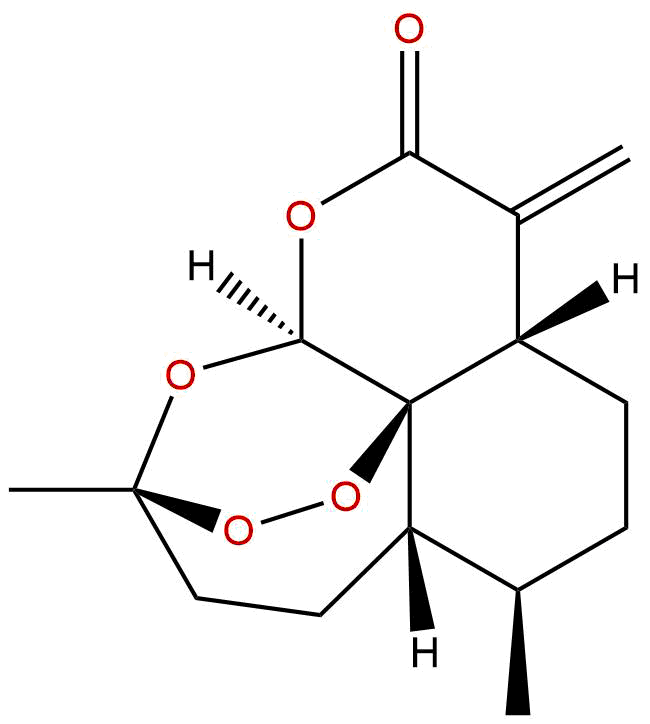
Artemisinine: Research progress and prospects from natural products to multi-target drugs
Introduction/Overview
Malaria, as a parasitic infectious disease that poses a serious threat to human health, has long caused a huge disease burden worldwide. The discovery and application of artemisinin and its derivatives have brought revolutionary breakthroughs to the treatment of malaria, and Professor Tu Youyou was awarded the 2015 Nobel Prize in Physiology or Medicine for this. However, with the widespread use of artemisinin based drugs in clinical practice, the issue of malaria parasite resistance has become increasingly prominent, prompting researchers to continuously explore new anti malarial active molecules and their mechanisms of action. In this context, artemisinin, as a natural derivative of artemisinin, has gradually entered the field of researchers.
Artemisinine (CAS number: 101020-89-7) is a compound derived from Artemisia annua(Artemisia annua L. The sesquiterpene lactones isolated from artemisinin have a highly similar chemical structure to artemisinin, but possess unique peroxide bridge bonds and α, β - unsaturated carbonyl structures. In recent years, studies have found that artemisinin not only retains the antimalarial activity of artemisinin compounds, but also exhibits a wider range of pharmacological effects, especially as an activator of nuclear factor E2 related factor 2 (Nrf2), showing significant potential in antioxidant stress and anti-tumor effects. Artemisinin activates the Nrf2 signaling pathway by reducing the ubiquitination level of Nrf2 and increasing its protein stability. This unique mechanism of action makes it of great research value in the treatment of oxidative stress-related diseases and cancer.
This article will provide a systematic review of the research progress of artemisinin from the aspects of chemical structure, plant origin, pharmacological activity, mechanism of action, medicinal evaluation, and clinical application prospects, in order to provide reference for the in-depth development and clinical translation of this natural product.
Chemical structure and physicochemical properties
The chemical name of artemisinin is (3R, 5aS, 6R, 8aS, 9R, 12S, 12aR) -3,6,9-trimethyl-3,12-epoxy-12H-pyrano [4,3-j] -1,2-benzodioxythragen-10 (3H) - one, with a molecular formula of C ₁₅ H ₂₀ O ₅ and a molecular weight of 280.3200. Its core structure is composed of a sesquiterpene skeleton, which contains a unique 1,2,4-trioxahexane (peroxide bridged) structural unit, which is a key pharmacophore for the antimalarial activity of artemisinin compounds. Compared with artemisinin, artemisinin has an α, β - unsaturated carbonyl group (enone structure) at the C-10 position, which endows artemisinin with unique chemical reactivity and biological activity.
In terms of physicochemical properties, the lipid water partition coefficient (LogP) of artemisinin is 2.0903, indicating its lipophilicity, which is beneficial for transmembrane transport and biological utilization. The topological polar surface area (TPSA) is 53.9900 Å ², which is within the conventional range for oral medications (typically<140 Å ²). The water solubility is 0.0860 mg/mL, which is a low water solubility compound, which to some extent limits its formulation development. It is worth noting that artemisinin has a high blood-brain barrier penetration ability, which makes it potentially valuable for the treatment of central nervous system diseases. In addition, the hERG inhibition test result was negative, indicating a low risk of cardiac toxicity; The Ames test result is 0.9, indicating a low risk of genetic toxicity and good safety.
The chemical stability of artemisinin is influenced by various factors. The peroxide bridge bond is sensitive to heat, light, acid, and reducing substances, and measures such as avoiding light, low temperature, and inert gas protection need to be taken during storage and formulation. α. The β - unsaturated carbonyl structure makes it easy to undergo Michael addition reactions with nucleophiles, which may affect its stability or be related to its biological activity.
Plant sources and extraction methods
Artemisia annua is mainly derived from the Artemisia annua plant in the Asteraceae family(Artemisia annua L.), This plant is the main natural source of artemisinin compounds. Artemisia annua is widely distributed in China, Vietnam, India, Africa and other regions. It is mainly produced in Chongqing, Hunan, Guangxi, Guizhou and other places in China. The content of artemisinin in Artemisia annua is usually lower than artemisinin, about 0.01% -0.05% of dry weight, which poses certain challenges for its large-scale preparation.
In terms of extraction methods, traditional organic solvent extraction is still the most commonly used approach. Usually, organic solvents such as ethanol, methanol, or petroleum ether are used to soak or reflux extract the dried aboveground parts of Artemisia annua. The extract is separated and purified through concentration, extraction, column chromatography, and other steps. Due to the similar polarity of artemisinin and artemisinin, conventional silica gel column chromatography is difficult to achieve complete separation, and it is necessary to combine high-performance liquid chromatography (HPLC) or preparative thin-layer chromatography for purification.
In recent years, researchers have developed various new extraction techniques to improve extraction efficiency and purity. Supercritical fluid extraction (SC-CO ₂) technology utilizes the high solubility and selectivity of carbon dioxide in a supercritical state to extract artemisinin at lower temperatures, effectively avoiding the degradation of thermosensitive components. Microwave assisted extraction (MAE) and ultrasound assisted extraction (UAE) can significantly shorten extraction time and improve yield by disrupting cell wall structure and accelerating the dissolution of target compounds. In addition, new separation methods such as molecular imprinting technology (MIT) and high-speed countercurrent chromatography (HSCCC) have also been applied to the purification of artemisinin, achieving good results.
It is worth noting that due to the low content of artemisinin in plants, the study of chemical synthesis and biosynthetic pathways is also of great significance. At present, research has reported the complete synthesis route of artemisinin, but it involves many steps and has a low overall yield, making it difficult to meet the demand for large-scale production. Utilizing synthetic biology techniques to genetically engineer microorganisms such as yeast or Escherichia coli to achieve heterologous biosynthesis of artemisinin is a possible direction for future development.
Pharmacological activity research
Antimalarial activity
Artemisinin, as a natural derivative of artemisinin, has attracted much attention for its antimalarial activity. Research has shown that artemisinin is effective against various strains of malaria parasites, including chloroquine resistant Plasmodium falciparum(Plasmodium falciparum)All plants showed significant killing effects. Its anti malaria mechanism is similar to artemisinin, mainly relying on the peroxide bridge bond being reduced and cleaved by heme iron (Fe ² ⁺) in the malaria parasite, producing carbon free radical intermediates, which then alkylate key proteins of the malaria parasite, leading to its death.
Compared with artemisinin, the alpha, beta unsaturated carbonyl structure of artemisinin may endow it with additional anti malarial mechanisms. This structure can undergo Michael addition reaction with thiol substances of malaria parasites (such as glutathione and thioredoxin), interfere with the redox balance of malaria parasites, and enhance the anti malarial effect. In addition, artemisinin has effects on multiple molecular targets of malaria parasites, including PfCRT (chloroquine resistance transporter), PfMDR1 (multidrug resistance protein 1), PfDHFR (dihydrofolate reductase), PfK13 (Kelch protein 13), PfATP6 (calcium ATPase), PfCYTBC (cytochrome b-c1 complex), PfPK (protein kinase), PfCYT (cytochrome), and PfATG8 (autophagy related protein 8). This multi-target action characteristic helps to reduce the risk of drug resistance.
antioxidant activity
One of the most notable pharmacological activities of artemisinin is its antioxidant activity. Research has shown that artemisinin is an effective activator of the Nrf2 signaling pathway. Nrf2 is a key transcription factor for cells to cope with oxidative stress, regulating the expression of a range of antioxidant and detoxifying enzymes, including heme oxygenase-1 (HO-1), NAD (P) H: quinone oxidoreductase 1 (NQO1), glutathione S-transferase (GST), etc. Artemisinin reduces the ubiquitination level of Nrf2 and inhibits its degradation by proteasomes, thereby increasing the stability and nuclear translocation of Nrf2 protein and promoting the expression of downstream antioxidant genes.
In cell models, artemisinin can significantly reduce reactive oxygen species (ROS) levels and protect cells from oxidative damage. In animal models, artemisinin exhibits protective effects against various oxidative stress-related diseases, such as liver injury, kidney injury, and neurodegenerative diseases. It is worth noting that the antioxidant activity of artemisinin is closely related to its concentration: at lower concentrations, it mainly exhibits antioxidant protection, while at higher concentrations, it may exert cytotoxic effects by overactivating Nrf2 or inducing ROS production.
anticancer activity
The anticancer activity of artemisinin has received widespread attention in recent years. It has been found that artemisinin inhibits proliferation and induces apoptosis in many cancer cell lines, including breast cancer, lung cancer, liver cancer, colon cancer, leukemia, etc. Its anti-cancer mechanism involves multiple aspects:
Firstly, artemisinin regulates the redox status of cancer cells by activating the Nrf2 signaling pathway. Due to the high oxidative stress levels typically experienced by cancer cells, moderate activation of Nrf2 can induce adaptive protective responses, but excessive or sustained activation may interfere with the survival signals of cancer cells, leading to cell death.
Secondly, the peroxide bridge bond of artemisinin can be catalytically cleaved by high concentrations of iron ions in cancer cells, generating free radicals that directly damage DNA and proteins and induce cancer cell apoptosis. Cancer cells typically have a high demand for iron (iron addiction), which provides the basis for the selective anti-cancer effect of artemisinin.
In addition, artemisinin can also exert anticancer effects by inhibiting pro cancer signaling pathways such as NF - κ B and STAT3, downregulating the expression of anti apoptotic proteins (such as Bcl-2 and Survivin), and upregulating the expression of pro apoptotic proteins (such as Bax and Bak). α. The β - unsaturated carbonyl structure allows it to covalently bind with cysteine residues of certain signaling proteins, regulating their activity.
Other pharmacological activities
In addition to the aforementioned activities, artemisinin also exhibits pharmacological effects such as anti-inflammatory, antiviral, and anti fibrotic effects. In terms of anti-inflammatory effects, artemisinin can alleviate inflammatory reactions by inhibiting the production of inflammatory factors (such as TNF - α, IL-6, IL-1 β) and the activation of NF - κ B. In terms of antiviral effects, preliminary studies have shown that artemisinin has inhibitory effects on certain viruses such as influenza virus and hepatitis B virus. In terms of anti fibrosis, artemisinin can alleviate liver fibrosis and pulmonary fibrosis by inhibiting the TGF - β/Smad signaling pathway.
Mechanism of action and molecular targets
Activation mechanism of Nrf2 signaling pathway
The mechanism of action of artemisinin as an Nrf2 activator is a research hotspot. Under normal physiological conditions, Nrf2 binds to Kelch like ECH related protein 1 (Keap1), is ubiquitinated by the Cullin-3/Rbx1 E3 ubiquitin ligase complex, and subsequently degraded by the proteasome, maintaining low protein levels. When cells are stimulated by oxidative stress or electrophilic agents, key cysteine residues of Keap1 (such as Cys151, Cys273, Cys288) are modified, causing conformational changes in Keap1. Nrf2 dissociates from Keap1 to avoid ubiquitination degradation, accumulating in the nucleus and forming heterodimers with small Maf proteins, binding to antioxidant response elements (ARE) and initiating transcription of downstream genes.
The unique feature of artemisinin activating Nrf2 is that it increases its stability by reducing the ubiquitination level of Nrf2, rather than directly modifying Keap1. Research has shown that artemisinin may reduce the ubiquitination of Nrf2 by inhibiting the activity of Cullin-3/Rbx1 E3 ubiquitin ligase or by interfering with the interaction between Nrf2 and Keap1. In addition, the α, β - unsaturated carbonyl structure of artemisinin may directly undergo Michael addition reaction with the cysteine residue of Keap1, similar to the action of other electrophilic Nrf2 activators such as sulforaphane and curcumin. However, further research is needed to clarify the specific molecular details.
Multi target mechanism of antimalarial effect
The antimalarial effect of artemisinin involves multiple molecular targets. The peroxide bridge bond is reduced and cleaved by heme iron in the food vacuoles of malaria parasites, producing carbon free radicals that can alkylate various proteins of malaria parasites, including:
- PfCRT The mutation of chloroquine resistant transporter protein is the main reason for malaria parasite's resistance to chloroquine. Artemisinin may reverse drug resistance by alkylating PfCRT.
- PfMDR1 Multidrug resistance protein 1, involved in drug efflux. Artemisinin may inhibit the function of PfMDR1 and increase the accumulation of drugs in malaria parasites.
- PfDHFR Dihydrofolate reductase is a key enzyme in folate metabolism. Artemisinin may inhibit the activity of PfDHFR and interfere with the nucleic acid synthesis of malaria parasites.
- PfK13 Kelch protein 13 is closely related to artemisinin resistance. Artemisinin may affect its function by alkylating PfK13.
- PfATP6 Calcium ATPase, involved in regulating calcium ion homeostasis. Artemisinin may inhibit the activity of PfATP6, leading to calcium ion imbalance in malaria parasites.
- PfCYTBC Cytochrome b-c1 complex, involved in the mitochondrial respiratory chain. Artemisinin may interfere with the mitochondrial function of malaria parasites.
- PfPK Protein kinases are involved in signal transduction. Artemisinin may inhibit the activity of PfPK and affect the proliferation of malaria parasites.
- PfCYT and PfCYTb Cytochrome related proteins are involved in electron transfer. Artemisinin may interfere with the energy metabolism of malaria parasites.
- PfATG8 Autophagy related protein 8 is involved in the autophagy process. Artemisinin may affect the autophagy of malaria parasites, leading to their death.
This multi-target mechanism of action allows artemisinin to remain effective against drug-resistant malaria strains and is less likely to develop resistance.
Multi pathway regulation of anticancer effects
The anticancer effect of artemisinin involves the regulation of multiple signaling pathways. In addition to the Nrf2 signaling pathway, it also includes:
- NF - κ B signaling pathway Artemisinin can inhibit the activity of I κ B kinase (IKK), prevent its phosphorylation and degradation, thereby suppressing the nuclear translocation and transcriptional activity of NF - κ B, and downregulating the expression of its target genes (such as Bcl-2, Survivor, Cyclin D1).
- STAT3 signaling pathway Artemisinin can inhibit the activity of JAK kinase, prevent the phosphorylation and dimerization of STAT3, thereby inhibiting the transcriptional activity of STAT3 and downregulating the expression of its target genes (such as Mcl-1, VEGF, MMP-9).
- PI3K/Akt/mTOR signaling pathway Artemisinin can inhibit the activity of PI3K, reduce the phosphorylation level of Akt, thereby inhibiting the activity of mTOR and inducing autophagy and apoptosis in cancer cells.
- MAPK signaling pathway Artemisinin can activate p38 MAPK and JNK, inhibit ERK, and induce cancer cell apoptosis.
In addition, artemisinin can also exert anti-cancer effects by inducing endoplasmic reticulum stress, mitochondrial dysfunction, DNA damage, and other pathways. These multi-channel regulatory mechanisms endow artemisinin with broad-spectrum anticancer activity and make it less susceptible to drug resistance.
Evaluation of drug properties and pharmacokinetics
Analysis of drug properties parameters
The pharmacological parameters of artemisinin indicate that it has good potential for drug development. The molecular weight of 280.3200 Da conforms to the "five rules" (<500 Da), which is beneficial for oral absorption. LogP is 2.0903, which falls within the optimal lipophilic range (1-3) and is conducive to transmembrane transport. The TPSA is 53.9900 Å ², which is lower than 140 Å ², indicating its good oral bioavailability potential. The water solubility is 0.0860 mg/mL, which belongs to low water solubility compounds and may require formulation techniques (such as nano formulations, liposomes, cyclodextrin inclusion complexes, etc.) to improve their solubility and dissolution rate.
Artemisinin has a high blood-brain barrier penetration ability, which makes it advantageous in the treatment of central nervous system diseases, but it may also increase the risk of central nervous system toxicity. The hERG inhibition test result is negative, indicating a low risk of cardiac toxicity. The Ames test result is 0.9, indicating a low risk of genetic toxicity. These safety data provide favorable conditions for the further development of artemisinin.
Pharmacokinetic characteristics
At present, research on the pharmacokinetics of artemisinin is relatively limited, but based on the pharmacokinetic characteristics of its structurally similar compound artemisinin, it can be inferred that artemisinin may have the following characteristics:
- absorb Oral absorption of artemisinin may be faster, but its absolute bioavailability may be lower due to its low water solubility. Food may affect its absorption, especially high-fat foods may increase its solubility.
- distribution Artemisinin has high lipophilicity and may have a large distribution volume, and can be widely distributed in tissues throughout the body, including brain tissue. The plasma protein binding rate may be high.
- Metabolism Artemisinin is mainly metabolized by the liver and may involve oxidative metabolism of cytochrome P450 enzymes (such as CYP2B6, CYP3A4), as well as reductive cleavage of peroxide bridges. α. The β - unsaturated carbonyl structure may be bound or reduced by glutathione metabolism.
- excretion Artemisinin and its metabolites are mainly excreted through bile and feces, with a small amount excreted through urine. The half-life may be short and multiple doses are required to maintain effective blood drug concentration.
Formulation development strategy
In response to the low water solubility and potential low bioavailability of artemisinin, the following formulation strategies can be adopted:
- nano-formulation Using nanotechnology to prepare artemisinin nanoparticles, nanoemulsions, or lipid nanoparticles can significantly improve their solubility and dissolution rate, and enhance oral bioavailability.
- liposome Encapsulating artemisinin in liposomes can improve its stability, prolong circulation time, and achieve targeted delivery.
- Cyclodextrin inclusion complex The use of β - cyclodextrin or its derivatives to encapsulate artemisinin can improve its water solubility and stability.
- Solid dispersion Dispersing artemisinin in water-soluble polymers such as polyvinylpyrrolidone and hydroxypropyl methylcellulose can increase its dissolution rate.
- Prodrug design By chemical modification, artemisinin is converted into a water-soluble prodrug and transformed into its active form in vivo.
Clinical application prospects and prospects
Application of anti malaria
Artemisinin, as a natural derivative of artemisinin, has important application prospects in the field of anti malaria. Its effectiveness against drug-resistant strains of malaria parasites makes it a potential candidate drug for combating artemisinin resistance. In the future, artemisinin can be developed as a single drug or used in combination with other antimalarial drugs such as pyronaridine and benflumetol to improve efficacy and delay the development of drug resistance.
However, the content of artemisinin in plants is relatively low, and large-scale production faces challenges. The optimization of chemical synthesis and biosynthetic pathways will be the key to its clinical translation. In addition, systematic preclinical and clinical studies are needed to evaluate its safety, pharmacokinetic characteristics, and efficacy.
Antioxidant and anti-inflammatory applications
Artemisinin, as an Nrf2 activator, has broad application prospects in oxidative stress-related diseases. For example, in liver injury, kidney injury, neurodegenerative diseases (such as Alzheimer's disease, Parkinson's disease), cardiovascular diseases (such as atherosclerosis, myocardial ischemia-reperfusion injury) and other diseases, artemisinin may play a protective role by activating Nrf2 signal pathway, reducing oxidative damage and inflammatory reaction.
It is worth noting that excessive activation of Nrf2 may also have adverse effects, such as promoting tumor growth and interfering with normal cell function. Therefore, the dosage and administration regimen of artemisinin need to be precisely controlled to achieve optimal therapeutic effects.
Anti cancer applications
The anticancer activity of artemisinin makes it a potential candidate drug for cancer treatment. Its multi-target mechanism of action and relatively low toxicity give it an advantage in combination chemotherapy. In the future, artemisinin can be considered in combination with conventional chemotherapy drugs (such as cisplatin, paclitaxel, doxorubicin) or targeted drugs to improve efficacy and reduce toxic side effects.
In addition, the high blood-brain barrier penetration ability of artemisinin gives it a unique advantage in the treatment of brain tumors such as glioblastoma. Nanoformulation technology can further improve its brain targeting and achieve precise treatment.
Challenges and Prospects
Although artemisinin has various pharmacological activities and good drug properties, its clinical translation still faces many challenges:
- Source issue The content of artemisinin in plants is relatively low, and the chemical and biological synthesis pathways are not yet mature, making large-scale production difficult.
- Pharmacokinetic issues The low water solubility and potential low bioavailability limit its oral administration, requiring the development of appropriate formulation technologies.
- security issue Although preliminary safety data is good, long-term toxicity, reproductive toxicity, carcinogenicity, and other factors have not been systematically evaluated.
- Mechanism of action issue The multi-target mechanism of action of artemisinin makes its pharmacological effects complex, and further clarification is needed on its key targets and signaling pathways.
- Clinical research questions At present, clinical research on artemisinin is still in its early stages and lacks systematic clinical trial data.
In the future, with advances in synthetic biology, nanotechnology, medicinal chemistry, and other fields, breakthroughs are expected in the large-scale production and formulation development of artemisinin. Meanwhile, in-depth research on its mechanism of action and systematic preclinical evaluation will lay the foundation for its clinical translation. Artemisinin, as a natural product with unique structure and multi-target activity, is expected to play an important role in anti malaria, antioxidant, anti-inflammatory, and anticancer fields.
Conclusion
As a natural derivative of artemisinin, artemisinin not only retains the antimalarial activity of artemisinin compounds, but also exhibits a wider range of pharmacological effects, especially as an Nrf2 activator with antioxidant and anticancer activities. Its unique chemical structure - peroxide bridge bonds and α, β - unsaturated carbonyl groups - endows it with a multi-target mechanism of action, making it of significant research value and application prospects in fields such as anti malaria, antioxidant, anti-inflammatory, and anticancer.
From a chemical structure perspective, artemisinin has a moderate molecular weight, good lipophilicity, high blood-brain barrier penetration ability, and low risks of cardiac and genetic toxicity. These pharmacological parameters provide favorable conditions for its drug development. However, low water solubility and potential low bioavailability are key issues that need to be overcome. The limitations of plant sources and the challenges of large-scale production are also important obstacles to its clinical translation.
In terms of pharmacological activity, artemisinin exerts anti malarial, antioxidant, anti-inflammatory, and anticancer effects by activating the Nrf2 signaling pathway, inhibiting pro cancer signaling pathways such as NF - κ B and STAT3, and interfering with multi molecular targets of malaria parasites. These multi-target mechanisms of action endow it with broad-spectrum activity and lower risk of drug resistance.
Looking ahead to the future, research on artemisinin should focus on the following aspects: firstly, optimizing extraction, synthesis, and biosynthesis methods to solve the source problem; The second is to develop new formulations such as nanomaterials and liposomes to improve pharmacokinetic characteristics; Thirdly, carry out systematic preclinical safety evaluation and pharmacological research; The fourth is to promote clinical trials to verify their safety and effectiveness. I believe that with further research, artemisinin has the potential to become a natural drug lead compound with important clinical application value, contributing to human health.