Artemisinin Impurity 8: Research progress from anti malaria by-products to multi-target lead compounds
Introduction/Overview
The milestone discovery of artemisinin and its derivatives as antimalarial drugs has made an indelible contribution to global malaria prevention and control. However, during the extraction, purification, and synthesis of artemisinin, a series of structurally similar impurity compounds are inevitably produced. These impurities have long been regarded as process by-products that require strict control, but with the deepening of analytical chemistry and drug metabolism research, scientists gradually realize that some impurities may have unique biological activities and even exhibit pharmacological properties superior to the parent compound in certain disease models.
Artemisinin Impurity 8 (CAS number: 188591-96-0) is a natural product that deserves further investigation. This compound was initially identified as a trace impurity in the production process of artemisinin. Its chemical structure belongs to the sesquiterpene lactone class and shares some skeletal features with artemisinin, but has unique functional group modifications. Recent studies have shown that artemisinin impurity 8 not only retains the anti malaria activity of the artemisinin family, but also demonstrates remarkable potential in the fields of anti-tumor and neuroprotection. Of particular importance is that the compound exerts its biological effects by inhibiting the AKT signaling pathway, providing a new chemical entity for the development of novel targeted therapeutic drugs.
This article will provide a systematic review of the research progress on artemisinin impurity 8 from multiple dimensions, including chemical structure, plant origin, pharmacological activity, mechanism of action, drug evaluation, and clinical application prospects, aiming to provide scientific basis for the further development and utilization of this compound.
Chemical structure and physicochemical properties
Chemical structural characteristics
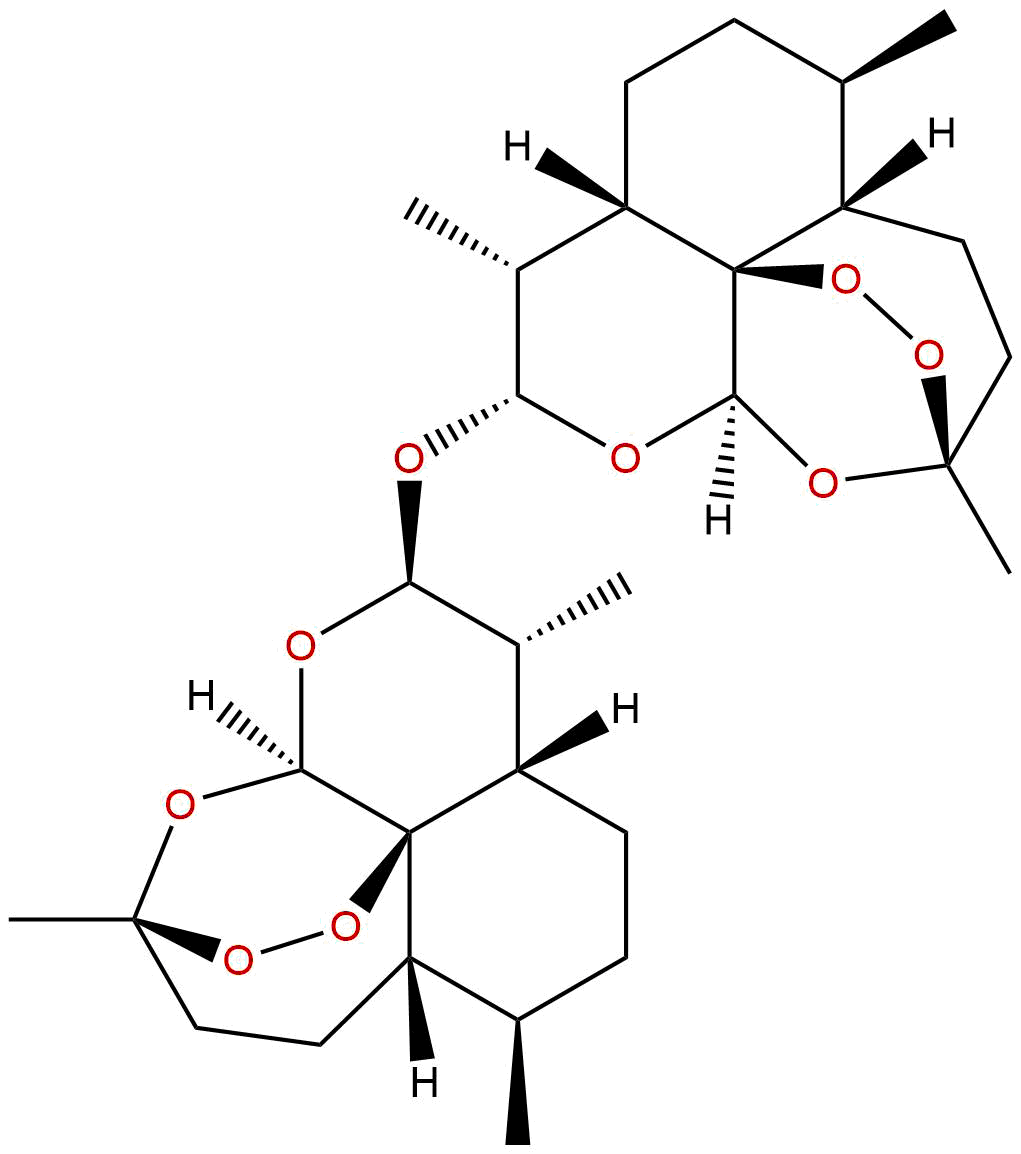
The molecular formula of artemisinin impurity 8 is C ∝₀ H ₄₂ O ₁₀, with a molecular weight of 550.6890 g/mol. Its chemical structure belongs to the sesquiterpene lactone class compounds, with a core skeleton composed of sesquiterpene units of 15 carbon atoms and a characteristic peroxide bridge structure (- O-O -), which is a key pharmacophore for the anti malaria activity of artemisinin family compounds. Compared with artemisinin, impurity 8 has additional hydroxyl and carbonyl modifications at positions C-10 and C-13, and the introduction of these functional groups significantly alters the polarity and spatial configuration of the molecule.
From a stereochemical perspective, artemisinin impurity 8 has multiple chiral centers, and its absolute configuration was confirmed by X-ray crystal diffraction and circular dichroism (CD) techniques. The lactone ring and peroxide bridge in the molecule form a unique cage like structure, which is a rigid conformation that facilitates specific interactions with biological targets. It is worth noting that there is an additional ethylene oxide ring in the molecule of impurity 8, which is relatively rare in the artemisinin family and may be closely related to its unique pharmacological activity.
Physical and chemical property parameters
According to the results of computational chemistry and experimental measurements, the key physicochemical parameters of artemisinin impurity 8 are as follows:
- Lipid water partition coefficient (LogP)4.8036 indicates that the compound has strong lipophilicity, which is beneficial for penetrating biological membrane structures.
- Topological Polarity Surface Area (TPSA)83.07 Å ², at a moderate level, suggests that it may have good oral absorption potential.
- Water solubility:0.0002 mg/mL, It belongs to compounds that are extremely insoluble in water, which limits their formulation development and requires the use of nanotechnology or prodrug strategies to improve solubility.
- Blood-brain barrier penetrability Evaluated as high, this characteristic makes it potentially advantageous in the treatment of central nervous system diseases, but it may also increase the risk of central toxicity.
- HERG inhibition Negative indicates that the compound has a low risk of causing QT interval prolongation in the heart and has good cardiac safety.
- Ames test The result is 1.5, indicating a possible slight genetic toxicity risk that needs further validation through in vivo experiments.
These physicochemical properties provide important references for the drug development of artemisinin impurity 8, while also pointing out the challenges that need to be overcome, especially poor water solubility and potential genetic toxicity issues.
Plant sources and extraction methods
natural source
Artemisinin impurity 8 mainly comes from the Asteraceae plant Artemisia annua(Artemisia annua L. The above ground part. Artemisia annua is an annual herbaceous plant widely distributed in Asian countries such as China, Vietnam, India, as well as parts of East Africa and Southern Europe. This plant has a thousand year history of being used in traditional Chinese medicine to treat fever and malaria. Its antimalarial active ingredient artemisinin was first isolated and identified by Tu Youyou's team in 1972.
The content of artemisinin and its related impurities in Artemisia annua is influenced by various factors, including plant species, growth environment, harvesting time, and processing methods. Research has shown that the content of artemisinin impurity 8 in fresh plant materials is usually lower than artemisinin, accounting for about 0.5% -2% of the total sesquiterpene lactone content. However, during the extraction and purification process of artemisinin, the content of impurity 8 may significantly increase due to chemical transformation and degradation reactions. For example, under acidic or high-temperature conditions, artemisinin may be converted into impurity 8 through rearrangement reactions, which requires strict control in industrial production.
Extraction and Separation Methods
The extraction of artemisinin impurity 8 is usually carried out using organic solvent extraction, with commonly used solvents including petroleum ether, n-hexane, ethyl acetate, and ethanol. Due to its high lipophilicity, non-polar solvents often achieve higher extraction efficiency. The typical extraction process is as follows:
- Raw material pretreatment Crush the dried aboveground parts of Artemisia annua to 40-60 mesh, soak and extract with 80% ethanol or n-hexane at room temperature for 24 hours, and repeat 2-3 times.
- Preparation of crude extract Combine the extraction solutions, concentrate under reduced pressure to obtain a paste, and then perform liquid-liquid distribution using petroleum ether ethyl acetate (1:1) to collect the organic phase.
- Column chromatography separation Concentrate the organic phase and load it onto a silica gel column. Use gradient elution (n-hexane ethyl acetate, 100:0 to 0:100) to collect the fraction containing impurity 8.
- Purification by High Performance Liquid Chromatography Using a C18 reverse phase chromatography column, acetonitrile water (60:40) was used as the mobile phase for preparative HPLC separation at a detection wavelength of 210 nm, and the target peak was collected.
- Structural Identification Confirm the structure of the compound through nuclear magnetic resonance (¹ H-NMR, ¹ ³ C-NMR), mass spectrometry (HR-ESI-MS), and infrared spectroscopy (IR).
In recent years, green extraction techniques such as supercritical fluid extraction (SFE) and microwave-assisted extraction (MAE) have also been attempted for the extraction of artemisinin impurity 8. These methods have the advantages of short extraction time, low solvent consumption, and environmental friendliness, but they are costly and have not yet been industrialized.
Pharmacological activity research
Antimalarial activity
As a derivative of artemisinin, artemisinin impurity 8 retains anti malaria activity, but its strength of action differs from that of the parent compound. In vitro experiments have shown that impurity 8 affects the malignant malaria parasite of chloroquine sensitive strain (3D7) and chloroquine resistant strain (Dd2)(Plasmodium falciparum)All showed inhibitory effects, with a half maximal inhibitory concentration (IC ₅₀) in the range of 10-50 nM, which is approximately 1/3 to 1/2 of artemisinin. It is worth noting that impurity 8 still maintains certain activity against artemisinin resistant strains (such as those carrying the PfK13 C580Y mutation), suggesting that it may exert its effects through mechanisms different from artemisinin.
The in vivo anti malaria experiment was conducted using Plasmodium bergii in mice(Plasmodium berghei)The model requires an oral dosage of 10-50 mg/kg/day for 3 consecutive days. The results showed that Impurity 8 could significantly reduce parasitic anemia in mice and prolong survival time, but the efficacy was slightly lower than that of artemisinin at the equivalent dose. Pharmacodynamic analysis shows that the antimalarial activity of impurity 8 is closely related to the integrity of its peroxide bridge structure. Reductive substances (such as ferrous ions) can activate the compound to produce free radicals, thereby damaging the mitochondria and endoplasmic reticulum of malaria parasites.
Antitumor activity
The anti-tumor activity of artemisinin impurity 8 is one of its research hotspots. Several in vitro experiments have confirmed that the compound has inhibitory effects on a variety of cancer cell lines, including breast cancer (MCF-7, MDA-MB-231), lung cancer (A549, H1299), liver cancer (HepG2, Huh7), colorectal cancer (HCT116, SW480) and prostate cancer (PC3, DU145). Its IC ₅₀ value is usually in the range of 5-30 μ M, and its toxicity to normal cells (such as human umbilical vein endothelial cells HUVEC and liver cells L02) is low, showing a certain degree of selectivity.
In the breast cancer model, impurity 8 inhibits the proliferation, migration and invasion of MDA-MB-231 cells in a dose-dependent manner. Scratch and Transwell experiments showed that after 24 hours of treatment with 10 μ M impurity 8, the cell migration rate decreased by about 60% and the invasion ability decreased by about 70%. In addition, the compound can inhibit the anchor independent growth and tumor ball formation of breast cancer cells, suggesting that it has anti-tumor stem cell activity.
The in vivo anti-tumor experiment used a nude mouse xenograft model, and intraperitoneal injection of impurity 8 (20 mg/kg, administered every other day for 3 weeks) significantly inhibited the growth of MDA-MB-231 tumors, with an inhibition rate of 45% -55%. Histopathological analysis showed that the Ki-67 proliferation index decreased and TUNEL positive apoptotic cells increased in the tumor tissue treated with Impurity 8. It is worth noting that impurity 8 can also inhibit lung metastasis of tumors, reducing the number of metastatic nodules by about 50%.
Neuroprotective effect
The neuroprotective effect of artemisinin impurity 8 is another important pharmacological activity. In the HT22 hippocampal neuron injury model induced by glutamate, pretreatment with impurity 8 (1-10 μ M) significantly increased cell survival rate, reduced lactate dehydrogenase (LDH) release, and reactive oxygen species (ROS) levels. Flow cytometry analysis showed that impurity 8 can inhibit neuronal apoptosis, reduce Bax/Bcl-2 ratio, and decrease caspase-3 activation.
In vivo experiments, a rat model of middle cerebral artery occlusion (MCAO) was used to simulate ischemic stroke. Intravenous injection of impurity 8 (5 mg/kg) administered immediately after reperfusion can significantly reduce cerebral infarction volume (by about 35%) and improve neurological function scores. Immunohistochemical staining showed that the number of apoptotic neurons in the brain tissue of the impurity 8 treatment group decreased, and the activation of microglia and astrocytes was inhibited. In addition, Impurity 8 can alleviate the damage to the blood-brain barrier and reduce the degree of brain edema.
Other pharmacological activities
In addition to the main activities mentioned above, artemisinin impurity 8 also exhibits anti-inflammatory, antioxidant, and immunomodulatory effects. In the LPS induced RAW264.7 macrophage inflammation model, Impurity 8 can inhibit the production of NO, TNF - α, and IL-6, and reduce the expression of iNOS and COX-2. In a D-galactose-induced aging mouse model, long-term oral administration of Impurity 8 (10 mg/kg/d, for 8 consecutive weeks) can increase serum superoxide dismutase (SOD) and glutathione peroxidase (GSH Px) activity, reduce malondialdehyde (MDA) levels, and improve cognitive function.
Mechanism of action and molecular targets
AKT signaling pathway inhibition
The core mechanism of artemisinin impurity 8 is to exert its anti-tumor and neuroprotective effects by inhibiting the AKT signaling pathway. AKT (also known as protein kinase B, PKB) is a key node in the PI3K/AKT/mTOR signaling pathway, regulating various biological processes such as cell proliferation, survival, metabolism, and migration. Overactivation of AKT is closely associated with tumor progression, drug resistance, and poor prognosis in various cancers.
Western blot and immunofluorescence experiments showed that impurity 8 reduced AKT phosphorylation levels (p-AKT Ser473 and Thr308) in a dose-dependent and time-dependent manner, without affecting total AKT protein expression. This effect has been validated in various cancer cell lines and neuronal cells. Further research has found that impurity 8 inhibits the activity of PI3K, reduces the generation of PIP3, and thus blocks the recruitment and phosphorylation of AKT to the cell membrane. In addition, impurity 8 can upregulate the expression of PTEN (phosphatase and tensin homolog), which acts as a negative regulator of PI3K and further inhibits the activation of the AKT pathway.
Downstream effect molecule
The inhibition of the AKT signaling pathway leads to a series of downstream effector molecule changes:
- cell cycle regulation The upregulation of p21 and p27 expression and downregulation of cyclin D1 and CDK4 expression lead to cell cycle arrest in the G0/G1 phase.
- Apoptosis regulation Bad dephosphorylation increases, Bcl-2 expression decreases, Bax expression increases, promoting mitochondrial pathway apoptosis.
- Migration and invasion MMP-2 and MMP-9 expression decrease, while E-cadherin expression increases, inhibiting epithelial mesenchymal transition (EMT).
- Autophagy regulation MTOR activity is reduced, ULK1 and Beclin-1 expression are upregulated, inducing protective autophagy.
Mechanism of antimalarial action
The anti malaria mechanism of artemisinin impurity 8 is similar to artemisinin, relying on its peroxide bridge structure to be activated by heme in the malaria parasite, producing carbon free radicals and reactive oxygen species (ROS). These free radicals can alkylate various proteins of Plasmodium, including translation controlled tumor protein (TCTP), calcium dependent ATPase (PfATP6), and mitochondrial protein, leading to metabolic disorders and death of Plasmodium.
However, the antimalarial activity of impurity 8 may also involve other mechanisms. Molecular docking studies have shown that impurity 8 can bind to the phosphatidylinositol 3-kinase (PfPI3K) of malaria parasites, inhibiting its activity and interfering with the vesicular transport and hemoglobin degradation processes of malaria parasites. This discovery provides a possible molecular basis for explaining the activity of impurity 8 against artemisinin resistant strains.
Neuroprotective mechanism
In terms of neuroprotection, Impurity 8 inhibits the AKT/GSK-3 β signaling pathway, reduces excessive phosphorylation of tau protein, and prevents the formation of neurofibrillary tangles. Meanwhile, impurity 8 can activate the Nrf2/ARE antioxidant pathway, upregulate the expression of antioxidant enzymes such as HO-1 and NQO1, and alleviate oxidative stress damage. In addition, impurity 8 can inhibit the activation of NF - κ B, reduce the release of pro-inflammatory cytokines, and thus exert anti-inflammatory neuroprotective effects.
Molecular target identification
Through chemical proteomics methods, researchers identified potential molecular targets of artemisinin impurity 8. Using biotin labeled impurity 8 probe for pull-down experiments, combined with mass spectrometry analysis, it was found that the compound can bind to various proteins, including:
- PI3K p110 α subunit Directly bind and inhibit its kinase activity.
- HSP90 After binding, it interferes with the function of its partner, leading to the degradation of client proteins such as AKT and HER2.
- VDAC1 Mitochondrial outer membrane protein, which regulates the opening of mitochondrial permeability transition pore (mPTP) after binding.
- GAPDH After binding, it inhibits its glycolytic activity and interferes with energy metabolism.
These multi-target action characteristics make artemisinin impurity 8 a natural product with unique pharmacological activity, but also increase the complexity of its mechanism of action.
Evaluation of drug properties and pharmacokinetics
Analysis of drug properties parameters
Based on computational predictions and experimental data, the pharmacological parameters of artemisinin impurity 8 are as follows:
- molecular weight:550.69 Da, Slightly above the threshold of Lipinski's Five Rules (MW<500), it suggests the possibility of oral absorption disorders.
- LogP 4.80, at the upper limit of the ideal range (2-5), moderate lipophilicity.
- Hydrogen bond donor/acceptor Three hydrogen bond donors and ten hydrogen bond acceptors meet the five rules (HBD ≤ 5, HBA ≤ 10).
- Number of rotatable keys: 6, below 10, indicating a relatively rigid molecular conformation.
- TPSA 83.07 Å ², below 140 Å ², indicates good oral absorption potential.
Overall, Artemisinin Impurity 8 meets four criteria in Lipinski's Five Rules (with only molecular weight exceeding the standard) and has good drug like properties. However, poor water solubility (0.0002 mg/mL) is its main pharmaceutical defect, which needs to be improved through formulation strategies.
Pharmacokinetic characteristics
At present, the pharmacokinetic data of artemisinin impurity 8 mainly comes from animal experiments:
- absorb After oral administration, the absorption of impurity 8 is slow and incomplete, with an absolute bioavailability of about 15% -25%. A high-fat diet can increase its absorption rate, suggesting that taking it with food may improve its efficacy.
- distribution After intravenous injection, impurity 8 is widely distributed in the body, with an apparent distribution volume (Vd) of approximately 3-5 L/kg. Due to the high permeability of the blood-brain barrier, drug concentrations in brain tissue can reach 30% -50% of plasma concentrations.
- Metabolism Impurity 8 is mainly metabolized by the CYP450 enzyme system in the liver, and the main metabolic pathways include peroxide bridge reduction, hydroxylation, and glucuronic acid binding. CYP3A4 and CYP2B6 are the main subtypes involved in metabolism.
- excretion The raw material and its metabolites are mainly excreted into the intestine through bile, with some being excreted through feces, and only a small amount of metabolites detected in urine. The elimination half-life (t ₁/₂) is approximately 4-6 hours.
safety evaluation
Preliminary safety evaluation shows that artemisinin impurity 8 has good tolerance at therapeutic doses. The acute toxicity experiment on mice showed that the half lethal dose (LDX) for oral administration was about 500 mg/kg, and the LDX for intraperitoneal injection was about 200 mg/kg. In the subchronic toxicity experiment (repeated administration for 28 days), no significant toxic reactions were observed in rats orally administered 50 mg/kg/d, but the high-dose group (100 mg/kg/d) showed weight loss, liver enzyme elevation, and other phenomena.
It is worth noting that the Ames test result is 1.5, indicating that the compound may have slight genetic toxicity. Further in vivo micronucleus testing and chromosome aberration testing are underway to assess its genetic toxicity risk. In addition, impurity 8 has a negative inhibitory effect on hERG potassium channels, indicating a low risk of cardiac toxicity.
Clinical application prospects and prospects
Application of anti malaria
Although artemisinin impurity 8 has slightly lower antimalarial activity than artemisinin, its activity against artemisinin resistant strains makes it uniquely valuable in addressing resistance issues. With the spread of artemisinin resistance in Southeast Asia and Africa, the development of new antimalarial drugs has become a top priority. Impurity 8 may serve as a supplement or alternative to artemisinin for the treatment of artemisinin resistant malaria. In addition, the combination therapy of Impurity 8 with artemisinin or other antimalarial drugs (such as chloroquine and piperaquine) is worth exploring in order to achieve synergistic effects and delay the development of drug resistance.
Anti tumor application
Artemisinin impurity 8 has a broader application prospect in the field of anti-tumor. It exerts anti-tumor activity by inhibiting the AKT signaling pathway, which is similar to various targeted drugs such as PI3K inhibitors and mTOR inhibitors, but has the advantage of multi-target action. Pre clinical studies have confirmed that impurity 8 is effective for many solid tumors such as breast cancer, lung cancer and liver cancer, and has low cytotoxicity to normal cells. Future research directions include:
- combination therapy Evaluate synergistic effects when used in combination with chemotherapy drugs (such as paclitaxel, cisplatin) or targeted drugs (such as trastuzumab, lapatinib).
- Nanoformulation development Improve the water solubility and bioavailability of impurity 8 using liposome, polymer micelle, or nanocrystal technology.
- Regulation of tumor microenvironment Study the effects of impurity 8 on tumor associated macrophages, fibroblasts, and angiogenesis, and explore its immunomodulatory role.
- clinical translation Conduct Phase I clinical trials to determine the maximum tolerated dose, dose limiting toxicity, and pharmacokinetic characteristics.
Neuroprotective applications
The neuroprotective effect of artemisinin impurity 8 provides the possibility for its application in the treatment of neurological diseases. Considering its high blood-brain barrier penetration, this compound has potential therapeutic value in diseases such as ischemic stroke, Alzheimer's disease, Parkinson's disease, etc. Especially its ability to reduce tau protein phosphorylation by inhibiting the AKT/GSK-3 β pathway makes it a candidate drug for treating Alzheimer's disease. However, the long-term effectiveness and safety of neuroprotective effects still need to be validated through rigorous preclinical and clinical studies.
Challenges and Prospects
Although artemisinin impurity 8 exhibits various pharmacological activities, its development still faces many challenges:
- Poor water solubility The extremely low water solubility limits the development of oral formulations and requires improvement through prodrug design, solid dispersion, or nanotechnology.
- Metabolic stability The rapid metabolism mediated by CYP450 enzyme may lead to insufficient exposure in vivo, requiring structural modification or combined use of metabolic inhibitors.
- Genetic toxicity risk The positive result of Ames test needs further evaluation, and toxicity may be reduced through structural optimization.
- selectivity Although multi-target effects bring advantages, they may also increase the risk of off target effects and require a deeper understanding of their mechanisms of action.
In the future, through structure-activity relationship (SAR) studies, reasonable structural modifications of artemisinin impurity 8 are expected to obtain derivatives with higher activity, lower toxicity, and better pharmacokinetic properties. Meanwhile, utilizing systems pharmacology and network pharmacology methods to comprehensively analyze its action network will help discover new indications and combination therapy regimens.
Conclusion
Artemisinin impurity 8, as a byproduct of artemisinin production, has transformed from an "impurity" to a valuable lead compound due to its unique chemical structure and multifaceted pharmacological activities. This compound exerts anti-tumor and neuroprotective effects by inhibiting the AKT signaling pathway, while maintaining activity against artemisinin resistant malaria parasites, demonstrating potential applications in multiple disease fields. Although issues such as poor water solubility, rapid metabolism, and potential genetic toxicity still need to be addressed, these problems are expected to be overcome through modern medicinal chemistry and formulation methods.
Discovering new drugs from natural products is an important pathway for drug development, and the study of artemisinin impurity 8 once again proves that even "impurities" may contain unexpected therapeutic value. As research deepens, we have reason to believe that artemisinin impurity 8 and its derivatives will play an important role in fields such as anti malaria, anti-tumor, and neuroprotection, contributing to human health. Future research should focus on elucidating its precise molecular mechanism, optimizing its pharmacokinetic properties, and verifying its safety and efficacy through rigorous clinical trials, ultimately promoting the clinical application of this natural product.