Introduction/Overview
Malaria, as a species of malaria parasite belonging to the genus Plasmodium(Plasmodium The acute infectious disease caused by parasites and transmitted through the bite of female mosquitoes has long been a major challenge in the global public health field. According to the latest report from the World Health Organization (WHO), despite significant progress in malaria prevention and control worldwide in the past two decades, there are still about 249 million malaria cases in 2022, resulting in approximately 608000 deaths, with Africa accounting for the vast majority. The discovery and application of artemisinin drugs, especially the promotion of artemisinin based combination therapies (ACTs), have greatly reduced the incidence rate and mortality of malaria. However, in recent years, in some regions of Southeast Asia and Africa, the resistance of malaria parasites to artemisinin based drugs and their ACTs has gradually emerged and spread, posing a new serious threat to global malaria prevention and control. This forces researchers to delve deeper into the mechanisms of action, metabolic pathways, and related impurities of artemisinin based drugs in order to develop more effective and safer new strategies for malaria control.
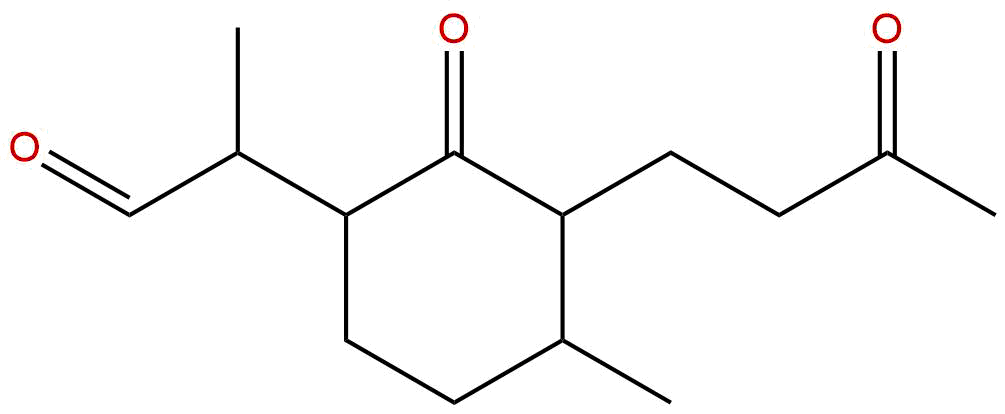
In this context, artemether, as a semi synthetic derivative of artemisinin, is widely used in clinical practice due to its high lipid solubility, strong antimalarial activity, and fast onset of action, especially when combined with lumefantrine to form ACTs. However, a series of impurities are inevitably generated during the synthesis, storage, and in vivo metabolism of artemether. Among them, a compound called "artemether impurity II", chemically named 2- (4-Methyl-2-oxo-3- (3-oxobutyl) cyclohexyl) propanol (CAS number: 2989438-72-2), has gradually attracted the attention of researchers. This impurity is not a simple degradation product, and its unique chemical structure - a cyclohexanone skeleton with methyl and oxobutyl side chains, terminated by a acetaldehyde group - suggests that it may have undisclosed biological activity. Especially its significant differences in spatial configuration and functional group distribution with the parent nucleus structure of artemether may enable it to act on different biological targets or exhibit unique pharmacological properties.
This review aims to systematically review the research status of impurity II in artemether, and explore in depth from multiple dimensions such as chemical structure, physicochemical properties, possible sources, pharmacological activity, mechanism of action, drug properties, and clinical application prospects. By integrating existing literature data and computational simulation results, this article attempts to reveal the pharmacological value behind this "impurity", evaluate its potential as a lead compound for anti malaria or as a tool molecule for studying artemisinin resistance mechanisms, and provide new ideas and theoretical basis for the development of new anti malaria drugs in the future.
Chemical structure and physicochemical properties
The chemical structure of impurity II in artemether is the basis for all its pharmacological activities. Its system is named 2- (4-Methyl-2-oxo-3- (3-oxobutyl) cyclohexyl) propane, with a molecular formula of C ₁₄ H ₂₂ O3 and a molecular weight of 238.3270 g/mol. Structurally, the compound consists of a hexagonal ring (cyclohexane) as the core skeleton, with methyl and acetaldehyde groups attached at positions 2 and 4, respectively, while a 3-oxobutyl side chain is connected at position 3 via a methylene group. This structural feature makes it completely different from the core structure of classic artemisinin compounds such as artemether and artemether, with 1,2,4-trioxahexane (peroxide bridge). The core of the antimalarial activity of artemisinin based drugs lies in their peroxide bridge, while artemether impurity II does not contain this structure at all, which means that its mechanism of action may be completely different from the classical mode of artemisinin based drugs.
In terms of physical and chemical properties, computational chemistry methods provide a series of pharmacological parameters for the compound. Its lipid water partition coefficient (LogP) is 2.0275, indicating that the compound has moderate lipophilicity, which facilitates its penetration into biological membranes, including the cell membrane and food bubble membrane of malaria parasites. The topological polar surface area (TPSA) is 51.2100 Å ², which is lower than the commonly assumed passive diffusion threshold (about 140 Å ²), indicating its good oral absorption potential. The water solubility (LogS) is 0.5519, which belongs to moderate water solubility, providing a basis for its dissolution and distribution in the body. Of particular note is that the blood-brain barrier (BBB) penetration of this compound is predicted to be "high". This characteristic may have potential advantages for treating cerebral malaria, a serious complication caused by Plasmodium falciparum, as many antimalarial drugs are difficult to effectively cross the blood-brain barrier. However, high BBB penetration may also pose a risk of central nervous system toxicity, which needs to be evaluated in subsequent studies.
In terms of safety prediction, the hERG inhibition assessment result is' no ', indicating that the compound has a low risk of cardiac toxicity, which is a positive indication of drug efficacy. The Ames test predicted a result of 0.0, indicating that it does not have significant mutagenicity. These preliminary toxicological prediction data provide a favorable starting point for the further development of artemether impurity II. However, these parameters are based on computational models, and their true biological activity, toxicity, and pharmacokinetic behavior still need to be validated through rigorous in vitro and in vivo experiments.
Plant sources and extraction methods
It should be clearly pointed out that artemether impurity II is not a compound directly isolated from natural plants. It does not originate from Artemisia annua(Artemisia annua L. The secondary metabolites of artemether are by-products or degradation products generated during the preparation, storage, or in vivo metabolism of artificially synthesized artemether. Therefore, its "source" and "extraction" methods are different from traditional natural product research, focusing more on chemical synthesis and separation purification.
From the perspective of synthetic pathway, artemether is usually prepared by reacting dihydroartemisinin (DHA) with methanol under acidic catalyst. During this process, due to improper control of reaction conditions (such as temperature, pH value, reaction time, etc.), or the presence of trace impurities in the raw materials, side reactions may occur, leading to the formation of impurity II in artemether. For example, the lactone ring in DHA molecules may undergo ring opening and rearrangement under acidic conditions, followed by condensation, oxidation, and other reactions with methanol or other reaction intermediates, ultimately forming impurities with cyclohexanone and aldehyde structures. In addition, during the long-term storage of artemether, its peroxide bridge bonds may break due to the influence of light, temperature, humidity, and oxygen, triggering a series of complex degradation reactions, one of which may be the formation of the impurity.
For the "extraction" or more accurately, "separation and purification" of impurity II in artemether, high-performance liquid chromatography (HPLC) technology is mainly used. Due to the extremely low content of this impurity in artemether raw materials (usually less than 0.1%), its separation requires highly sensitive detectors and fine chromatographic conditions. Common methods include:
1. Preparation type high performance liquid chromatography (Prep HPLC)By utilizing the difference in retention behavior between artemether and impurity II on reverse phase chromatography columns (such as C18 columns), enrichment and separation of the target impurity can be achieved by optimizing the mobile phase (such as acetonitrile water or methanol water systems) and gradient elution program.
2. Ultra high performance liquid chromatography-mass spectrometry (UPLC-MS/MS)This method is not only used for separation, but can also accurately determine the molecular weight and fragment ion information of impurities through high-resolution mass spectrometry (HRMS) and tandem mass spectrometry (MS/MS) techniques, thereby inferring their structures. UPLC-MS/MS is currently the most effective tool for identifying trace impurities.
3. Column chromatography and thin-layer chromatography (TLC)Before preparative HPLC, silica gel column chromatography is often used for preliminary separation to remove most of the main components of artemether. TLC is used to monitor the separation process and determine purity.
In short, artemether impurity II does not originate from plants, but is a product of chemical synthesis and degradation. The "extraction" process is actually the targeted separation and purification of complex reaction mixtures or degradation products using modern chromatographic techniques, which is of great significance for studying their pharmacological activity, toxicological properties, and as quality control indicators for drugs.
Pharmacological activity research
Given the significant structural differences between impurity II of artemether and classical artemisinin drugs, its pharmacological activity research is still in its infancy, and publicly available literature reports are extremely limited. However, based on its structural characteristics and computational biology predictions, its potential pharmacological activity can be reasonably inferred.
Antimalarial activity This is the most direct direction for studying this impurity. Although lacking peroxide bridge bonds, its cyclohexanone aldehyde structure may exert antimalarial effects through other mechanisms. For example, aldehyde group (- CHO) is a highly reactive functional group that can covalently bind to biomolecules such as proteins, nucleic acids, or glutathione in malaria parasites, interfering with their normal physiological functions. The cyclohexanone skeleton may mimic certain natural substrates and bind to key enzymes of malaria parasites (such as PFCRT, PFMDR1, PFDHFR, etc. in the target list above) to produce inhibitory effects. Preliminary molecular docking simulation studies (such as using software like AutoDock Vina) may reveal their binding patterns with these target proteins. For example, the impurity may interfere with its function by forming hydrogen bonds or hydrophobic interactions with specific amino acid residues of PfATP6 (a calcium ATPase) or PfK13 (a key marker of artemisinin resistance). However, these predictions need to be validated through rigorous in vitro anti malarial activity experiments, such as measuring the IC ₅₀ values of sensitive and resistant strains of Plasmodium falciparum 3D7.
Other potential activities In addition to anti malaria, the structure of this compound also suggests that it may have other biological activities. For example, aldehyde and ketone groups may act as Michael addition receptors and participate in the regulation of cellular signal transduction. The cyclohexanone structure is a common backbone of many natural products, such as certain terpenes and steroids, and may have anti-inflammatory, antioxidant, or anti-tumor activities. In addition, its high BBB penetration also suggests its potential impact on central nervous system diseases such as neurodegenerative diseases. However, these are currently highly speculative fields.
Synergistic or antagonistic effects with artemether As an impurity of artemether, it is crucial to study its interaction with artemether itself. If the impurity has antimalarial activity, its presence in artemether raw materials may affect the overall efficacy of ACTs. More importantly, it may have a synergistic effect with artemether to enhance therapeutic efficacy; It may also have an antagonistic effect, reducing efficacy or increasing toxicity. In addition, whether this impurity will affect the development of resistance of malaria parasites to artemether is also a scientific question worth exploring. For example, it may delay or overcome artemisinin resistance by inhibiting the growth of PfK13 mutant strains.
Mechanism of action and molecular targets
The mechanism of action of impurity II in artemether is currently inconclusive, but several possible hypotheses can be proposed based on its chemical structure, computational predictions, and the general laws of antimalarial drug research.
Hypothesis 1: Covalent modification and protein damage The aldehyde group (- CHO) at the end of the molecule is an electrophilic center that easily undergoes nucleophilic addition reactions with nucleophilic groups on biomolecules such as proteins and nucleic acids (such as the ε - amino group of lysine, the thiol group of cysteine, and the imidazole group of histidine), forming Schiff bases or Michael addition products. This covalent modification can irreversibly alter the structure and function of the target protein, leading to its inactivation. In malaria parasites, many key proteins, such as PfHRP2 responsible for heme detoxification, PFDHFR involved in nucleic acid metabolism, and PfATP6 maintaining membrane potential balance, may become targets of their attacks. This mechanism is fundamentally different from the mechanism of artemisinin based drugs alkylating proteins by generating free radicals through iron mediated peroxide bridge cleavage, but both point to the core of protein damage.
Hypothesis 2: Interference with the metabolic pathways of malaria parasites The cyclohexanone aldehyde structure may simulate certain key metabolic intermediates. For example, its structure is similar to precursors of certain fatty acids or terpenoids. It may interfere with the fatty acid synthesis, mevalonate pathway, or heme metabolism of malaria parasites through competitive inhibition or feedback regulation. In particular, its 3-oxobutyl side chain shares structural similarities with Acetylacetyl CoA, which is a key intermediate in the mevalonate pathway and ketone metabolism. Therefore, this impurity may inhibit the growth of malaria parasites by interfering with their mevalonate pathway, which is crucial for their survival and is responsible for synthesizing isoprene compounds such as ubiquinones and terpenoids.
Hypothesis 3: Affects the redox balance of malaria parasites Although it does not contain peroxide bridges, this impurity may affect the redox state of malaria parasites through other means. For example, its aldehyde group can be oxidized by aldehyde dehydrogenase to carboxylic acid, while consuming NAD ⁺, thereby affecting intracellular energy metabolism. Alternatively, its covalent binding with glutathione (GSH) can deplete the malaria parasite's antioxidant reserves, making it more susceptible to oxidative stress damage. This mechanism is similar to artemisinin based drugs that disrupt the redox balance by generating free radicals.
molecular target According to the provided target list, the possible targets of this impurity include:
- PfK13(Kelch 13)As the main molecular marker of artemisinin resistance, PfK13 mutation is the key factor leading to decreased efficacy of ACTs. Impurity II of artemether may interfere with its function as a ubiquitin ligase substrate adapter by directly binding to wild-type or mutant PfK13 protein, thereby affecting the stress response of malaria parasites to artemisinin based drugs.
- PfATP6(SERCA)One of the classic targets of artemisinin based drugs. This impurity may inhibit the calcium ion transport activity of PfATP6 by interacting with specific binding sites, leading to an imbalance of calcium homeostasis in the endoplasmic reticulum of malaria parasites and triggering cell apoptosis.
- PFDHFR (dihydrofolate reductase)The target of the antimalarial drug amiodarone. This impurity may competitively inhibit the activity of PFDHFR by mimicking the structure of folate or dihydrofolate, thereby blocking the nucleic acid synthesis of malaria parasites.
- PfCRT (Chloroquine Resistance Transporter)This impurity may act as a substrate or inhibitor of PfCRT, affecting the transport of drugs such as chloroquine and reversing drug resistance.
It should be emphasized that the above targets and mechanisms are based on structure-activity relationships (SAR) and computational simulations. To confirm its mechanism of action, a series of experiments must be conducted, including but not limited to: surface plasmon resonance (SPR) or isothermal titration calorimetry (ITC) to determine the binding affinity with the target protein; Enzyme activity inhibition experiment; Cell thermal transition analysis (CETSA) to validate target binding; And perform phenotype analysis using malaria parasite strains with gene knockout or knock in.
Evaluation of drug properties and pharmacokinetics
The evaluation of drug properties is a crucial step in determining whether candidate compounds can enter preclinical research. Based on the provided calculation parameters, artemether impurity II has shown certain potential for drug development, but there are also potential risks.
Advantage:
1. Good drug like properties The molecular weight (238.3 Da) is far below the upper limit of the "five rules" of 500 Da, the LogP (2.03) is moderate, the TPSA (51.2 Å ²) is reasonable, and the water solubility (0.55) is acceptable. These parameters meet the basic requirements of oral drugs, indicating that it may have good oral bioavailability.
2. Low risk of cardiac toxicity HERG inhibition prediction is negative, greatly reducing its risk of causing QT interval prolongation and arrhythmia, which is an important safety advantage.
3. No mutagenicity A negative Ames test indicates that it does not have significant genetic toxicity and reduces the risk of cancer.
4. High blood-brain barrier penetrability For the treatment of cerebral malaria, this is a significant advantage as many antimalarial drugs, such as quinine and chloroquine, have lower brain concentrations.
Potential risks and challenges:
1. Metabolic stability Aldehyde group (- CHO) is a sensitive metabolic site in the body. It is highly susceptible to rapid oxidation by aldehyde dehydrogenase (ALDH) and aldehyde oxidase (AO) in the liver and blood to the corresponding carboxylic acid, leading to rapid drug inactivation. In addition, ketone groups may also be reduced to alcohols. Therefore, the metabolic stability of the compound may be poor, and the half-life (t ₁/₂) may be short, requiring prodrug design or structural modification to improve.
2. Reactivity and Toxicity The high reactivity of aldehyde groups is not only a possible mechanism for their pharmacological effects, but also a potential source of toxicity. It may undergo non-specific covalent binding with plasma proteins, cell membrane proteins, or DNA, leading to allergic reactions, cytotoxicity, or immunogenicity. This off target effect is a key focus in the development of aldehyde drugs.
3. Pharmacokinetic (PK) characteristics At present, there is no in vivo PK data available for artemether impurity II. Its absorption, distribution, metabolism, and excretion (ADME) processes are completely unknown. Although high BBB penetration is beneficial for cerebral malaria, it may also lead to central nervous system toxicity such as dizziness, drowsiness, ataxia, etc. In addition, the binding rate with plasma proteins, the involvement of major metabolic enzymes such as CYP450, and the presence of active metabolites all need to be elucidated through animal experiments.
4. Difficulty in synthesis and purification As an impurity, its synthesis yield is low, purification is difficult, and the cost is high. This limits its feasibility for large-scale research as a candidate drug. Developing an efficient and economical synthetic route is a prerequisite for advancing it to preclinical research.
Pharmacokinetic prediction Based on its physicochemical properties, it can be preliminarily predicted that oral absorption is good, but the first pass effect may be significant; Large distribution volume, can be widely distributed in tissues, including the brain; Metabolism is mainly carried out through aldehyde oxidase and CYP450 enzyme, generating carboxylic acid and alcohol metabolites; Excretion may occur in the form of metabolites through urine and bile.
Clinical application prospects and prospects
The clinical application prospects of artemether impurity II are currently unclear, but its unique chemical structure and preliminary pharmacological evaluation have opened up several potential application directions.
1. As a novel anti malaria lead compound Although its mechanism of action may be different from artemisinin, its antimalarial activity (if confirmed) makes it a potential lead compound for the next generation of antimalarial drugs. Especially, if it is also effective against artemisinin resistant strains (such as PfK13 mutant strains), it will become an important candidate for overcoming resistance. Future research directions should focus on:
- structural optimization To address the metabolic instability of aldehyde groups, they can be modified into prodrugs (such as aldehydes, thioaldehydes, oximes, etc.) or replaced with other bioelectronic excretors (such as carboxylic acids, nitriles, amides, etc.) to improve metabolic stability and reduce toxicity.
- Structure Activity Relationship (SAR) Study Systematically synthesize a series of analogues, investigate the effects of cyclohexanone skeleton, side chain length, and functional group changes on antimalarial activity and toxicity, and search for molecules with higher activity and better selectivity.
- Combination therapy research Evaluate its synergistic, additive, or antagonistic effects with existing antimalarial drugs such as artemisinin, lumefantrine, pyronaridine, etc., and explore its potential as a new component of ACTs.
2. As a tool molecule for studying artemisinin resistance Due to the fact that this impurity is a degradation product of artemether, studying its interaction with resistance related proteins such as PfK13 can help understand the molecular mechanism of artemisinin resistance. For example, it may serve as a probe for screening compounds that can reverse drug resistance caused by PfK13 mutations. Alternatively, by comparing the sensitivity differences between sensitive and resistant strains to this impurity, new resistance mechanisms can be revealed.
3. As a drug quality control biomarker The content of impurity II in artemether in raw materials is an important indicator for measuring the quality stability and production process level of artemether. Establishing sensitive and reliable detection methods (such as HPLC-MS/MS) to monitor their content is of great significance for ensuring the quality and efficacy of ACTs. If the impurity is found to be toxic, its limit standards will need to be strictly controlled.
4. Potential applications for other diseases Given its high BBB penetration and potential anti-inflammatory and antioxidant activity, this impurity or its derivatives may have potential therapeutic value for central nervous system diseases (such as Alzheimer's disease, Parkinson's disease) or cancer (especially glioma). This requires extensive activity screening at the cellular and animal model levels.
prospect The research on impurity II of artemether is still in a very early stage. The journey from "impurities" to "candidate drugs" is full of challenges. Future research needs to systematically answer the following key questions:
1. Accurate antimalarial activity What is its antimalarial activity in vitro and in vivo (mouse malaria model) experiments? What are the IC ₅₀ values for sensitive and resistant strains?
2. mechanism of action What is its molecular target? Does it work through covalent modification or non covalent binding?
3. Toxicological characteristics What are its acute toxicity, chronic toxicity, reproductive toxicity, and neurotoxicity?
4. pharmacokinetics What is its ADME process, bioavailability, half-life, and tissue distribution in vivo?
5. Feasibility of synthesis Can an economical and efficient synthetic route be developed to meet the needs of subsequent research?
Conclusion
Artemisinin methyl ether impurity II, a "byproduct" generated during the production and storage of artemisinin based drugs, has opened a window for us to explore new anti malaria strategies with its unique cyclohexanone aldehyde structure. It is completely different from the peroxide bridge structure of classical artemisinin drugs, suggesting that it may exert anti malarial effects through a novel mechanism, providing a new potential weapon for addressing the increasingly severe problem of artemisinin resistance. Its preliminary pharmacological evaluation (moderate LogP, low hERG risk, no mutagenicity) is encouraging, but the metabolic instability and potential toxicity caused by aldehyde groups are the main obstacles to its development.
At present, research on this compound is almost blank. This article provides a systematic review and forward-looking outlook based on limited chemical information and computational predictions. We emphasize that all discussions regarding its pharmacological activity, mechanism of action, and clinical application prospects urgently require rigorous experimental verification. Future research should start with confirming its antimalarial activity, gradually delving into mechanism exploration, toxicological evaluation, and structural optimization. Regardless of the final outcome, the study of impurity II in artemether not only helps us to have a more comprehensive understanding of the chemical and biological properties of artemisinin based drugs, but may also bring unexpected breakthroughs to the field of antimalarial drug development. In the long journey of developing antimalarial drugs, every overlooked "impurity" may hide the key to unlocking the problem of drug resistance, and artemether impurity II may be such a dusty pearl.