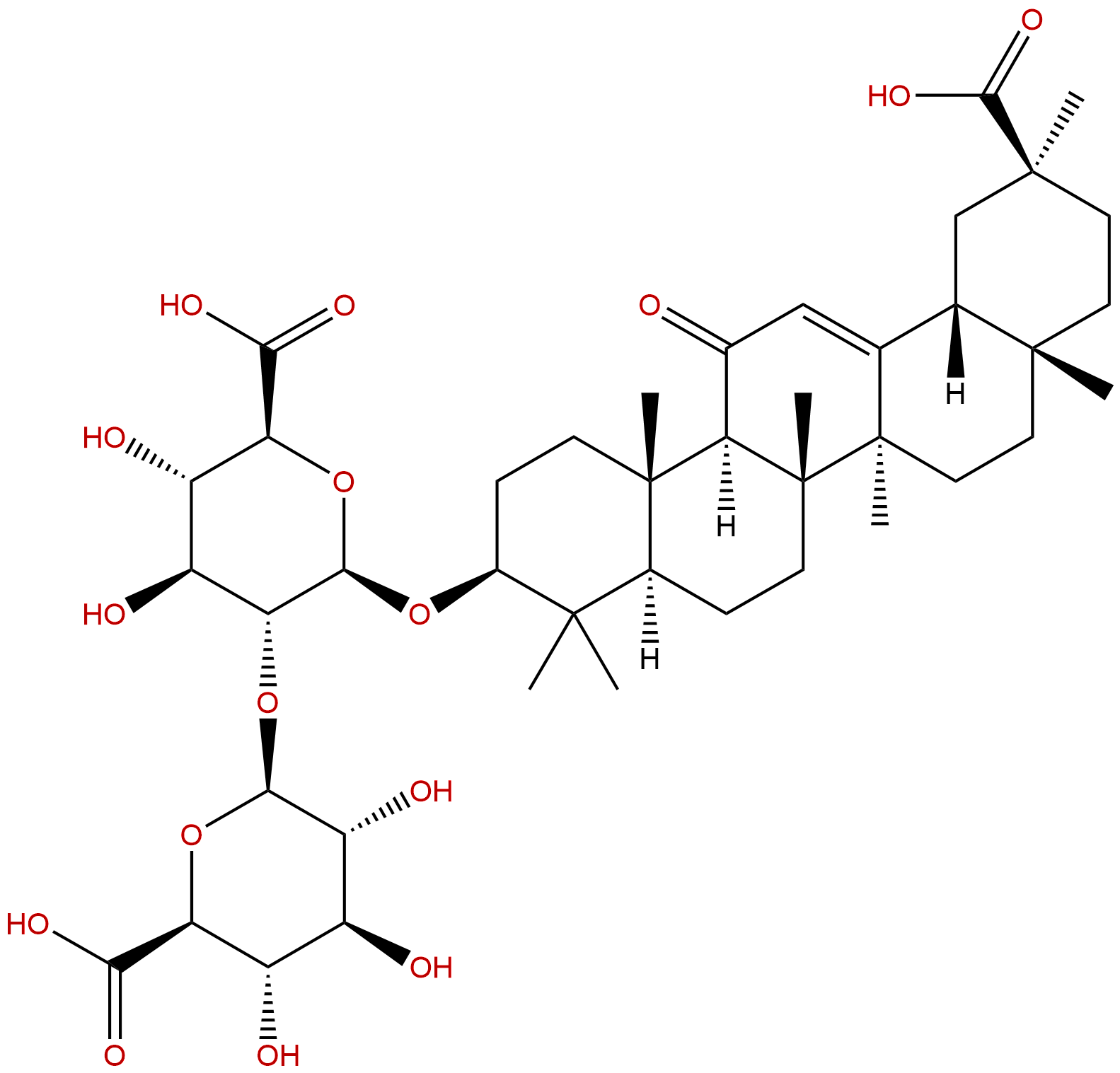


Product name: Glycyrrhizic acid
Synonym name: Glycyrrhizinic acid; Dermacrin; Glycyrrhitin; Glycyrrhizin
Catalogue No.: BP0682
Cas No.: 1405-86-3
Formula: C42H62O16
Mol Weight: 822.942
Botanical Source: Glycyrrhiza glabra (liquorice), also from Polypodium vulgare, Pradosia and Periandra spp.
Physical Description: Powder
Type of Compound: Triterpenoids
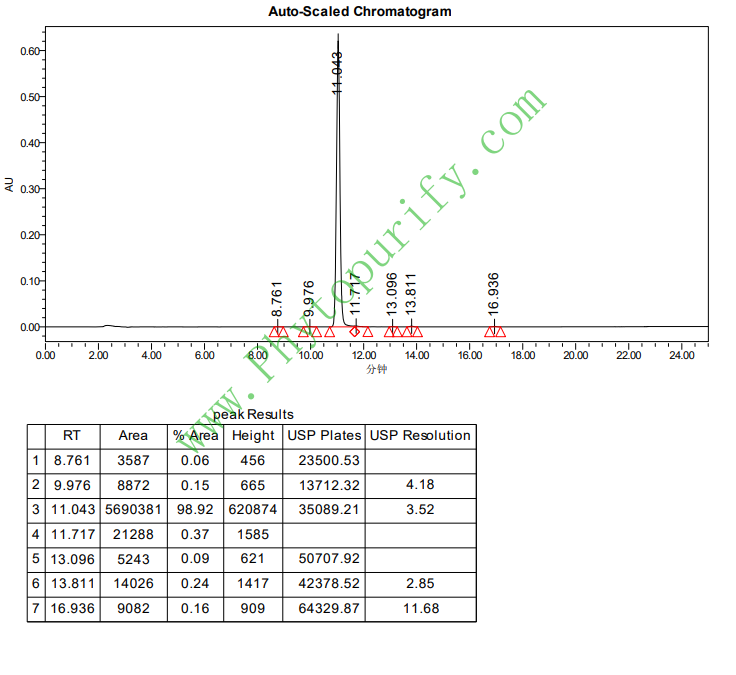
Purity: 95%~99%
Analysis Method: HPLC-DAD or/and HPLC-ELSD
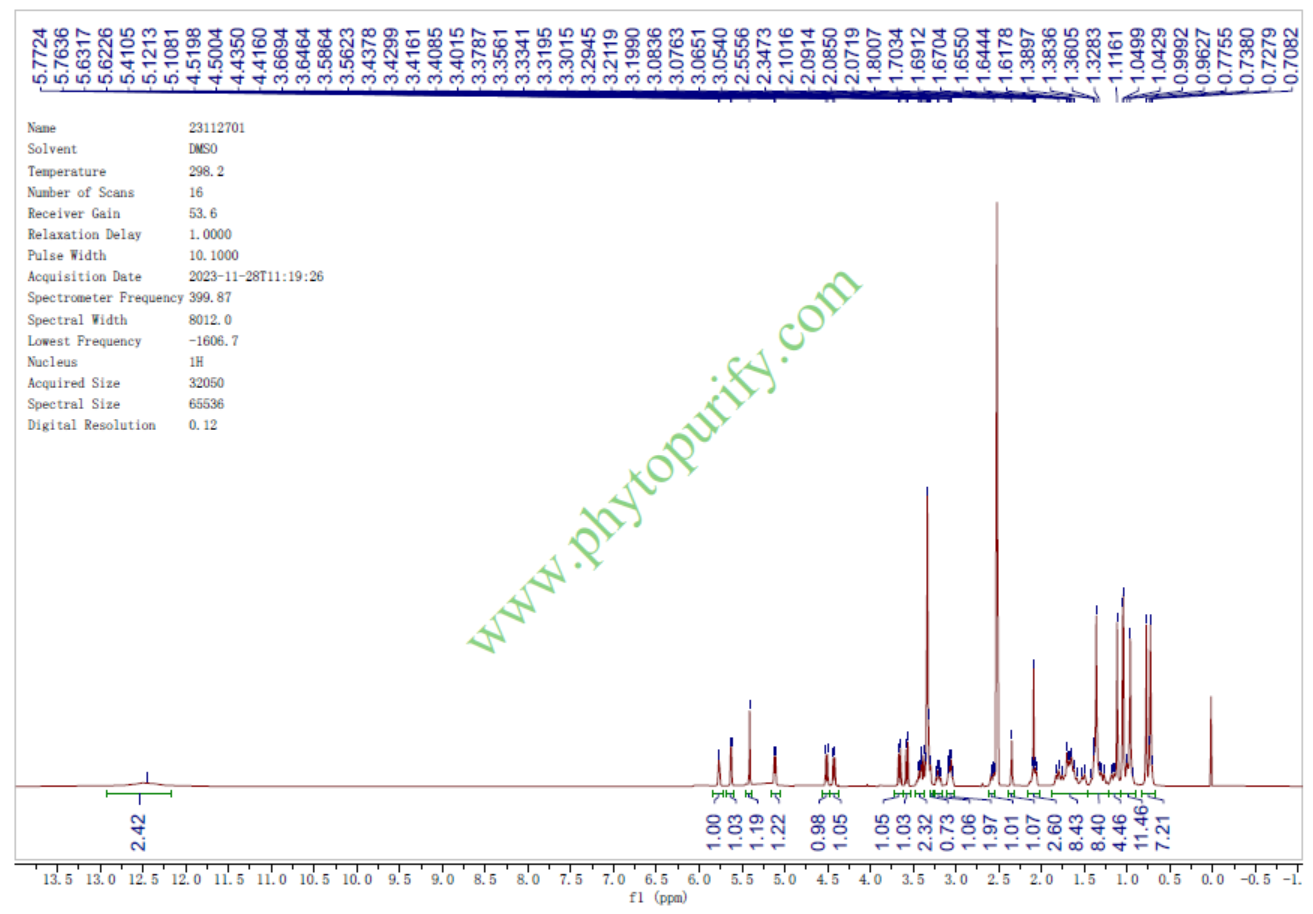
Identification Method: Mass, NMR
Packing: Brown vial or HDPE plastic bottle
Storage: Store in a well closed container, protected from air and light. Put into refrigerate or freeze for long term storage.
Whenever possible, you should prepare and use solutions on the same day. However, if you need to make up stock solutions in advance, we recommend that you store the solution as aliquots in tightly sealed vials at -20℃. Generally, these will be useable for up to two weeks.
The product could be supplied from milligrams to grams, up to kilograms
Inquire for bulk scale.
Descriptions:
Glycyrrhizic acid has immunoregulatory function,it(up to 100 mg/ml) can inhibit interleukin-6 and elevate interleukin-10 production in lipopolysaccharide-activated macrophages, and significantly inhibit proliferation of spleen lymphocytes; rectally administered glycyrrhizic acid has significant protective effects against TNBS-induced colitis in rats.[1]
Glycyrrhizic acid and 18β-glycyrrhetinic acid may provide an anti-inflammatory effect by attenuating the generation of excessive NO, PGE(2), and ROS and by suppressing the expression of pro-inflammatory genes through the inhibition of NF-κB and PI3K activity, might serve as potential agents for the treatment of inflammatory-mediated diseases.[2]
Glycyrrhizic acid offers radioprotection by scavenging free radicals.[3]
Glycyrrhizic acid is the antiviral component of Glycyrrhiza uralensis Fisch. against coxsackievirus A16 and enterovirus 71 of hand foot and mouth disease with distinct mechanisms.[4]
References:
[1] Liu Y, Xiang J, Liu M, et al. Lat Am J Pharm , 2011, 63(3):439-46.
[2] Wang CY, Kao TC, Lo WH, et al.Journal of Agricultural & food Chemistry, 2011, 59(14):7726-33.
[3] Wang D, Pang Y X, Wang W Q, et al. Biochem Syst Ecol, 2013, 50(7):93-100.
[4] Wang J, Chen X, Wei W, et al. J Ethnopharmacol, 2013, 147(1):114-21.
[5] Miao H, Qian Y, Xue L, et al. Primary Journal of Chinese Materia Medica, 2000,(5):17-18.
HNMR of Glycyrrhizic acid
HPLC of Glycyrrhizic acid
Storage conditions:Short-term storage at 2~8℃, long-term storage at -20 ~ -80℃
267.0400
2.3506
-.6100
.1297
.5179
.4612
Low
84.8732
5.9290
No
No
Yes
No
Yes
No
0.0
Yes
No
No
No
Licorice, as one of the most widely used herbs in traditional medicine, has a medicinal history spanning thousands of years. Its functions of "harmonizing various medicines", "detoxifying", "tonifying the spleen and nourishing qi" are recorded in classics such as the "Shennong Bencao Jing". Modern pharmacological research has revealed that the many biological activities of licorice are mainly attributed to its rich triterpenoid saponins, among which glycyrrhizic acid (GL) is the most abundant and extensively studied core active ingredient. As a unique glucosylated pentacyclic triterpenoid saponin, glycyrrhetinic acid not only gives licorice its unique sweetness, but also exhibits remarkable multi-target and multi pathway pharmacological activity.
In recent years, with the development of molecular biology and systems pharmacology, the research on glycyrrhetinic acid has expanded from traditional anti-inflammatory and hepatoprotective fields to cutting-edge hotspots such as antiviral, anti-tumor, immune regulation, and prevention and treatment of metabolic diseases. Especially its clear efficacy in combating hepatitis B virus (HBV) makes it a model for natural product antiviral research. In addition, as an antagonist of high mobility group protein B1 (HMGB1), the mechanism of action of glycyrrhetinic acid in regulating inflammation, cell necrosis, and tumor microenvironment has been gradually elucidated, providing new theoretical basis for its application in major diseases such as sepsis, autoimmune diseases, and cancer. This article aims to systematically review the chemical properties, pharmacological activities, molecular mechanisms of action, pharmacological characteristics, and clinical application prospects of glycyrrhetinic acid, in order to provide comprehensive academic references for the in-depth development and transformation research of this important natural product.
Glycyrrhetinic acid, with the chemical name 20 β - carboxy-11-oxo-30-n-oole-1-ene-3 β - yl-2-O - β - D-glucuronide - α - D-glucuronide, CAS number 1405-86-3. Its molecular formula is C42H62O16 and its molecular weight is 822.94 g/mol.
Structurally, glycyrrhetinic acid is a typical oleanane type pentacyclic triterpenoid saponin. Its glycoside is glycyrrhetinic acid, which connects two molecules of glucuronic acid through a glycosidic bond on the C-3 hydroxyl group of the glycoside. This unique dual glucuronic acid structure is the structural basis for its high water solubility and various biological activities. Glycyrrhetinic acid molecules contain multiple chiral centers, a 12 ene bond, an 11 carbonyl group, and a terminal carboxyl group, which are key sites for their interactions with various protein targets.
In terms of physical and chemical properties, glycyrrhetinic acid is a white or off white crystalline powder with an extremely sweet taste, about 200 times sweeter than sucrose. Its LogP value is 2.35, indicating a certain degree of lipophilicity. However, thanks to multiple hydroxyl and carboxyl groups, its topological polar surface area (TPSA) is as high as 267.04 Å ², indicating good hydrophilicity. The experimentally measured water solubility is about 0.13 mg/mL, which is slightly soluble. This amphiphilic characteristic affects its transmembrane absorption and in vivo distribution. Glycyrrhetinic acid can be hydrolyzed into glycyrrhetinic acid and two molecules of glucuronic acid under acidic conditions. It has good chemical stability, but should avoid strong light, high temperature, and strong acid and alkali environments.
Glycyrrhetinic acid mainly comes from the roots and rhizomes of various plants in the genus Glycyrrhiza in the legume family. The legal source included in the Chinese Pharmacopoeia is licorice(Glycyrrhiza uralensis Fisch.)、 Swelling fruit licorice(Glycyrrhiza inflata Bat. and licorice with light fruit(Glycyrrhiza glabra L.)。 Among them, licorice (Ural licorice) is the most widely used traditional variety in China, with a glycyrrhizic acid content typically ranging from 2% to 8%, depending on the place of origin, growth period, and harvest season.
The extraction and separation process of glycyrrhetinic acid is quite mature, mainly following the following steps:
1. preprocessing Dried licorice roots and stems are washed, sliced, or crushed to increase the contact area.
2. Extract The most commonly used methods are water extraction or dilute ammonia extraction. By utilizing the principle that the solubility of glycyrrhetinic acid increases after forming ammonium salts, soaking or percolating with approximately 0.5% ammonia water can significantly improve the extraction efficiency. In recent years, modern technologies such as ultrasound assisted extraction and microwave-assisted extraction have also been widely applied to shorten time, reduce energy consumption, and improve yield.
3. Precipitation and purification After concentration of the extract, adjust the pH to acidic (about pH 3) with sulfuric acid or hydrochloric acid. Glycyrrhetinic acid precipitates due to reduced solubility, resulting in crude product. This crude product is in the form of monoammonium salt or mixed salt of glycyrrhetinic acid. Further purification can be achieved by using recrystallization methods (commonly acetone water or ethanol water systems), macroporous adsorption resin methods (such as AB-8, D101 type resins), or preparative high-performance liquid chromatography to obtain high-purity glycyrrhetinic acid monomers.
4. transformation Sometimes, in order to obtain specific salt forms (such as diammonium glycyrrhizinate and monoammonium glycyrrhizinate commonly used in clinical practice), it is necessary to perform ion exchange or salt formation reaction on the crude product.
The integrated technology of green and efficient extraction and separation, as well as the comprehensive utilization of licorice medicinal materials (simultaneous extraction of licorice flavonoids, polysaccharides, etc.), are the current research trends in this field.
Glycyrrhetinic acid has a wide and complex pharmacological activity, and its research has penetrated from the organ level to the cellular and molecular levels.
Antiviral activity Antiviral, especially anti HBV activity, is the most recognized modern pharmacological effect of glycyrrhetinic acid. Glycyrrhetinic acid preparations (such as diammonium glycyrrhizinate) used in clinical practice are adjuvant therapy drugs for chronic hepatitis B. Research has shown that glycyrrhetinic acid can inhibit the replication of HBV-DNA and reduce the levels of viral antigens such as HBsAg and HBeAg in serum. Its function is not limited to HBV, but also has a certain inhibitory effect on herpes simplex virus, human immunodeficiency virus (HIV), severe acute respiratory syndrome coronavirus (SARS CoV), etc., demonstrating broad-spectrum antiviral potential.
Anti inflammatory and immune regulatory activity Glycyrrhetinic acid has significant steroid like anti-inflammatory effects, but without the serious side effects of glucocorticoids. It can inhibit the activity of phospholipase A2, cyclooxygenase-2 (COX-2), and lipoxygenase, and reduce the production of inflammatory mediators such as prostaglandins and leukotrienes. Meanwhile, it exerts immunomodulatory effects by regulating T lymphocyte subsets, inhibiting macrophage overactivation, and reducing the release of pro-inflammatory cytokines such as TNF - α, IL-1 β, IL-6. This makes it have therapeutic potential for inflammatory and immune diseases such as allergic dermatitis, asthma, and arthritis.
Liver protective activity The hepatoprotective mechanism of glycyrrhetinic acid is diverse. It can counteract damage caused by various liver injury factors (such as carbon tetrachloride, acetaminophen, alcohol, immune attack) through anti-inflammatory, anti lipid peroxidation, stable liver cell membrane, and promotion of liver cell regeneration pathways. Its anti HBV activity directly targets the etiology of viral hepatitis and constitutes an important part of its hepatoprotective effect.
Antitumor activity: Recent studies have found that glycyrrhetinic acid and its metabolite glycyrrhetinic acid can inhibit proliferation, induce apoptosis, and inhibit invasion and metastasis of many tumor cells (such as liver cancer, gastric cancer, breast cancer, prostate cancer, colon cancer, etc.). Its anti-tumor mechanism involves multiple aspects such as cell cycle arrest, activation of death receptor pathway, inhibition of nuclear factor kappa B (NF - κ B) signaling pathway, and anti angiogenesis.
Other activities In addition, glycyrrhetinic acid also exhibits pharmacological effects such as anti ulcer, cough and phlegm suppression, anti fibrosis (such as liver fibrosis and pulmonary fibrosis), neuroprotection, and improvement of insulin resistance, indicating its application value in the fields of digestive system, respiratory system, nervous system, and metabolic diseases.
The multiple pharmacological activities of glycyrrhetinic acid stem from its interactions with various biomolecules, and its mechanism of action network is gradually being mapped.
Direct anti HBV mechanism Glycyrrhetinic acid does not directly kill the virus, but interferes with the HBV lifecycle through multi-target targeting. Research has shown that it can interact with HBV polymerase (HBV-POL) and inhibit its reverse transcription activity; Downregulate the expression of HBx protein, which is a key factor in virus replication and host gene expression regulation; Interference with the synthesis and secretion of viral envelope proteins (such as HBsAg, PreS1); It may also affect the assembly and maturation of virus core particles. This multi link inhibitory effect makes it less likely to develop drug resistance.
HMGB1 antagonist effect HMGB1 is an important late stage inflammatory mediator and damage associated molecular pattern (DAMP) molecule. In sepsis, ischemia-reperfusion injury, autoimmune diseases, and tumors, HMGB1 is released in large amounts to the extracellular space and binds to Toll like receptors (TLR2/4) or receptor for advanced glycation end products (RAGE), triggering a strong inflammatory response. Glycyrrhetinic acid can directly bind to the A-box domain of HMGB1, competitively inhibiting its interaction with receptors, thereby blocking downstream NF - κ B and mitogen activated protein kinase (MAPK) signaling pathways, exerting strong anti-inflammatory and organ protective effects. This is one of the core mechanisms for its treatment of sepsis and systemic inflammation.
Regulation of enzyme activity Glycyrrhetinic acid is a potent inhibitor of 11 β - hydroxysteroid dehydrogenase type 2 (11 β - HSD2). This enzyme is responsible for converting active cortisol into inactive corticosteroids. Inhibition of 11 β - HSD2 will lead to the increase of local cortisol level, which will produce an effect similar to that of excessive mineralocorticoid. This is the main mechanism of the side effects of "pseudo aldosteronism" such as water sodium retention, hypertension and hypokalemia caused by long-term high-dose use of glycyrrhizic acid.
Signal pathway regulation Glycyrrhetinic acid can extensively affect key signaling pathways within cells. In addition to the NF - κ B and MAPK pathways mentioned above, it also plays a regulatory role in cell survival, proliferation, apoptosis, and inflammatory response by regulating phosphatidylinositol 3-kinase/protein kinase B (PI3K/Akt), signal transduction and transcription activators (STATs), Wnt/β - catenin, and other pathways.
Membrane stabilization effect Its amphiphilic structure allows it to insert into the phospholipid bilayer of the cell membrane, altering membrane fluidity and stabilizing lysosomal and mitochondrial membranes, preventing the leakage of harmful enzymes. This is related to its anti allergic and hepatoprotective effects.
Based on the provided pharmacological parameters and existing research, a comprehensive evaluation of the pharmacological properties of glycyrrhetinic acid is conducted
In order to enhance its medicinal properties, current research strategies include developing its salt forms (such as diammonium salts, magnesium salts) to improve solubility and stability; Preparation of novel drug delivery systems such as liposomes, nanoparticles, and microemulsions to improve oral bioavailability and targeting; And structural modification to synthesize derivatives with higher activity and fewer side effects.
Glycyrrhetinic acid is currently widely used in clinical practice, mainly in the form of injectable diammonium glycyrrhizinate, diammonium glycyrrhizinate enteric coated capsules, compound glycyrrhizin tablets, etc. It is used to treat chronic viral hepatitis, eczema dermatitis, drug-induced liver injury, etc. However, its enormous therapeutic potential is far from being fully exploited.
Glycyrrhetinic acid, a natural triterpenoid saponin derived from ancient herbs, has undergone the baptism of modern science and evolved from a traditional sweetener and conditioner to a star compound with a wide range of pharmacological effects and constantly revealed molecular mechanisms. It is like a polyhedron, showcasing the unique value of natural products in dealing with complex human diseases from multiple dimensions such as antiviral, anti-inflammatory, hepatoprotective, and anti-tumor. As a new role of HMGB1 antagonist, it has pushed it to the forefront of solving modern medical problems such as sepsis and autoimmune diseases.
Despite challenges in oral absorption, targeting, and specific side effects, these bottlenecks are gradually being overcome through interdisciplinary innovation in pharmacy, medicinal chemistry, and molecular pharmacology. The research paradigm of glycyrrhetinic acid provides important reference for the modernization of active ingredients in other traditional Chinese medicines. Looking ahead to the future, with the continuous deepening of basic research and the continuous exploration of translational applications, glycyrrhetinic acid and its derivatives are expected to move from adjuvant therapy to core therapy in a broader spectrum of diseases, contributing more natural wisdom and strength to human health. The continuous research on it is not only an exploration of a single compound, but also a vivid epitome of the deep excavation and modern interpretation of the treasure trove of natural medicines.
