


Synonym name:
Catalogue No.: BP0423
Cas No.: 13657-68-6
Formula: C15H24O2
Mol Weight: 236.355
Botanical Source: Curcuma aeruginosa, Curcuma zedoaria and Curcuma wenyujin
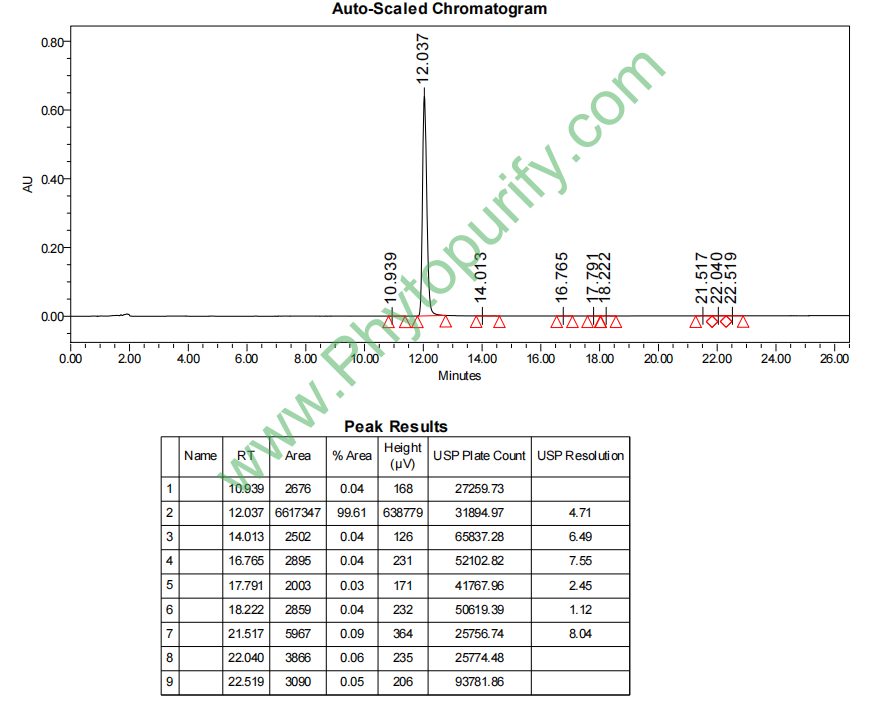
Purity: 95%~99%
Analysis Method: HPLC-DAD or/and HPLC-ELSD
Identification Method: Mass, NMR
Packing: Brown vial or HDPE plastic bottle
Can be supplied from milligrams to grams.
For Reference Standard and R&D, Not for Human Use Directly.
Inquire for bulk scale.
Description:
Curdione has anti-inflammatory, cancer chemopreventive activities, significant anti-platelet aggregation and antithrombotic activities , the inhibitory mechanism of curdione on platelet aggregation may increase cAMP levels and subsequently inhibit intracellular Ca2+ mobilization. plays an important role in the CYP3A4 inhibitory activity of C. aromatica.
References:
Asian Pac J Cancer Prev. 2014;15(22):9997-10001.
Curdione inhibits proliferation of MCF-7 cells by inducing apoptosis.
Curdione, one of the major components of Curcuma zedoaria, has been reported to possess various biological activities. It thus might be a candidate anti-flammatory and cancer chemopreventive agent. However, the precise molecular mechanisms of action of Curdione on cancer cells are still unclear. In this study, we investigated the effect of Curdione on breast cancer.
METHODS AND RESULTS:
Xenograft nude mice were used to detect the effect of Curdione on breast cancer in vivo; we also tested the effect of Curdione on breast cancer in vitro by MTT, Flow cytometry, JC-I assay, and western blot. Firstly, we found that Curdione significantly suppressed tumor growth in a xenograft nude mouse breast tumor model in a dose-dependent manner. In addition, Curdione treatment inhibited cell proliferation and induced cell apoptosis. Moreover, after Curdione treatment, increase of impaired mitochondrial membrane potential occurred in a concentration dependent manner. Furthermore, the expression of apoptosis-related proteins including cleaved caspase-3, caspase-9 and Bax was increased in Curdione treatment groups, while the expression of the anti-apoptotic Bcl-2 was decreased. Inhibitors of caspase-3 were used to confirm that Curdione induced apoptosis.
CONCLUSIONS:
Overall, our observations first suggested that Curdione inhibited the proliferation of breast cancer cells by inducing apoptosis. These results might provide some molecular basis for the anti-cancer activity of Curdione.
Thromb Res. 2012 Sep;130(3):409-14.
Inhibition of platelet aggregation by curdione from Curcuma wenyujin essential Oil.
Curdione, one of the major sesquiterpene compounds from Rhizoma Curcumae, has been shown to exhibit multiple bioactive properties. In this study, we investigated the anti-platelet aggregation and antithrombotic activities of Curdione with different methods both in vitro and in vivo. The purpose of the study was to explore an inhibitor of platelet aggregation, which promised to be a preventive or therapeutic agent for various vascular diseases.
METHODS AND RESULTS:
Curdione was isolated from the essential oil of Curcuma wenyujin using the silica gel column chromatography method. The effects of Curdione on human platelet aggregation induced by thrombin (0.3 U/ml), platelet-activating factor (PAF, 0.375 μg/ml), adenosine diphosphate (ADP, 10 μM) and arachidonic acid (AA, 0.1mg/ml) were tested in vitro, and the potential mechanisms underlying such activities were investigated. We also tested the antithrombotic effect of Curdione in a tail thrombosis model. Curdione preferentially inhibited PAF- and thrombin- induced platelet aggregation in a concentration-dependent manner (IC(50): 60-80 μM), whereas much higher concentrations of Curdione were required to inhibit platelet aggregation induced by ADP and AA. Curdione also inhibited P-selectin expression in PAF-activated platelets. Moreover, Curdione caused an increase in cAMP levels and attenuated intracellular Ca(2+) mobilization in PAF-activated platelets. In vivo, we also found that Curdione showed significant antithrombotic activity. Therefore, we conclude that the inhibitory mechanism of Curdione on platelet aggregation may increase cAMP levels and subsequently inhibit intracellular Ca(2+) mobilization. Furthermore, the effect observed in the tail thrombosis model might be explained completely by increased vasodilation.
CONCLUSIONS:
These results indicate that Curdione may be one of the main bioactive constituents in Rhizoma Curcumae that removes blood stasis.
HPLC of Curdione
Storage conditions:Short-term storage at 2~8℃, long-term storage at -20 ~ -80℃
34.1400
3.0063
3.0063
.2175
6.8650
20.4438
High
75.0681
4.2404
No
Yes
No
No
No
No
0.0
Yes
Yes
Yes
Yes
Natural products, as an important treasure trove for drug discovery, play an irreplaceable role in the history of human disease prevention and treatment. Among them, sesquiterpenes have always been a hot topic in medicinal chemistry and pharmacology research due to their structural diversity and wide range of biological activities. Curdione (CAS number: 13657-68-6), also known as (+) - Curdione, is a orally active bicyclic sesquiterpene compound isolated from traditional Chinese medicine plants of the Curcuma genus, such as Wenjujin and Guangxi Curcuma. Traditionally, medicinal herbs such as Curcuma zedoaria are commonly used for promoting blood circulation, removing blood stasis, promoting qi circulation, and relieving pain. Modern research has gradually revealed the multidimensional pharmacological effects of its active ingredient, Curcuma zedoaria ketone.
In recent years, with the development of molecular pharmacology and systems biology, research on curcumin has expanded from early anti-inflammatory and antiplatelet aggregation to multiple major disease fields such as anti-tumor, cardiovascular protection, neuroprotection, and anti fibrosis. Of particular note is its unique role in regulating cell death mechanisms (such as ferroptosis and apoptosis) and epigenetic modifications (such as m6A methylation and DNA methylation), providing a new molecular perspective for understanding its pleiotropy. This article aims to provide a systematic review of the chemical properties, plant sources, pharmacological activities, mechanisms of action, and medicinal properties of curcumin, and to explore its clinical application prospects, in order to provide scientific references for the deep development of this natural product.
The chemical name of curcumin ketone is (4S, 5S) -1,8-dimethyl-4-isopropylspiro [4.5] dec-8-en-2,7-dione, with a molecular formula of C15H24O2 and a molecular weight of 236.3550. Its basic skeleton is a typical Guaiane sesquiterpene, which contains a unique spiro [4.5] decene ring system, as well as one isopropyl side chain and two ketone carbonyl groups (located at C-2 and C-7 positions). This structural feature of coexistence of rigidity and flexibility is the basis for its interaction with multiple biological targets.
From the analysis of physical and chemical properties, the lipid water partition coefficient (LogP) of curcumin is 3.0063, indicating that it has good lipid solubility, which is beneficial for its penetration into cell membranes. Its topological polar surface area (TPSA) is 34.14 Å ², which is relatively small, further indicating its good membrane permeability. The water-soluble data (approximately 0.2175 mg/mL) indicates that it belongs to a poorly soluble compound, which may require consideration of solubilization strategies in formulation development. It is worth noting that the predictive model shows a high blood-brain barrier permeability, which is consistent with its pharmacological findings of neuroprotective effects in cerebral ischemia-reperfusion injury. In addition, preliminary pharmacological risk assessment showed that the hERG inhibition risk was negative, and the Ames test result was negative (0.0), indicating a low potential risk of cardiac and genetic toxicity, providing a favorable safety starting point for subsequent development.
Curcuma turmeric ketone mainly comes from the rhizomes of various plants in the Curcuma genus of the ginger family, among which Wen Yu Jin is one of them(Curcuma wenyujin)Guangxi Curcuma(Curcuma kwangsiensis)Hepeng Curcuma(Curcuma phaeocaulis)The content is relatively abundant. These plants have a long history of medicinal use in Asia, especially in China, Japan, and Southeast Asian countries.
Its extraction and separation usually follow the conventional process of natural product chemistry. Firstly, the dried rhizomes of Curcuma zedoaria are crushed and subjected to reflux extraction or ultrasound assisted extraction using organic solvents such as ethanol, methanol, or a mixture of petroleum ether and ethyl acetate. After vacuum concentration, the crude extract was preliminarily separated using silica gel column chromatography and developed using gradient elution systems such as petroleum ether ethyl acetate or petroleum ether acetone. The fraction containing curcumin can be traced and identified by thin layer chromatography (TLC) or high performance liquid chromatography (HPLC). Further purification is often carried out using preparative HPLC or repeated silica gel column chromatography to obtain high-purity curcumin monomers. Modern technologies such as high-speed countercurrent chromatography (HSCCC) are also used for their separation and purification due to their high efficiency and avoidance of adsorption losses. The extraction rate is influenced by various factors such as plant variety, place of origin, harvest season, and extraction process.
A large number of preclinical studies have shown that curcumin has broad and significant pharmacological activities, covering multiple disease fields.
Antitumor activity Curcuma longa ketone exhibits inhibitory activity against various tumor cells. It can not only inhibit tumor proliferation by inducing cell cycle arrest and apoptosis, but the latest research reveals that it can exert anti-tumor effects in colorectal cancer by inducing ferroptosis (a novel cell death mode driven by iron dependent lipid peroxidation). In addition, its anti proliferative effect on uterine leiomyosarcoma has also been confirmed.
Protective effect on cardiovascular system:
Anti inflammatory and immune regulation Curcuma zedoaria can significantly inhibit the production of prostaglandin E2 (PGE2) and the expression of cyclooxygenase-2 (COX-2) induced by lipopolysaccharides (IC50=1.1 μ M), demonstrating anti-inflammatory activity. In sepsis models, it reduces lung injury by inhibiting platelet mediated neutrophil extracellular traps (NETs) formation.
Anti organ fibrosis In the bleomycin induced pulmonary fibrosis model, curcumin can inhibit the transforming growth factor - β (TGF - β) signaling pathway, inhibit the differentiation of fibroblasts into myofibroblasts, and alleviate pulmonary tissue fibrosis.
Protective effect on the nervous system In a rat model of focal cerebral ischemia-reperfusion injury, curcumin showed clear neuroprotective effects, reducing the area of cerebral infarction and improving neurological deficits.
The pleiotropic pharmacological effects of curcumin stem from its regulation of complex biological networks, involving multiple key signaling pathways and molecular targets.
Regulating cell death and survival pathways:
Intervention in epigenetic modifications:
Regulating key cytokines and enzymes:
Despite the rich pharmacological activity exhibited by Curcuma zedoaria, its development as a drug candidate still requires systematic pharmacological evaluation.
The diverse pharmacological effects of curcumin provide potential for its application in multiple clinical fields.
However, there are still many challenges in its clinical application: firstly, it is necessary to solve its water solubility and bioavailability problems through structural modification or formulation optimization; Secondly, it is necessary to complete systematic and standardized preclinical pharmacological, pharmacokinetic, and toxicological studies to clarify their effective dosage and safety; Finally, its multi-target mechanism of action is both advantageous (pleiotropy) and may bring unpredictable side effects, which need to be closely monitored in clinical trials.
Future research should focus on: ① using chemical biology methods (such as photoaffinity labeled probes) to identify their direct target proteins; ② Conduct PK/PD research based on disease models and establish exposure effect relationships; ③ Explore its synergistic effects with other drugs such as immune checkpoint inhibitors and chemotherapy drugs; ④ Reasonable structural optimization is carried out to improve the drug properties while retaining the pharmacophore.
As a natural sesquiterpene compound derived from traditional Chinese medicine, curcumin is a successful example of modern research on the material basis of traditional Chinese medicine and innovative drug discovery. From the initial antiplatelet activity to the profound mechanisms demonstrated in cutting-edge fields such as ferroptosis and epigenetic regulation, the research process reflects the evolution of natural product pharmacology from phenotype observation to mechanism deepening. It is like a multi toothed key that can intervene at key nodes in the progression of multiple major diseases such as tumors, cardiovascular diseases, and fibrosis. Although there is still a long way to go in pharmacokinetic optimization, safety evaluation, and clinical validation before it can be converted into a clinical drug, the enormous potential and unique mechanism of action demonstrated by curcumin undoubtedly make it a valuable bridge connecting traditional medical wisdom with modern precision medicine. Continued in-depth research is not only expected to generate new therapeutic drugs, but also to further enrich our understanding of the complex regulatory network of life.
