Introduction/Overview
Natural products, as an important source of drug discovery, play an indispensable role in the long history of human struggle against diseases. Fungi, especially higher medicinal fungi, have attracted much attention due to their unique secondary metabolite libraries. Hericium erinaceus(Hericium erinaceus)As a rare fungus with medicinal and edible properties, it has a long history of consumption and medicinal use in East Asian countries such as China, Japan, and South Korea. Traditionally, Hericium erinaceus has been used to treat stomach diseases and enhance immunity, while modern pharmacological research has revealed its enormous potential in neuroprotection, anti-tumor, anti-inflammatory, and immune regulation. Among the numerous active ingredients of Hericium erinaceus, a class of diterpenoid compounds called "Erinacines" is particularly noteworthy. Among them, Erinacine A, as one of the earliest isolated and identified members with the most in-depth research, has become a research hotspot in the field of natural product pharmacology since its discovery in 1994.
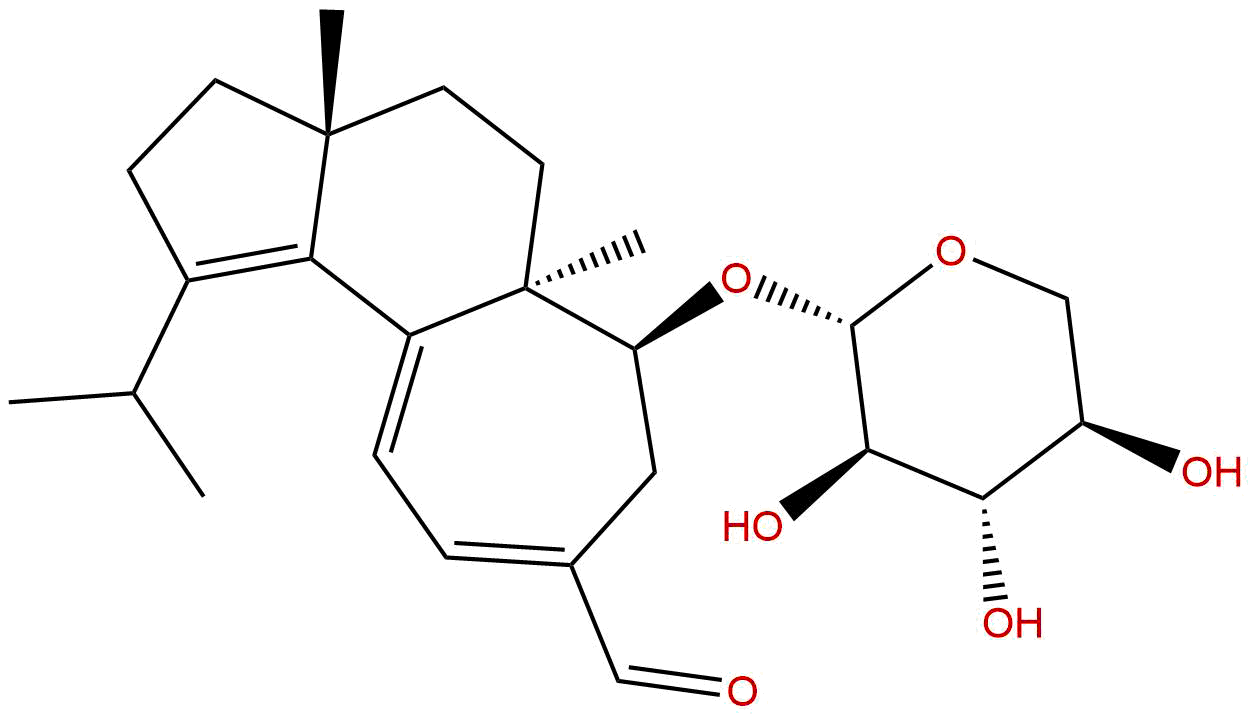
Hericium erinaceus polysaccharide A (Erinacine A), CAS number 156101-08-5, is a diterpenoid compound with a unique chemical skeleton. Its molecular formula is C ₂₅ H ∝₆ O ₆, and its molecular weight is 420.55. The most notable feature of this compound is its strong ability to induce neurotrophic factors (NFs) activity, particularly in promoting the synthesis and release of nerve growth factor (NGF). This discovery provides a new chemical entity and approach for the treatment of neurodegenerative diseases such as Alzheimer's disease (AD) and Parkinson's disease (PD). In addition, subsequent studies have revealed multiple pharmacological activities of Erinacine A in anti-inflammatory, antioxidant, anti-tumor, and cognitive function improvement aspects.
This review aims to systematically review the research progress of Erinacine A, starting from its chemical structure and physicochemical properties, and deeply explore its plant origin and extraction methods, detailed pharmacological activities, molecular mechanisms of action, drug evaluation and pharmacokinetic characteristics, and prospects for its clinical application prospects. By integrating existing research findings, this article will provide a comprehensive and in-depth academic reference for researchers in the fields of natural product chemistry, pharmacology, and drug development, with the aim of promoting this highly promising natural compound from the laboratory to clinical practice.
Chemical structure and physicochemical properties
Chemical structure analysis
Erinacine A belongs to the Hericium erinaceus polyol family, which is a class of structurally unique diterpenes with a core skeleton of cyathane type diterpenes. The Cyanane skeleton is a four ring system consisting of three six membered rings and one seven membered ring, with a high degree of stereochemical complexity. The chemical structure of Erinacine A is composed of the following key features:
- core skeleton A highly oxidized cyathane diterpene parent nucleus. The parent nucleus contains a trans decalin system (A/B rings), a seven membered ring (C ring), and a furan ring (D ring). This unique four ring structure gives Erinacine A a distinct three-dimensional conformation compared to other diterpenoid compounds.
- Substituent group On the core skeleton, Erinacine A is connected to multiple important functional groups. Mainly includes:
- An acetoxy (- OAc) group, typically attached at the C-11 position.
- A hydroxyl (- OH) group located at C-12 position.
- A prenyl side chain connected to the C-3 position.
- A lactone ring or lactone structural unit that exists in the side chain is one of the key pharmacophores for its biological activity.
- Stereochemistry Erinacine A has multiple chiral centers, and its absolute configuration has been determined by X-ray crystallography and other methods. Accurate stereoconfiguration is crucial for its binding to target proteins.
Physicochemical properties
Based on the provided pharmacological parameters and literature data, the physicochemical properties of Erinacine A can be summarized as follows:
- Molecular weight and formula The molecular weight is 420.5500 g/mol, and the molecular formula is C ₂₅ H ∝₆ O ₆. This molecular weight is within the reasonable range of small molecule drugs.
- Lipid water partition coefficient (LogP)The LogP value is 3.0. This indicates that Erinacine A has moderate lipophilicity, which is soluble in organic solvents such as methanol, ethanol, and dimethyl sulfoxide, as well as some water solubility. LogP 3.0 meets the Lipinski "Five Rules" requirement of LogP<5, indicating its good membrane permeability potential.
- Topological Polarity Surface Area (TPSA)TPSA is 103.88 Å ². TPSA is an important parameter for predicting drug oral absorption and blood-brain barrier permeability. It is generally believed that compounds with TPSA<140 Å ² have good oral absorption potential, while compounds with TPSA>70 Å ² are not conducive to penetrating the blood-brain barrier. The TPSA value of Erinacine A (103.88 Å ²) happens to be in a critical region, which is consistent with its predicted result of "blood-brain barrier: No", suggesting that it may have difficulty freely crossing the blood-brain barrier, posing a challenge for its application in central nervous system diseases.
- Number of hydrogen bond acceptors 6 of them. This meets the requirement of Lipinski's rule that the number of hydrogen bond acceptors should be less than 10.
- solubility Based on its LogP and TPSA, Erinacine A has good solubility in polar solvents, but its solubility in water may be limited. Its precise water solubility data needs to be determined through experiments.
- Stability As a natural product containing multiple functional groups, Erinacine A may be unstable under acidic, alkaline, or high-temperature conditions. Its storage usually requires a low temperature, dark, and dry environment.
Plant sources and extraction methods
Main source
The main source of Erinacine A is Hericium erinaceus(Hericium erinaceus)The mycelium or fruiting body. It is worth noting that Erinacine A does not accumulate in large quantities in the fruiting body, but is more abundant in the mycelium of liquid deep fermentation or solid culture. This discovery is of great significance for industrial production, as fermentation engineering can produce mycelium on a large scale and in a controllable manner, thereby obtaining sufficient Erinacine A and avoiding resource limitations that rely on wild or artificially cultivated fruiting bodies.
In addition, the content of Erinacine A is influenced by various factors, including strain, medium composition, culture conditions (temperature, pH, light, ventilation), and culture time. Therefore, optimizing the fermentation process is the key to increasing the yield of Erinacine A.
Extraction and purification methods
The extraction and purification of Erinacine A from the mycelium of Hericium erinaceus usually follows the following steps:
- Raw material pretreatment Freeze dry or low-temperature dry the harvested mycelium, and then crush it into fine powder.
- Solvent extraction Using the lipophilicity of Erinacine A, polar organic solvents are often used for extraction. The most commonly used solvents are methanol or ethanol (such as 95% ethanol). The extraction methods include:
- Cold soaking method Soak the mycelium powder in a solvent at room temperature and repeat multiple times.
- Hot reflux extraction Reflux extraction under heating conditions is more efficient, but attention should be paid to temperature control to avoid degradation of active ingredients.
- Ultrasound assisted extraction Utilizing the cavitation effect of ultrasound to accelerate cell wall fragmentation and component dissolution is an efficient and gentle method.
- Supercritical fluid extraction Using CO ₂ as a solvent has the advantages of being green, residue free, and highly selective, but the equipment cost is relatively high.
- Preparation of crude extract Filter and concentrate the extract under reduced pressure to obtain a paste or crude extract.
- Preliminary separation Crude extracts typically contain a large amount of lipids, pigments, and other impurities. The commonly used preliminary separation methods include:
- Liquid-liquid extraction Use solvents of different polarities (such as petroleum ether, ethyl acetate, n-butanol) for fractional extraction to enrich Erinacine A in specific polar regions.
- Macroporous resin column chromatography Using macroporous adsorption resins such as Diaion HP-20 and XAD series, gradient elution with ethanol water systems of different concentrations can effectively remove impurities such as sugars and pigments.
- Fine purification This is a key step in obtaining high-purity Erinacine A, mainly relying on various chromatographic techniques:
- silica gel column chromatography Use solvent systems such as chloroform methanol and petroleum ether acetone in different ratios for isocratic or gradient elution.
- Reverse phase silica gel column chromatography Using C18 or C8 reverse phase silica gel with methanol water or acetonitrile water system for elution results in better separation efficiency.
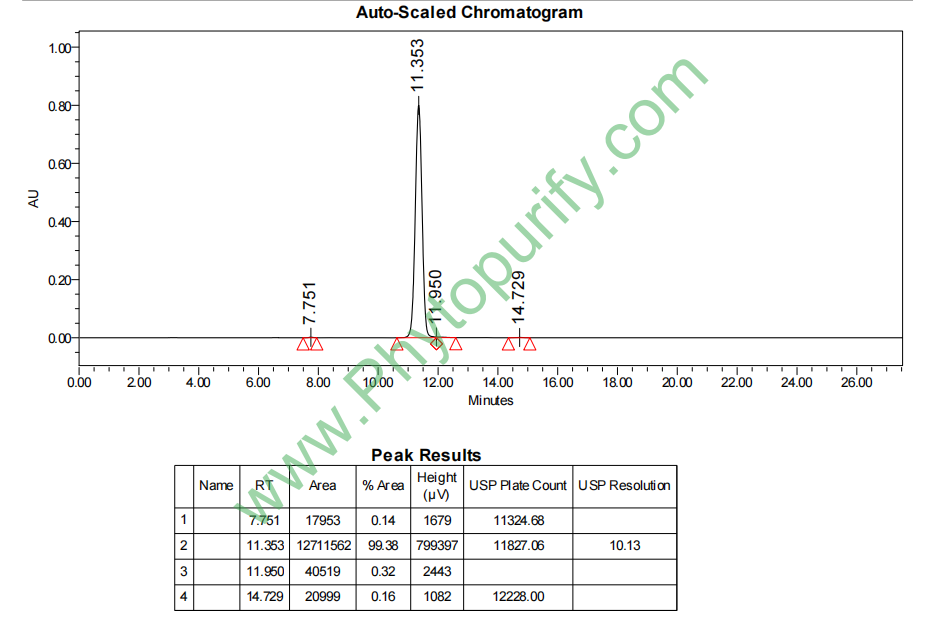
- High performance liquid chromatography (HPLC)Preparation HPLC is the most effective method for obtaining high purity (>98%) Erinacine A. Usually, a C18 reverse phase chromatography column is used, with acetonitrile water or methanol water as the mobile phase, and monitored by a UV detector (such as 210 nm or 254 nm).
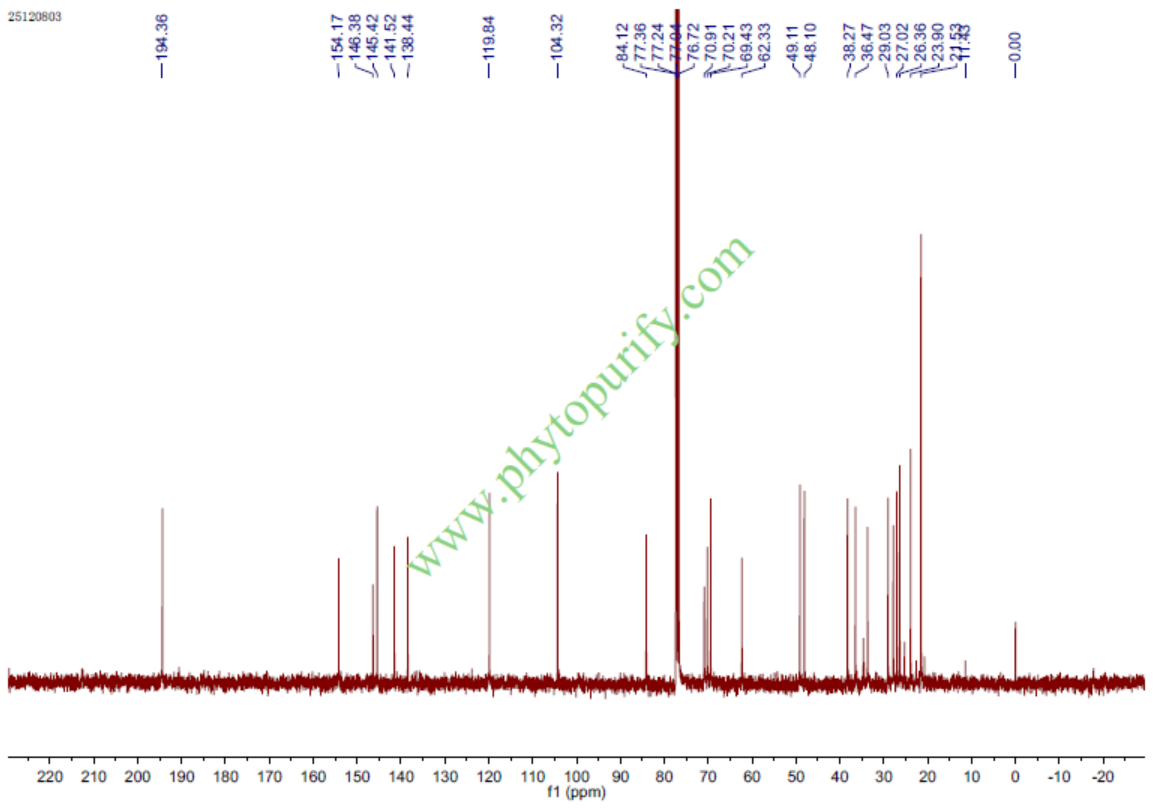
- Structural Identification The purified compound was structurally confirmed by nuclear magnetic resonance spectroscopy (NMR), mass spectrometry (MS), infrared spectroscopy (IR), and ultraviolet spectroscopy (UV), and compared with literature data.
Pharmacological activity research
The pharmacological activity research of Erinacine A mainly focuses on its protective and reparative effects on the nervous system, and also involves multiple fields such as anti-inflammatory and anti-tumor effects.
Neuronutrition and neuroprotective activity
This is the most core and highly anticipated pharmacological activity of Erinacine A.
- Inducing NGF synthesis Multiple in vitro studies have shown that Erinacine A can significantly promote the synthesis and secretion of NGF in rat astrocytes and human glioma cells (such as 1321N1 cells). Activity can be observed at low concentrations (such as 1-100 nM) and is dose-dependent. NGF is an essential neurotrophic factor for maintaining the survival, growth, and differentiation of central cholinergic neurons, and its decreased levels are closely related to neurodegenerative diseases such as AD.
- Promote neurite outgrowth In the PC12 cell model (rat pheochromocytoma cells, commonly used for neural differentiation research), Erinacine A can induce the extension and growth of neurites, similar to the effect of NGF itself. This indicates that Erinacine A not only promotes the synthesis of NGF, but may also simulate or enhance the signaling pathway of NGF.
- Neuroprotective effect:
- Combat the toxicity of β - amyloid protein (A β)In AD cell models, Erinacine A pretreatment can significantly alleviate neuronal toxicity induced by A β oligomers, reduce cell apoptosis, and improve synaptic function.
- Combat oxidative stress Erinacine A can clear free radicals and increase the activity of intracellular antioxidant enzymes such as superoxide dismutase (SOD) and glutathione peroxidase (GSH Px), thereby protecting neurons from oxidative damage.
- Combat glutamate excitotoxicity In the glutamate induced neuronal damage model, Erinacine A exhibits a protective effect, which may be achieved by regulating calcium homeostasis and inhibiting apoptosis pathways.
anti-inflammatory activity
Chronic neuroinflammation is an important pathological feature of diseases such as AD and PD. Research has shown that Erinacine A has significant anti-inflammatory effects:
- Inhibition of microglial activation Microglia are innate immune cells in the central nervous system. Under lipopolysaccharide (LPS) stimulation, microglia are overactivated and release a large amount of pro-inflammatory cytokines (such as TNF - α, IL-1 β, IL-6) and nitric oxide (NO). Erinacine A can effectively inhibit LPS induced activation of microglia and reduce the release of pro-inflammatory cytokines.
- Regulating the NF - κ B pathway The anti-inflammatory mechanism is partially achieved by inhibiting the activation of the nuclear factor kappa B (NF - κ B) signaling pathway. NF - κ B is a key transcription factor that regulates inflammatory responses.
Improve cognitive function
Based on its neurotrophic and anti-inflammatory activity, Erinacine A has been shown to improve cognitive function in animal models
- Improving cognitive impairment in AD model mice In transgenic AD mouse models (such as APP/PS1 mice), long-term oral or intraperitoneal injection of Erinacine A can significantly improve the learning and memory abilities of mice in behavioral tests such as Morris water maze and Y maze.
- Promote hippocampal neurogenesis Erinacine A treatment can increase the proliferation of neural stem cells and the number of newly generated neurons in the hippocampal dentate gyrus region, which is considered one of the cellular foundations for its improvement of cognitive function.
Other activities
- Antitumor activity There are research reports that Erinacine A has inhibitory effects on proliferation and induces apoptosis in certain tumor cell lines (such as gastric cancer and colon cancer cells), but its activity is much weaker than its neurotrophic activity, and research is relatively limited.
- immunomodulation Preliminary studies suggest that Erinacine A may have a regulatory effect on the function of immune cells such as macrophages and T cells, but the specific mechanism is not yet clear.
Mechanism of action and molecular targets
The multiple pharmacological activities of Erinacine A involve complex molecular mechanisms and multiple potential targets. The current research mainly reveals the following key pathways:
Neurotrophic factor signaling pathway
- TrkA/p75NTR receptor Although Erinacine A itself is not NGF, it may indirectly activate NGF receptors. Research has shown that Erinacine A-induced NGF synthesis may be achieved by activating its downstream TrkA (tropomyosin receptor kinase A) and p75NTR (p75 neurotrophic factor receptor) signaling pathways. The activation of TrkA initiates a cascade of survival and differentiation promoting signaling pathways such as Ras/MAPK/ERK and PI3K/Akt.
- CAMP response element binding protein (CREB)CREB is a key transcription factor that regulates the transcription of NGF genes. Erinacine A may phosphorylate CREB by activating upstream kinases such as PKA, CaMKII, MAPK, thereby enhancing transcription of the NGF gene.
Anti inflammatory and antioxidant mechanisms
- NF - κ B pathway As mentioned earlier, Erinacine A inhibits the phosphorylation and degradation of I κ B α, preventing the nuclear translocation of NF - κ B p65 subunit, thereby suppressing its transcriptional activity and reducing the expression of pro-inflammatory factors (TNF - α, IL-1 β, iNOS, COX-2).
- Nrf2/ARE pathway Nuclear factor E2 related factor 2 (Nrf2) is a core regulatory factor of the cellular antioxidant defense system. Erinacine A may enhance the antioxidant capacity of cells by activating Nrf2, which dissociates from Keap1 and translocates into the nucleus, binds to antioxidant response elements (ARE), and initiates the gene expression of a series of downstream antioxidant enzymes (such as HO-1, NQO1, SOD, GSH).
Anti apoptotic and pro survival mechanisms
- PI3K/Akt pathway Erinacine A can activate the phosphatidylinositol 3-kinase (PI3K)/protein kinase B (Akt) signaling pathway. Activated Akt can phosphorylate and inhibit pro apoptotic proteins Bad and Caspase-9, while activating pro survival protein mTOR, thereby inhibiting cell apoptosis and promoting cell survival.
- Mitochondrial protection Erinacine A may inhibit the release of cytochrome c by maintaining mitochondrial membrane potential, thereby blocking the mitochondrial mediated endogenous apoptosis pathway.
Potential direct molecular targets
Although the aforementioned signaling pathways have been widely reported, the direct molecular targets of Erinacine A (i.e. its "receptors" or "binding proteins") have not yet been fully elucidated. This is a critical scientific problem that urgently needs to be solved. At present, some hypotheses and preliminary evidence point to:
- G protein coupled receptor (GPCR)Some studies speculate that Erinacine A may act on an unknown GPCR, thereby initiating downstream signaling cascades.
- kinase It may directly bind to and regulate the activity of certain protein kinases, such as PKA and PKC.
- transcription factor It may also directly interact with certain transcription factors such as CREB and NF - κ B, affecting their activity.
Identifying the direct target of Erinacine A will be a key focus of future research, which is crucial for understanding its precise pharmacological mechanism, optimizing its structure, and developing more efficient and specific derivatives.
Evaluation of drug properties and pharmacokinetics
Drugability assessment
According to the provided parameters and literature analysis, the pharmacological properties of Erinacine A exhibit a combination of opportunities and challenges.
-
Advantage:
- Comply with the "Five Rules"The molecular weight (420.55<500), LogP (3.0<5), and number of hydrogen bond acceptors (6<10) all comply with Lipinski's rule, indicating its good oral absorption and drug like potential.
- High activity and novel mechanism Its activity in inducing NGF synthesis is at the nanomolar level, and its mechanism of action is novel, which is different from existing neurodegenerative disease treatment drugs.
- Multiple pharmacological activities Combining multiple functions such as neurotrophic, anti-inflammatory, and antioxidant, it conforms to the concept of multi-target treatment for complex diseases such as AD.
-
challenge:
- Blood-brain barrier permeability This is the biggest obstacle to its development as a central nervous system drug. The TPSA value (103.88 Å ²) and predicted result (No) both indicate that it is difficult for it to freely penetrate the BBB. How to improve its BBB permeability (such as through prodrug design, nanocarrier delivery, intranasal administration, etc.) is the key to transformation.
- Metabolic stability As a natural product, its metabolic stability in vivo is unknown. The ester bonds (acetoxy) and hydroxyl functional groups present in the molecule may become metabolic sites, leading to rapid clearance.
- Toxicity and Safety Hepatotoxicity, cardiotoxicity, hERG inhibition, and Ames test results are all "unknown". These are key safety indicators that must be evaluated in drug development. The lack of these data is currently a major gap.
- Water solubility Although LogP is moderate, specific water solubility data is lacking. Poor water solubility may affect its formulation development and oral bioavailability.
pharmacokinetics
At present, research on the in vivo pharmacokinetics (ADME) of Erinacine A is very limited, and there are few publicly published literature. The known information mainly comes from animal experiments:
- absorb After oral administration, Erinacine A can be absorbed, but its bioavailability may not be high. Its absorption may be influenced by intestinal metabolism and the efflux of P-glycoprotein (P-gp).
- distribution After intravenous injection, its distribution in the body is still unclear. Due to the poor permeability of BBB, its concentration in brain tissue may be much lower than that in plasma. This is the main bottleneck in its pharmacokinetics.
- Metabolism It is speculated that metabolism is mainly carried out in the liver through the cytochrome P450 enzyme system (CYP450) and esterases. The hydrolysis of acetyl groups and the glucuronidation or sulfation of hydroxyl groups may be the main metabolic pathways.
- excretion Metabolites may be mainly excreted through bile and urine.
Summary The pharmacokinetic study of Erinacine A is still in its early stages and there is a severe lack of data. Future research must systematically conduct ADME studies in animals, clarify their absorption characteristics, tissue distribution (especially brain/plasma ratio), metabolic pathways, and excretion modes, and evaluate their oral bioavailability. These data are the key to determining whether it can become a candidate drug.
Clinical application prospects and prospects
Clinical application prospects
Based on its powerful neurotrophic and neuroprotective activity, the most promising clinical application areas for Erinacine A are Treatment of neurodegenerative diseases Especially:
- Alzheimer's disease (AD)Erinacine A is expected to become a Disease Modifying Therapy (DMT) that improves cognitive function and delays disease progression in AD patients by inducing NGF synthesis, inhibiting A β toxicity, anti-inflammatory, antioxidant, and promoting neurogenesis. Its multi-target mode of action is particularly suitable for complex diseases such as AD.
- Parkinson's disease (PD)The characteristic of PD is the progressive loss of dopaminergic neurons in the substantia nigra of the midbrain. NGF has a protective effect on cholinergic neurons in the basal forebrain, while the antioxidant and anti-inflammatory effects of Erinacine A may also protect dopaminergic neurons. Therefore, it may also have therapeutic potential for PD.
- Ischemic stroke In the model of cerebral ischemia-reperfusion injury, Erinacine A may exert neuroprotective effects through anti apoptotic and antioxidant mechanisms, reducing infarct volume and improving neurological deficits.
- Peripheral nerve injury and lesions Since NGF plays an important role in sensory neurons and sympathetic neurons, Erinacine A may also be used to promote peripheral nerve regeneration and treat diabetes peripheral neuropathy.
In addition, its anti-inflammatory activity also suggests that it Inflammatory diseases There may be application value in diseases such as enteritis and arthritis, but research in this area is far less in-depth than in the field of the nervous system.
Future research directions and challenges
To push Erinacine A from the laboratory to clinical applications, the following issues need to be addressed in the future:
- Clearly identify direct molecular targets This is the most fundamental scientific question. Identifying the proteins directly bound to it through chemical biology methods such as affinity chromatography, drug affinity reaction target stability DARTS, and cell thermal transition analysis CETSA will provide a solid foundation for understanding its mechanism of action and optimizing its structure.
- Breaking through the blood-brain barrier Developing an effective brain targeted delivery system is the key to success or failure. The strategy includes:
- Prodrug design Modify the hydroxyl or carboxyl group of Erinacine A by attaching a group that can be specifically cleaved and released in the brain (such as esters or phosphates).
- nanocarrier Erinacine A is encapsulated in liposomes, polymer nanoparticles, solid lipid nanoparticles, or mesoporous silica nanoparticles, and surface modified with ligands targeting receptors on the BBB (such as transferrin, lactoferrin, ApoE peptide).
- nasal delivery Using the nasal brain pathway, drugs are directly delivered to the central nervous system, bypassing the BBB.
- Systematically conduct pharmacokinetic and toxicological studies It is necessary to complete a full set of preclinical safety evaluations, including ADME, single and repeated dose toxicity, genetic toxicity, and reproductive toxicity, in both rodent and non rodent animals.
- Optimize the relationship between structure and structure performance Based on target and pharmacokinetic data, the skeleton of Erinacine A was modified to synthesize a series of derivatives in order to obtain candidate compounds with higher activity, better selectivity, better BBB permeability, and more stable metabolism.
- Explore combination therapy Combining Erinacine A with existing AD treatment drugs (such as donepezil, memantine) or other natural products with synergistic effects may result in better therapeutic outcomes.
Conclusion
Erinacine A, a unique diterpenoid compound derived from the traditional medicinal fungus Hericium erinaceus, stands out in the field of natural product pharmacology due to its excellent induction of neurotrophic factor synthesis activity and multiple neuroprotective effects. It is not only an important tool molecule for studying the mechanisms of neurodegenerative diseases, but also a lead compound with great potential for development. However, its clinical application path is not smooth, especially in terms of blood-brain barrier permeability and pharmacokinetic properties, which pose significant challenges. Future research needs to focus on elucidating its direct molecular targets, developing efficient brain targeted delivery systems, and systematically completing preclinical efficacy, pharmacokinetics, and toxicology evaluations. With the gradual resolution of these key scientific issues, Erinacine A and its derivatives have the potential to bring new therapeutic dawn to billions of patients with neurodegenerative diseases worldwide, truly achieving a magnificent transformation from "ancient fungi" to "modern medicines".