Introduction/Overview
Depression, as a common and serious mental disorder, continues to rise in its global prevalence and has become one of the main causes of disability and disease burden. Although existing antidepressants such as selective serotonin reuptake inhibitors (SSRIs) and serotonin norepinephrine reuptake inhibitors (SNRIs) have played important roles in clinical treatment, there are still limitations such as delayed onset, limited efficacy, significant side effects, and drug resistance. Therefore, searching for antidepressant lead compounds with novel mechanisms of action, high efficiency and low toxicity from traditional medicinal plants and natural products has become an important direction for new drug development.
Monkey head mushroom(Hericium erinaceus)As a medicinal and edible fungus, it has a long history of consumption and medicinal use in East Asia, traditionally used to treat stomach diseases and enhance immunity. In recent years, research has revealed the enormous potential of Hericium erinaceus in neuroprotection and promoting nerve growth, and its improvement effects on cognitive function, neurodegenerative diseases, and depression have attracted widespread attention. Hericene C is a type of secondary metabolite with unique biological activity isolated and identified from Hericium erinaceus, belonging to the monoterpene class of compounds. Since its first report, Hericium erinaceus C has become a research hotspot in the field of natural product pharmacology due to its potential antidepressant, neurotrophic, and anti-inflammatory activities.
This review aims to systematically review the research progress of Hericium erinaceus C, covering its chemical structure, physicochemical properties, plant sources and extraction methods, pharmacological activity, mechanism of action, drug evaluation, and clinical application prospects, in order to provide comprehensive references for the in-depth research and development of this natural product.
Chemical structure and physicochemical properties
The chemical structure of Hericene C belongs to the monoterpene class of compounds. Specifically, it is an isoprenylated phenolic derivative with a core skeleton consisting of a benzene ring and a monoterpene side chain. Its chemical name is usually 4- (3,7-dimethyl-2,6-octadienyl) -1,2-benzenediol or its derivatives, but it should be noted that there may be slight differences in the structure of Hericium erinaceus C reported in the literature, such as differences in the double bond position or oxidation state of the side chain. Its molecular formula is C ∝③ H ₄₄₉, and its molecular weight is 584.8820 g/mol. The molecular structure contains multiple hydroxyl and carbonyl groups, giving it a certain polarity, but overall it still exhibits strong lipophilicity.
In terms of physicochemical properties, the lipid water partition coefficient (LogP) of Hericium erinaceus C is as high as 10.9329, indicating its strong lipophilicity. It is highly soluble in organic solvents such as methanol, ethanol, ethyl acetate, chloroform, etc., but difficult to dissolve in water. Its topological polar surface area (TPSA) is 72.8300 Å ², indicating the presence of multiple polar groups in its molecule, but the overall polarity is still low. The solubility is extremely low, only 0.0036 mg/mL, which poses a challenge to its oral bioavailability and in vivo delivery. It is worth noting that its blood-brain barrier (BBB) penetration ability is predicted to be "high", which is consistent with its high lipophilicity and provides a favorable physicochemical basis for its role in the central nervous system (CNS). In addition, hERG inhibition prediction is negative, indicating a low risk of cardiac toxicity; The Ames test result was 0.0, indicating no significant mutagenicity. These preliminary pharmacological parameters provide positive signals for its potential as a CNS candidate drug.
Plant sources and extraction methods
Hericium erinaceus C mainly comes from the fungi of Basidiomycota, Hericium erinaceus family, and Hericium genus - Hericium erinaceus(Hericium erinaceus). This fungus usually grows on dead or live trees of broad-leaved trees, such as oak trees, walnut trees, etc. In addition to wild collection, Hericium erinaceus has achieved large-scale artificial cultivation, and its fruiting body and mycelium can be used as raw materials for extracting Hericium erinaceus C. The content of Hericium erinaceus C may vary significantly among different regions, cultivation conditions (such as medium composition, temperature, light), and growth stages (fruiting body maturity) of Hericium erinaceus. Usually, the content in the fruiting body is higher than that in the mycelium, and specific varieties or strains selected through mutagenesis may have higher yields.
The extraction method of Hericium erinaceus C is mainly based on its lipophilicity. The classic extraction process includes:
- Raw material pretreatment Crush and sieve the dried fruiting or mycelium of Hericium erinaceus to improve extraction efficiency.
- Solvent extraction Extract using organic solvents with lower polarity, such as methanol, ethanol, ethyl acetate, chloroform, or their mixed solvents. Usually, cold soaking (room temperature soaking) or hot reflux extraction methods are used. To improve the extraction rate and selectivity, ultrasound assisted extraction or microwave-assisted extraction techniques can be used.
- Concentration and preliminary separation Extract the liquid and concentrate it under reduced pressure to obtain a paste. The extract can be further subjected to liquid-liquid extraction using solvents of different polarities (such as petroleum ether, ethyl acetate, n-butanol) to enrich the target compound. Hericin C is usually enriched in the ethyl acetate extraction site.
- Chromatographic separation and purification This is a key step in obtaining high-purity Hericium erinaceus C. Common chromatographic techniques include:
- Silica gel column chromatography Use different ratios of petroleum ether ethyl acetate or chloroform methanol systems for gradient elution.
- Reverse phase column chromatography For example, an ODS (C18) column is used for elution using a methanol water or acetonitrile water system.
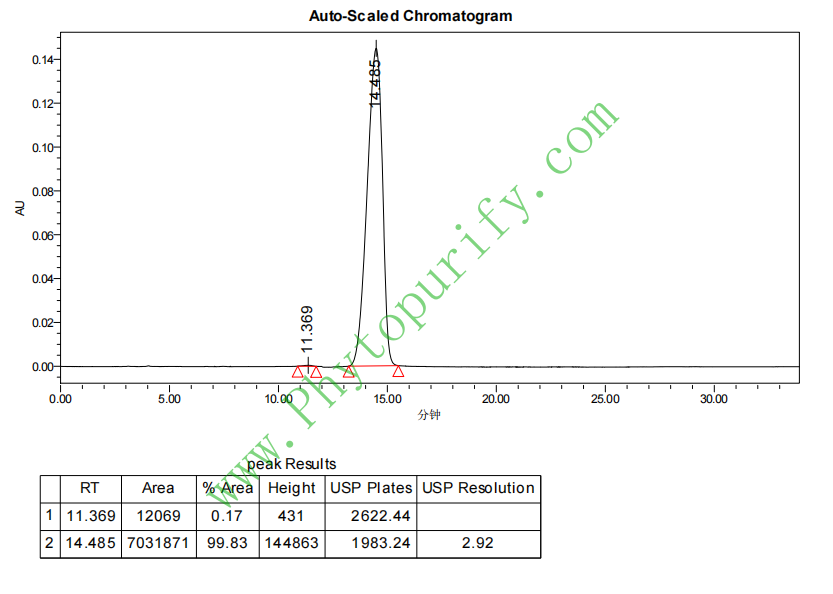
- High performance liquid chromatography (HPLC)Preparation HPLC is a commonly used method for obtaining high-purity monomer compounds, typically using a reverse phase C18 column with methanol water or acetonitrile water as the mobile phase.
- High Speed Counter Current Chromatography (HSCCC)As a liquid-liquid distribution chromatography technique, HSCCC has unique advantages in separating natural products with similar polarity, which can avoid irreversible adsorption of samples on solid stationary phases.
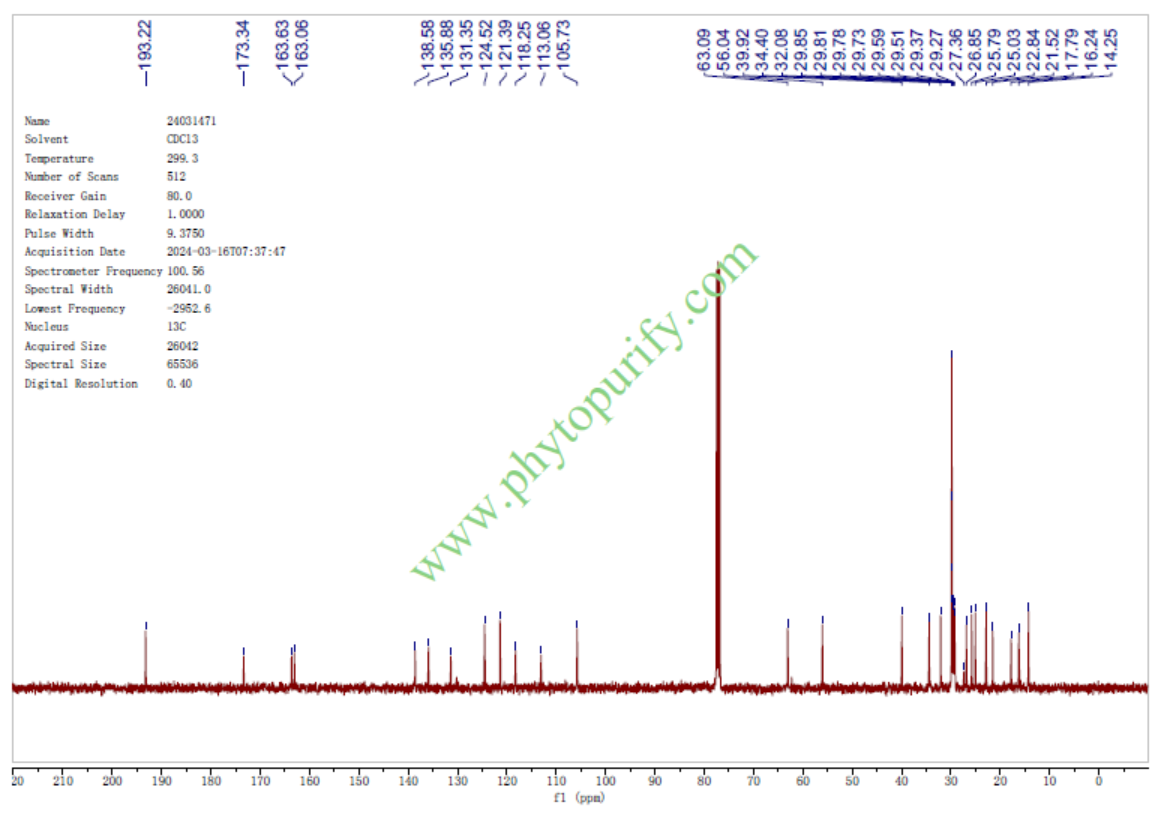
- Structural Identification The purified compound was structurally confirmed by techniques such as nuclear magnetic resonance spectroscopy (NMR), mass spectrometry (MS), infrared spectroscopy (IR), and ultraviolet spectroscopy (UV).
Pharmacological activity research
The pharmacological activity research of Hericium erinaceus C mainly focuses on its effects on the central nervous system, especially its antidepressant effects, as well as its involvement in neural nutrition, anti-inflammatory and antioxidant aspects.
Antidepressant activity
This is the pharmacological activity of Hericium erinaceus C that has received the most attention. Multiple in vitro and in vivo experiments have confirmed its antidepressant potential.
- in vitro experiment In the PC12 cell injury model induced by corticosterone, Hericium erinaceus C can significantly increase cell survival rate, inhibit cell apoptosis, and upregulate the expression of brain-derived neurotrophic factor (BDNF). Monkey head mushroom C can effectively inhibit the production of pro-inflammatory cytokines (such as TNF - α, IL-1 β, IL-6) and nitric oxide (NO) in BV-2 microglia stimulated by lipopolysaccharide (LPS), demonstrating anti neuroinflammatory effects.
- in vivo experiments In the classic chronic unpredictable mild stress (CUMS) mouse model, long-term administration of Hericium erinaceus C (usually orally or intraperitoneally at doses ranging from 10-50 mg/kg) significantly improved depressive like behavior in mice, including increased sugar preference (reflecting loss of pleasure), shortened immobility time in tail suspension and forced swimming experiments (reflecting behavioral despair). In addition, Hericium erinaceus C can reverse the downregulation of neurotrophic and synaptic plasticity related proteins such as BDNF, synaptophysin (SYN), and postsynaptic dense protein 95 (PSD95) induced by CUMS in the hippocampus.
Neuronutrition and neuroprotective activity
Hericin C has been proven to promote the growth of neural processes. In vitro cultured PC12 cells and primary hippocampal neurons, Hericium erinaceus C can significantly promote the extension and branching of neural processes, which may be related to the activation of TrkA receptors and downstream MAPK/ERK and PI3K/Akt signaling pathways. This neurotrophic activity is an important basis for its antidepressant effect, as the occurrence of depression is often closely related to impaired neural plasticity and reduced neurogenesis in brain regions such as the hippocampus.
Other activities
- anti-inflammatory activity As mentioned earlier, Hericium erinaceus C exhibits significant anti-inflammatory effects in LPS activated microglia by inhibiting the NF - κ B and MAPK signaling pathways, reducing the release of pro-inflammatory mediators.
- antioxidant activity The phenolic hydroxyl structure of Hericium erinaceus C endows it with certain free radical scavenging ability. In vitro DPPH and ABTS radical scavenging experiments showed moderate antioxidant activity. In cell models, it can reduce the levels of oxidative stress markers such as reactive oxygen species (ROS) and malondialdehyde (MDA), and enhance the activity of antioxidant enzymes such as superoxide dismutase (SOD) and catalase (CAT).
- Improve cognitive function In animal models, Hericium erinaceus C has also been reported to improve cognitive impairment induced by scopolamine or D-galactose, which may be related to its neurotrophic and anti-inflammatory effects.
Mechanism of action and molecular targets
The mechanism of antidepressant effect of Hericium erinaceus C is complex, involving the coordinated regulation of multiple targets and signaling pathways. According to existing research, its core mechanism can be summarized as follows:
Regulation of monoamine energy system
The classic monoamine hypothesis suggests that depression is associated with low levels of monoamine neurotransmitters (serotonin, norepinephrine, dopamine) in the brain. Hericin C may exert its effects by affecting monoamine metabolizing enzymes and transporters.
- Inhibition of monoamine oxidase (MAO)MAO is a key enzyme that degrades monoamine neurotransmitters, including MAO-A and MAO-B subtypes. Hericin C is predicted to be an inhibitor of MAO-A and MAO-B (related targets: MAOA, MAOB). By inhibiting MAO activity, the degradation of monoamine neurotransmitters can be reduced, thereby increasing the concentration of serotonin, norepinephrine, and dopamine in synaptic cleft and exerting antidepressant effects.
- Regulating 5-hydroxytryptamine transporter (SERT)SERT (encoded by the SLC6A4 gene) is responsible for reuptake of 5-hydroxytryptamine from the synaptic cleft back to presynaptic neurons. Hericin C may prolong the action time of serotonin in synaptic cleft by inhibiting SERT activity, similar to the mechanism of action of SSRIs. In addition, it may also act on serotonin receptors, such as HTR1A (5-HT1A receptor), which is an important target of antidepressants. Its excitatory or antagonistic effects can regulate serotonin neurotransmission.
Neurotrophic and synaptic plasticity pathways
Patients with depression often have neuronal atrophy and reduced synaptic connections in brain regions such as the hippocampus and prefrontal cortex. Hericium erinaceus C can significantly promote the expression and signal transduction of neurotrophic factors.
- Activate BDNF/TrkB/CREB pathway BDNF (brain-derived neurotrophic factor) is a key neurotrophic factor that promotes neuronal survival, growth, and synaptic plasticity. Hericin C can upregulate the expression of BDNF and activate its high affinity receptor TrkB. The activation of TrkB further initiates downstream signaling cascades, including the MAPK/ERK and PI3K/Akt pathways, ultimately leading to phosphorylation of the transcription factor CREB (cAMP response element binding protein). Phosphorylated CREB enters the nucleus and initiates a series of gene transcription related to neuronal survival, synapse formation, and neurogenesis. Therefore, BDNF, CREB1, etc. are the core targets of Hericium erinaceus C in exerting antidepressant effects.
- Inhibit GSK3 βGlycogen synthase kinase 3 β (GSK3B) is a multifunctional serine/threonine kinase, and its overactivity is associated with neuronal apoptosis and impaired synaptic plasticity. Hericin C may protect neurons, promote synaptic plasticity, and exert antidepressant effects by inhibiting the activity of GSK3 β (e.g., inactivating it through Akt mediated phosphorylation).
Regulation of neuroinflammation and oxidative stress
Chronic neuroinflammation and oxidative stress are important pathophysiological mechanisms of depression. Hericium erinaceus C exerts anti-inflammatory and antioxidant effects through the following pathways:
- Inhibition of NF - κ B and MAPK pathways In activated microglia, Hericin C can inhibit the phosphorylation and degradation of I κ B α, thereby preventing nuclear translocation of NF - κ B and reducing the production of pro-inflammatory cytokines (TNF - α, IL-1 β, IL-6) and inflammatory mediators (NO, PGE2). Meanwhile, it can also inhibit the phosphorylation of p38 MAPK and JNK, further weakening inflammatory signals.
- Enhance antioxidant defense Hericium erinaceus C can directly scavenge free radicals and activate the Nrf2/ARE pathway, upregulate the expression of antioxidant enzymes such as SOD, CAT, and HO-1, thereby reducing oxidative stress damage.
Other potential targets
- GABAergic system GABRA1 (GABA_A receptor alpha 1 subunit) is an important component of the GABA_A receptor. Hericium erinaceus C may enhance inhibitory neurotransmission by regulating the function of GABA_A receptors, thereby alleviating symptoms of anxiety and depression.
- Catechin-O-methyltransferase (COMT)COMT is a key enzyme for degrading dopamine and norepinephrine. Inhibiting COMT activity can increase dopamine levels in the prefrontal cortex, improve cognitive function and mood. Hericin C may have inhibitory effects on COMT.
In summary, the antidepressant mechanism of Hericium erinaceus C is a multi-target, multi pathway network regulation mode, covering multiple aspects such as the monoaminergic system, neurotrophication, synaptic plasticity, neuroinflammation, and oxidative stress. This distinguishes it from traditional antidepressants with a single mechanism of action and may have the advantages of faster onset, more comprehensive efficacy, and fewer side effects.
Evaluation of drug properties and pharmacokinetics
Based on the provided pharmacological parameters, Hericium erinaceus C exhibits potential as a CNS drug, but also faces significant challenges.
Pharmaceutical advantages
- High blood-brain barrier penetrability The LogP is as high as 10.9329, indicating its ability to efficiently penetrate the blood-brain barrier, which is a key prerequisite for the success of CNS drugs.
- Low risk of cardiac toxicity HERG inhibition prediction is negative, indicating a lower risk of prolonging QT interval and inducing arrhythmia.
- No genetic toxicity The Ames test result is 0.0, indicating that it has no mutagenicity and good safety.
- Multi-target effect Its mechanism of action involves multiple targets related to the pathophysiology of depression, which is in line with the concept of "multi-target drugs" in modern drug development and may lead to better efficacy and lower drug resistance.
Drug Challenge
- Extremely poor water solubility The water solubility is only 0.0036 mg/mL, which will be the biggest obstacle faced by oral administration. Extremely low water solubility can lead to poor oral absorption, low bioavailability, and difficulty in achieving effective blood drug concentrations. This requires the use of special formulation techniques, such as nanocrystals, liposomes, cyclodextrin inclusion complexes, solid dispersions, etc., to improve their dissolution and oral absorption.
- Extremely high lipophilicity LogP>5 is usually considered a warning line for "drug like" properties. High lipophilicity may lead to significant accumulation of drugs in adipose tissue, increasing the risk of toxicity; It can also lead to rapid metabolic clearance, short half-life, and potential metabolic drug drug interactions.
- Metabolic stability As a terpenoid compound, Hericium erinaceus C may be easily metabolized by cytochrome P450 enzymes (CYP450) in the liver, leading to significant first pass effects and further reducing oral bioavailability. Further research is needed on its metabolic pathways and the activity and toxicity of its metabolites.
Pharmacokinetic characteristics (prediction and preliminary study)
At present, there is very limited publicly available research data on the pharmacokinetics of Hericium erinaceus C in vivo. Based on its physicochemical properties and research on similar compounds, it can be inferred that:
- absorb Poor oral absorption and low bioavailability. It may be necessary to ensure in vivo exposure through intraperitoneal injection or intravenous administration.
- distribution Due to its high lipophilicity, it may have a large distribution volume and can be widely distributed in various tissues, especially the brain, fat, and liver.
- Metabolism The main metabolic pathways may include phase II metabolic reactions such as hydroxylation, glucuronidation, and sulfation, as well as CYP450 mediated oxidative metabolism.
- excretion Metabolites may be mainly excreted through bile and feces, while the amount of prototype drugs excreted through the kidneys may be minimal.
Future research urgently requires systematic pharmacokinetic experiments, including blood concentration time curves, tissue distribution, metabolite identification, and excretion pathway studies after oral and intravenous administration in different animal models, to comprehensively evaluate their in vivo behavior and provide a basis for formulation design and dosing regimen optimization.
Clinical application prospects and prospects
Hericium erinaceus C, as a natural product derived from traditional medicinal fungi, has shown promising prospects in the development of new antidepressant drugs.
Potential advantages and application directions
- New antidepressant drugs Its multi-target mechanism of action (simultaneously acting on the monoamine system, neurotrophic, anti-inflammatory, and antioxidant pathways) makes it a potential new antidepressant beyond traditional monoamine drugs, especially suitable for patients with refractory depression who have poor response to existing treatments.
- adjuvant therapy Hericium erinaceus C can be used as an adjuvant medication for existing antidepressants, enhancing efficacy through synergistic effects, or reducing the side effects of traditional drugs through its neurotrophic and anti-inflammatory effects.
- Comorbidity treatment of neurodegenerative diseases Given its neurotrophic and anti-inflammatory activities, Hericium erinaceus C may have a dual therapeutic effect on neurodegenerative diseases accompanied by depressive symptoms, such as Alzheimer's disease and Parkinson's disease. It can improve cognitive function and alleviate depressive emotions.
- Functional food/health products Based on its background of "medicinal food homology", Hericium erinaceus C or its extract rich in Hericium erinaceus C has the potential to be developed as a health food that improves mood, relieves stress, and promotes cognitive health.
Challenges faced and future research directions
Despite the promising prospects, the clinical translation of Hericium erinaceus C still faces many challenges, and future research should focus on:
- Improve bioavailability This is the most crucial challenge. Efficient formulation technologies such as nanoliposomes, polymer micelles, phospholipid complexes, and self microemulsifying drug delivery systems need to be developed to significantly improve their water solubility and oral absorption. Pre drug design is also a direction worth exploring.
- In depth pharmacokinetic research It is necessary to comprehensively elucidate its absorption, distribution, metabolism, and excretion (ADME) characteristics in the body, determine the main metabolites and their activity/toxicity, evaluate their interactions with CYP450 enzymes and transporters, and predict potential drug drug interactions.
- Toxicological evaluation of the system Long term, multi dose toxicology studies are required, including acute toxicity, chronic toxicity, reproductive toxicity, and carcinogenicity tests, to comprehensively evaluate its safety. Special attention should be paid to the potential tissue accumulation toxicity caused by high lipophilicity.
- In depth study of the mechanism of action Although multiple targets have been identified, the synergistic relationship between each target, the precise regulatory network of signaling pathways, and whether there are other key targets (such as epigenetic regulation) still need further clarification. Conduct systematic research using techniques such as gene knockout/knock in animal models, proteomics, and metabolomics.
- Study on Structure Activity Relationship By synthesizing analogs or derivatives of Hericium erinaceus C, the relationship between its chemical structure (such as side chain length, double bond position, hydroxyl number, etc.) and antidepressant activity, water solubility, metabolic stability is systematically studied, in order to obtain lead compounds with better pharmacological properties.
- Preclinical validity validation Validate its antidepressant efficacy in animal models that are closer to human pathophysiology, such as non-human primates, and evaluate its long-term drug tolerance and effectiveness.
- mass production Establish efficient, low-cost, and environmentally friendly processes for the extraction, purification, or chemical synthesis/biosynthesis of Hericium erinaceus C to meet the needs of future clinical research and industrialization.
Conclusion
Hericium erinaceus C, as a unique monoterpene compound in Hericium erinaceus, has demonstrated potential beyond traditional antidepressants due to its multi-target antidepressant mechanism, including regulation of the monoaminergic system, activation of the BDNF/TrkB/CREB neurotrophin pathway, inhibition of GSK3 β, and anti-inflammatory and antioxidant activities. Its excellent blood-brain barrier penetration and preliminary safety assessment (low hERG inhibition, no mutagenicity) provide an important basis for it as a candidate molecule for CNS drugs. However, the issue of bioavailability caused by extremely low water solubility and high lipophilicity is the biggest obstacle it faces from the laboratory to clinical practice. Future research must prioritize addressing this bottleneck in drug development, while conducting in-depth studies on pharmacokinetics, toxicology, and structure-activity relationships. With the advancement of modern pharmaceutical technologies such as nano delivery systems and medicinal chemistry, Hericium erinaceus C and its derivatives are expected to be developed into a safe, effective, and novel antidepressant drug, bringing new treatment options to billions of depression patients worldwide. The in-depth study of Hericium erinaceus C is not only a modern interpretation of the wisdom of traditional Chinese medicine, but also a vivid practice of innovative drug development in natural products.