


Product name: Isoacteoside
Synonym name: Isoverbascoside
Catalogue No.: BP0770
Cas No.: 61303-13-7
Formula: C29H36O15
Mol Weight: 624.592
Botanical Source: numerous plant spp., e.g. Castilleja linariaefolia , Rehmannia glutinosa , Plantago lanceolata
Physical Description: Powder
Type of Compound: Phenylpropanoids
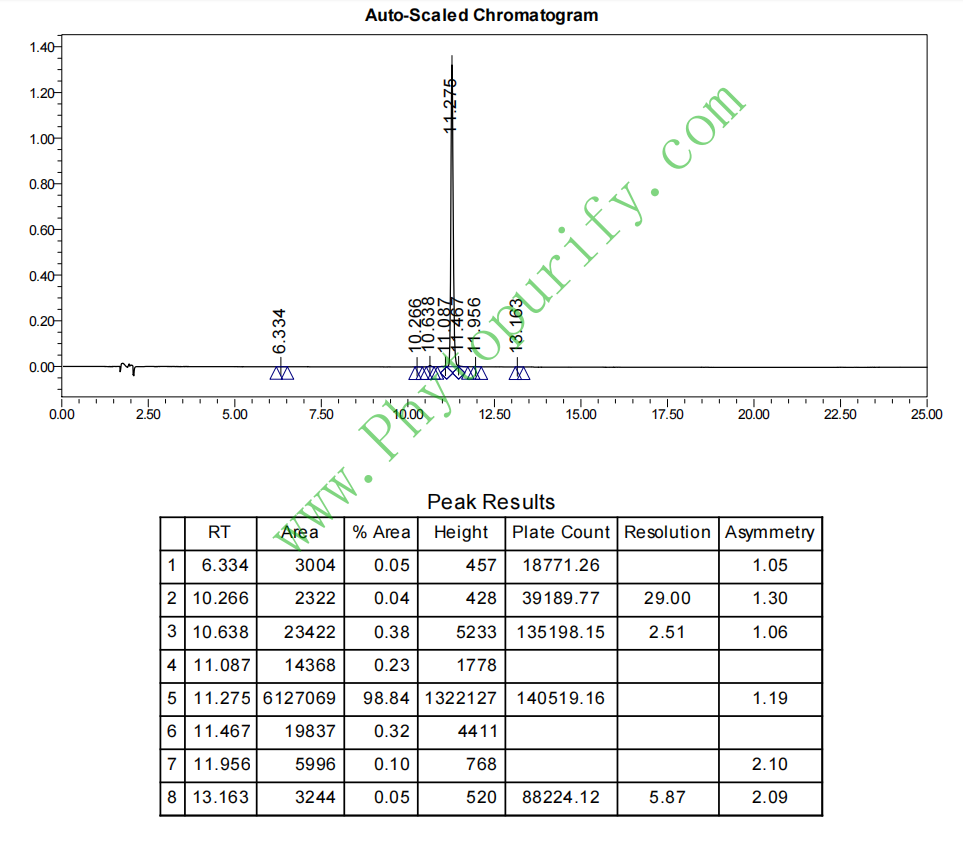
Purity: 95%~99%
Analysis Method: HPLC-DAD or/and HPLC-ELSD
Identification Method: Mass, NMR
Packing: Brown vial or HDPE plastic bottle
Storage: Store in a well closed container, protected from air and light. Put into refrigerate or freeze for long term storage.
Whenever possible, you should prepare and use solutions on the same day. However, if you need to make up stock solutions in advance, we recommend that you store the solution as aliquots in tightly sealed vials at -20℃. Generally, these will be useable for up to two weeks.
The product could be supplied from milligrams to grams, up to kilograms
Inquire for bulk scale.
Descriptions:
Isoacteoside, isolated from Clerodendron trichotomum (Verbenaceae), has antioxidant properties, can scavenge intracellular reactive oxygen species (ROS) and 1,1-diphenyl-
2-picrylhydrazyl (DPPH) radical, prevent lipid peroxidation, and reduce the apoptotic cells formation induced by H2O2.[1]
Isoacteoside has inhibitory activities against protein glycation in vitro may apply to cell models at higher glucose concentrations or to diabetic animal models.[2]
Isoacteoside has anti-inflammatory activity, can significantly suppress the production and mRNA expression of proinflammatory cytokines including IL-1β, IL-6, IL-8 and TNF-α in PMACI-stimulated HMC-1 cells without cytotoxicity. [3]
Isoacteoside and echinacoside stimulate the increase of α7 and α3 proteins in the cultured cells, attenuate the decreased expression of α3 and α7 nAChR subunit proteins and cell viability on SH-SY5Y cells induced by Aβ, they may play neuroprotective role by stimulating nAChR expression, which might be important in a therapeutic strategy to AD.[4]
References:
[1] Chae S, Kim J S, Kang K A, et al. J Toxicol Env Heal A, 2005, 68(5):389-400.
[2] Liu Y H, Lu Y L, Han C H, et al. Bot Stud, 2013, 54(1):1-9.
[3] Nam S Y, Kim H Y, Yoou M S, et al. Immunopharm Immunot, 2015, 37(3):1-7.
[4] Xiao-Lan Q I, Xiao H T, Xiao Y, et al. Lishizhen Medicine & Materia Medica Research, 2011, 22(7):1561-3.
[5] M X Li, Wei L L, Tao R, et al. Chinese Pharmacy, 2014 (11):1027-9.
HPLC of Isoacteoside
Storage conditions:Short-term storage at 2~8℃, long-term storage at -20 ~ -80℃
245.2900
.2832
.2718
4.7536
.4993
.0882
Low
73.5420
4.7080
Yes
No
No
No
No
No
0.0
Yes
No
Yes
Yes
Natural products, as an important source of drug discovery, have long played an indispensable role in the human fight against diseases. Phenylethanoid glycosides (PhGs) are a class of water-soluble natural products widely present in the plant kingdom, which have attracted much attention for their diverse and significant biological activities. Among numerous phenylethanolic glycosides, Isoacetoside, also known as isoverbascoside, has gradually become a research hotspot in the field of natural product pharmacology due to its unique chemical structure and multifaceted pharmacological potential.
Heterogeneous leaf sesame glycoside is a type of caffeoylphenylethanolic glycoside isolated from various medicinal plants. Its chemical structure is composed of caffeic acid, 3,4-dihydroxyphenylethanol (hydroxytyrosol), and a glucose rhamnose disaccharide group connected by ester and glycosidic bonds. This structure endows it with unique physicochemical properties and biological activity. Early research mainly focused on its antioxidant and anti-inflammatory properties, while recent studies have expanded its scope of action to multiple important disease areas such as anti-tumor, neuroprotective, anti obesity, and anti glycosylation.
Of particular note is the significant activity exhibited by the heterogenous leaf extract glycosides in inhibiting the formation of advanced glycation end products (AGEs). AGEs are the product of non enzymatic reaction (Maillard reaction) between protein, lipid or nucleic acid and reducing sugar, and their abnormal accumulation is closely related to the complications of diabetes, Alzheimer's disease, atherosclerosis and aging process. In addition, the heterologous leaf extract of gastrodin can induce apoptosis in ovarian cancer OVCAR-3 cells by regulating key signaling pathways such as AKT/PI3K/m-TOR/NF - κ B, demonstrating potential anti-tumor activity. At the same time, it has regulatory effects on multiple neuroprotective targets such as BCL2, APP, BACE1, MAPT (Tau protein), NFE2L2 (Nrf2), SIRT1, MAPK1, CASP9, GSK3B, etc. in neurodegenerative disease models, suggesting that it may have therapeutic value in diseases such as Alzheimer's disease and Parkinson's disease.
This article aims to provide a systematic review of the chemical structure, plant sources, extraction methods, pharmacological activities, mechanisms of action, pharmacological evaluation, and clinical application prospects of heterogenous leaf sesame glycosides, in order to provide comprehensive references for the in-depth research and development of this natural product.
The chemical name of the heterophyl glycoside is β - D-glucopyranoside, 2- (3,4-dihydroxyphenyl) ethyl 4-O - (6-deoxy - α - L-mannopyranosyl) -, 3- [(2E) -3- (3,4-dihydroxyphenyl) -2-acrylate], with a molecular formula of C ₂₉ H ∝ ₆ O ₁₅ and a molecular weight of 624.5920 g/mol. Structurally, it belongs to the caffeoyl phenylethanoid glycoside class, and its core structure consists of three parts: a phenylethanoid glycoside (hydroxytyrosol), a caffeoyl group, and a disaccharide chain composed of glucose and xylose. The caffeoyl group is connected to the C-4 'or C-6' position of glucose through ester bonds, while the characteristic of the hetero glycoside is that the caffeoyl group is connected to the C-6 'position of glucose, while the rhamnose is connected to the C-3' position of glucose through an alpha-1 → 3 glycosidic bond. This specific linking method distinguishes it from the isomeric form of Acteoside (caffeoyl linked at C-4 'position) in terms of structure and activity.
In terms of physical and chemical properties, the heterophyl glycoside of Aconitum carmichaelii exhibits typical phenolic acid glycoside characteristics. Its lipid water partition coefficient (LogP) is 0.2832, indicating strong hydrophilicity and good water solubility (water solubility parameter is 4.7536). This characteristic is closely related to the presence of multiple hydroxyl and sugar moieties in its molecule. The higher polarity also results in a topologically polar surface area (TPSA) of up to 245.2900 Å ², which typically means its ability to passively diffuse through cell membranes, especially the blood-brain barrier (BBB), is poor. The pharmacological parameters clearly indicate that its blood-brain barrier permeability is "low", which challenges its application in central nervous system diseases, but also suggests that it may exert neuroprotective effects through other mechanisms, such as acting on peripheral targets or through active transport. In addition, the risk assessment of hERG inhibition was' no ', and the Ames test result was 0.0, indicating that it does not have cardiotoxicity and genotoxicity risks in the preliminary assessment, which provides a positive early signal for its safety evaluation.
Heterogeneous leaf gastrodin is not a unique component of a single plant, but is widely present in plants of multiple families and genera, especially in plants such as Orobanchaceae, Scrophulariaceae, Lamiaceae, Oleaceae, and Plantaginaceae, where its content is relatively abundant. Common medicinal plants rich in allosteric glycosides include:
- Cistanche As a plant of the family Leuciscinae, Cistanche deserticola is one of the important sources of glycosides from different leaves of the plant. Its extract is commonly used to tonify kidney yang and nourish essence and blood.
- Rehmannia glutinosa The rhizomes of the plant Rehmannia glutinosa in the family Scrophulariaceae contain various phenylethanolic glycosides, among which the main active ingredient is the heterophyl leaf gastrodin.
- Mao Rui Hua Verbascum plants in the Scrophulariaceae family, such as purple verbascoside, are a classic source of allomorphaceae glycosides, and their name "allomorphaceae glycosides" is derived from this.
- Weeping Forsythia The fruit of Forsythia suspensa, a plant in the Oleaceae family, also contains a different type of glycoside, which works together with components such as Forsythia suspensa glycosides to exert anti-inflammatory and antiviral effects.
- Plantago asiatica The entire plant of Plantago asiatica in the Plantago family also contains this compound.
The extraction of glycosides from different types of leaves usually follows the classic process of natural product chemistry. Due to its good water solubility, commonly used extraction solvents are water, methanol, ethanol, or their mixed solutions in different proportions. The extraction methods include:
1. Solvent extraction method Using heating reflux or cold soaking method, extract with 50% -80% methanol or ethanol aqueous solution. This method is easy to operate and cost-effective, but the extraction efficiency may be limited by solvent permeation and diffusion.
2. Ultrasound assisted extraction Utilizing the cavitation effect of ultrasound to accelerate cell wall rupture and component dissolution can significantly shorten extraction time and improve extraction efficiency.
3. Microwave assisted extraction By utilizing the penetrability and selective heating of microwaves, polar solvents can be rapidly heated up, which can also effectively improve extraction efficiency.
After extraction, it is necessary to separate and purify to obtain high-purity heterophyletic glycosides. Common separation and purification techniques include:
- Macroporous adsorption resin column chromatography By utilizing the adsorption desorption characteristics of resin and gradient elution with ethanol aqueous solutions of different concentrations, phenylethanolic glycosides can be effectively enriched.
- Silica gel column chromatography Use solvent systems such as chloroform methanol water for elution, and separate compounds based on their polarity differences.
- High performance liquid chromatography In particular, preparative HPLC is the ultimate method for obtaining high-purity monomer compounds, often using a reverse phase C18 column with acetonitrile water or methanol water (often containing small amounts of formic acid or acetic acid) as the mobile phase for isocratic or gradient elution.
In recent years, significant progress has been made in the pharmacological activity research of heterophylla glycosides, revealing their potential therapeutic effects in multiple disease models.
1. Antitumor activity
One of the research hotspots is the anti-tumor activity of heterophyletic leaf gastrodin. Research has shown that it can effectively inhibit the proliferation of various cancer cells and induce their apoptosis. In the ovarian cancer OVCAR-3 cell model, the heterologous leaf extract glycoside inhibits cell growth and promotes apoptosis by regulating the AKT/PI3K/m-TOR/NF - κ B signaling pathway. In addition, it can enhance the anti-tumor effect of chemotherapy drugs such as cisplatin, demonstrating its potential as a chemotherapy sensitizer. Similar antiproliferative and pro apoptotic effects have also been observed in other tumor cell lines, such as liver cancer, breast cancer, lung cancer and melanoma cells, and their mechanisms involve mitochondrial pathways, endoplasmic reticulum stress, and cell cycle arrest.
2. Neuroprotective effect
Heterogeneous leaf gastrodin exhibits significant neuroprotective activity in neurodegenerative diseases, particularly in Alzheimer's disease (AD) and Parkinson's disease (PD) models. Its mechanism of action is multi-target:
- Anti A β toxicity Can inhibit the aggregation of β - amyloid protein (A β) and promote its depolymerization. Meanwhile, it can also downregulate the expression of β - secretase 1 (BACE1) and reduce the production of A β.
- Inhibit excessive phosphorylation of Tau protein By regulating the activity of kinases such as glycogen synthase kinase 3 β (GSK3B) and mitogen activated protein kinase 1 (MAPK1), abnormal phosphorylation of Tau protein is inhibited, thereby reducing the formation of neurofibrillary tangles.
- anti-oxidative stress As a potent antioxidant, it can activate the nuclear factor E2 related factor 2 (NFE2L2/Nrf2) signaling pathway, upregulate the expression of a series of antioxidant enzymes, such as heme oxygenase-1 (HO-1) and quinone oxidoreductase 1 (NQO1), thereby reducing oxidative stress damage to neurons.
- anti-apoptotic Inhibiting mitochondrial mediated neuronal apoptosis by upregulating the expression of anti apoptotic protein BCL2 and downregulating the activity of pro apoptotic proteins Bax and CASP9.
- Regulating autophagy By regulating deacetylases such as SIRT1, autophagy function is improved and abnormal protein clearance is promoted.
3. Anti inflammatory and immune regulation
Heterogeneous leaf gastrodin has significant anti-inflammatory activity. In the macrophage model stimulated by lipopolysaccharide (LPS), it can significantly inhibit the production of nitric oxide (NO), prostaglandin E2 (PGE2), as well as pro-inflammatory factors such as tumor necrosis factor - α (TNF - α) and interleukin-6 (IL-6). The mechanism is mainly related to the inhibition of the activation of NF - κ B and MAPK signaling pathways. In addition, it can regulate the functions of T cells and B cells, demonstrating the potential for immune regulation.
4. Anti obesity and metabolic regulation
Heterogeneous leaf sesame glycosides also exhibit positive effects in metabolic diseases. Research has shown that it can inhibit adipocyte differentiation (adipogenic differentiation) and reduce lipid accumulation. In an obese animal model, treatment with allomorphaceae glycosides can reduce body weight, improve insulin resistance and glucose tolerance, and lower serum triglyceride and cholesterol levels. The mechanism may be related to activating the AMPK signaling pathway and regulating the secretion of adipokines.
5. Anti glycosylation effect
As mentioned earlier, heterophyl leaf gastrodin is a potent inhibitor of AGEs formation. AGEs play a key role in the complications of diabetes (such as nephropathy, retinopathy, neuropathy) and aging process. Heterogeneous leaf gastrodin effectively inhibits the generation of AGEs by capturing active carbonyl compounds such as methylglyoxal and glyoxal, blocking the intermediate steps of the Maillard reaction. This activity provides an important basis for its application in the prevention and treatment of diabetes and its complications.
6. Other activities
In addition, it has been reported that Heterogeneous Leaf Hemp Glycosides have various pharmacological activities, such as antiviral (such as anti influenza virus, respiratory syncytial virus), antibacterial, hepatoprotective, cardiovascular protective (such as vasodilation, antiplatelet aggregation), and promoting wound healing.
The pharmacological activity of heterophyletic leaf extract is the comprehensive result of its interaction with multiple molecular targets and regulation of multiple signaling pathways. Its core mechanism of action can be summarized as follows:
1. Signal pathway regulation
- PI3K/AKT/m-TOR pathway In tumor cells, the heterologous glycoside of Acanthopanax senticosus inhibits the phosphorylation of PI3K and AKT, thereby suppressing the activity of its downstream effector m-TOR. This leads to cell cycle arrest and induction of apoptosis. Meanwhile, inhibition of this pathway also affects the activation of NF - κ B, thereby exerting anti-inflammatory effects.
- NF - κ B pathway Heterogeneous leaf gastrodin can inhibit the phosphorylation and degradation of I κ B α, prevent the translocation of NF - κ B p65 subunit to the nucleus, and thereby reduce the transcription of downstream pro-inflammatory genes (such as TNF - α, IL-6, iNOS, COX-2).
- MAPK pathway Heterogeneous leaf gastrodin has a regulatory effect on the phosphorylation levels of MAPK family members (such as ERK, JNK, p38 MAPK), which is cell type and stimulus dependent, thereby affecting cell proliferation, differentiation, and apoptosis.
- Nrf2/ARE pathway As a sensor of oxidative stress, heterologous leaf extract can activate Nrf2, causing it to dissociate from Keap1 and translocate into the nucleus, bind to antioxidant response elements (ARE), initiate the transcription of a series of phase II detoxifying enzymes and antioxidant enzymes (such as HO-1, NQO1, GCL), and enhance the cell's antioxidant defense ability.
- AMPK pathway In metabolic regulation, allosteric glycosides can activate AMPK, promote glucose uptake and fatty acid oxidation, inhibit fat synthesis, thereby improving energy metabolism and insulin sensitivity.
2. Key molecular targets
- BACE1 Heterogeneous leaf gastrodin reduces the production of A β by downregulating the expression or activity of BACE1, which is one of its key targets for anti AD effects.
- GSK3B By inhibiting the activity of GSK3B, reducing the excessive phosphorylation of Tau protein and potentially affecting the Wnt signaling pathway.
- BCL2 family By upregulating BCL2, downregulating Bax and Bid, regulating mitochondrial membrane potential, controlling the release of cytochrome c, and thereby regulating the activation and execution of CASP9 apoptosis.
- SIRT1 By activating SIRT1 and deacetylating various substrates (such as p53, FOXO, PGC-1 α), it participates in regulating cellular stress resistance, metabolism, and aging.
- APP Possible reduction of A β generation by affecting the processing of the app.
3. Direct chemical reactions
- scavenge free radicals The multiple phenolic hydroxyl groups in the molecule are the structural basis of its potent antioxidant activity, which can directly eliminate ROS and RNS.
- Capture carbonyl groups Its ortho phenolic structure can undergo nucleophilic addition reactions with active carbonyl compounds such as methylglyoxal, forming stable adducts and blocking the formation of AGEs.
Despite the extensive pharmacological activity demonstrated by the heterologous leaf extract of Cistanche in vitro and in vivo models, its pharmacological properties still face challenges, mainly due to its pharmacokinetic properties.
1. Analysis of pharmacological parameters
According to the provided parameters, the molecular weight of the heterogenous leaf extract is 624.59 Da, exceeding the limit of molecular weight<500 in Lipinski's Rule of Five. Its LogP is 0.2832, indicating strong hydrophilicity and poor lipid solubility. The TPSA is as high as 245.29 Å ², far higher than the commonly believed 140 Å ² required for good passive absorption. These parameters together predict that its oral bioavailability may be low and difficult to cross the blood-brain barrier. However, the low risk of hERG inhibition and negative Ames test are important safety advantages.
2. Absorption, distribution, metabolism, and excretion
- absorb After oral administration, the absorption of heterophylococcin in the gastrointestinal tract is poor. Its high polarity and high molecular weight limit its passive diffusion through intestinal epithelial cells. Studies have shown that it may be partially absorbed through transporters on intestinal epithelial cells, such as monocarboxylic acid transporters, but with low efficiency. In addition, it may be metabolized by gut microbiota to produce more easily absorbable metabolites such as hydroxytyrosol and caffeic acid.
- distribution After absorption into the bloodstream, due to its hydrophilicity, it is mainly distributed in the extracellular fluid. The binding rate with plasma proteins remains to be clearly studied. Due to the low permeability of BBB, its distribution in the central nervous system is limited, which poses a challenge to its neuroprotective effect. However, some studies suggest that its metabolites may indirectly affect the central nervous system by acting on peripheral targets such as the intestine and blood vessels.
- Metabolism Heterogeneous leaf gastrodin undergoes extensive metabolism in the body. The main metabolic pathways include: 1) hydrolysis by gut microbiota to produce aglycones (hydroxytyrosol) and caffeic acid; 2) Phase II metabolic reactions such as glucuronidation, sulfation, and methylation occur in the liver and intestines. These metabolites may have different biological activities from the original drug.
- excretion Its metabolites are mainly excreted through urine and bile.
3. Strategies for improving drug properties
Due to its pharmacokinetic deficiencies, researchers are exploring various strategies to improve the pharmacological properties of different types of leaf sesame glycosides:
- Structural modification Through prodrug design, such as esterification or etherification of phenolic hydroxyl groups, their lipid solubility and membrane permeability can be improved.
- New drug delivery system Using nanotechnology, such as liposomes, polymer nanoparticles, phospholipid complexes, etc., to encapsulate heterogeneous leaf extract glycosides, in order to improve their oral bioavailability, targeted delivery ability, and stability.
- combination therapy Combined use with absorption enhancers or P-glycoprotein inhibitors may increase their absorption.
Based on its various pharmacological activities, the application prospects of heterogenous leaf sesame glycosides in the prevention and treatment of various diseases are broad.
1. Neurodegenerative diseases
Although BBB permeability is low, the significant effects of different types of paeoniflorin in AD and PD models are still expected. Future research directions may include:
- Developing a brain targeted delivery system Using nanoparticles modified with nanocarriers or receptor-mediated transporters (such as transferrin receptors) to achieve effective drug delivery to the brain.
- Exploring the mechanism of peripheral central axis Study whether it indirectly exerts neuroprotective effects by regulating gut microbiota, reducing peripheral inflammation, or improving metabolic disorders through peripheral mechanisms.
- As a lead compound Using its structure as a template, design and synthesize derivatives with higher BBB permeability and stronger activity.
2. Complications of diabetes
Its strong anti AGEs formation activity makes it a potential candidate drug for prevention and treatment of diabetes nephropathy, retinopathy and neuropathy. Developing topical medications (such as eye drops, topical preparations) or oral preparations (combined with absorption enhancement technology) is a feasible direction.
3. Tumor treatment
As a chemotherapy sensitizer, the use of heterogenous leaf sesame glycoside is expected to be combined with existing chemotherapy drugs to improve efficacy and reduce low toxicity. Its mechanism of inducing apoptosis and inhibiting proliferation makes it promising for the treatment of solid tumors such as ovarian cancer and liver cancer.
4. Metabolic disorders
Its anti obesity and improvement of insulin resistance suggest its application value in the treatment of nonalcoholic fatty liver disease (NAFLD) and type 2 diabetes.
prospect:
Future research should focus on the following aspects:
1. Thoroughly elucidate the mechanism of action Using systems biology and network pharmacology methods, comprehensively reveal its multi-target and multi pathway action network.
2. Optimize pharmacokinetic properties Addressing the core issues of low oral bioavailability and poor BBB permeability through structural modification and formulation methods.
3. Conduct systematic toxicology research Although the initial safety is good, long-term and systematic in vivo toxicological evaluation is still needed.
4. Promote clinical translation: After completing sufficient preclinical research, design a reasonable clinical trial program to evaluate its effectiveness and safety in specific diseases (such as diabetes nephropathy and Alzheimer's disease).
As a typical natural product of phenylethanoid glycosides, the unique chemical structure and diverse pharmacological activities of Heterogeneous Leaf Hemp Glycosides have become a shining pearl in the field of natural product pharmacology research. From inhibiting the formation of AGEs, anti-tumor, anti-inflammatory to neuroprotection, its wide range of effects and complex mechanisms fully reflect the advantages of natural products with multi-target and multi pathway synergistic effects. Despite inherent challenges in drug development, particularly in terms of oral bioavailability and BBB permeability, this has not diminished its value as a drug lead compound and pharmacological tool. With the development of modern medicinal chemistry, nanotechnology, and systems biology, it is expected to overcome these obstacles through structural optimization and the design of novel drug delivery systems, and to transform the potential of heterogenous paeoniflorin into clinically available therapeutic drugs. In depth research on the glycoside of different types of leaves from the plant not only helps us understand the material basis of traditional medicinal plants, but also provides valuable molecular templates and ideas for developing innovative drugs for complex diseases such as neurodegenerative diseases, metabolic syndrome, and cancer. In the future, with a deeper understanding of its mechanism of action and the gradual resolution of the issue of drug properties, the heterologous glycoside and its derivatives are expected to play a more important role in human health.
