


Product name: Madecassoside
Synonym name: Asiaticoside A
Catalogue No.: BP0911
Cas No.: 34540-22-2
Formula: C48H78O20
Mol Weight: 975.132
Botanical Source: Centella asiatica (L.)Urb.
Physical Description:
Type of Compound: Triterpenoids
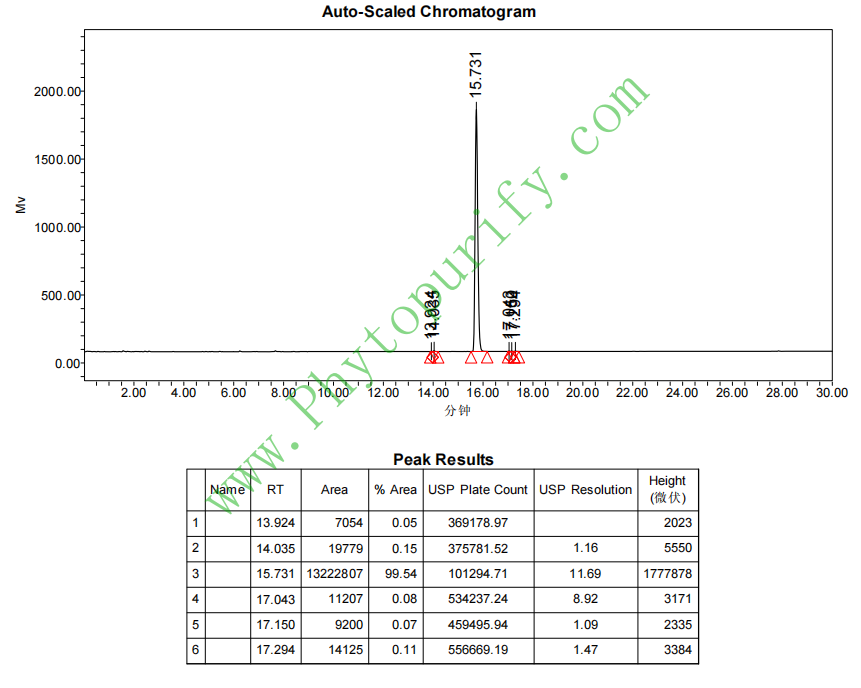
Purity: 95%~99%
Analysis Method: HPLC-DAD or/and HPLC-ELSD
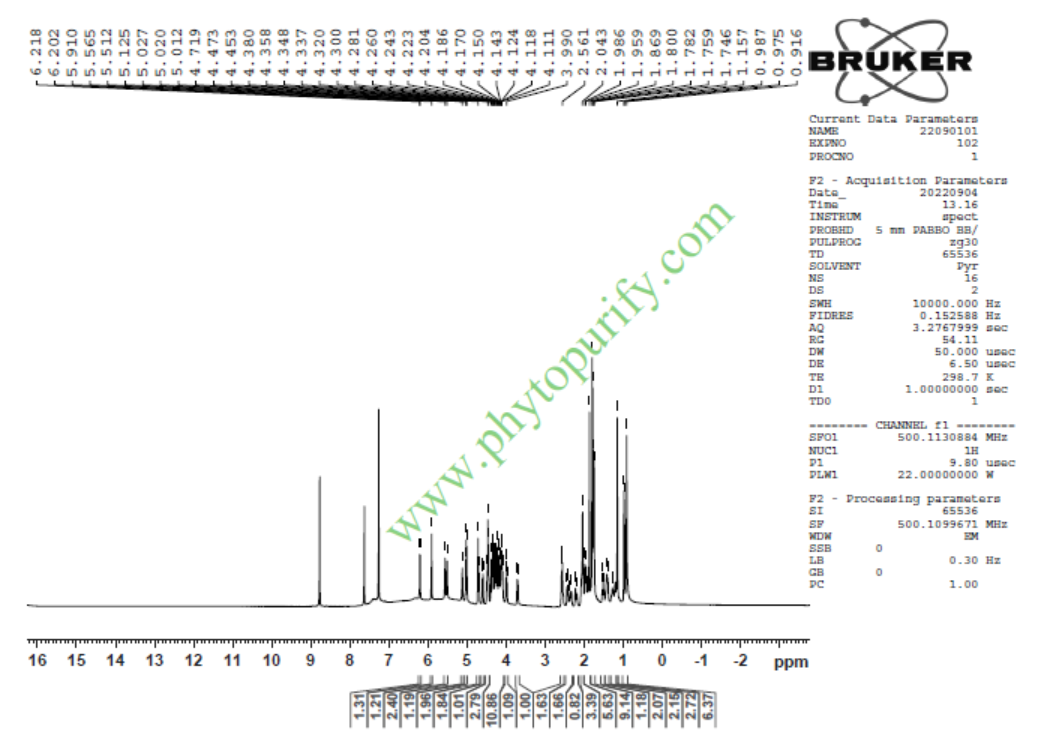
Identification Method: Mass, NMR
Packing: Brown vial or HDPE plastic bottle
Storage: Store in a well closed container, protected from air and light. Put into refrigerate or freeze for long term storage.
Whenever possible, you should prepare and use solutions on the same day. However, if you need to make up stock solutions in advance, we recommend that you store the solution as aliquots in tightly sealed vials at -20℃. Generally, these will be useable for up to two weeks.
The product could be supplied from milligrams to grams
Inquire for bulk scale.
Description:
Madecassoside is a mechanism-based inhibitor of CYP2C19 and CYP3A4, which has antioxidant, anti-inflammatory, anti-apoptosis, wound-healing, and neuroprotective activities, It may have cardioprotective effects in LPS-mediated through inhibition of ERK, p38, and NF-κB activity, it inhibited the pro-inflammatory mediators, including COX-2 expression, PGE2 production, TNF-αand IL-6 levels and the up-regulation anti-inflammatory molecule IL-10.
References:
Phytomedicine. 2009 Jun;16(6-7):538-46.
Madecassoside attenuates inflammatory response on collagen-induced arthritis in DBA/1 mice.
Madecassoside (MA), a triterpenoid product isolated from Centella asiatica, has been described to exhibit antioxidant and anti-inflammatory activities.
METHODS AND RESULTS:
The present study was undertaken to determine whether Madecassoside (MA) is efficacious against collagen-induced arthritis (CIA) in mice and its possible mechanisms. DBA/1J mice were immunized with bovine type II collagen and treated with MA (3, 10 and 30 mg/kg d, i.g.) from days 21 to 42 after immunization. Arthritis was evaluated by hind paw swelling, polyarthritis index, and histological examination. In vitro proliferation of spleen cells was examined using 3-[4,5-dimethylthylthiazol-2-yl]-2, 5-diphenyltetrazoliumbromide (MTT) assay. Plasma levels of cytokines tumor necrosis factor alpha (TNF-alpha), interleukin-6 (IL-6), interleukin-10 (IL-10) and the expression of prostaglandin E(2) (PGE(2)), cyclooxygenase-1 (COX-1) and cyclooxygenase-2 (COX-2) in synovial tissues were also determined. The results showed that comparing with untreated CIA mice, treated with MA dose-dependently suppressed the clinical arthritis score and joints tissues pathological damage, reduced the proliferation of spleen cells, plasma levels of TNF-alpha and IL-6, synovial tissues PGE(2) production and COX-2 protein expression, however, the expression of COX-1 in synovial tissues did not change and the plasma levels of IL-10 were increased.
CONCLUSIONS:
These results suggest that MA can effectively alleviate inflammatory response on CIA, and anti-inflammatory effects of MA can be attributed, at least partially, to the inhibition of pro-inflammatory mediators, including COX-2 expression, PGE(2) production, TNF-alpha and IL-6 levels and the up-regulation anti-inflammatory molecule IL-10.
Brain Res. 2014 May 27;1565:37-47.
Neuroprotective effects of madecassoside against focal cerebral ischemia reperfusion injury in rats.
Madecassoside, a triterpenoid derivative isolated from Centella asiatica, exhibits anti-inflammatory and antioxidant activities.
METHODS AND RESULTS:
We investigated its neuroprotective effect against ischemia-reperfusion (I/R) injury in cerebral neurons in male Sprague-Dawley rats. Madecassoside (6, 12, or 24mg/kg, i.v.) was administered 1h after the start of reperfusion, and neurological deficit score and infarct volume were evaluated 24h later. Neuronal apoptosis was assessed by performing terminal deoxynucleotidyl transferase-mediated dUTP-nick end labeling (TUNEL) staining, and pathological brain damage was estimated by performing hematoxylin and eosin staining. Serum levels of malondialdehyde, superoxide dismutase activity, reduced glutathione levels, and nitric oxide levels were also determined. mRNA and protein expression of pro-inflammatory cytokines (Interleukin-1β/6, and tumor necrosis factor-α) were measured by real-time RT-PCR and ELISA, respectively; NF-κB p65 expression was determined by western blotting. Madecassoside significantly reduced brain infarct area, resolved neurological deficit, and ameliorated neuronal apoptosis. It also significantly reduced the levels of malondialdehyde and nitric oxide, and augmented the antioxidant activity in rats subjected to cerebral I/R. Moreover, the levels of pro-inflammatory cytokines and NF-κB p65 significantly reduced after Madecassoside treatment.
CONCLUSIONS:
These results indicate that Madecassoside is neuroprotective and may be useful in reducing the damage caused by stroke.
Planta Med. 2008 Jun;74(8):809-15.
Madecassoside isolated from Centella asiatica herbs facilitates burn wound healing in mice.
The current study was designed to investigate the effect of Madecassoside, the major triterpene in CENTELLA ASIATICA, on burn wound healing and its possible mechanism of action.
METHODS AND RESULTS:
An oral administration of Madecassoside (6, 12, 24 mg/kg) facilitated wound closure in a time-dependent manner and reached its peak effect, nearly completely wound closure, on day 20 in the group receiving the highest dose of 24 mg/kg of Madecassoside. Further histopathological analysis revealed that Madecassoside alleviated infiltration of inflammatory cells as well as enhanced epithelisation resulting from dermal proliferation of fibroblasts. Madecassoside at higher doses (12 and 24 mg/kg) decreased nitric oxide (NO) levels and malondialdehyde (MDA) content in the burn skin tissue. However, reduced glutathione (GSH) and hydroxyproline levels were increased in the same skin tissue. In addition, Madecassoside promoted skin angiogenesis IN VIVO, correlating with our findings IN VITRO that it stimulated endothelial cell growth in a rat aortic ring assay. These data suggest that Madecassoside has significant wound-healing activity and is one of the major reasons for the use of C. ASIATICA herbs in the successful treatment of burn injury.
CONCLUSIONS:
Moreover, the results from the present study indicate that the effect of Madecassoside on wound healing may involve several mechanisms including antioxidative activity, collagen synthesis and angiogenesis.
HPLC of Madecassoside
HNMR of Madecassoside
Storage conditions:Short-term storage at 2~8℃, long-term storage at -20 ~ -80℃
335.4400
1.5008
1.5007
.2517
.5429
.6173
Low
66.1495
6.6263
No
No
No
No
No
No
0.0
Yes
No
No
Yes
Natural products, as an important source of drug discovery, play an irreplaceable role in human health maintenance and disease treatment. Among the numerous natural compounds with biological activity, those from the traditional medicinal plant Centella asiatica(Centella asiatica The pentacyclic triterpenoid compound Madecassoside of (L.) Urb. has attracted high attention from scholars at home and abroad in recent years due to its unique chemical structure and extensive pharmacological activity.
Snow grass, also known as thunder root or big bowl, is a perennial herbaceous plant of the genus Snow grass in the family Apiaceae. It is widely distributed in tropical and subtropical regions of Asia, Africa, and Oceania. As a traditional herb, centella asiatica has been used for thousands of years in traditional Chinese medicine, Ayurvedic medicine, and African traditional medicine, mainly for the treatment of wound healing, skin ulcers, inflammatory diseases, and cognitive dysfunction. Modern pharmacological research has confirmed that the main active ingredients of centella asiatica include triterpenoid saponins, among which hydroxycentella asiatica glycoside and Asiaticoside are the two most representative.
Madecassoside (CAS number: 34540-22-2) is a pentacyclic triterpenoid saponin with the molecular formula C ₄₈ H ₇₈ O ₂ ₀ and a molecular weight of 975.13. Compared with centella asiatica glycoside, hydroxycentella asiatica glycoside has an additional hydroxyl group at C-2 position, which endows it with unique physicochemical properties and biological activity. In recent years, a large number of studies have revealed the significant effects of hydroxycentella asiatica glycoside in neuroprotection, anti-inflammatory, antioxidant, anti apoptotic, and anti autophagy aspects. Its mechanism of action involves multiple key signaling pathways such as p38 MAPK, NF - κ B, Nrf2, etc. More importantly, hydroxycentella asiatica glycoside has good oral bioavailability and low toxicity, making it a potential candidate drug for treating neurological disorders, endocrine disorders, cardiovascular diseases, and skin diseases.
This article will provide a comprehensive and systematic review of the research progress of hydroxycentella asiatica glycoside from the aspects of chemical structure and physicochemical properties, plant sources and extraction methods, pharmacological activity research, mechanism of action and molecular targets, drug evaluation and pharmacokinetics, clinical application prospects and prospects, in order to provide reference for the in-depth research and clinical translation of this natural product.
Hydroxycentella asiatica glycoside belongs to the Ursane type pentacyclic triterpenoid saponins, and its aglycone is Madecassic acid. Structurally, the glycoside skeleton of hydroxycentella asiatica glycoside consists of five rings, including one pentagonal ring (A ring) and four hexagonal rings (B, C, D, E rings), which is a typical feature of pentacyclic triterpenoids. Compared with Asiaticoside, hydroxy Asiaticoside has an additional hydroxyl group (- OH) at position C-2 (A ring), which significantly affects the polarity and biological activity of the compound.
In the glycosylation part, the C-28 carboxyl group of hydroxycentella asiatica glycoside is connected by an ester bond to a triple sugar chain consisting of two glucose molecules and one xylose molecule. The specific connection method is: β - D-glucose - (1 → 4) - β - D-glucose - (1 → 6) - β - D-glucose - (1 → 4) - α - L-xylose. This complex glycosylation modification not only increases the water solubility of the molecule, but also has a significant impact on its interaction with biological targets.
According to the results of computational chemistry and experimental measurements, the key physicochemical properties of hydroxycentella asiatica glycoside are as follows:
These physicochemical properties indicate that hydroxycentella asiatica glycoside has good safety characteristics, but its low water solubility and low blood-brain barrier permeability are challenges that need to be overcome through formulation or structural modification.
Hydroxycentella asiatica glycoside mainly comes from the umbrella shaped plant centella asiatica(Centella asiatica The whole plant of (L.) Urb. Snow grass is a perennial creeping herbaceous plant that prefers to grow in damp and shady environments. It is widely distributed in various provinces and regions south of the Yangtze River in China, as well as tropical and subtropical regions such as India, Sri Lanka, Indonesia, Malaysia, and South Africa. Other plants belonging to the same genus, such as snow grass Centella erecta and Centella cordifolia It also contains a certain amount of hydroxycentella asiatica glycoside, but the content is usually lower than that of centella asiatica.
The content of triterpenoid saponins in centella asiatica is influenced by various factors, including geographical origin, harvest season, growth period, and cultivation conditions. Research has shown that the content of hydroxyasiaticoside in centella asiatica produced in India can reach 0.5% -1.5% (by dry weight), while the content in centella asiatica produced in southern China is about 0.3% -1.0%. It is worth noting that there are significant differences in the ratio of hydroxycentella asiatica glycoside to centella asiatica glycoside in different regions and tissue parts of centella asiatica, with higher levels in leaves than in stems and roots.
The extraction method of hydroxycentella asiatica glycoside has undergone a development and evolution from traditional solvent extraction to modern green extraction technology.
Traditional extraction methods The most commonly used method is ethanol or methanol reflux extraction. Extract the dried snow grass powder with a 70% -80% ethanol solution under reflux at 60-80 ℃ for 2-3 times, each time for 2-3 hours. Combine the extracts and concentrate under reduced pressure to obtain the crude extract. The crude extract can be enriched with triterpenoid saponins through n-butanol extraction. This method is simple to operate and cost-effective, but it has disadvantages such as high solvent consumption, low extraction efficiency, and high impurities.
Modern extraction techniques In recent years, various new extraction technologies have been developed to improve extraction efficiency and selectivity. Ultrasonic assisted extraction (UAE) utilizes the cavitation effect of ultrasound to destroy cell walls, and can complete extraction within 30-60 minutes, with an extraction rate 20% -30% higher than traditional methods. Microwave assisted extraction (MAE) vaporizes intracellular water through microwave heating, causing cell rupture and shortening the extraction time to 10-20 minutes. In addition, enzyme assisted extraction (EAE) utilizes cellulase and pectinase to degrade cell wall polysaccharides, which can significantly improve the extraction rate of hydroxycentella asiatica glycoside.
Purification Method The hydroxycentella asiatica glycoside in the crude extract needs to be purified to obtain high-purity products. The commonly used purification methods include macroporous adsorption resin chromatography (such as D101, HPD100 resin), silica gel column chromatography, reverse phase C18 column chromatography, and preparative high-performance liquid chromatography (Prep HPLC). Among them, the macroporous adsorption resin method has become the preferred method for industrial production due to its simple operation, low cost, and scalable production. By gradient elution, products of hydroxycentella asiatica glycoside with a purity of over 95% can be obtained.
The research on the neuroprotection of hydroxycentella asiatica glycoside is the most in-depth and extensive. Multiple in vitro and in vivo experiments have confirmed that hydroxycentella asiatica glycoside has a protective effect on various neurodegenerative disease models.
In the Alzheimer's disease (AD) model, hydroxycentella asiatica glycoside can significantly reduce the neurotoxicity induced by β - amyloid protein (A β). Research has shown that treatment with hydroxycentella asiatica glycoside can reduce A β aggregation, inhibit tau protein hyperphosphorylation, decrease BACE1 (β - secretase 1) expression and activity, thereby reducing A β production. In addition, hydroxycentella asiatica glycoside can upregulate the expression of anti apoptotic protein BCL2 and inhibit the activation of CASP9 (cysteine aspartic protease 9), thereby alleviating A β - induced neuronal apoptosis.
In the Parkinson's disease (PD) model, hydroxycentella asiatica glycoside has a protective effect on dopaminergic neuron damage induced by 6-hydroxydopamine (6-OHDA) and 1-methyl-4-phenyl-1,2,3,6-tetrahydropyridine (MPTP). Its mechanism involves inhibiting oxidative stress, reducing mitochondrial dysfunction, and regulating autophagy pathways.
In the model of cerebral ischemia-reperfusion injury, hydroxycentella asiatica glycoside can reduce the volume of cerebral infarction, alleviate brain edema, and improve neurological function scores. Its protective effect is closely related to inhibiting inflammatory response, reducing oxidative damage, and resisting apoptosis.
Hydroxycentella asiatica glycoside exhibits significant anti-inflammatory activity and can inhibit the production of various inflammatory mediators and cytokines. In a macrophage model stimulated by lipopolysaccharide (LPS), hydroxycentella asiatica glycoside can dose dependently inhibit the production of tumor necrosis factor - α (TNF - α), interleukin-1 β (IL-1 β), interleukin-6 (IL-6), and nitric oxide (NO). In an in vivo inflammatory model, hydroxycentella asiatica glycoside can alleviate carrageenan induced toe swelling, acetic acid-induced increased intra-abdominal capillary permeability, and cotton ball granuloma formation.
Hydroxycentella asiatica glycoside has direct and indirect antioxidant activity. On the one hand, multiple hydroxyl groups in its molecular structure can directly scavenge free radicals, including hydroxyl radicals (· OH), superoxide anions (O ₂⁻·), and peroxynitrite (ONOO ⁻). On the other hand, hydroxycentella asiatica glycoside can activate the nuclear factor E2 related factor 2 (NFE2L2/Nrf2) signaling pathway, upregulate the expression of downstream antioxidant enzymes such as heme oxygenase-1 (HO-1), quinone oxidoreductase 1 (NQO1), and glutathione S-transferase (GST), thereby enhancing the antioxidant defense ability of cells.
Hydroxycentella asiatica glycoside has a dual regulatory effect on cell apoptosis and autophagy. In a neurodegenerative disease model, hydroxycentella asiatica glycoside inhibits mitochondrial pathway cell apoptosis by suppressing the activity of p38 mitogen activated protein kinase (p38 MAPK) and nuclear factor kappa B (NF - κ B), reducing the expression of pro apoptotic protein Bax, and increasing the expression of anti apoptotic protein BCL2. Meanwhile, hydroxycentella asiatica glycoside can regulate the expression of autophagy related proteins, inhibit cell death caused by excessive autophagy, and maintain cell homeostasis.
In addition to the above effects, hydroxyasiaticoside also showed a variety of pharmacological activities such as cardiovascular protection, anti diabetes, liver protection and skin protection. In cardiovascular disease models, hydroxycentella asiatica glycoside can alleviate myocardial ischemia-reperfusion injury, inhibit myocardial fibrosis, and improve cardiac function. In the diabetes model, hydroxyasiaticoside can reduce blood sugar, improve insulin resistance, and protect the function of pancreatic islet β cells. In skin diseases, hydroxycentella asiatica glycoside can promote wound healing, inhibit scar formation, and alleviate UV induced skin photoaging.
The pharmacological effects of hydroxycentella asiatica glycoside involve the regulation of multiple signaling pathways, among which the most important are the p38 MAPK, NF - κ B, and Nrf2 pathways.
P38 MAPK pathway P38 MAPK is a key kinase in stress response, playing important roles in inflammation, apoptosis, and cell differentiation. Hydroxycentella asiatica glycoside can inhibit the phosphorylation activation of p38 MAPK, thereby reducing the production of downstream inflammatory factors and the transmission of apoptotic signals. This mechanism is particularly crucial in neuroprotective and anti-inflammatory effects.
NF - κ B pathway NF - κ B is the core transcription factor of inflammatory response. Hydroxycentella asiatica glycoside inhibits the phosphorylation and degradation of I κ B α, preventing the nuclear translocation of NF - κ B, thereby suppressing the transcription of inflammation related genes such as TNF - α, IL-1 β, IL-6, and COX-2. In addition, inhibition of the NF - κ B pathway is also involved in the anti apoptotic effect of hydroxycentella asiatica glycoside.
Nrf2 pathway Nrf2 is the main regulator of cellular antioxidant defense. Hydroxycentella asiatica glycoside can promote the dissociation of Nrf2 and Keap1, increase Nrf2 nuclear translocation, and activate gene expression driven by antioxidant response elements (ARE). This mechanism not only enhances the antioxidant capacity of cells, but also reduces neurotoxicity by upregulating protective proteins such as HO-1.
Based on existing research, the direct and indirect molecular targets of hydroxycentella asiatica glycoside include:
The uniqueness of hydroxycentella asiatica glycoside lies in its ability to simultaneously act on multiple targets and signaling pathways, forming a synergistic effect. For example, in the Alzheimer's disease model, hydroxycentella asiatica glycoside simultaneously inhibits A β production (by regulating APP/ACE1), reduces tau phosphorylation (by inhibiting GSK3B), enhances antioxidant defense (by activating Nrf2), and inhibits neuroinflammation (by inhibiting NF - κ B). This multi-target mode of action gives it a unique advantage in the treatment of complex diseases.
Based on Lipinski's Five Rules and Veber's Rules, evaluate the pharmacological properties of hydroxycentella asiatica glycoside:
Overall, hydroxycentella asiatica glycoside does not comply with the classical pharmacological rules and belongs to a natural product that exceeds the rules. However, many natural products such as paclitaxel and rapamycin also do not comply with these rules, but can still become successful drugs. Therefore, it is necessary to improve its pharmacokinetic properties through formulation techniques or structural modifications.
absorb The oral bioavailability of hydroxycentella asiatica glycoside is relatively low (usually less than 5%), mainly due to its large molecular weight, high polarity, and poor intestinal permeability. However, multiple studies have confirmed that it can still produce significant pharmacological effects after oral administration, suggesting the possible existence of gut microbiota metabolism or active transport mechanisms. Research has shown that hydroxycentella asiatica glycoside can be partially hydrolyzed in the intestine into aglycones (hydroxycentella asiatica), which have better membrane permeability.
distribution After intravenous administration, the half-life and distribution volume of hydroxycentella asiatica glycoside in plasma are relatively short, indicating that it is mainly distributed in extracellular fluid. Due to the low permeability of the blood-brain barrier, the concentration of hydroxycentella asiatica glycoside in the central nervous system is low. However, in neurodegenerative disease states, the destruction of the blood-brain barrier may increase its distribution in the brain.
Metabolism Hydroxycentella asiatica glycoside is mainly metabolized in the liver and intestines. The metabolic pathways include glycation hydrolysis (to produce hydroxyasiatic acid), glucuronidation, and sulfation binding reactions. The gut microbiota plays an important role in the metabolism of hydroxycentella asiatica glycosides, which can hydrolyze glycosidic bonds and release aglycones.
excretion Hydroxycentella asiatica glycoside and its metabolites are mainly excreted through bile and urine. After intravenous administration, about 60% -70% of the drug is excreted through bile in its original form or metabolite form, and about 20% -30% is excreted through urine.
To improve the pharmacokinetic properties of hydroxycentella asiatica glycoside, researchers have developed various new formulations:
Hydroxycentella asiatica glycoside has shown great potential in the treatment of Alzheimer's disease, Parkinson's disease, and stroke. Its multi-target mode of action (simultaneously acting on A β, tau, oxidative stress, and neuroinflammation) makes it an ideal candidate drug for treating complex neurodegenerative diseases. At present, there are clinical trials using extracts of centella asiatica to improve cognitive function, but clinical research on pure hydroxycentella asiatica glycosides is still relatively limited. More high-quality randomized controlled trials are needed in the future to validate its efficacy and safety in human neurodegenerative diseases.
The application of hydroxycentella asiatica glycoside in the field of dermatology has a good clinical basis. Snow grass extract has been widely used to promote wound healing, treat scars, and resist skin aging. Hydroxycentella asiatica glycoside, as the main active ingredient of centella asiatica, plays a key role in skin protection by promoting collagen synthesis, inhibiting inflammation, and antioxidant effects. At present, skincare products and medical dressings containing hydroxycentella asiatica glycosides have been sold in the market, but their therapeutic potential in skin diseases such as psoriasis and atopic dermatitis still needs to be further explored.
The cardiovascular protective effects of hydroxycentella asiatica glycoside include anti myocardial ischemia-reperfusion injury, anti myocardial fibrosis, and improvement of cardiac function. In animal models, hydroxycentella asiatica glycoside can significantly reduce myocardial infarction area and improve left ventricular ejection fraction. These findings suggest that hydroxycentella asiatica glycoside may become an adjuvant drug for the treatment of myocardial infarction and heart failure.
Hydroxyasiaticoside has shown potential in the treatment of diabetes and its complications. The effects of lowering blood sugar, improving insulin resistance, and protecting pancreatic beta cells have been confirmed in various animal models. In addition, hydroxyasiaticoside can also reduce complications such as diabetes nephropathy and diabetes neuropathy. Future research should focus on its efficacy and safety in human type 2 diabetes.
Although hydroxycentella asiatica glycoside has a wide range of pharmacological activities and good safety, its clinical translation still faces the following challenges:
Future research directions should include: (1) developing new formulations to improve bioavailability and targeting; (2) Design derivatives with better pharmacokinetic properties by studying the structure-activity relationship; (3) Conduct multicenter, randomized, double-blind clinical trials to validate its efficacy in specific diseases; (4) Using systems pharmacology methods, comprehensively analyze its multi-target action network.
Hydroxycentella asiatica glycoside, as the main active ingredient in centella asiatica, has become a hot topic in the field of natural product research due to its unique pentacyclic triterpenoid structure and extensive pharmacological activity. From a chemical structure perspective, its C-2 hydroxyl group endows it with unique properties that distinguish it from centella asiatica glycoside; From the perspective of pharmacological activity, its anti-inflammatory, antioxidant, anti apoptotic, and anti autophagic effects have shown significant value in multiple fields such as neuroprotection, cardiovascular protection, and skin protection; From the perspective of its mechanism of action, its regulation of key signaling pathways such as p38 MAPK, NF - κ B, and Nrf2, as well as its regulation of multiple targets such as BCL2, APP, BACE1, MAPT, SIRT1, reflect the multi-target and multi pathway characteristics of natural products.
Despite the shortcomings of low oral bioavailability and poor blood-brain barrier permeability in the pharmacological development of hydroxycentella asiatica glycoside, these issues are expected to be resolved through modern formulation techniques and structural modification strategies. With the deepening understanding of its pharmacological mechanism and the gradual advancement of clinical research, hydroxycentella asiatica glycoside is expected to become a new candidate drug for the treatment of neurodegenerative diseases, cardiovascular diseases, skin diseases, and metabolic diseases.
The research process of hydroxycentella asiatica glycoside, from traditional herbs to modern medicine, reflects the classic paradigm of natural product drug discovery. In the future, with the application of new technologies such as systems biology, chemical biology, and nanomedicine, the medicinal value of hydroxycentella asiatica glycoside will be more fully explored, making greater contributions to human health.
