Introduction/Overview
Natural products, as an important source of drug discovery, play an irreplaceable role in the long history of human struggle against diseases. In the treasure trove of traditional Chinese medicine, licorice(Glycyrrhiza The application history of spp is particularly long, known as the "old man of the country". It has a sweet and mild taste, and has the effects of tonifying the spleen and qi, clearing heat and detoxifying, dispelling phlegm and cough, relieving pain, and harmonizing various medicines. Modern pharmacological research has confirmed that licorice contains various active ingredients such as triterpenoid saponins (such as glycyrrhizic acid and glycyrrhetinic acid) and flavonoids (such as glycyrrhizin and isoliquiritigenin), exhibiting a wide range of biological activities such as anti-inflammatory, antiviral, hepatoprotective, and anti-tumor. Among them, chalcone compounds have attracted much attention due to their unique α, β - unsaturated ketone structures, and have become a hot topic in the study of chemical components in licorice.
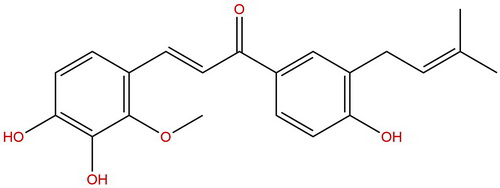
Licochalcone D (LicD) is derived from plants of the licorice genus, particularly Ural licorice Glycyrrhiza uralensis)A typical chalcone compound isolated from the middle. Since its identification, LicD has attracted extensive research interest from scholars both domestically and internationally due to its significant biological activity, particularly as an effective inhibitor of the nuclear factor kappa B (NF - κ B) signaling pathway. Compared with other high content chalcones in licorice, such as licorice chalcone A, although LicD has a relatively low content, its unique pharmacological activity spectrum and potential therapeutic value make it a highly promising lead compound for development. Existing research has shown that LicD performs well in anti-inflammatory, antioxidant, anticancer, and immune regulation. Its mechanism of action involves the regulation of multiple key signaling pathways and molecular targets, such as NF - κ B, STAT3, MAPK, etc. This article aims to provide a comprehensive and systematic review of the chemical structure, plant origin, pharmacological activity, mechanism of action, medicinal properties, and clinical application prospects of licorice chalcone D, in order to provide reference for the in-depth research and development of this natural product.
Chemical structure and physicochemical properties
Licorice chalcone D belongs to the chalcone subclass of flavonoids. The chemical structure of chalcone is characterized by its core structure of 1,3-diphenyl-2-propen-1-one (i.e., an open ring flavonoid skeleton), with two aromatic rings (A and B) connected by an alpha, beta unsaturated carbonyl system. The specific chemical structure of LicD is 3- [(1,1-dimethyl-2-propen-1-yl)] -2 ', 4' - dihydroxy-6 '- methoxychalcone. Its molecular formula is C ₂₁ H ₂₂ O ₅, and its molecular weight is 354.4020 g/mol. Structurally, LicD has one isopentenyl group (1,1-dimethyl-2-propenyl) and one methoxy group attached to its A ring, and two hydroxyl groups on its B ring. This unique substitution pattern, especially the presence of isopentenyl groups, is considered a key structural basis for its potent biological activity. Isopentenyl groups increase the lipophilicity of molecules, facilitating their binding to hydrophobic pockets of cell membranes or target proteins, thereby enhancing their biological effects.
In terms of physicochemical properties, LicD has a lipid water partition coefficient (LogP) of 3.9232, indicating strong lipid solubility and a tendency to distribute in organic phases, which is consistent with the presence of multiple hydrophobic groups in its molecular structure, such as isopentenyl, methoxy, and aromatic rings. Its polar surface area (TPSA) is 86.9900 Å ², which is moderate and suggests that it may have some cell membrane permeability, but not too high to affect its water solubility. The solubility of LicD is relatively low at 0.0325 mg/mL, which to some extent limits its bioavailability and the design of administration routes. In addition, according to predictions, LicD has a lower blood-brain barrier (BBB) penetration ability, suggesting that its potential in the treatment of central nervous system diseases may be limited, but it also means that its peripheral effects may be more concentrated, reducing central nervous system side effects. The prediction of hERG inhibition as' no 'indicates a low potential toxicity risk to cardiac potassium channels, which is a positive indication of drug efficacy. The Ames test result is 0.0, indicating that it did not show significant mutagenicity in the bacterial recovery mutation test, and the preliminary safety is good. These physicochemical properties and preliminary pharmacological parameters provide important foundational data for the subsequent drug development of LicD.
Plant sources and extraction methods
Licorice chalcone D is mainly derived from the Fabaceae family of licorice(Glycyrrhiza)Plants, including Ural licorice(Glycyrrhiza uralensis Fisch. and swollen licorice(Glycyrrhiza inflata Bat. has a relatively high content. In addition, in the light fruit licorice(Glycyrrhiza glabra L. It has also been found, but the content is usually low. The medicinal parts of licorice are mainly roots and rhizomes. The content of LicD in licorice is influenced by various factors, including plant variety, origin, growth period, harvesting time, and processing methods. Usually, the content of LicD in the rhizomes of Ural licorice ranges from 0.01% to 0.1%, which is much lower than the main components such as glycyrrhetinic acid and glycyrrhizin, and belongs to trace active ingredients.
Given the low content of LicD in natural plants, efficient and specific methods are required for its extraction and purification process. Traditional extraction methods typically include solvent extraction, such as soaking, percolating, or refluxing licorice powder using organic solvents such as ethanol, methanol, or ethyl acetate. In order to improve extraction efficiency and selectivity, modern extraction techniques have also been widely applied, such as:
1. Ultrasound assisted extraction (UAE)Using the cavitation effect of ultrasound to destroy plant cell walls, accelerate solvent penetration and target component dissolution, can significantly improve the extraction rate of LicD and shorten the extraction time.
2. Microwave assisted extraction (MAE)By utilizing the body heating effect of microwaves, the internal temperature and pressure of plant cells rapidly increase, leading to cell wall rupture and efficient release of LicD.
3. Supercritical fluid extraction (SFE)Using supercritical CO ₂ as the extractant, lipid soluble components can be selectively extracted by adjusting pressure and temperature. Due to the high LogP value of LicD, SFE is a highly effective green extraction method that can obtain high-purity LicD extracts.
The crude extract after extraction needs further separation and purification to obtain high-purity LicD monomer. Common purification techniques include:
- Column chromatography method This is the most classic method. Usually, silica gel column chromatography is used, with gradient elution using solvent systems such as petroleum ether ethyl acetate or chloroform methanol in different ratios. In addition, polyamide column chromatography and Sephadex LH-20 gel column chromatography are also commonly used for the separation of flavonoids.
- Preparation type high performance liquid chromatography (Prep HPLC)This is currently the most effective method to obtain high-purity LicD. By optimizing chromatographic conditions (such as using a C18 reverse phase column as the stationary phase and acetonitrile water or methanol water system as the mobile phase), efficient separation of LicD from other structurally similar compounds can be achieved, with a purity of over 98%.
- High Speed Counter Current Chromatography (HSCCC)This is a chromatographic technique based on the liquid-liquid distribution principle, which does not require a solid stationary phase and avoids irreversible adsorption of the sample on the stationary phase. It is particularly suitable for the separation of medium polarity compounds such as LicD, and has a high recovery rate.
Pharmacological activity research
In recent years, a large number of in vitro and in vivo studies have revealed that licorice chalcone D (LicD) has various remarkable pharmacological activities, especially outstanding in anti-inflammatory, antioxidant, and anti-tumor aspects.
1. Anti inflammatory activity
Inflammation is a defense response of the body against infection and tissue damage, but excessive or persistent inflammation is the pathological basis of various chronic diseases such as arthritis, cardiovascular disease, and neurodegenerative diseases. LicD has been proven to be a potent anti-inflammatory natural product. In a macrophage model stimulated by lipopolysaccharide (LPS), LicD can significantly inhibit the production of pro-inflammatory cytokines such as tumor necrosis factor - α (TNF - α), interleukin-6 (IL-6), and interleukin-1 β (IL-1 β). In addition, it can effectively reduce the expression of inducible nitric oxide synthase (iNOS/NOS2) and cyclooxygenase-2 (COX-2/PTGS2), thereby reducing the release of inflammatory mediators such as nitric oxide (NO) and prostaglandin E ₂ (PGE ₂). In animal models, LicD showed significant inhibitory effects on acute and chronic inflammation models such as mouse ear swelling and rat adjuvant arthritis, and its effect was comparable or better than that of positive control drugs.
2. Antioxidant activity
Oxidative stress is the result of the imbalance between the production of reactive oxygen species (ROS) and reactive nitrogen species (RNS) and the body's antioxidant defense system, and is closely related to various pathological processes such as aging, cancer, and cardiovascular disease. The phenolic hydroxyl group in the molecular structure of LicD is the main functional group for its antioxidant activity, which can effectively scavenge free radicals (such as DPPH free radicals, ABTS cationic free radicals) and chelate transition metal ions (such as Fe ² ⁺), thereby blocking free radical chain reactions. Research has shown that LicD can significantly reduce cellular oxidative damage induced by hydrogen peroxide (H ₂ O ₂) or tert butyl hydroperoxide (t-BHP), decrease intracellular ROS levels, and increase the activity of antioxidant enzymes such as superoxide dismutase (SOD) and glutathione peroxidase (GSH Px). Its antioxidant activity may be partially achieved by activating the nuclear factor E2 related factor 2 (Nrf2)/antioxidant response element (ARE) signaling pathway.
3. Anti cancer activity
LicD shows a broad spectrum of anti-cancer activities in a variety of cancer cell lines, including breast cancer, lung cancer, prostate cancer, liver cancer, colorectal cancer and melanoma. Its anti-cancer mechanism is multifaceted:
- Inhibit cell proliferation LicD can block cancer cells in the G0/G1 or G2/M phase by inhibiting the expression of cyclin and cyclin dependent kinase (CDK), thereby inhibiting their proliferation.
- Inducing cell apoptosis LicD can induce cancer cell apoptosis through endogenous (mitochondrial) and exogenous (death receptor) pathways. It can upregulate the expression of pro apoptotic proteins Bax and Bad, downregulate the expression of anti apoptotic proteins Bcl-2 and Bcl xL, resulting in a decrease in mitochondrial membrane potential, release of cytochrome c, and activation of Caspase-9 and Caspase-3, ultimately leading to cell apoptosis. Meanwhile, it can also upregulate the expression of death receptors such as Fas.
- Inhibit angiogenesis The growth and metastasis of tumors depend on the formation of new blood vessels. LicD can inhibit the expression and secretion of vascular endothelial growth factor (VEGF), thereby suppressing tumor angiogenesis.
- Inhibit invasion and metastasis LicD can reduce the invasion and migration ability of cancer cells by inhibiting the activity of matrix metalloproteinases (MMPs, such as MMP-2 and MMP-9).
- Reverse drug resistance Studies have shown that LicD can enhance the killing effect of chemotherapy drugs (such as doxorubicin and cisplatin) on drug-resistant cancer cells, and its mechanism may be related to inhibiting NF - κ B activity and downregulating the expression of multidrug resistance proteins (such as P-gp).
4. Other activities
In addition to the main activities mentioned above, LicD has also been reported to have antibacterial (especially anti Helicobacter pylori), antiviral (such as anti influenza virus), hepatoprotective, neuroprotective (in non central nervous system), and immunomodulatory effects. For example, LicD can exert analgesic effects by inhibiting TRPV1 and TRPA1 channels, which is closely related to its anti-inflammatory activity.
Mechanism of action and molecular targets
The pharmacological activity of licorice chalcone D (LicD) is the result of its interaction with multiple molecular targets and regulation of multiple signaling pathways. Its core mechanism of action lies in the inhibition of key transcription factors and signal kinases.
1. Inhibit the NF - κ B signaling pathway
This is the most classic and important mechanism of action of LicD. NF - κ B is a key transcription factor that regulates the expression of numerous genes related to inflammation, immunity, cell proliferation, and apoptosis. In the resting state, NF - κ B (usually a p50/p65 heterodimer) binds to its inhibitory protein I κ B and exists in an inactive form in the cytoplasm. When stimulated by LPS, TNF - α, etc., I κ B kinase (IKK, composed of IKK α, IKK β, and IKK γ, with IKK β/IKBKB being the key catalytic subunit) is activated, phosphorylating I κ B α, leading to its ubiquitination and degradation, thereby releasing NF - κ B. Free NF - κ B (especially p65/RELA subunit) immediately translocates into the nucleus and binds to the κ B site on the target gene promoter, initiating transcription of downstream genes. LicD can directly or indirectly inhibit the activity of IKK β, prevent the phosphorylation and degradation of I κ B α, and thus "sequester" NF - κ B in the cytoplasm, inhibiting its nuclear translocation and transcriptional activity. Therefore, LicD can effectively downregulate the expression of various pro-inflammatory factors (such as TNF - α, IL-6), chemokines, adhesion molecules, inducible enzymes (such as iNOS/NOS2, COX-2/PTGS1), and anti apoptotic proteins (such as Bcl xL, Survivor) regulated by NF - κ B.
2. Inhibit the STAT3 signaling pathway
Signal transducer and activator of transcription factor 3 (STAT3) is another transcription factor that plays a central role in inflammation and cancer. Continuous STAT3 activation is closely related to the occurrence, development, metastasis, and drug resistance of tumors. LicD has been shown to inhibit the phosphorylation of STAT3, particularly at the Tyr705 site, thereby preventing STAT3 dimerization, nuclear translocation, and binding to DNA. By inhibiting STAT3 signaling, LicD can downregulate the expression of its target genes, including Cyclin D1 and c-Myc that promote cell proliferation, Bcl-2 and Bcl xL that resist apoptosis, and VEGF that promotes angiogenesis. The inhibitory effect of LicD on STAT3 may be partially achieved by inhibiting the activity of upstream kinases such as JAK2 and Src.
3. Regulating the MAPK signaling pathway
The mitogen activated protein kinase (MAPK) family includes ERK, JNK, and p38 MAPK, which play important roles in transmitting extracellular signals, regulating cell proliferation, differentiation, stress response, and apoptosis. The effect of LicD on the MAPK pathway is cell type and stimulus specific. In inflammatory models, LicD typically inhibits LPS induced phosphorylation of p38 MAPK and JNK, thereby reducing the production of inflammatory factors. In cancer cells, LicD may inhibit the activation of ERK, thereby suppressing cell proliferation. However, in some cases, LicD may also induce cell apoptosis by activating JNK, demonstrating the complexity of its regulation.
4. Interaction with other targets
LicD can also directly or indirectly act on other key targets:
- CASP1(Caspase-1)Caspase-1 is a key effector enzyme for inflammasome activation, responsible for cleaving pro-IL-1 β and pro-IL-18 into mature forms. LicD may inhibit the assembly or activity of NLRP3 inflammasomes, thereby suppressing the activation of Caspase-1 and reducing the secretion of IL-1 β.
- TRPV1 and TRPA1 These two transient receptor potential (TRP) channels are important molecules for pain and inflammation perception. LicD has been reported as an antagonist of TRPV1 and TRPA1, which can inhibit calcium influx and pain response caused by agonists such as capsaicin or mustard oil, explaining the molecular basis of its analgesic effect.
- Nrf2 As mentioned earlier, the antioxidant activity of LicD is partially attributed to its ability to activate the Nrf2/ARE pathway. Nrf2 is a major antioxidant transcription factor that regulates the expression of various detoxifying enzymes and antioxidant enzymes. LicD may modify key cysteine residues on Keap1 protein, causing Nrf2 to be released from Keap1 and translocated into the nucleus, initiating downstream gene transcription.
In summary, LicD exerts its pharmacological effects through multiple targets and pathways, among which inhibition of NF - κ B and STAT3 is the core mechanism of its anti-inflammatory and anticancer activities.
Evaluation of drug properties and pharmacokinetics
Although licorice chalcone D (LicD) has strong pharmacological activity, its development as a clinical drug still faces many challenges, and its pharmacological evaluation is the key to determining whether it can be successfully transformed.
1. Analysis of pharmacological parameters
According to the provided parameters, the molecular weight of LicD (354.40 Da) conforms to the Lipinski Five Rules (MW<500), which is a good start. Its LogP value (3.92) is slightly higher than the ideal range (usually 0-3), indicating strong lipid solubility, which may lead to poor water solubility and affect oral absorption. TPSA (86.99 Å ²) is within an acceptable range (<140 Å ²), indicating a certain degree of cell membrane permeability. Water solubility (0.0325 mg/mL) is its main weakness, and extremely low water solubility is a common obstacle in oral drug development, which may lead to low bioavailability. The good news is that hERG has a low risk of inhibition and a negative Ames test, indicating a low risk of cardiac and genetic toxicity, and its safety is preliminarily good.
2. Pharmacokinetic (PK) characteristics
At present, there is relatively limited systematic research on the pharmacokinetics of LicD in vivo, but some preliminary findings have been made:
- absorb Due to poor water solubility, oral absorption of LicD may be poor and its bioavailability may not be high. Although its high LogP value is beneficial for transmembrane transport, it also makes it easy to be pumped out of intestinal cells by efflux transporters such as P-glycoprotein (P-gp), further reducing absorption. At present, there is no exact data on its oral bioavailability, but it is speculated to be relatively low.
- distribution LicD has high lipid solubility, suggesting that it is widely distributed in tissues and may mainly accumulate in lipid rich tissues such as the liver, lungs, and fat. Its low BBB penetration indicates that it is not easily able to enter the central nervous system.
- Metabolism The metabolic pathway of LicD is not fully understood. As a chalcone, its α, β - unsaturated ketone structure is a potential metabolic site that may be metabolized in the liver through pathways such as reduction, oxidation, and binding (such as glucuronidation and sulfation). Isopentenyl may also undergo oxidative metabolism. Cytochrome P450 enzyme (CYP450) may be involved in its metabolism.
- excretion LicD and its metabolites may be mainly excreted through bile and urine.
3. Strategies for improving drug efficacy
Given that the main bottleneck of LicD's drug development lies in its water solubility and potential low bioavailability, researchers are exploring various strategies to improve its pharmacokinetic properties
- Prodrug design Modify the phenolic hydroxyl groups in LicD molecules, such as making phosphate esters, amino acid esters, or glycosides, to increase their water solubility. The prodrug is released from the body after enzymatic or chemical hydrolysis.
- Formulation improvement The use of modern drug delivery systems, such as liposomes, nanoparticles, cyclodextrin inclusion complexes, solid dispersions, etc., can significantly improve the solubility and oral bioavailability of LicD. For example, encapsulating it in liposomes or PLGA nanoparticles can not only improve its water solubility, but also achieve targeted delivery and sustained release effects.
- structural optimization Based on the LicD core structure, a series of analogues were synthesized to search for derivatives with stronger activity, better water solubility, and more stable metabolism. For example, introducing polar groups (such as carboxyl and amino groups) into molecules or adjusting the position and length of isopentenyl groups to balance lipid solubility and water solubility.
Clinical application prospects and prospects
Licorice chalcone D (LicD) has shown broad application prospects in the treatment of various diseases due to its multi-target and multi pathway pharmacological activities.
1. Inflammatory diseases
LicD, as a potent NF - κ B and STAT3 inhibitor, as well as a TRPV1/TRPA1 antagonist, has great potential in the treatment of chronic inflammatory diseases. For example, in diseases such as rheumatoid arthritis, inflammatory bowel disease (such as Crohn's disease, ulcerative colitis), psoriasis, asthma, etc., LicD may exert therapeutic effects by inhibiting the production of inflammatory mediators and reducing tissue damage. Its analgesic effect also gives it an advantage in treating inflammatory pain.
2. Tumors
LicD has a wide spectrum of anticancer activity and can reverse drug resistance, making it an attractive candidate for anti-cancer drugs. Possible future research directions include:
- As a monotherapy Used to treat tumors that are insensitive to conventional chemotherapy, such as melanoma, liver cancer, etc.
- As a chemotherapy sensitizer: Used in combination with existing chemotherapy drugs such as cisplatin, paclitaxel, and doxorubicin to reduce the dosage and toxicity of chemotherapy drugs and overcome tumor resistance.
- targeted therapy Targeted treatment for specific tumor types with excessive activation of NF - κ B or STAT3.
3. Metabolic disorders
The anti-inflammatory and antioxidant properties of LicD also make it potentially applicable in metabolic diseases. For example, in non-alcoholic fatty liver disease (NAFLD), LicD may improve hepatic steatosis and fibrosis by inhibiting liver inflammation and oxidative stress. In diabetes and its complications (such as diabetes nephropathy and diabetes retinopathy), LicD may also play a protective role by inhibiting inflammation and oxidative damage induced by high glucose.
4. Neurodegenerative diseases
Although LicD has low BBB penetration, there are still studies exploring its application in neurodegenerative diseases. For example, in Alzheimer's disease (AD) models, LicD may protect neurons by inhibiting neuroinflammation and oxidative stress. However, how to increase its brain concentration is an urgent problem to be solved. Developing nano delivery systems or prodrugs that can cross the BBB may be the future direction.
Outlook and Challenges
Despite the bright prospects, the clinical translation of LicD still faces severe challenges:
1. Pharmacokinetic bottleneck Poor water solubility and potential low bioavailability are the biggest obstacles. In the future, a significant amount of energy will need to be invested in dosage form development and structural optimization.
2. Deep analysis of the mechanism of action Although LicD is known to inhibit NF - κ B and STAT3, its direct molecular target (i.e., which protein it directly binds to) is still unclear. Identifying its direct target is crucial for understanding its mechanism of action and conducting rational drug design.
3. In vivo efficacy and safety evaluation Currently, most research is focused on in vitro and animal models. More extensive in vivo pharmacological studies are needed, especially the use of animal models more relevant to human diseases. At the same time, systematic toxicology research is needed, including long-term toxicity, reproductive toxicity, etc., to comprehensively evaluate its safety.
4. Large scale preparation Due to the low content of LicD in licorice, achieving its economical and efficient large-scale synthesis or biosynthesis is key to meeting future preclinical and clinical research needs.
Conclusion
LicD, as a unique chalcone active ingredient in licorice, has become a research hotspot in the field of natural product pharmacology due to its strong anti-inflammatory, antioxidant, and anticancer activities demonstrated by inhibiting key signaling pathways such as NF - κ B and STAT3. Its unique chemical structure, especially the presence of isopentenyl groups, is the structural basis for its potent biological activity. Although LicD faces challenges such as poor water solubility and potentially low oral bioavailability in terms of drug development, its low hERG inhibition risk and good genotoxic safety provide confidence for its development. These obstacles are expected to be overcome through modern pharmaceutical chemistry and pharmacy techniques such as prodrug design and nanoformulations. In the future, with the in-depth analysis of its mechanism of action, comprehensive elucidation of its pharmacokinetic properties, and breakthroughs in efficient preparation techniques, LicD is expected to develop from a promising lead compound into a novel drug for treating inflammation, cancer, and other related diseases, contributing to human health. The continuous research on LicD not only helps to reveal the pharmacological substance basis of traditional Chinese medicine licorice, but also provides valuable examples for discovering innovative drugs from natural products.