Introduction/Overview
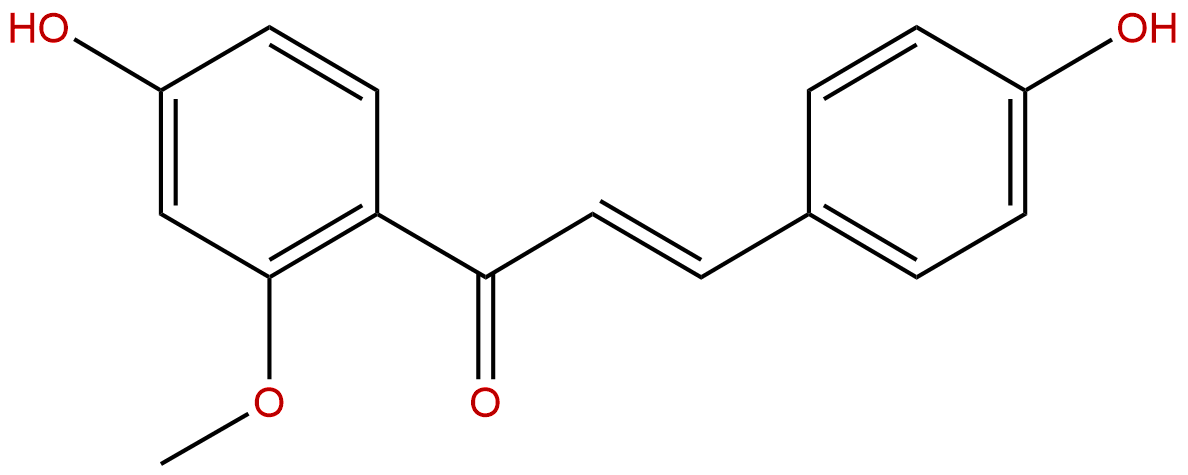
Natural products, as an important treasure trove for drug discovery, play an irreplaceable role in the history of human disease prevention and treatment. Chalcone compounds are a class of flavonoid precursors widely present in the plant kingdom. Their unique α, β - unsaturated ketone structures endow them with diverse biological activities, such as anti-inflammatory, antioxidant, anti-tumor, and anti fibrotic properties. 2 '' - O-Methylisoliquiritigenin (2 '- O-MIL), CAS number 51828-10-5, is a methylated derivative of isoliquiritigenin derived from plants such as licorice, which undergoes methoxy substitution on the hydroxyl group at the 2' - position of isoliquiritigenin. This structural modification not only changes its physicochemical properties, but also significantly affects its pharmacological activity and spectrum of action. In recent years, with the deepening of research on chronic liver disease, liver fibrosis, as its core pathological link, has become a major global health challenge. Liver fibrosis is an abnormal repair response of the liver to various chronic injuries, characterized by excessive deposition of extracellular matrix (ECM), which can ultimately lead to cirrhosis and even hepatocellular carcinoma. At present, there is a lack of efficient and specific anti liver fibrosis drugs in clinical practice. Therefore, it is of great scientific significance and clinical value to search for new therapeutic targets and candidate molecules from natural products. 2 '- O-MIL has attracted much attention due to its multi-target and multi pathway regulatory potential in liver fibrosis models. This article aims to systematically review the chemical properties, plant sources, pharmacological activities of 2 '- O-MIL, especially its anti liver fibrosis mechanism and molecular targets, and to provide prospects for its pharmacological and clinical applications.
Chemical structure and physicochemical properties
2 '' - O-Methylisoliquiritigenin belongs to chalcone compounds, and its chemical name is (2E) -1- (2,4-dihydroxyphenyl) -3- (2-hydroxy-4-methoxyphenyl) -2-propen-1-one. Its molecular formula is C16H14O5 and its molecular weight is 270.2840. Its core structure consists of two aromatic rings (A ring and B ring) connected by a three carbon α, β - unsaturated carbonyl system, forming a typical chalcone skeleton. Compared with the parent compound isoliquiritigenin (B-ring 2 ', 4' - dihydroxy), 2 '- O-MIL is mainly characterized by the substitution of methoxy (- OCH3) at the 2' - hydroxyl position of the B-ring.
This structure determines its basic physicochemical properties. Its lipid water partition coefficient (LogP) is 2.9717, indicating that it has moderate lipophilicity, which is conducive to transmembrane transport and absorption. The topologically polar surface area (TPSA) is 66.7600 Å ², which is relatively low due to the presence of only polar groups such as hydroxyl and methoxy in its molecule. The water solubility data is 0.0859 mg/mL, which belongs to the category of slightly soluble to poorly soluble. This suggests that solubilization strategies may need to be considered in formulation development, such as making cyclodextrin inclusion complexes, nanocrystals, or prodrugs. The preliminary drug risk assessment shows that its blood-brain barrier permeability is predicted to be "high", suggesting that it may have potential effects on central nervous system related diseases, but experimental verification is needed. In terms of safety, its hERG inhibitory prediction is' no ', reducing the risk of inducing QT interval prolongation in the heart; The Ames test value is 0.6 (usually considered to have mutagenic risk if>1.0), indicating a low genetic toxicity risk, but further in vitro and in vivo toxicological studies are needed to confirm.
Plant sources and extraction methods
2 '- O-MIL is mainly found in plants of the Glycyrrhiza genus in the legume family, such as Glycyrrhiza glabra, Glycyrrhiza inflata, and Glycyrrhiza uralensis. These plants are commonly used in traditional medicine to treat cough, ulcers, and inflammatory diseases. In addition, there have been sporadic reports in some other plants such as the Iridaceae family. In plants, it may exist as a methylated metabolite of isoliquiritigenin or as an independent secondary metabolite.
The extraction and separation methods usually follow the conventional process of natural product chemistry. Firstly, the dried licorice rhizome is crushed and subjected to reflux extraction or ultrasound assisted extraction using organic solvents such as methanol, ethanol, or acetone. After vacuum concentration, the crude extract obtained is subjected to gradient extraction using solvents such as petroleum ether, ethyl acetate, and n-butanol. 2 '- O-MIL is usually enriched in the ethyl acetate extraction site due to its equipolarity. Further purification depends on various chromatographic techniques, including silica gel column chromatography (gradient elution with chloroform methanol system), Sephadex LH-20 gel column chromatography and high performance liquid chromatography (HPLC) preparation. Modern technologies such as high-speed countercurrent chromatography (HSCCC) are also applied for the rapid preparation of such chalcone monomers due to their high efficiency and no loss of solid adsorbents. Structural identification involves the comprehensive use of ultraviolet spectroscopy (UV), infrared spectroscopy (IR), mass spectrometry (MS), one-dimensional and two-dimensional nuclear magnetic resonance spectra (1H-NMR, 13C-NMR, HSQC, HMBC, etc.), and confirmation through comparison with literature data or standard samples.
Pharmacological activity research
2 '- O-MIL exhibits a wide range of pharmacological activities, and its research focuses mainly on anti fibrosis, anti-inflammatory, antioxidant, and anti-tumor aspects.
-
Anti hepatic fibrosis activity This is the most prominent pharmacological effect of 2 '- O-MIL. In various experimental liver fibrosis models, such as rat or mouse models induced by carbon tetrachloride (CCl4), thioacetamide (TAA), or bile duct ligation (BDL), administration of 2 '- O-MIL can significantly reduce liver collagen deposition, lower serum levels of liver fibrosis markers (such as hyaluronic acid, laminin, type III procollagen, type IV collagen), and improve liver histopathological scores. Its effect is closely related to regulating the activation and apoptosis of hepatic stellate cells (HSCs).
-
Anti inflammatory and antioxidant activity 2 '- O-MIL can effectively inhibit inflammatory mediators produced by macrophages stimulated by lipopolysaccharides (LPS), such as nitric oxide (NO), prostaglandin E2 (PGE2), tumor necrosis factor - α (TNF - α), interleukin-6 (IL-6), and IL-1 β. Its antioxidant effect is manifested by clearing free radicals such as DPPH and ABTS, enhancing the activity of intracellular antioxidant enzymes such as superoxide dismutase (SOD) and glutathione peroxidase (GSH Px), and reducing the production of lipid peroxidation product malondialdehyde (MDA). These effects are important foundations for its anti fibrotic, anti-tumor and other activities.
-
Antitumor activity: Studies have shown that 2 '- O-MIL can inhibit the proliferation and promote apoptosis of many cancer cell lines (such as liver cancer, breast cancer, colon cancer, lung cancer). Its mechanism involves inducing cell cycle arrest (such as G2/M phase arrest), activating the mitochondrial apoptosis pathway, and inhibiting cell invasion and metastasis.
-
Other activities In addition, there are studies reporting its potential activities such as antibacterial, antiviral, and neuroprotective properties, but related research is still in its preliminary stage.
Mechanism of action and molecular targets
The anti fibrotic and other pharmacological effects of 2 '- O-MIL are not achieved through a single target, but through a complex multi-target and multi pathway network. Existing research has revealed its interactions with multiple key target proteins:
-
AMPK (PRKAA1) signaling pathway AMPK is a core regulatory factor in cellular energy metabolism. 2 '- O-MIL has been confirmed to activate AMPK. The activation of AMPK inhibits its downstream target mammalian rapamycin target protein (mTOR), thereby suppressing HSC proliferation and ECM synthesis; On the other hand, AMPK activation can upregulate the activity of nuclear factor E2 related factor 2 (Nrf2), enhancing antioxidant defense.
-
Nrf2 (NFE2L2)/HO-1 antioxidant pathway Nrf2 is a key transcription factor in antioxidant response. 2 '- O-MIL can promote the translocation of Nrf2 from cytoplasm to nucleus, upregulate the gene expression of phase II detoxifying enzymes and antioxidant enzymes such as heme oxygenase-1 (HO-1), thereby reducing oxidative stress damage to liver cells and inhibiting oxidative stress-induced HSC activation.
-
TLR4/NF - κ B/NLRP3 inflammatory signaling axis Toll like receptor 4 (TLR4) is a key receptor that recognizes damage associated molecular patterns (DAMPs) and initiates inflammatory responses. 2 '- O-MIL can inhibit the expression of TLR4 and its downstream signaling. It reduces the production of pro-inflammatory factors (TNF - α, IL-6, IL-1 β) by blocking the activation of nuclear factor kappa B (NF - κ B). Meanwhile, studies have shown that it can inhibit the assembly and activation of NLRP3 inflammasomes, reduce the activation of caspase-1 (CASP1), and thus decrease the secretion of mature IL-1 β, which is an important mechanism for inhibiting inflammatory liver injury and fibrosis.
-
STAT3 signaling pathway Signal transduction and transcription activator 3 (STAT3) plays an important role in HSC activation and survival. 2 '- O-MIL can inhibit the phosphorylation (activation) of STAT3, thereby downregulating the expression of downstream target genes such as B-cell lymphoma 2 (BCL2). BCL2 is an anti apoptotic protein, and its downregulation helps promote activated HSC apoptosis, which is one of the key strategies for reversing liver fibrosis.
-
Matrix metalloproteinases (MMPs) system The reversal of liver fibrosis requires the degradation of excessively deposited ECM. 2 '- O-MIL can upregulate the expression of matrix metalloproteinase-1 (MMP1, mainly degrading type I and III collagen), while inhibiting the overexpression of tissue inhibitor of metalloproteinase-1 (TIMP-1) and pro fibrotic MMP2 (associated with basement membrane degradation and fibrosis progression), thereby reshaping ECM metabolic balance and promoting fiber degradation.
-
Other potential targets Protein kinase C alpha (PRKCA) is involved in various pro fibrotic signaling pathways, and 2 '- O-MIL may have an inhibitory effect on it. RecQ helicase (RECQL) is associated with genomic stability, and its interaction suggests that 2 '- O-MIL may affect DNA damage repair, but its specific role in anti fibrosis remains to be elucidated.
In summary, 2 '- O-MIL exerts a network pharmacological effect against liver fibrosis by synergistically activating protective pathways such as AMPK/Nrf2 and simultaneously inhibiting damaging pathways such as TLR4/NF - κ B/NLRP3 and STAT3, from multiple aspects such as antioxidant, anti-inflammatory, inhibition of HSC activation, promotion of HSC apoptosis, and promotion of ECM degradation.
Evaluation of drug properties and pharmacokinetics
Based on its physicochemical parameters, 2 '- O-MIL has the basic potential to become an oral medication: moderate LogP values are beneficial for gastrointestinal absorption, and lower TPSA also suggests good membrane permeability. However, its poor water solubility is the main bottleneck affecting its oral bioavailability. Preliminary computer simulations and limited in vitro studies suggest that its metabolism may involve oxidative metabolism of liver cytochrome P450 enzyme systems (such as CYP1A2, CYP2C9, etc.), as well as II binding reactions (glucuronidation and sulfation). Its methylated structure may have better metabolic stability than isoliquiritigenin.
Currently, there are few reports on pharmacokinetic studies of the 2 '- O-MIL system. According to the study of its structurally similar compound isoliquiritigenin, chalcone compounds are absorbed quickly after oral administration, but have a significant first pass effect and low bioavailability. They mainly exist in the form of bound metabolites in the body. Therefore, future research on 2 '- O-MIL needs to focus on its in vivo ADME process, including its absorption rate and degree in animal models (rats, mice), tissue distribution (especially enrichment in the liver), identification of major metabolites and metabolic pathways, and excretion mode. These data are key to evaluating their potential for drug development and guiding formulation design (such as self microemulsions, phospholipid complexes, solid dispersions, etc.).
In terms of safety evaluation, in addition to the preliminary predictions of hERG and Ames mentioned above, it is necessary to conduct systematic acute toxicity, subacute toxicity, long-term toxicity tests, as well as toxicity assessments of its main metabolites. The therapeutic window (the range between effective dose and toxic dose) needs to be clearly defined in animal models.
Clinical application prospects and prospects
2 '- O-MIL, as a multi-target natural small molecule for anti liver fibrosis, has promising clinical application prospects, but also faces challenges.
prospect:
1. Innovative drug candidates for anti liver fibrosis In response to the limited efficacy and significant side effects of current clinical anti fibrotic drugs such as pirfenidone and nintedanib, the multi pathway mechanism of action of 2 '- O-MIL may provide a more comprehensive and safe treatment option, especially for liver fibrosis caused by viral hepatitis, alcoholic or non-alcoholic fatty liver disease.
2. Combination therapy strategy Given its anti-inflammatory, antioxidant, and pro HSC apoptosis effects, 2 '- O-MIL may be used in combination with existing antiviral drugs (such as entecavir and sofosbuvir) or anti-inflammatory drugs to achieve synergistic "etiological treatment" and "anti fibrotic treatment" and improve efficacy.
3. Innovative dosage forms enhance therapeutic efficacy Improving its water solubility and bioavailability through nanotechnology (such as liposomes, polymer nanoparticles), prodrug design, or eutectic technology is the only way to promote its clinical application.
4. Expand indications Its action targets (such as STAT3, NF - κ B, NLRP3) are also widely involved in the occurrence and development of pulmonary fibrosis, renal fibrosis, atherosclerosis and a variety of tumors. Therefore, its therapeutic potential may be extended to other organ fibrosis diseases, chronic inflammatory diseases, and tumor adjuvant therapy fields.
Challenges and Prospects:
1. In depth mechanism research At present, mechanism research is mostly based on pharmacological tools and gene knockout/overexpression techniques, and more direct evidence is needed to clarify the precise interaction mode between 2 '- O-MIL and the above-mentioned targets (such as AMPK, TLR4, STAT3) (such as whether they bind directly, binding sites), which is helpful for structure based optimization design.
2. Systematic pharmacokinetics and toxicology research It is urgent to supplement complete preclinical pharmacokinetic, toxicological, and safety evaluation data, which are the cornerstone of new drug development.
3. Clinical translational research There is a huge gap between in vitro and animal models and human trials. A rigorous preclinical research protocol needs to be designed and ultimately advanced to Phase I (safety) and Phase II (efficacy exploration) clinical trials.
4. Natural source limitations and synthesis Extracting and purifying a large amount of 2 '- O-MIL from plants is costly. Developing efficient and green chemical or biological synthesis methods (such as microbial fermentation and synthetic biology) is crucial for ensuring raw material supply and reducing costs.
Conclusion
2 '' - O-Methylisoliquiritigenin, as an important chalcone active ingredient in licorice, has shown great research value and application potential in the field of anti liver fibrosis due to its unique chemical structure and multi-target pharmacological properties. It exerts anti fibrotic effects from multiple levels, including oxidative stress, inflammatory response, HSC activation and apoptosis, and ECM metabolism, by precisely regulating key signaling pathways such as AMPK/Nrf2, TLR4/NF - κ B/NLRP3, STAT3, etc., reflecting the advantages of natural products' "multi-component multi-target multi pathway" approach. Although there are still many scientific problems that need to be solved urgently in terms of its systematic pharmacokinetics, toxicology, and clinical translation, with the continuous development of modern pharmacology, pharmacy, and medicinal chemistry technologies, through in-depth mechanism exploration, reasonable structural modification, and innovative dosage form design of 2 '- O-MIL, it is expected to be developed into a new, efficient, and safe anti fibrotic drug, which not only brings new hope to liver fibrosis patients, but may also provide new ideas for the treatment of other related diseases. The continuous research on 2 '- O-MIL is a vivid example of exploring the modern value of natural products and promoting the modernization and internationalization of traditional Chinese medicine.