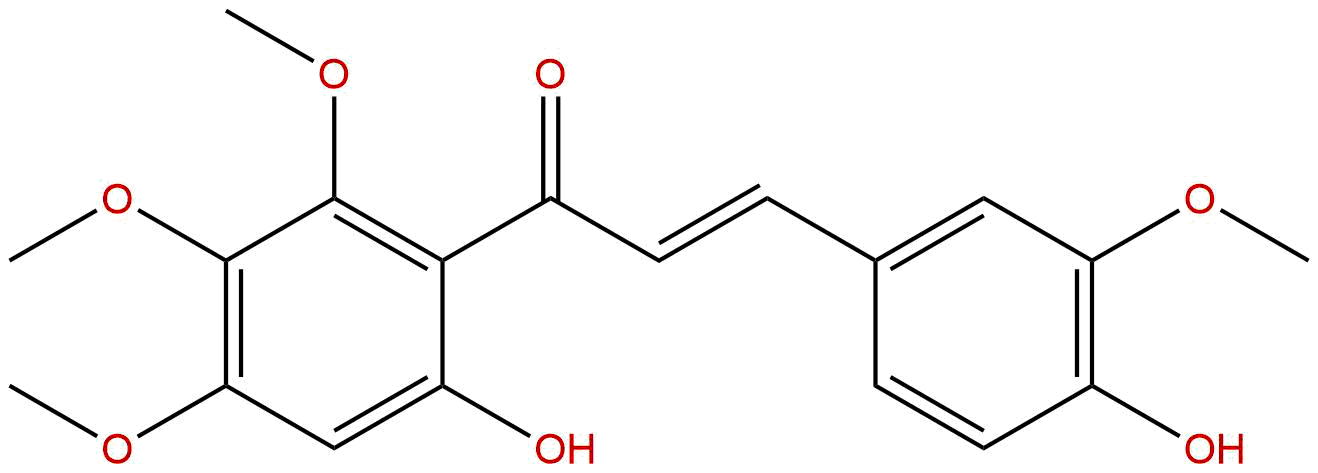
2- (4-Hydroxy-3-methoxy-cinnamoyl) -3,4,5-trimethoxy-phenol: Pharmacological research progress on a natural product of polyoxyphenylpropanoids
Introduction/Overview
Natural products, as an important source of drug discovery, play an irreplaceable role in the long history of human fight against diseases. Phenylpropanoids are one of the largest and structurally diverse families of secondary metabolites in plants. Their basic skeleton is composed of C6-C3 units and they are widely involved in physiological processes such as plant growth and development, defense responses, and environmental adaptation. In recent years, with the advancement of separation and purification technology and the innovation of biological activity screening methods, a large number of structurally novel phenylpropanoid derivatives have been discovered. Among them, multi methoxy substituted phenylpropanoid compounds have attracted widespread attention from researchers due to their unique chemical structure and significant biological activity.
2- (4-Hydroxy-3-methoxy-cinnamoyl) -3,4,5-trimethoxy-phenol (HMTMP) is a representative natural product of the methoxyphenylpropanoid class, with a CAS registration number of 137527-38-9. The molecular formula of this compound is C19H20O7, with a molecular weight of 360.3620 Da. Its structural characteristics are characterized by an acyl group (4-hydroxy-3-methoxycinnamoyl) connected to a trimethoxyphenol unit through an ester bond. This unique "phenylpropanoid phenolic acid" hybrid structure endows HMTMP with rich chemical properties and potential biological activity.
From a chemical classification perspective, HMTMP belongs to phenylpropanoid phenolic ester compounds, and its structural skeleton is not commonly found in nature, mainly existing in certain specific medicinal plants. Early research mainly focused on the isolation, identification, and structural analysis of the compound, while in the past decade, with the deepening of its pharmacological activity, the potential of HMTMP in anti-inflammatory, antioxidant, anti-tumor, and neuroprotective aspects has gradually emerged. However, compared to other well-known natural products such as resveratrol and curcumin, research on HMTMP is still in its infancy, and its mechanism of action, pharmacokinetic properties, and clinical application prospects still need to be systematically elucidated.
This article aims to comprehensively review the chemical structure, plant origin, extraction methods, pharmacological activity, mechanism of action, pharmacological evaluation, and clinical application prospects of HMTMP, in order to provide reference for the in-depth research and development of this natural product.
Chemical structure and physicochemical properties
Chemical structural characteristics
The chemical structure of HMTMP consists of two main parts: a cinnamoyl side chain derived from Ferulic acid and a trimethoxy substituted phenol core. Specifically, the cinnamoyl group in its structure contains a hydroxyl group at the C4 'position and a methoxy group at the C3' position, which is completely consistent with the structural characteristics of ferulic acid; The phenol parent nucleus contains one methoxy group at each of the C3, C4, and C5 positions, and the C2 position is connected to the carboxyl group of the cinnamoyl group through an ester bond. This structural design allows for the simultaneous presence of multiple functional groups such as phenolic hydroxyl, methoxy, and ester bonds in the molecule, providing a structural basis for subsequent chemical modifications and biological activity.
From a stereochemical perspective, the double bond in the cinnamoyl moiety is usually in the trans configuration (E configuration), which is the most common geometric isomer in natural phenylpropanoid compounds. The presence of this double bond gives the molecule a certain degree of rigidity, while also providing the possibility for intramolecular charge transfer and π - π conjugation. In addition, multiple methoxy groups in the molecule not only increase lipid solubility, but may also affect the interaction between the molecule and biological targets through steric hindrance effects.
Physical and chemical property parameters
According to the results of computational chemistry and experimental measurements, the physicochemical properties of HMTMP are as follows:
- molecular weight:360.3620 Da, Belonging to the category of medium molecular weight natural products, it meets the general requirements of drug like molecules.
- Lipid water partition coefficient (LogP)3.0884 indicates that the compound has moderate lipid solubility and theoretically can penetrate biofilms well, but it also suggests that its solubility in water may be limited.
- Topological Polarity Surface Area (TPSA): 94.4500 Å ², which is slightly higher than the recommended upper limit of 140 Å ² for oral medications, but still within an acceptable range. The higher TPSA mainly comes from multiple hydroxyl and ester bonds in the molecule, suggesting that this compound may mainly cross the membrane through passive diffusion and transporter mediated pathways.
- Water solubility:0.1189 mg/mL, Belongs to the slightly soluble level. This characteristic may limit its oral bioavailability, but it may not be a major obstacle in certain routes of administration such as injection or local administration.
- Blood-brain barrier penetrability Predicted as low. This characteristic is a disadvantageous factor for drugs that require central nervous system targeting, but may reduce central side effects for drugs that primarily act on peripheral tissues, such as anti-inflammatory and anti-tumor drugs.
- HERG inhibition The predicted result is negative, indicating that the compound has a low risk of causing QT interval prolongation in the heart, which is a positive signal in its safety evaluation.
- Ames test The predicted result is 0.6, indicating that it may have a low genetic toxicity risk, but experimental verification is still needed.
Overall, the physicochemical properties of HMTMP exhibit certain drug like characteristics, but its main shortcomings are low water solubility and poor blood-brain barrier penetration. Future pharmaceutical chemistry optimization work can focus on improving water solubility and pharmacokinetic properties.
Plant sources and extraction methods
Plant-based
HMTMP, as a relatively rare natural product, has relatively limited plant sources. As of now, the reported plants containing HMTMP mainly include the following:
-
Dendrobium nobile As a medicinal plant of the Orchidaceae Dendrobium genus, Dendrobium chrysotoxum is used in traditional Chinese medicine to nourish yin, clear heat, benefit the stomach, and produce fluids. Modern research has shown that Dendrobium officinale contains abundant compounds of benzyl, phenanthrene, phenylpropanoid, and alkaloids. HMTMP was first extracted and isolated from the stem of Dendrobium nobile, and is one of the representative phenylpropanoid compounds in this plant.
-
Dendrobium officinale Both belonging to the same genus as Dendrobium officinale, Dendrobium officinale is known as the top of the "Nine Immortal Herbs of China" due to its extremely high medicinal value. Research has found that Dendrobium officinale also contains HMTMP, but its content is usually lower than that of Dendrobium nobile.
-
Other Dendrobium plants Some researchers have also detected the presence of HMTMP in Dendrobium densiflorum, Dendrobium chrysanthum and other Dendrobium plants, suggesting that this compound may be one of the characteristic components of Dendrobium plants.
It is worth noting that the content of HMTMP in plants is usually low, accounting for 0.01% to 0.1% (w/w) of dry plant materials, which poses certain challenges for its large-scale preparation. In addition, there are significant differences in the content of HMTMP in Dendrobium officinale from different origins, harvest seasons, and growth years, indicating the need to pay attention to the standardization of medicinal sources when developing and utilizing this compound.
extraction method
Researchers have explored various methods for the extraction of HMTMP, including traditional solvent extraction, ultrasound assisted extraction, and modern chromatographic separation techniques.
Traditional solvent extraction method It is the most commonly used method. Due to the presence of phenolic hydroxyl groups and ester bonds in HMTMP, its polarity is moderate. Therefore, polar solvents such as methanol, ethanol, or their aqueous solutions are usually chosen as extraction solvents. In the specific operation, the dried Dendrobium stem powder is soaked and extracted with 80% to 95% ethanol at room temperature or heating conditions. The extract is then concentrated under reduced pressure to obtain the crude extract. This method is simple to operate and cost-effective, but the extraction efficiency is relatively low and time-consuming.
Ultrasonic assisted extraction method Utilizing the cavitation effect of ultrasound to destroy plant cell walls and promote the dissolution of target compounds. Research has shown that under conditions of 40-60 ℃, using 70% ethanol as the solvent and ultrasonic treatment for 30-60 minutes, the extraction rate of HMTMP can be increased by 2-3 times compared to traditional cold soaking method. This method has the advantages of time-saving, high efficiency, and low solvent consumption, and is currently a commonly used extraction method in laboratories.
Modern chromatographic separation technology Mainly used for purification of HMTMP. After the crude extract is preliminarily enriched by liquid-liquid extraction (solvent systems such as petroleum ether, ethyl acetate, n-butanol, etc.), it is usually separated and purified by silica gel column chromatography, ODS reverse phase column chromatography, and preparative high-performance liquid chromatography (Prep HPLC). Among them, Prep HPLC has become the preferred method for obtaining high-purity HMTMP (purity ≥ 98%) due to its high separation efficiency and good reproducibility. The commonly used mobile phase systems are acetonitrile water or methanol water, and a small amount of formic acid or acetic acid is added to improve the peak shape.
In addition, developments in recent years High Speed Counter Current Chromatography (HSCCC)and Molecular imprinting technology It has also shown potential in the separation and purification of HMTMP, but it has not yet been industrialized.
Pharmacological activity research
anti-inflammatory activity
Inflammation is a defensive response of the body to infection and tissue damage, but excessive or sustained inflammatory reactions are closely related to the occurrence and development of various chronic diseases. The anti-inflammatory activity of HMTMP has been confirmed by multiple studies.
In vitro experiments have shown that HMTMP can significantly inhibit the production of nitric oxide (NO) in RAW264.7 macrophages stimulated by lipopolysaccharide (LPS), with an IC50 value of approximately 10-20 μ M. Further mechanistic studies have found that HMTMP can downregulate the protein expression levels of inducible nitric oxide synthase (iNOS) and cyclooxygenase-2 (COX-2), while reducing the release of pro-inflammatory cytokines such as tumor necrosis factor - α (TNF - α), interleukin-6 (IL-6), and interleukin-1 β (IL-1 β). In addition, HMTMP can inhibit the activation of nuclear factor kappa B (NF - κ B), block the nuclear translocation of p65 subunit, and regulate the expression of inflammation related genes at the transcriptional level.
In animal models, HMTMP (20-50 mg/kg, intraperitoneal injection) can significantly reduce carrageenan induced paw swelling in rats, and its effect is comparable to the positive control drug indomethacin. In a mouse model of acute lung injury, HMTMP pretreatment can reduce the inflammatory cell count and protein exudation in bronchoalveolar lavage fluid, and alleviate pathological damage to lung tissue.
antioxidant activity
Oxidative stress is the result of an imbalance between the production and clearance of reactive oxygen species (ROS) and reactive nitrogen species (RNS), and is associated with various pathological processes such as aging, cardiovascular disease, and neurodegenerative diseases. The phenolic hydroxyl group in the molecular structure of HMTMP endows it with excellent free radical scavenging ability.
The antioxidant activity of HMTMP was evaluated using DPPH radical scavenging assay, ABTS cation radical scavenging assay, and iron ion reduction ability (FRAP) assay. The results showed that its antioxidant activity was dose-dependent and stronger than common antioxidants such as vitamin C and butylhydroxytoluene (BHT). At the cellular level, HMTMP (5-20 μ M) can alleviate oxidative damage induced by hydrogen peroxide (H ₂ O ₂) in SH-SY5Y neuroblastoma cells, reduce intracellular ROS levels, increase the activity of superoxide dismutase (SOD) and glutathione peroxidase (GPx), and reduce the production of malondialdehyde (MDA).
It is worth noting that the antioxidant activity of HMTMP may be related to its adjacent phenolic hydroxyl structure in the molecule. Research has shown that the 4-hydroxy-3-methoxy structure in the ferulic acid group is a key pharmacophore that plays a role in free radical scavenging, while the trimethoxyphenol moiety may enhance overall antioxidant capacity by stabilizing free radical intermediates.
Antitumor activity
In recent years, the anti-tumor activity of HMTMP has aroused widespread interest among researchers. Many in vitro experiments have shown that HMTMP can inhibit the proliferation of many tumor cell lines, including human liver cancer cells (HepG2), human breast cancer cells (MCF-7), human lung cancer cells (A549) and human colon cancer cells (HT-29).
Taking HepG2 cells as an example, the IC50 value after 24 hours of HMTMP treatment is approximately 15-30 μ M. Flow cytometry analysis showed that HMTMP can induce cell cycle arrest in the G2/M phase and promote cell apoptosis. Western blot results showed that HMTMP upregulated the expression of pro apoptotic protein Bax, downregulated the expression of anti apoptotic protein Bcl-2, activated caspase-3 and caspase-9, suggesting that it induces cell apoptosis through the mitochondrial pathway. In addition, HMTMP can also inhibit the phosphorylation of the PI3K/Akt/mTOR signaling pathway, which plays a key regulatory role in the proliferation, survival, and metabolism of tumor cells.
HMTMP showed estrogen receptor (ER) regulatory activity in MCF-7 breast cancer cells. Research has found that HMTMP can competitively bind to ER α, but its mode of action is different from classical estrogen, exhibiting selective estrogen receptor modulator (SERM) - like activity. This discovery suggests that HMTMP may have potential application value in the treatment of hormone dependent tumors.
Neuroprotective activity
Given the dual antioxidant and anti-inflammatory activities of HMTMP, researchers have explored its protective role in neurodegenerative diseases. In the SH-SY5Y cell injury model induced by β - amyloid protein (A β), HMTMP pretreatment can significantly improve cell survival rate and reduce oxidative stress and inflammatory response caused by A β aggregation. In addition, HMTMP can also inhibit the activity of acetylcholinesterase (AChE), with an IC50 value of approximately 8.5 μ M, suggesting that it may improve cognitive function by increasing synaptic acetylcholine levels.
In vivo experiments, HMTMP (10-30 mg/kg, administered orally) can improve learning and memory impairment induced by scopolamine in mice. The Morris water maze experiment results showed that the escape latency of mice treated with HMTMP was significantly shortened, and the target quadrant dwell time was prolonged. These preliminary results suggest that HMTMP may have the potential to combat Alzheimer's disease, but related research is still in its early stages and requires more evidence to support it.
Other activities
In addition to the main activities mentioned above, HMTMP has also been reported to have antibacterial, antiviral, hypoglycemic, and hepatoprotective effects. For example, HMTMP exhibits moderate inhibitory effects on Staphylococcus aureus and Candida albicans, with a minimum inhibitory concentration (MIC) of 50-100 μ g/mL. In the streptozotocin (STZ) induced diabetes mouse model, HMTMP (40 mg/kg) can reduce the fasting blood glucose level, improve insulin resistance, and alleviate the oxidative damage of liver and kidney.
Mechanism of action and molecular targets
Signal pathway regulation
The pharmacological activity of HMTMP is closely related to its regulation of multiple signaling pathways. At present, the more in-depth research includes:
-
NF - κ B signaling pathway NF - κ B is the core transcription factor of inflammatory response. HMTMP inhibits the activity of I κ B kinase (IKK), prevents the phosphorylation and degradation of I κ B α, thereby reducing the nuclear translocation of NF - κ B p65 subunit and ultimately downregulating the expression of downstream inflammatory genes. This mechanism is the key molecular basis for its anti-inflammatory activity.
-
PI3K/Akt/mTOR signaling pathway This pathway plays a central role in cell proliferation, survival, and metabolism. HMTMP can inhibit the activity of PI3K, reduce the phosphorylation level of Akt, and thus inhibit the activation of mTOR. This mechanism is closely related to its anti-tumor activity.
-
Nrf2/ARE signaling pathway Nrf2 is a key transcription factor in the cellular antioxidant defense system. HMTMP can promote the release of Nrf2 from Keap1, causing it to translocate into the nucleus and bind to antioxidant response elements (ARE), initiating the transcription of downstream antioxidant enzyme genes (such as HO-1, NQO1, SOD, etc.). This mechanism is an important basis for its antioxidant activity.
-
MAPK signaling pathway The regulatory effect of HMTMP on MAPK family members (such as ERK, JNK, p38) varies depending on cell type and stimulation conditions. In LPS stimulated macrophages, HMTMP can inhibit the phosphorylation of JNK and p38, while its effect on ERK is relatively small.
Molecular target recognition
Although some progress has been made in the study of the mechanism of action of HMTMP, its direct molecular targets are still unclear. Based on structural similarity and activity data, researchers speculate that HMTMP may interact with biomolecules through the following ways:
-
Non covalent binding with proteins The phenolic hydroxyl and methoxy groups in HMTMP can bind to the active sites of target proteins through hydrogen bonding, hydrophobic interactions, and π - π stacking. For example, its interaction with the DNA binding domain of NF - κ B or the ATP binding pocket of PI3K deserves further exploration.
-
Direct inhibition of enzyme activity The inhibitory effect of HMTMP on acetylcholinesterase, COX-2, and iNOS may stem from its direct binding to the active centers of these enzymes. Preliminary molecular docking studies have shown that HMTMP can be embedded in the catalytic active sites of AChE, forming hydrogen bonds and hydrophobic interactions with key amino acid residues.
-
Regulation of epigenetic modifications In recent years, research has found that some natural products can exert anti-tumor effects by inhibiting histone deacetylase (HDAC) or DNA methyltransferase (DNMT). Whether HMTMP has similar activity still needs experimental verification.
Structure performance relationship analysis
Preliminary structure-activity relationship (SAR) studies have shown that the activity of HMTMP is closely related to multiple functional groups in its structure:
- Cinnamoyl moiety The 4-hydroxy-3-methoxy (feruloyl) structure is crucial for anti-inflammatory and antioxidant activity. Removing hydroxyl or methoxy groups can lead to a significant decrease in activity.
- Trimethoxyphenol Part The three methoxy groups at positions C3, C4, and C5 are crucial for maintaining molecular conformation and lipid solubility. Reducing the number of methoxy groups will decrease its anti-tumor activity.
- ester bond The hydrolysability of ester bonds may affect the metabolic stability of HMTMP in vivo. Replacing ester bonds with amide or ether bonds may alter their pharmacokinetic properties.
Evaluation of drug properties and pharmacokinetics
Analysis of drug properties parameters
According to the drug properties parameters provided earlier, HMTMP exhibits certain drug like characteristics, but there are also several aspects that need to be optimized:
- Molecular weight (360.36 Da)Meets Lipinski's five rules (MW<500), indicating good oral absorption potential.
- LogP(3.09)It is within the ideal range (2-4), indicating moderate lipid solubility and favorable membrane permeability.
- TPSA(94.45 Ų)Slightly higher than the recommended upper limit of 140 Å ² for oral medications, but still within an acceptable range. The higher TPSA mainly comes from phenolic hydroxyl groups and ester bonds, indicating that it may be absorbed through active transport or paracellular pathways.
- Water solubility (0.12 mg/mL)Belonging to the slightly soluble level, it may limit its oral bioavailability. Its water solubility can be improved through methods such as salt formation, preparation of prodrugs or nano formulations.
- Penetration of blood-brain barrier (low)For drugs that require central nervous system targeting, it is a limiting factor, but for peripheral targets such as inflammation and tumors, it may reduce central side effects.
- HERG inhibition (No)Security advantage.
- Ames test (0.6)The risk of genetic toxicity is low, but experimental verification is still needed.
Overall, the pharmacological evaluation of HMTMP is good, but its main weakness is its low water solubility. Future pharmaceutical chemistry optimization can focus on introducing hydrophilic groups (such as phosphate esters, amino acid esters) or preparing them in salt form to improve water solubility.
Pharmacokinetic properties
At present, there is insufficient systematic research on the pharmacokinetics of HMTMP in vivo, with only a small amount of preliminary data available for reference.
absorb The oral absorption of HMTMP may be limited by its water solubility and intestinal metabolism. After oral administration to rats (50 mg/kg), the time to peak blood drug concentration (Tmax) is approximately 1-2 hours, and the estimated absolute bioavailability is less than 10%. This result suggests that HMTMP may undergo significant first pass metabolism.
distribution HMTMP has a high binding rate with plasma proteins (>90%) and a large apparent volume of distribution (Vd), indicating its widespread distribution in tissues. However, due to the low penetration of the blood-brain barrier, the distribution of the central nervous system is limited.
Metabolism HMTMP mainly undergoes phase I and phase II metabolism in the body. Phase I metabolism includes ester bond hydrolysis (generating ferulic acid and trimethoxyphenol), O-demethylation, and hydroxylation reactions; Phase II metabolism includes a combination reaction of glucuronidation and sulfation. The liver and intestines are its main metabolic organs.
excretion HMTMP and its metabolites are mainly excreted through urine and bile. After intravenous injection in rats, about 60% of the administered dose is excreted in the form of metabolites in urine within 24 hours, and about 20% is excreted in feces.
Formulation strategy
To improve the pharmacokinetic properties of HMTMP, researchers have explored various formulation strategies:
- liposome Encapsulating HMTMP in liposomes can improve its water solubility and bioavailability. Research has shown that the oral bioavailability of HMTMP encapsulated in liposomes in rats has increased by approximately three times.
- Cyclodextrin inclusion complexβ - cyclodextrin and its derivatives can form inclusion complexes with HMTMP, significantly improving its water solubility and chemical stability.
- Nanoemulsion Nanoemulsions can increase the solubility and intestinal permeability of HMTMP, while reducing liver first pass metabolism.
- Prodrug design Phosphorylation or acetylation of the phenolic hydroxyl group of HMTMP can improve its water solubility and membrane permeability, and release the active ingredient after enzymatic hydrolysis in vivo.
Clinical application prospects and prospects
Potential indications
Based on existing pharmacological activity research, HMTMP has shown potential application prospects in the following disease areas:
-
Inflammatory diseases Such as rheumatoid arthritis, inflammatory bowel disease, acute lung injury, etc. It has strong anti-inflammatory activity and good safety, and is expected to be developed as a new type of anti-inflammatory drug.
-
tumor: Especially liver cancer, breast cancer and lung cancer. HMTMP inhibits tumor cell proliferation and induces apoptosis through multi-target action, with low toxicity to normal cells and a good therapeutic window.
-
Neurodegenerative diseases Such as Alzheimer's disease and Parkinson's disease. Its antioxidant, anti-inflammatory, and AChE inhibitory activities suggest that it may have the potential for multi-target anti neurodegenerative diseases.
-
Metabolic diseases Such as type 2 diabetes and nonalcoholic fatty liver. The hypoglycemic and hepatoprotective effects of HMTMP provide a basis for its application in metabolic diseases.
challenges faced
Although HMTMP has various biological activities, it still faces many challenges in transitioning from laboratory research to clinical applications
-
Pharmacokinetic defects Poor water solubility and low oral bioavailability are the main bottlenecks restricting its development. Improvements need to be made through formulation techniques or structural modifications.
-
The mechanism of action is unclear The direct molecular targets of HMTMP have not yet been identified, which limits structure based drug design and optimization.
-
Lack of systematic toxicity evaluation At present, there is almost no research on the long-term toxicity, reproductive toxicity, and carcinogenicity of HMTMP, and a comprehensive preclinical safety evaluation is needed.
-
Resource supply issues HMTMP has low content in natural plants and limited plant resources, making it difficult to meet large-scale production needs. The development of chemical synthesis or biosynthetic pathways is the key to solving this problem.
Future research directions
In response to the above challenges, future research can be conducted from the following aspects:
-
Research on Structural Optimization and Structure Performance Relationship By synthesizing a series of HMTMP analogues, systematically studying the effects of various functional groups on activity and pharmacokinetics, and searching for candidate compounds with stronger activity and better properties.
-
Target identification and mechanism research Using techniques such as chemical proteomics and affinity chromatography, identify the direct target of HMTMP and elucidate its molecular mechanism.
-
Formulation development Develop new formulations such as liposomes, nanoparticles, and solid dispersions to improve the oral bioavailability and targeting of HMTMP.
-
Synthetic Biology Research Analyze the biosynthetic pathway of HMTMP in plants and achieve its efficient production through metabolic engineering or heterologous expression.
-
Preclinical safety evaluation Complete acute toxicity, long-term toxicity, reproductive toxicity, and genetic toxicity studies of HMTMP in accordance with international standards.
Conclusion
2- (4-Hydroxy-3-methoxy-cinnamoyl) -3,4,5-trimethoxy-phenol, as a structurally unique natural phenylpropanoid compound, has shown promising prospects for drug development due to its multiple pharmacological activities such as anti-inflammatory, antioxidant, anti-tumor, and neuroprotective effects. Its moderate physicochemical properties and low hERG inhibition risk lay the foundation for its pharmacological development, but its poor water solubility and low oral bioavailability still need to be overcome through structural modification or formulation techniques.
At present, research on HMTMP is still in its early stages, and there is still a long way to go from basic research to clinical application. In the future, with the in-depth revelation of its mechanism of action, improvement of pharmacokinetic properties, and improvement of safety evaluation, HMTMP is expected to become a new candidate drug for the treatment of inflammatory diseases, tumors, and neurodegenerative diseases. At the same time, the study of this compound will also provide valuable references for the development of other natural products such as methoxyphenylpropanoids.
In today's world where natural product drug research and development are increasingly valued, HMTMP, as a "lost gem in the sea," deserves more attention and effort from researchers. We have reason to believe that in the near future, this compound will shine even brighter in the fields of medicinal chemistry and pharmacology.