


Product name: Albiflorin
Synonym name:
Catalogue No.: BP0134
Cas No.: 39011-90-0
Formula: C23H28O11
Mol Weight: 480.466
Botanical Source: Paeonia lactiflora Pall.
Physical Description:
Type of Compound: Monoterpenoids
Purity: 95%~99%
Analysis Method: HPLC-DAD or/and HPLC-ELSD
Identification Method: Mass, NMR
Packing: Brown vial or HDPE plastic bottle
Storage: Store in a well closed container, protected from air and light. Put into refrigerate or freeze for long term storage.
Whenever possible, you should prepare and use solutions on the same day. However, if you need to make up stock solutions in advance, we recommend that you store the solution as aliquots in tightly sealed vials at -20℃. Generally, these will be useable for up to two weeks.
The product could be supplied from milligrams to grams
Inquire for bulk scale.
Description:
Albiflorin has anti-inflammatory, and antidepressant-like effects. Albiflorin may reduce or prevent osteoblast degeneration in osteoporosis, and may promote the recovery of bone marrow hemopoietic function in a myelosuppressed mouse model, it has neuroprotective effect on primary hippocampal cells against β-amyloid induced toxicity.
References:
Fitoterapia. 2013 Sep;89:33-41.
Protective effect of albiflorin against oxidative-stress-mediated toxicity in osteoblast-like MC3T3-E1 cells.
Albiflorin isolated from Paeoniae Radix was investigated for its ability to protect against antimycin A-induced osteoblast toxicity in the MC3T3-E1 cell line.
METHODS AND RESULTS:
MC3T3-E1 cells showed significantly reduced viability, increased apoptosis and lactate dehydrogenase release, elevated ROS/RNS levels, and decreased mitochondrial function after exposure to antimycin A. Pretreatment with Albiflorin reversed the loss of cell viability in antimycin A-treated cultures. Similarly, pretreatment with Albiflorin before antimycin A resulted in decreased apoptosis and lactate dehydrogenase release, decreased ROS/RNS levels, and increased mitochondrial function compared to antimycin A-treated cultures. In addition, Albiflorin increased the mineralization reduced by antimycin A. Albiflorin reduced antimycin A-induced mitochondrial cytochrome c loss and cardiolipin peroxidation, conferring protection against ROS. These results confirmed the crucial role of cytochrome c and cardiolipin in the underlying mechanistic action of Albiflorin. Therefore, the results suggest that Albiflorin enhances mitochondrial function to suppress antimycin A-induced oxidative damage via the preservation of cytochrome c and cardiolipin.
CONCLUSIONS:
All of these data indicate that Albiflorin may reduce or prevent osteoblast degeneration in osteoporosis.
Evid-based. Compl. Alt. , 2016, 2016(15):1-8.
Paeoniflorin and Albiflorin Attenuate Neuropathic Pain via MAPK Pathway in Chronic Constriction Injury Rats
Neuropathic pain remains as the most frequent cause of suffering and disability around the world. The isomers paeoniflorin (PF) and Albiflorin (AF) are major constituents extracted from the roots of Paeonia (P.) lactiflora Pall. Neuroprotective effect of PF has been demonstrated in animal models of neuropathologies. However, only a few studies are related to the biological activities of AF and no report has been published on analgesic properties of AF about neuropathic pain to date.
METHODS AND RESULTS:
The aim of this study was to compare the effects of AF and PF against CCI-induced neuropathic pain in rat and explore the underlying mechanism. We had found that both PF and AF could inhibit the activation of p38 mitogen-activated protein kinase (p38 MAPK) pathway in spinal microglia and subsequent upregulated proinflammatory cytokines (interleukin-1β (IL-1β) and tumor necrosis factor-α (TNF-α)). AF further displayed remarkable effects on inhibiting the activation of astrocytes, suppressing the overelevated expression of phosphorylation of c-Jun N-terminal kinases (p-JNK) in astrocytes, and decreasing the content of chemokine CXCL1 in the spinal cord.
CONCLUSIONS:
These results suggest that both PF and AF are potential therapeutic agents for neuropathic pain, which merit further investigation.
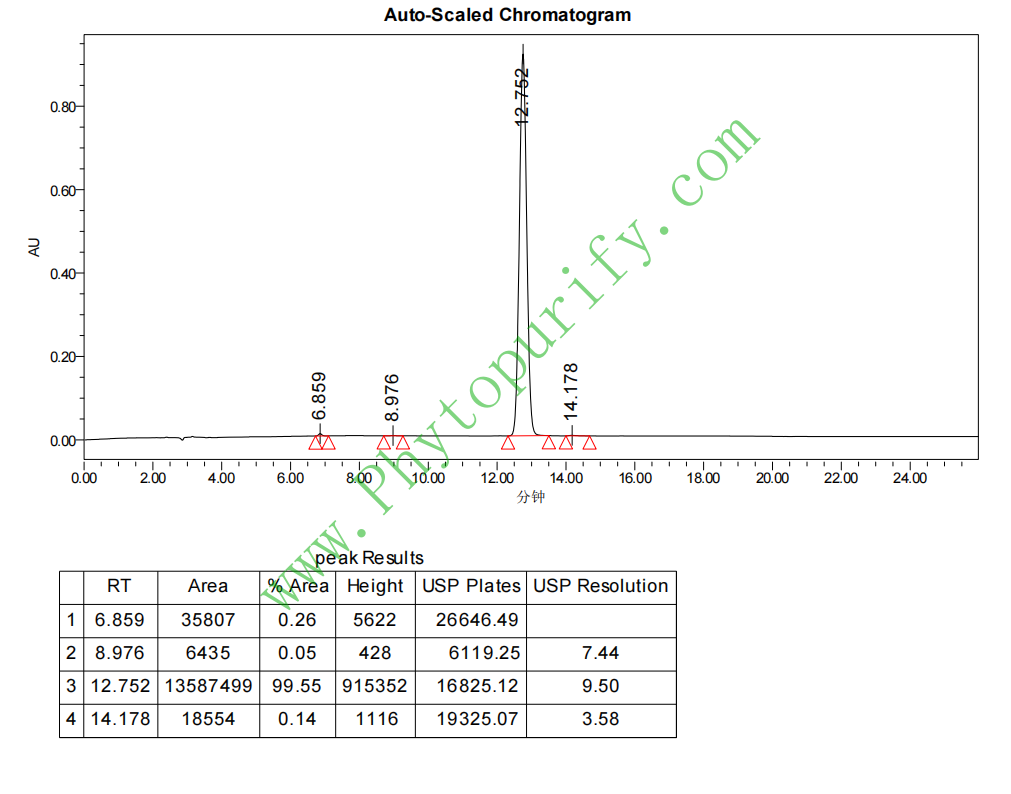
HPLC of Albiflorin
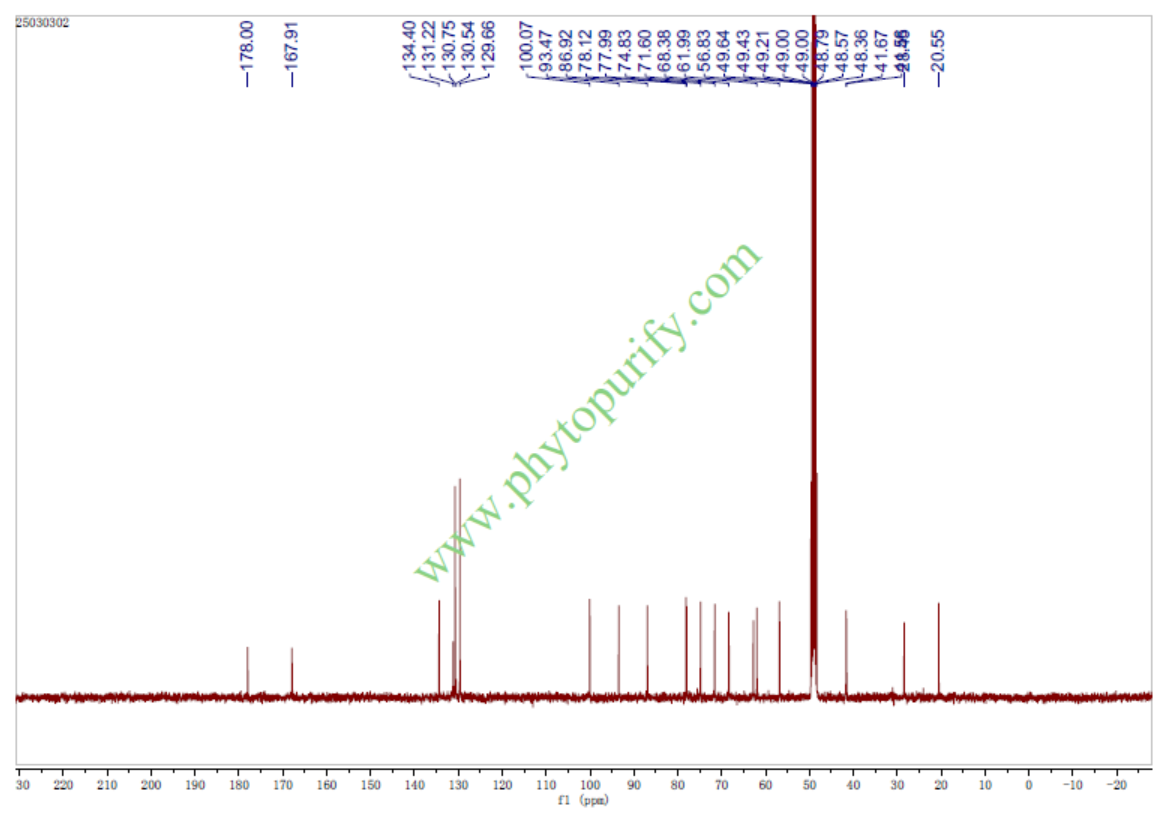
NMR of Albiflorin
Storage conditions:Short-term storage at 2~8℃, long-term storage at -20 ~ -80℃
196.4800
-1.5000
-1.5000
Low
No
No
No
No
No
No
No
Albiflorin is an important natural monoterpene glycoside, first isolated from the roots of the traditional Chinese medicine Paeonia lactiflora Pall. As one of the main active ingredients in peony, paeoniflorin has attracted widespread attention in the field of natural product pharmacology in recent years due to its unique chemical structure and diverse biological activities. Research has shown that paeoniflorin not only has significant neuroprotective effects, but also exhibits multiple pharmacological effects such as anti-inflammatory, antioxidant, antidepressant like, and bone metabolism regulation. Its potential application value in neurodegenerative diseases, osteoporosis, and inflammation related diseases makes it an important candidate molecule for natural medicine development and new drug research.
This article aims to systematically review the chemical structure and physicochemical properties, plant sources and extraction methods, pharmacological activity and mechanism of action, pharmacological evaluation and pharmacokinetic characteristics of paeoniflorin. Combined with its related disease targets, it explores its clinical application prospects and future development directions, providing theoretical basis and reference for further research and development.
Paeoniflorin glycoside (CAS number: 39011-90-0) is a monoterpenoid glycoside compound with a molecular formula of C23H28O11 and a molecular weight of approximately 480.46. Its structure includes a β - D-glucoside moiety, secondary alcohol groups, bridging structures, benzoate esters, γ - lactone rings, and monoterpene skeletons, reflecting the complex structural characteristics of natural products. This molecule has 11 hydrogen bond acceptors and strong polarity. The calculated topological polar surface area (TPSA) is 196.48 Å ², with a LogP value of approximately -1.5, indicating good water solubility but low lipid solubility.
From a molecular structure perspective, the gamma lactone ring and benzoate group of paeoniflorin provide the key chemical basis for its biological activity, while the glycoside portion affects its pharmacokinetic properties and in vivo distribution. Although a low LogP indicates insufficient lipid solubility, research has shown that paeoniflorin can penetrate the blood-brain barrier, suggesting that its molecular structure may achieve effective distribution in the central nervous system through specific transport mechanisms or metabolic transformations.
In terms of physical and chemical properties, paeoniflorin has no significant hepatotoxicity, cardiotoxicity, or hERG channel inhibition. The Ames mutagenicity test result is negative, indicating its good safety and potential for drug development.
Paeoniflorin mainly exists in the roots of Paeonia lactiflora Pall. and is one of the important components of total paeoniflorin. Paeonia lactiflora, as a traditional Chinese medicinal herb, is widely used in clinical practice of traditional Chinese medicine. It has the effects of promoting blood circulation, removing blood stasis, relieving pain, and regulating immunity. The content of paeoniflorin is influenced by factors such as variety, harvesting time, and growth environment.
The extraction methods often use solvent extraction combined with separation and purification techniques. The commonly used extraction solvents are ethanol or methanol aqueous solutions, and the extraction processes include hot reflux extraction, ultrasound assisted extraction, and microwave-assisted extraction. The extraction solution is purified by concentration, liquid-liquid distribution, and column chromatography (such as silica gel column, reverse phase C18 column), and finally analyzed qualitatively and quantitatively by high performance liquid chromatography (HPLC).
In recent years, supercritical fluid extraction and membrane separation technologies have also been applied to the extraction and purification of paeoniflorin, improving extraction efficiency and purity, reducing the use of organic solvents, and in line with the concept of green chemistry. In addition, the study of biosynthetic pathways provides a theoretical basis for the large-scale production of paeoniflorin through biosynthesis or genetic engineering in the future.
Paeoniflorin glycoside, as a monoterpenoid glycoside that can penetrate the blood-brain barrier, exhibits significant neuroprotective activity. Multiple in vitro and in vivo experiments have shown that paeoniflorin can resist neurotoxicity induced by β - amyloid protein (A β), alleviate apoptosis and functional impairment of hippocampal neurons, indicating its potential application value in neurodegenerative diseases such as Alzheimer's disease. Its neuroprotective effects are closely related to antioxidant, anti-inflammatory, and regulation of the neurotransmitter system.
Paeoniflorin glycoside can significantly inhibit the release of inflammatory mediators such as tumor necrosis factor alpha (TNF - α), interleukin-6 (IL-6), and nitric oxide (NO), reducing inflammatory response. Its anti-inflammatory mechanism involves inhibition of the nuclear factor kappa B (NF - κ B) signaling pathway and downregulation of inflammation related enzymes such as COX-2 and iNOS. In terms of antioxidant activity, paeoniflorin enhances intracellular antioxidant enzyme activity (such as superoxide dismutase (SOD) and glutathione peroxidase (GSH Px)), reduces reactive oxygen species (ROS) generation, and protects cells from oxidative damage.
Clinical and animal model studies have shown that paeoniflorin has antidepressant like activity. It may improve neuronal function and neuroplasticity, and alleviate depressive symptoms by regulating neurotransmitter levels in the central nervous system, such as serotonin 5-HT, dopamine DA, and norepinephrine NE. In addition, the inhibition of neuroinflammation by paeoniflorin also contributes to its antidepressant effect.
Research has found that paeoniflorin can reduce osteoblast degeneration and promote bone formation in osteoporosis models. The recovery of bone marrow hematopoietic function in a mouse model of bone marrow suppression also indicates its positive role in regulating the bone marrow microenvironment. This effect may be related to its anti-inflammatory and antioxidant capabilities, improving the bone metabolism microenvironment and promoting the survival and function of bone cells.
In addition, paeoniflorin also exhibits certain pain relieving effects, which may be achieved by regulating inflammatory responses and neural transmission pathways. Its multi-target and multi mechanism pharmacological properties provide broad possibilities for its application in various diseases.
The pharmacological effects of paeoniflorin involve multiple signaling pathways and molecular targets, reflecting its multi-target regulatory characteristics.
Paeoniflorin glycoside inhibits neurotoxicity induced by β - amyloid protein, reduces neuroinflammation and oxidative stress, and protects neurons. Its mechanism of action involves inhibition of the NF - κ B signaling pathway, reducing the release of pro-inflammatory cytokines, while activating the antioxidant enzyme system and reducing ROS levels. In addition, paeoniflorin can regulate neurotransmitter metabolism and improve neuronal function.
Paeoniflorin reduces the expression of inflammatory mediators such as TNF - α, IL-6, and nitric oxide, inhibits COX-2 and iNOS activity, and alleviates inflammatory responses. Its inhibition of the NF - κ B pathway is one of the key mechanisms, blocking inflammatory signal transduction and reducing the activation and infiltration of inflammatory cells.
The role of paeoniflorin in osteoporosis may be related to regulating osteoblast apoptosis and improving the bone marrow microenvironment. The relevant targets include bone metabolism regulatory factors and apoptosis related proteins. In addition, in the bone marrow suppression model, paeoniflorin promotes the recovery of bone marrow hematopoietic function, suggesting that it may play a role by regulating the microenvironment of bone marrow stromal cells and hematopoietic stem cells.
According to database analysis, paeoniflorin has potential associations with various sarcoma related targets, including tyrosinase (TYR), ATP binding cassette transporter B1 (ABCB1), APEX endonuclease (APEX 1), RECQL helicase, phosphatidylinositol phosphatase SYNJ2, selectin P (SELP), acid alpha glucosidase (GAA), estrogen receptor alpha (ESR1), and lectin LGALS1. These targets involve various biological processes such as DNA repair, cell apoptosis, drug tolerance, and cell adhesion, suggesting that paeoniflorin has potential multi-target regulatory effects in tumor therapy.
The pharmacological parameters of paeoniflorin indicate that it has certain potential for drug development. Its molecular weight is 480.46, slightly higher than the ideal range of traditional small molecule drugs, but still within an acceptable range. The LogP value is -1.5, indicating that it has strong hydrophilicity and may affect oral bioavailability, but it is also beneficial for in vivo distribution and blood-brain barrier penetration.
The topological polar surface area (TPSA) is 196.48 Å ², and its high polarity may limit its passive diffusion. However, research has confirmed its ability to penetrate the blood-brain barrier, suggesting the possibility of an active transport mechanism. The number of hydrogen bond receptors is 11, indicating strong intermolecular interaction ability and favorable binding to the target.
In terms of safety, paeoniflorin has no hepatotoxicity, cardiotoxicity, or hERG channel inhibition, and the Ames mutagenicity test is negative, indicating its good safety. Pharmacokinetic studies have shown that paeoniflorin has good stability and metabolic characteristics in vivo, and can be effectively distributed to the central nervous system.
However, the oral absorption rate and bioavailability of paeoniflorin still need to be further optimized. In the future, its pharmacokinetic properties can be improved through structural modifications, drug carrier systems (such as nanoparticles and liposomes), and administration routes.
Paeoniflorin glycoside has shown broad clinical application prospects due to its multiple pharmacological activities and good safety. Its neuroprotective effect makes it a potential candidate drug for the treatment of neurodegenerative diseases such as Alzheimer's disease and Parkinson's disease. The anti-inflammatory and antioxidant properties endow it with potential applications in inflammatory diseases and immune regulation. The class antidepressant effect provides new ideas for the adjuvant treatment of mental and neurological disorders.
In addition, the bone metabolism regulatory effect of paeoniflorin in osteoporosis and bone marrow suppression diseases suggests its application value in orthopedics and hematological diseases. Its potential role in targeting sarcoma related targets also provides a new research direction for tumor therapy.
Future research should focus on:
Through interdisciplinary collaboration, paeoniflorin is expected to become an important breakthrough in the field of natural product pharmacology, providing new drug options for the treatment of related diseases.
Paeoniflorin glycoside, as a typical natural monoterpene glycoside, exhibits significant pharmacological potential in neuroprotection, anti-inflammatory, antidepressant, and bone metabolism regulation due to its unique chemical structure and diverse biological activities. It has good safety and certain pharmaceutical advantages, especially in the fields of neurological diseases and osteoporosis, showing broad application prospects.
Although significant progress has been made in the research of paeoniflorin, further elucidation of its molecular mechanism, optimization of pharmacokinetic properties, and promotion of clinical translation are still needed. In the future, with the continuous development of modern pharmacology, molecular biology, and medicinal chemistry technologies, paeoniflorin is expected to become an important representative of natural product drug development, contributing new strength to human health.
