| Catalog No | Package | Original Price | Price | Inventory | Quantity | Operating |
|---|---|---|---|---|---|---|
| BP0049-100mg | 100mg | $20.00 | Sign in |
|


Product name: (±)-Borneol
Synonym name: Bingpian
Catalogue No.: BP0049
Cas No.: 507-70-0
Formula: C10H18O
Mol Weight: 154.253
Botanical Source: Defensive secretion of the sawflies Pristiphora erichsonii and Pristiphora wesmaeli
Purity: 95%~99%
Analysis Method: HPLC-DAD or/and HPLC-ELSD
Identification Method: Mass, NMR
Packing: Brown vial or HDPE plastic bottle
Can be supplied from milligrams to grams.
For Reference Standard and R&D, Not for Human Use Directly.
Inquire for bulk scale.
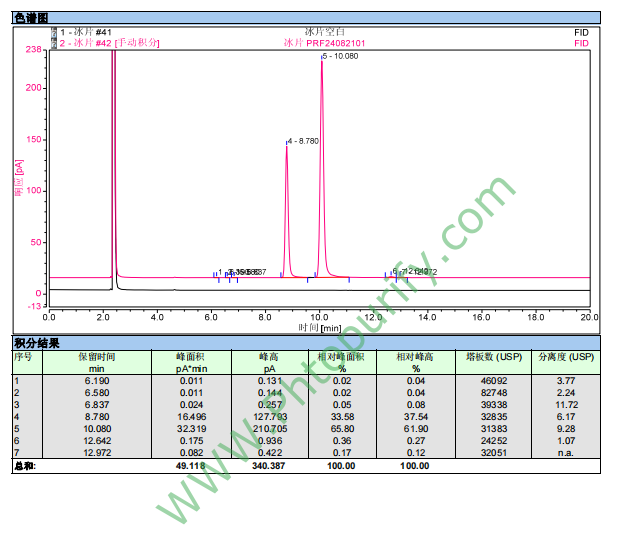
HPLC of (±)-Borneol
Storage conditions:Short-term storage at 2~8℃, long-term storage at -20 ~ -80℃
20.2300
2.9500
2.9500
High
No
No
No
No
No
No
Borneol (±) - Borneol), CAS number 507-70-0, is a typical natural product of bicyclic monoterpenes, with a chemical structure of 1,7,7-trimethylbicyclo [2.2.1] heptane substituted by a hydroxyl group at position 2. As a widely used medicinal ingredient in traditional Chinese medicine and Japanese traditional Chinese medicine, borneol has attracted much attention due to its significant analgesic, anesthetic, and neuroprotective effects. In recent years, with the development of molecular pharmacology and medicinal chemistry technology, the biological activity mechanism and molecular targets of borneol have gradually become clear, especially its potential roles in central nervous system regulation, inflammation inhibition, and metabolic diseases, providing a solid scientific basis for its clinical application and new drug development.
This article will provide a systematic review of the chemical structure and physicochemical properties, plant sources and extraction methods, pharmacological activity and mechanism of action, pharmacological evaluation, and pharmacokinetic characteristics of borneol. The focus will be on exploring its molecular targets in neuroprotection, anti-inflammatory, and metabolic diseases, and looking forward to its potential for future applications.
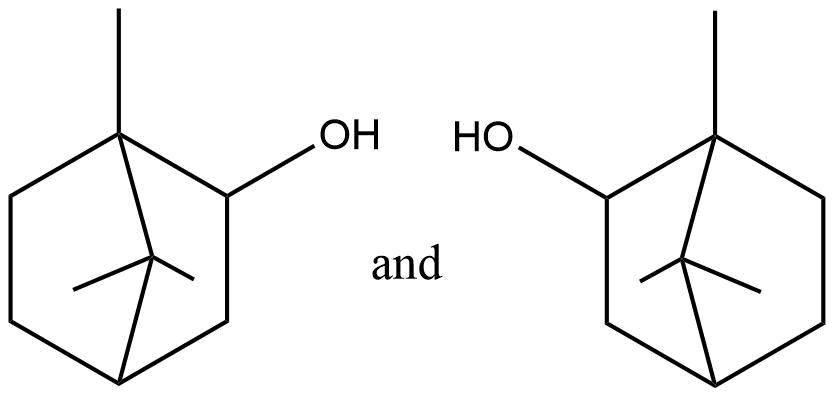
The chemical name of borneol is (±) - Borneol, with a molecular formula of C10H18O and a molecular weight of 154.25. It belongs to the class of monoterpenes in the bornene group. Its structural feature is a bicyclic [2.2.1] heptane skeleton, with two rings connected by bridging carbons, hydroxyl groups attached to the 2nd carbon, and methyl substituents on the 1st, 7th, and 7th carbons, forming a stable trimethyl structure. Borneol has two enantiomers, namely (+) and (-) Borneol. Natural sources are mostly of the (+) type, while synthetic Borneol is usually in its racemic form.
In terms of physical and chemical properties, the LogP value of borneol is about 2.95, indicating that it has moderate lipid solubility and is easy to penetrate lipid membranes, especially the blood-brain barrier (BBB). Its TPSA (topological polar surface area) is 20.23 Å ², and the number of hydrogen bond receptors is 1, all of which conform to the good characteristics of active molecules in the central nervous system. Borneol is a colorless or light yellow crystalline solid with volatility and a unique cool aroma. Its melting point is about 208-210 ℃, and its solubility in water is low, but it is easily soluble in organic solvents such as ethanol and ether. Its high blood-brain barrier permeability gives it a unique advantage in the treatment of neurological diseases.
Borneol is mainly found in the volatile oils of various plants, especially in Cinnamomum camphora and other camphor plants, which are abundant in content. The borneol used in traditional Chinese medicine is mostly derived from distilled extracts of natural camphor trees and can also be obtained through chemical synthesis. The content of borneol in plant volatile oil is greatly affected by growth environment, harvesting period, and extraction process.
Common extraction methods include steam distillation and organic solvent extraction. The steam distillation method is widely used due to its simple operation and minimal damage to thermosensitive components. In modern technology, supercritical CO2 extraction technology has gradually become the preferred method for extracting borneol due to its high efficiency, environmental friendliness, and strong selectivity. After extraction, purification and quantitative analysis are carried out using chromatographic separation techniques such as gas chromatography (GC) and liquid chromatography (LC) to ensure the purity of borneol and the stability of its active ingredients.
Borneol, as a multifunctional natural product, exhibits rich pharmacological activities, covering various aspects such as nervous system regulation, anti-inflammatory, anti ischemic, antibacterial, and metabolic regulation.
Borneol and its enantiomer (-) - Borneol have a highly efficient positive regulatory effect on GABA_A receptors, especially on the human recombinant α 1- β 2- γ 2L GABA_A receptor subtype, exhibiting significant sedative, anti anxiety, and anticonvulsant activities. Its mechanism of action involves enhancing GABA mediated chloride ion influx, promoting neuronal inhibitory signaling, thereby exerting central analgesic and anesthetic effects.
In addition, borneol specifically inhibits signal transduction mediated by nicotinic acetylcholine receptors (nAChR) in a non competitive manner, regulating neural excitability and synaptic transmission, demonstrating potential neuroprotective effects. Studies on in vitro blood-brain barrier models have shown that borneol can inhibit P-glycoprotein function through the NF - κ B signaling pathway, improve the ability of drugs to pass through the blood-brain barrier, and suggest its application value in neurological drug delivery.
Borneol inhibits the I κ B α - NF - κ B signaling pathway, blocks the translocation of NF - κ B from the cytoplasm to the nucleus, significantly reduces the expression of pro-inflammatory factors such as TNF - α, IL-1 β, and IL-6, and exhibits good anti-inflammatory effects. In the LPS induced acute lung injury model, it reduces lung tissue inflammation and oxidative stress by inhibiting the NF - κ B and MAPKs signaling pathways, and protects lung function.
Borneol exhibits significant neuroprotective effects in a model of cerebral ischemia-reperfusion injury, and its mechanism is closely related to its inhibition of the I κ B α - NF - κ B signaling pathway and inflammatory response. By reducing neuronal apoptosis and oxidative damage, borneol has the potential to serve as an adjuvant therapy for stroke and other neurodegenerative diseases.
Although there is relatively little research on the use of borneol in metabolic diseases, it has potential regulatory effects on various targets associated with hyperglycemia, such as AMPK, SGLT2, GCK, etc. Preliminary in vitro and computational simulation studies suggest that borneol may assist in improving symptoms of hyperglycemia by regulating energy metabolism and glucose metabolism pathways, which deserves further in-depth exploration.
The multi-target mechanism of action of borneol is the basis for its diverse pharmacological activities. It mainly involves the following key molecular targets and signaling pathways:
The positive regulatory effect of borneol and its enantiomers on GABA_A receptors is the core mechanism of its analgesic and anesthetic effects. By enhancing GABA mediated neural inhibition, borneol reduces neuronal excitability, alleviates pain and anxiety.
Borneol inhibits nAChR in a non competitive manner, regulates neurotransmitter release and nerve conduction, and may be involved in its neuroprotective and cognitive function regulatory effects.
Borneol exerts anti-inflammatory and neuroprotective effects by inhibiting the degradation of I κ B α, blocking NF - κ B nuclear translocation, reducing the expression of pro-inflammatory genes. This mechanism has been validated in acute lung injury and cerebral ischemia models.
Borneol inhibits the activation of MAPKs such as p38, JNK, and ERK, synergistically inhibits inflammatory response and cell apoptosis, and enhances tissue repair ability.
Borneol inhibits P-glycoprotein function through NF - κ B mediated mechanisms, affecting drug transport across the blood-brain barrier and potentially enhancing the bioavailability of central nervous system drugs.
Borneol has potential regulatory effects on targets related to hyperglycemia, such as AMPK (energy sensing kinase), SGLT2 (sodium glucose cotransporter 2), GCK (glucokinase), etc., indicating its potential application in metabolic diseases.
The pharmacological parameters of borneol show that it has good potential for drug development. Molecular weight 154.25, LogP 2.95, TPSA 20.23 Å ², in compliance with Lipinski rules, with good oral absorption and blood-brain barrier permeability. Its hydrogen bond receptor number is only 1, which facilitates the binding of molecules to targets and membrane permeation.
Toxicological evaluation shows that the LD50 of borneol is about 4300 mg/kg, with low toxicity and no significant hepatotoxicity, cardiotoxicity, or hERG channel inhibition. The Ames mutagenicity test is negative, indicating good safety.
Pharmacokinetic studies have shown that after oral administration, borneol is rapidly absorbed and widely distributed, especially at higher concentrations in the central nervous system. Its metabolism is mainly carried out through the liver enzyme system, and the activity and clearance mechanism of metabolites still need further research. The high blood-brain barrier permeability of borneol makes it an ideal candidate for drug development in neurological diseases.
As a traditional Chinese medicine ingredient, borneol has shown broad clinical application prospects in the fields of central nervous system diseases, inflammatory diseases, and metabolic diseases due to its multi-target and multi mechanism pharmacological activities.
Based on its positive regulation and neuroprotective effects on GABA_A receptors, borneol is expected to be used for the treatment of epilepsy, anxiety disorders, cerebral ischemia, and neurodegenerative diseases. In the future, modern pharmaceutical technology can be combined to develop sustained-release formulations or brain targeted drug delivery systems to improve therapeutic efficacy.
The inhibitory effect of borneol on the NF - κ B and MAPKs signaling pathways makes it a potential molecule for the development of anti-inflammatory drugs, especially suitable for adjuvant therapy of acute lung injury, chronic inflammatory diseases, and autoimmune diseases.
Although the research on the use of borneol in hyperglycemia and metabolic syndrome is still in its infancy, its regulatory effects on key targets such as AMPK and SGLT2 suggest that it may become a potential therapeutic agent for metabolic diseases, and it is worth conducting systematic pharmacological and clinical studies.
Borneol provides a new strategy for central nervous system drug delivery by inhibiting P-glycoprotein function and improving blood-brain barrier permeability. Combined use with other drugs may enhance efficacy, reduce dosage and toxic side effects.
Future research should focus on the clinical efficacy evaluation, pharmacokinetic optimization, and safety monitoring of borneol, combined with modern medicinal chemistry and molecular biology techniques, to promote its clinical translation.
Borneol, as a classic natural product of bicyclic monoterpenes, has excellent pharmacological activity and medicinal properties, especially in the fields of nervous system regulation, anti-inflammatory and metabolic diseases, showing broad application prospects. Its multi-target and multi mechanism mode of action provides new ideas and strategies for disease treatment. In the future, we should strengthen the in-depth analysis and clinical research of the mechanism of action of borneol, promote it to become a safe and effective natural medicine or new drug candidate molecule, and contribute to the cause of human health.
