Introduction/Overview
Neurodegenerative diseases such as Alzheimer's Disease (AD) and Parkinson's Disease (PD) have become major global public health challenges. With the aging of the population, its incidence rate continues to rise, bringing heavy burdens to society and families. However, the drugs currently used in clinical practice are mostly limited to symptom relief, making it difficult to effectively prevent or reverse the pathological progression of the disease, and often accompanied by significant side effects. Therefore, exploring neuroprotective lead compounds with multiple targets, high efficiency, and low toxicity from natural products has become an important strategy for new drug development.
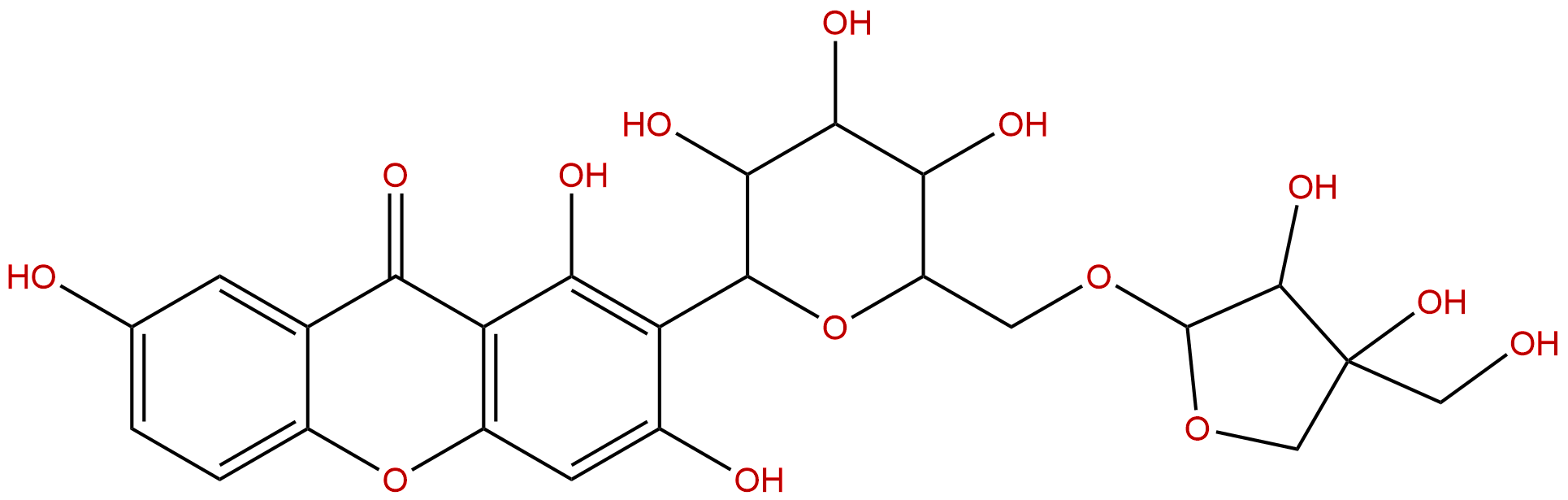
Xanthone compounds are a class of natural polyphenolic substances with a benzochromenone skeleton, widely distributed in plants such as the Apocynaceae and Polygalaceae families. Numerous studies have shown that flavonoids and their derivatives have a wide range of biological activities, including anti-inflammatory, antioxidant, anti-tumor, and neuroprotective effects. Sibirica xanthone A, as a unique flavonoid C-glycoside, was isolated from the rhizomes of Polygala sibirica L. in the family Polygalaceae. Its CAS number is 241125-76-8. Siberian Polygala tenuifolia is commonly used in traditional medicine for calming the mind, improving intelligence, dispelling phlegm, and opening up orifices. Modern pharmacological research has also confirmed that its extract has the potential to improve memory and cognitive function. Siberian Yuanzhishanketone A, as one of its active ingredients, has attracted much attention in recent years due to its regulatory potential in various neurodegenerative disease-related targets and pathways. This article aims to systematically review the chemical properties, plant sources, pharmacological activities, mechanisms of action, and pharmacological properties of Siberian mountain ketone A, and to explore its development prospects as a neuroprotective candidate drug.
Chemical structure and physicochemical properties
The chemical structure of Siberian Yuanzhi Mountain Ketone A belongs to the class of flavones, specifically the C-glycosidic derivative of flavones. Its parent nucleus is 9H-ton-9-one (i.e. xanthan ketone), and there are usually substituents such as hydroxyl and methoxy groups at different positions of the parent nucleus. Its key feature is the direct connection of a sugar group (such as glucose, rhamnose, etc.) through a C-C bond, forming a C-glycosidic structure, which differs from common O-glycosides in terms of stability and metabolic characteristics. The stability of this C-glycosidic bond to acid and enzyme hydrolysis is usually higher than that of O-glycosides, which may affect its bioavailability and metabolic pathways in vivo.
According to its pharmacological parameters, the molecular weight of Siberian Yuanzhi Mountain Ketone A is 538.4580, which is a medium-sized molecule. The calculated lipid water partition coefficient (LogP) is -0.6810, indicating that the compound has good hydrophilicity, which is closely related to the presence of multiple polar groups (such as hydroxyl and sugar groups) in the structure. The topologically polar surface area (TPSA) is as high as 239.9700 Å ², further confirming its strong polarity characteristics, which typically affect its transmembrane permeability. The water solubility value is 1.1013 (usually measured in mg/mL or log mol/L, indicating moderate or good water solubility), which is beneficial for its formulation development in aqueous media. However, high polarity and large TPSA also pose challenges to its biofilm penetration, with a predicted "low" blood-brain barrier (BBB) penetration, which is a bottleneck that needs to be overcome as a central nervous system drug development. In early safety indicators, hERG inhibition is "no", indicating a low potential risk of cardiac toxicity; The Ames test value is 1.5 (usually expressed as mutation rate, close to 1 or less than 2 can be preliminarily considered non mutagenic), indicating that it is negative or weakly positive in preliminary genotoxicity testing, but further confirmation is needed. These physicochemical and pharmacological parameters provide key basis for its subsequent structural optimization and formulation design.
Plant sources and extraction methods
Siberian Polygala sibirica A mainly comes from the rhizomes of Polygala sibirica L., a plant belonging to the Polygala family. Siberian Polygala tenuifolia is widely distributed in various regions of Northeast, North, Northwest, and Southwest China. It is a commonly used traditional Chinese medicinal herb, often referred to as "Polygala tenuifolia" or "Sweet Polygala tenuifolia". It has the effects of calming the mind, improving intelligence, and reducing phlegm and swelling.
The extraction and isolation of Siberian mountain ketone A from plant materials usually follow the conventional process of natural product chemistry. Firstly, crush the dried roots and rhizomes of Siberian Polygala tenuifolia and extract them using appropriate solvents. Given the polarity range of flavonoids, methanol, ethanol, or their different concentrations of aqueous solutions are often used for reflux extraction or ultrasound assisted extraction to improve extraction efficiency. After vacuum concentration, the crude extract obtained was subjected to systematic extraction and segmentation using solvents such as petroleum ether, ethyl acetate, n-butanol, etc. Siberian yuanzhishanketone A was mainly enriched in the n-butanol or water-soluble parts due to its strong polarity and hydrophilicity.
Further purification relies on various chromatographic techniques. Silica gel column chromatography is commonly used for preliminary separation, with different ratios of chloroform methanol or dichloromethane methanol gradient elution. Subsequently, using reverse phase chromatography materials such as ODS/C18, methanol water or acetonitrile water was used as the mobile phase for medium pressure or high pressure liquid chromatography (MPLC/HPLC) purification. Finally, high-purity Siberian Yuanzhishanketone A monomer compound was obtained by preparative high-performance liquid chromatography (pre HPLC). The structural identification comprehensively utilizes techniques such as ultraviolet spectroscopy (UV), infrared spectroscopy (IR), mass spectrometry (MS, especially high-resolution mass spectrometry HR-MS), and nuclear magnetic resonance spectroscopy (NMR, including 1H-NMR, 13C-NMR, and 2D-NMR such as HSQC, HMBC, etc.) to ultimately determine its planar structure and relative configuration. The application of modern separation and identification techniques ensures that the compound can be effectively obtained and used for in-depth pharmacological activity research.
Pharmacological activity research
The core pharmacological activity of Siberian Yuanzhi Mountain Ketone A focuses on the field of neuroprotection, and it has been proven to have significant neuroprotective effects in various in vitro and in vivo models.
1. Antioxidant stress and inhibition of cell apoptosis: In the neuronal cell injury model induced by toxic substances such as hydrogen peroxide (H ₂ O ₂), beta amyloid (A β) oligomers, or glutamate (such as PC12 cells, SH-SY5Y cells, and primary cortical neurons), Siberian resveratrol A pretreatment can significantly improve cell survival rate and reduce lactate dehydrogenase (LDH) leakage. Its function is closely related to reducing excessive accumulation of reactive oxygen species (ROS), restoring mitochondrial membrane potential, and inhibiting the activation of apoptotic executive proteins such as caspase-3.
2. Improve synaptic plasticity and cognitive function: Long term administration of Siberian tanshinone A can improve spatial learning and memory abilities in AD model animals (such as A β - intraventricular injection mice and APP/PS1 transgenic mice), which has been validated in behavioral tests such as Morris water maze and new object recognition. Histopathological analysis showed that the compound can alleviate neuronal loss in the hippocampus and increase the expression of synaptic proteins related to learning and memory, such as PSD-95 and Synapsin-1, suggesting its protective effect on synaptic structure and function.
3. Anti neuroinflammation: Chronic neuroinflammation is an important driving factor for neurodegenerative diseases. Research has shown that Siberian tanshinone A can inhibit the overactivation of microglia (the main immune cells in the brain) activated by lipopolysaccharides (LPS) or A β. It can downregulate the expression of pro-inflammatory factors such as tumor necrosis factor - α (TNF - α), interleukin-1 β (IL-1 β), and inducible nitric oxide synthase (iNOS), while possibly promoting the release of anti-inflammatory factors, thereby creating a protective microenvironment in the neuroinflammatory environment.
4. Effects on the cholinergic system: Dysfunction of the cholinergic system is one of the early features of AD. Research suggests that Siberian mountain ketone A may have a certain inhibitory effect on acetylcholinesterase (AChE). Although its direct inhibitory efficacy may not be as good as the classical drug donepezil, it may help alleviate cognitive impairment by improving cholinergic neurotransmission through multiple pathways.
In summary, Siberian mountain ketone A exerts neuroprotective effects on multiple levels through multiple pathways such as antioxidant, anti apoptotic, anti-inflammatory, and synaptic protection, providing experimental basis for its multi-target intervention in neurodegenerative diseases.
Mechanism of action and molecular targets
The neuroprotective effect of Siberian Yuanzhishanketone A is not achieved through a single target, but acts on a complex network involving multiple key nodes such as apoptosis regulation, oxidative stress response, tau protein pathology, amyloid protein generation, and cell survival signaling pathways. Its mechanism of action is closely related to the following targets and pathways:
1. Regulation of apoptosis pathway:
* BCL2 and CASP9: BCL2 is an important anti apoptotic protein. Siberian mountain ketone A can upregulate the expression of BCL2 and inhibit the activation of pro apoptotic protein Bax, thereby stabilizing mitochondrial outer membrane permeability and preventing the release of cytochrome C. The release of cytochrome C is a key step in activating downstream apoptotic executors caspase-9 (CASP9) and caspase-3. This compound effectively blocks cell apoptosis through the mitochondrial pathway by inhibiting this cascade reaction.
2. Oxidative stress and inflammatory response:
* NFE2L2 (Nrf2) pathway: Nrf2 is a core transcription factor in cellular antioxidant stress response. Research has shown that Siberian resveratrol A can promote the translocation of Nrf2 from the cytoplasm to the nucleus, activate its downstream antioxidant response element (ARE), and thereby upregulate the expression of phase II detoxifying enzymes and antioxidant proteins such as heme oxygenase-1 (HO-1) and quinone oxidoreductase 1 (NQO1), enhancing the self-defense ability of neurons.
* SIRT1: Silent Information Regulatory Factor 1 (SIRT1) is an NAD+- dependent deacetylase involved in regulating energy metabolism, oxidative stress, and inflammation. Siberian mountain ketone A may exert anti-inflammatory and neuroprotective effects by activating SIRT1, deacetylating, and inhibiting the activity of pro-inflammatory transcription factors such as NF - κ B.
3. Core pathological targets of AD:
* APP and BACE1: β - amyloid precursor protein (APP) is sequentially cleaved by β - secretase (BACE1) and γ - secretase to produce A β. Siberian mountain ketone A has been shown to downregulate the expression or activity of BACE1, reduce the production of A β, and alleviate the burden of amyloid plaques from the source.
* MAPT (Tau protein) and GSK3B: The formation of neurofibrillary tangles by excessive phosphorylation of Tau protein is another major pathological feature of AD. Glycogen synthase kinase-3 β (GSK3B) is one of the key kinases for phosphorylating Tau. Siberian Yuanzhi Mountain Ketone A may maintain cytoskeletal stability by inhibiting the activity of GSK3B, reducing abnormal phosphorylation of Tau protein.
* ACHE: As mentioned earlier, it may have an inhibitory effect on acetylcholinesterase, which helps to increase the level of acetylcholine in synaptic cleft.
4. Cell signaling pathways:
* MAPK1 (ERK) pathway: Extracellular signal regulated kinase (ERK) is a member of the MAPK family, involved in the transduction of signals related to cell proliferation, differentiation, and survival. Siberian mountain ketone A may activate the ERK signaling pathway, with downstream effects such as promoting phosphorylation of CREB (cAMP response element binding protein), thereby upregulating the expression of genes related to neuronal survival and plasticity, such as BDNF.
In summary, Siberian resveratrol A forms a multidimensional and networked neuroprotective mechanism by synergistically regulating multiple targets and pathways mentioned above, which may give it an advantage over single target drugs in dealing with neurodegenerative diseases with complex pathological mechanisms.
Evaluation of drug properties and pharmacokinetics
Despite the enormous potential demonstrated in pharmacological activity of Siberian Yuanzhi Mountain Ketone A, its pharmacological properties, i.e. the possibility of developing from an active compound into a successful drug, still require comprehensive evaluation. The existing data reveals its characteristics of both advantages and challenges.
Advantage:
1. Preliminary safety indicators are good: The negative inhibition of hERG reduces the risk of causing QT interval prolongation in the heart, and the preliminary Ames test results suggest a low risk of genetic toxicity, which provides an important safety basis for its subsequent development.
2. Good water solubility: Moderate water solubility is beneficial for making various dosage forms such as oral and injection solutions, improving the convenience of administration.
3. Multi target effect: For complex diseases, multi-target drugs may have better efficacy and lower risk of drug resistance.
Challenges and research questions:
1. Low blood-brain barrier penetration: This is one of the biggest challenges facing its development as a neuroprotective drug. High TPSA and strong polarity are the main reasons for poor BBB permeability. In order to effectively deliver drugs to the site of action in the central nervous system, strategy optimization is necessary. Possible solutions include:(a) Pre medication strategy: By modifying polar groups through esterification, amidation, and other methods, a precursor with higher lipid solubility is produced, which is hydrolyzed into the original drug after entering the brain.(b) Structural modification: Reasonably design the molecule while retaining the pharmacophore, moderately reduce polarity, and increase LogP value.(c) New drug delivery system: Using carriers such as nanoparticles, liposomes, and polymer micelles to encapsulate drugs, and utilizing receptor-mediated or adsorption mediated endocytosis transport to help them cross the BBB.(d) Combination therapy: When used in combination with reagents that can temporarily open the BBB (such as mannitol), safety should be carefully evaluated.
2. Pharmacokinetic properties unknown: At present, there is almost no systematic pharmacokinetic study on Siberian mountain ketone A (such as oral bioavailability, tissue distribution, metabolic pathways, half-life, excretion mode, etc.). This is a crucial link that must be filled in preclinical research. It is necessary to establish sensitive and specific biological analysis methods (such as LC-MS/MS) and conduct comprehensive ADME (absorption, distribution, metabolism, excretion) studies in animal models (rats, mice). Special attention should be paid to the metabolic stability of its C-glycosidic structure in the gastrointestinal tract and liver, as well as the identification and activity of its main metabolites.
3. Formulation development: Develop stable formulations suitable for different routes of administration based on their physicochemical properties.
Therefore, future research should focus on improving its BBB permeability through rational drug chemistry methods and systematically elucidating its in vivo fate, laying a solid foundation for subsequent preclinical toxicology studies and clinical trial design.
Clinical application prospects and prospects
Siberian Yuanzhi Mountain Ketone A, as a natural active ingredient derived from traditional medicinal plants, has shown unique application prospects in the field of neurodegenerative disease prevention and treatment.
Potential clinical application directions:
1. Prevention and treatment of Alzheimer's disease: Given its simultaneous action on core pathological processes of AD, such as A β production (BACE1), Tau phosphorylation (GSK3B), cholinergic system (ACHE), and oxidative stress/inflammation (Nrf2, SIRT1), it is expected to be developed as a multi-target anti AD drug for early disease intervention or combination therapy with existing drugs to enhance efficacy and delay disease progression.
2. Other neurodegenerative diseases: Its powerful antioxidant, anti apoptotic, and anti-inflammatory mechanisms are also applicable to the treatment exploration of diseases such as Parkinson's disease, Huntington's disease, and amyotrophic lateral sclerosis.
3. Cerebral ischemia/reperfusion injury: In cerebrovascular diseases such as stroke, its neuroprotective effect may help alleviate the death of ischemic penumbra neurons and improve neurological function prognosis.
4. Neuroinflammatory related diseases: For diseases involving significant neuroinflammation such as multiple sclerosis and traumatic brain injury, there may also be therapeutic potential.
Future research prospects and challenges:
1. In depth mechanism research: It is necessary to use techniques such as gene knockout/knockdown, reporter genes, molecular docking, and surface plasmon resonance to more accurately verify the direct interaction sites and modes of action (excitation, inhibition, allosteric regulation, etc.) with the aforementioned targets.
2. Research on Structural Optimization and Structure Performance Relationship: The system carries out the synthesis and activity screening of its derivatives, clarifying their pharmacophores and toxic groups. By rational drug design, the optimal balance is achieved between enhancing activity, improving BBB penetration, and optimizing pharmacokinetic properties.
3. Pre clinical comprehensive evaluation: After completing the pharmacokinetic study of the system, it is necessary to conduct standardized long-term toxicity, reproductive toxicity, immunotoxicity and other safety pharmacology studies in accordance with the "Good Clinical Practice for Drug Research", and select the most suitable disease animal model for efficacy confirmation.
4. Explore combination therapy strategies: Studying its synergistic effects with existing clinical drugs such as donepezil, memantine, etc., may lead to the discovery of combination therapy regimens with lower doses, higher efficacy, and fewer side effects.
5. Exploring new routes of administration: In addition to oral administration, intranasal administration or other administration methods that can bypass the BBB or directly enter the brain can be considered to increase the concentration of drugs in the brain.
Although the road ahead is full of challenges, the multi-target, naturally sourced neuroprotective strategy represented by Siberian resveratrol A provides new hope and important candidate molecules for overcoming the medical challenge of neurodegenerative diseases.
Conclusion
Siberian Yuanzhi Mountain Ketone A is a flavonoid C-glycoside with significant neuroprotective activity isolated from the traditional Chinese medicine Siberian Yuanzhi. Research has shown that it effectively counteracts oxidative stress, apoptosis, neuroinflammation, and core pathological processes of Alzheimer's disease in cellular and animal models by upregulating BCL2, activating Nrf2/SIRT1, and inhibiting BACE1/GSK3B/CASP9 through multi-target synergistic effects, demonstrating the potential to improve cognitive function. Its excellent preliminary safety and multi-target characteristics are its outstanding advantages. However, poor blood-brain barrier penetration and blank systematic pharmacokinetic data are key bottlenecks that must be overcome in the process of drug conversion. Future research should focus on optimizing its physicochemical properties through drug chemistry strategies, delving into its in vivo processes, and completing systematic preclinical evaluations. The discovery and research of Siberian Yuanzhi Mountain Ketone A not only provide promising candidate compounds for the prevention and treatment of neurodegenerative diseases, but also once again confirm that the exploration of multi-target natural products from traditional medicinal plants is a valuable source for modern innovative drug development. With the continuous deepening of research and the development of technology, it is expected to achieve a leap from laboratory to clinical in the field of neuroprotective drugs, bringing new treatment options to billions of patients worldwide.